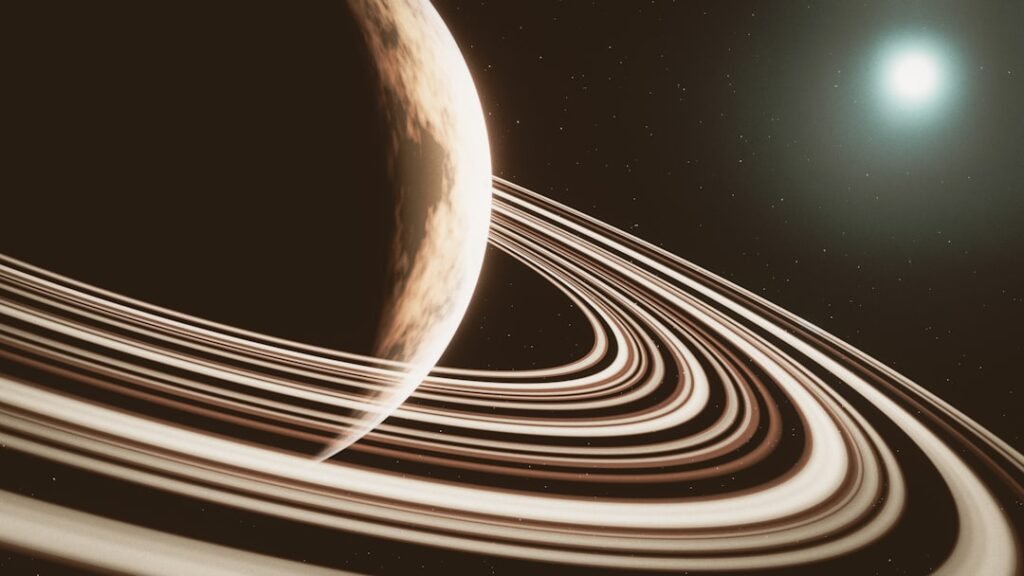
Saturn’s rings always felt like one of those things that would just… be there. Like mountains, or oceans, or that friend who’s always late but somehow never changes. So it’s genuinely unsettling to realize that the most iconic feature of the “Lord of the Rings” planet is slowly vanishing, and on cosmic timescales, it’s happening surprisingly fast. We’re living in a very special window in the history of the solar system – the brief era when Saturn wears its shimmering halo.
I still remember the first time I saw real images from Cassini: Saturn floating in the dark, backlit by the Sun, its rings like a glowing vinyl record. It felt almost fake, too perfect to be real. The idea that future intelligent beings, a hundred million years from now, might look at Saturn and see little more than a faint dusty band instead of that brilliant disc feels almost like losing a work of art. But this isn’t just a sad story about beauty fading; it’s also a huge scientific clue about how planets, moons, and entire solar systems live and change.
The Surprising Truth: Saturn’s Rings Are Not Permanent
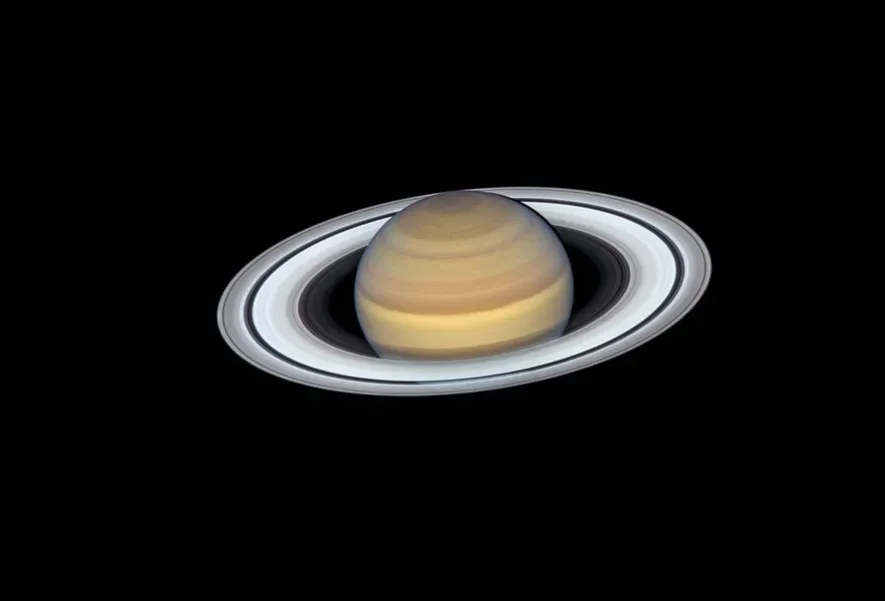
Here’s the part that shocks most people: Saturn’s rings are temporary. They’re not ancient relics from the beginning of the solar system that have just been coasting ever since. Multiple lines of evidence from NASA’s Cassini mission suggest that the main rings are relatively young, probably only tens to hundreds of millions of years old, which is recent compared to Saturn itself, which is more than four billion years old. In other words, if the age of the solar system were a single 24-hour day, Saturn’s rings might have appeared in the last few minutes.
That alone already flips the script. The rings may have formed from a shattered moon, or from icy material that wandered too close and got torn apart by Saturn’s gravity. Whatever the exact origin, scientists now see them less as timeless jewelry and more as a kind of short-lived planetary event. And, even more dramatically, we’re now fairly sure this event has an expiration date – the rings are actively disappearing into Saturn’s atmosphere, grain by grain, ice chunk by ice chunk.
How We Know the Rings Are “Raining” Into Saturn
For a long time, the rings looked delicate but stable. Then came more precise measurements. Saturn’s gravity, its magnetic field, and the constant bombardment by sunlight and charged particles are gradually pulling ring material down. Tiny ice grains become electrically charged and spiral along magnetic field lines, creating what scientists call “ring rain” that falls into Saturn’s upper atmosphere. Estimates from Cassini’s instruments suggest that tons of ring material are lost every second, which sounds almost impossibly dramatic until you remember how enormous the rings are.
During Cassini’s Grand Finale – those death-defying dives between the planet and the rings before the spacecraft plunged into Saturn in 2017 – scientists could actually measure how much material was flowing in. They found that the rate of loss was higher than many had expected, implying that the rings may fade away completely in roughly about one hundred million years or so. That’s long for us, but very short in planetary terms. Once you see Saturn’s rings as a slow, glowing waterfall rather than a frozen structure, the planet stops looking like a static postcard and more like something in motion, mid-transformation.
What Saturn Without Rings Might Actually Look Like
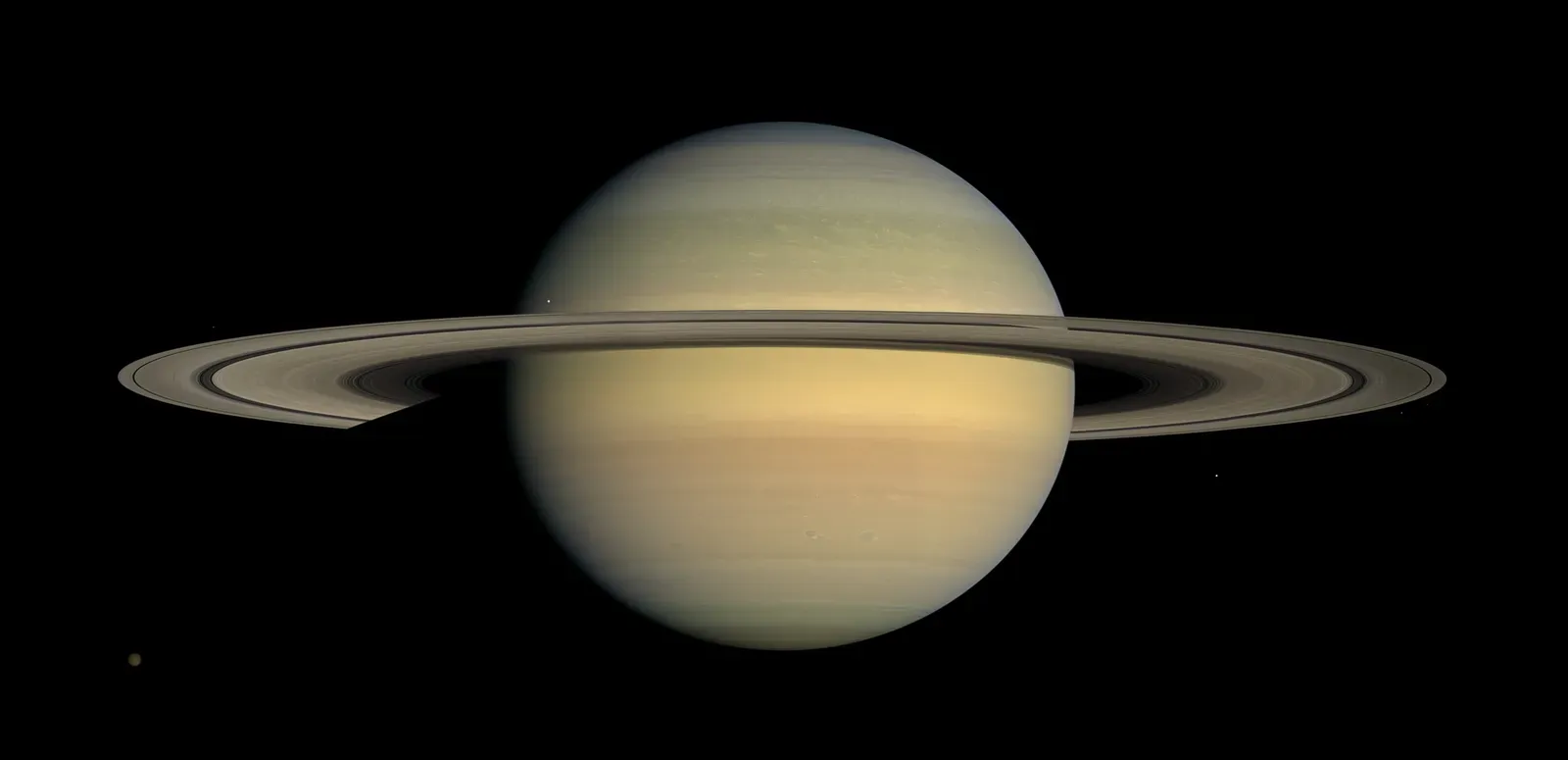
It’s strangely hard to picture Saturn without its rings, like imagining Earth with no oceans or the Moon with no craters. But gas giants without spectacular ring systems are actually the norm; Jupiter, Uranus, and Neptune all have rings, but they are thin and dark, nothing like Saturn’s dazzling bands. A future Saturn might resemble a slightly stripped-down Jupiter: a massive striped sphere with subtle, faint dusty rings that only show up clearly in long-exposure images. For any future observers looking through small telescopes, the Saturn we know today might feel like a myth or a lost era.
There’s something almost melancholic about this. Saturn’s rings are one of the very first things many of us learn to draw when we think of space – a circle with a glorious ring slapped around it. Realizing that we happen to be alive during the “golden age” of Saturn’s rings gives our current sky a strange poignancy. It also raises a quiet question: how many other cosmic wonders, in some other corner of the galaxy, are in their brief highlight moment right now, visible for a fraction of cosmic time and then gone?
What This Teaches Us About Planetary Change
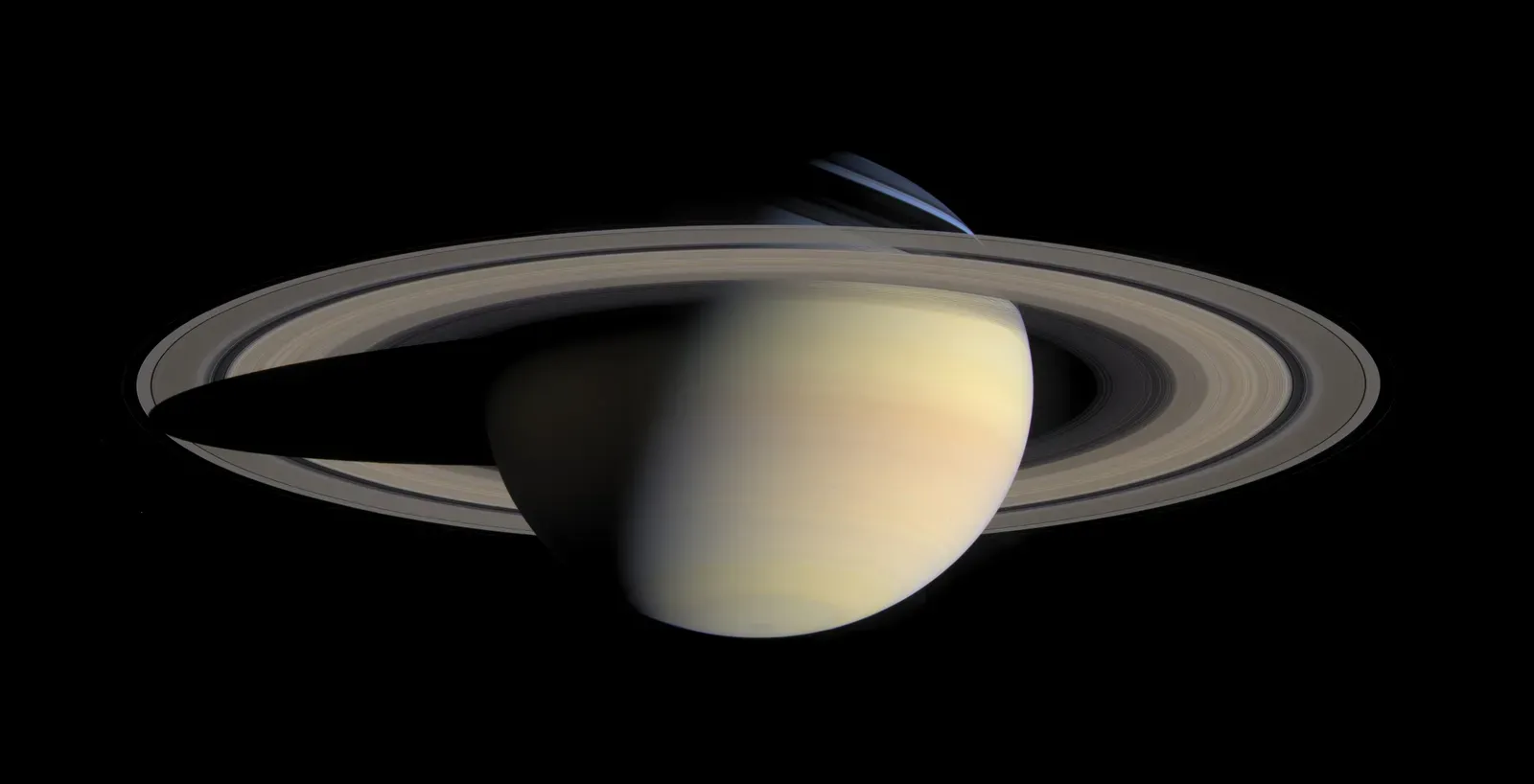
We like to imagine planets as fixed and finished, like completed projects. But Saturn’s fading rings are a blunt reminder that planetary systems are restless and constantly evolving. Rings can form, evolve, thicken, thin out, then vanish. Moons can migrate inward and outward, collide, or even be torn apart to feed rings in the first place. A planetary system is less like a completed model on a shelf and more like a slow-motion demolition and construction site that never really stops.
This matters because it tells us that the snapshots we see today – rings, moons, asteroid belts – are just stages in a much longer story. When astronomers look at other stars and see dusty discs or debris belts, Saturn’s rings give them a kind of Rosetta Stone for interpreting what they’re seeing. Maybe a chunky ring system around a young planet elsewhere is the early chapter in a story that will eventually end the same way: with those rings falling back into the planet, leaving behind a quieter, more “ordinary” world.
Clues for Understanding Exoplanets and Alien Systems
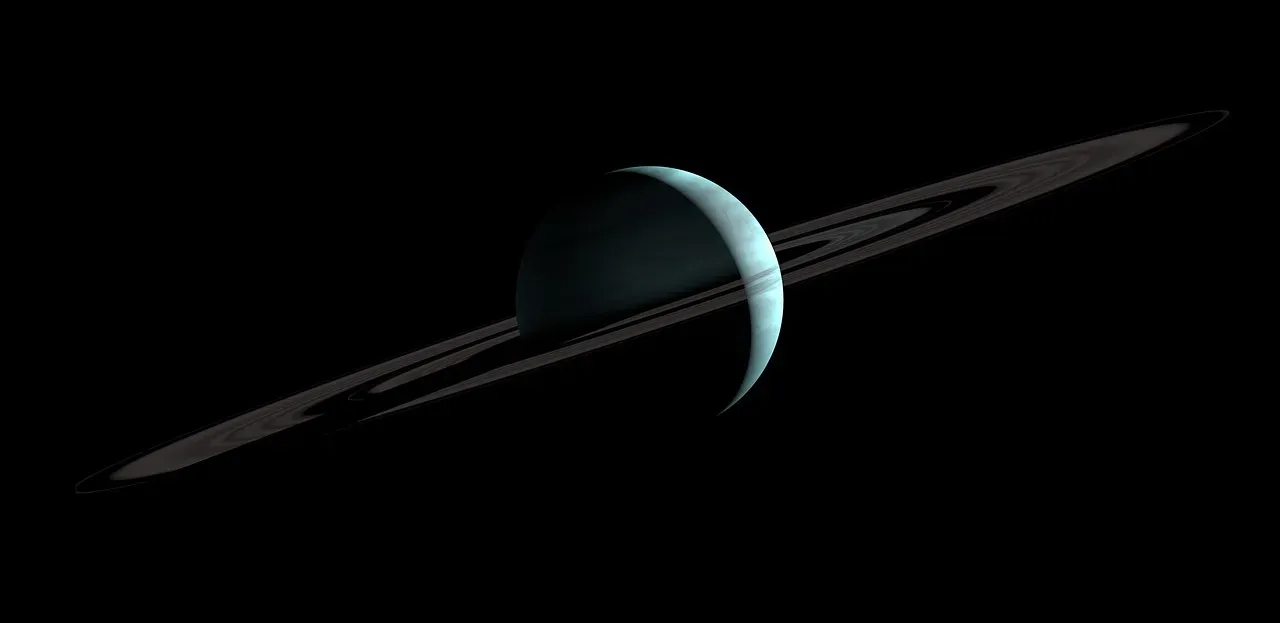
The more we learn about Saturn’s rings, the more they feel like a scaled-down version of something bigger: the dusty discs we see around other stars. Those exoplanetary systems often show rings of rock and ice circling newborn or maturing planets, and we’re trying to figure out how stable they are. Saturn tells us that something that looks majestic and solid from a distance may, in reality, be temporary and fragile. Planetary rings may be common, but long-lived, bright, massive ring systems like Saturn’s could be rare moments in time.
When we find exoplanets that might have rings, understanding Saturn helps us guess what phase they’re in. Are we catching them at the moment they’ve just shredded a moon, or as their rings are winding down like a fading firework? That, in turn, shapes how we think about the histories of those worlds: how their moons formed, how often collisions happen, and how dynamic those systems really are. Saturn becomes a kind of local laboratory for decoding the stories of distant, unseen planets wrapped in their own ephemeral halos.
What Saturn’s Rings Reveal About Moons, Gravity, and Chaos
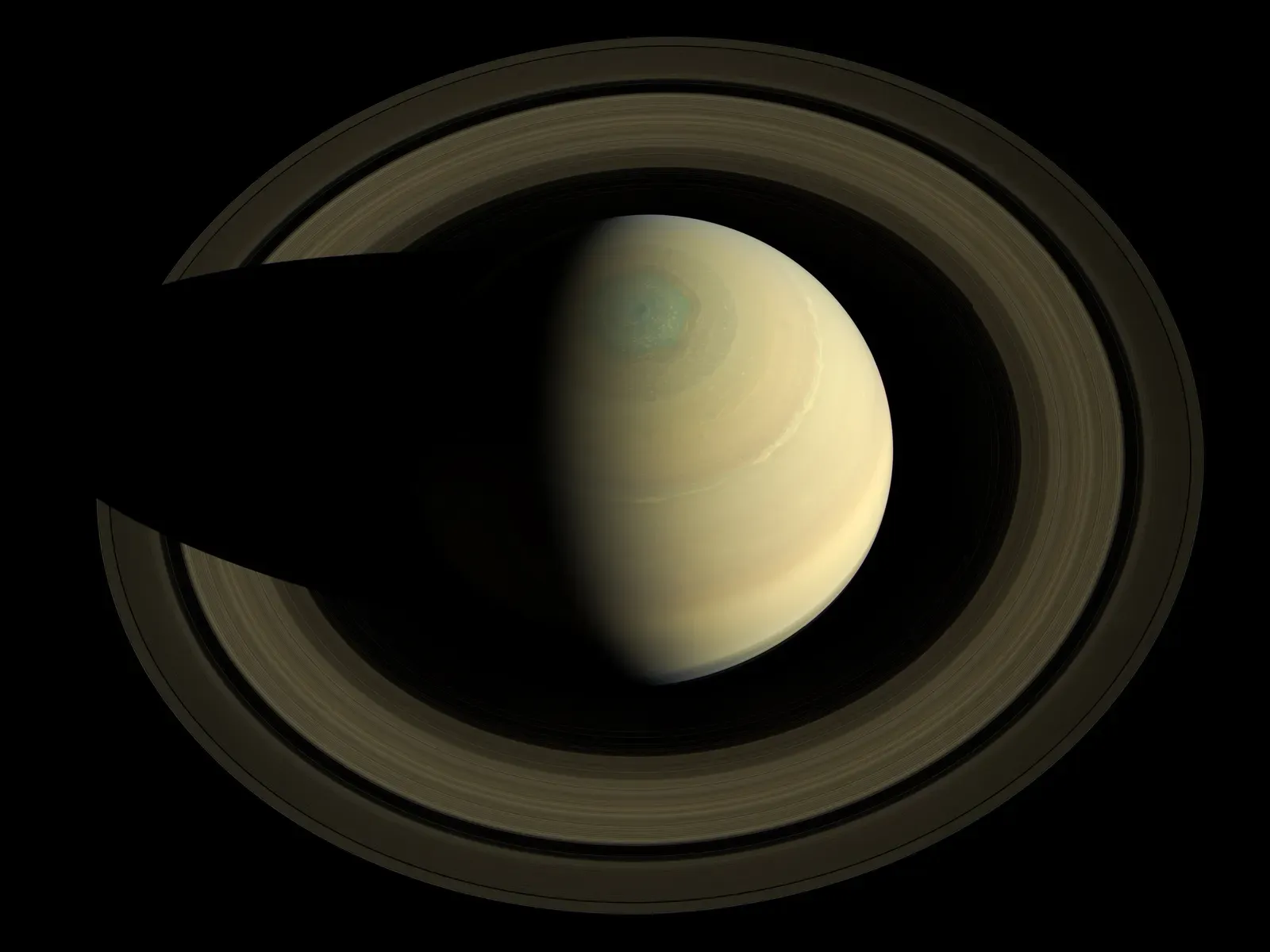
Saturn’s rings are not just pretty; they’re a crime scene with clues everywhere. The structure of the rings – the gaps, waves, and sharp edges – is shaped by the gravity of Saturn’s many moons. Little moons called shepherd moons tug on ring particles and carve out lanes, while larger moons can create spiral patterns like ripples in a pond. When we see those features fading or changing over time, it tells us something about how the moons are moving and how the system is redistributing mass.
The likely origin stories for the rings – a destroyed icy moon or comet-like body – hint at a much more violent past. Saturn’s system has probably seen bodies torn apart, worlds shattered, and orbits reshaped by gravity over billions of years. Rings are a kind of lingering scar of those events, and their eventual disappearance is just another chapter in that longer story. As the rings fall in, they may even alter Saturn’s atmosphere in subtle ways, changing its chemistry and perhaps contributing to faint bands or aurora-like effects we’re only beginning to understand.
Why This Cosmic Change Matters to Us
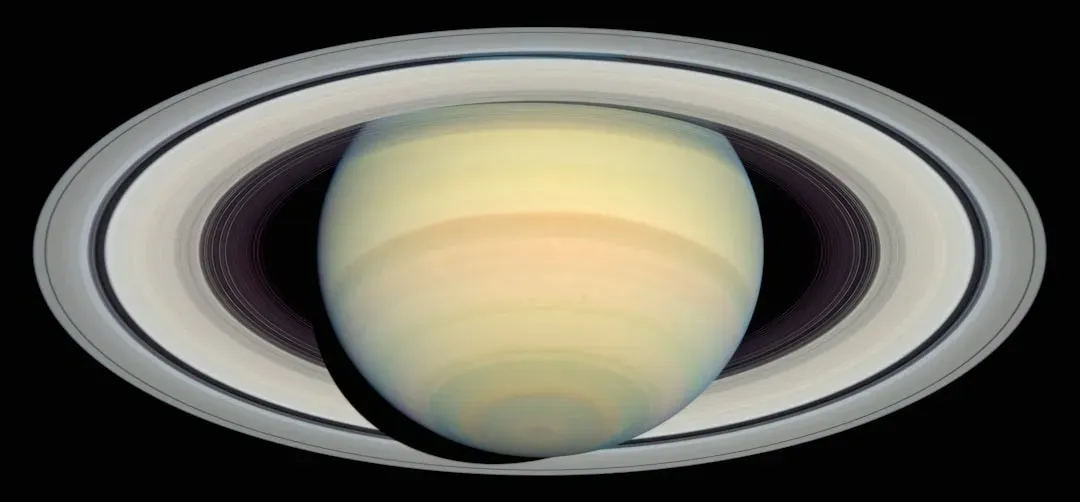
On a practical level, Saturn’s disappearing rings don’t threaten Earth. They’re too far away to harm us, and the process is slow on any human timescale. But they matter because they change how we see ourselves in the universe. Knowing that even something as grand as Saturn’s rings is temporary forces us to see the solar system as alive and in flux, not as a static museum. It shrinks the psychological distance between “up there” and “down here” – we, too, are part of a changing system, even if our changes play out differently and faster.
On a more personal level, there’s something quietly moving about accepting that we’re lucky to witness Saturn like this. Future astronomers millions of years from now – if any are around – won’t see the same sharp, brilliant rings we do today. Right now, we can point a small backyard telescope at the sky and glimpse a phase of Saturn that won’t last forever. That knowledge adds a bit of urgency to our curiosity: to keep exploring, keep sending missions, keep looking up while this extraordinary show is still on.
A Vanishing Halo and a Living Solar System
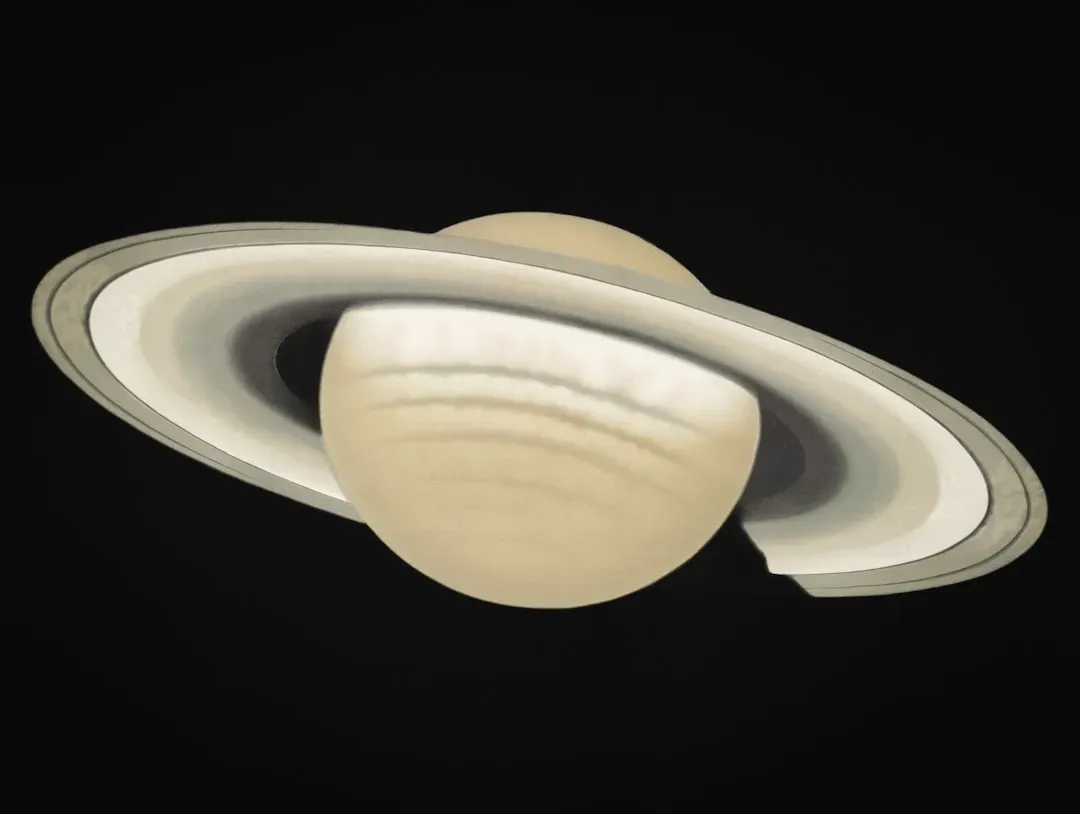
Saturn’s disappearing rings turn what once looked like permanent decoration into a clear sign that even the most iconic features of our solar system are temporary. They’re eroding away in a slow, silent rain of ice and dust, reminding us that planets and their surroundings are constantly reshaped by gravity, collisions, and time. The Saturn we teach children to draw today, with its bold and brilliant rings, is a snapshot in a much longer story that began long before us and will continue long after.
This fading halo doesn’t make the solar system less magical; if anything, it makes it feel more alive. We happen to exist in a rare moment when Saturn wears its most spectacular costume, and we’re just starting to understand what that means for other planets and systems across the galaxy. The rings are vanishing, but the lessons they’re leaving behind – about change, fragility, and timing – will shape how we see the cosmos for a long time. Did you expect something as majestic as Saturn’s rings to be just a brief, passing phase?