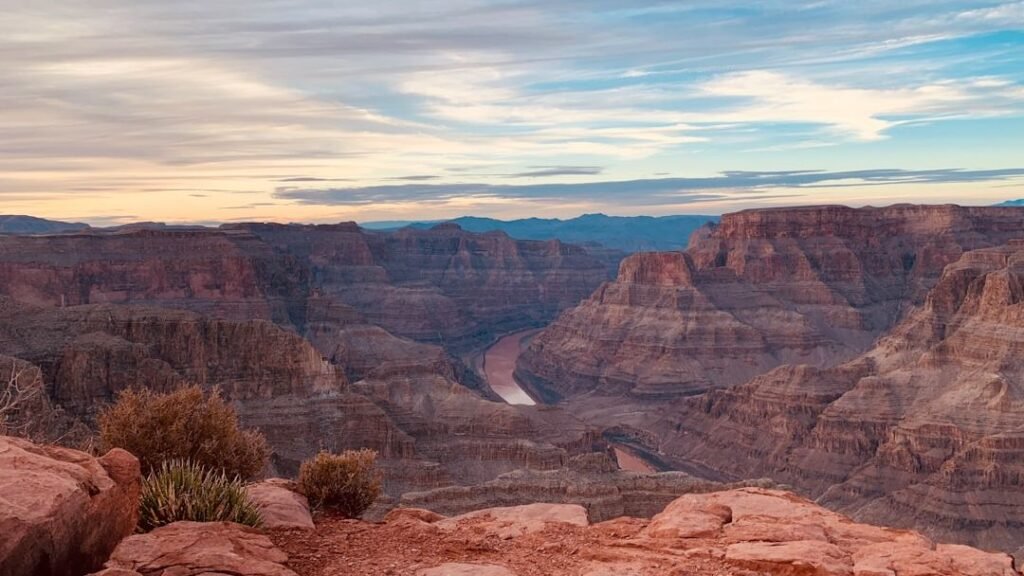
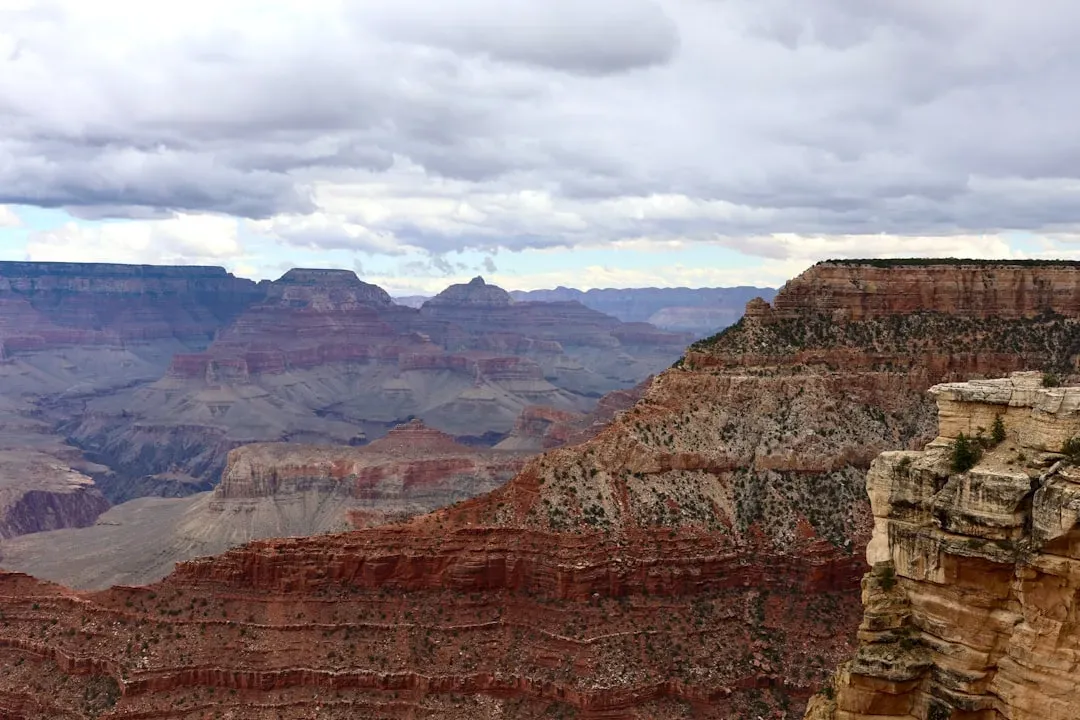
If you could flip through a physical book of Earth’s history, page by page, what would it look like? The Grand Canyon is probably the closest thing we have to that fantasy made real: a mile-deep stack of stone chapters, each layer a frozen moment from a world that no longer exists. Standing at the rim, it almost feels unfair that so much time is visible in one glance, like accidentally seeing the last page of a novel before you’ve read the first.
I still remember the first time I looked over the edge. My brain kept switching between awe and confusion: part of me was thinking about camera angles, and another part was whispering, “Something this big shouldn’t even be possible.” Only later did I learn that the colors, lines, and shapes I was staring at were not random scenery but a carefully preserved geologic record stretching back nearly two billion years. Once you understand that, the canyon stops being just a view and turns into a story you can actually read – if you know how.
The Canyon as a Time Machine You Can Walk Into
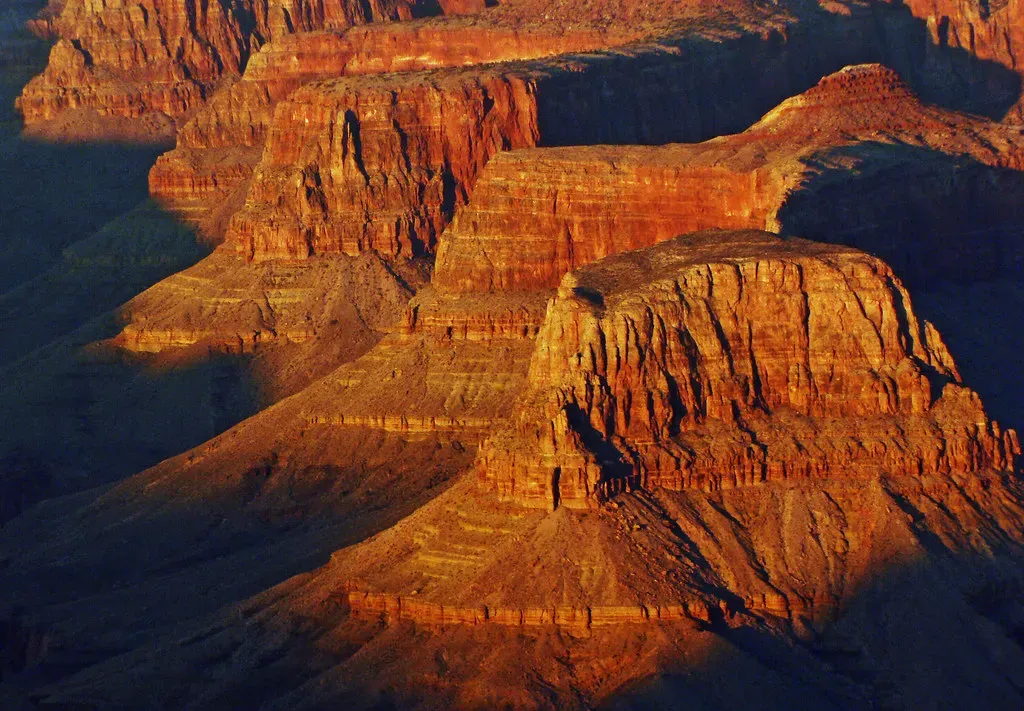
The most shocking thing about the Grand Canyon is that you can literally walk downhill and move backward through time. The rock at the top is relatively young in geologic terms, while each step down the trail takes you into deeper, older layers, like scrolling to older and older posts in Earth’s timeline. By the time you reach the bottom, you’re looking at rocks that formed hundreds of millions, even billions, of years before humans existed. It’s not just a metaphor; geologists have dated the layers, and the ages are astonishing.
Imagine holding a stack of old family photo albums, with the newest on top and the most faded at the bottom. The canyon works the same way: each layer is one of those albums, capturing a world with different oceans, climates, and life-forms. The youngest rocks in the canyon are still far older than any dinosaur, and the oldest rocks were already ancient when complex life in the oceans was just getting started. That kind of timescale is hard to emotionally absorb, but standing there, seeing it all at once, gives you a gut-level sense of just how long the planet has been busy existing.
Layers Like Chapters: Reading the Rock Record
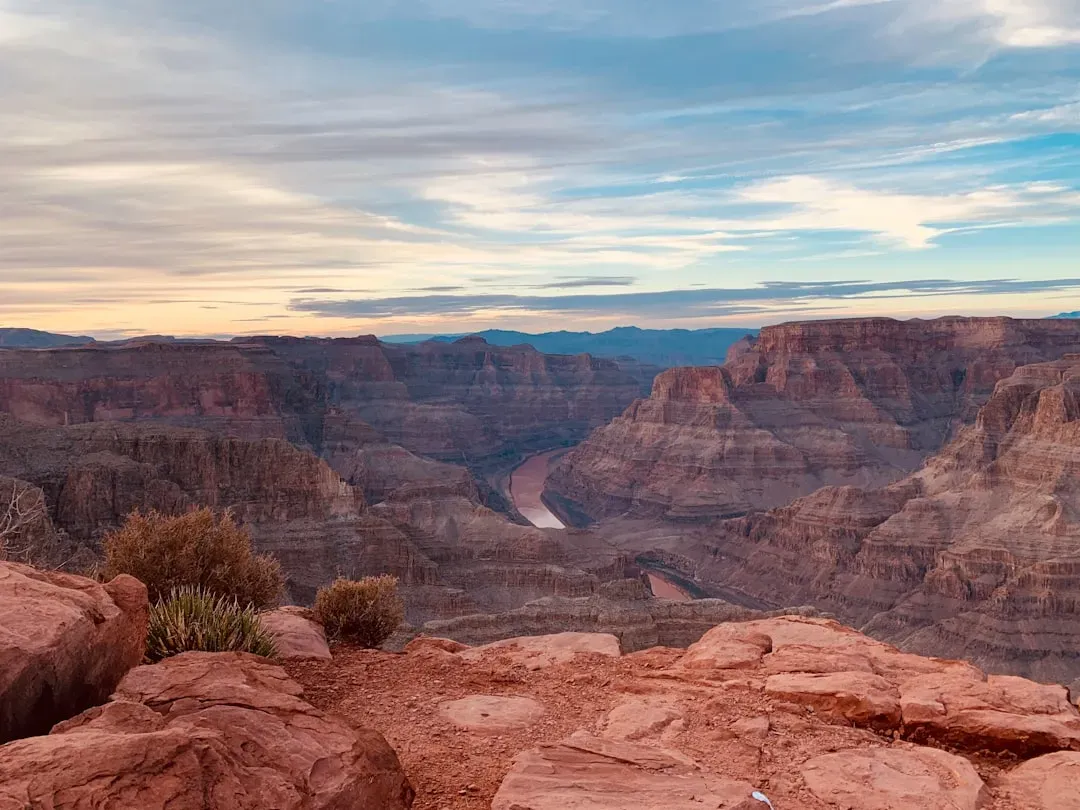
The Grand Canyon’s walls are like a bookshelf of rock chapters with names that sound almost poetic: Kaibab Limestone, Coconino Sandstone, Bright Angel Shale, Vishnu Schist. Each one formed in a different environment, and you can see their differences with your own eyes: some are creamy white, some rusty red, some thinly layered, others massive and blocky. The simple fact that these layers sit on top of each other in a clear order allows geologists to reconstruct which events came first and which came later.
Think of it like a stack of paintings: one from when North America was underwater, another from when windblown dunes ruled, another from muddy shallow seas, another from ancient rivers. Those creamy limestones near the top tell a story of warm shallow seas that once covered the region. The thick sandstone units suggest deserts and dunes, the kind you’d expect from a landscape that looked more like parts of modern-day Sahara. Down near the bottom are dark, twisted metamorphic rocks that formed under immense pressure deep in the crust long before the canyon itself existed. Taken together, they are proof that the land we stand on has worn many different faces.
An Ancient Ocean, A Lost Desert, and Worlds That Vanished
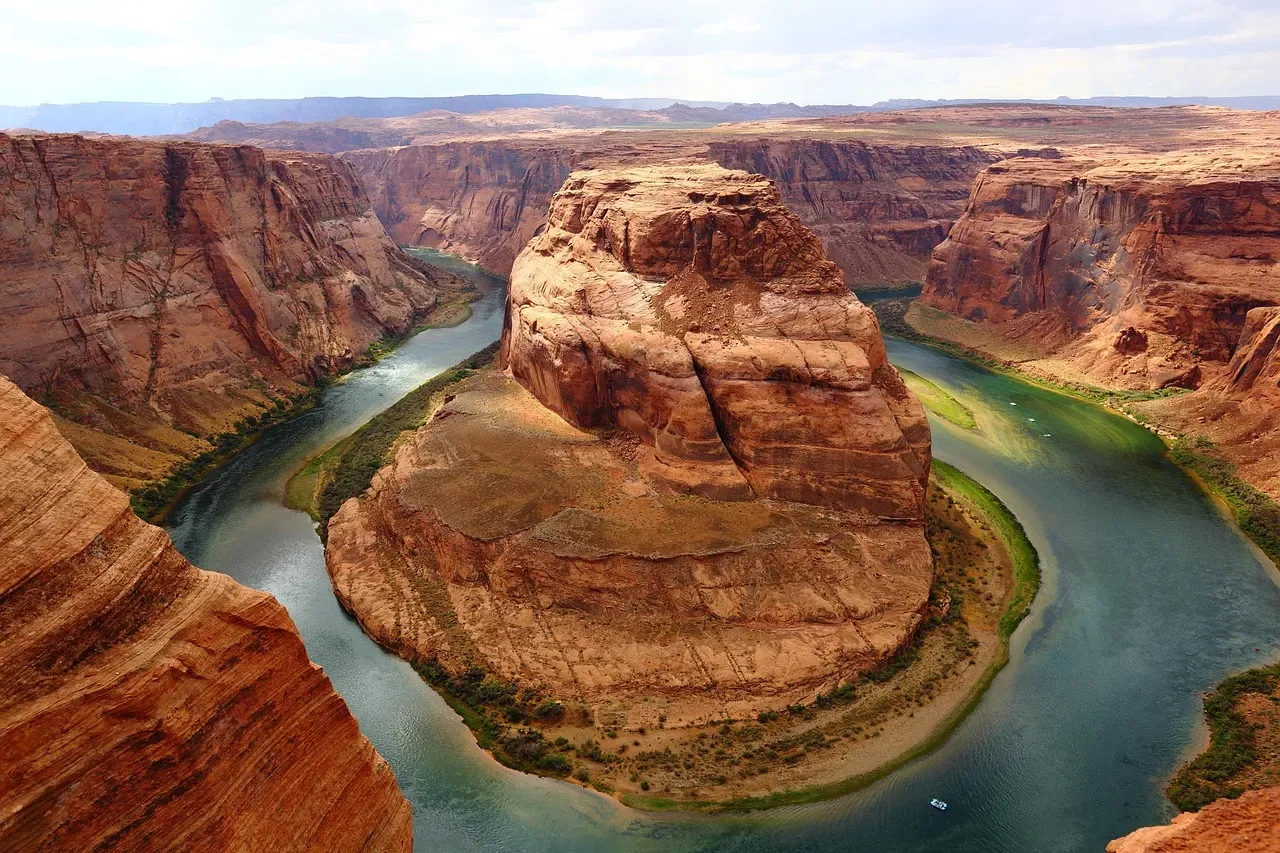
One of the most mind-bending insights from the Grand Canyon is just how often this place switched identities. Evidence in the rocks shows that what is now high, dry plateau once sat at sea level and lay beneath warm, shallow oceans. Fossils of marine creatures – like brachiopods and corals – are preserved in the limestone layers, quietly telling you that fish once swam above what is now a busy hiking trail. These seas came and went many times over hundreds of millions of years as sea levels rose and fell and continents slowly drifted around the planet.
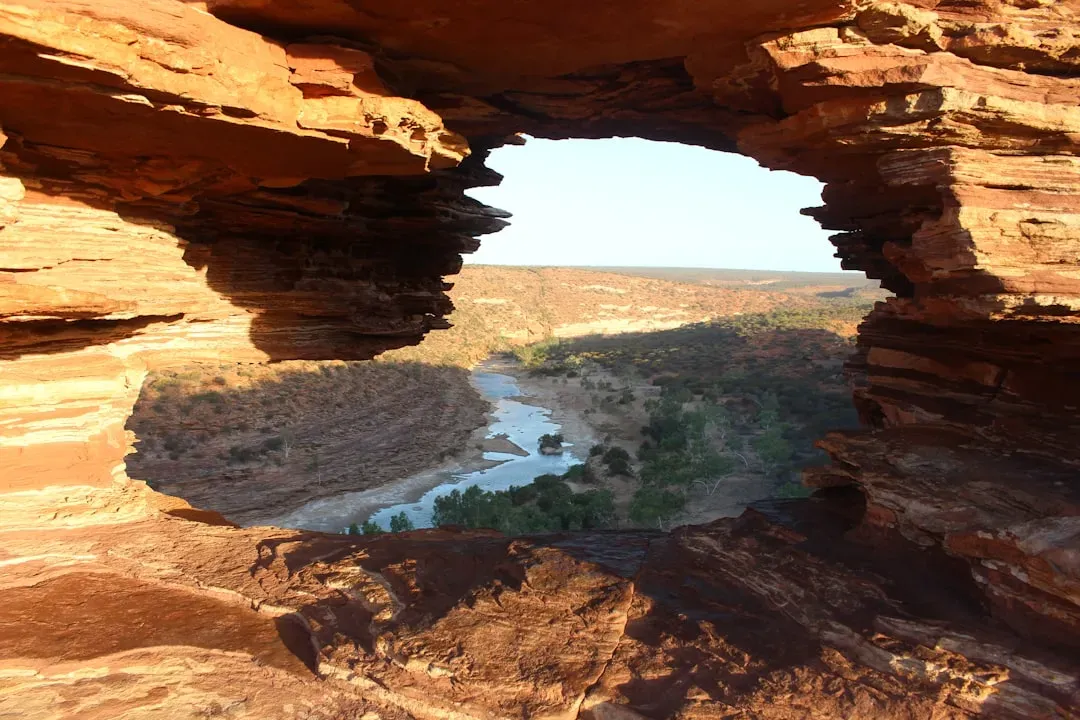
Other layers, especially some of the pale sandstones, were born in deserts of towering dunes, not under the sea. The cross-bedded patterns inside those rocks show wind-sculpted slopes similar to what you can see in large sand dune fields today. When you stand on the rim in the cool morning air, it is very strange to picture the same spot baking under intense desert sun, dunes marching slowly across the horizon. The canyon is full of those shifts: ocean to desert, coast to river plain, swamp to shoreline, each environment leaving a thin but durable trace in stone.
The Colorado River: Sculptor of a Mile-Deep Masterpiece
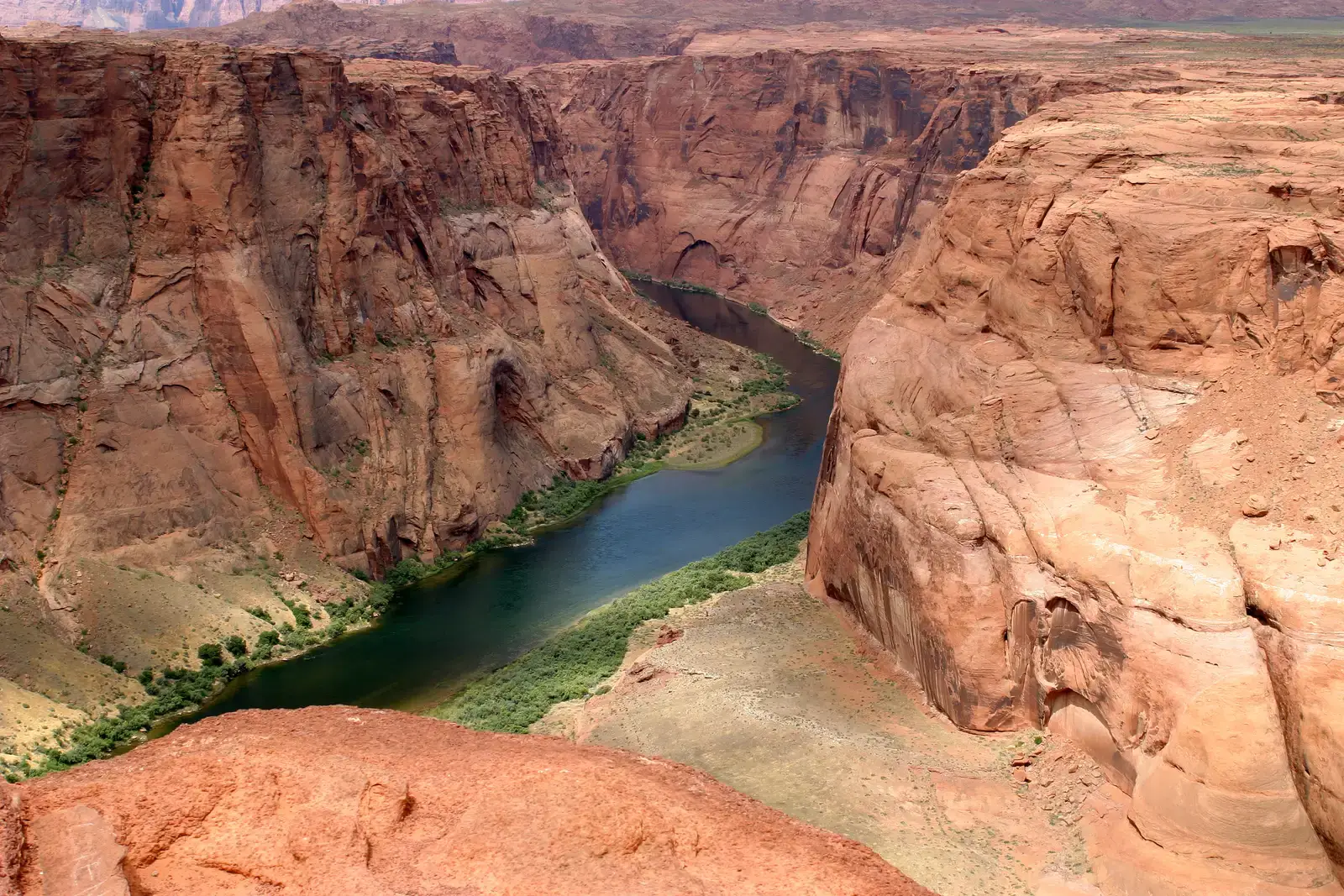
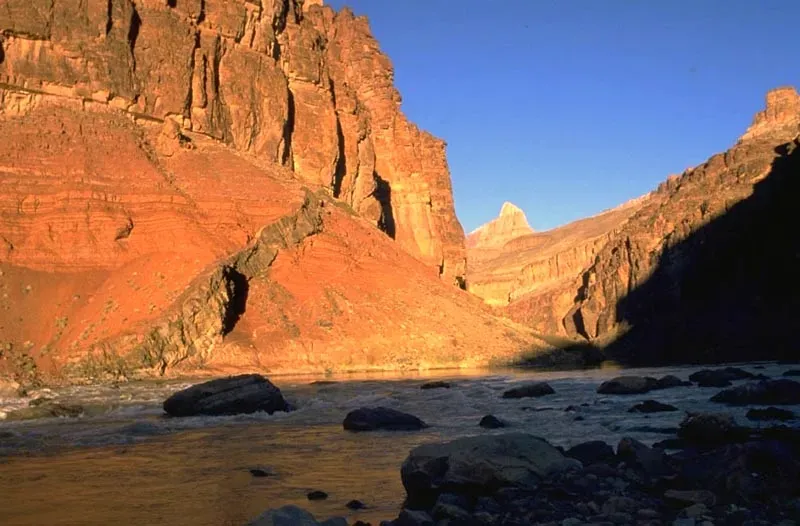
The rock record in the canyon is incredibly old, but the canyon itself is geologically young. The Colorado River did not start carving this vast chasm until relatively recently in Earth’s history – on the order of a few million years ago. That might sound like forever, but compared with the age of the rocks it cut through, it’s like someone taking a razor to a stack of antique books right before you walked in the room. The river exploited uplift of the Colorado Plateau and the tilt of the land, slicing downward as the region slowly rose higher.
Over time, water, sediment, and gravity teamed up to do something extreme. The river gnawed into the rock like sandpaper in constant motion, while rain, freeze–thaw cycles, and landslides widened the canyon walls. Side canyons formed as smaller streams joined in, each one carving its own deep groove toward the main trunk of the Colorado. The result is this dizzying web of cliffs, buttes, and ravines that make the canyon so complicated to navigate. When you realize this whole structure is primarily the work of moving water and time, it gives you a new respect for what persistence can do.
The Great Unconformity: Where Time Simply Vanishes
One of the strangest features of the Grand Canyon is a boundary known as the Great Unconformity, and even the name sounds a little dramatic. In some places, you can actually put your hand on a surface where over a billion years of Earth’s history are simply not there. Younger sedimentary rocks lie right on top of much older, altered rocks, with nothing in between to show what happened for an unimaginably long interval. It’s like jumping from chapter 2 to chapter 30 in a book and discovering the middle is gone.
This missing time still tells a story, though, just not a neat, continuous one. Geologists think it represents periods of erosion, uplift, and perhaps entire mountain ranges that rose and were worn down long before the layers above were deposited. The rocks that formed and then vanished during those missing ages are gone from the canyon, but their absence speaks loudly. Standing there, looking at that line where young meets very old, you get an eerie sense of how fragile the rock record actually is. Even stone, given enough time, can disappear without leaving a clear explanation.
Fossils and Clues: Traces of Life in Stone
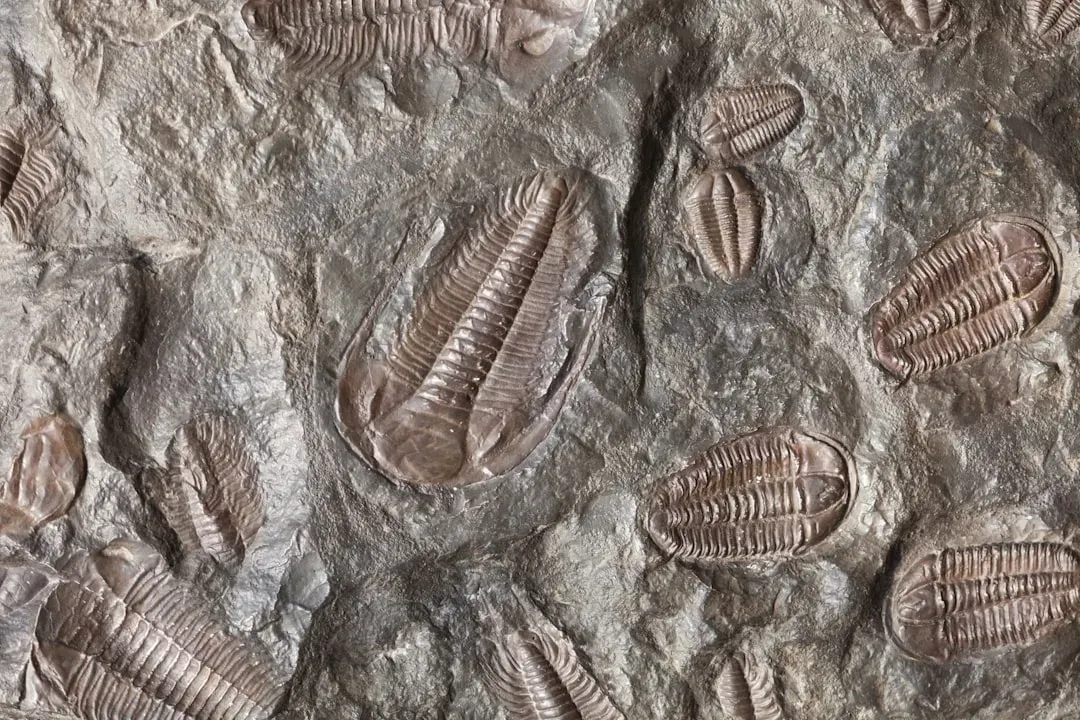
The Grand Canyon is better known for its scenery than for flashy dinosaur skeletons, but its rocks do preserve a quieter, equally important record of life. In many layers, especially the limestones and shales, you can find fossils of marine invertebrates that once crawled, burrowed, or floated in ancient seas. There are also trace fossils like burrows, tracks, and ripple marks – things that show activity rather than the creature itself. These details help scientists figure out what kinds of ecosystems existed and how they changed over time.
Some of the younger layers include plant fragments and other evidence of life on land, showing that by those times, complex terrestrial ecosystems had taken hold. In the very oldest rocks near the bottom, the record becomes more subtle, sometimes limited to mineral traces and structural hints that life was already influencing the environment on a microscopic level. When you realize that every fossil, even a small shell fragment, survived burial, compaction, and millions of years of tectonic activity, it feels like an improbable form of time travel. You’re not just seeing rocks; you’re looking at the remains of entire vanished communities.
Why the Grand Canyon Still Changes How We See Earth
The Grand Canyon has been studied for more than a century, yet it continues to push scientists to refine their ideas about how landscapes evolve. New dating techniques, better satellite data, and improved models of erosion and plateau uplift keep reshaping the details of the canyon’s story. Even basic questions – like exactly when the main incision started or how quickly different sections deepened – are still debated. That uncertainty is not a weakness; it’s a sign that the canyon is complicated enough to keep challenging experts.
For non-scientists, the real power of the Grand Canyon is more personal. It makes time feel physical and almost uncomfortable, stretching your sense of past and future in ways most of us never encounter in daily life. When you stand on the rim and realize the rock beneath your feet was laid down in environments that vanished hundreds of millions of years ago, it becomes harder to see our current moment as permanent. The canyon is a quiet reminder that Earth has reinvented itself many times, and it will keep doing so long after we are gone.
A Mile-Deep Reminder of Deep Time
The Grand Canyon is not just a dramatic gash in the desert; it’s a carefully layered record of oceans, deserts, rivers, vanished ecosystems, and missing ages. Its stacked rock layers, carved by the Colorado River and shaped by uplift and erosion, reveal a sequence of worlds that came and went long before humans appeared. From the oldest metamorphic rocks at the bottom to the younger limestones and sandstones at the top, the canyon lets us see a span of time so vast that normal human scales almost stop making sense.
Walking its trails or simply staring across the void, you are confronted with the simple fact that change is the rule, not the exception, on this planet. Landscapes rise, erode, flood, dry out, and disappear, yet thin stone pages still manage to preserve a fraction of that story. In that sense, the Grand Canyon is less a finished monument and more an open book still being edited by wind, water, and gravity. When you think about your own life against that backdrop of deep time, what suddenly feels small – and what starts to feel even more precious?