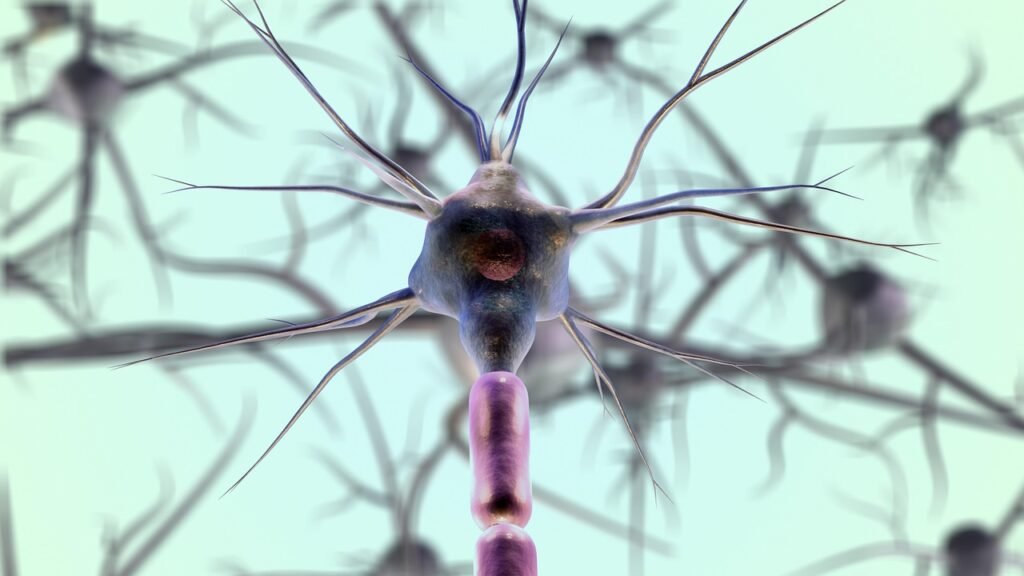
If you woke up this morning thinking you’re basically the same person you were yesterday, your brain would disagree. Quietly, behind the scenes, it has been reshaping its wiring, strengthening some connections and pruning others, like a gardener trimming and training a living, electric vine. That constant reshaping is called neuroplasticity, and it is the reason you can learn new skills, overcome habits, and even recover from some types of brain injury.
Neuroplasticity sounds abstract and scientific, but it’s incredibly personal. It shows up in how quickly you pick up a new language, how hard it is to unlearn a bad habit, and how your mood can shift with a simple daily practice. Once you understand that your brain is changeable at every age, it becomes hard to keep telling yourself, “This is just who I am, I can’t change.” The science says otherwise, and it’s much more hopeful than most people realize.
What Neuroplasticity Really Means (And Why It Isn’t Just Hype)
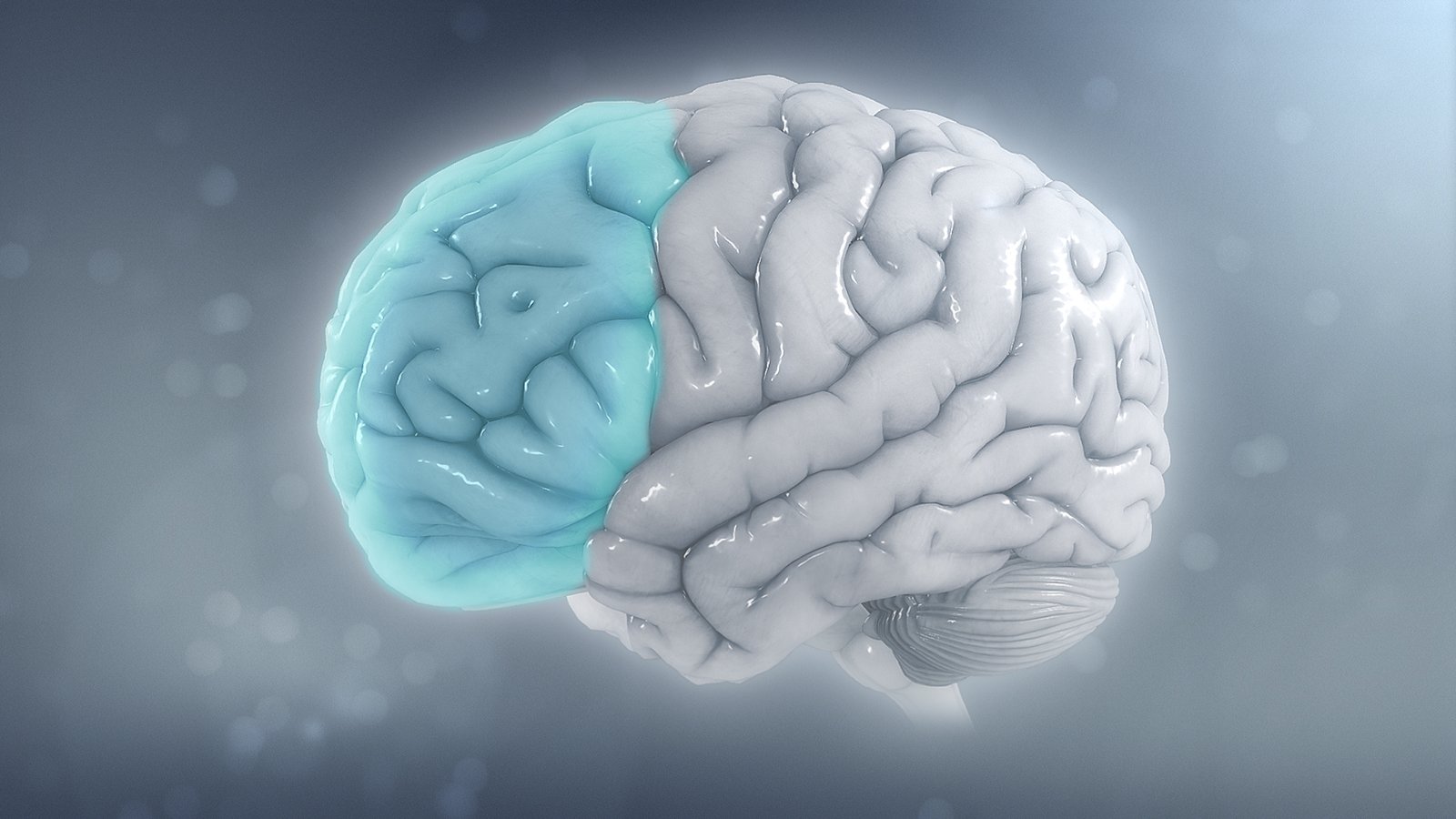
At its core, neuroplasticity simply means your brain can change its structure and function in response to experience. Neurons can form new synapses, strengthen or weaken existing connections, or even reassign responsibilities to different regions when needed. For a long time, scientists believed the adult brain was mostly fixed, like a building poured in concrete, but decades of research have shown it behaves more like a constantly renovated house with rooms being repurposed all the time.
Neuroplasticity isn’t magic, though, and it doesn’t mean “you can become anything instantly.” Change is possible, but it’s also specific: your brain rewires around what you repeatedly do, pay attention to, and care about. Practice the piano every day and the networks for finger control, timing, and sound processing grow stronger. Ruminate daily on anxious thoughts, and those pathways become well-paved highways too. Neuroplasticity guarantees change, but it doesn’t guarantee improvement – you have to steer it.
How Your Brain Rewires Itself Every Single Day
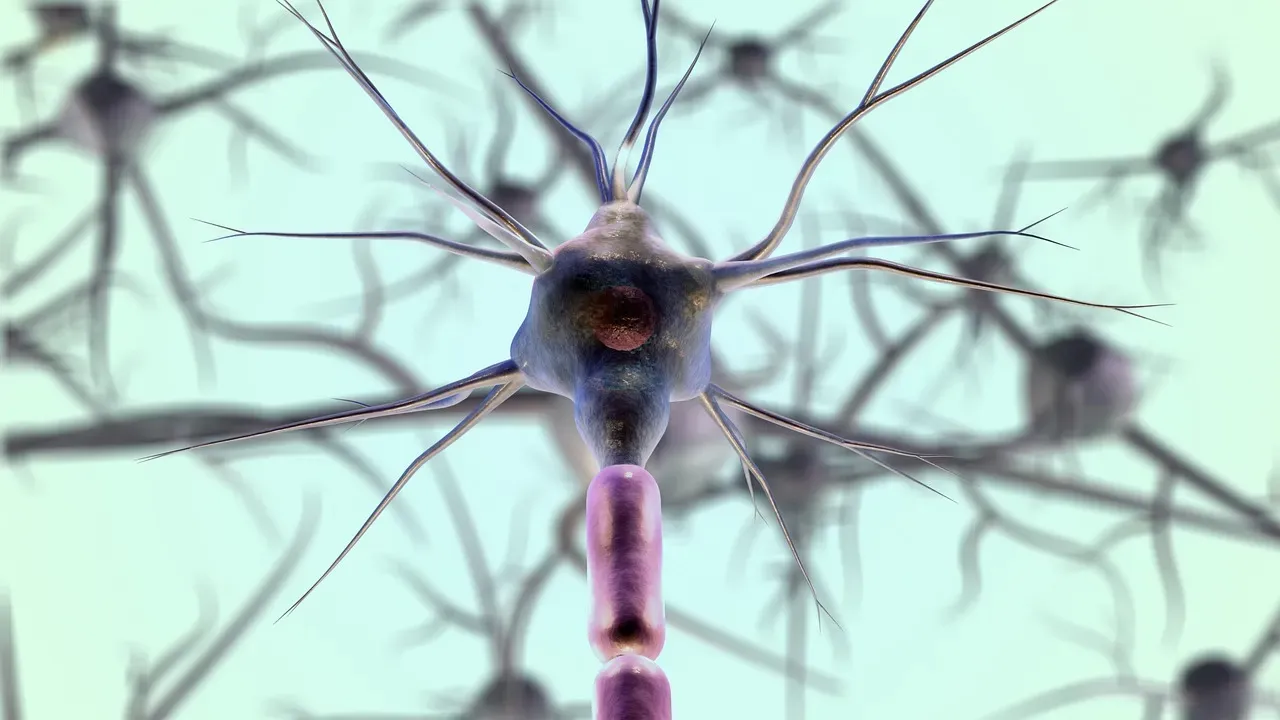
Even on a boring day when you feel like “nothing happened,” your brain is busy adjusting its wiring. Whenever you learn a new detail, recall an old memory, or try a different route to work, neurons are sending electrical and chemical signals that can slightly alter their connections. Over many repetitions, synapses involved in useful or frequent patterns become easier to activate, while rarely used connections may shrink or disappear. It’s like the difference between a footpath in tall grass and a well-trodden trail in a forest.
Sleep is one of the quiet stages where this daily rewiring ramps up. While you’re out cold, your brain is replaying patterns from the day, stabilizing what matters and pruning what doesn’t. That’s one reason cramming all night is less effective than spaced learning over days: your brain needs those off-duty hours to consolidate and reorganize. Whether you realize it or not, you go to bed with one version of your brain and wake up with a slightly updated model.
The Chemistry Behind Change: Synapses, Myelin, and Repetition
When people talk about “brain rewiring,” they’re really talking about changes at the level of synapses and networks. Each time two neurons fire together in a coordinated way, the connection between them can become a bit more efficient. Over time, the brain may increase the number of receptors, adjust the amount of neurotransmitter released, or reorganize how signals flow through a network. This is why repeated practice doesn’t just feel easier subjectively; the underlying machinery is actually being upgraded for that specific task or thought pattern.
Another big player is myelin, the fatty coating that wraps around certain nerve fibers and helps signals travel faster and more reliably. When you practice a skill – anything from juggling to speaking a new language – cells called oligodendrocytes help lay down more myelin on the relevant pathways, like upgrading dirt roads into smooth, paved highways. The catch is that these upgrades cost energy and resources, so your brain prioritizes what you repeat often. “Use it or lose it” is not just a saying; it’s a literal design principle of your nervous system.
How Learning and Habits Sculpt Your Brain
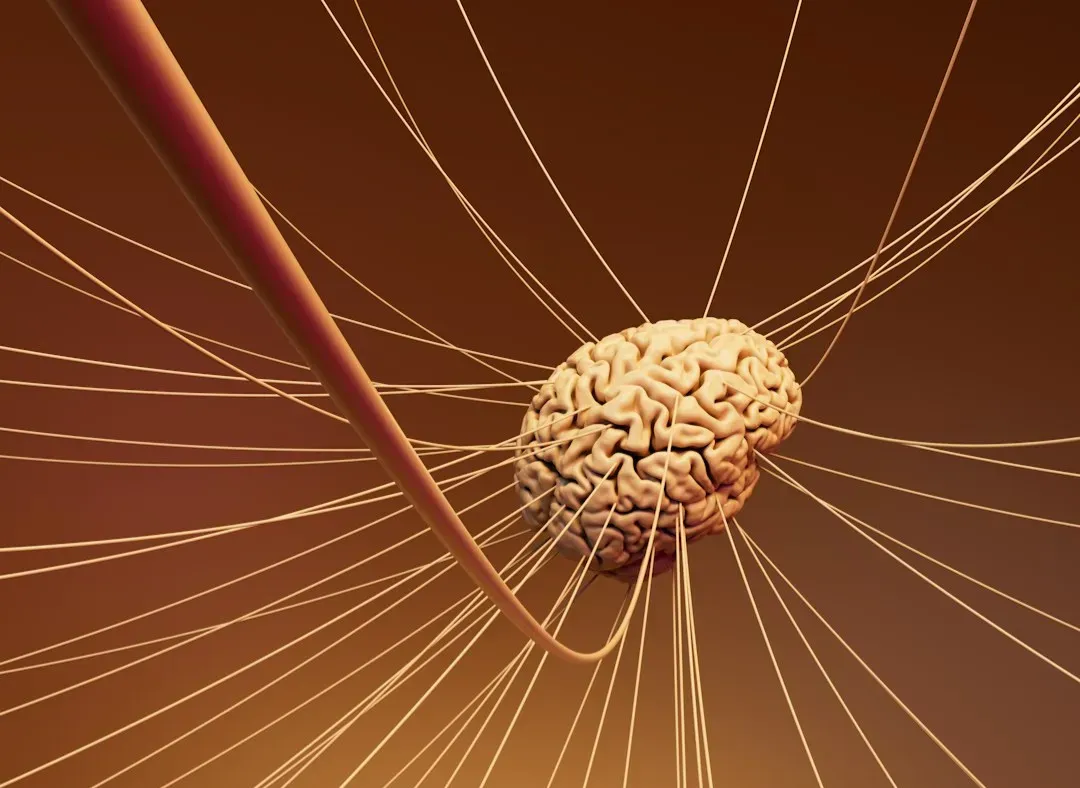
Every new skill you build leaves a footprint in your brain’s wiring. If you start learning guitar, for example, regions involved in fine motor control, rhythm, and auditory processing begin to change measurably after consistent practice over weeks and months. Imaging studies show that musicians, bilinguals, and experienced meditators often have structural and functional differences in brain regions linked to their practice, compared with people who never trained those abilities. With enough repetition, what was once clumsy and effortful becomes smooth and automatic.
The same principle applies to habits, for better or worse. When you reach for your phone every time you’re bored or stressed, you’re reinforcing a loop: trigger, behavior, tiny reward. Over time, this loop can become so well wired that you find your hand moving toward your pocket before you consciously decide anything. The hopeful side of this is that you can also install more helpful loops – like automatically lacing up your shoes when you’re anxious and going for a walk. You’re not just changing what you do; you’re reshaping the pathways that make certain choices feel natural.
Rewiring After Injury: Stroke, Trauma, and Recovery
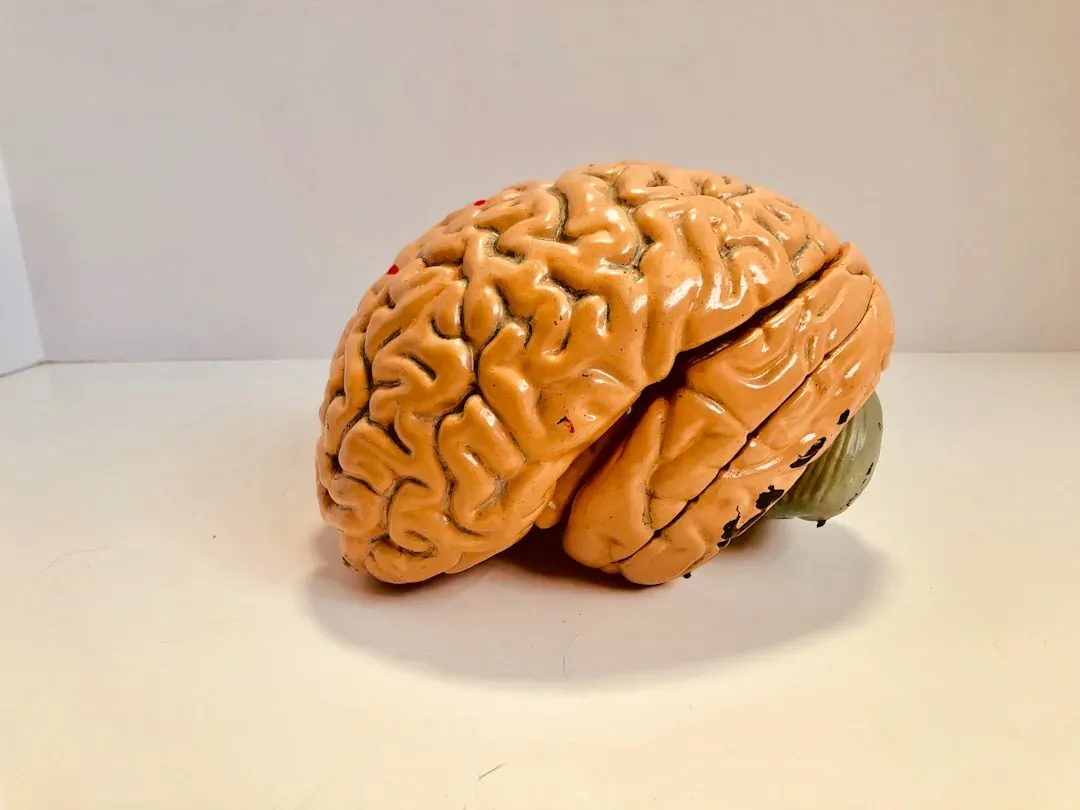
One of the most dramatic demonstrations of neuroplasticity shows up in recovery after brain injury. When a stroke damages tissue involved in movement or speech, for example, other regions can sometimes partially take over those functions with targeted rehabilitation. Repetitive, task-specific therapy – like practicing grasping objects or forming words – helps neighboring networks adapt and build new routes around the damaged area. The progress can be slow and frustrating, but many patients regain abilities that were once thought to be permanently lost.
Timing and intensity matter, though. Early, consistent interventions tend to yield better outcomes, because the brain is particularly primed for reorganization after an injury. At the same time, overexertion too soon can sometimes backfire, so therapists aim for a delicate balance between challenge and protection. What’s striking is that meaningful improvements have been documented years after an injury, undermining the old idea that you have a short window and then you’re stuck. As long as some viable pathways remain, the brain keeps trying to adapt.
Your Thoughts and Emotions Also Rewire Your Brain

Neuroplasticity is not only about skills like playing an instrument or learning math; it also shapes your emotional life. Persistent stress, for example, can gradually strengthen networks that keep you on high alert and weaken regions involved in flexible thinking and emotional regulation. Over long periods, chronically elevated stress hormones can even affect the structure of areas involved in memory and decision-making. It’s not just that you “feel” different under stress – your brain is literally being trained in a particular direction.
The encouraging flip side is that practices like cognitive behavioral therapy, mindfulness, and compassion training have been linked to changes in brain activity and connectivity patterns. When you repeatedly challenge unhelpful thoughts, practice noticing your emotions without reacting, or deliberately generate kinder perspectives, you are running new mental reps. Over time, those reps can strengthen circuits for self-awareness and regulation, making it easier to respond differently in the future. Your inner commentary is not just background noise; it’s part of the training program your brain follows.
Practical Ways to Harness Neuroplasticity in Everyday Life

If your brain is going to change anyway, you might as well nudge it on purpose. One simple strategy is to pick one meaningful skill or habit and practice it consistently in short, focused sessions rather than occasional marathons. Whether it’s learning a new language, exercising, or reducing social media use, the brain responds well to repetition and clear signals about what matters. I’ve noticed, for instance, that when I deliberately set my phone in another room during work, the urge to check it fades over a few weeks, like a muscle gradually relaxing.
Two other ingredients make a big difference: attention and emotion. When you are fully present and genuinely care about what you’re doing, the brain tags that experience as important, boosting the chance that it will reshape your wiring. You can lean into this by making new habits slightly challenging, enjoyable, or tied to a personal value instead of just forcing yourself through them. Add decent sleep, regular movement, and some form of mental challenge – like learning, puzzles, or creative work – and you create a daily environment where beneficial plasticity has room to flourish.
The Lifelong Brain: Why It’s Never “Too Late” to Change

One of the most stubborn myths about the brain is that it peaks in youth and then just slowly declines, like a battery running out. It’s true that some aspects of processing – like raw speed or short-term memory – may be sharper in earlier decades. But many forms of learning, especially those tied to understanding, pattern recognition, and emotional wisdom, can keep improving much later in life. Studies with older adults show that engaging in new, mentally demanding activities can lead to measurable changes in brain structure and function.
The real barrier for many people is not biology but belief. If you tell yourself for years that you’re “just not a language person” or “too old to start,” you’re less likely to give your brain the repeated, meaningful experiences it needs to adapt. The science of neuroplasticity doesn’t promise that everything will be easy or that age doesn’t matter at all, but it does undercut the idea of a fixed, finished mind. Your brain remains a work in progress for as long as you’re alive, which means every day is another quiet chance to shape who you’re becoming. Did you expect that?