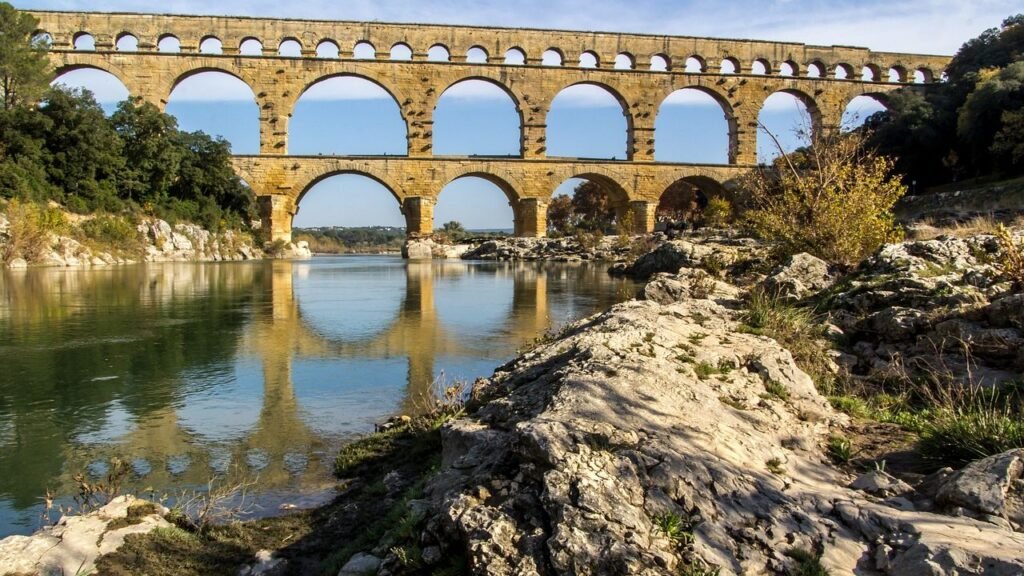
Stand on a quiet Roman bridge or beneath the shadow of a crumbling aqueduct, and you can feel something strange: the past still working. Water once surged above your head, carts rumbled beneath your feet, and an entire empire flowed along these man‑made arteries. The Romans did not just build for show; they built systems that rewired how people lived, traded, and even thought about distance and time.
What blows my mind is that a lot of these structures still work, or could work with a little cleaning and repair, nearly two thousand years later. Modern highways crack in a decade; some Roman roads still carry cars today. Their engineers pulled this off with no computer models, no GPS, and no power tools – just math, muscle, and an obsession with getting the details right.
The Roman Obsession With Infrastructure
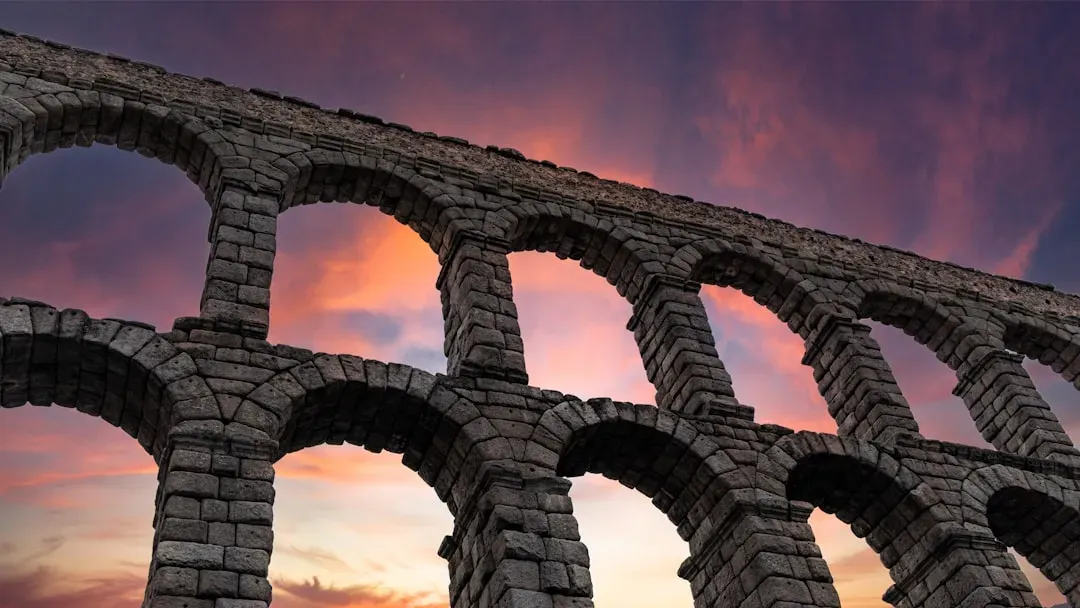
Imagine living in a world where almost every major road you walk and most of the water you drink come from one central planning mindset. That was Rome. The Romans treated infrastructure like a superpower, and they poured resources into it the way we pour money into smartphones and streaming platforms. Roads, aqueducts, bridges, tunnels – they were not side projects but the backbone of military control, trade, and political legitimacy.
This obsession wasn’t just practical; it was ideological. A good road or aqueduct was a statement that Rome had arrived and would stay. New provinces got roads and water as proof they were now part of something bigger and more organized. You could say Rome conquered with legions but kept its empire with stone, arches, and well‑planned gradients. Infrastructure was their way of saying: we’re serious, we’re staying, and you’re going to feel it every single day.
How Roman Aqueducts Actually Worked
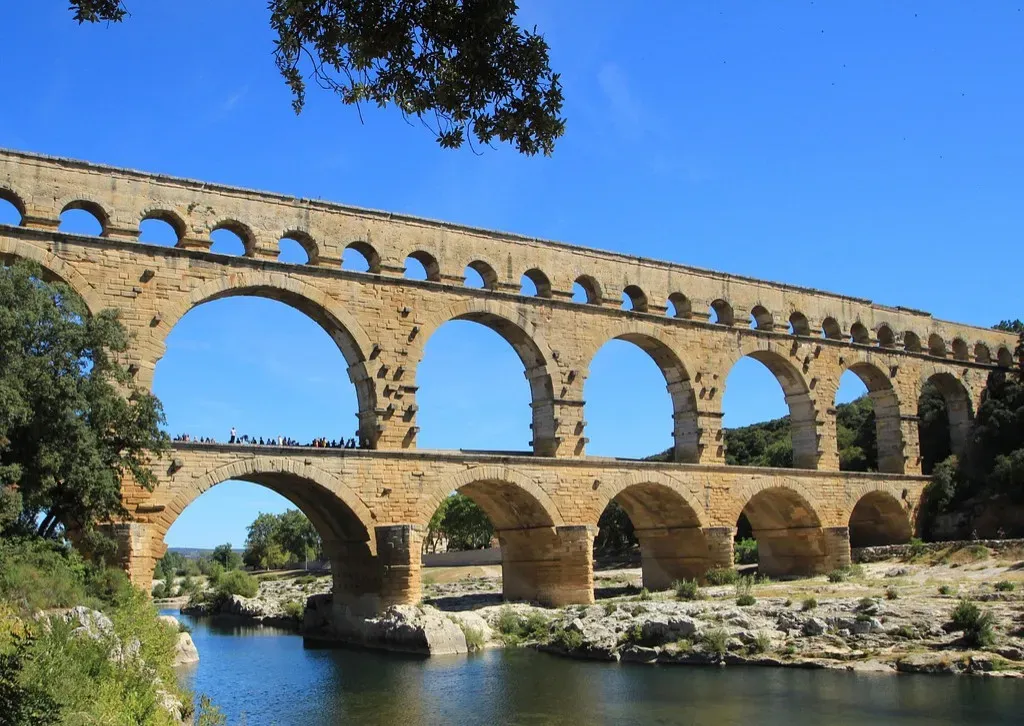
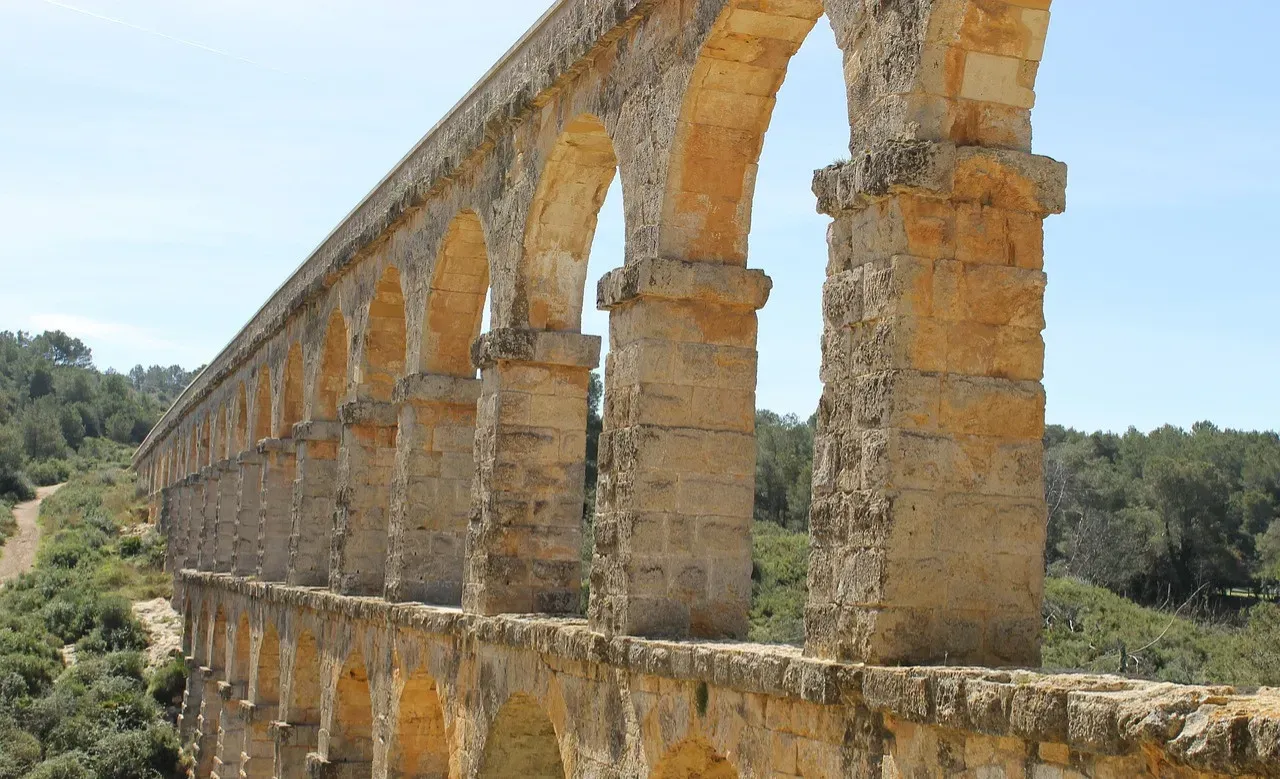
At a glance, Roman aqueducts look like dramatic lines of arches across a valley, but the real magic is invisible: the slope. Roman engineers kept the water channel – usually hidden inside or on top of those arches – tilted only very slightly, sometimes just a few centimeters of drop over a hundred meters. Too steep, and the water eroded the channel; too flat, and it stopped flowing. Getting that balance right over tens of kilometers with no lasers or electronic tools still feels a bit like wizardry.
Most of the aqueduct was actually underground, protected from sunlight, contamination, and attack. Water came from carefully chosen springs, flowed through masonry channels lined with waterproof mortar, and passed through settling tanks where silt could drop out. By the time it reached the city, it was divided into different distribution tanks, which fed fountains, baths, and wealthy households. Ordinary people often got their water from public fountains, but compared with many later centuries, that was still an incredible everyday luxury.
The Secret Sauce: Gradients, Arches, and Siphons
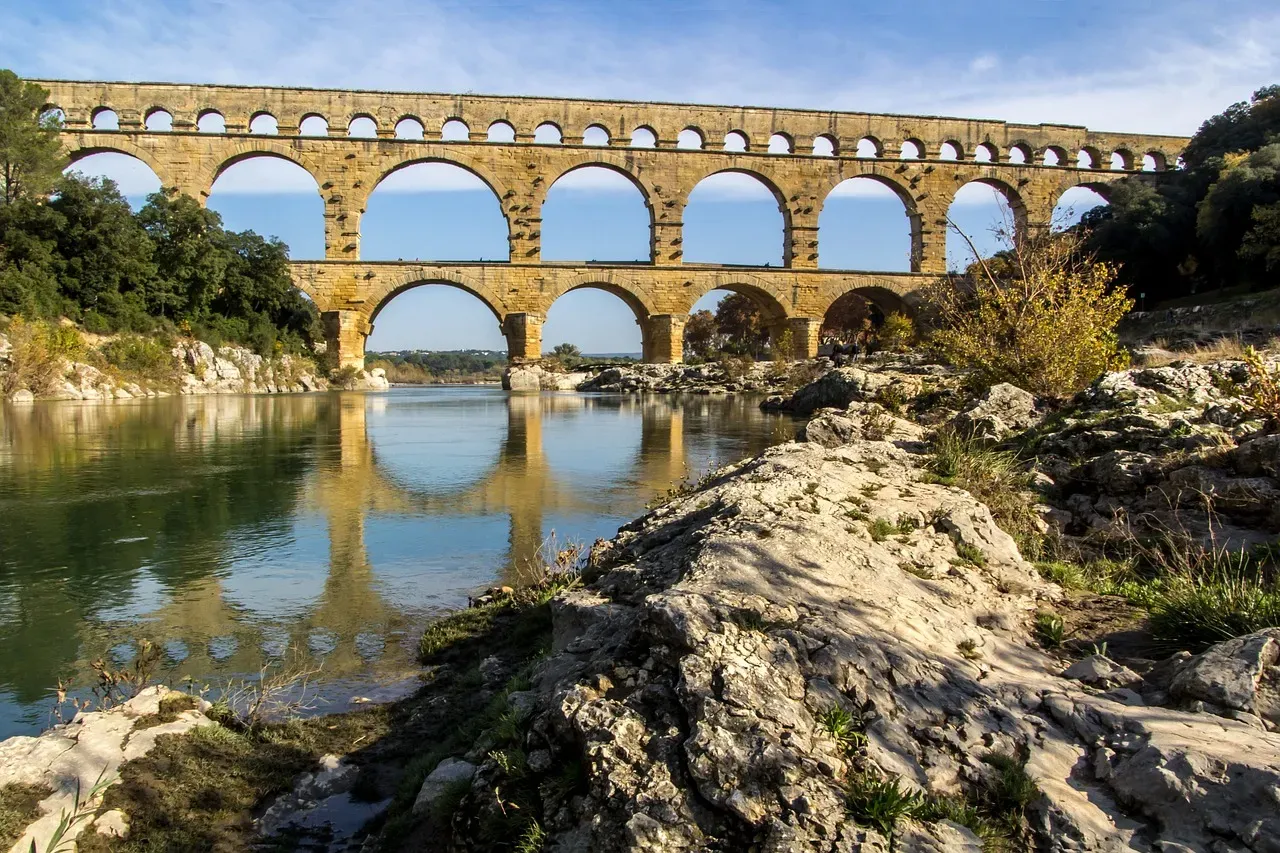
Underneath the beauty of those ruined arches lies a set of stubborn, almost obsessive rules. Roman engineers were relentless about gradients: they spent days and weeks surveying, using simple tools like the chorobates (a giant leveling bench) and the groma (for straight lines and right angles). They patiently followed the shape of the land to keep the water moving just enough, even if it meant bending the route in ways that frustrated landowners and politicians. The goal was steady, reliable flow, not the shortest line on a map.
Where the ground dropped suddenly or a valley cut across the path, arches and siphons came to the rescue. Arches allowed the channel to maintain its gentle slope over uneven terrain, saving stone and labor by stacking vertical support instead of filling whole valleys with earth. In rare cases, engineers used inverted siphons: pipes that dipped down into a valley and then climbed back up, driven by gravity and water pressure. To pull this off without bursting the pipes, they needed a solid grasp of how pressure built up – knowledge they never wrote as equations but clearly understood in practice.
Roads That Refused To Die
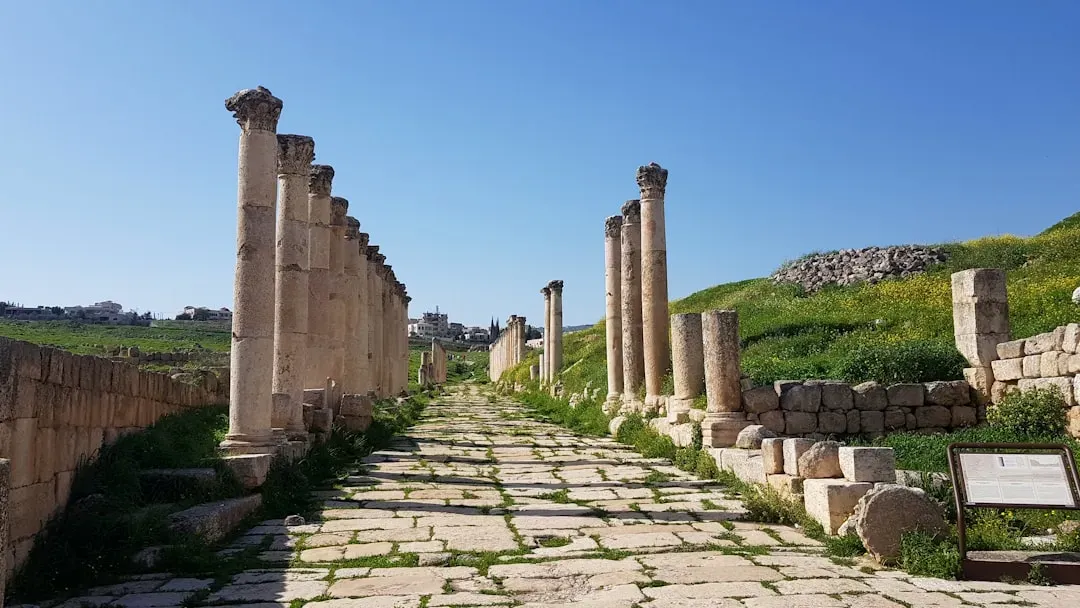
Roman roads were not just dirt tracks; they were carefully layered machines for movement. First came a deep trench, then layers of compacted rubble, gravel, and finally stone paving slabs fitted so tightly that grass still struggles to grow between them in some places today. This multi‑layered structure drained water, resisted frost, and spread weight so evenly that heavy wagons could roll for centuries without tearing the road apart. The construction feels closer to a carefully engineered sandwich than a simple path.
What makes these roads so striking is how they combined brutal simplicity with long‑term thinking. The Romans accepted high upfront effort – cutting, hauling, and fitting massive stones – in exchange for roads that needed little maintenance over generations. Their straightness was almost aggressive; they cut through hills and built viaducts rather than meander around obstacles. Some of today’s European highways still trace Roman routes, which says a lot about how well those engineers read the landscape and chose their paths.
Surveying And Tools: Precision Without Computers
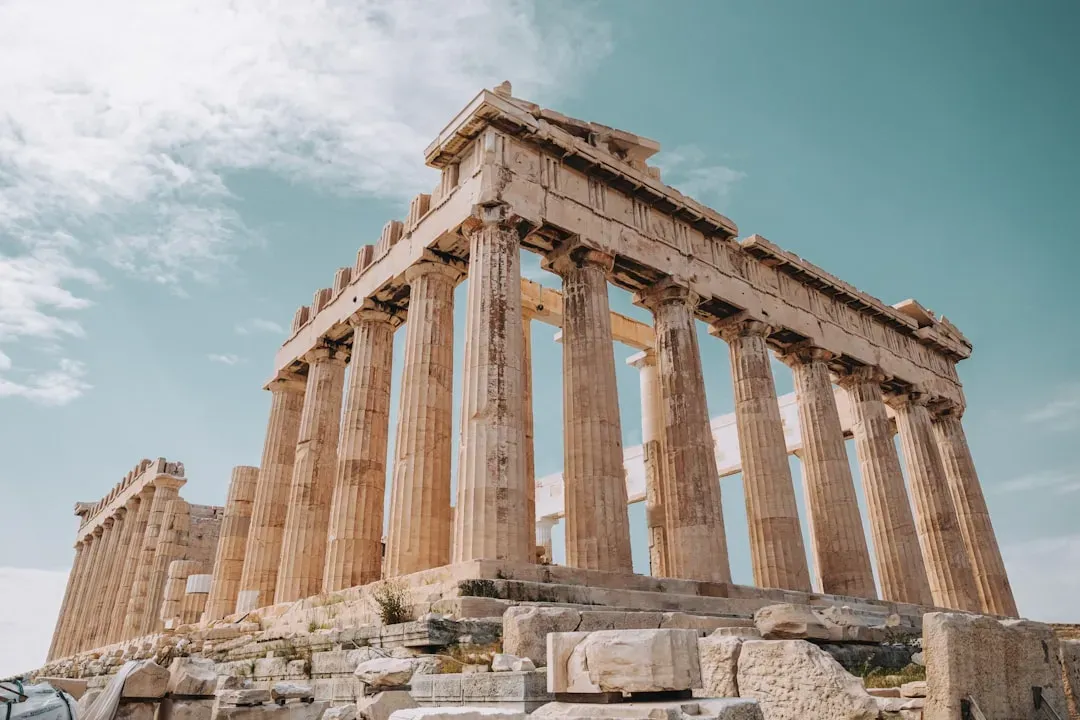
Roman engineers didn’t have laptops, but they did have a toolkit that pushed human senses to their limit. The chorobates, a long wooden beam with legs and channels for water, let them detect tiny changes in height – if the water sat level, so did the beam. The groma allowed them to set straight lines and perfect right angles using hanging plumb lines. With these simple devices, they could align roads over long distances and ensure that aqueducts kept their delicate slopes without stalling or flooding.
They also relied heavily on experience passed down like a craft tradition. Master builders knew what soil types would collapse, what rock would hold an arch, and how to adjust designs when the land surprised them. When I first read about them tunneling from both ends of a mountain and meeting surprisingly close to the middle, it reminded me of two people starting a jigsaw puzzle from opposite corners and snapping the final piece in with a grin. Their “software” was memory, apprenticeship, and careful observation – and it worked.
Urban Life Reimagined: Water, Baths, And Cleanliness
Aqueducts didn’t just move water; they rewired daily life in Roman cities. Public baths became social hubs where people not only washed but did business, exercised, and gossiped. Fountains provided clean water to ordinary citizens, reducing their dependence on wells and rivers that could easily become polluted. The steady flow also powered some waterwheels for milling grain, quietly tying engineering to food security and economic life.
Sanitation, while far from modern standards, still improved dramatically compared with many earlier societies. Latrines connected to flowing water helped remove waste from dense urban areas, and drainage systems kept streets more navigable. You can debate how healthy everything truly was, but there’s no doubt that access to abundant water changed expectations. Once you experience a world where water arrives as if by magic, flowing over hills and across valleys just to reach your street, it’s hard to imagine going back.
Empire, Control, And The Politics Of Stone
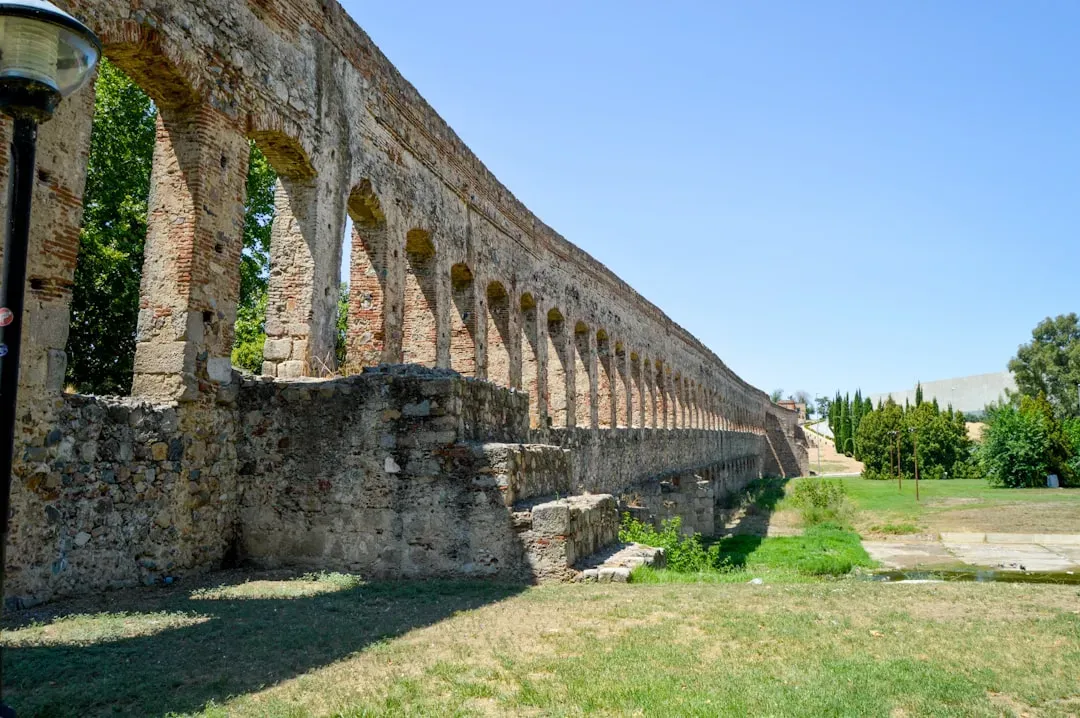
Every aqueduct and road carried a political message along with water and carts. By building monumental infrastructure in distant provinces, Rome showed off both its generosity and its power. Local elites who cooperated often got roads and water projects that boosted their cities’ prosperity, making Roman rule look like a ticket to a better life. But the flip side was clear: the same roads that brought trade could also bring legions in a hurry if trouble started brewing.
The maintenance of these systems also created dependence. Once a city was hooked on aqueduct water or plugged into a network of trade roads, it was tied to the imperial center in a very practical way. Shutting down an aqueduct could be a quiet form of punishment; building one could be a grand gesture of favor. In that sense, Roman engineers were not just technicians; they were collaborators in a political project, laying down stone and channels that locked the empire together like a giant, carefully wired circuit.
What Their Engineering Still Teaches Us Today
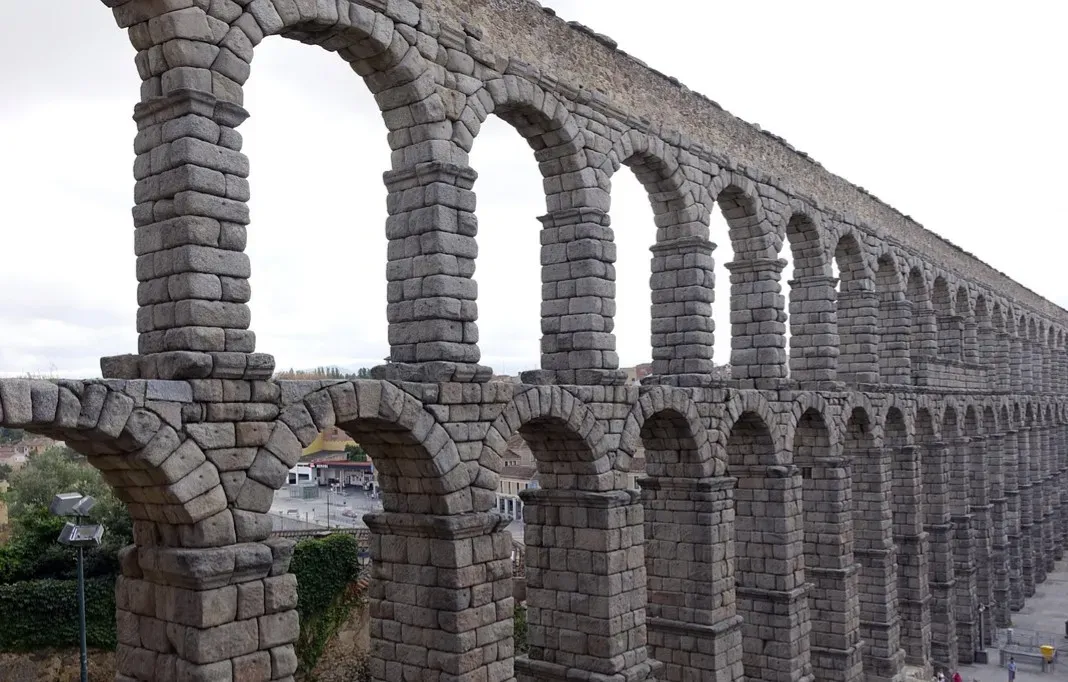
Looking at Roman aqueducts and roads from 2026, it’s hard not to feel a bit embarrassed by how quickly some modern structures fall apart. The Romans remind us that durability is a choice, not an accident. They built with a horizon of centuries, willing to invest now for benefits their grandchildren and great‑grandchildren would enjoy. That mindset clashes with our short political cycles and budget cuts, but it’s exactly what long‑lived infrastructure demands.
There’s also something inspiring in how they blended practicality with beauty. Aqueducts like Pont du Gard or the remains of the Aqua Claudia are both functional and breathtaking, as if the engineers refused to accept a trade‑off between efficiency and grace. When I walk under those arches, I don’t just see old stone; I see a kind of stubborn optimism, a belief that humans can shape the land intelligently without trying to dominate every inch of it. It makes you wonder what parts of our world, if any, will still be quietly working two thousand years from now.