Think about the last time you checked your phone, flipped on a light switch, or took an antibiotic for an infection. These everyday actions feel so natural, so unremarkable that you probably didn’t give them a second thought. Yet each one represents the culmination of groundbreaking scientific discoveries that fundamentally transformed how we live, work, and even survive. Behind every convenience we take for granted lies a moment of brilliance, a serendipitous finding, or years of painstaking research that rewrote the rules of human existence.
The journey from laboratory curiosity to household necessity is rarely straightforward. Sometimes it takes decades for a discovery’s true significance to emerge. Other times, the impact is immediate and undeniable. What connects these breakthroughs is their profound ability to reshape society in ways their discoverers never fully imagined. So let’s dive in and explore five scientific achievements that didn’t just change the world – they changed everything.
The Discovery of Antibiotics: When Mold Became Medicine
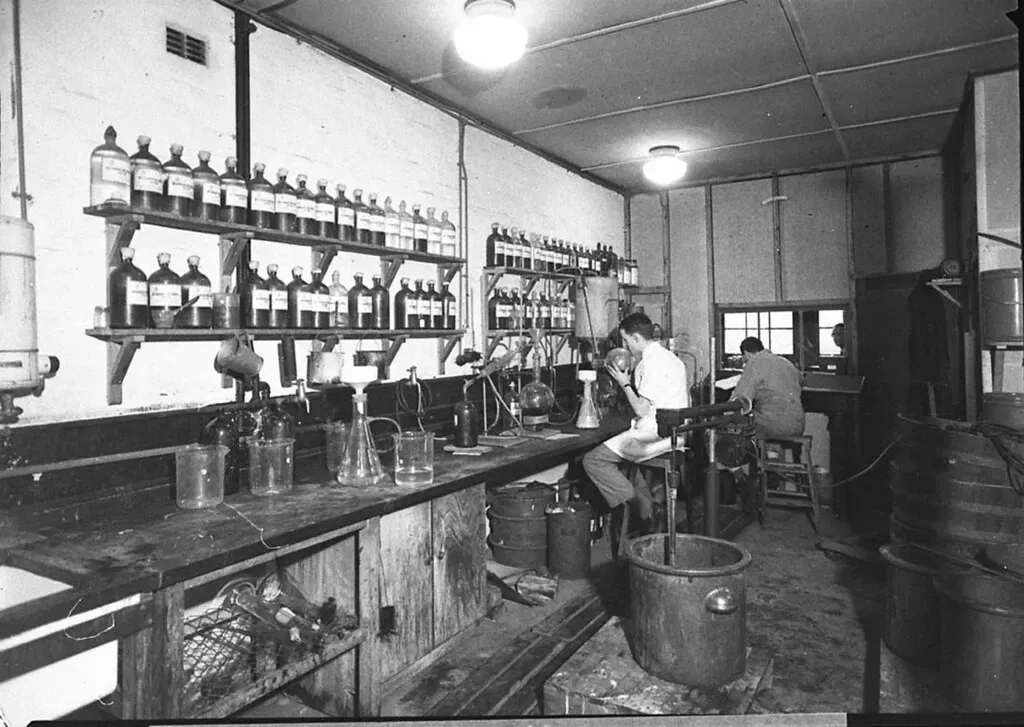
Imagine a world where a simple scratch could kill you. Where childbirth was a life-threatening gamble. Where soldiers died more often from infected wounds than from the wounds themselves. That was the reality before 1928, when a Scottish bacteriologist named Alexander Fleming returned from vacation to find something peculiar in his London laboratory.
Fleming noticed a zone around an invading fungus on an agar plate where bacteria did not grow. In just over 100 years antibiotics have drastically changed modern medicine and extended the average human lifespan by 23 years. Think about that for a moment. Nearly a quarter century of additional life, granted by what started as contaminated laboratory equipment. Even dating back to World War Two, penicillin was crucial to saving millions of lives, decreasing the death rate from bacterial pneumonia in soldiers from 18% to 1%.
Penicillin revolutionized the treatment of bacterial infections, making once life-threatening conditions easily treatable, and drastically reduced the need for invasive surgical procedures to treat infections. The ripple effects were staggering. Surgeries became safer. Maternal mortality plummeted. Diseases that had terrorized humanity for centuries suddenly became manageable. Fleming’s accidental discovery opened the floodgates to an entire class of life-saving drugs that would define modern medicine.
The Internet: From Military Network to Global Connection
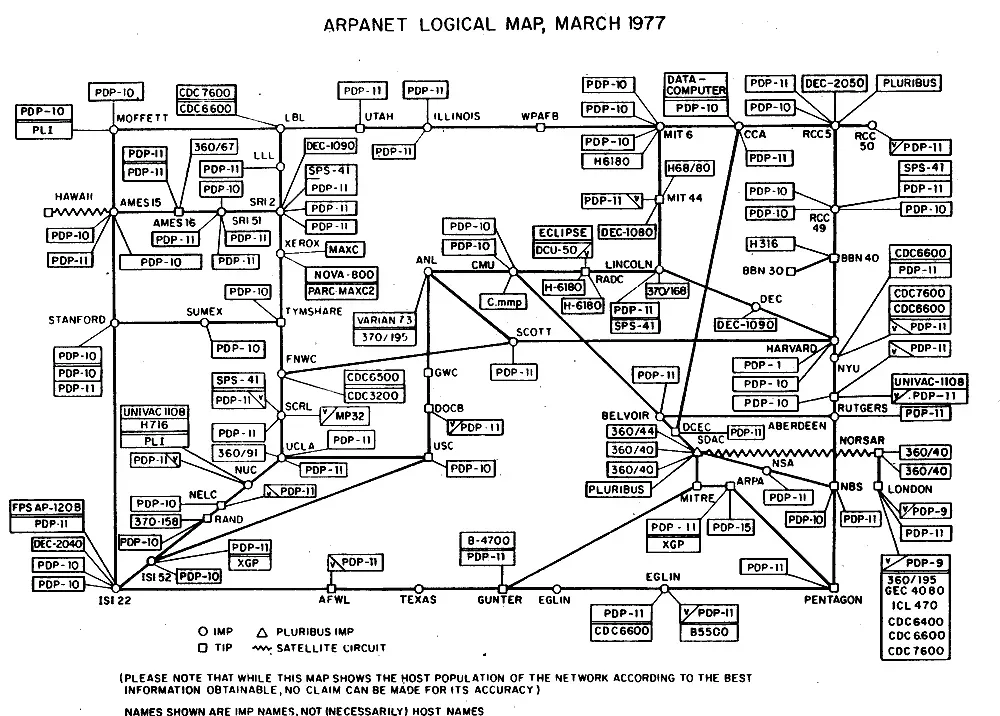
Here’s the thing about revolutionary technology: it rarely starts out looking revolutionary. The Advanced Research Projects Agency Network, known as ARPANET, was the first wide-area packet-switched network with distributed control, and both technologies became the technical foundation of the Internet. What began in 1969 as a way to connect four university computers has evolved into the invisible infrastructure that underpins nearly every aspect of modern existence.
The first computer-to-computer signal on this nascent network was sent between UCLA and the Stanford Research Institute on Oct. 29, 1969. The message? An attempt to type “login” that crashed after just two letters. Honestly, there’s something beautifully human about the fact that the birth of the internet was marked by a technical failure. ARPANET officially changed to the TCP/IP standard on January 1, 1983, the birth of the Internet, allowing all networks to be connected by a universal language.
Today, roughly half the global population uses the internet daily. You’re reading this because of it. You stay connected to loved ones across continents because of it. Entire industries exist solely because a handful of researchers wondered if computers could talk to each other. The internet didn’t just change how we communicate – it fundamentally altered the structure of human society, the nature of work, and even how we think.
Electricity: The Power That Lights Civilization

The invention of the light bulb transformed our world by removing our dependence on natural light, allowing us to be productive at any time, day or night. Let’s be real: before practical electricity became widespread, life operated on a completely different rhythm. When darkness fell, productivity largely ceased. Cities were dim and dangerous. Refrigeration was impossible. Communication over distance required physical messengers or rudimentary telegraph systems.
The introduction of electricity in homes initiated the introduction of electricity throughout the Western world and had the unexpected consequence of changing people’s sleep patterns, as instead of going to bed at nightfall and sleeping in segments, we now stay up except for the hours allotted for sleep. Think about how profound that shift really is. Electricity didn’t just illuminate rooms; it rewired human biology and social structures.
Electricity is the foundation of modern life, powering homes, workplaces, and public spaces, making daily tasks easier and faster, while industries depend on electricity to operate machinery and produce goods. From the refrigerator preserving your food to the smartphone in your pocket, from the medical equipment in hospitals to the trains transporting millions daily – none of it functions without this fundamental breakthrough. Electricity is so embedded in modern existence that we only notice it when it’s absent.
DNA Structure: Unlocking the Blueprint of Life
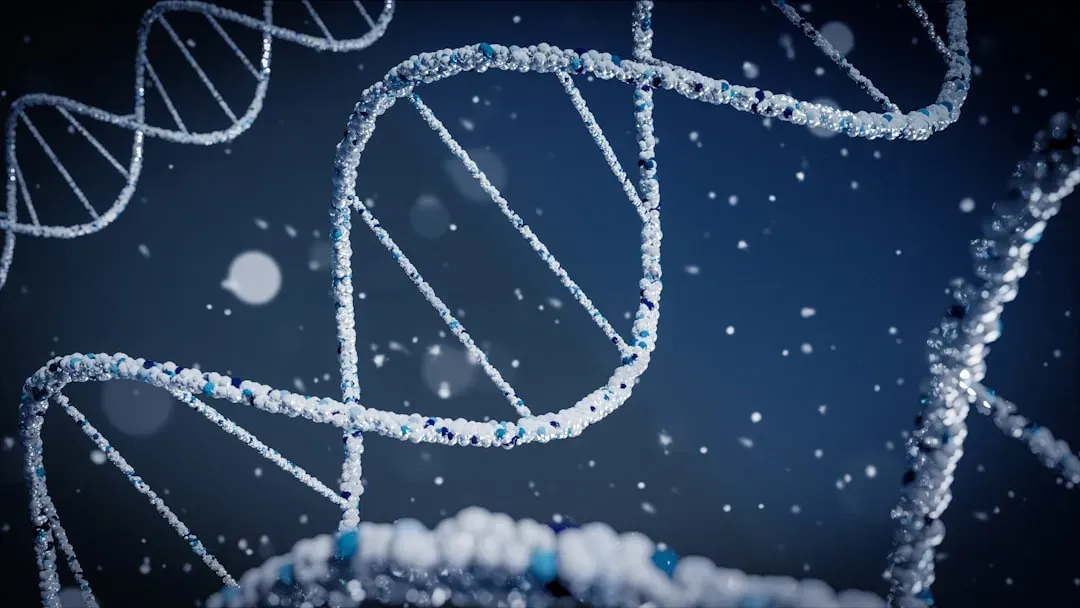
In 1953, something extraordinary happened that most people barely noticed at the time. James Watson, Francis Crick, Maurice Wilkins and Rosalind Franklin revealed the helical structure of DNA, the basis for molecular biology. This wasn’t just another scientific paper. It was the moment humanity first glimpsed the instruction manual for life itself.
By knowing our genome, it’s possible to find changes in genes that are associated with or even cause various diseases, increasing our understanding of those diseases as well as our ability to diagnose and treat them. The practical applications have been transformative. Genetic testing can now predict disease risk. Forensic science uses DNA to solve crimes. Paternity tests provide answers that were impossible just decades ago. Agricultural scientists develop crops that resist drought and disease.
Knowledge of the human genome sequence enables us to understand how genetic information determines the development, structure and function of the human body, giving us opportunity to explore how variations within our DNA sequence cause disease and ultimately to develop new and effective ways to improve human health. We’re still in the early chapters of this revolution. Gene editing technologies like CRISPR are pushing boundaries that would have seemed like pure science fiction when Watson and Crick first published their findings. The ability to read and potentially rewrite the genetic code represents one of humanity’s most powerful tools – and responsibilities.
Vaccines: Training Bodies to Fight Back
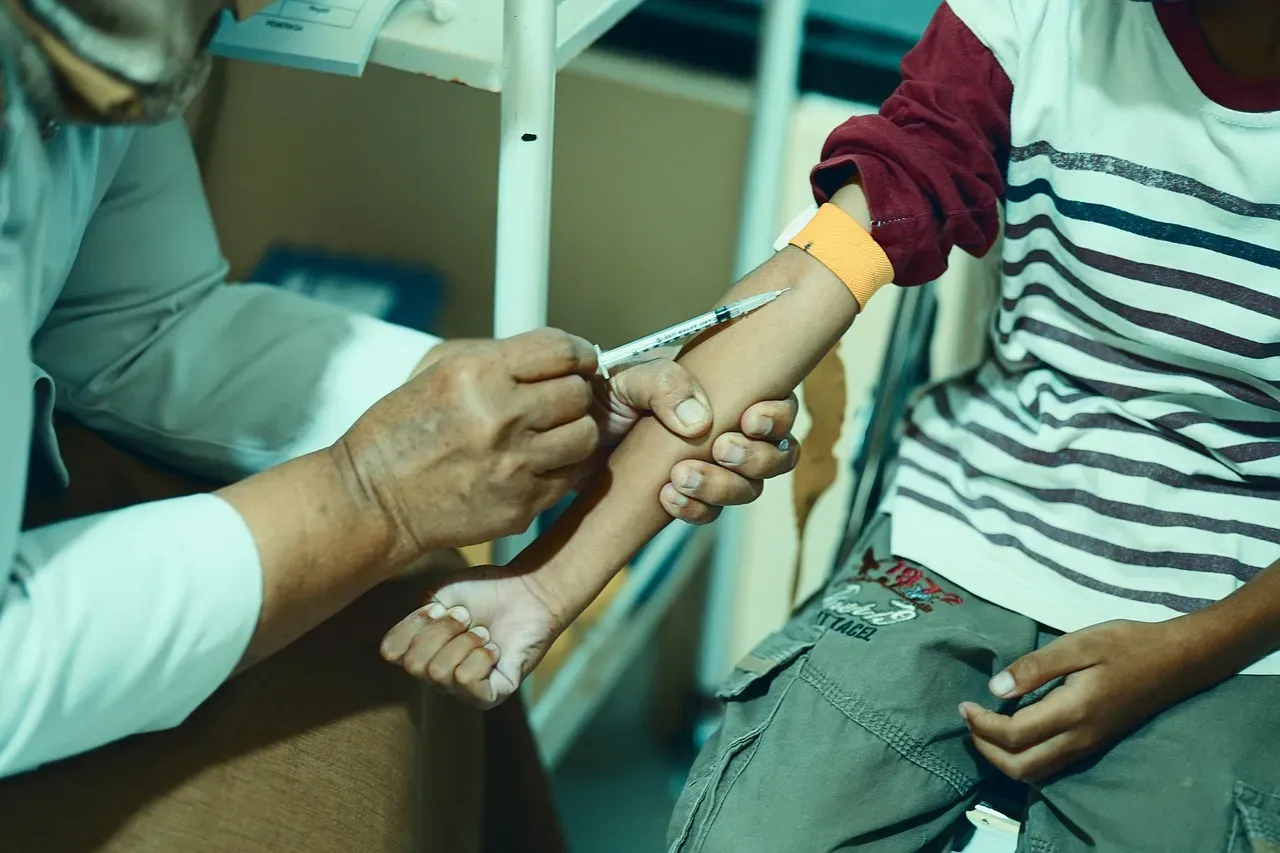
The concept seems almost too elegant: teach the immune system to recognize a threat before it ever becomes dangerous. Vaccination transformed from a controversial practice to one of medicine’s greatest triumphs, effectively eradicating or controlling diseases that once devastated populations. Smallpox, which killed hundreds of millions throughout history, was declared eradicated in 1980 thanks to a global vaccination campaign.
Polio, which paralyzed thousands of children annually in the United States alone during the 1950s, has been eliminated from most of the world. Measles, mumps, rubella, diphtheria, tetanus – diseases that were simply expected parts of childhood are now rare in vaccinated populations. The math is staggering when you consider the lives saved and suffering prevented. I think it’s hard for younger generations to fully grasp just how terrifying these diseases were for their grandparents.
Recent years have demonstrated both the incredible power and the challenges of vaccine development. The rapid creation of effective vaccines against a novel coronavirus showcased modern science’s capabilities in ways previous generations could never have imagined. Yet it also highlighted how scientific advancement must constantly engage with public trust, misinformation, and the complex social dynamics that surround medical interventions. The science saves lives; ensuring people accept that science requires an entirely different kind of work.
Conclusion: Standing on the Shoulders of Discovery

The breakthroughs we’ve explored share something remarkable: each began with curiosity, persistence, and often a bit of luck, yet their impacts rippled outward in ways no one could have predicted. Fleming wasn’t trying to extend human lifespan by decades when he noticed that contaminated petri dish. The engineers developing ARPANET weren’t imagining social media, streaming services, or the gig economy. The scientists mapping DNA structure couldn’t have foreseen personalized medicine or genetic genealogy websites.
These discoveries remind us that fundamental research matters immensely, even when practical applications aren’t immediately obvious. They show us that breakthroughs often emerge from unexpected places and require both individual brilliance and collaborative effort. Most importantly, they demonstrate that scientific progress isn’t just about abstract knowledge – it’s about improving human lives in tangible, measurable ways.
The next generation of breakthroughs is happening right now in laboratories around the world. Researchers are exploring quantum computing, fusion energy, artificial intelligence, and technologies we haven’t even named yet. Some will fizzle. Others will become as foundational to future generations as antibiotics, electricity, and the internet are to us. Which current research will your grandchildren read about in their own version of this article? What would you add to this list?