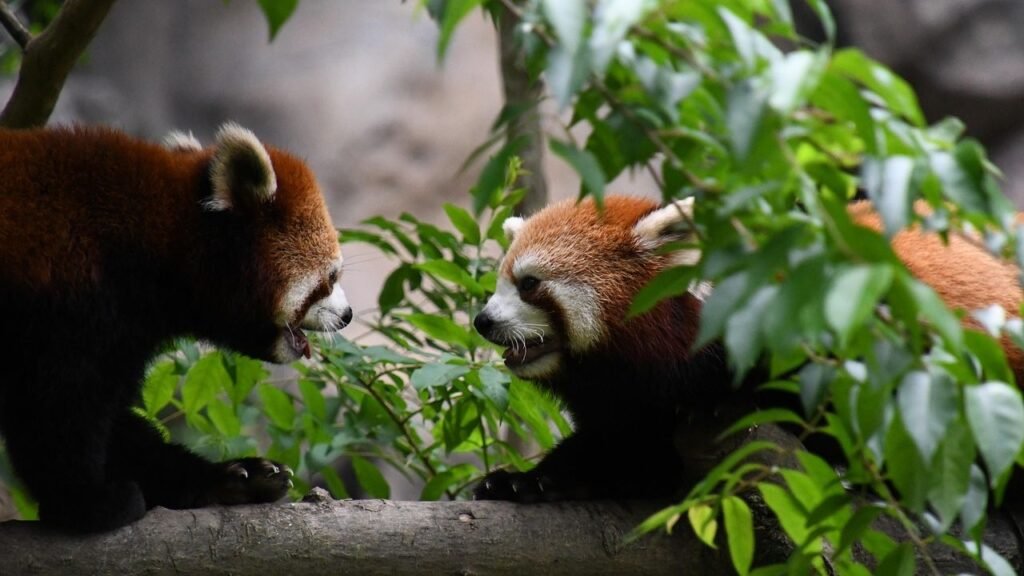
Have you ever watched your dog tilt its head when you speak, or noticed how a cat’s tail seems to have a language all its own? Communication doesn’t always need sound. In fact, some of the most fascinating conversations in nature happen in complete silence, through methods that might surprise you.
From glowing lights in the deep ocean to invisible chemical trails on forest floors, animals have mastered the art of wordless communication in ways that put our text messages to shame. These silent strategies have evolved over millions of years, perfectly adapted to help creatures survive, find mates, warn of danger, and navigate their worlds. Let’s dive into seven incredible ways animals talk without making a peep.
Dancing with Purpose: The Honeybee Waggle Dance
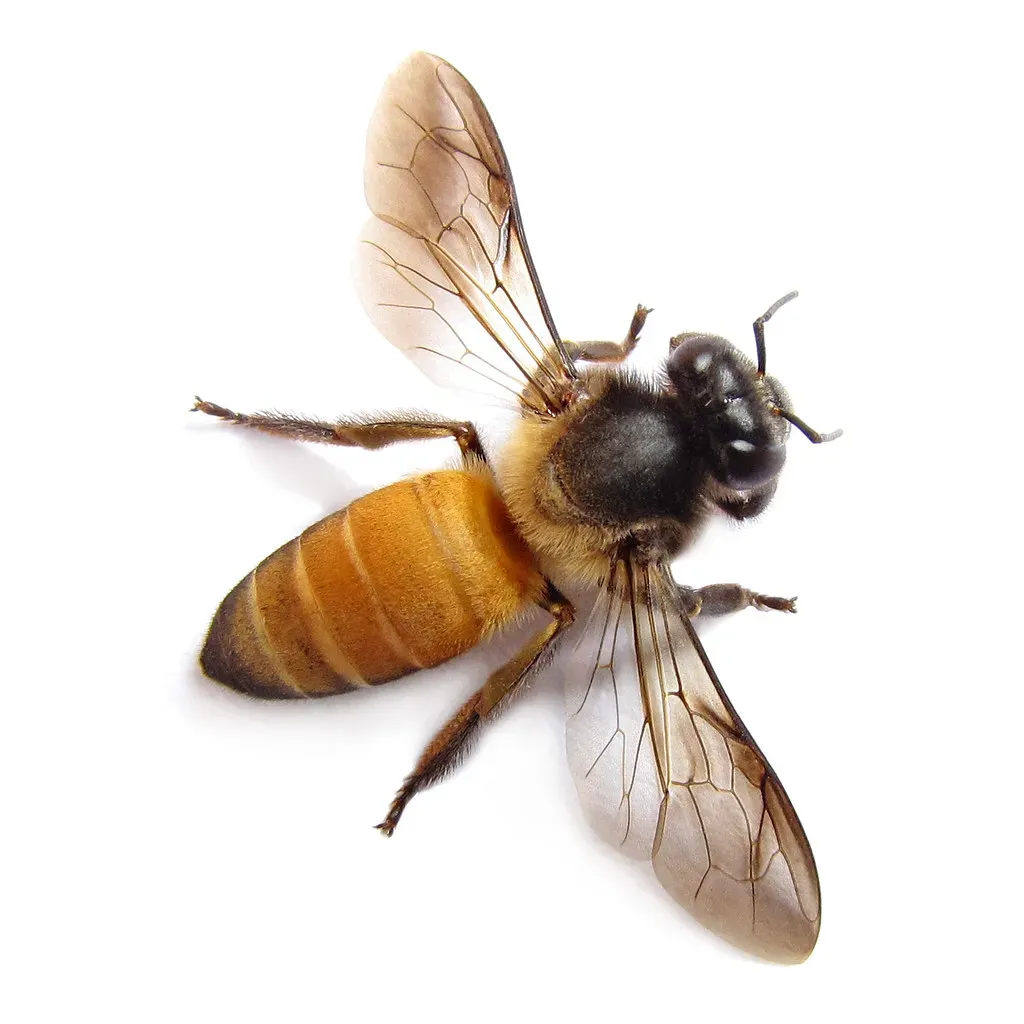
Honeybees perform the famous “waggle dance” to tell other bees where to find nectar or pollen, with the direction of the dance indicating the angle of the food source relative to the sun, and the duration telling how far it is. Think about that for a second. These tiny insects are basically giving GPS coordinates through interpretive dance, all in the pitch darkness of the hive.
This tactile-visual hybrid communication system is performed inside the darkness of the hive where other bees can feel the movements. Worker bees watch and feel these intricate movements, decoding the message to locate flowers sometimes several kilometers away. It’s honestly one of nature’s most elegant solutions to a complex problem. Imagine trying to describe the location of your favorite restaurant to someone using only body movements in a dark room.
Glowing in the Dark: Bioluminescent Communication
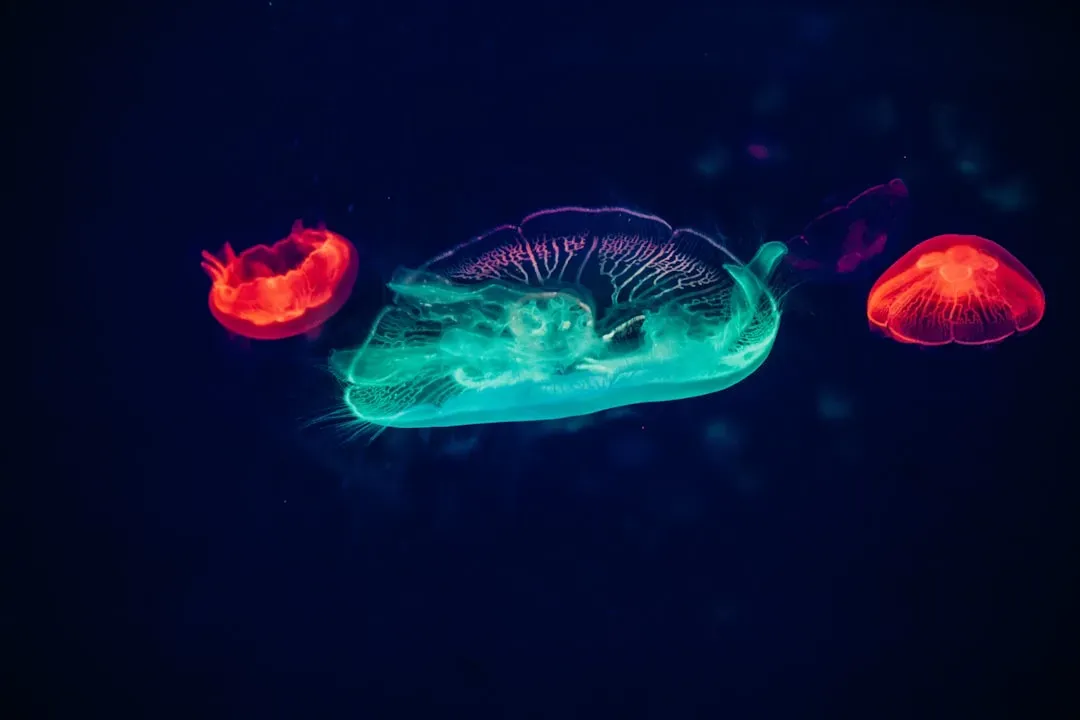
For animals that live in dark deep-sea waters, light is an effective way to communicate, and bioluminescence evolved into a form of communication. Fireflies might be the poster children for bioluminescence on land, but the real light show happens beneath the waves. In the deep ocean, where sunlight can’t penetrate, bioluminescence becomes the primary communication channel.
Bioluminescence can play a part in attracting a mate, with the male Caribbean ostracod using bioluminescent signals on its upper lips to attract females. Different species flash unique patterns, like Morse code written in living light. In the deep sea, bioluminescence is extremely common, and because the deep sea is so vast, bioluminescence may be the most common form of communication on the planet! Let’s be real, that’s a staggering thought. The most widespread form of communication on Earth might be happening in places we rarely see.
Chemical Messages: The Invisible Language of Pheromones
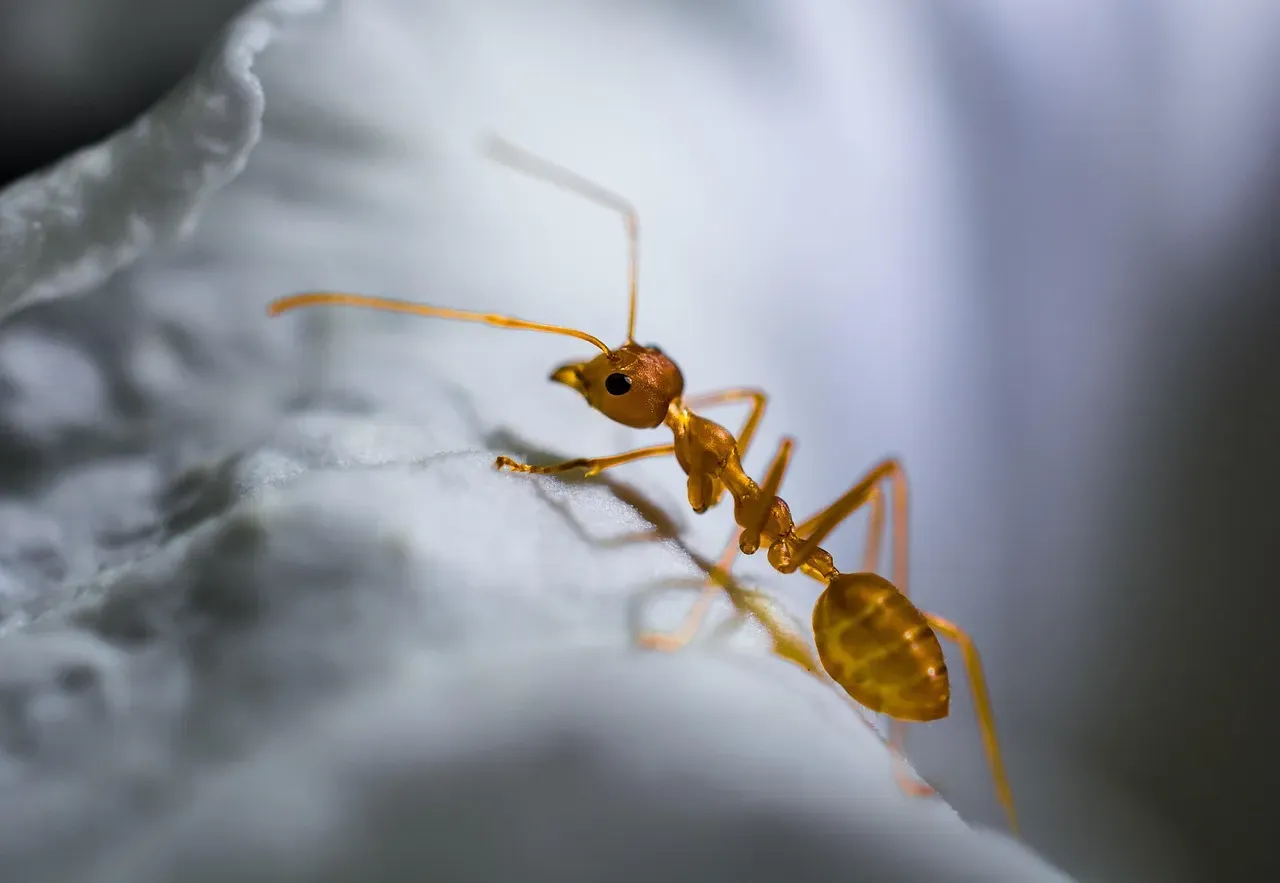
Ants don’t talk or make sounds to communicate, instead relying on pheromones – chemical signals released from their bodies – with ants leaving scent trails for others to follow when they find food. This invisible highway system allows entire colonies to coordinate without a single chirp or squeak. When danger threatens, a different chemical alarm goes out.
Pheromones are chemical signals that have evolved for communication between members of the same species, eliciting specific reactions in the receiver, for example, a stereotyped behavior or a developmental process. It’s not just insects, either. A female moth’s mating pheromones are so powerful she can attract males from miles away, with her chemical sex messages bringing males to her from a distance of seven miles in one experiment. Seven miles. That’s like sending a text message that travels halfway across a small town, except it’s made of molecules floating on the breeze.
Color Shifts and Pattern Play: Visual Transformations
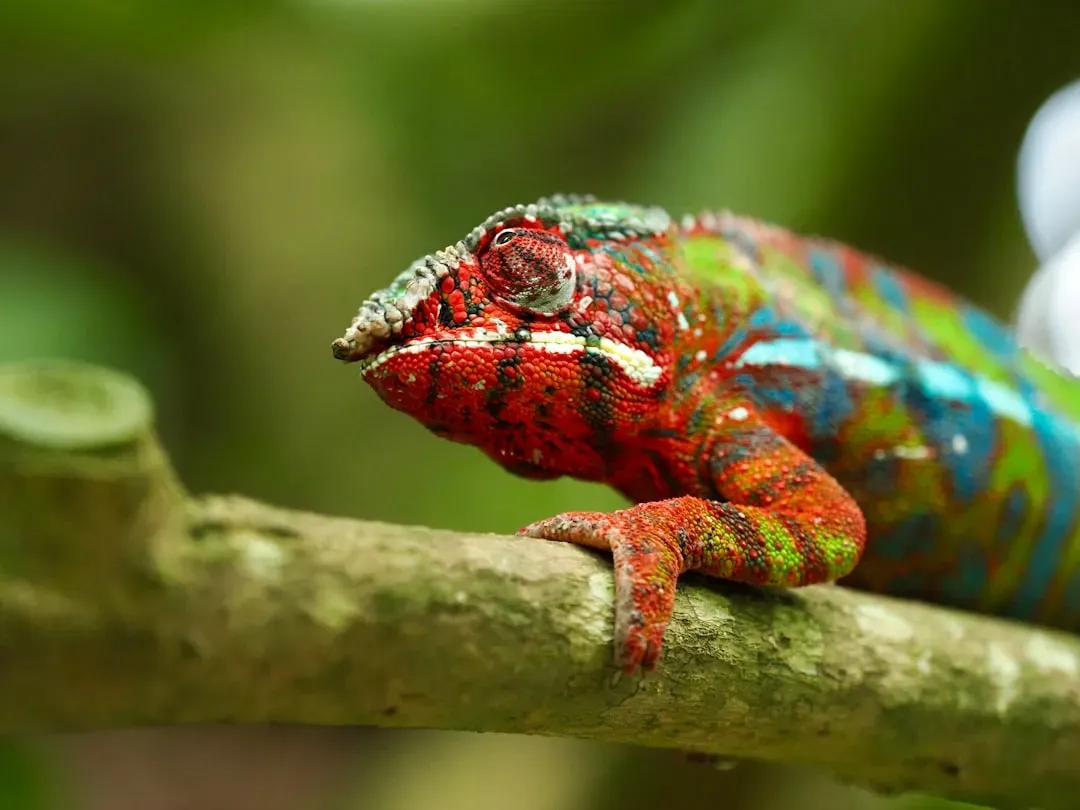
The chameleon is capable of changing colors not primarily for camouflage as commonly believed, but often to signal dominance, submission, or mating readiness to other chameleons. Most people think chameleons change color to blend in, but that’s not the whole story. These reptiles are wearing their emotions on their sleeves, or rather, on their skin.
Male Caribbean reef squids can display different color patterns on opposite sides of their bodies, effectively sending different messages to different viewers simultaneously, while cuttlefish use specialized cells called chromatophores to create rippling patterns across their skin in what researchers have called a “living display screen.” Imagine being able to show one expression to your boss and a completely different one to your coworker at the exact same moment. These creatures have mastered multitasking communication in ways we can barely comprehend.
Body Language: Postures That Speak Volumes
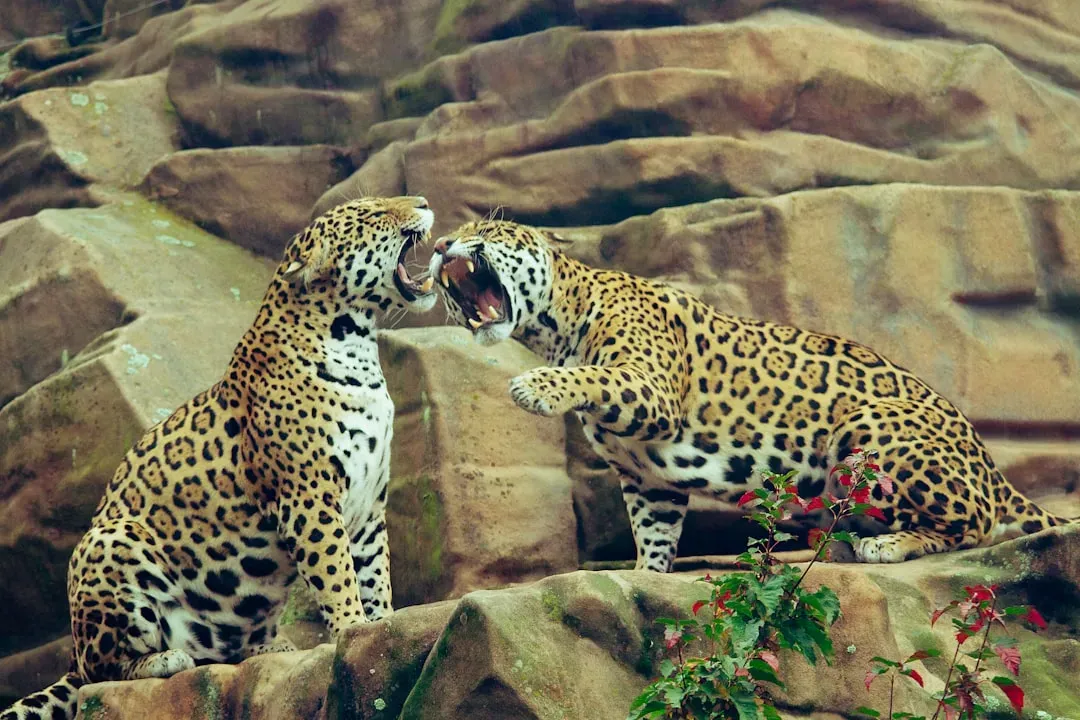
Animals communicate in a variety of ways using their ears, eyes, mouth, tail, degree of muscle tension and posture, and when figuring out what an animal is trying to say, we have to look at their overall behavior as well as what the different parts of their body are doing. Your dog isn’t just wagging its tail randomly. Every ear position, every shift in weight, every tilt of the head carries meaning.
Deer are naturally silent creatures, relying on tail signals, posture, and movement to alert each other when threatened, with a quick flick of the tail, sudden freeze, or ear positioning telling others in the group that danger is near. The attitude of the tail when two wolves meet will indicate which is superior, with the tail held between the legs being a submissive gesture while the tail raised confidently aloft denotes dominance. It’s a sophisticated system of nonverbal cues that happens faster than any spoken warning could.
Electric Conversations: Communication Through Invisible Fields
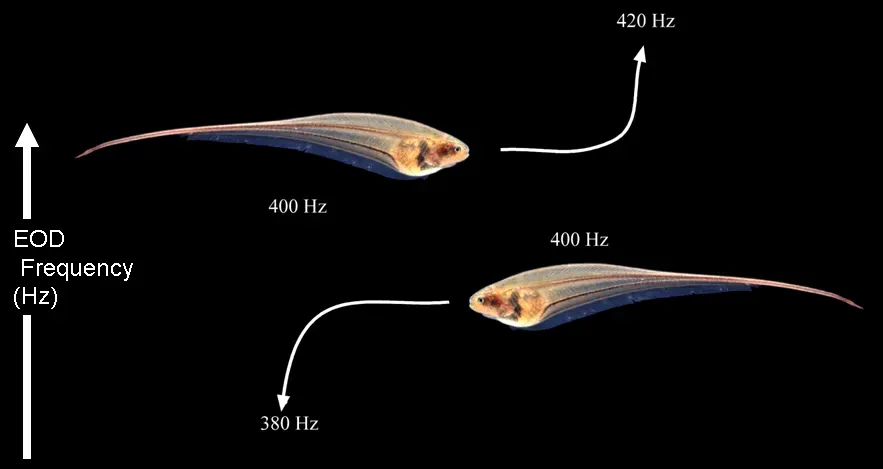
Electrocommunication is the communication method used by weakly-electric fish, with electric fish communicating by generating an electric field that a second individual receives with its electroreceptors. I know it sounds crazy, but some fish literally talk through electricity. African elephantfish and certain South American species generate weak electrical pulses from organs in their tails.
Inter-discharge interval patterns vary based on the information being conveyed, such as signaler’s species, dominance status, and emotional state, with African mormyrids emitting five different EOD patterns associated with mating behaviors during breeding season. These electrical pulses help them navigate murky waters where vision fails. Each species of mormyrid emits its own unique electric pulse, with the frequency changing but the pulse waveform remaining the same. It’s like each species has its own electrical accent.
Touch and Tactile Signals: Communication Through Contact
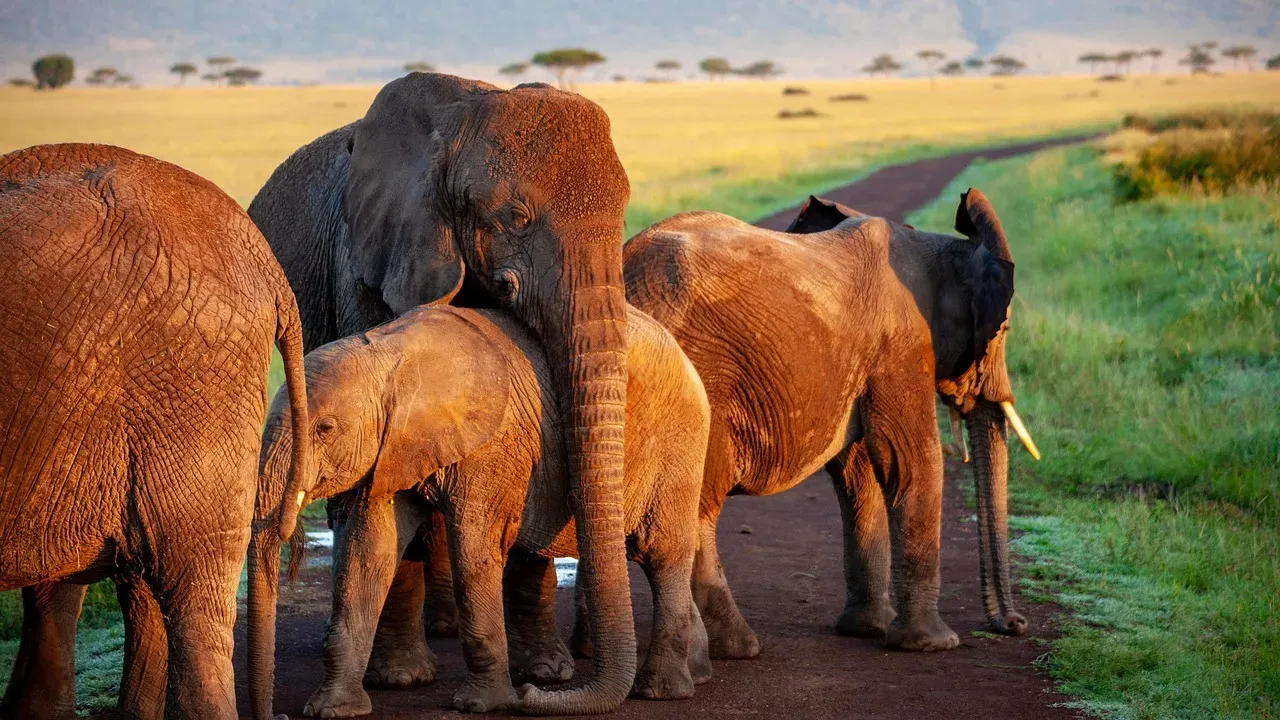
Physical contact serves as a fundamental communication method across the animal kingdom, with social grooming among primates not just about hygiene but reinforcing social bonds and establishing hierarchies within groups. Touch might be the oldest form of communication there is. Long before complex visual displays or chemical signals evolved, animals were communicating through direct contact.
Elephants frequently touch each other with their trunks as gestures of greeting, reassurance, or affection, while in feline species, head-butting (known as “bunting”) transfers scent and expresses affiliation. These moments of connection do more than just convey information. They build relationships, establish trust, and maintain social structures. A mother elephant guiding her calf with her trunk, a cat rubbing against your leg, or primates grooming each other aren’t just communicating facts. They’re maintaining the emotional fabric of their social worlds.
Conclusion
The natural world operates on communication channels we’re only beginning to understand. From electrical pulses in muddy rivers to light shows in the ocean depths, from chemical trails on forest floors to intricate dances in dark hives, animals have developed extraordinary ways to connect without uttering a single sound. These silent conversations shape ecosystems, coordinate group behaviors, facilitate mating, and ensure survival.
What’s remarkable is how effective these wordless methods are. Perhaps more effective than our own verbose species sometimes manages to be. Next time you see an ant following an invisible trail or notice your pet’s subtle body language shift, remember you’re witnessing millions of years of evolutionary refinement in action. What do you think about these silent communicators? Does it change how you view the animal world around you?