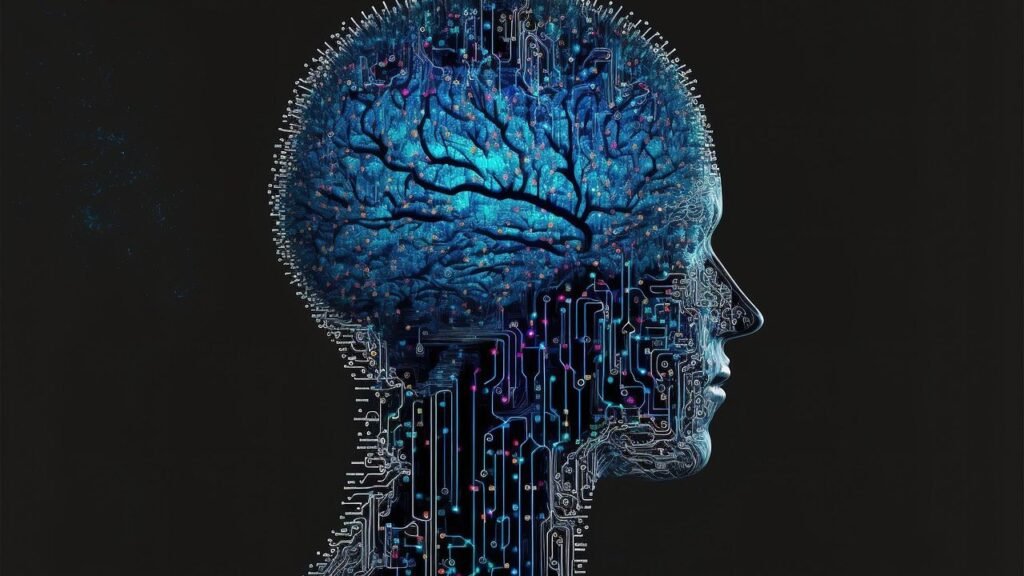

AI Takes Center Stage in Future Innovations (Image Credits: Pixabay)
Experts have identified artificial intelligence and nuclear energy as frontrunners among the technologies poised to shape global priorities in 2026.
AI Takes Center Stage in Future Innovations
Artificial intelligence dominated recent forecasts for transformative technologies. Analysts highlighted its potential to revolutionize multiple sectors through advanced applications. Machine learning advancements promised enhanced decision-making in healthcare and logistics. Predictive models evolved to address complex challenges like climate modeling. These developments positioned AI as a cornerstone for efficiency gains worldwide.
Industry leaders emphasized AI’s role in optimizing resource allocation. Integration with existing systems accelerated progress in autonomous operations. Ethical frameworks accompanied this rise to ensure responsible deployment. Governments began aligning policies to harness AI’s benefits while mitigating risks. The technology’s versatility ensured its prominence across diverse agendas.
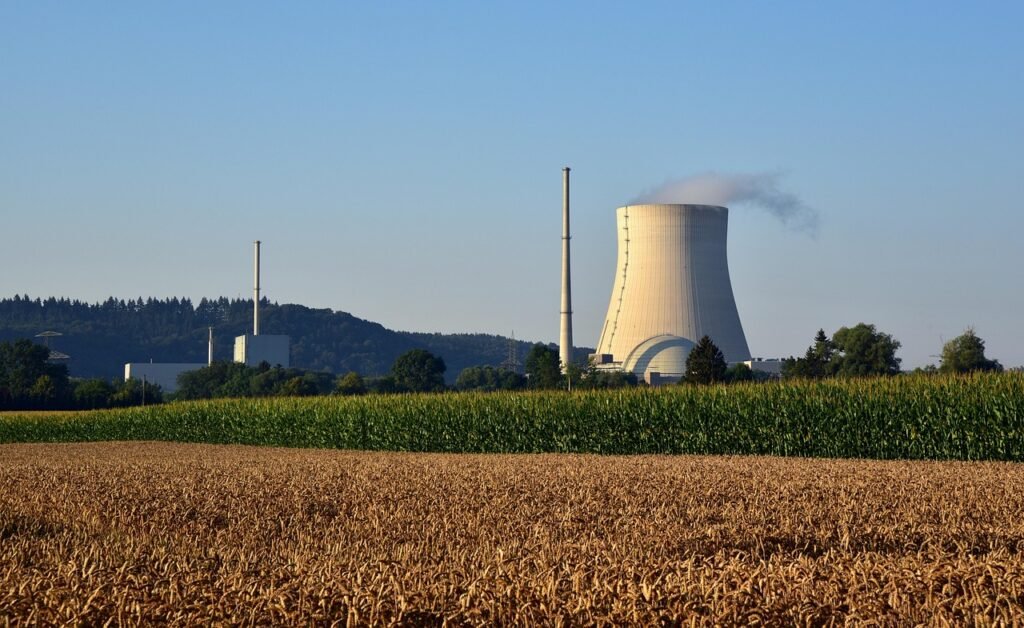
Nuclear Energy’s Resurgent Momentum
Nuclear power staged a remarkable comeback in 2026 projections, driven by urgent energy demands. Renewed interest stemmed from small modular reactors that offered safer, scalable solutions. These innovations addressed longstanding concerns over waste and safety. Deployment accelerated to meet rising electricity needs from data centers and electrification efforts. Proponents viewed nuclear as essential for low-carbon transitions.
Recent breakthroughs in fuel efficiency bolstered confidence in the sector. Collaborations between governments and private firms fast-tracked reactor designs. Economic analyses revealed competitive costs compared to intermittent renewables. Regulatory approvals streamlined to support rapid rollout. This revival promised stable baseload power for decades ahead.
Intersections Driving Broader Impact
AI and nuclear energy converged to amplify their influence. Intelligent systems optimized nuclear plant operations, from maintenance to fuel management. Simulations powered by AI reduced development timelines for new reactors. This synergy enhanced safety protocols through real-time monitoring. Energy-intensive AI training found a reliable match in nuclear’s output.
Global forums underscored these pairings in strategic planning. Investments flowed into hybrid projects combining both fields. Challenges like grid integration required coordinated efforts. Policymakers crafted incentives to foster innovation at this nexus. The combined force promised accelerated progress toward sustainability goals.
Key Challenges and Pathways Forward
Despite optimism, hurdles persisted for both technologies. Public perceptions of nuclear risks demanded transparent communication. AI’s rapid evolution raised questions about data privacy and bias. Skilled workforce shortages loomed large in implementation. International standards emerged to guide equitable access.
- Addressing regulatory bottlenecks through streamlined approvals.
- Investing in workforce training for specialized roles.
- Promoting public engagement to build trust.
- Fostering international collaborations for shared advancements.
- Balancing innovation speed with rigorous safety measures.
Key Takeaways:
- AI leads with applications in optimization and prediction.
- Nuclear provides scalable, clean energy solutions.
- Their integration unlocks exponential efficiencies.
These agenda-setting technologies signal a pivotal shift toward intelligent, sustainable systems. As 2026 approaches, their adoption will define progress in energy security and innovation. What do you think about it? Tell us in the comments.