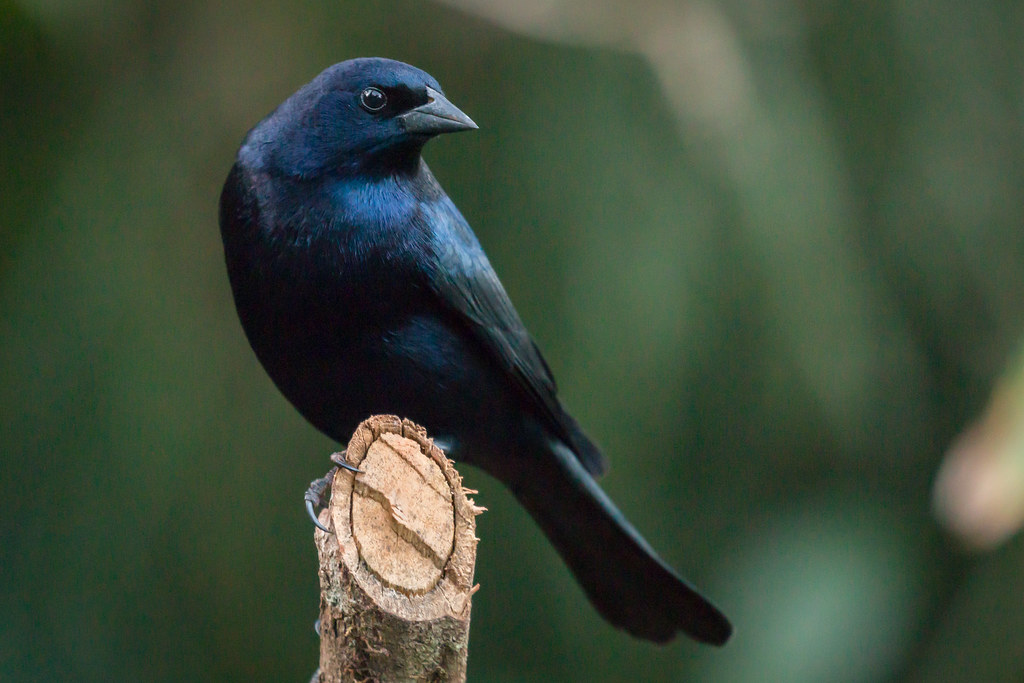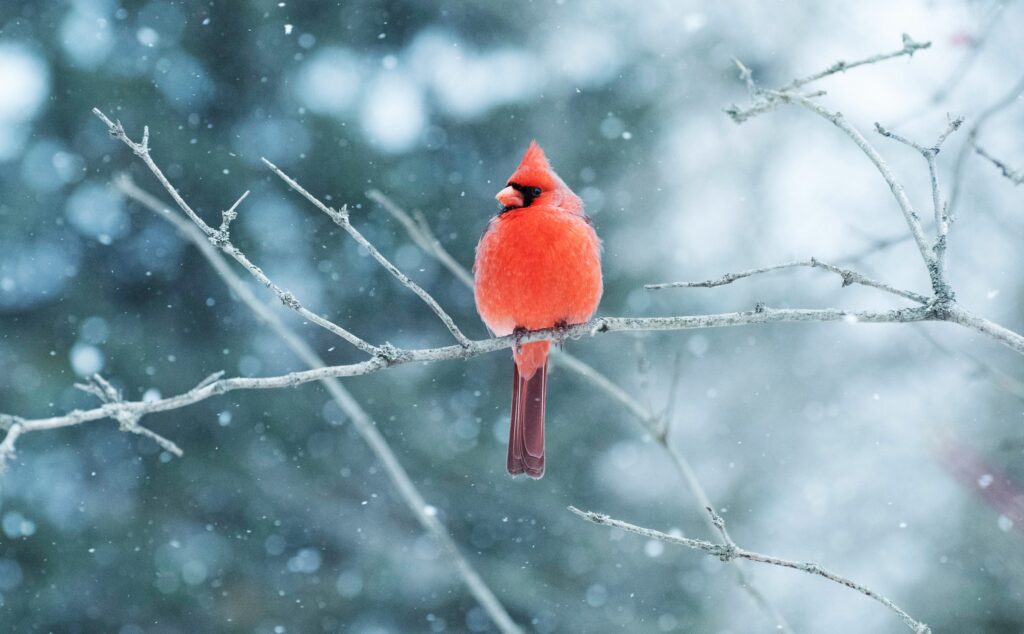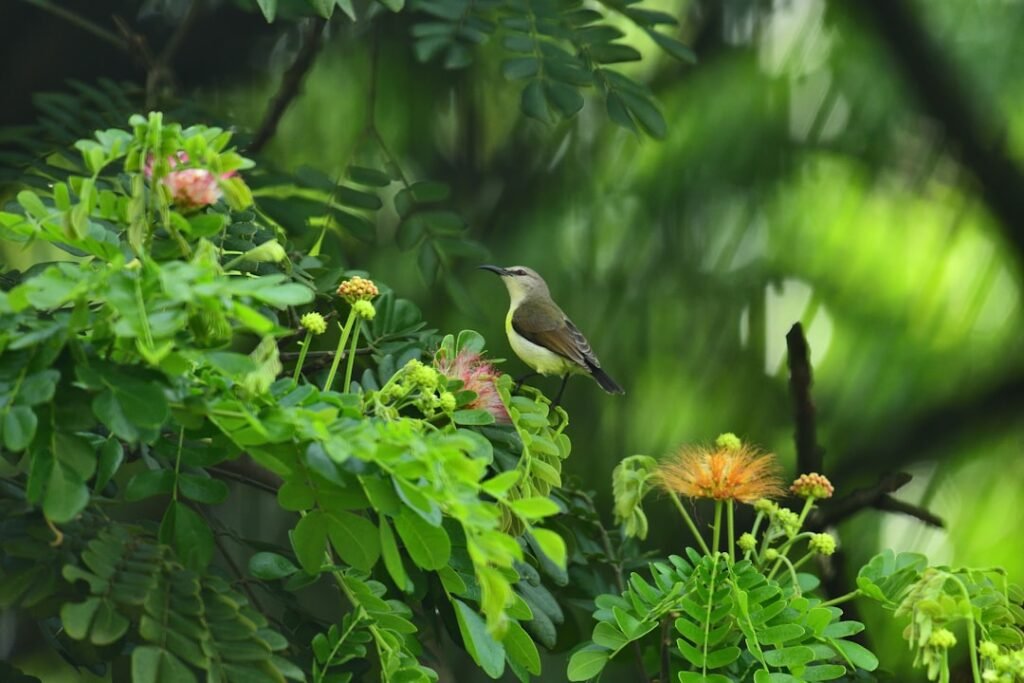

Birds Thrive on Native Foundations (Image Credits: Unsplash)
Native seed and plant partnerships offer a practical pathway for individuals to cultivate bird-friendly habitats while advancing broader environmental restoration.
Birds Thrive on Native Foundations
Native plants form the backbone of healthy ecosystems that sustain bird populations. These species evolved alongside local wildlife, providing essential food sources like seeds, berries, and insects that migratory and resident birds depend on. Without them, habitats degrade, forcing birds to seek scarce resources elsewhere.
Partnerships focused on native seeds encourage gardeners to prioritize these plants over non-native alternatives. Participants gain access to regionally appropriate varieties that grow vigorously in local conditions. This approach not only boosts biodiversity but also creates resilient spaces where birds can nest, feed, and raise young successfully.
Understanding Native Seed and Plant Partnerships
These collaborative initiatives connect communities with experts in seed collection, propagation, and distribution. Regional programs tailor resources to specific climates and soils, ensuring high success rates for home growers. Nature Canada highlights such efforts through dedicated campaigns that emphasize bird habitat development.
Groups involved share knowledge on best practices, from seed starting to plant maintenance. They often provide starter kits or workshops, making it accessible for beginners. The focus remains on scaling up native plantings to counteract habitat loss across landscapes.
Driving Reconciliation and Restoration Goals
Many partnerships incorporate Indigenous knowledge, honoring traditional stewardship practices in plant selection and land care. This integration supports reconciliation by recognizing First Nations’ historical roles in maintaining healthy ecosystems. Restoration efforts gain momentum as more native plants restore degraded areas, benefiting birds and other wildlife.
Participants contribute to larger conservation targets, such as reconnecting fragmented habitats. Improved plant health leads to stronger pollinator networks, which in turn support bird food chains. These programs measure success through increased sightings of native species and enhanced ecosystem services.
Steps to Join and Maximize Impact
Getting started requires identifying your region’s active partnership. Visit resources like Nature Canada for listings and guidance tailored to bird-friendly planting. Select sites in your yard or community space with suitable sunlight and drainage.
Follow these key actions to build effective habitats:
- Source seeds from verified partnership suppliers to ensure genetic purity.
- Plant in clusters to mimic natural groupings and attract birds.
- Avoid pesticides, opting for natural pest control methods.
- Monitor progress and share observations with the partnership network.
- Combine with water features or brush piles for added bird appeal.
Such steps amplify personal efforts into collective restoration wins.
Key Takeaways
- Native plants outperform exotics in supporting local birds.
- Partnerships provide region-specific seeds and expertise.
- Engagement aids reconciliation and long-term habitat recovery.
By participating in native seed and plant partnerships, everyday gardeners become stewards of vital bird habitats, fostering ecosystems that endure. What steps will you take to create your own bird-friendly space? Share your plans in the comments.