Every so often, science drops a discovery so strange it feels like the universe is playing a prank on us. We grow up with a certain picture of how nature works, and then suddenly some experiment, fossil, or cosmic signal arrives and quietly blows a hole through it. Those moments are unsettling, a bit embarrassing for our old assumptions, and absolutely thrilling.
What follows isn’t a list of tiny tweaks or boring technicalities. These are findings that forced scientists to ask: have we been thinking about this completely wrong? From quantum weirdness to animals that shouldn’t be alive (but are), here are ten bizarre discoveries that reshaped the story we tell about reality itself.
1. Quantum Entanglement: “Spooky” Connections Across the Universe
Imagine you shuffle two cards, seal them in separate envelopes, send one to Tokyo and one to New York, and the moment you open one, the other somehow “knows” what it is. Quantum entanglement is stranger than that, because it’s not about hidden cards; it’s about particles that don’t even have definite properties until they’re measured, yet still act as a linked pair. For a long time, this sounded like philosophical nonsense, but repeated experiments from the late twentieth century onward showed that entangled particles really do behave in ways that defy traditional ideas of locality.
In the last few years, researchers have gone further and used entanglement in real-world systems, like ultra-secure communication channels and quantum network tests between distant labs. The landmark Nobel Prize in Physics in 2022 highlighted how carefully designed “Bell tests” crushed the comforting view that particles simply carry pre-set instructions. Our classical idea that influences must travel through space step by step, like ripples on a pond, no longer fully describes reality. Nature, at its deepest level, allows correlations that look almost like the universe coordinating its answers behind the scenes.
2. Time Dilation: How Speed and Gravity Bend Time Itself
The idea that time is flexible sounds like a science fiction gimmick until you realize your phone’s GPS would stop working properly without it. According to relativity, clocks run differently depending on how fast they’re moving and how deep they sit in a gravitational field. This means the clock on a satellite whizzing above Earth literally ticks at a different rate than a clock on your kitchen counter, and engineers must account for this daily or navigation systems drift.
Over the decades, precision experiments using atomic clocks flown on airplanes, rockets, and placed at different altitudes have confirmed that time dilation is not just a clever equation, but a physical reality. Even shifting a high-precision clock by a few floors up in a tall building changes its ticking ever so slightly. Time, which we once thought of as a universal, steady drumbeat, turns out to be more like a stretchy fabric that warps around mass and motion. Our everyday senses are simply too blunt to notice it.
3. The Quantum Vacuum: Empty Space That Isn’t Empty
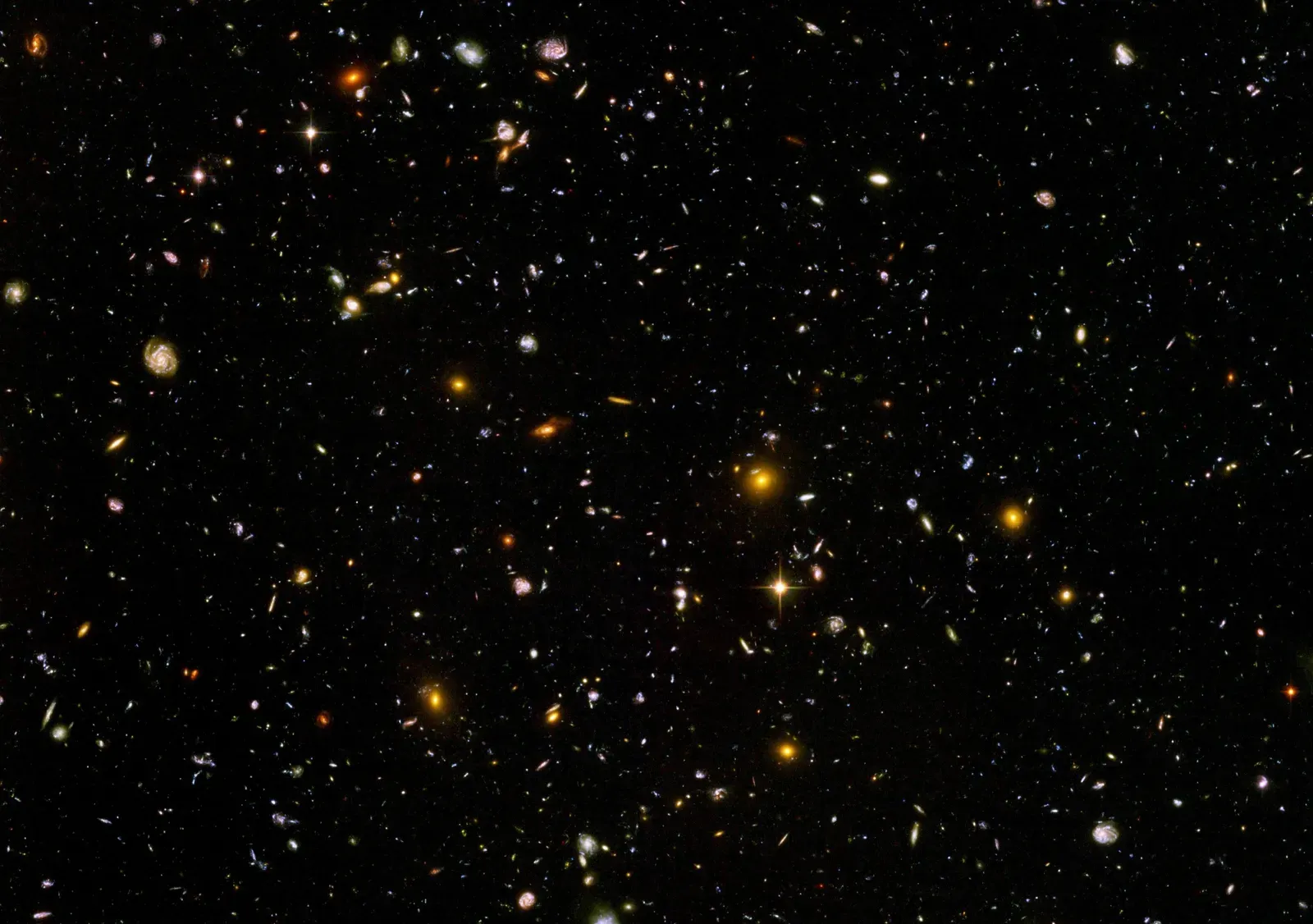
Ask most people what “nothing” is, and they’ll picture an empty box, free of matter and light. Physics has revealed that even the best vacuum we can imagine is teeming with activity. Quantum field theory suggests that what we call empty space is seething with fluctuating fields that constantly pop pairs of virtual particles in and out of existence. This isn’t just poetic imagery; delicate experiments, such as those showing the subtle attraction between metal plates placed extremely close together, rely on the effects of these vacuum fluctuations.
On the largest scales, this restless vacuum is linked to one of the strangest discoveries in cosmology: the accelerating expansion of the universe. Measurements of distant exploding stars showed that space isn’t just expanding; it’s speeding up over time, as if some mysterious form of energy is baked into the fabric of emptiness itself. That so-called dark energy now appears to make up the majority of the cosmos. In other words, the universe is dominated not by matter, but by the properties of what we once naïvely called “nothing.”
4. Extremophiles: Life That Thrives Where Life Shouldn’t Exist
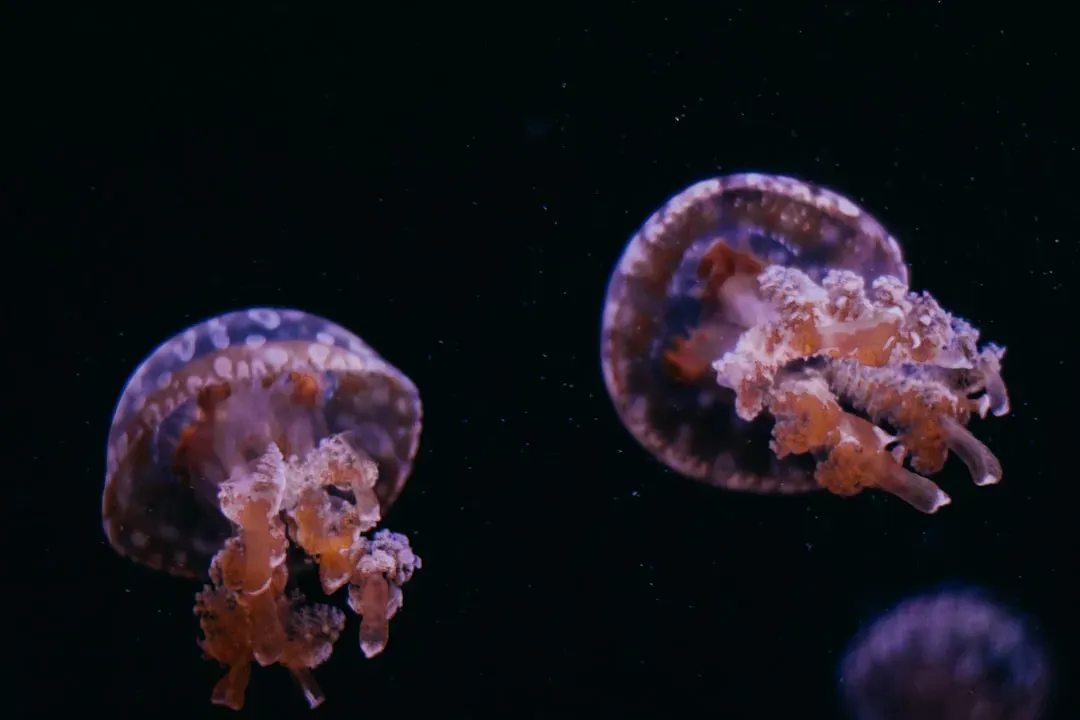
There was a time when scientists assumed life could only exist in mild, comfortable conditions: moderate temperature, gentle chemistry, nothing too harsh. Then came extremophiles, organisms discovered in places that seemed aggressively hostile to anything living. Microbes were found in boiling hot springs, in deep-sea vents where water is both crushingly pressurized and scalding, and in Antarctic ice where temperatures stay far below freezing. Some survive in highly acidic pools or salt concentrations so high they’d pickle most cells.
More recent research has uncovered bacteria deep underground, living off chemical energy in rocks, and microorganisms that endure intense radiation and years of drying out. These discoveries shattered the old narrow view of the “habitable zone” and radically expanded our thinking about where life might exist beyond Earth. When you see hardy microbes shrug off conditions that would destroy a human in seconds, suddenly the idea of life beneath Martian soil or in the icy oceans of distant moons feels much less far-fetched.
5. Horizontal Gene Transfer: Evolution That Jumps Sideways
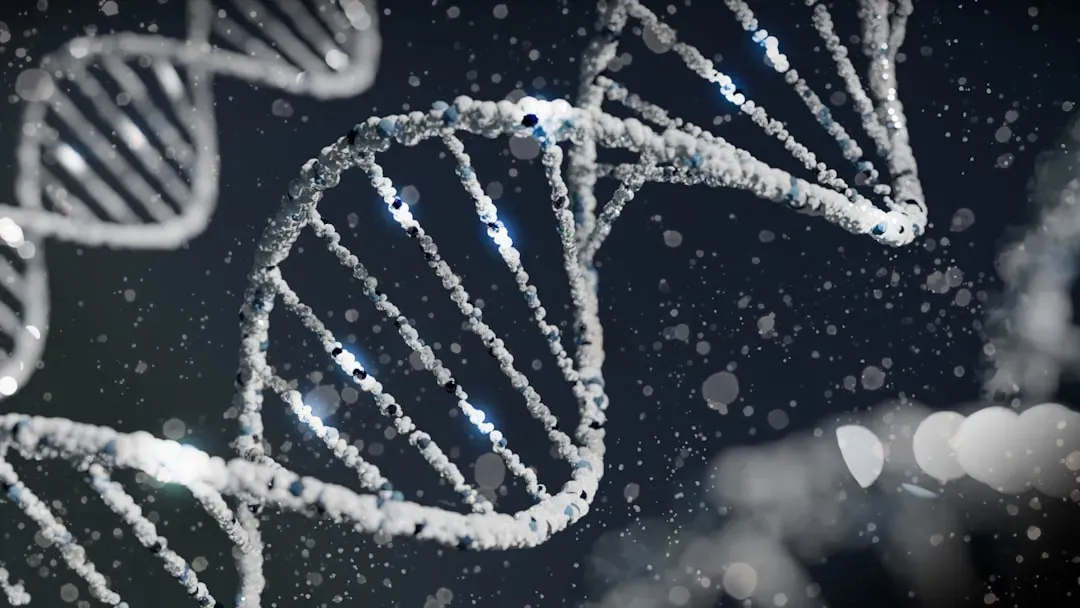
Most of us were taught a clean, almost storybook version of evolution: genes pass from parents to offspring in a straight family line, and over many generations, species change. Then studies of microbes turned that tidy tree into more of a tangled web. Bacteria and other simple organisms can swap genes sideways, not just down the generations, trading bits of DNA like kids trading stickers. This horizontal gene transfer lets them acquire new abilities almost overnight, such as resistance to antibiotics or the capacity to digest novel substances.
What’s even more unsettling is that this sideways genetic traffic is not limited to microbes alone. Evidence suggests that gene transfer has occasionally hopped between very different organisms in Earth’s history, leaving behind genetic “souvenirs” that can’t be explained by normal inheritance. This forces biologists to redraw evolutionary diagrams and think less in terms of neat branches and more in terms of networks. The story of life turns out to be part family tree, part social media feed, with genes spreading not just by birth, but by unexpected sharing.
6. CRISPR: Bacteria’s Viral Defense Turned DNA Editing Tool
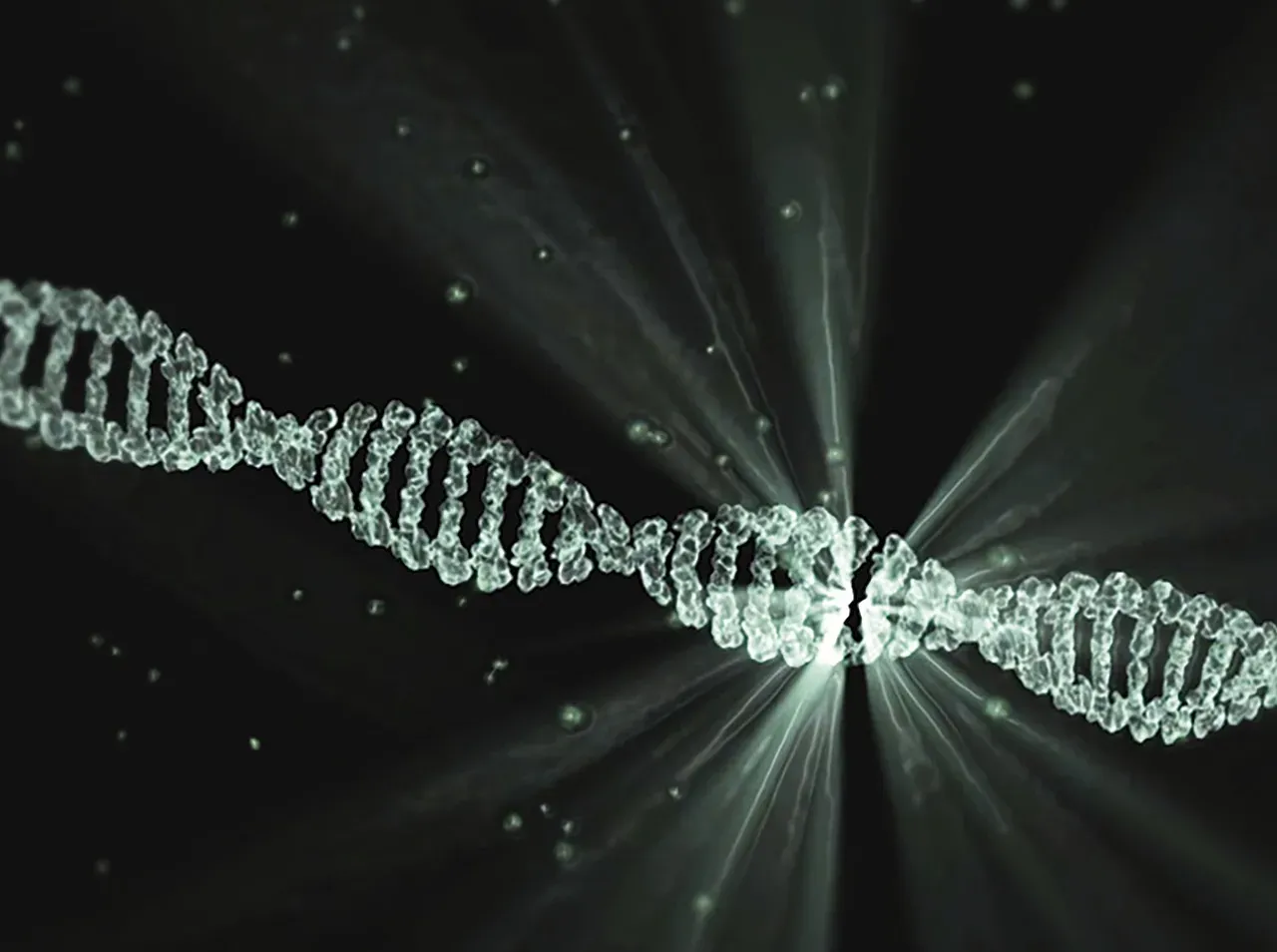
The gene-editing tool known as CRISPR didn’t arrive from a high-tech lab; it came from noticing odd repeating sequences in bacterial DNA. Scientists eventually realized these repeats were part of a microbial immune system, storing fragments of viral genetic material like a mugshot gallery. When a familiar virus attacks, bacteria use associated proteins to slice up the invader’s DNA. That bacterial defense mechanism was cleverly repurposed into a programmable tool that can target and cut almost any sequence of DNA with remarkable precision.
In less than a decade, CRISPR went from obscure curiosity to one of the most powerful technologies in biology. Researchers now use it to knock out genes in lab animals, correct disease-causing mutations in cells, and engineer crops with new traits far more rapidly than older methods allowed. It has also sparked intense debates about ethics, because if you can rewrite genetic code easily, the temptation to push boundaries grows just as quickly. A once-hidden trick used by microbes to survive viral attacks has become a wrench that can turn the gears of evolution itself.
7. Dark Matter: The Invisible Mass Holding Galaxies Together
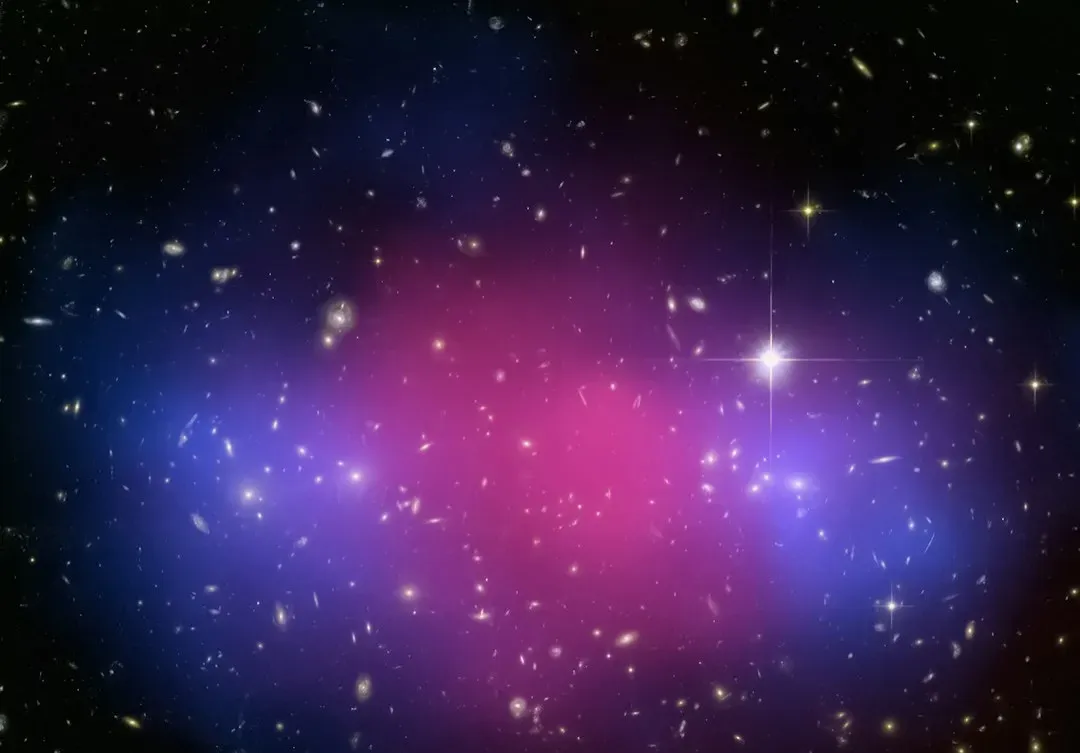
When astronomers measured how fast stars orbit within galaxies, they ran into a problem: the visible matter didn’t provide enough gravity to keep the outer stars from flying off into space. Something unseen had to be supplying extra mass, like a hidden scaffolding holding everything together. Further observations of galaxy clusters, gravitational lensing, and the afterglow of the Big Bang all pointed toward the same conclusion. The universe is filled with a type of matter that doesn’t shine, absorb, or reflect light, yet exerts gravity.
This dark matter appears to make up several times more mass than all the ordinary matter we can see in stars, gas, and dust. For decades, scientists have been building detectors deep underground and in space, hoping to catch even a tiny interaction between dark matter particles and regular atoms. So far, the results have been tantalizing but inconclusive. It’s a bizarre situation: our best models of the cosmos rely on an invisible ingredient we’ve never directly observed, but which seems absolutely essential for galaxies, and therefore us, to exist at all.
8. The Tardigrade: The Nearly Indestructible Micro-Animal
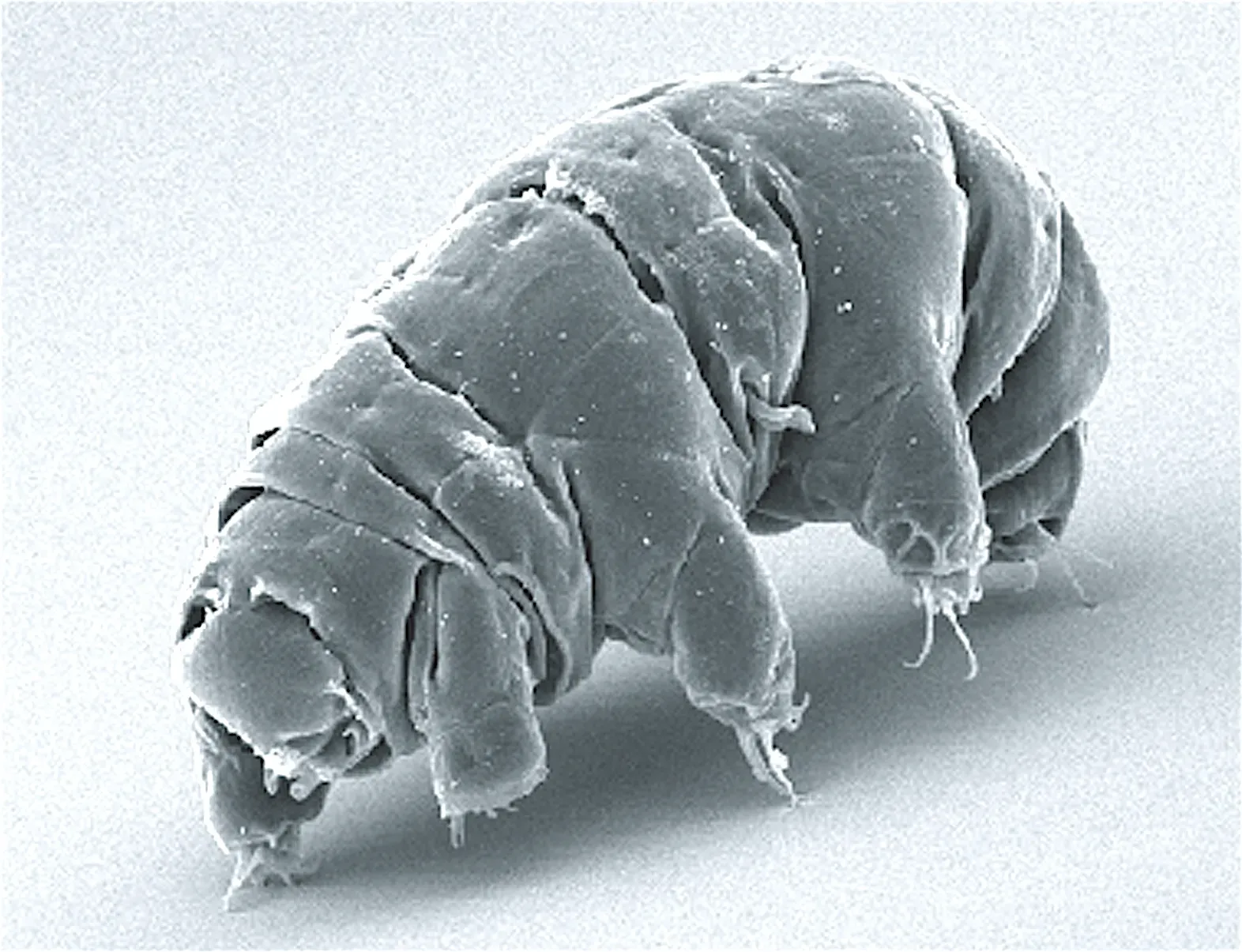
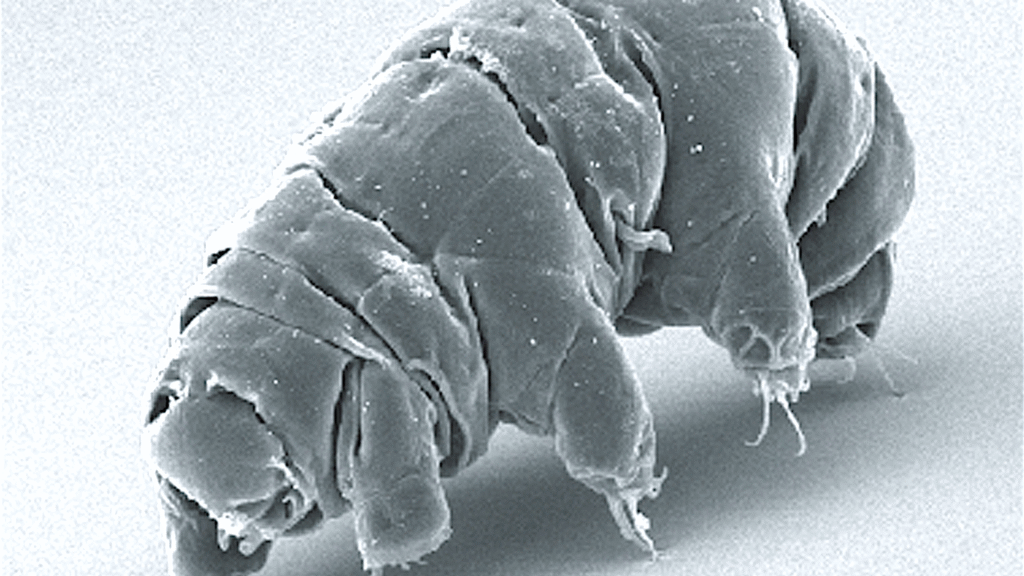
Tardigrades, sometimes nicknamed “water bears,” look cute under the microscope but live like tiny action heroes. These microscopic animals can survive extreme heat and cold, intense pressure, dehydration, and levels of radiation that would destroy most life. When conditions turn bad, tardigrades curl into a dried-out state where their metabolism nearly stops. In that suspended animation, they can endure years, then spring back to life when water returns, as if someone hit the pause and play buttons on existence.
Experiments have shown that tardigrades can survive in the vacuum of space for limited periods, hanging on despite harsh radiation and lack of air. Scientists are still uncovering exactly how they protect their DNA and cellular machinery from such damage, and some of their unique proteins are being studied for biotechnology applications. It’s hard not to feel humbled by a speck-sized creature that treats conditions deadly to humans as a temporary inconvenience. Their resilience stretches our definition of what “fragile” life really means.
9. The Placebo and Nocebo Effects: Mind Over Biology

In clinical trials, patients sometimes show real improvement after taking a sugar pill they believe is medicine. That’s the placebo effect, and it’s bizarre precisely because it’s not just “in their head” in the casual sense. Brain scans and biochemical measurements reveal genuine changes in pain pathways, hormones, and even immune responses when people expect to get better. The belief in treatment, paired with the context of care, can trigger the body’s own healing systems in ways we still don’t fully understand.
On the darker side, the nocebo effect shows that negative expectations can worsen symptoms or even create new ones, just because someone fears a side effect or believes a treatment will harm them. This means that how doctors, researchers, and even media talk about risks can physically influence outcomes, for better or worse. The discovery that perception and expectation can rewrite parts of our biology pokes a hole in the clean division between mind and body. It suggests that, to some extent, our inner narrative is quietly co-authoring what our cells do.
10. Microplastics in Blood and Brains: A New Kind of Pollution Inside Us
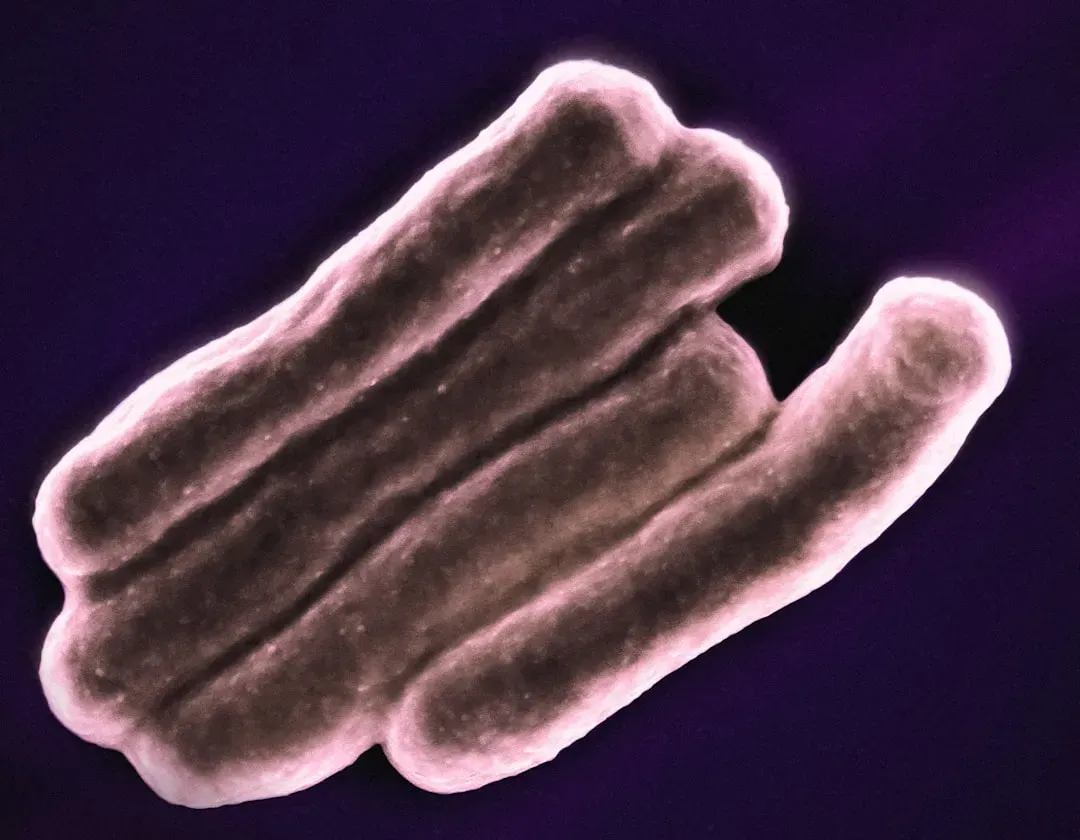
Plastic was once sold as a miracle material: light, durable, and cheap. Over decades, it broke down into smaller and smaller pieces that didn’t quite disappear. Researchers have now detected microscopic plastic fragments in environments ranging from the deepest ocean trenches to remote mountain air. In the last several years, studies have gone a step further, finding microplastics in human blood, lungs, and other tissues, implying these particles can cross bodily barriers and circulate inside us.
More recently, evidence has emerged that tiny plastic particles and associated chemicals can reach sensitive organs in animal models, including the brain, raising urgent questions about long-term health effects. While scientists are still working to understand precisely how this internal plastic pollution influences inflammation, immunity, and development, the idea that our own bodies are becoming reservoirs for man-made debris is deeply unsettling. It forces us to see plastic not just as litter on beaches, but as an invasive presence woven into our personal biology.
A Stranger, Wilder Universe Than We Imagined
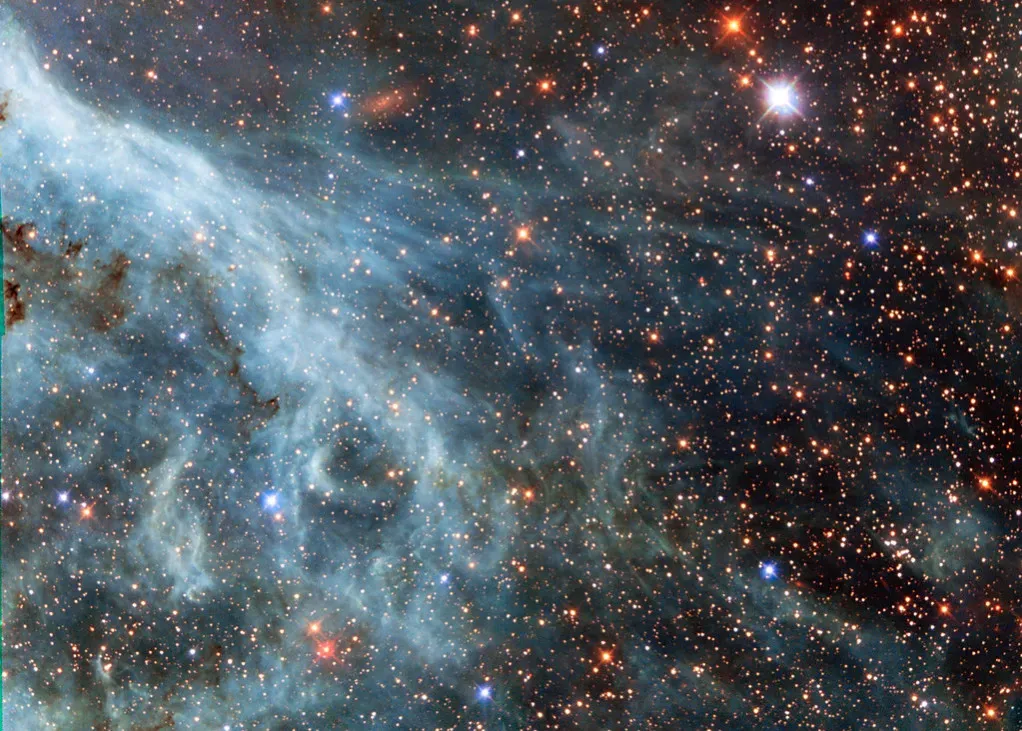
Putting these discoveries side by side, a pattern emerges: nature is far less intuitive than we assumed, yet far more fascinating. Time stretches and bends, empty space hums with energy, genes and particles behave like rule-breakers, and life survives in forms and places we once wrote off as impossible. Each finding chipped away at the comforting picture of a simple, predictable world and replaced it with something more complex, layered, and weirdly beautiful.
What makes all of this so compelling is that the strangeness is not happening in some distant fantasy realm; it’s built into our everyday reality, from the phone in your hand to the cells in your body. Tomorrow’s bizarre discovery is probably already hiding in some noisy dataset or overlooked organism, waiting for someone curious enough to notice. In a universe this surprising, the biggest mistake is assuming we’ve already figured out how it all works.