If you think the natural world is neatly mapped out in textbooks, the animals on this list are here to ruin that illusion in the best possible way. Just when researchers believe they’ve got behavior wrapped in tidy theories, some creature does something so baffling, so oddly precise or strangely emotional, that the data struggles to keep up with reality.
What fascinates me most is that many of these behaviors aren’t happening in the deep past or in some unreachable jungle; they’re unfolding right now, often in places you could actually visit. We can measure brain waves, attach GPS tags, and run complex simulations, yet for some of these mysteries, we still can’t answer the simple question: how on earth are they doing that? Let’s dive into ten of the weirdest, most jaw-dropping animal behaviors that stubbornly refuse to fit into clean scientific boxes.
1. The Never-Ending Journey of Monarch Butterflies
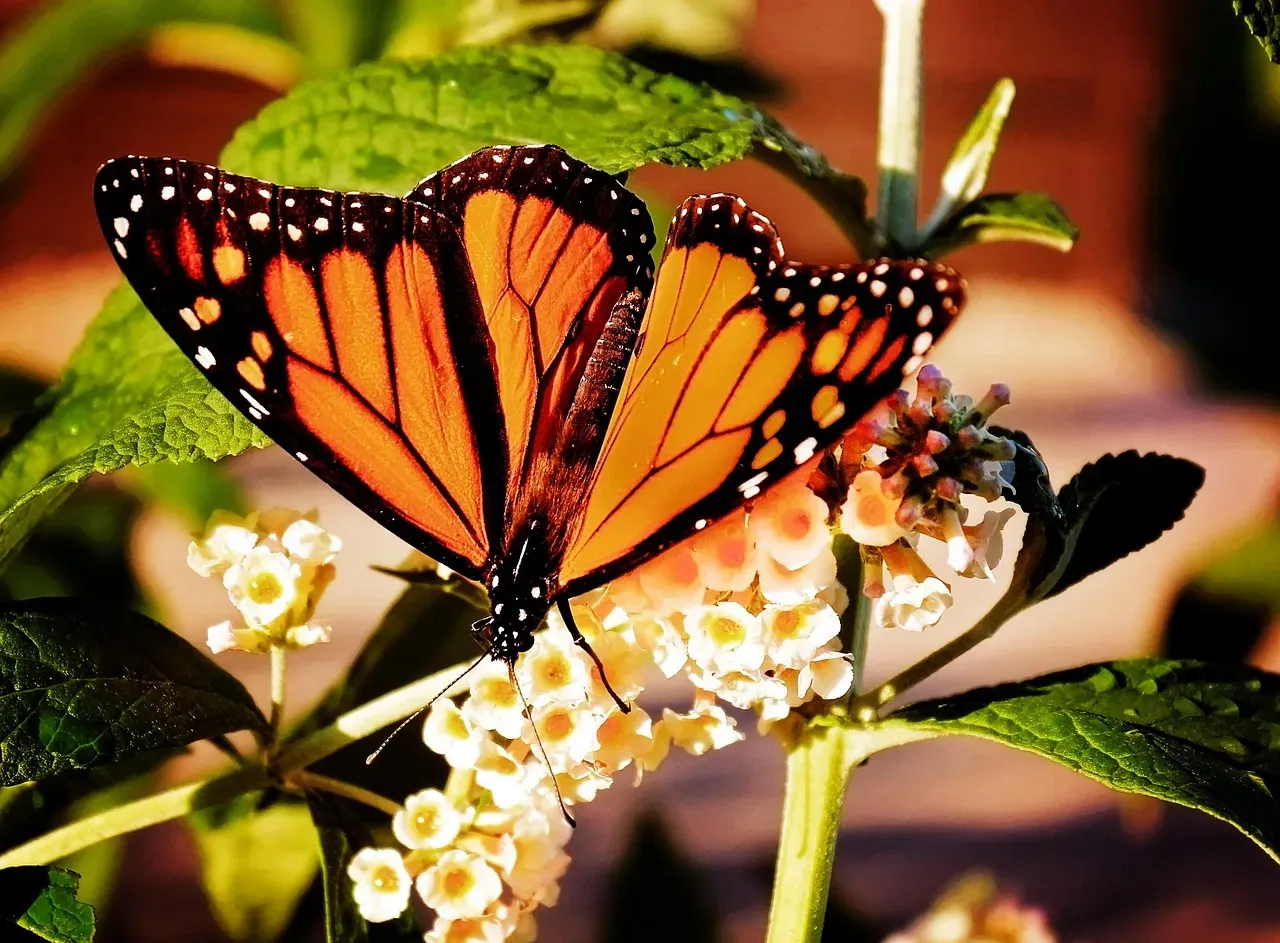
Imagine setting off on a cross-continent road trip with no map, then asking your great-grandchildren to finish the last half of the route perfectly, even though you never told them where you were going. That’s essentially what monarch butterflies do. Every year, these delicate insects travel thousands of kilometers from North America to specific mountain forests in Mexico, a journey that takes several generations to complete.
The part that twists scientists’ minds is that the butterflies returning to Mexico have never been there before, yet they find the same clusters of trees their great-grandparents used. They seem to navigate using a mix of the sun’s position, the Earth’s magnetic field, and internal biological clocks, but the exact mechanism – especially across generations – remains murky. How such a tiny brain encodes a detailed, inherited migration route is still one of the most stubborn puzzles in animal behavior.
2. Pigeon Navigation That Shouldn’t Be Possible
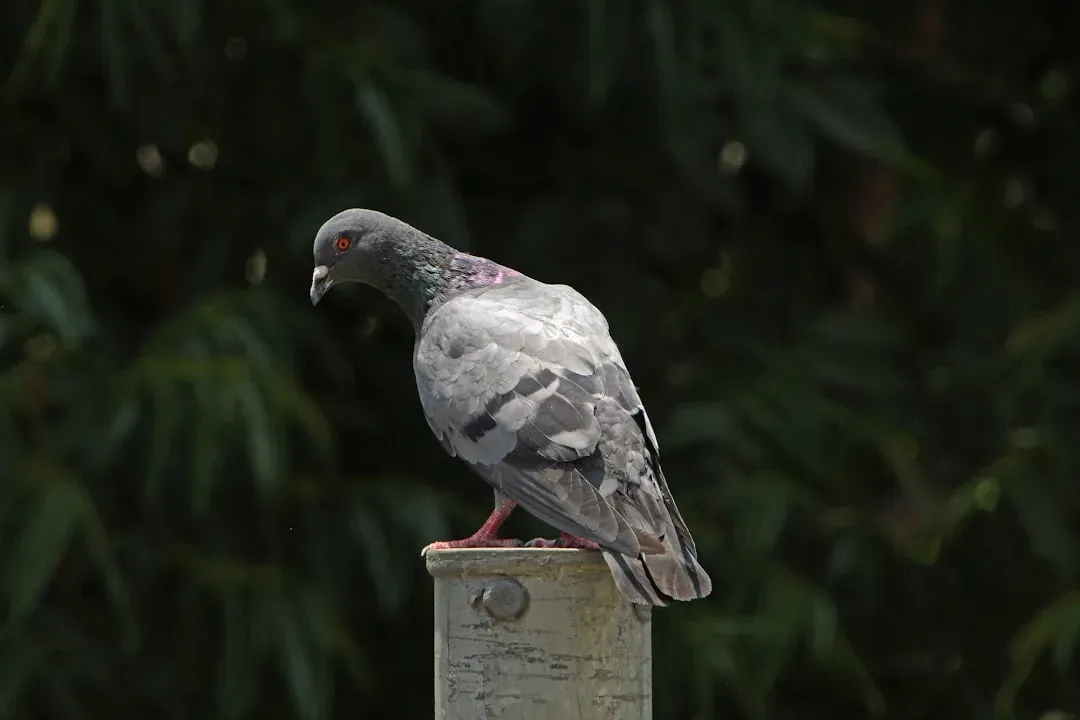
Pigeons get mocked as “rats with wings,” but they quietly perform a mental feat that borders on science fiction: they can be taken hundreds of kilometers away, to somewhere they’ve never seen, and still find their way home with eerie accuracy. Homing pigeons have been used for centuries to carry messages, but modern research has only deepened the mystery instead of solving it.
We know they use a combination of cues – sun position, landmarks, smell, and the Earth’s magnetic field – but experiments that disrupt one sense often show they can still navigate, as if backup systems kick in. Some data suggest they may even use low-frequency sounds from the landscape like an invisible audio map. The weirdest part is that no single theory explains all cases, and when scientists try to break their navigation, the birds often adapt and still get home, quietly outsmarting our experimental designs.
3. Whale Strandings and the Unanswered “Why”
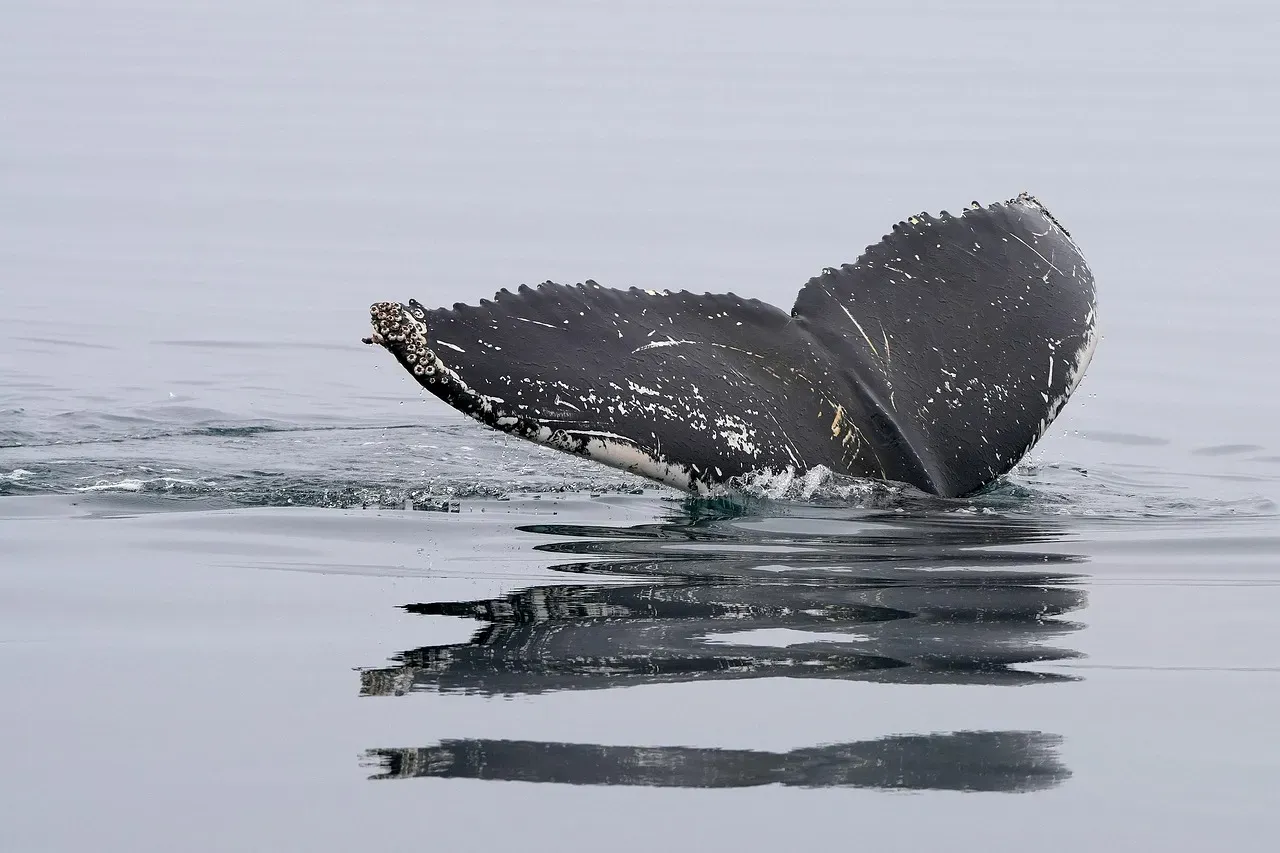
Few wildlife events feel as tragic and unsettling as a mass whale stranding. Entire pods of otherwise healthy whales will beach themselves, often in the same locations repeatedly over the years, and many die even when humans rush in to push them back to sea. These are highly intelligent, social animals that navigate vast oceans, yet they can end up trapped on gently sloping shores in baffling numbers.
There are many hypotheses – magnetic field anomalies, naval sonar interference, confusion in shallow waters, following a sick leader – but none fully explain the patterns around the world. Sometimes strandings happen far from any known human disturbance, and sometimes they coincide with naval exercises or seismic testing, but not consistently enough to seal the case. The mix of complex social behavior, sensitive acoustic communication, and a still-mysterious sense of navigation makes whale strandings one of the most emotionally charged and scientifically unresolved puzzles in marine biology.
4. The Eerie Sixth Sense of Sharks
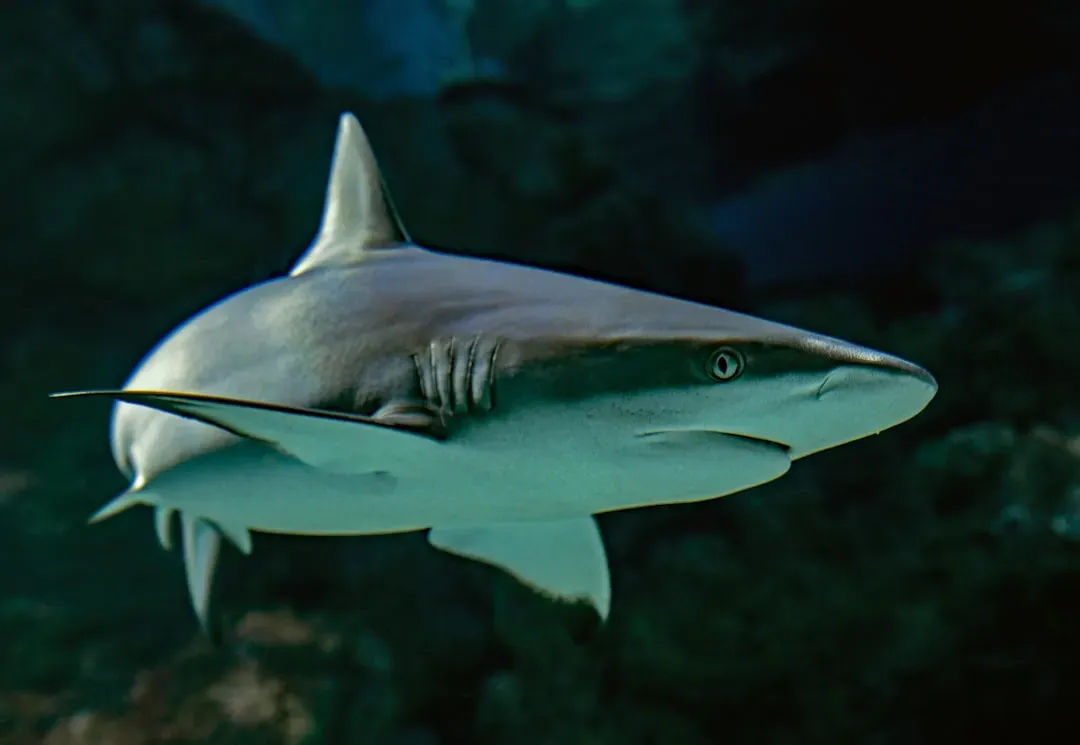
Sharks glide through dark or murky water and strike prey with an accuracy that feels almost supernatural. Part of this power comes from electroreception: special organs on their snouts that can detect tiny electrical fields produced by the muscles and nerves of nearby animals. Scientists have known about this for decades, but the full extent of what sharks can “see” with this sense is still unfolding.
Some studies suggest sharks might also use Earth’s magnetic field, picked up through electrical cues, to help them navigate across entire oceans, effectively turning them into living compasses. If that’s true, they’re reading a planetary-scale map written in invisible lines of force. We have rough models of how this might work, but the fine details – how the brain integrates these signals into a coherent sense of direction – remain blurred, like a radar screen with more noise than clarity.
5. The Haunting Precision of Homing Salmon
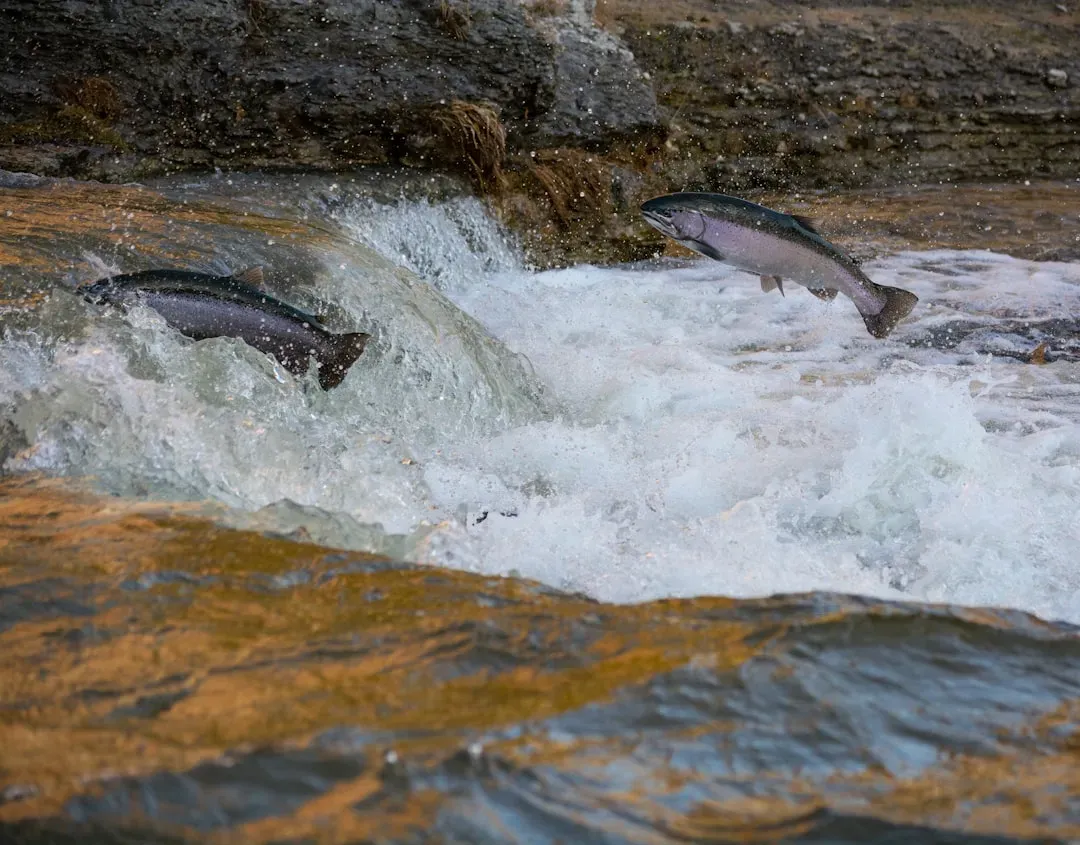
Salmon spend years out at sea, drifting through vast, ever-changing waters where even a small error in navigation could mean the difference between life and death. Yet, when it’s time to spawn, they somehow return to the very river, and often the same stretch of stream, where they were born. It’s like growing up in one small town, moving across the world with no address book, and then walking straight back into your childhood house years later.
We know that salmon use their sense of smell to recognize the unique chemical “fingerprint” of their home river, and they probably use the Earth’s magnetic field as a kind of rough global map. But how a fish’s brain stores a remembered scent for years and then marries that memory with a magnetic sense to travel thousands of kilometers is still not fully understood. The more we learn about their combination of cues, the more complex and layered their inner “GPS” seems to be, stretching beyond any simple navigation system we’ve built.
6. Tool-Making Crows With Puzzle-Solving Brains
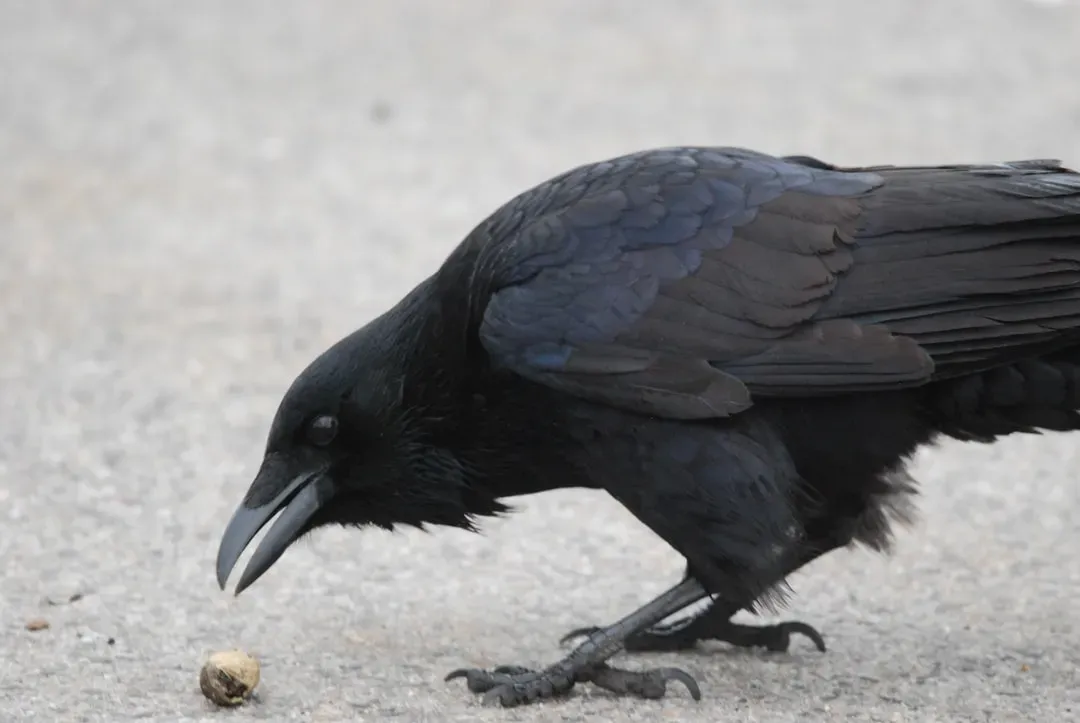
When you watch videos of New Caledonian crows bending wires into hooks or using multiple tools in sequence, it’s hard not to feel a little uneasy about how close they seem to human-style problem solving. These birds can solve multi-step puzzles, remember solutions, and even pass on certain tool-use behaviors socially. Their brains are tiny compared to ours, yet they pack a cognitive punch that doesn’t neatly line up with older views of what “bird brains” can do.
Scientists can describe the behavior and track which brain regions light up, but explaining exactly how such advanced planning and causal reasoning arises from that compact neural hardware is another thing entirely. These crows blur the line between instinct and intelligence in ways that challenge traditional hierarchies of animal minds. When a crow crafts a new tool on the spot to reach food it’s never accessed before, it doesn’t feel like simple trial and error – it feels like we’re missing a big piece of how non-human thought really works.
7. Collective “Mind” in Ant and Termite Colonies
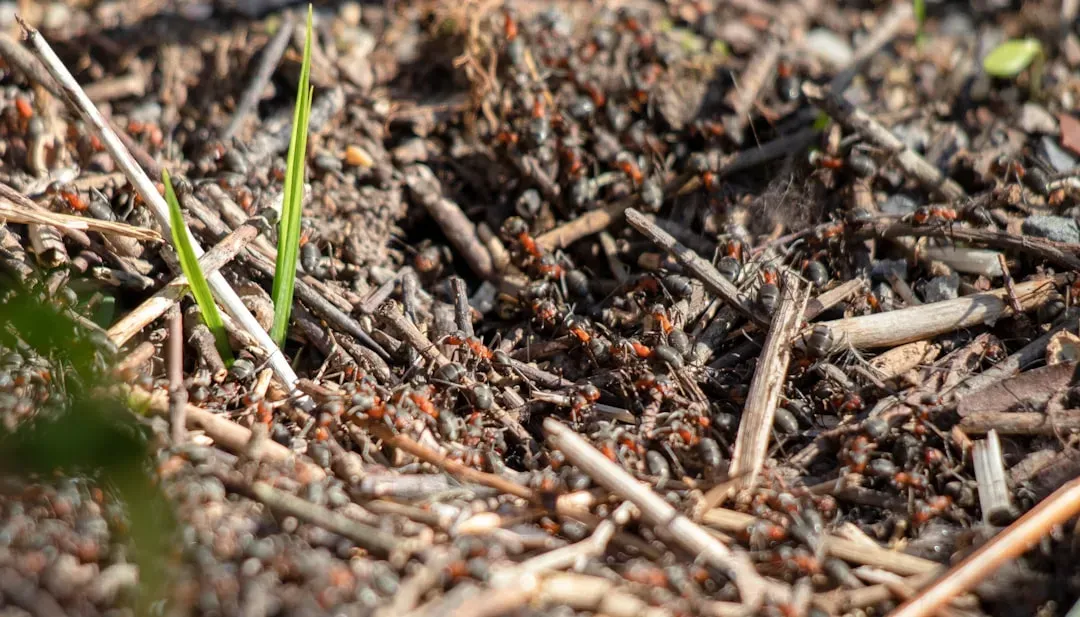
Ants and termites, taken one by one, are simple little creatures following basic rules. But put thousands together and you suddenly get something that behaves like a single, organized super-organism: building elaborate nests with air conditioning, farming fungus, defending borders, and dividing labor with astonishing efficiency. No ant or termite oversees the blueprint, yet the colony builds and adapts as if it has a brain of its own.
Researchers call this emergent behavior, where simple individual rules create complex group outcomes. We can simulate parts of it and describe it mathematically, but predicting exactly how a colony will respond to new, unexpected challenges is still incredibly hard. Watching a group of tiny insects repair a damaged nest or reroute traffic around an obstacle can feel eerily similar to watching a human city respond to a crisis – except here, there’s no mayor, no designer, just a crowd following instincts that somehow add up to something much smarter than the sum of its parts.
8. The Glass Frog’s Invisible Fatherhood
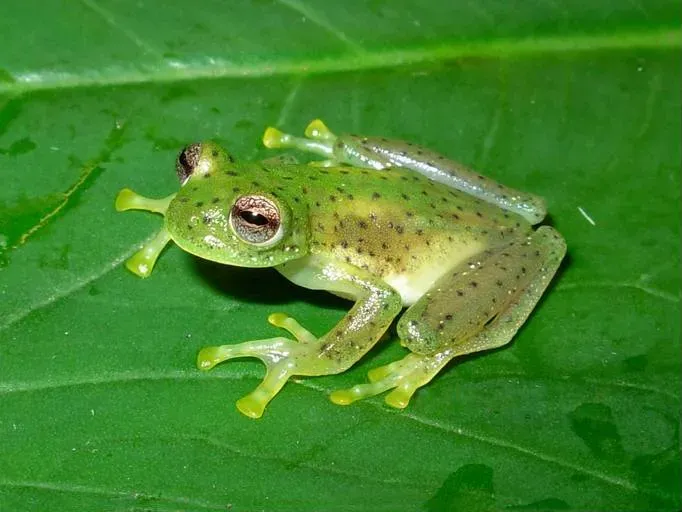
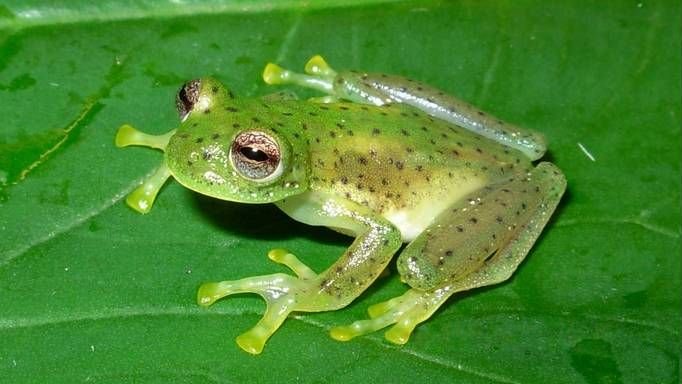
In the cloud forests of Central and South America, male glass frogs guard their clutches of eggs laid on leaves above streams, and their bodies are so translucent you can sometimes see their organs. Recent research has shown that these fathers can dramatically reduce the chances of their eggs being eaten by predators simply by sitting over them. The mysterious part is that predators somehow seem less likely to spot the eggs when the male is present, almost as if he’s cloaking them.
One idea is that the male’s transparent skin and subtle coloration confuse predators’ vision, softening the outline of the egg cluster and blending it into the leaf. But the exact visual and behavioral mechanisms remain uncertain, because different predators see the world in very different ways. This strange blend of camouflage, parental care, and see-through anatomy raises deeper questions about how many other protective strategies in the wild we’ve completely overlooked just because they’re literally hard for our eyes to detect.
9. Moth Ears Tuned to the Silence Between Sounds
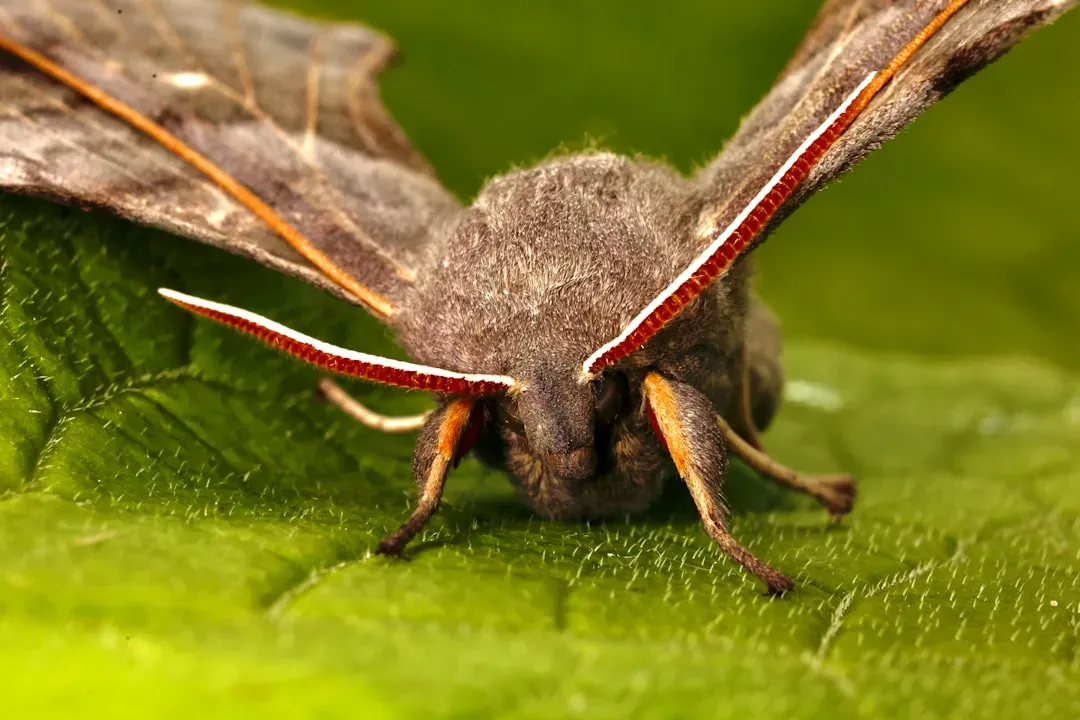
Many moths live their entire lives under the threat of bat predation, hunted in the dark by creatures using high-frequency echolocation. To survive, moths have evolved ears that can hear ultrasonic bat calls, sometimes more sensitively than the bats themselves produce them. But the details get stranger: some moths respond differently depending on the exact rhythm and spacing of the bat sounds, as if they’re decoding a hidden pattern in the night.
Instead of just hearing noise and fleeing, they may be analyzing the structure of the sonar pulses, distinguishing a distant, searching bat from one zeroing in for the kill. Explaining precisely how tiny auditory organs and simple nervous systems pull off this kind of signal processing is still a work in progress. It’s a bit like discovering that your old, basic radio can somehow distinguish not only stations, but moods in the music, and react to each one with a tailored escape plan.
10. Octopus Intelligence That Feels Almost Alien
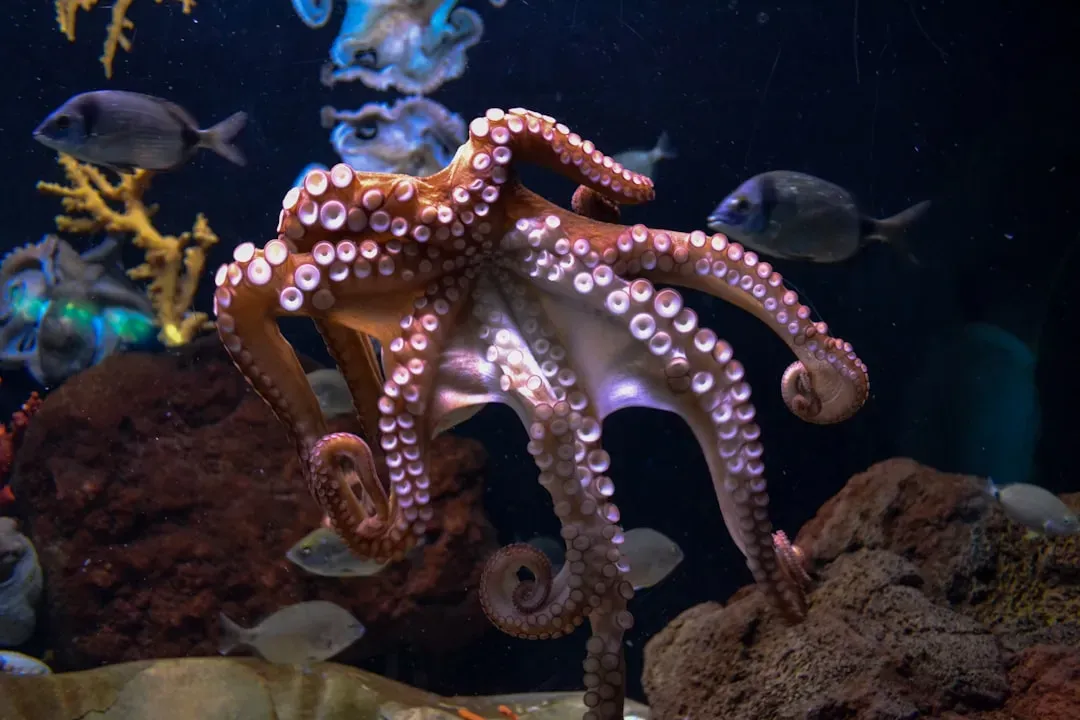
Spend a little time watching an octopus solve a problem – unscrewing jar lids, escaping through impossibly small gaps, or rearranging objects in a tank – and you start to feel like you’re dealing with a mind from another planet. Their nervous system is unlike ours; a large portion of their neurons sit in their arms, which can perform complex movements somewhat independently of the central brain. It’s as if each limb thinks for itself while still being part of a bigger, coordinated self.
Octopuses show individual personalities, short- and long-term memory, and what appears to be curiosity and playfulness, but wrapped in a body that can change color and texture in a fraction of a second. Scientists can measure their neural signals and map their behavior, yet there’s still no satisfying explanation of how such an alien-style brain architecture generates this flexible intelligence. When an octopus quietly studies you through the glass, it’s hard to shake the feeling that we’re barely scratching the surface of what it’s like to be that kind of mind.
A World That’s Still Wilder Than Our Theories
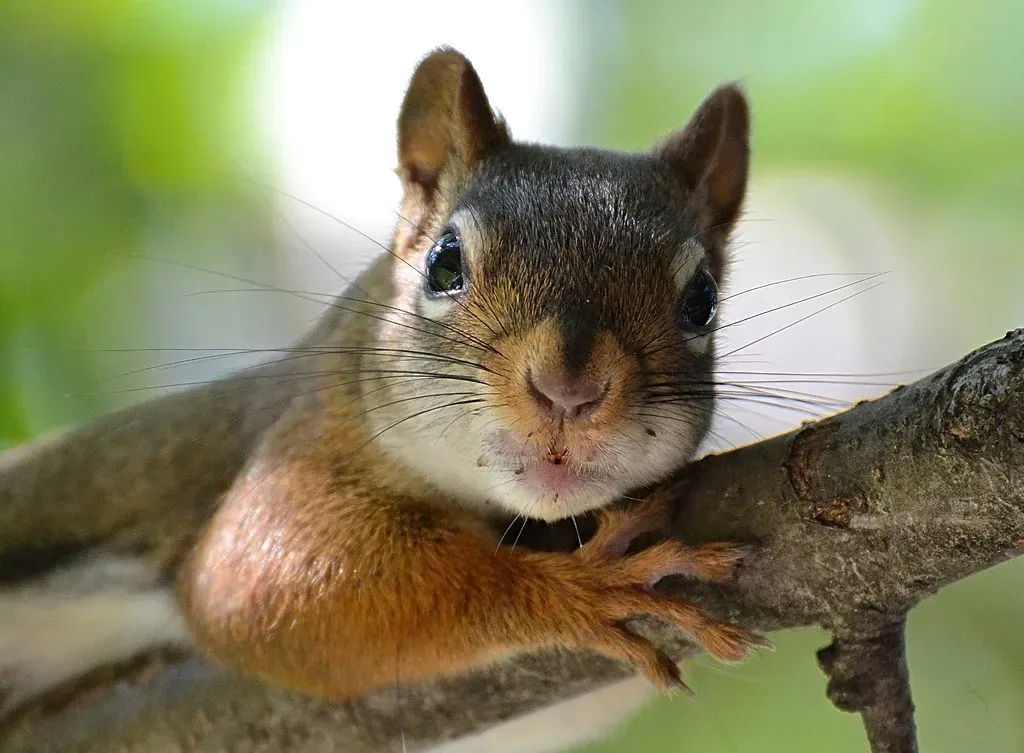
Looking across these animals – from monarchs crossing continents on inherited maps to octopuses thinking with their arms – a pattern emerges: life keeps finding ways to outsmart our neat categories. We can name the senses involved, point to brain regions, or model swarm behavior, but the full “how” and “why” behind many of these feats are still full of gaps. The natural world doesn’t seem interested in staying inside the lines we’ve drawn for it.
In a way, that’s the best news of all. It means that even in 2026, with satellites overhead and AI parsing datasets, there are still breathtaking mysteries fluttering, swimming, crawling, and gliding around us. Maybe the most honest thing science can say about some of these behaviors right now is simply: we see that it happens, we can’t yet fully explain it, and that’s exactly why we should keep watching. Which of these mysteries surprised you the most?