
There’s something deeply unsettling about a thriving civilization just…disappearing. No farewell message carved into stone, no final story preserved in scrolls, just ruins swallowed by jungle, sand, or sea. We like to believe history is a neat timeline, but these lost worlds are like missing chapters ripped straight out of the book of humanity.
What makes them so gripping isn’t just the ruins they left behind, but the questions they raise about us. How fragile is a society, really? How close are we, even today, to the same kind of collapse? As you move through these seven vanished civilizations, you might start to feel a strange mix of awe and unease – because their fate might not be as distant from ours as we like to think.
The Indus Valley Civilization: The Silent Cities of Harappa and Mohenjo-daro
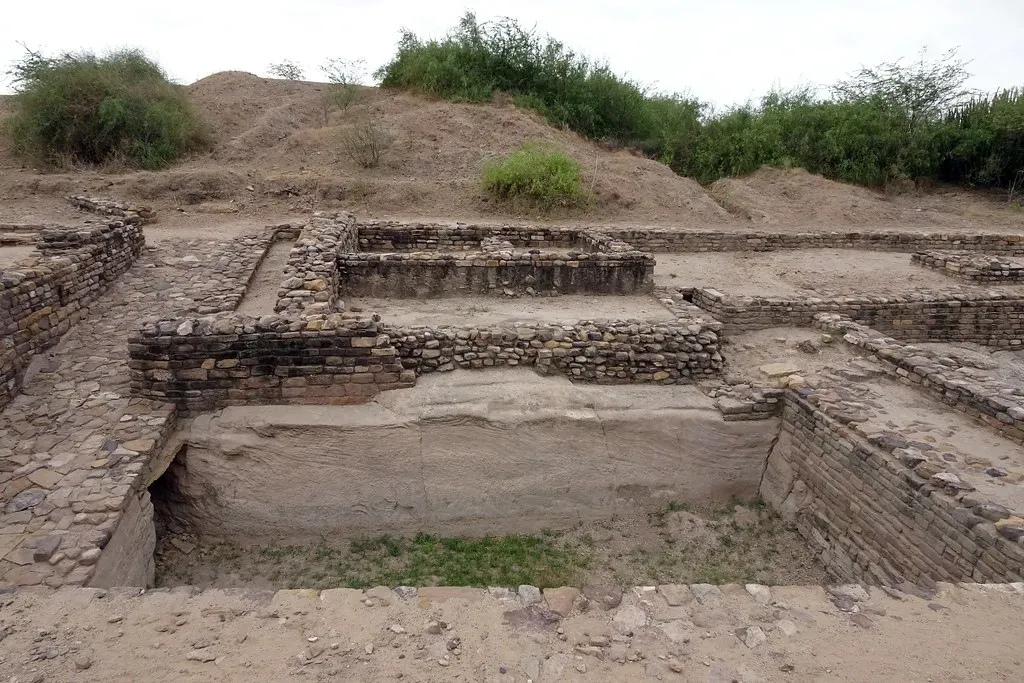
Imagine a city from more than four thousand years ago with straight streets, complex drainage, standardized brick sizes, and what looks suspiciously like urban planning – then imagine it going silent. That’s the Indus Valley Civilization, spread across what’s now Pakistan and northwest India, with major sites like Harappa and Mohenjo-daro. These people built orderly cities, traded long distances, and used a still-undeciphered script that stares back at us from tiny seals like a locked diary.
Then, sometime around the second millennium BCE, the cities empty out. No massive war layers, no obvious burn marks, no single smoking gun. Some researchers point to climate change and shifting rivers that may have killed agriculture; others suggest gradual societal breakdown instead of a sudden fall. What haunts me most is that we can’t read their writing, so their own explanation – if they ever recorded one – is trapped behind symbols we still don’t understand.
The Maya: Cities Lost Beneath the Jungle Canopy
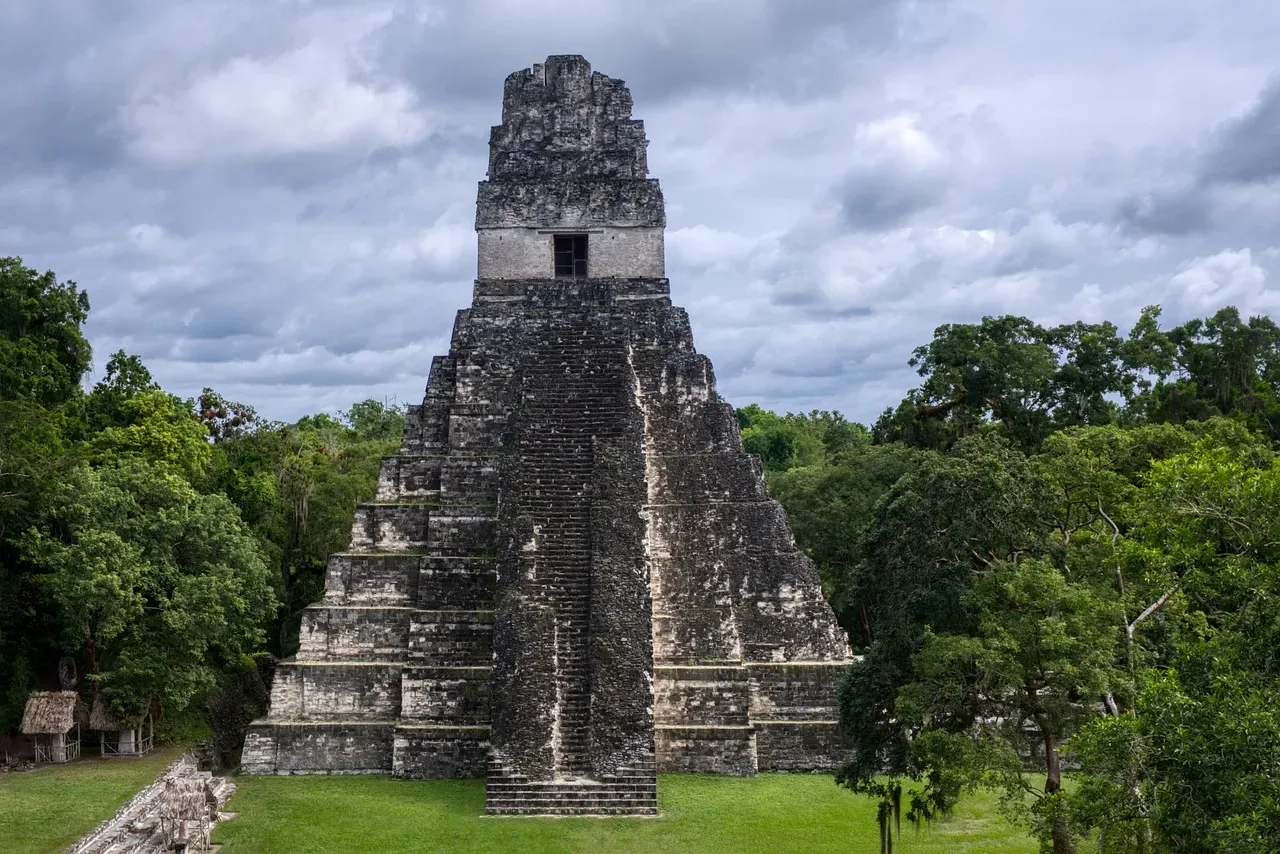
It’s hard to picture a city like Tikal or Palenque silent, its plazas overgrown, its temples swallowed by trees, but that’s exactly what happened with the Maya lowland cities. For centuries they built stepped pyramids, complex calendars, and carved monuments celebrating kings and cosmic events. Then, between roughly the eighth and tenth centuries, many of these great centers were abandoned, leaving the jungle to quietly take back the stone.
Modern research leans toward a messy mix of causes rather than a single dramatic disaster: severe droughts, over-farming, political conflict, and social unrest, all feeding into each other. It feels disturbingly familiar, like watching a slow-motion collapse caused by environmental strain and overreach. What’s often forgotten is that the Maya people themselves didn’t vanish; millions of Maya descendants still live in the region today. It’s their ancient political and urban world – the towering temple-cities – that died, leaving behind a forested graveyard of stone and mystery.
Nabatea: The Hidden Masters of Petra
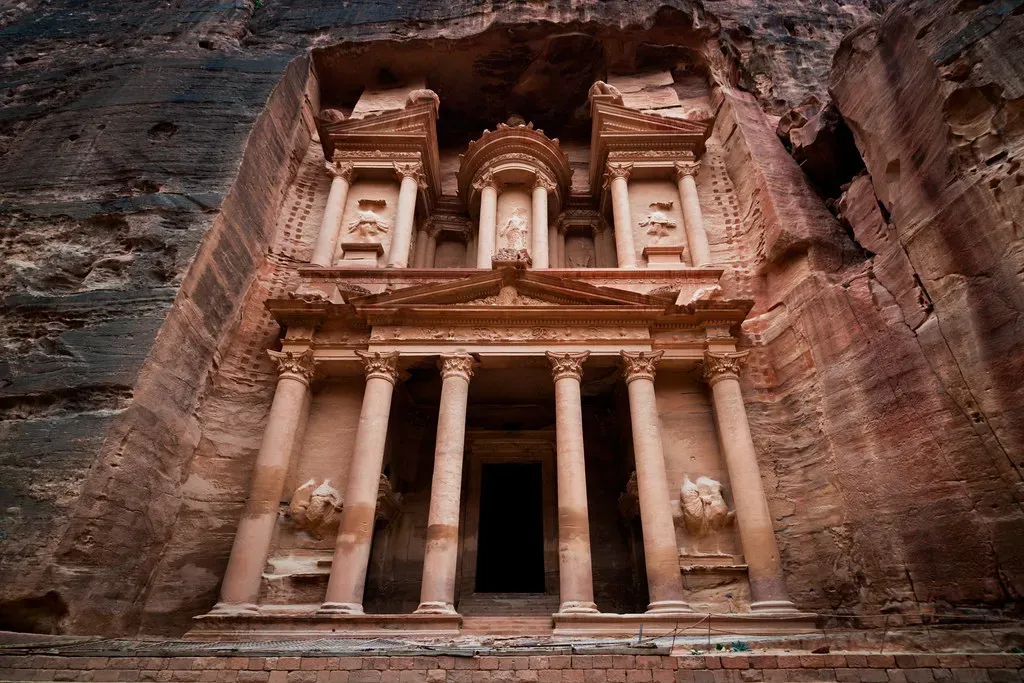
If you’ve ever seen that famous rock-cut facade at Petra, you might assume it belonged to some massive empire. In reality, it was the desert stronghold of the Nabateans, a trading people who turned inhospitable landscapes into opportunity. They carved tombs and temples into rose-red cliffs and engineered impressive water systems in some of the driest terrain you can imagine. Their wealth flowed from controlling caravan routes linking Arabia with the Mediterranean.
Yet the people who created Petra more or less melt into history after the first centuries of our era. Roman annexation, changing trade routes, and possibly a series of earthquakes chipped away at their power and relevance. Over time, Petra was gradually abandoned and forgotten by much of the outside world, preserved almost like a time capsule in stone. When I think about them, I can’t help picturing a society that seemed so rooted in rock, yet still got washed away by shifting politics and economics.
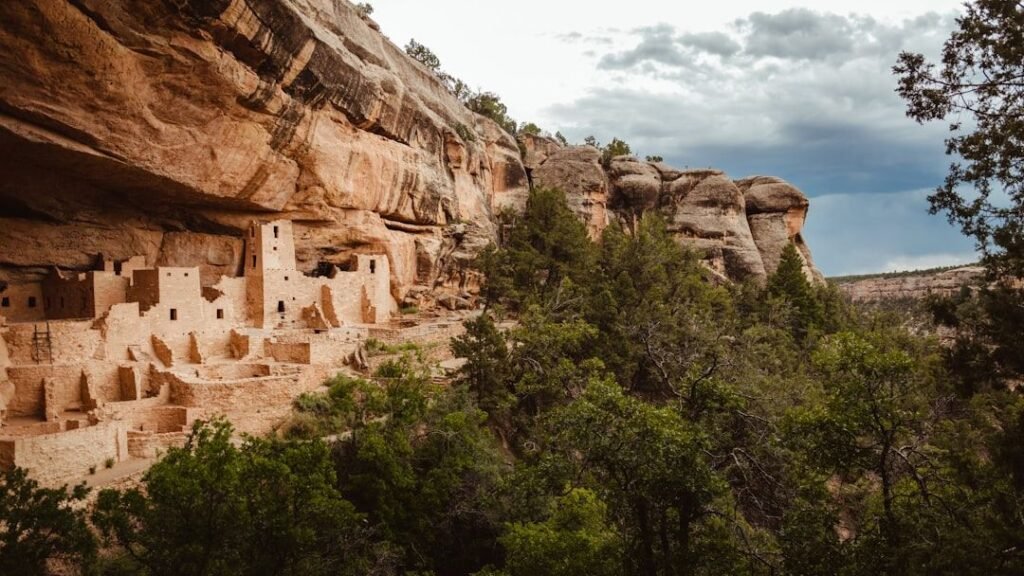
The Ancestral Puebloans: The Cliff Dwellers of Mesa Verde and Chaco
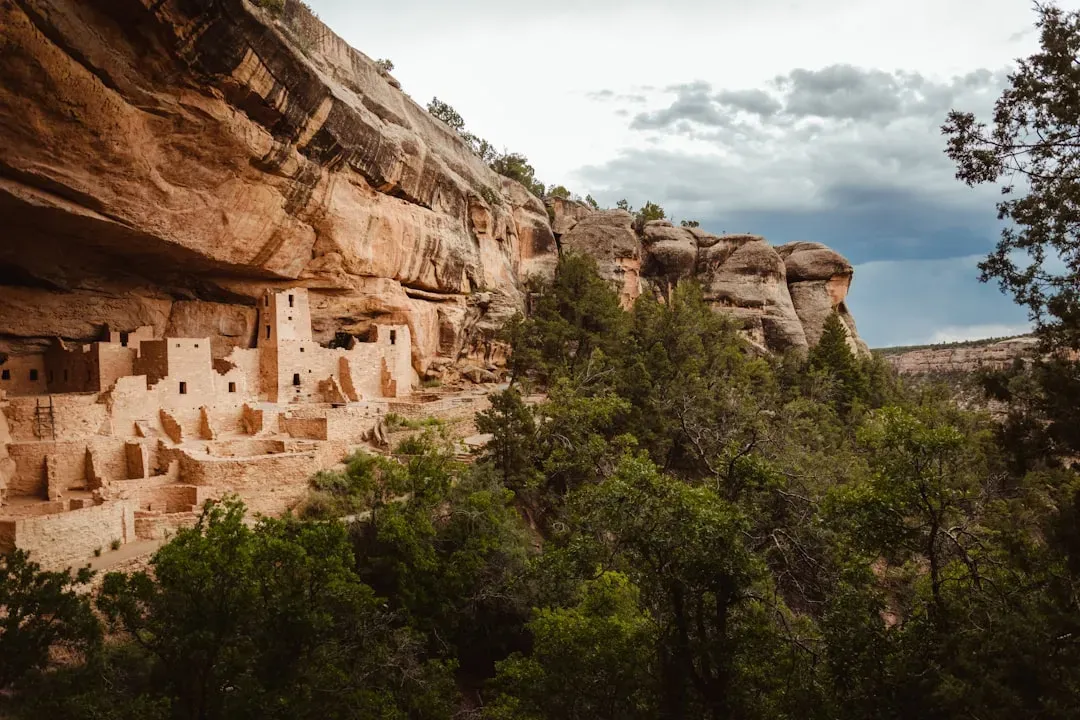
In the high deserts of the American Southwest, ancient stone dwellings cling to cliffs and dot canyon floors, built by the people often called the Ancestral Puebloans. At places like Chaco Canyon and Mesa Verde, they constructed multi-story complexes, ceremonial spaces, and sophisticated road systems that linked distant communities. For centuries, they adapted to harsh conditions with careful farming, water control, and community planning.
Then, around the late thirteenth century, many of these sites were abandoned, leaving behind ghostlike villages carved into rock. Droughts, crop failures, resource stress, and social upheaval are the leading suspects, but there’s no single, universally accepted cause. Instead, it seems like long-term pressures slowly pushed people to migrate and reorganize their lives elsewhere. Their descendants still live in Pueblo communities today, but the old cliff cities stand empty, like shells of a former world that quietly walked away.
The Minoans: The Vanished Power of Bronze Age Crete
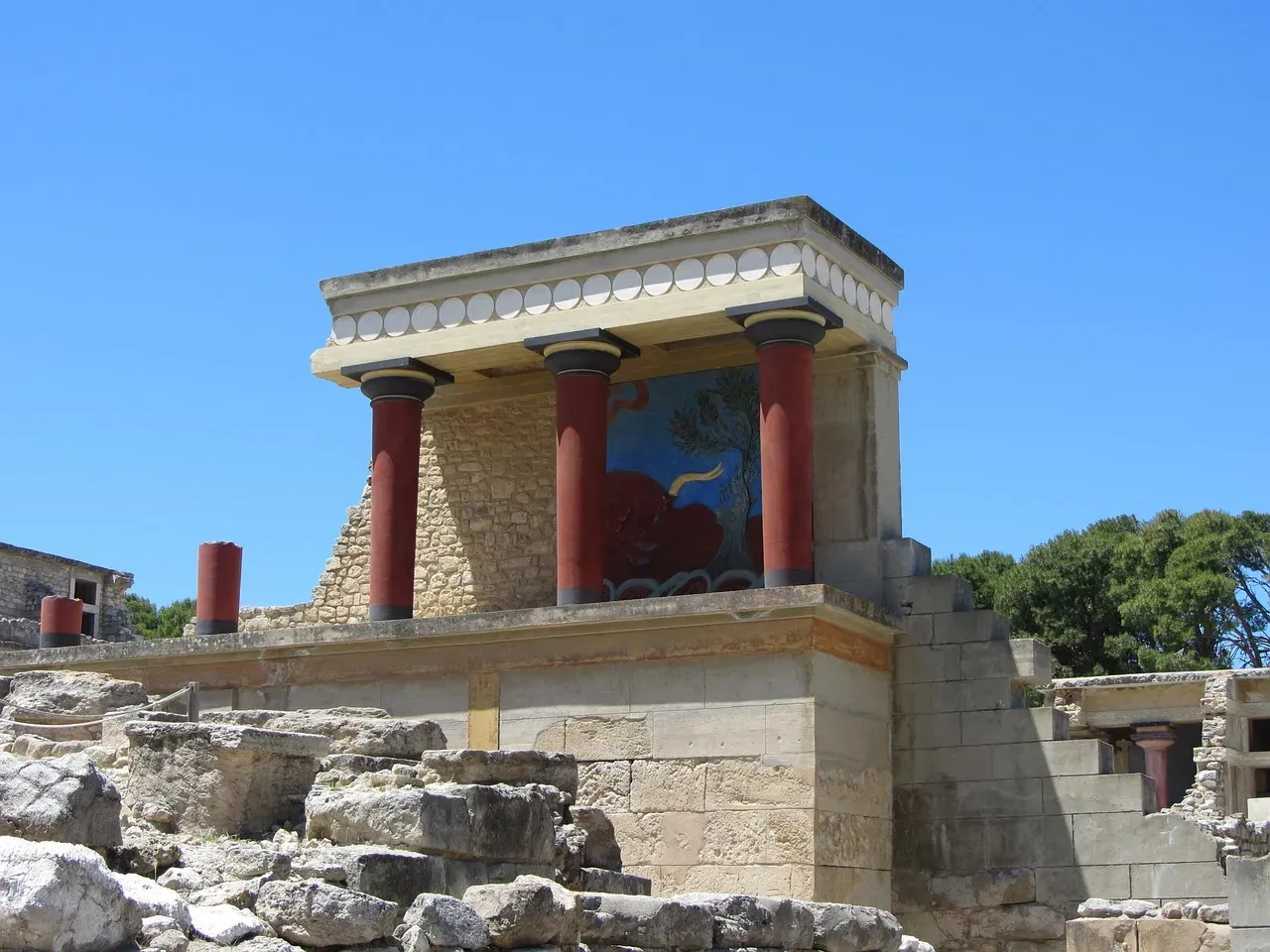
Long before classical Greece, the island of Crete was home to the Minoans, a seafaring civilization with elaborate palaces like Knossos, vibrant art, and complex trade networks. Their frescoes show athletes flipping over bulls and scenes full of movement and color, hinting at a society that was both rich and ritual-filled. They dominated parts of the eastern Mediterranean, and for a while, it looked like they were untouchable on their island base.
Then their power faded, and their palaces fell or were taken over by others. A massive volcanic eruption on the nearby island of Thera (modern Santorini) and possible tsunamis likely dealt them a heavy blow, but that alone doesn’t fully explain their decline. Later Mycenaean Greeks seem to have stepped into the vacuum, reshaping or replacing what the Minoans had built. What’s striking is how a culture that seemed so advanced and stable could be undone by a combination of natural disasters and human competition, leaving behind ruins and undeciphered scripts like Linear A that still keep many of their secrets locked away.
The Hittites: An Empire Erased from Memory
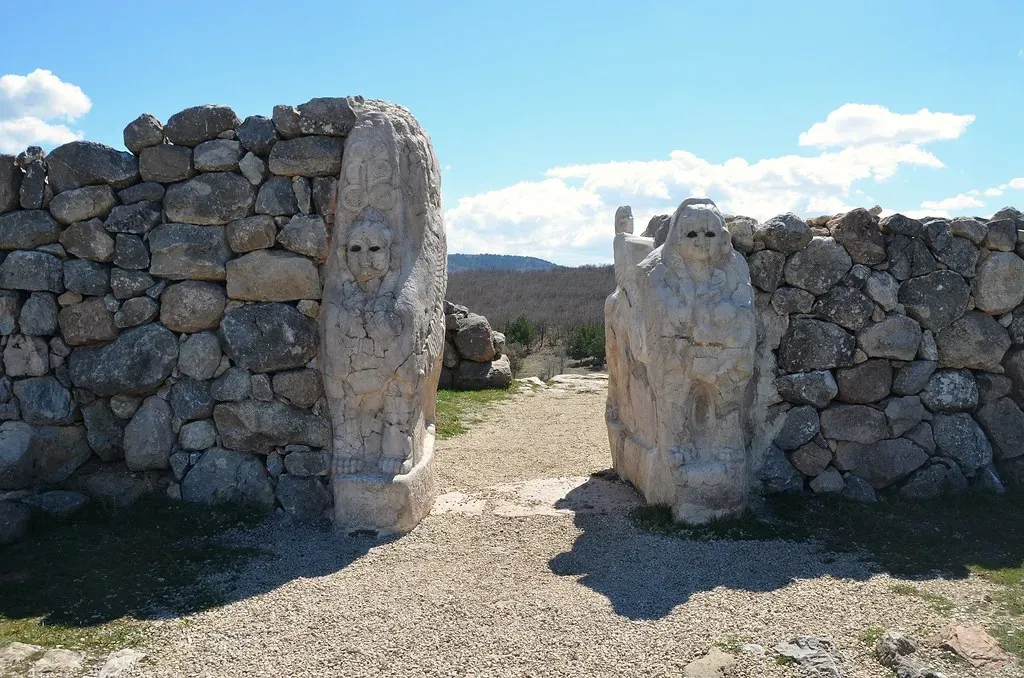
The Hittites once ruled a powerful empire centered in what is now Turkey, contending with Egypt and other great powers of the Late Bronze Age. They built fortified cities, developed ironworking, and left behind legal codes and treaties carved into clay. For a time, they were central players in the politics and warfare of their era, far from obscure or marginal. Then, surprisingly quickly, their empire disintegrated during the broader Bronze Age collapse around the twelfth century BCE.
Their capital, Hattusa, was burned and abandoned, and for thousands of years, even their name basically vanished from human memory until archaeologists and linguists pieced it back together. Scholars point toward a combination of invasions, internal strife, and economic and climate stress that shook the entire eastern Mediterranean. What makes their story eerie is how a major empire can disappear so thoroughly that later generations forgot they had ever existed at all. It’s like someone deleted an entire chapter of geopolitical history and only the ruins and tablets survived to prove it was real.
Cahokia: The Lost City of North America
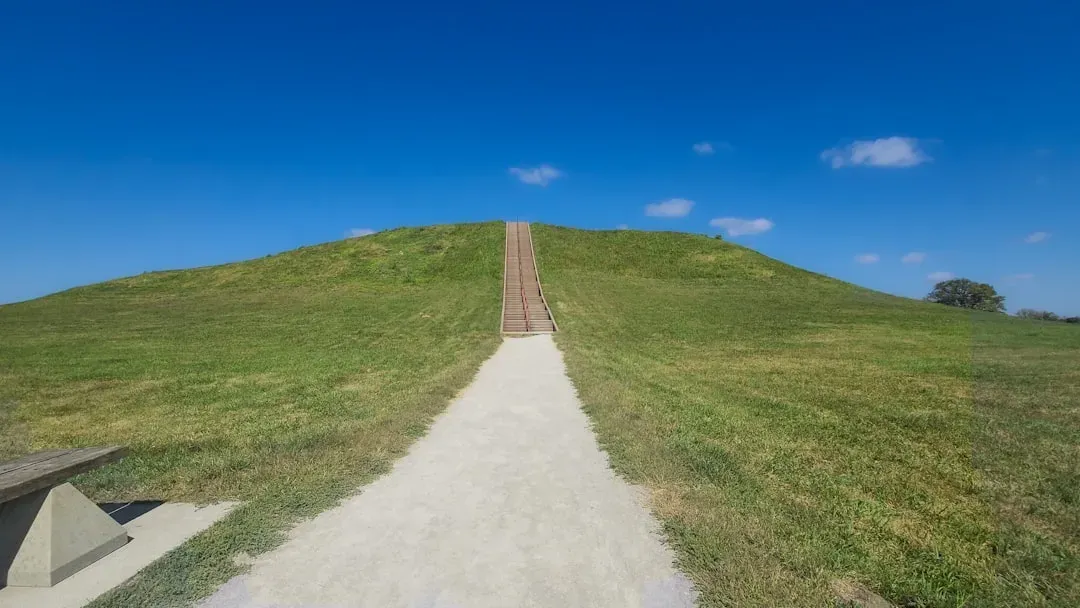
Just across the Mississippi River from present-day St. Louis lies the site of Cahokia, once the largest city in what is now the United States before European contact. At its height around a thousand years ago, it hosted tens of thousands of people, with massive earthen mounds, plazas, wooden palisades, and complex social and religious structures. It wasn’t a scattered village world; it was an organized urban center in the heart of the continent, built with astonishing effort and coordination.
By the time Europeans arrived in the region centuries later, Cahokia was long abandoned, its people dispersed into other native communities and cultures. The reasons for its decline probably include environmental strain, overuse of local resources, flooding, disease, and social conflict, all layering on top of each other. Standing on the mounds today, it’s jarring to realize that a city of that scale could vanish so completely from mainstream historical awareness. It forces a blunt question: if such a major urban center can crumble and fade from memory in a matter of centuries, how permanent is anything we build now?