
You’ve probably seen countless photos of picturesque sunsets and serene mountain ranges, but have you ever stumbled across something in nature that made you question whether you were looking at reality or some CGI marvel? Our planet hosts phenomena so bizarre, so utterly inexplicable at times, that even scientists find themselves scratching their heads. These aren’t your ordinary natural wonders. They’re the kind of occurrences that make you pause and wonder if the universe is playing tricks on us.
Let’s be real, we like to think we’ve got Earth all figured out. We’ve climbed the tallest peaks, explored the deepest oceans, and sent rovers to Mars. Yet here on our own planet, there are events happening right now that continue to baffle experts. So let’s dive in and explore eight of these head-scratching marvels that remind us nature still holds plenty of secrets.
Ball Lightning: The Floating Sphere of Electric Mystery
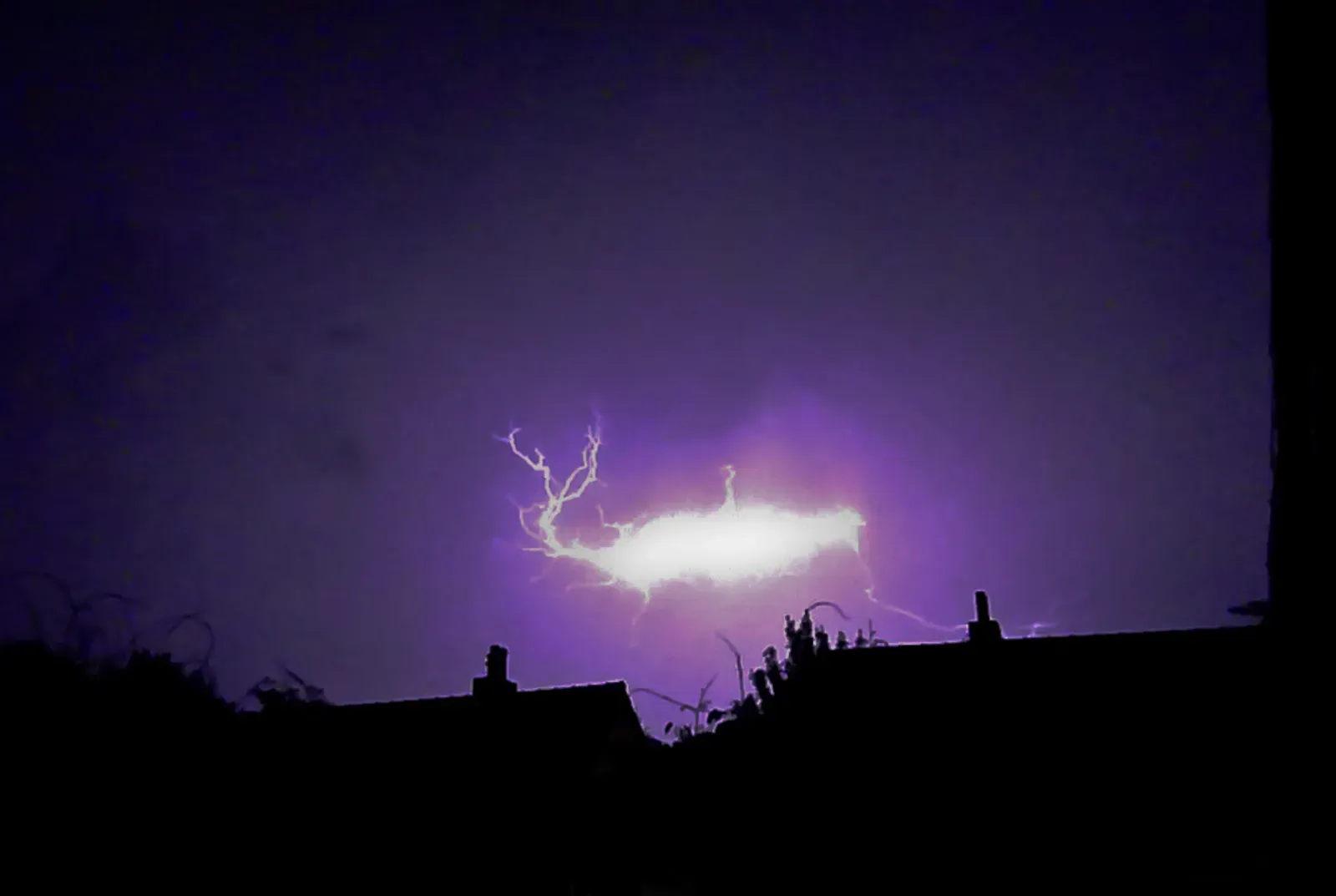
Imagine standing in your living room during a thunderstorm when suddenly a glowing sphere of electricity floats eerily across the room. That’s ball lightning – an elusive weather phenomenon that has puzzled scientists for centuries, described as a floating orb of light varying in size from a golf ball to a beach ball, sometimes accompanied by a hissing noise. People have reported witnessing these luminous balls drift through windows, hover in midair, and even pass through solid walls before vanishing without a trace.
According to a study published in the Nature journal, ball lightning has been sporadically documented throughout history, yet remains scientifically unexplained. Some researchers suggest it could be a form of plasma, while others theorize about chemical reactions in the atmosphere. Despite numerous theories, the phenomenon’s exact cause is still a mystery. It’s hard to say for sure, but the unpredictable nature of ball lightning makes it nearly impossible to study under controlled conditions, leaving us with more questions than answers.
Singing Sand Dunes: Nature’s Eerie Symphony
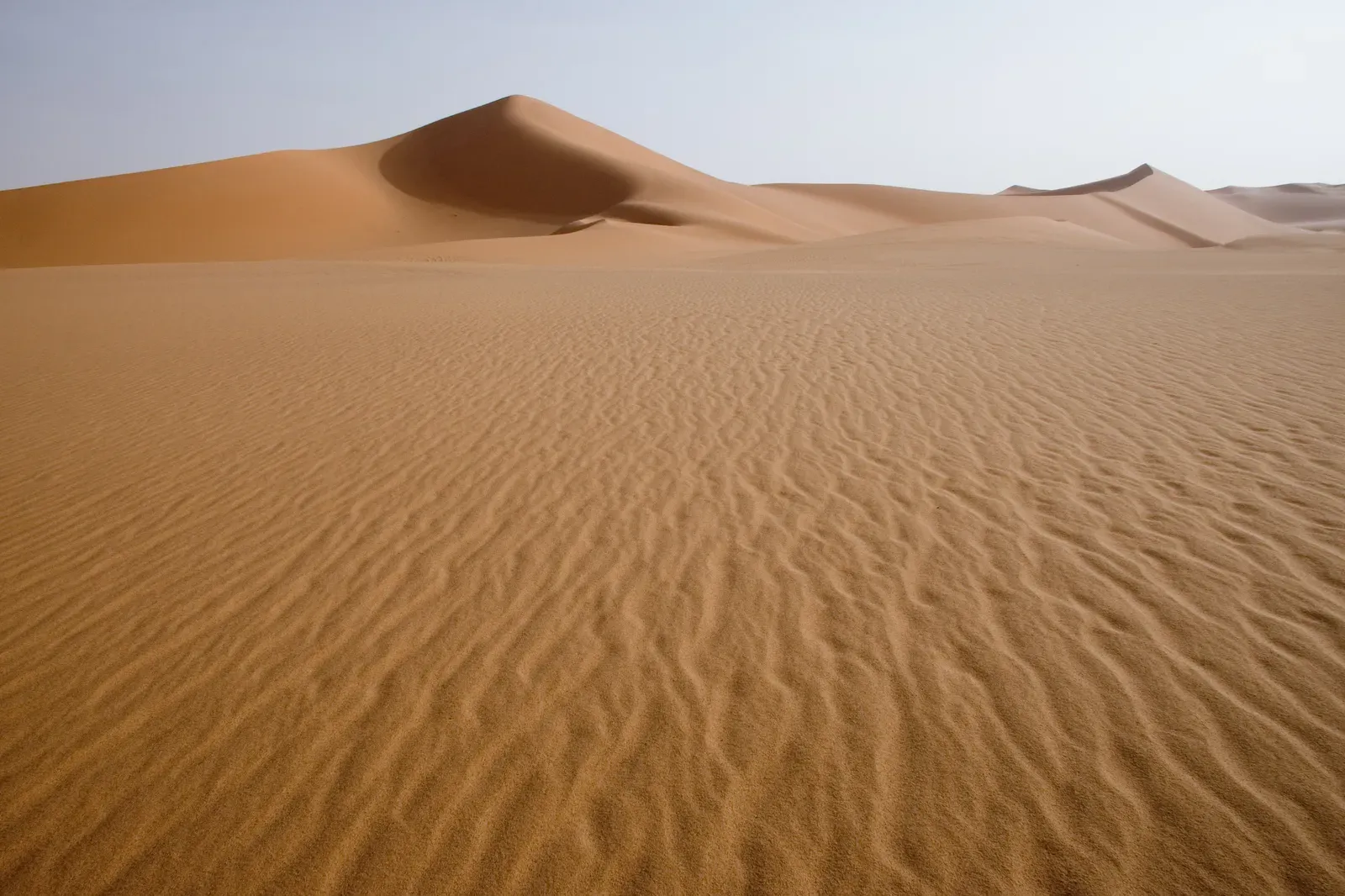
Perhaps not the entire planet, but a handful of sand dunes throughout the world in at least 35 deserts ranging from California and Africa to China and Qatar are certainly making a lot of noise. For years, experts have been perplexed by the groaning mountains, which sound like a deep buzz of bees or a rumbling Gregorian chant. You can actually feel the vibrations beneath your feet when these dunes decide to perform their haunting concert.
The “song” is produced when millions of sand grains slide down the steep slopes, creating vibrations that generate sound. Researchers believe the sound’s frequency depends on the size of the sand grains and the speed at which they fall. The phenomenon has been studied for centuries, yet it still holds many secrets. Think about it: millions of tiny grains coordinating to produce a sound that can be heard from miles away. Some visitors describe it as otherworldly, almost as if the desert itself has a voice trying to tell us something we don’t yet understand.
Blood Falls: Antarctica’s Crimson Mystery

In Antarctica, there are the famous Blood Falls – a blood-red waterfall pouring out of the Taylor Glacier in the McMurdo Dry Valleys. Scientists and geologists first thought the red color is because of algae, but research by the University of Alaska Fairbanks found the red color is thanks to oxidized iron in the brine saltwater. We see the falls thanks to a fissure allowing the water to flow from the small, trapped body.
Here’s the thing though: this isn’t just about rusty water. The source of Blood Falls is a subglacial lake that’s been sealed off from the outside world for potentially millions of years. The water contains almost no oxygen yet somehow supports microbial life in conditions that would kill most organisms. The sight of crimson liquid pouring from pristine white ice looks like something from a horror film, creating one of the most visually striking contrasts you’ll ever see in nature.
Catatumbo Lightning: The Eternal Storm
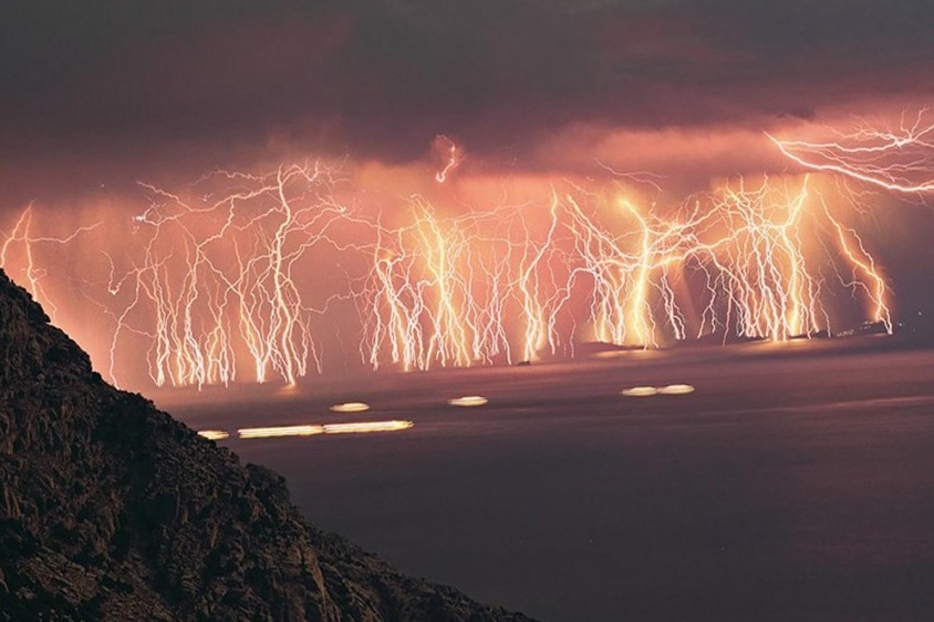
In the Catatumbo region, a unique atmospheric phenomenon creates an almost perpetual lightning storm, with thousands of lightning strikes lighting up the night sky each evening. This isn’t your average summer thunderstorm that rolls through and disappears after an hour. We’re talking about lightning that strikes roughly about 160 nights per year, sometimes producing up to 280 strikes per hour. It’s like nature decided to host a permanent light show in one specific corner of Venezuela.
The constant electrical storm has served as a natural lighthouse for centuries, earning it the nickname “Maracaibo Beacon” by sailors who navigated by its light. Additionally, the high frequency of lightning strikes plays a significant role in replenishing the earth’s ozone layer, showcasing nature’s intricate balance of destruction and creation. Despite its regular occurrence, the Catatumbo lightning continues to inspire awe and scientific curiosity. What makes this even more fascinating is that the storms occasionally stop completely for weeks or months, leaving scientists guessing about the exact mechanisms at play.
Fairy Circles: The Namib Desert’s Polka Dots
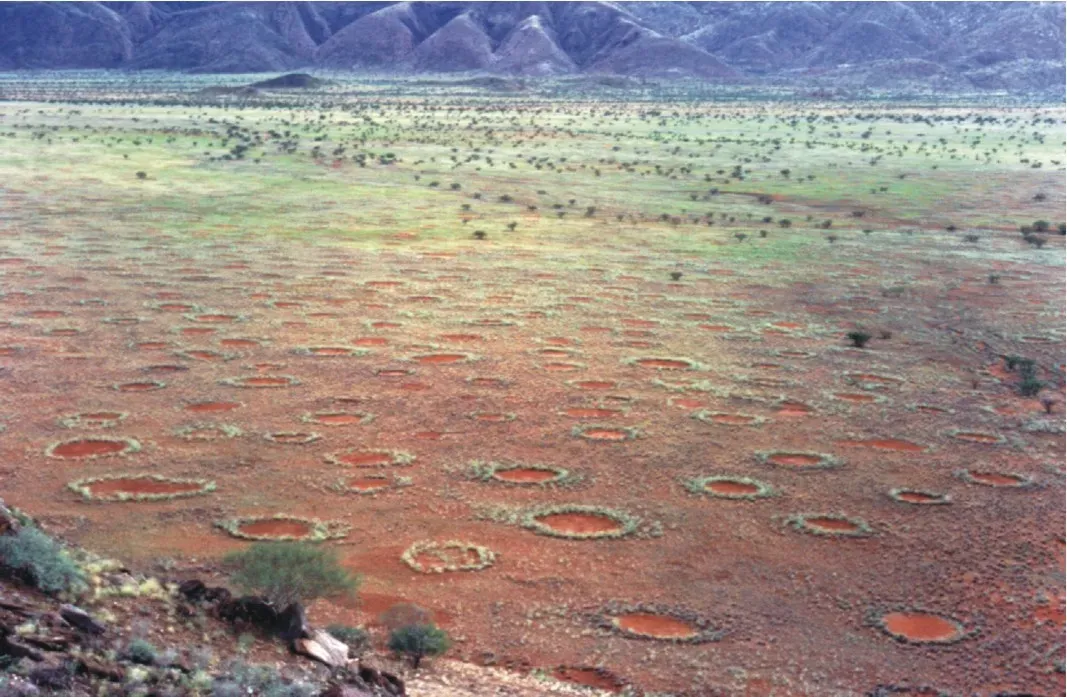
The Namib Desert of Namibia is home to strange circles of greenery, creating a landscape that looks “like a polka dot dress.” Measuring between 10 and 65 feet in diameter, these circles of barren-centered vegetation are not the work of fairies, or, according to local legend, gods leaving behind their footsteps. Still, the true reason is unknown, with experts hypothesizing that they are caused by thirsty plants extending out for water in a dry environment, or that underground termite networks have munched the vegetation into shape.
In the Namib Desert, there are millions of circular patches of land barren of plant life, surrounded by a ring of growing grass. The origin of these fairy circles continues to puzzle scientists. Honestly, the fact that we can’t definitively explain circular bare patches in the ground shows you how complex even seemingly simple natural patterns can be. Some researchers argue it’s termites, others insist it’s plant competition for water, and a few suggest it might be a combination of factors working together. The circles appear, persist for decades, then mysteriously vanish without leaving a trace of what created them.
Bioluminescent Bays: The Ocean’s Starry Night
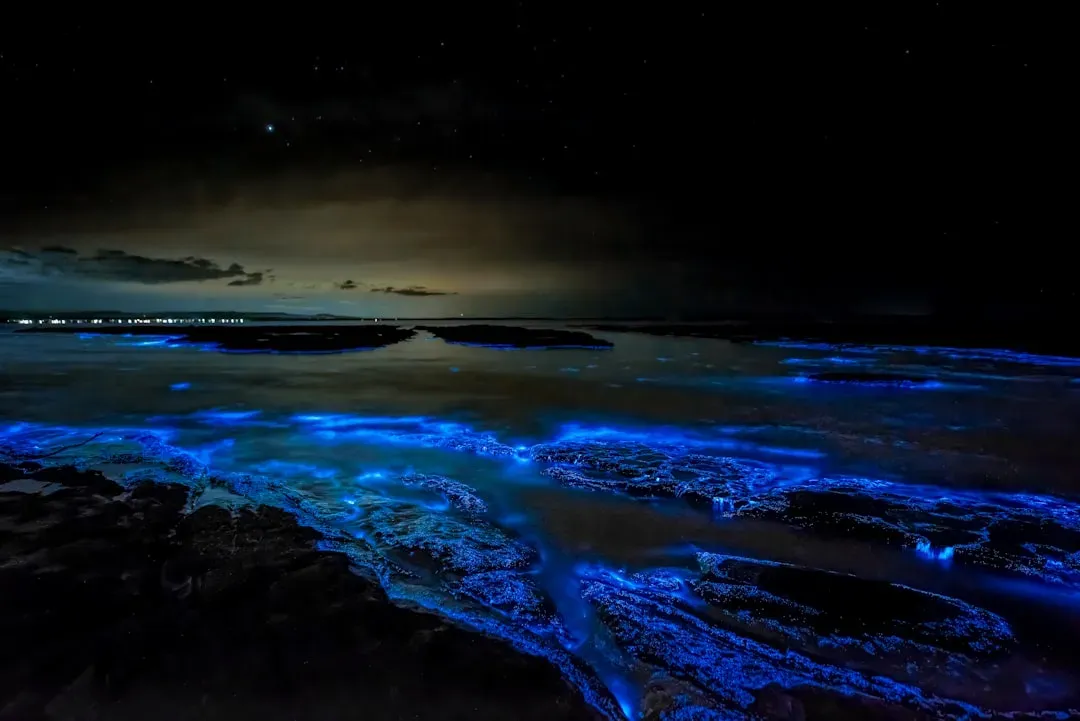
In the serene nights of the Maldives, the shores become a canvas for one of the most enchanting natural phenomena: bioluminescent waves. These glowing waves, resembling a starry sky beneath the ocean’s surface, are the result of bioluminescent phytoplankton – microscopic marine organisms that emit light when disturbed by the ocean waves or swimmers. The phenomenon transforms the beaches into a mesmerizing spectacle of sparkling blue lights. Walking along these shores feels like stepping into a fantasy world where the ocean has absorbed the night sky.
The light these organisms produce is a form of chemiluminescence, which occurs through a biochemical reaction within the phytoplankton. When agitated by motion, they emit a dazzling blue glow, which is thought to serve as a defense mechanism against predators, confusing or deterring them. What’s wild is that every footstep, every wave, every movement in the water triggers this ethereal glow. Yet scientists still debate exactly why certain beaches experience this more intensely than others, and what environmental factors need to align perfectly for the show to happen.
Earthquake Lights: Mysterious Pre-Disaster Flashes
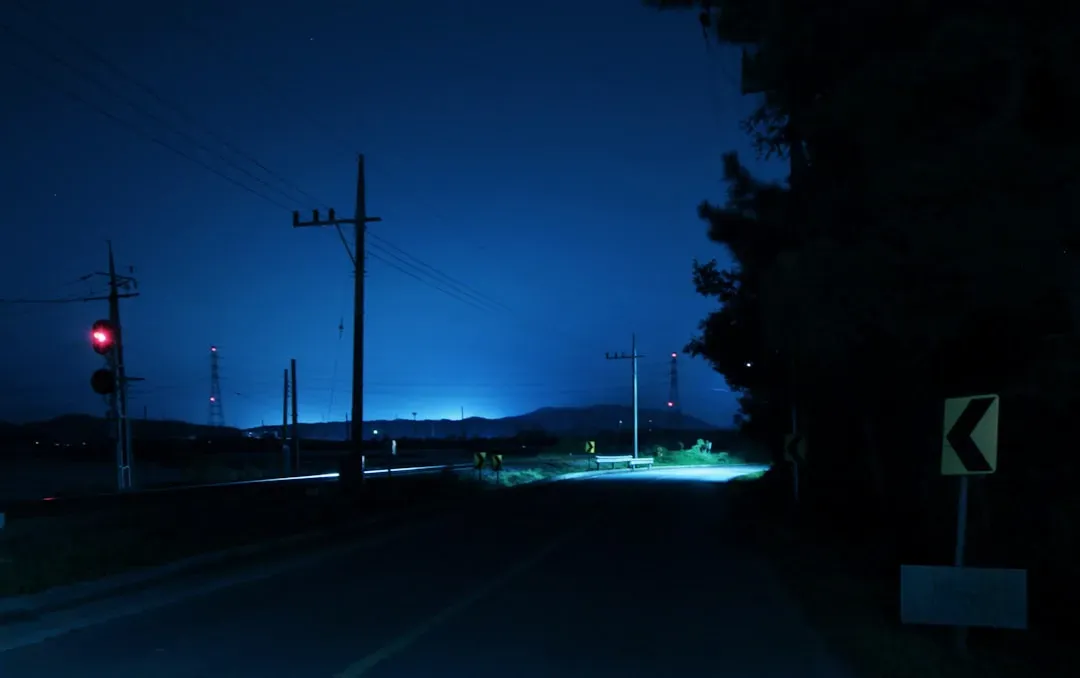
These mysterious luminescent phenomena have been reported to sometimes occur before or during an earthquake. They typically appear as bright flashes in the sky and, in some cases, have been observed weeks ahead of the actual earthquakes. For centuries, these lights have confounded scientists, but one possible explanation is that they are caused by earthquake-induced stress, which releases electrical charges from certain types of rocks. These charges then travel up into the atmosphere, where they interact with the air and produce light.
Just before the ground starts shaking, people have reported witnessing strange lights flashing in the sky. Known as earthquake lights, these luminous phenomena have left geologists and physicists searching for answers. Typically appearing as blue, white, or pink glows, they sometimes take the form of streaks or orbs in the sky. Earthquake lights are rare and unpredictable, adding to the difficulty of studying them scientifically. The fact that these lights might serve as an early warning system makes them particularly intriguing, though their rarity and unpredictability make them frustratingly difficult to capture or predict.
Saturn’s Hexagonal Storm: The Perfect Geometric Anomaly
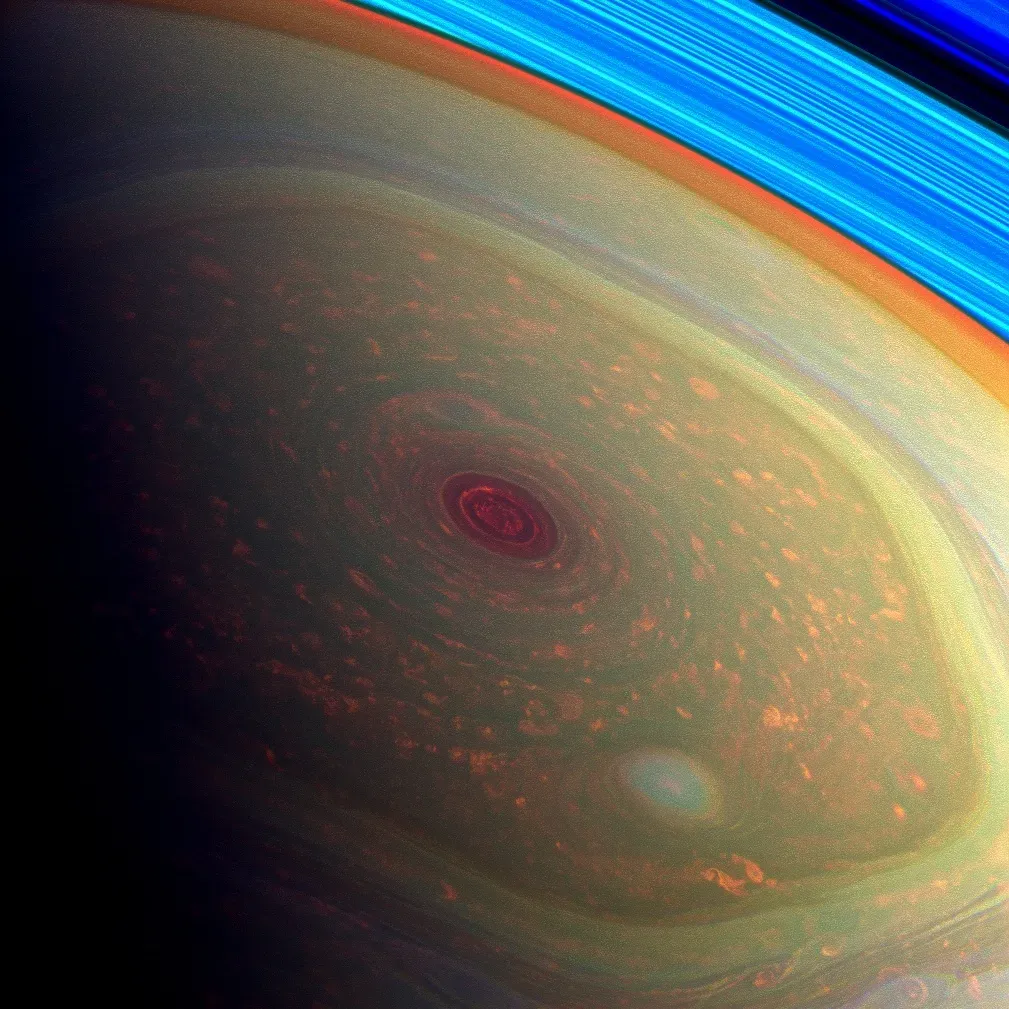
The only other naturally occurring hexagonal shape scientists have found is in crystals, so they have no idea how Saturn’s storm came to look like this. To make matters more confusing, the storm appears to have changed colour, shifting from turquoise to yellow over just a few years. Think about that for a moment: we’re looking at a storm system with six perfectly straight sides at Saturn’s north pole. Nature doesn’t typically do straight lines and perfect angles, yet here we are staring at what looks like someone drew a hexagon with a cosmic ruler.
The storm is enormous, wider than two Earths placed side by side, and it’s been raging for decades at minimum. Scientists have attempted to recreate similar patterns in laboratory settings with rotating fluids, but the exact mechanisms that would create and maintain such a stable geometric shape in Saturn’s chaotic atmosphere remain largely mysterious. It’s one thing to explain circular hurricanes on Earth, but a hexagon? That’s a whole different level of unexplained.
Conclusion
Our planet is far stranger than most people realize. While we’ve made incredible strides in understanding the natural world, these eight phenomena remind us that nature still guards many of its secrets jealously. From glowing beaches to geometric storms on distant planets, from singing deserts to blood-red waterfalls, Earth and our solar system continue to surprise us with displays that challenge our assumptions and humble our scientific knowledge.
The beauty of these mysteries isn’t just in their visual splendor or their puzzling nature. It’s in what they represent: the endless capacity of the universe to surprise us, to show us that no matter how much we learn, there’s always something more waiting to be discovered. They invite us to stay curious, to keep questioning, and to never assume we’ve figured it all out. What other secrets is our planet hiding in plain sight, just waiting for the right observer to stumble upon them? The answer, honestly, might be more than we can imagine.
Hi, I’m Andrew, and I come from India. Experienced content specialist with a passion for writing. My forte includes health and wellness, Travel, Animals, and Nature. A nature nomad, I am obsessed with mountains and love high-altitude trekking. I have been on several Himalayan treks in India including the Everest Base Camp in Nepal, a profound experience.