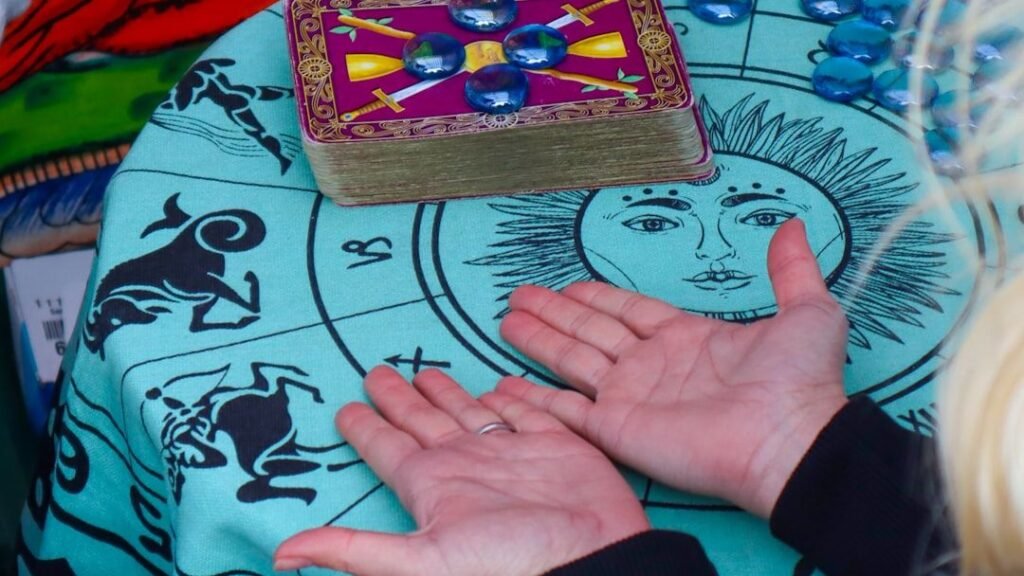
You’ve probably heard people dismiss astrology as pure fantasy, nothing more than ancient superstition dressed up in mystical language. The prevailing scientific consensus is clear about this. Yet something interesting keeps popping up in research labs around the world. Studies are revealing that celestial cycles, sunlight patterns, and even the subtle gravitational pull of the moon might influence human biology in ways we’re just beginning to understand. Could there be physical mechanisms at play that ancient observers noticed but couldn’t explain scientifically?
Before you roll your eyes, let me be clear. This isn’t about validating horoscopes or predicting your romantic future based on planetary alignment. Instead, it’s about exploring whether the cosmos affects us through measurable biological pathways rather than mystical forces. Think about it. We evolved on a planet bathed in sunlight during the day and moonlight at night, spinning through space under the influence of gravitational fields we can’t even perceive. Could our bodies have adapted to these rhythms in ways that left subtle imprints on our physiology?
The Sun as Your Body’s Timekeeper
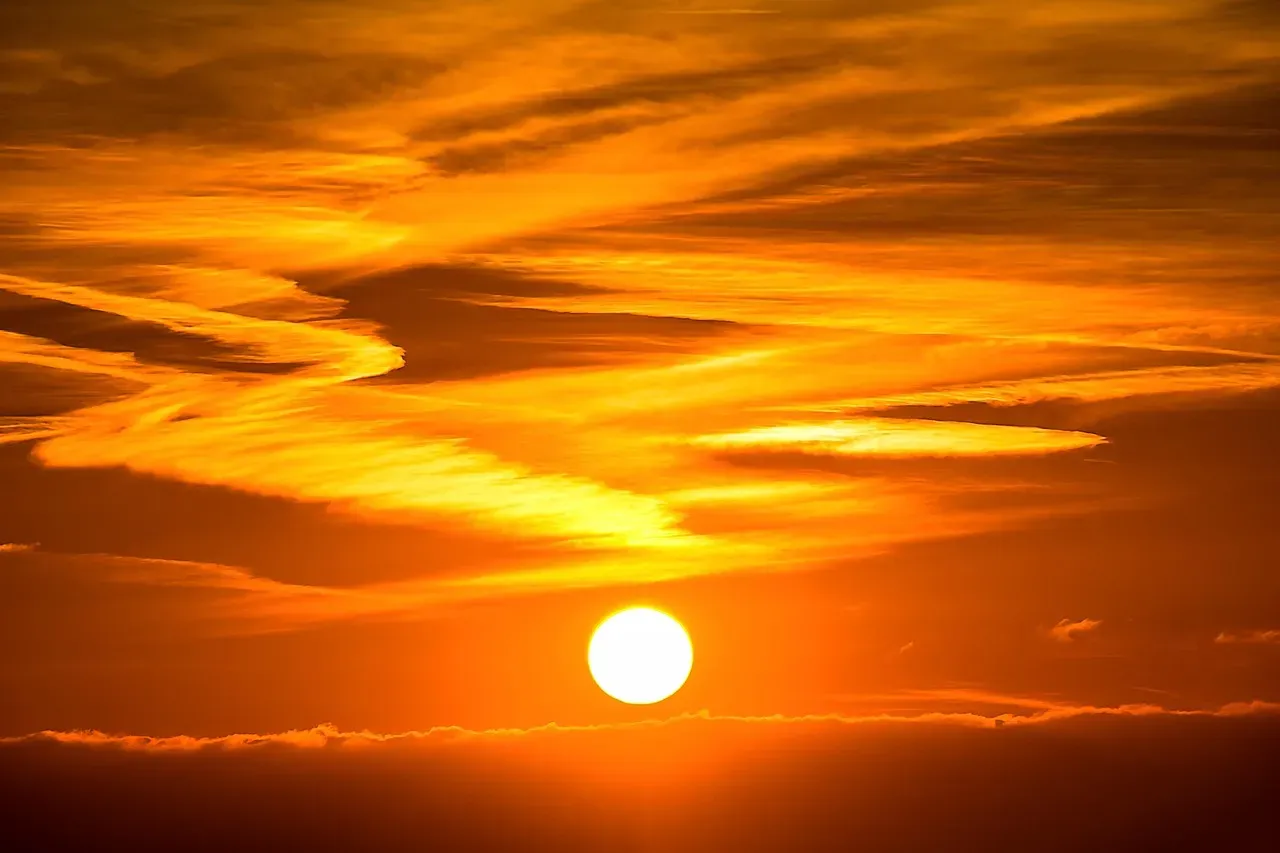
Your body operates on internal rhythms that sync with the solar day, allowing you to adapt to predictable environmental changes throughout each 24-hour cycle. These circadian rhythms are controlled by biological clocks throughout your body, all commanded by a master clock in your brain’s suprachiasmatic nucleus. Think of it as nature’s scheduling app running constantly in the background of your physiology.
The sun’s light-dark cycle powerfully affects your circadian clock, with your body responding to light as a signal to wake and darkness as a signal to sleep. This isn’t mystical. Research comparing people exposed to natural sunlight versus artificial lighting shows that electrical lighting reduces daytime sun exposure and increases nighttime light, delaying the circadian clock compared to natural cycles. Your ancestors lived their entire lives synchronized to the sun. We’re only now realizing how deeply that connection runs through your cells.
When You’re Born Might Shape Who You Become
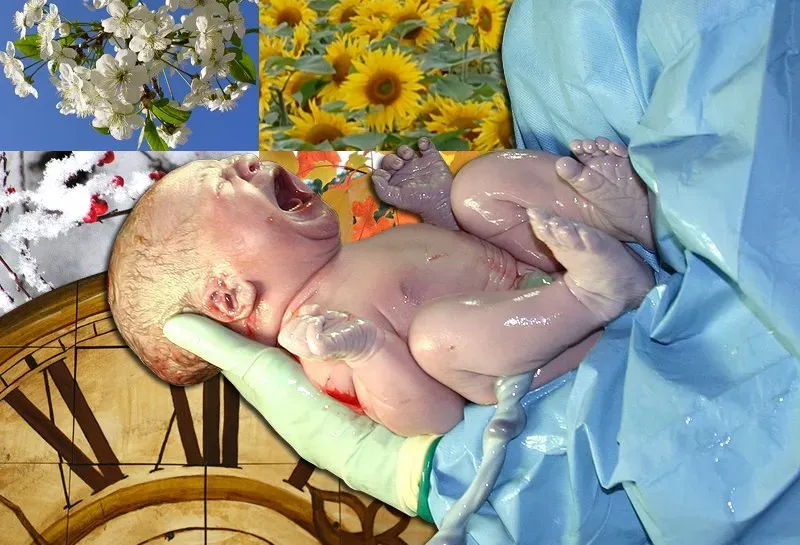
Here’s where things get genuinely intriguing. Research has found that the season when babies are born can have dramatic and persistent effects on how their biological clocks function, potentially helping explain why people born in winter have higher risks of certain neurological disorders. This isn’t astrology claiming Jupiter’s position determines your career. Studies show that men born in fall or winter score higher on certain temperament dimensions compared to those born in spring.
Biochemical studies reveal that your birth season influences monoamine neurotransmitters like dopamine and serotonin, with these differences remaining detectable even in adult life. What’s fascinating is that this isn’t about the stars. Any correlations between birth season and health outcomes are better explained by seasonal variations in sunlight, diet, or infections during pregnancy rather than astrological influence. Still, the timing of your birth relative to Earth’s position around the sun might have left a biochemical signature in your brain.
Moonlight and the Mystery of Menstrual Cycles
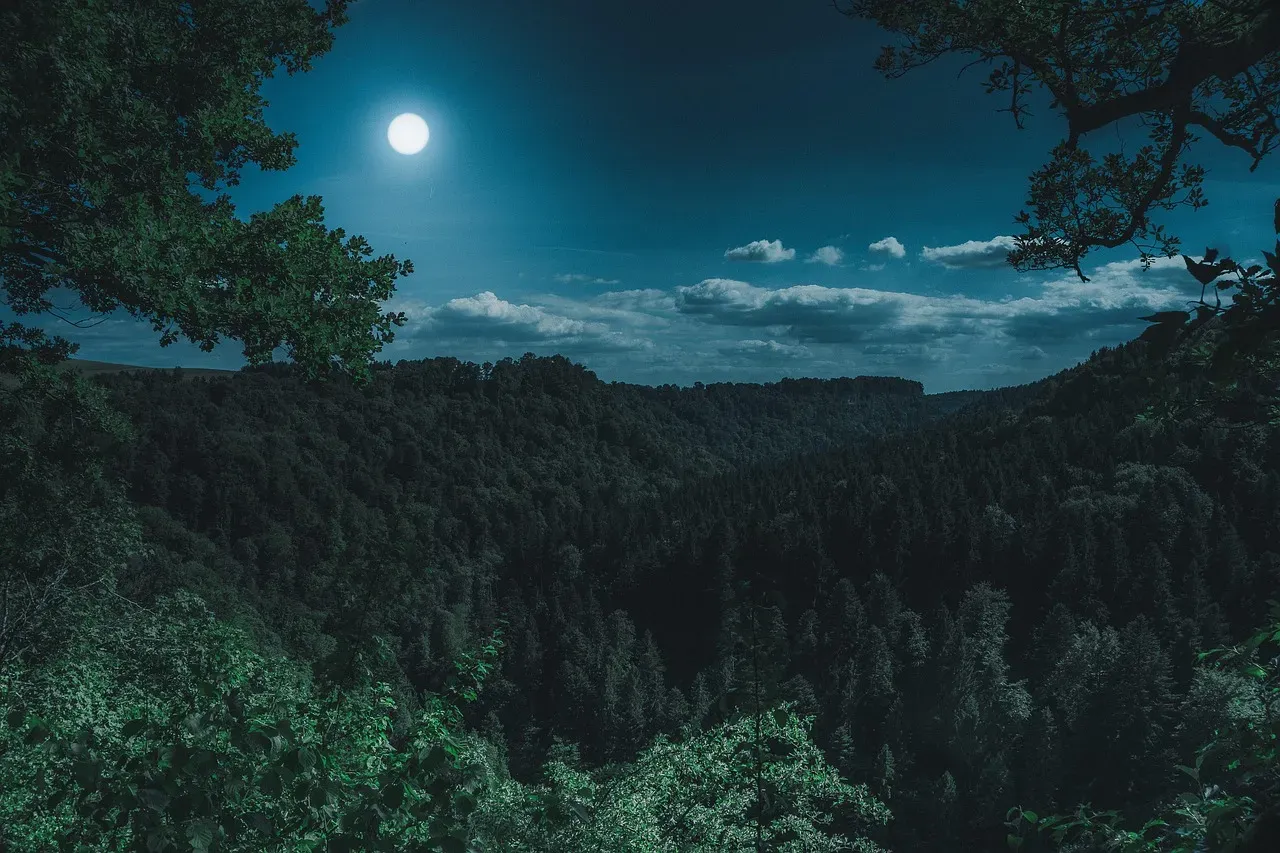
The average menstrual cycle lasts roughly 28 days. The lunar cycle is about 29.5 days. Coincidence? Recent research analyzing long-term menstrual records found that women with cycles longer than 27 days showed intermittent synchronization with lunar light and gravitational cycles, though this synchrony was lost with age and exposure to artificial light. Let me stress that this synchronization is intermittent and weak, not the stuff of moon magic.
Interestingly, gravitational forces may work as a timing cue on humans, which might explain why sleep onset patterns synchronized with lunar cycles even in college students living in light-polluted Seattle. Before you dismiss this entirely, consider that many marine species time their reproduction precisely to lunar cycles. Researchers hypothesize that in ancient times, human reproductive behavior might have been synchronous with the moon, but modern lifestyles have fundamentally changed our relationship with these natural rhythms.
Your Sleep Knows More About the Moon Than You Do

Even if you have no idea whether tonight features a full moon, your sleep patterns might. Studies using wrist activity monitors found that sleep starts later and is shorter on nights before the full moon, when moonlight is available during the hours following dusk. This pattern appeared not just in rural indigenous communities without electricity but also among university students in major cities.
Human sleep appears synchronized with moon phases regardless of ethnic or cultural differences, even in locations where light pollution drowns out moonlight. How is this possible? One speculation is that ancient humans evolved mechanisms to sense lunar cycles, staying more alert before full moons when increased nighttime light offered opportunities for resource gathering. The data suggest that moonlight likely stimulated nocturnal activity and inhibited sleep in preindustrial communities, and artificial light may now emulate this ancestral effect.
Cosmic Radiation Reaches Earth Every Second
You’re being bombarded by radiation from space right now. Cosmic rays are extremely high-energy subatomic particles, mostly protons and atomic nuclei, that move through space at nearly the speed of light. Fortunately, Earth’s atmosphere and magnetic field protect us from most space radiation, making it insignificant as a health hazard at ground level.
Does this mean the stars have zero physical effect on your body? Not exactly. People are exposed to natural cosmic radiation constantly, with roughly 80 percent of annual background radiation coming from naturally occurring terrestrial and cosmic sources. The doses are tiny and our bodies evolved with this background hum of cosmic particles. Still, it’s fascinating that we’re physically connected to the universe in this measurable way, even if the connection doesn’t validate astrological charts.
Light Pollution Has Changed Your Biology
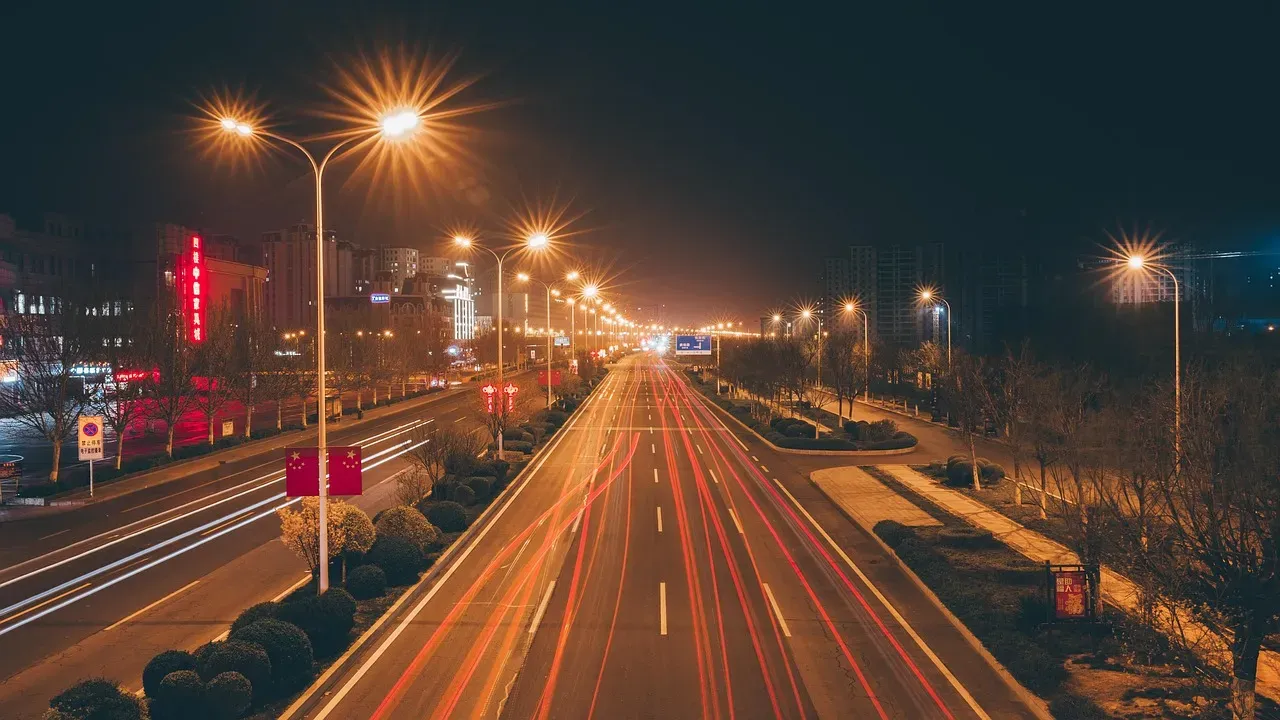
The widespread adoption of electric lights during the past century has exposed humans to significant light at night for the first time in evolutionary history. This matters more than you might think. Over the past century, the boundaries between day and night have been obscured by electric light, and behavioral health consequences of this circadian disruption are becoming increasingly apparent.
Your body evolved expecting dark nights. More than 80 percent of humans no longer experience naturally dark nights, with artificial light coverage growing about 2 percent per year. This isn’t trivial. Light affects mood by directly modulating neurotransmitters like serotonin and by stabilizing circadian rhythms, which is why light therapy treats mood disorders. Ancient astrologers might have noticed patterns because people genuinely lived in sync with natural light cycles. Modern life has severed that connection.
The Barnum Effect Explains Why Horoscopes Feel Personal
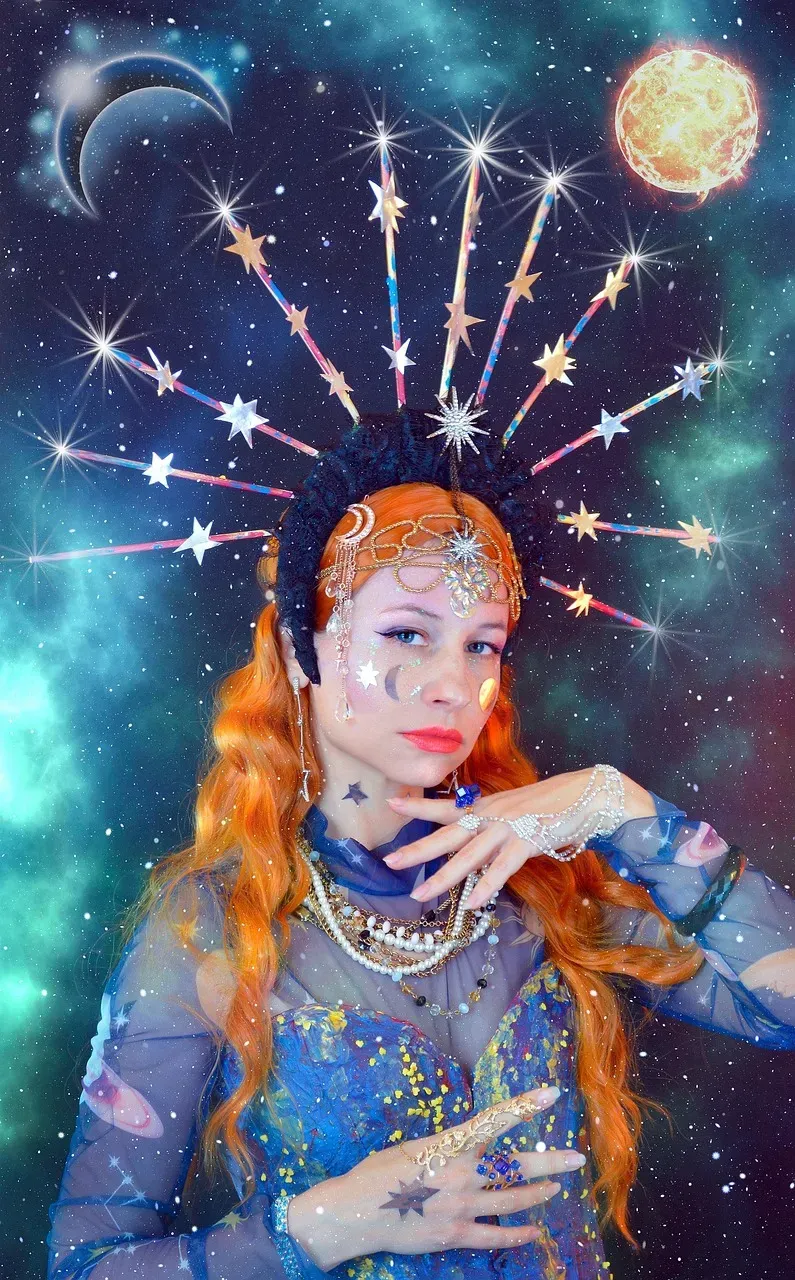
Let’s address the elephant in the room. The Forer Effect, or Barnum Effect, describes how people believe vague and general descriptions are uniquely applicable to them, even when these descriptions could apply to almost anyone. This cognitive bias explains much of astrology’s perceived accuracy.
Scientific testing has found no evidence supporting astrological premises, and controlled studies show that natal astrology performs no better than chance. There’s no proposed mechanism by which star and planet positions could affect people in the ways astrologers claim that doesn’t contradict basic biology and physics. The psychological appeal of astrology is real, but that appeal stems from how our brains work rather than cosmic influences.
Ancient Observations Through a Modern Lens
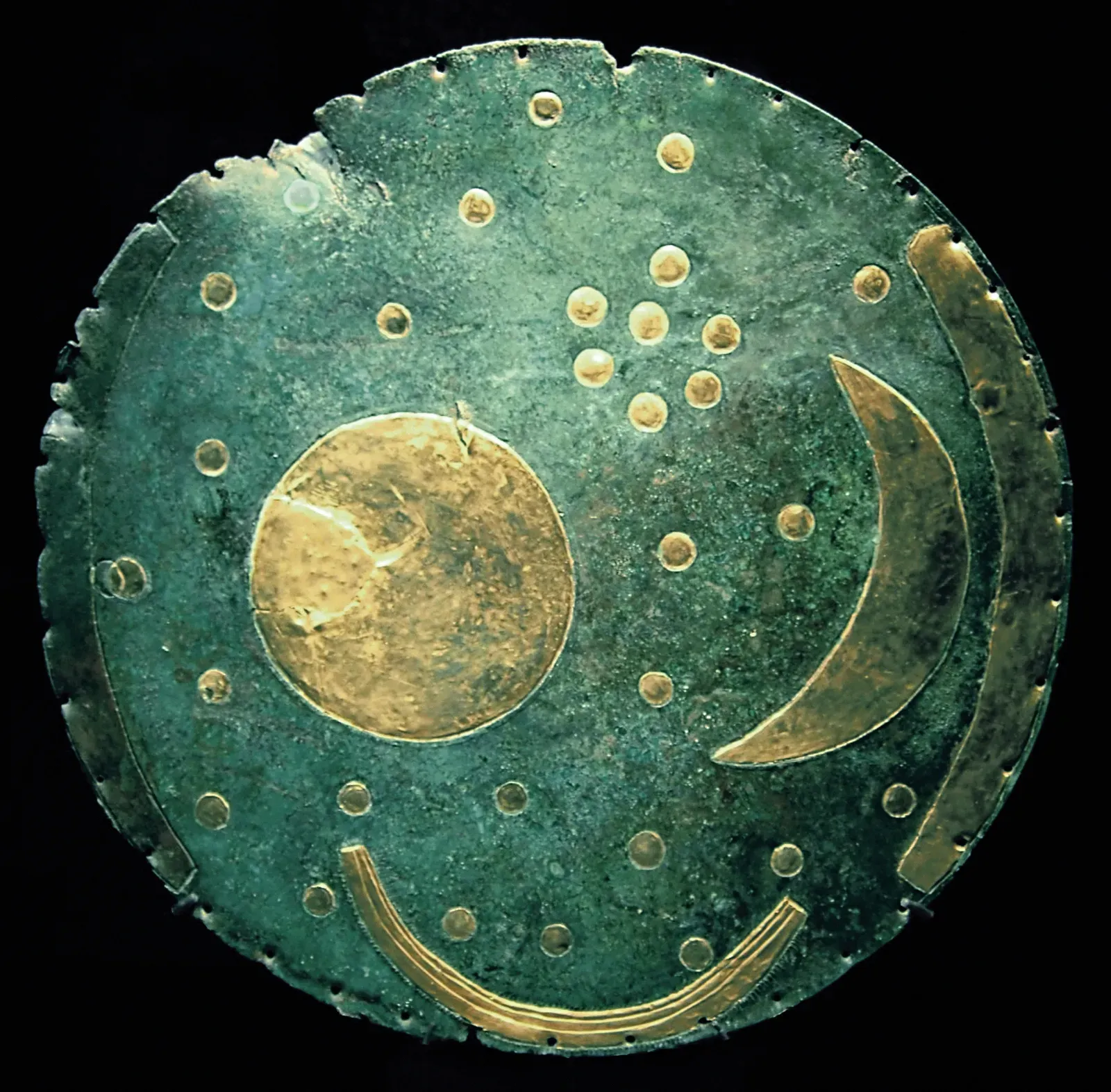
Ancient civilizations spent countless hours watching the sky. They noticed correlations between celestial cycles and earthly events. Some of those observations may have detected genuine biological rhythms we’re only now understanding scientifically. Recent research found statistically significant associations between season of birth and neuropsychiatric outcomes, with patterns echoing traditional astrological descriptions.
However, These symbolic systems likely reflect attempts to map consciousness and behavior using culturally available tools, creating analog layers that interface with epigenetic time and neurological differentiation. In other words, astrology might be humanity’s ancient attempt to describe real biological rhythms using pre-scientific language. The observations contained kernels of truth. The explanations were entirely wrong.
Science Replaces Mystery With Understanding
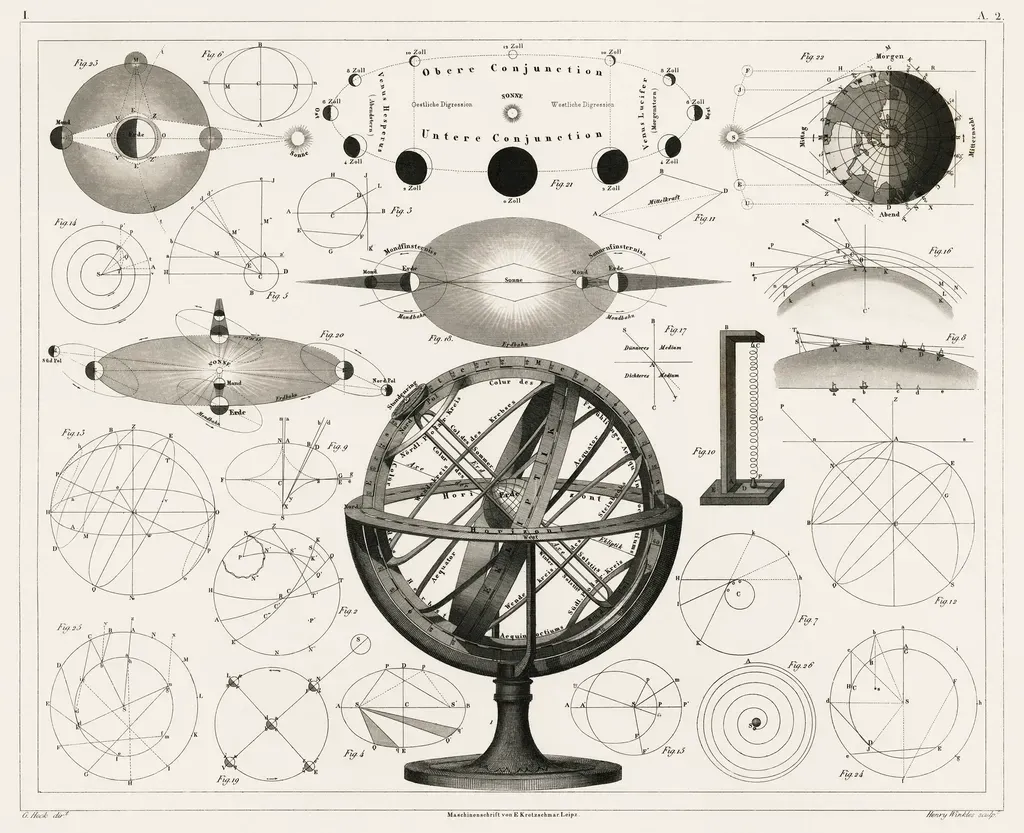
Astrology has no scientific validity and is regarded as pseudoscience because it hasn’t demonstrated effectiveness in controlled studies. Yet acknowledging this doesn’t mean dismissing every ancient observation as worthless. Astrologers don’t usually attempt to critically evaluate whether their explanations are valid, and they don’t take the same critical perspective on their ideas that scientists do.
The difference is methodology. Science tests ideas rigorously, discards what doesn’t work, and builds on what does. Ancient astrology froze in place, refusing to evolve. Astrology has failed to progress, changing little in nearly 2000 years, while astronomy has transformed our understanding of the cosmos entirely. One system learns. The other doesn’t.
Could Astrology Have Physical Roots? Yes and No
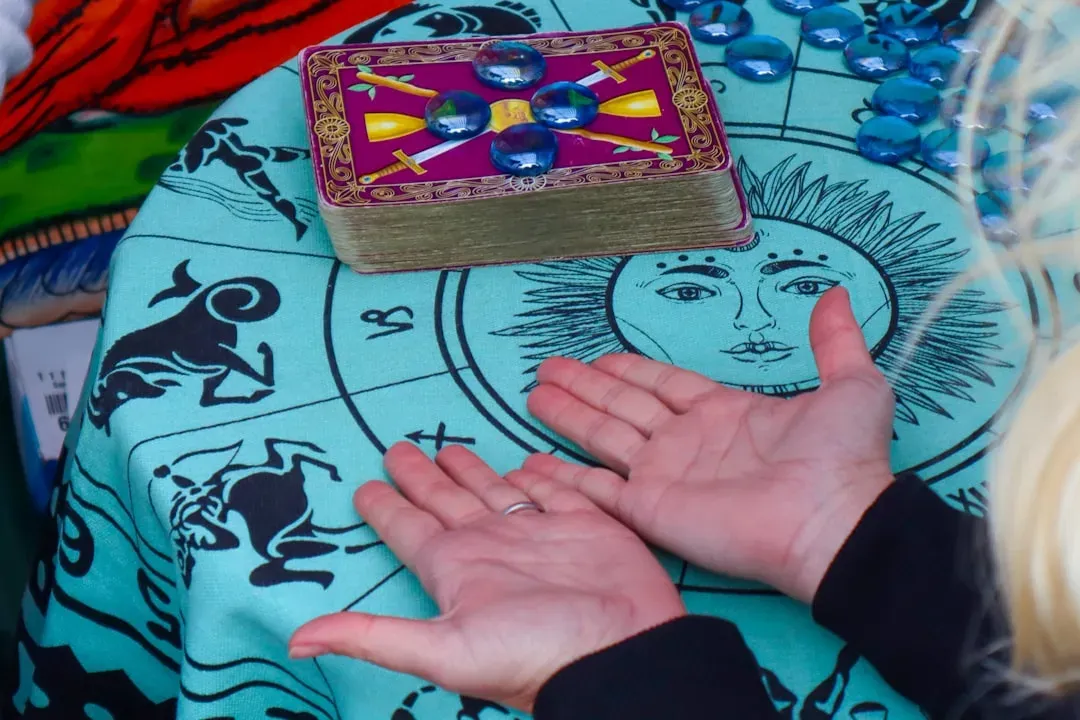
So where does this leave us? The cosmos does influence human biology through measurable physical pathways. The sun’s light-dark cycle keeps our bodies synchronized with predictable environmental changes. The season when babies are born affects how their biological clocks function. Human sleep synchronizes with moon phases across cultures. These are established facts.
None of this validates astrology as traditionally practiced. Scientific testing found no evidence for astrological premises or effects. The physical influences we can measure bear no resemblance to astrological predictions about personality or future events. Still, it’s intellectually honest to acknowledge that ancient observers watching the sky might have noticed real patterns, even if their explanations were fantastical. Modern science gives us better tools to understand these patterns as biological rhythms shaped by evolutionary adaptation to celestial cycles rather than mystical cosmic forces determining individual destinies.
The universe shapes us through physics, not prophecy. That’s somehow more wondrous than any horoscope could ever be. What patterns in your own life might be echoes of these ancient rhythms you’ve never consciously noticed?