
Have you ever stared up at the night sky and wondered if someone, somewhere out there, is looking back? It’s a question that has captivated humanity for millennia. The idea that life might exist beyond our blue marble isn’t just the stuff of science fiction anymore. It’s a legitimate scientific pursuit that’s ramping up with every passing year.
Right now, in 2026, scientists are closer than ever to answering one of existence’s biggest riddles. With new telescopes peering into distant atmospheres, rovers digging through Martian soil, and radio telescopes scanning for alien signals, the search for extraterrestrial life has become more sophisticated and exciting than ever before. Let’s dive into what this search really means, how it’s being conducted, and what the odds actually look like.
Why Scientists Believe Life Beyond Earth Is Possible

Here’s the thing. The universe is unfathomably vast. When astronomers talk about billions of galaxies, each containing billions of stars, your mind almost refuses to comprehend the scale. There is at least one planet on average per star, and about one in five sunlike stars have an Earth-sized planet in the habitable zone, with the nearest expected to be within 12 light-years distance from Earth.
Since 1992, over four thousand exoplanets have been discovered (6,128 planets in 4,584 planetary systems including 1,017 multiple planetary systems as of 30 October 2025). That’s an incredible number of worlds out there. The building blocks of life, those carbon-based molecules scientists love to talk about, appear to be everywhere in space. Water, once thought rare, now seems almost common on moons and distant worlds. The question isn’t so much whether life could exist elsewhere, but whether it actually does.
The Drake Equation: Calculating the Odds
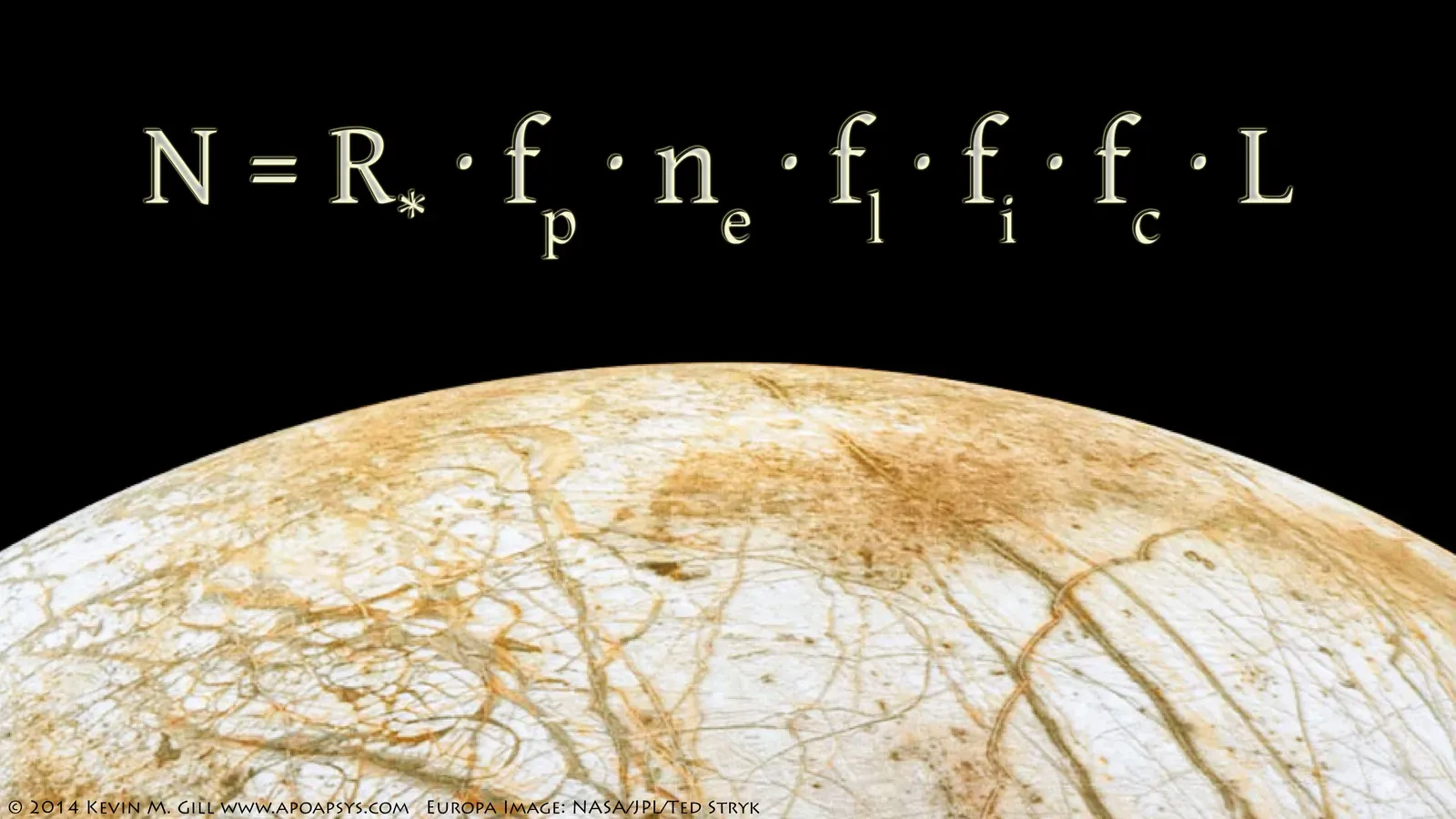
The Drake equation is a probabilistic argument used to estimate the number of active, communicative extraterrestrial civilizations in the Milky Way Galaxy. The equation was formulated in 1961 by Frank Drake, not for purposes of quantifying the number of civilizations, but as a way to stimulate scientific dialogue at the first scientific meeting on the search for extraterrestrial intelligence. Think of it as a cosmic calculator for alien life.
The equation multiplies factors like star formation rates, the fraction of stars with planets, how many of those planets could support life, and crucially, how long civilizations survive to broadcast their existence. The original meeting in 1961 concluded that there were probably between 1000 and 100,000,000 planets with civilizations in the Milky Way Galaxy. The range is admittedly massive, and honestly, that’s because we’re still guessing at several key variables. Still, it’s fascinating to have a framework to work with.
How SETI Listens for Alien Signals
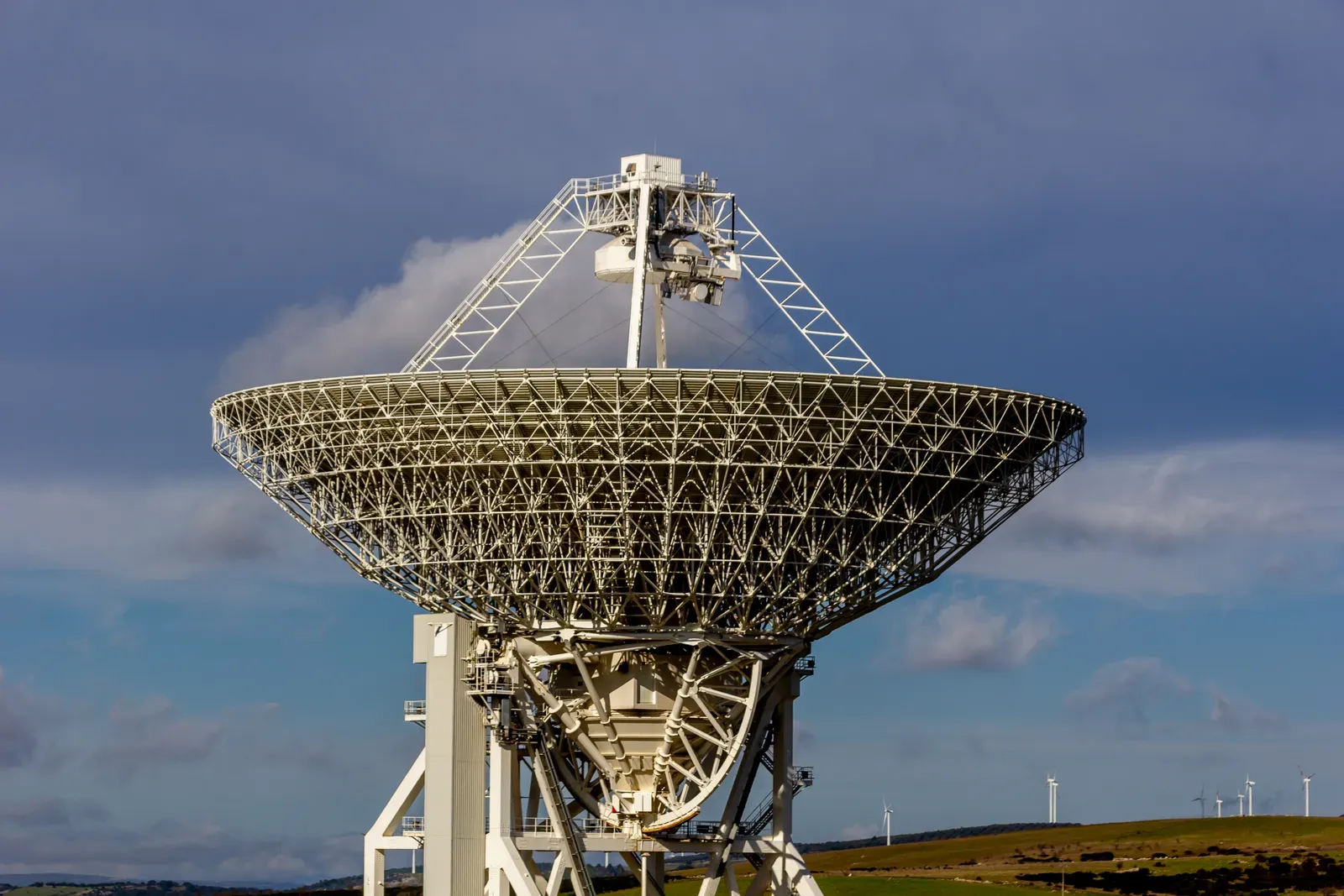
The search for extraterrestrial intelligence is the diverse efforts and scientific projects intended to detect extraterrestrial signals, or any evidence of intelligent life beyond Earth. Researchers use methods such as monitoring electromagnetic radiation, searching for optical signals, and investigating potential extraterrestrial artifacts for any signs of transmission from civilizations present on other planets.
One of the most ambitious efforts in recent years involved over two million volunteers. Launched in 1999, the SETI@Home project enlisted millions of volunteers around the world to help identify unusual radio signals in data from the Arecibo Observatory. Though the project ended prematurely with the telescope’s demise, citizen scientists nonetheless identified more than 12 billion signals of interest in 21 years of data. Right now, researchers are examining the final 100 most intriguing signals. FAST, the Five-hundred-meter Aperture Spherical Telescope, has been patiently following up on this century of candidate extraterrestrial signals since July 2025, though bitter experience has taught the SETI@home team to expect them all to turn out to be local radio frequency interference rather than real extraterrestrial beacons.
The James Webb Space Telescope’s Revolutionary Role
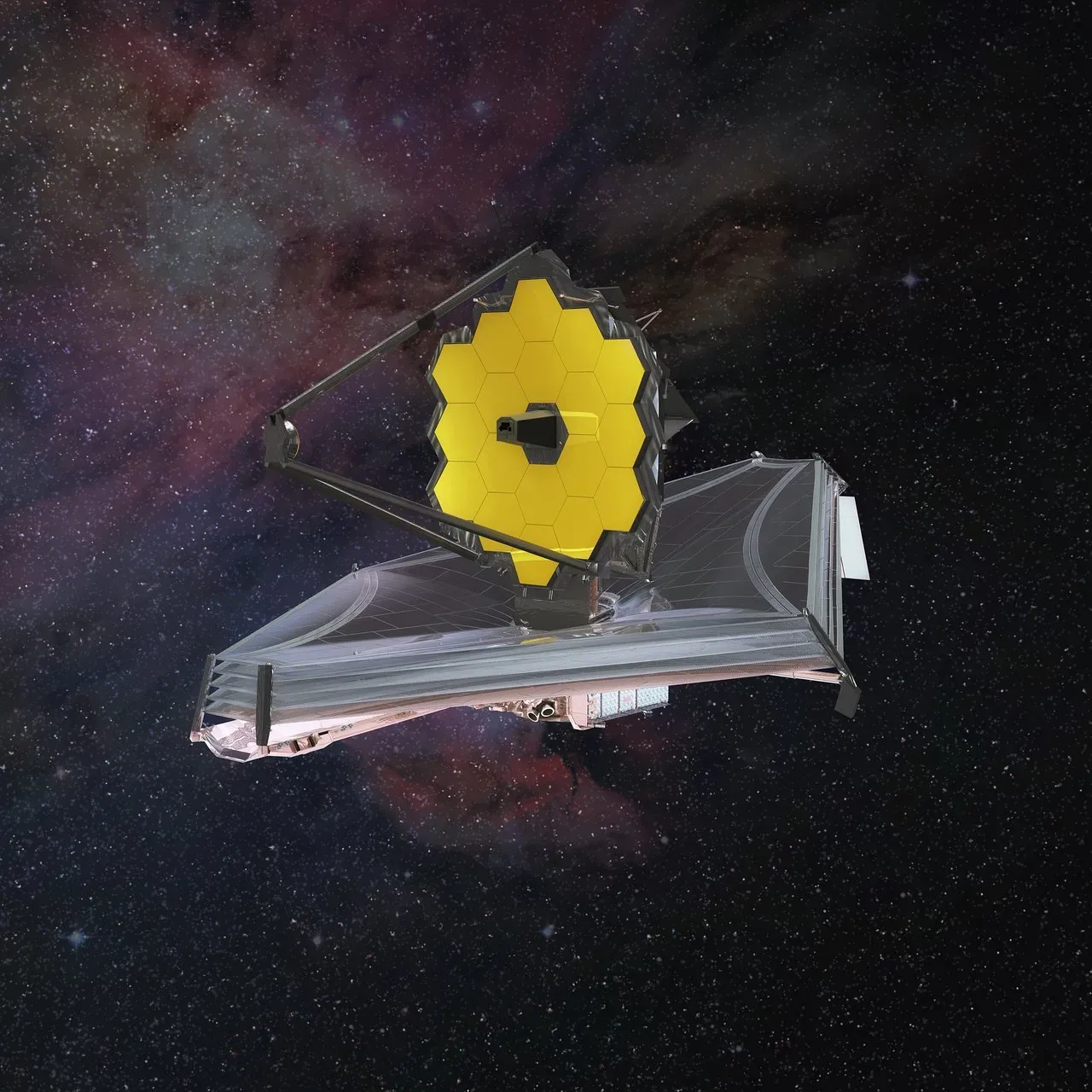
The James Webb Space Telescope has ushered in a new era in exoplanet research. To learn about the diversity of exoplanets and their atmospheres, Webb is continuing to study a range of exoplanets, from hot Jupiters to small rocky planets. This isn’t just about finding planets anymore. It’s about examining their atmospheres for signs of life.
JWST has already identified molecules such as water vapor, carbon dioxide, methane, and sulfur dioxide, and has even hinted at more complex chemical activity on multiple exoplanets. In 2024, researchers found potential evidence for an ocean world designated LHS 1140b. The temperate exoplanet LHS 1140b is the most promising exoplanet in the habitable zone yet discovered. Scientists are cautious, but the atmosphere appears to contain nitrogen and shows signs that liquid water might exist beneath an icy crust. Imagine that: a beady-eyed world covered in ice with a potential ocean beneath.
Mars: Our Best Shot at Finding Microbial Life
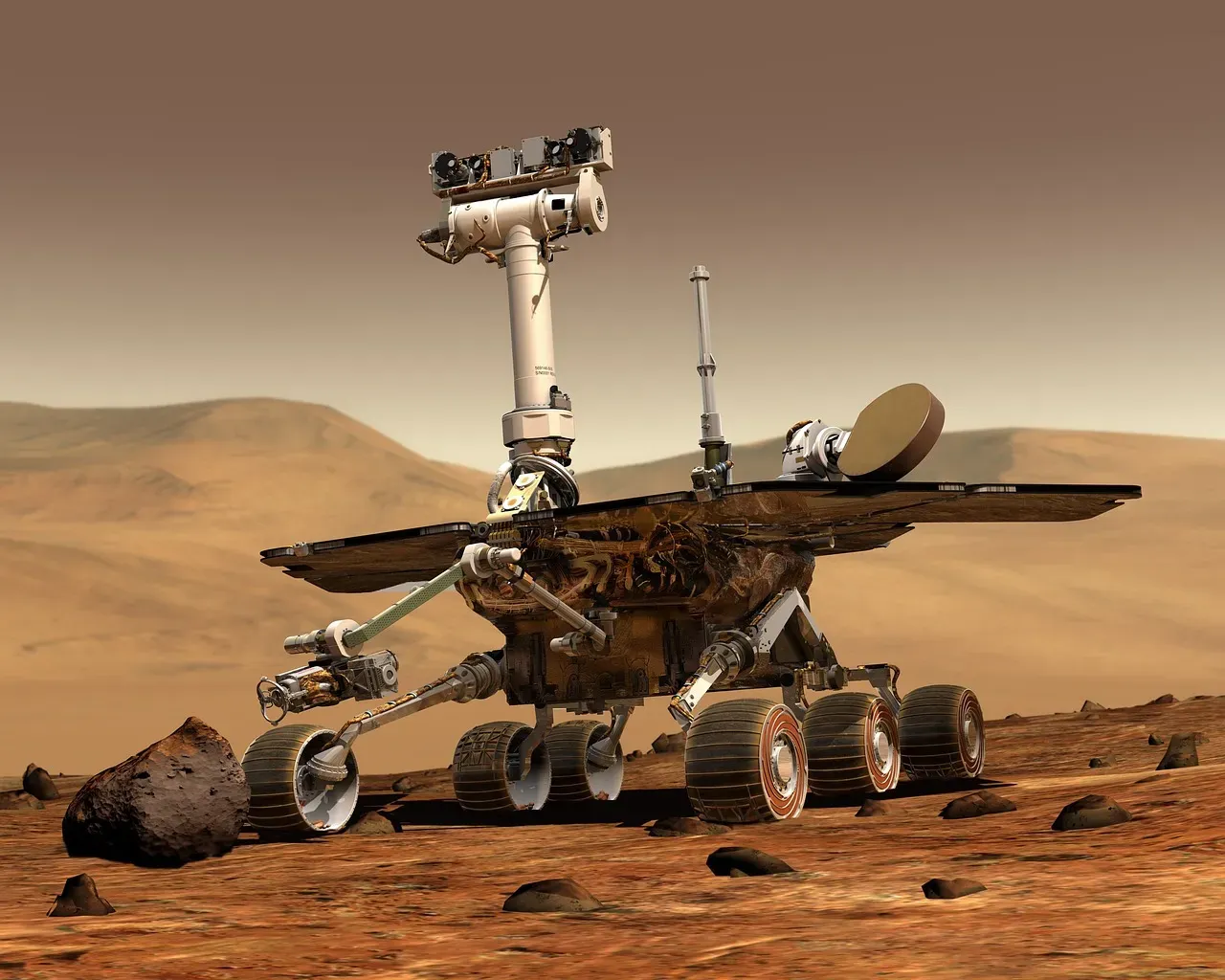
Mars has never stopped being humanity’s obsession when it comes to extraterrestrial life. NASA’s onboard instruments, including PIXL and SHERLOC, detected organic carbon alongside phosphate, oxidised iron and sulphur. These tools were designed to perform fine-scale mineralogical analysis to identify past habitability and potential biosignatures.
In January 2026, NASA announced they had discovered minerals in a Martian rock core that, on Earth, are frequently associated with microbial life. In terrestrial environments, vivianite often forms when bacteria reduce iron and bind phosphorus, while greigite results from sulphate-reducing bacteria in organic-rich muds. The pairing observed in the Martian sample closely matches these formations. Let’s be real, scientists aren’t shouting about alien life just yet. They’re methodical, careful. However, the discovery cleared several benchmarks on the Confidence of Life Detection scale, which is a big deal. The real answers might come when those samples eventually return to Earth for detailed lab analysis.
The Challenges: Why Haven’t We Found Anything Yet?
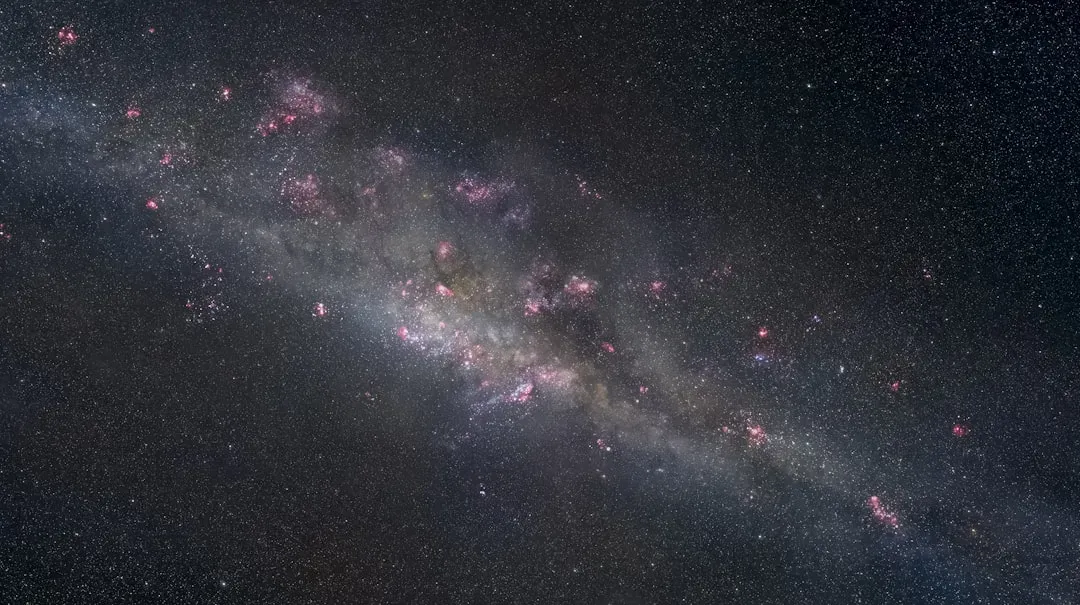
Complex, intelligent life in the galaxy appears vanishingly rare, with the nearest possible civilization perhaps 33,000 light-years distant. Yet despite the odds, scientists insist that continuing the search for extraterrestrial intelligence is essential – for either outcome reshapes our understanding of life itself.
That distance is staggering. Even if an advanced civilization existed at that range, their radio signals would take tens of thousands of years to reach us. By the time we received them, that civilization might be long gone. For such a civilization to exist at the same time as humanity, it would need to have lasted for at least 280,000 years and potentially millions of years. Space is vast, time is immense, and the odds of two civilizations overlapping are lower than most people imagine. It’s hard to say for sure, but this might explain the eerie silence we’ve encountered so far.
What About UFOs and UAPs?

You’ve probably noticed the uptick in discussions around unidentified aerial phenomena. In recent years, governments have become more open about strange sightings. However, scientists searching for extraterrestrial intelligence remain skeptical about UFO claims as evidence of alien visitation.
The Galileo Project led by astrophysicist Avi Loeb of Harvard University has designed and built an array of sensors to scan the sky for aerial phenomena and assess atmospheric anomalies that may not be of terrestrial origin. When the interstellar comet 3I/ATLAS passed through our solar system in 2025, some speculated it might be an alien spacecraft. Researchers conducted technosignature searches but found no credible artificial signals. It was just a comet after all. Still, the fact that scientists took the possibility seriously shows how open-minded the search has become.
The Future: Where Do We Go From Here?

A new National Academies report identifies the highest priority science objectives for the first human missions to Mars and says searching for evidence of existing or past life on the planet should be the top priority. When astronauts finally set foot on Mars, perhaps in the 2030s or 2040s, they’ll be equipped to dig deeper, literally, than any robot could manage.
The search for extraterrestrial intelligence is moving fast, powered by major tech upgrades and global partnerships. But what signals have scientists found? And how close are we really? Machine learning is now being deployed to sift through data faster than ever before. New space telescopes are on the horizon, including the Nancy Grace Roman Space Telescope launching later this year. China’s Tianwen-3 mission aims to return Martian samples by the end of the decade, potentially beating other nations in this high-stakes race. The next few years could bring breakthroughs we’ve only dreamed about.
Conclusion: A Question Worth Asking

Whether aliens exist remains one of humanity’s greatest unanswered questions. We’ve made incredible strides in the search, from discovering thousands of exoplanets to detecting tantalizing chemical signatures that hint at life. The silence we’ve encountered so far doesn’t mean we’re alone. It might just mean space is bigger, time is longer, and civilizations are rarer than we imagined.
Yet the search continues because the answer, whatever it turns out to be, will fundamentally change how we see ourselves and our place in the cosmos. Finding even microbial life on Mars would prove life isn’t unique to Earth. Detecting a signal from another civilization? That would be the most profound discovery in human history. So what do you think? Are we alone, or are we just not looking hard enough yet?