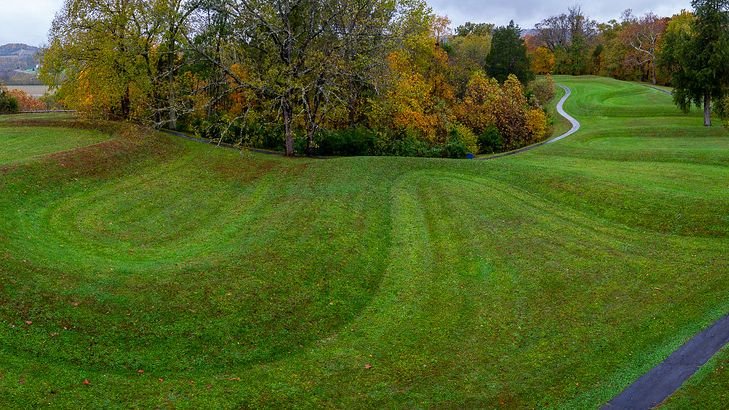

If you stand at the head of the Great Serpent Mound at sunset on the summer solstice, something quietly astonishing happens: the sun slips down right over the serpent’s open mouth, as if the sky itself is completing the design. For a site built long before modern instruments, satellites, or even metal telescopes, that alignment alone feels almost unnervingly precise. You don’t have to believe in lost civilizations to feel a jolt of wonder standing there.
The Serpent Mound has fueled arguments for more than a century: Was it a calendar, a ceremonial pathway, a map of the sky, or something stranger? Archaeologists, astronomers, and local communities all see it through slightly different lenses, but almost everyone agrees on one thing: whoever built it, they were paying very close attention to the heavens. And once you start noticing how the earthwork lines up with the sun and possibly the moon, it’s hard to shake the sense that we’ve underestimated the sophistication of its creators.
The Serpent in the Earth: What the Mound Actually Is
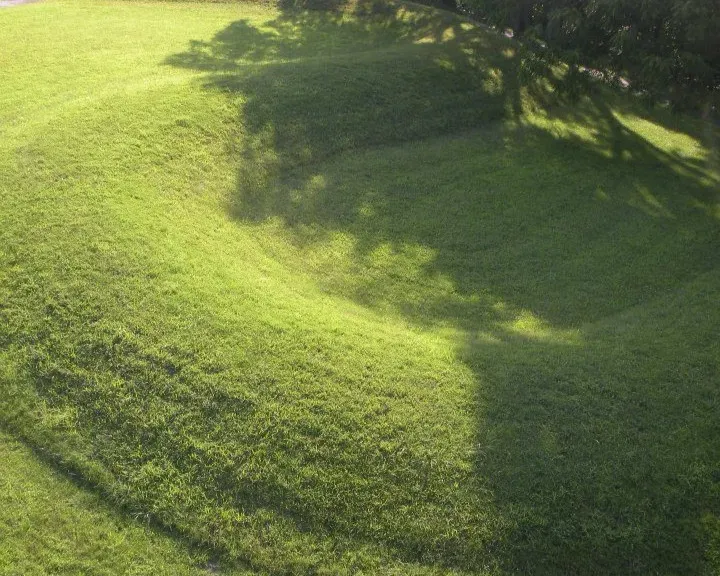
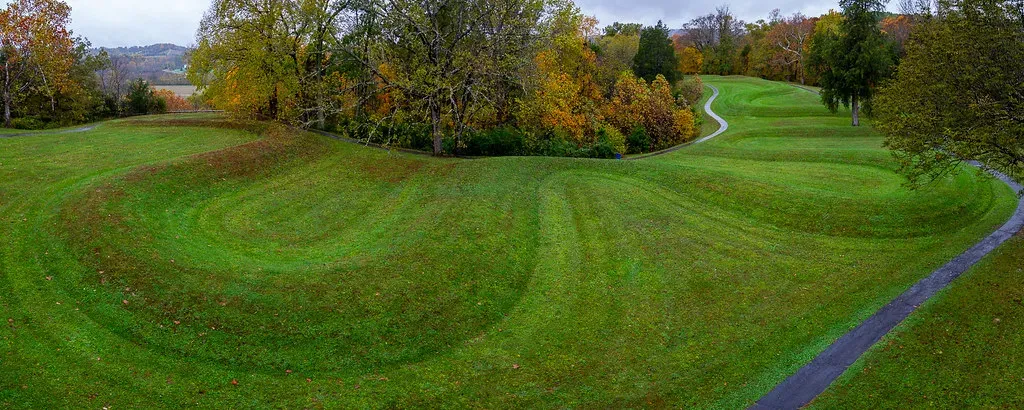
The Great Serpent Mound is not a burial mound in the usual sense; it’s an effigy mound, a sculpted shape made by moving tons of soil into a gigantic serpent form. Stretching about a quarter of a mile across a ridge in southern Ohio, the serpent coils in a series of graceful curves, ending in a spiral tail and an oval feature at its head that looks like an egg or a swallowed object. From the ground, you only see pieces of it at a time, but from above, the design snaps into focus as a single sweeping image.
The builders shaped the mound by piling and packing soil, sometimes reinforcing it with stones, along the crest of a narrow plateau above a deep valley. There are no clear burials inside the serpent’s body, which already sets it apart from many mounds in the region. Walking along its length feels a bit like tracing a cosmic diagram with your feet: the ridge drops sharply on either side, the land falls away, and the serpent seems to float between earth and sky.
Who Built It? The Ongoing Dating Debate
For years, the Serpent Mound was commonly linked to the Adena culture, which thrived in the Ohio Valley roughly two thousand years ago and is known for conical burial mounds. Later studies, including radiocarbon dating of charcoal from the earthwork, have suggested a more recent origin connected to the Fort Ancient culture, around the eleventh or twelfth century of the common era. That newer dating implies that the people who built it were also farmers in a complex, settled society with long-distance trade networks.
Not everyone is fully convinced, though, partly because the site has been altered and repaired over time, which can tangle the dating evidence. Some researchers argue that the ridge may have been a sacred place for centuries, with earlier cultures perhaps contributing to the design or its meaning. What’s clear is that whoever finalized the serpent shape knew how to manipulate massive landscapes without modern tools. To me, the dating debate almost misses the bigger point: multiple generations likely saw this spot as powerful enough to keep returning to, refining, and reimagining.
Solar Alignments: The Serpent as a Giant Horizon Calendar
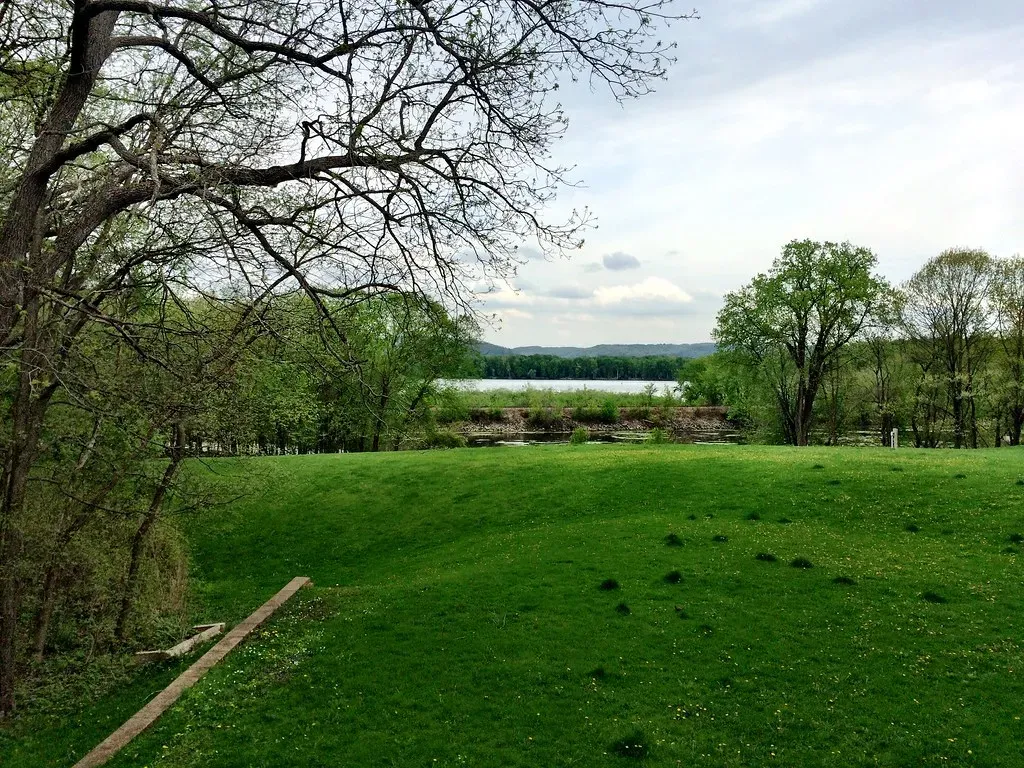
One of the most striking things about the Great Serpent Mound is how its geometry lines up with the path of the sun at key points in the year. Researchers have found that the head of the serpent points toward the setting sun on the summer solstice, when daylight reaches its longest stretch. Other parts of the serpent’s curves appear to align with sunrise or sunset points around the solstices and equinoxes, turning the ridge into a gigantic seasonal clock.
If you think about trying to build a calendar into the land without writing or mechanical tools, this approach makes a strange kind of sense: use the horizon itself as your clock face, and use the body of a sacred animal as the pointer. Stand at certain spots along the serpent and watch the sun hit specific notches, dips, or reference points in the landscape, and you get a reliable sense of the turning year. It’s like carving a calendar into the bones of the earth, where your children and their children can stand in the same place and read the same sky.
Lunar Possibilities: Echoes of an Even More Complex Sky Map
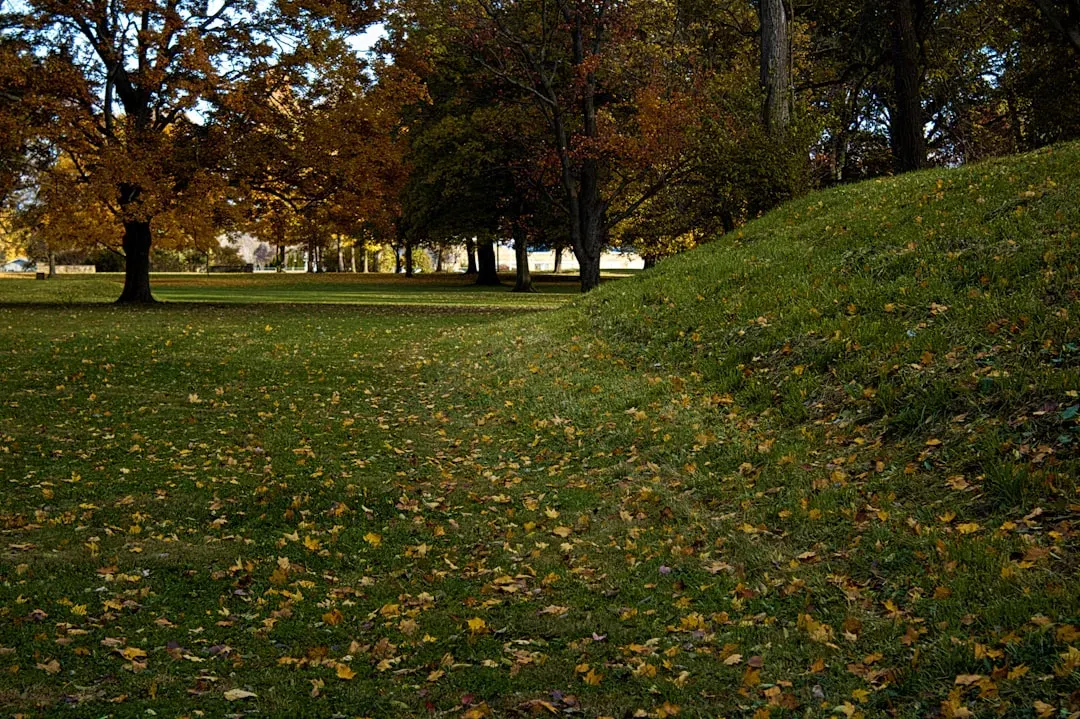
The solar alignments alone would already be impressive, but some scholars argue that parts of the Serpent Mound may also match important lunar events. The moon has a longer, more subtle cycle than the sun, with positions that shift dramatically over roughly an eighteen- to nineteen-year period. A few of the serpent’s bends seem to line up roughly with extreme moonrise or moonset positions during those long cycles, hinting that the builders were tracking more than just the seasons.
Evidence for lunar alignments is trickier to pin down, and not all experts agree that the connections are intentional rather than coincidental. Still, the idea that the serpent could encode both solar and lunar markers is hard to dismiss emotionally once you’re standing there, looking out over the horizon. Imagine a community that not only watched the sun’s march through the year but also patiently tracked the moon’s wandering path for decades. That kind of long-term observation demands patience, memory, and a cultural tradition strong enough to carry knowledge across generations.
Advanced Knowledge Without High Tech: What “Sophisticated” Really Means
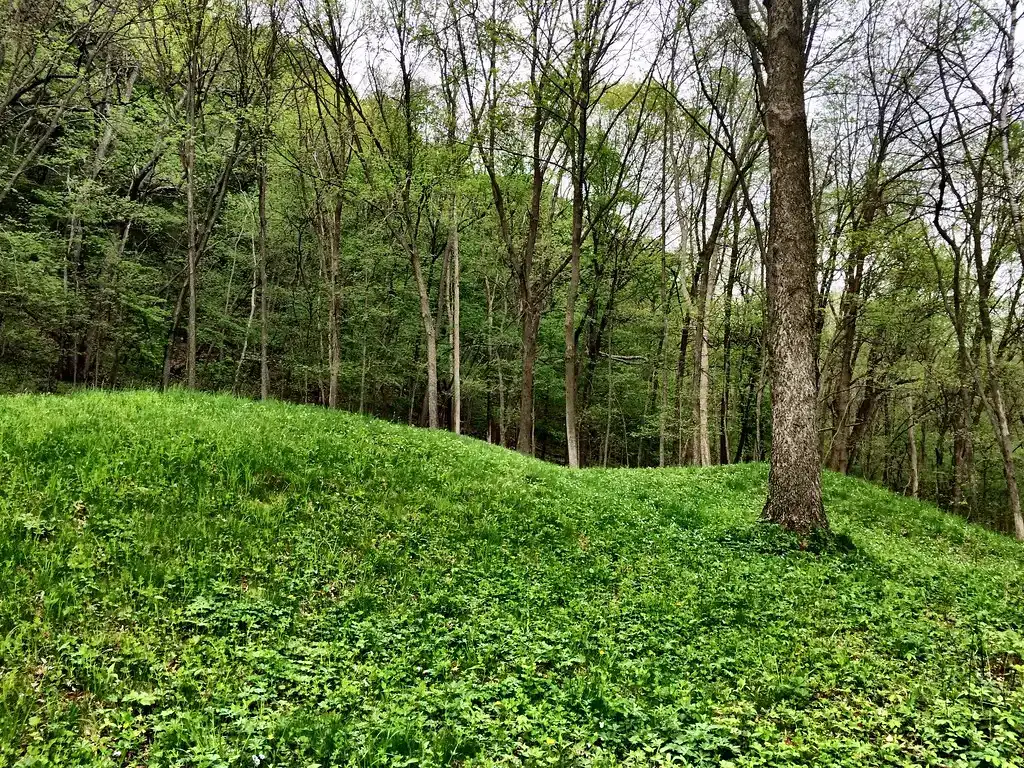
When people hear “advanced ancient knowledge,” they sometimes jump straight to science-fiction explanations, as if precision in stone must mean help from somewhere else. But there’s another, more grounded way to see it: advanced in the sense of patiently refined, carefully tested, and deeply integrated into daily life. You don’t need telescopes to notice where the sun sets on the longest day if you keep going back to the same spot for years and mark what you see. Over time, those observations can turn into a remarkably accurate living model of the sky.
The builders of the Serpent Mound seem to have woven astronomy, spirituality, and landscape into a single project, and that fusion is its own form of sophistication. They shaped their environment to mirror what they saw in the heavens, turning the ridge into both a sanctuary and a measuring tool. In a world that often treats science, art, and religion as separate boxes, that older way of knowing feels almost revolutionary. To me, the serpent shows how far human awareness can go when people watch carefully and care enough to keep the pattern alive.
Symbolism, Ceremony, and the Power of the Serpent
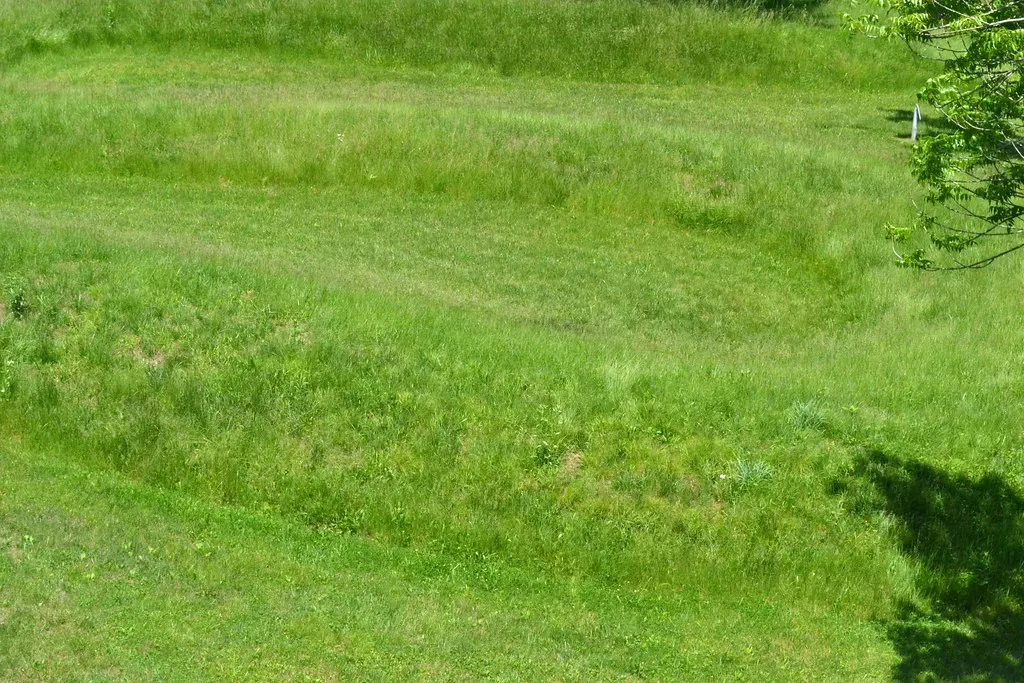
The serpent figure is not just an astronomical pointer; it carries layers of symbolic meaning found in many Indigenous traditions across the Americas. Serpents can stand for renewal, fertility, danger, or the boundary between worlds, curling through myths like living rivers of meaning. The oval near the serpent’s mouth has been interpreted as an egg, a sun disk, or even a swallowed object, each reading adding a slightly different emotional charge to the scene. Just standing at the head, you can feel how the design invites questions about life, death, and rebirth.
Archaeologists believe the site was likely used for ceremonial gatherings, maybe timed with solstices or other sky events. Imagine crowds moving along the serpent’s back at twilight, drums or voices echoing across the ridge, the setting sun dropping exactly where the design says it will. That repetition of movement, light, and story could turn astronomy into lived experience, where ritual and observation are inseparable. It’s not a cold observatory; it’s a place where people felt the sky in their bodies as much as they saw it with their eyes.
Modern Eyes on an Ancient Horizon: Why the Serpent Still Matters
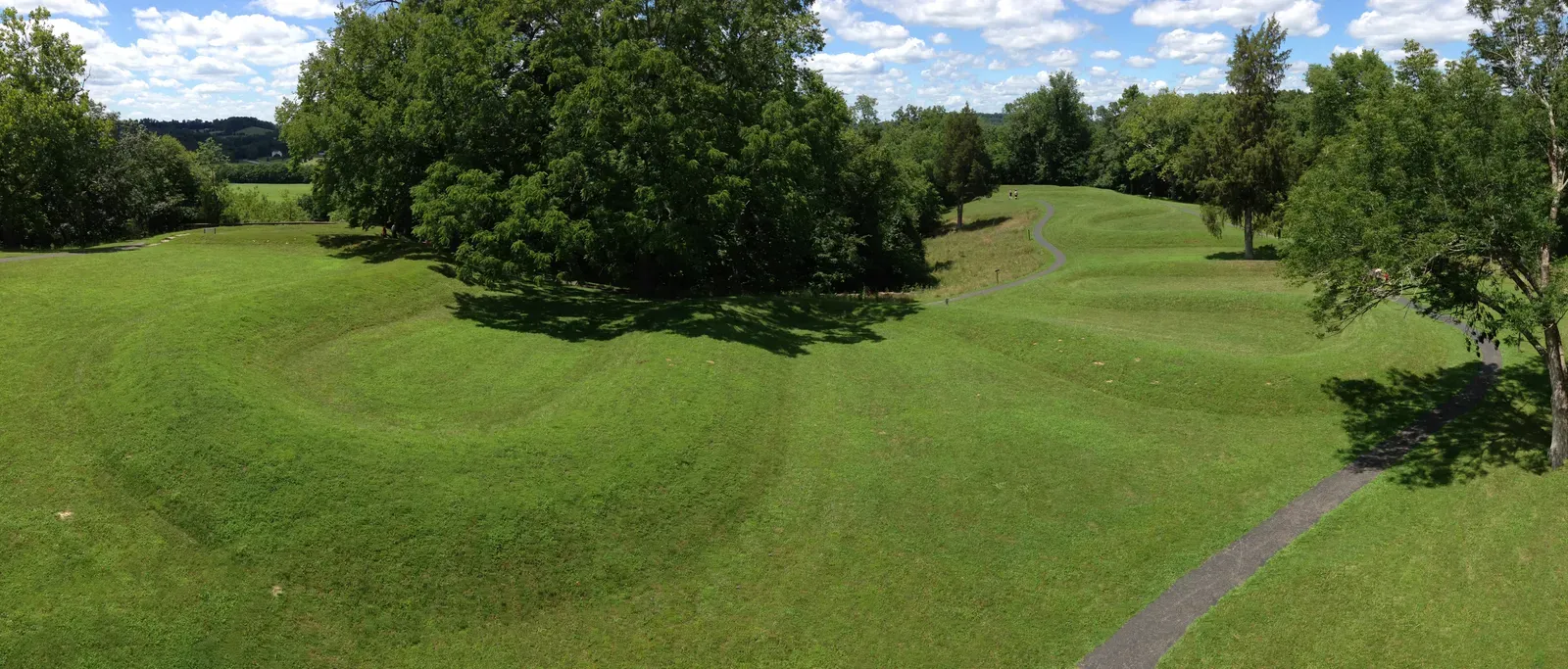
Today, the Great Serpent Mound draws visitors ranging from casual road-trippers to serious researchers, and the atmosphere on the ridge can feel oddly quiet, even on busy days. You’ll see people walking slowly along the path, pausing at the head, trying to line up what they’ve read with what they see. The site is protected as a historic landmark, and there’s ongoing discussion about how best to honor the Indigenous cultures connected to it while allowing public access. That conversation itself shows how the mound isn’t just about the past; it’s about how we treat ancient knowledge now.
Standing there, I was struck less by any single theory and more by the realization that people a thousand years ago were looking at the same sun sliding down to the same hills. They cared enough to move mountains of dirt to fix that relationship in place, so no one could miss it. In a world where we often ignore the sky in favor of glowing screens, the Serpent Mound feels like a quiet challenge to look up and pay attention. It’s a reminder that advanced knowledge can be as simple – and as difficult – as watching carefully and remembering what you see.