
Picture a shell from the Atlantic coast turning up in a burial mound near the Great Lakes, or a block of obsidian from the Rocky Mountains turning into a razor-sharp blade thousands of miles away. Long before European ships crossed the Atlantic, Native American societies had already woven a dense web of roads, river routes, and coastal paths that moved ideas, technologies, and precious goods across entire continents. These weren’t random exchanges at the edge of villages; they were organized, long-distance networks that look surprisingly like early versions of global supply chains.
Most of us grew up with a quiet assumption that “global trade” started with caravans on the Silk Road or merchant ships crossing the Indian Ocean. Yet when archaeologists sift through ancient Native American sites, they keep finding evidence that tells a different, older story. Copper from the Great Lakes, turquoise from the Southwest, cacao from Mesoamerica, and even scarlet macaw feathers have turned up far from their home regions. You can almost imagine the steady rhythm of paddles in rivers, the creak of burden baskets on people’s backs, and the hum of open-air markets where news, gossip, and spiritual ideas traveled right alongside the goods.
Vast Trade Routes Long Before Columbus
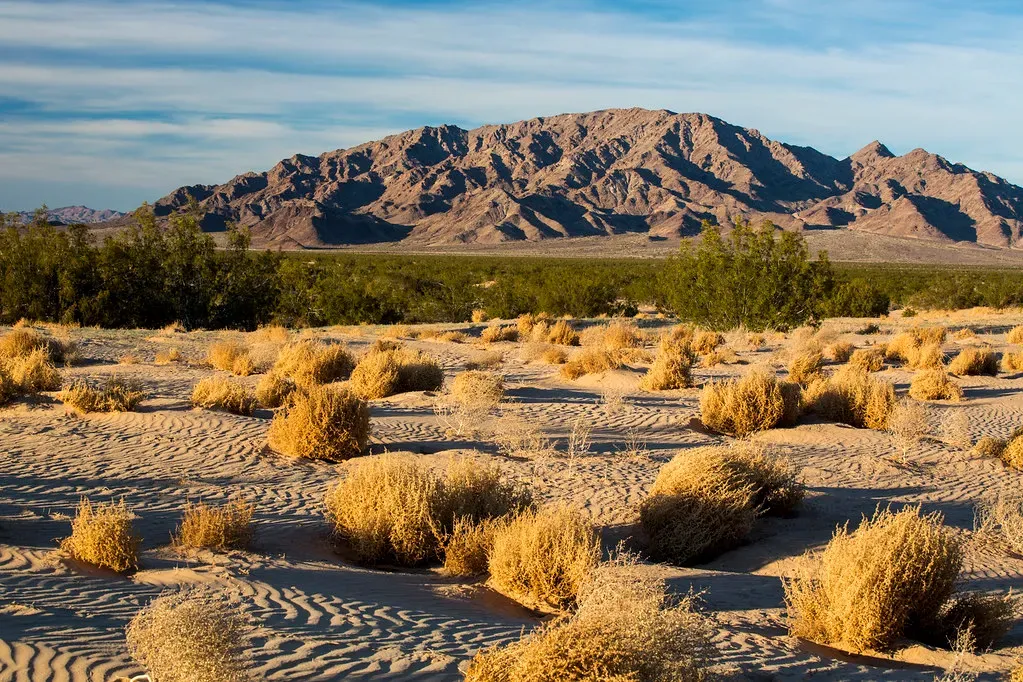
It shocks a lot of people to learn that by the time Europeans finally arrived, Native American trade routes had already been operating for thousands of years. Archaeologists have traced networks that stretch from the shores of the Atlantic deep into the interior of North America, and from the Arctic region all the way down into Central and South America. These routes weren’t just simple footpaths; they formed layered systems of river highways, portage trails, and seasonal roads that connected village to village, city to city.
In the Eastern Woodlands, for instance, goods could move along the Mississippi and Ohio River systems like freight on a watery interstate. In the Southwest, routes crossed deserts and mountain passes, linking Pueblo communities with coastal peoples in what’s now Mexico. When you step back and look at a map of known trade flows, you see nothing less than a continental nervous system. Messages, materials, and innovations pulsed through this system, turning what many still imagine as isolated “tribes” into deeply interconnected regions.
Luxury Goods That Traveled Thousands of Miles
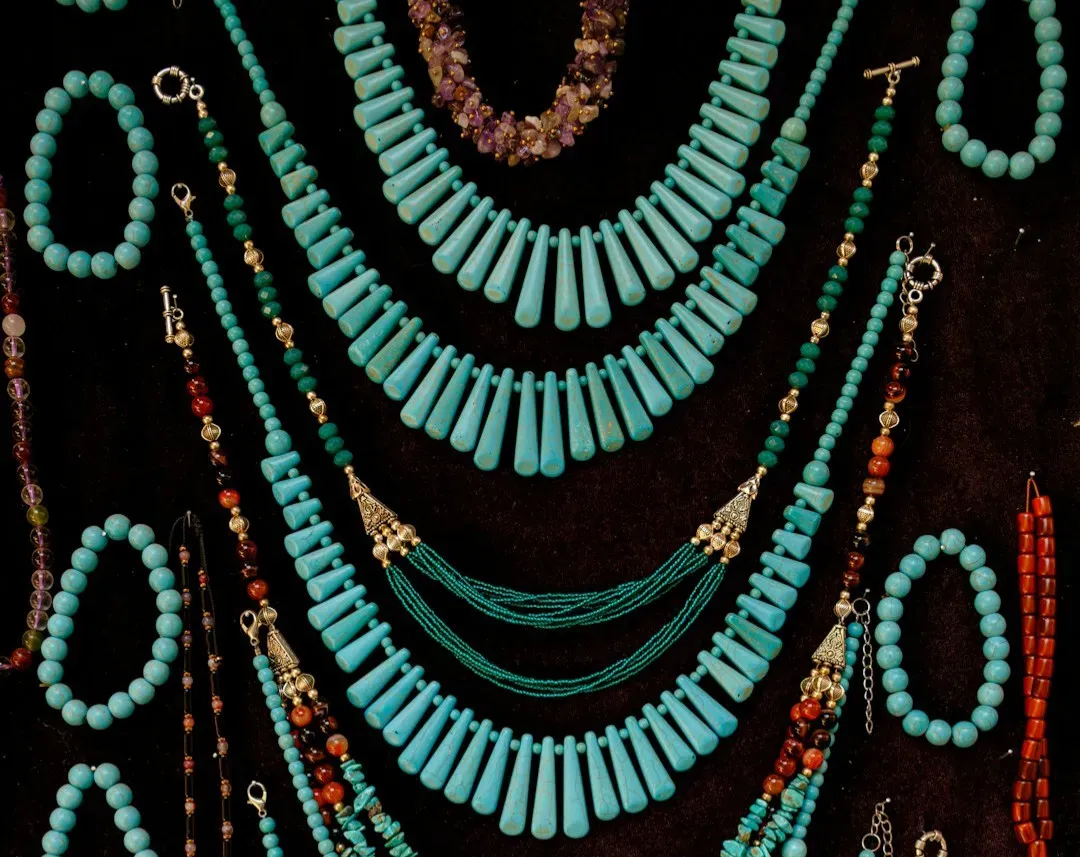
Some of the most striking evidence for these networks comes from luxury and ritual items that clearly did not originate where they were found. Marine shells from the Gulf of Mexico and Atlantic coast show up in the interior of the continent, hundreds and sometimes more than a thousand miles from the sea. Obsidian from specific volcanic sources in the West has been chemically traced to artifacts scattered across vast distances, confirming that people intentionally moved prized materials along established routes. These weren’t accidental or one-off trades; they were part of a recognized, ongoing exchange.
Equally remarkable is the movement of brightly colored stones, feathers, and exotic animals. Turquoise from the American Southwest made its way into Mesoamerican cities, while scarlet macaws raised in specialized aviaries appeared in Pueblo communities many miles north of their natural habitat. Cacao, the plant used to make chocolate, traveled from Central America into the Southwest as a prestigious drink for elites. These goods functioned much like fine wine or luxury watches do today: symbols of status, connections, and access to faraway worlds that most people could only imagine.
The Mississippian “Highways” and City Hubs
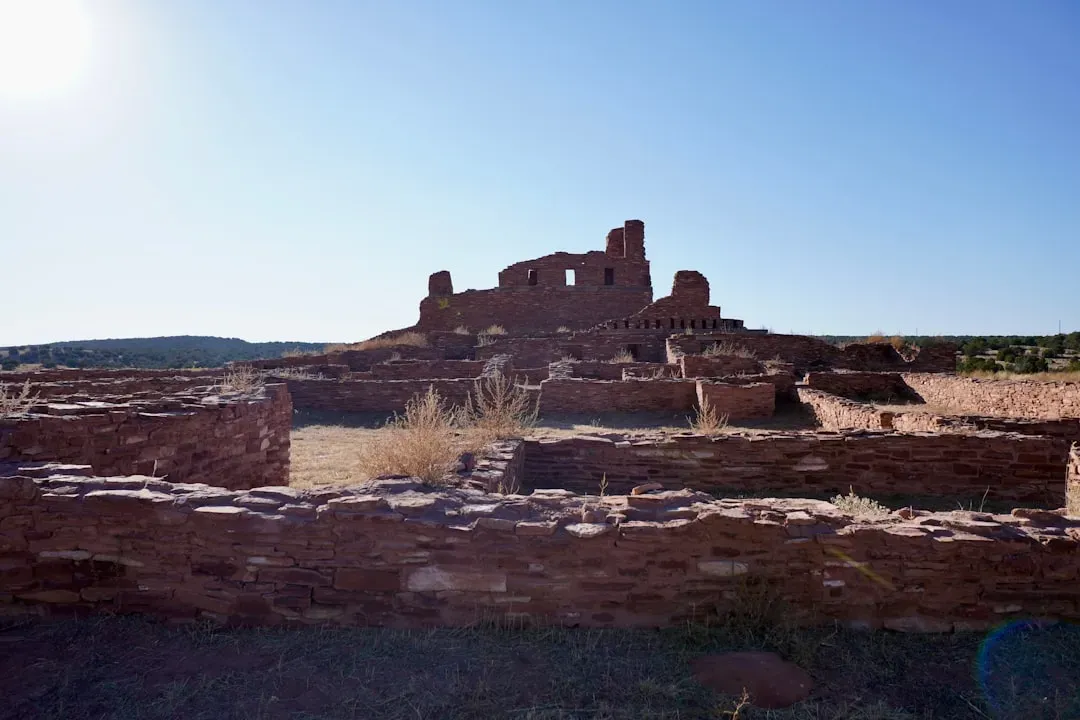
If there were economic “capitals” of ancient North America, the Mississippian cities were among the brightest. Places like Cahokia, near present-day St. Louis, rose as major hubs between roughly a thousand and seven hundred years ago. At its height, Cahokia was larger than many European cities of the same period, with grand plazas, monumental earthwork mounds, and dense neighborhoods. Archaeologists have found goods there that originated from the Great Lakes, the Gulf Coast, the Southeast, and the Plains, making it clear that thousands of people and enormous volumes of trade passed through the region.
The rivers were the lifeblood of this network. The Mississippi, Missouri, and Ohio rivers functioned almost like multi-lane freeways, moving canoes loaded with food, tools, raw materials, and luxury items. Markets likely buzzed with traders who spoke different languages but shared enough common practices to make deals, negotiate alliances, and renew friendships. When I first saw a map of Mississippian trade connections, it felt like looking at the flight routes of a modern airline: overlapping lines linking distant cities, each one representing countless journeys, stories, and bargains struck.
Ideas, Not Just Objects, on the Move
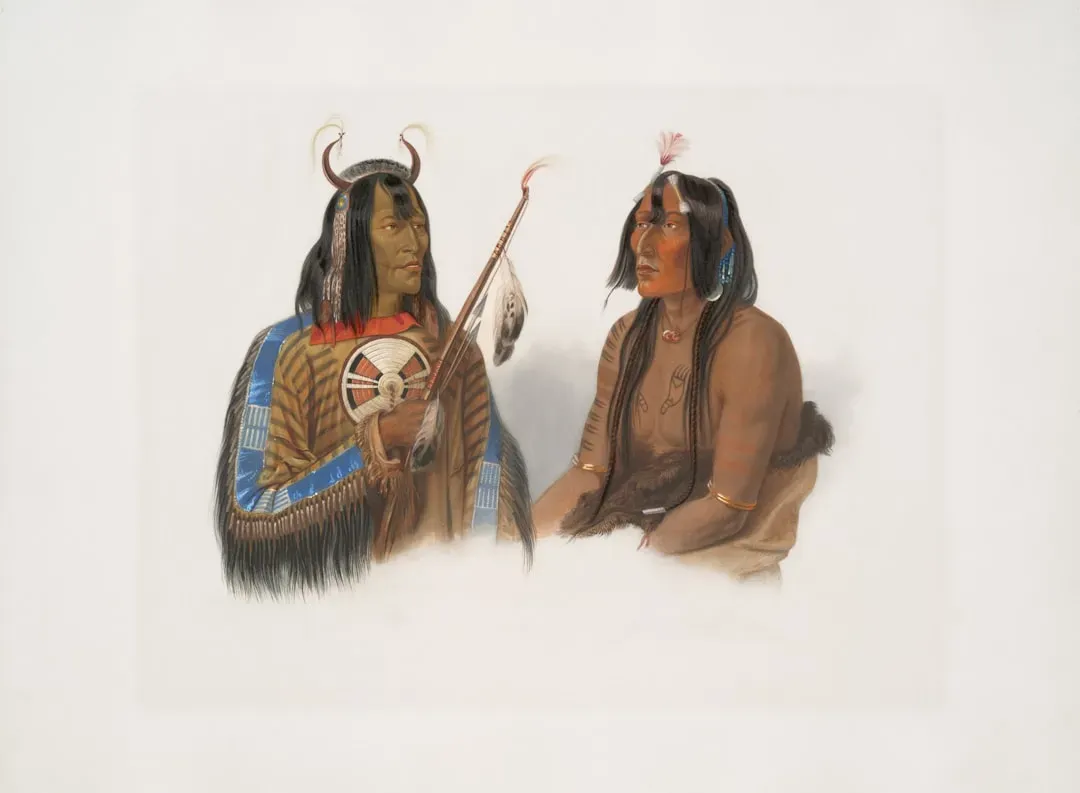
It’s tempting to think trade is only about stuff, but in ancient Native American networks, ideas were arguably even more valuable than goods. As people moved precious items like copper, shells, or obsidian, they were also carrying new religious symbols, architectural techniques, farming methods, and political models. Shared iconography, such as specific animal motifs or abstract designs, appears across regions separated by hundreds of miles, suggesting that cultural and spiritual concepts flowed along with the material exchanges.
You can almost imagine a trader stopping for the night in a distant village, trading not only his goods but stories about ceremonies in another land or how another community builds its homes or manages its fields. Over time, those stories can reshape how people think about the world, just as exposure to foreign films or social media does today. Many archaeologists believe that certain religious movements, like shared beliefs surrounding the sky, the underworld, and powerful animal beings, spread through these same pathways. Trade routes were, in a very real sense, highways of imagination and belief.
Beyond Barter: Complex Economies Without Coins
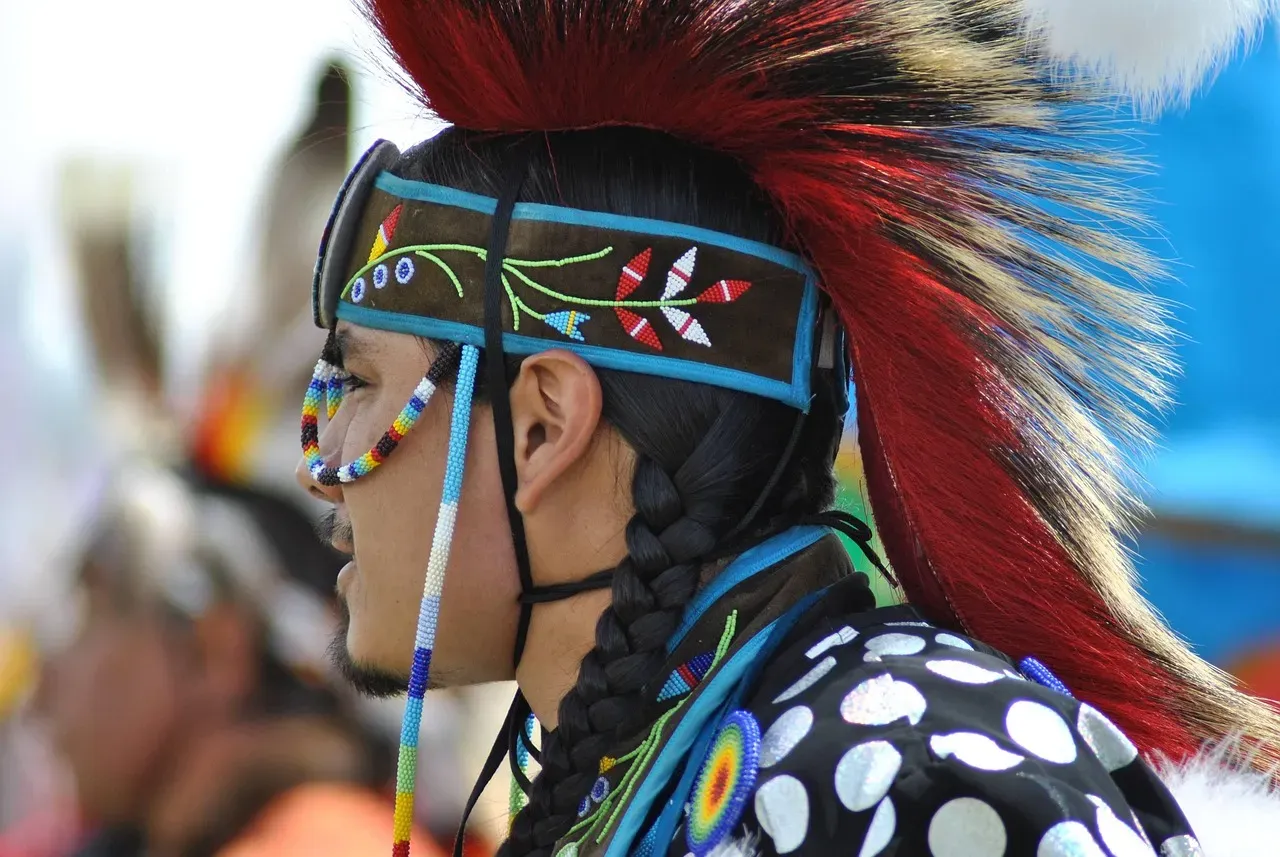
There’s a stubborn myth that Indigenous economies were just simple barter systems, like two people on a roadside trading a rabbit for a stone tool. The reality was far more sophisticated. While there weren’t metal coins in most of the Americas before Europeans, there were standardized forms of value: strings of shell beads, certain types of copper objects, finely crafted textiles, and other items that carried widely recognized worth. Some goods circulated almost like currency, used to settle debts, seal alliances, and pay for major obligations such as weddings or conflict reparations.
Reciprocity and long-term relationships played a key role too. Rather than one-time transactions, many exchanges relied on ongoing obligations: giving now with the understanding that something of equal or greater value would be returned later. This kind of system demands trust, memory, and social accountability, which in some ways is more human than digital balances on a banking app. When we think of “complex economies,” we often default to coins, banks, and written ledgers, but Native American trade networks show that you can achieve a similar level of nuance with social contracts, ritual obligations, and carefully crafted goods.
Intercontinental Links: From the Arctic to the Tropics
These networks weren’t confined to small regions; they stitched together nearly entire hemispheres. In the far north, Indigenous peoples traded furs, ivory, and carved objects along coastal and inland routes that hooked into Siberia through the Bering Strait, creating ancient links between Eurasia and North America. Far to the south, Mesoamerican civilizations like the Maya and later the Aztec participated in vast systems that stretched through Central America and into what is now the southwestern United States. Goods and ideas moved up and down this chain, blending Arctic ingenuity with tropical abundance in a way that feels surprisingly modern.
There is also compelling evidence that Andean civilizations were connected into broader South and Central American networks, with metals, textiles, and ritual items traveling over long distances. While the details are still being pieced together, the big picture is becoming clear: the Americas were not a patchwork of isolated cultures but a set of overlapping, intercontinental systems. When I think about this, the word “globalization” comes to mind, but with a twist: it was grounded far more in ecological knowledge, seasonal rhythms, and respectful relationships than in the pursuit of endless growth or profit.
Rethinking “Discovery” and Who Built Global Trade
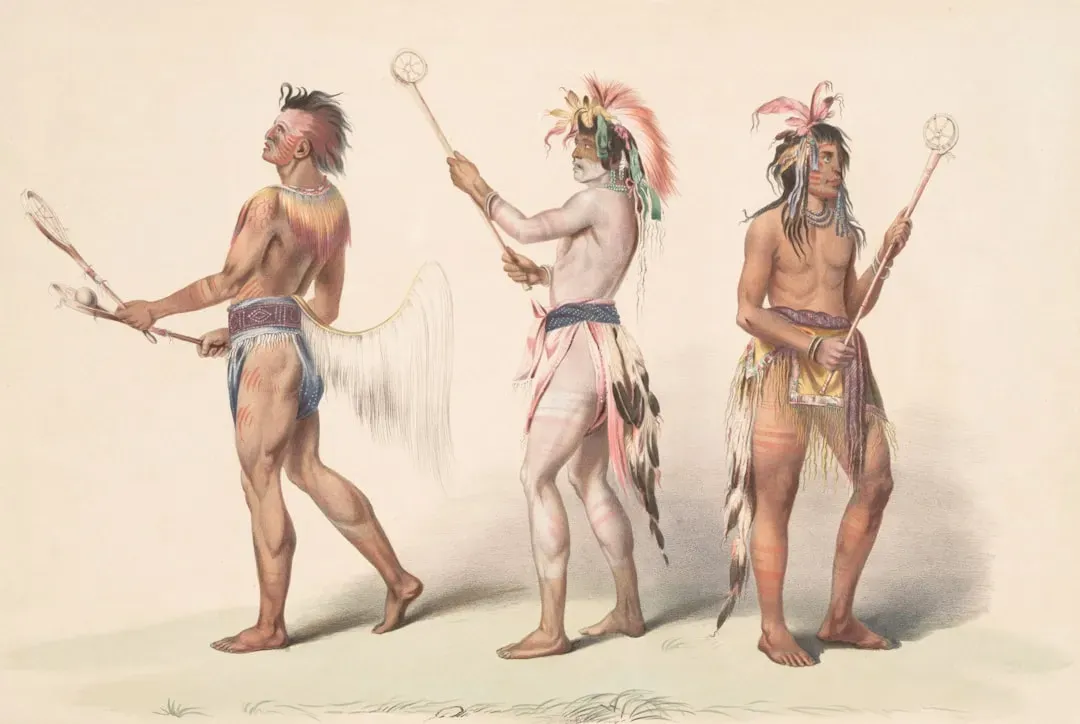
Seeing these trade networks for what they really were forces a pretty uncomfortable question: who actually built early global commerce? We’re taught that global trade bursts into history with European expansion, but massive, long-distance exchanges were already thriving in the Americas, in Africa, and across Asia long before European ships circled the globe. Ancient Native American networks show that people were capable of sophisticated, large-scale economic systems without European technologies, written contracts, or centralized empires in the familiar Old World mold.
That realization doesn’t just rewrite a historical footnote; it asks us to rethink who we credit with human progress. Instead of viewing Indigenous peoples as passive recipients of “civilization,” we have to recognize them as innovators who designed resilient, sustainable trade webs over centuries. Those webs linked diverse languages, landscapes, and lifeways into something bigger than any single culture. When you look at a shell from the Gulf Coast found in a burial site near the Great Lakes or a piece of Mesoamerican cacao residue in a Southwestern vessel, it becomes harder to cling to the old story that global trade began only when European sails appeared on the horizon.
Lessons From an Ancient, Interconnected World
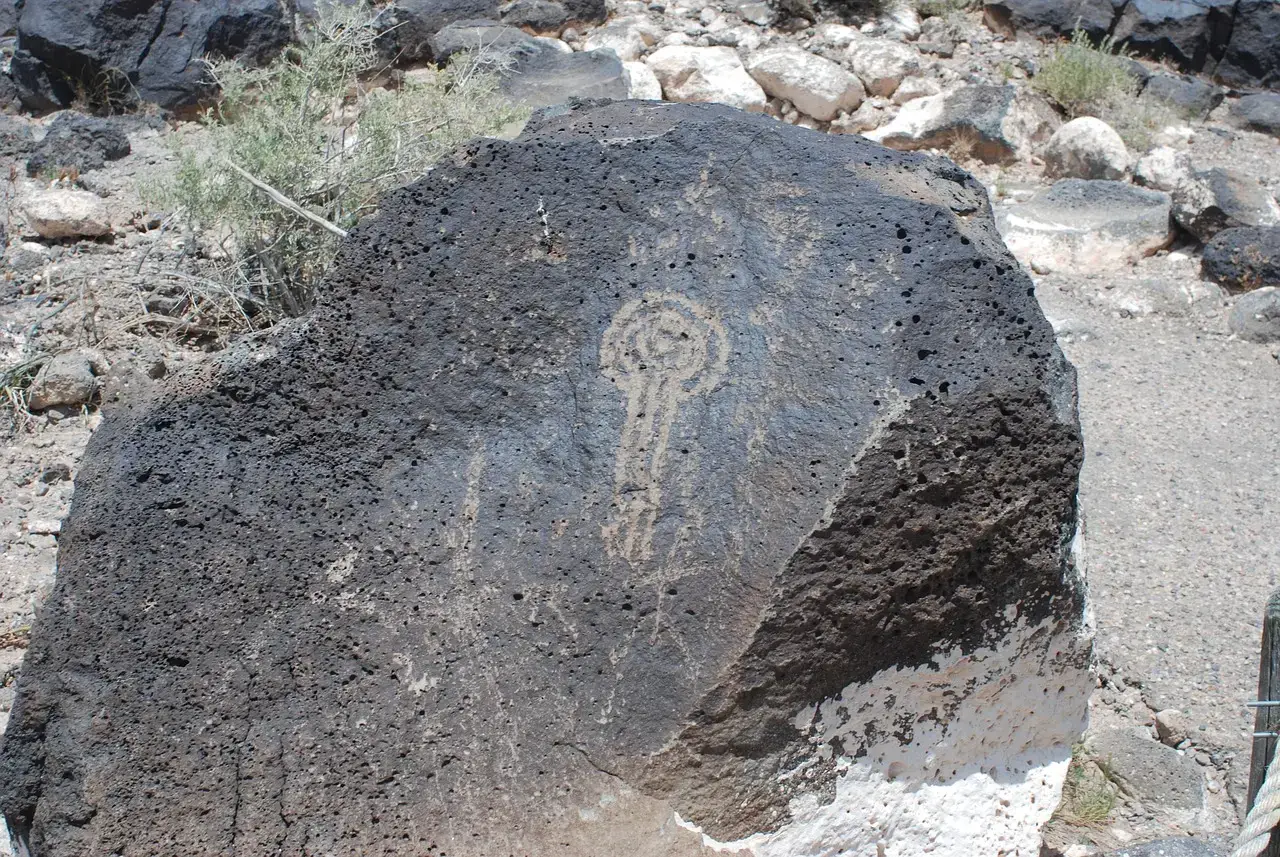
What makes these ancient Native American networks so compelling today is not just how vast they were, but how differently they balanced power, wealth, and responsibility compared with many modern systems. Trade supported social cohesion, spiritual life, and ecological knowledge, not just personal enrichment. Goods often carried ceremonial meaning and were anchored in relationships to land, ancestors, and community. That doesn’t mean everything was peaceful or equal, but it does suggest a very different set of priorities shaping early continental commerce.
As we wrestle in the present with fragile supply chains, climate disruption, and deep economic inequality, there’s something humbling about knowing that long before stock markets and cargo ships, people across the Americas already managed long-distance exchange in ways that lasted for generations. They built trust without banks, coordination without algorithms, and connectivity without erasing local identities. In a world that often insists there’s only one way to be modern or advanced, their story quietly asks a sharp question: what if we’ve been underestimating just how global, and how wise, the ancient world really was?