
You wake up in the morning. Suddenly, you’re aware. Your eyes register the morning light streaming through your window, your mind assembles thoughts, and there you are, experiencing it all. Yet here’s the thing that keeps scientists up at night: no one can pinpoint exactly when that spark of awareness actually ignites. Not in evolutionary history, not in human development, and certainly not in the firing patterns of neurons.
It’s hard to say for sure, but this question might be the most profound mystery we’ve ever tackled. Think about it this way: you can explain how a brain processes information, how neurons connect and communicate, even how memories form. What you can’t explain is why any of it feels like something. Let’s be real, when you taste chocolate or feel pain, there’s an inner experience happening. Where does that come from?
The Hard Problem That Won’t Go Away
Questions about the nature of consciousness remain among the most perplexing areas of modern scientific research, with implications for both the human mind and our broader concept of reality. Philosophers call it the “hard problem” because unlike explaining brain functions or behaviors, explaining subjective experience seems to require something entirely different. You could theoretically understand every single neuron in someone’s brain and still not grasp why their experience of seeing red feels the way it does.
Consciousness is famously a “hard problem” of science: We don’t precisely know how the physical matter in our brains translates into thoughts, sensations, and feelings. The challenge isn’t just technical. It’s conceptual. Even with the most powerful brain scanners and sophisticated theories, we’re trying to bridge a gap between objective measurements and subjective feelings.
Competing Theories Battle for Dominance
Two heavyweight theories have emerged to explain consciousness, each taking radically different approaches. An experiment seven years in the making has uncovered new insights into the nature of consciousness and challenges two prominent, competing scientific theories: Integrated Information Theory (IIT) and Global Neuronal Workspace Theory (GNWT). Global Neuronal Workspace Theory suggests consciousness functions like a spotlight on a stage, broadcasting information throughout the brain when something enters awareness. Meanwhile, Integrated Information Theory takes an almost mathematical approach, arguing that consciousness emerges wherever information becomes sufficiently integrated within a system.
The result, published in full in April 2025 in Nature, was effectively a draw and raised far more questions than it answered. Neither theory came out on top when researchers at the Cogitate Consortium conducted a massive head-to-head test. Instead, what they discovered was messier and more interesting than anyone expected. Scientists discovered that how we see may be more central to consciousness than how we think.
The Brain Doesn’t Run Programs Like Computers Do
Honestly, one of the most exciting developments lately challenges our tendency to think of brains as biological computers. Consciousness emerges as something that emerges from a special kind of computing matter, not from running the right program. Recent research proposes something called biological computationalism, which sounds technical but is actually quite intuitive.
The algorithm is the substrate. The physical organization does not just support the computation; it constitutes it. Your brain isn’t executing software on hardware. The physical processes themselves are the computation. This matters because it suggests you can’t simply copy consciousness by replicating functional patterns. The specific biological machinery might be essential.
When Does It Begin in Human Development
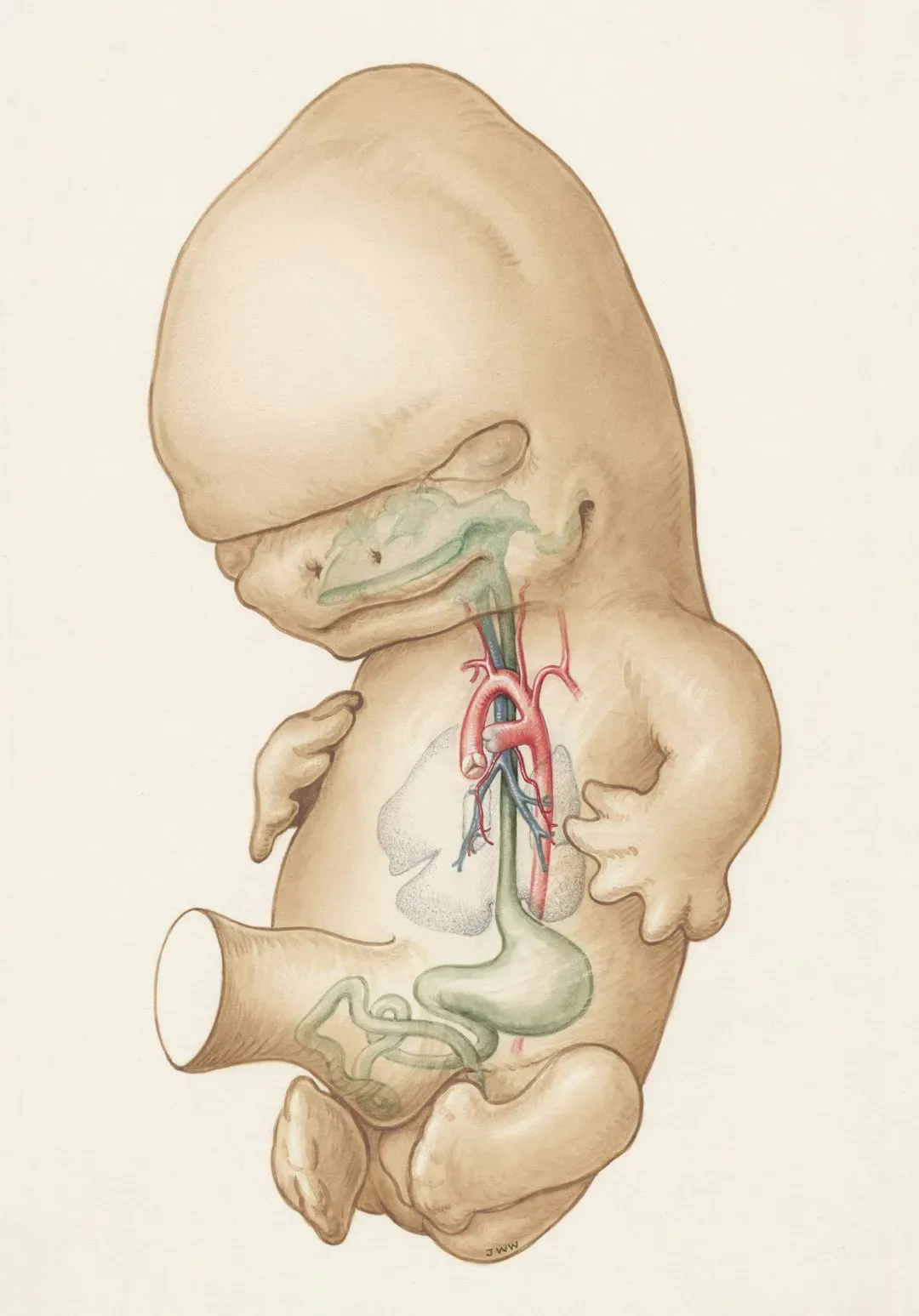
Perhaps nowhere is the puzzle more urgent than figuring out when consciousness first emerges in a developing human. Its neural correlate emerges around 24 weeks of gestation in the human foetus, when the nerves from the sensory organs are connected to the cortex via the thalamus. This timing has massive implications for medical ethics, premature infant care, and our understanding of fetal experience.
Using fetal magnetoencephalography (MEG), Moser and her team discovered that a version of this response could be found not only in newborns but also in 35-week-old fetuses. The evidence points toward some form of awareness emerging in late pregnancy, though what that experience actually feels like remains unknowable. A newborn infant is aroused and wakes up at birth, due to the enormous sensory stimulation and stress that it undergoes during the transition from an aquatic environment to air. Birth itself might represent a dramatic threshold in conscious experience.
Neural Correlates Point to Posterior Brain Regions
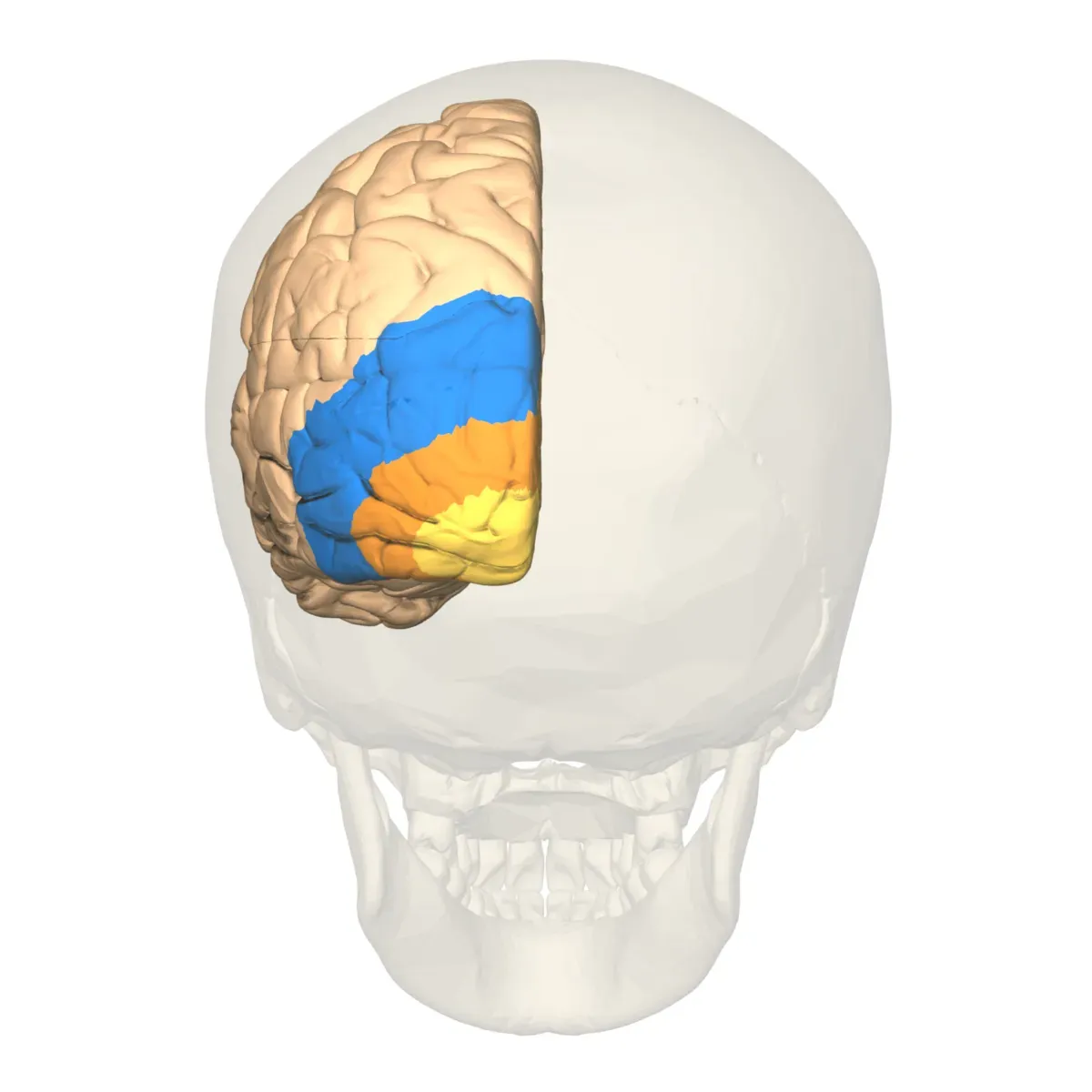
For years, neuroscientists have been hunting for the physical substrate of consciousness in the brain. Recent findings showing that the anatomical neural correlates of consciousness are primarily localized to a posterior cortical hot zone that includes sensory areas, rather than to a fronto-parietal network involved in task monitoring and reporting. This challenges older ideas that consciousness depends heavily on frontal brain regions involved in planning and executive control.
Here’s the thing: the back of your brain, where visual and sensory processing happens, seems more crucial to generating conscious experience than the front regions involved in complex thinking. Lateral and ventral occipitotemporal activity has been shown to correlate with visual consciousness, including in no-report conditions. That finding holds even when people aren’t reporting what they experience, suggesting these areas aren’t just involved in communication but in consciousness itself.
Why the Cerebellum Gets Left Out
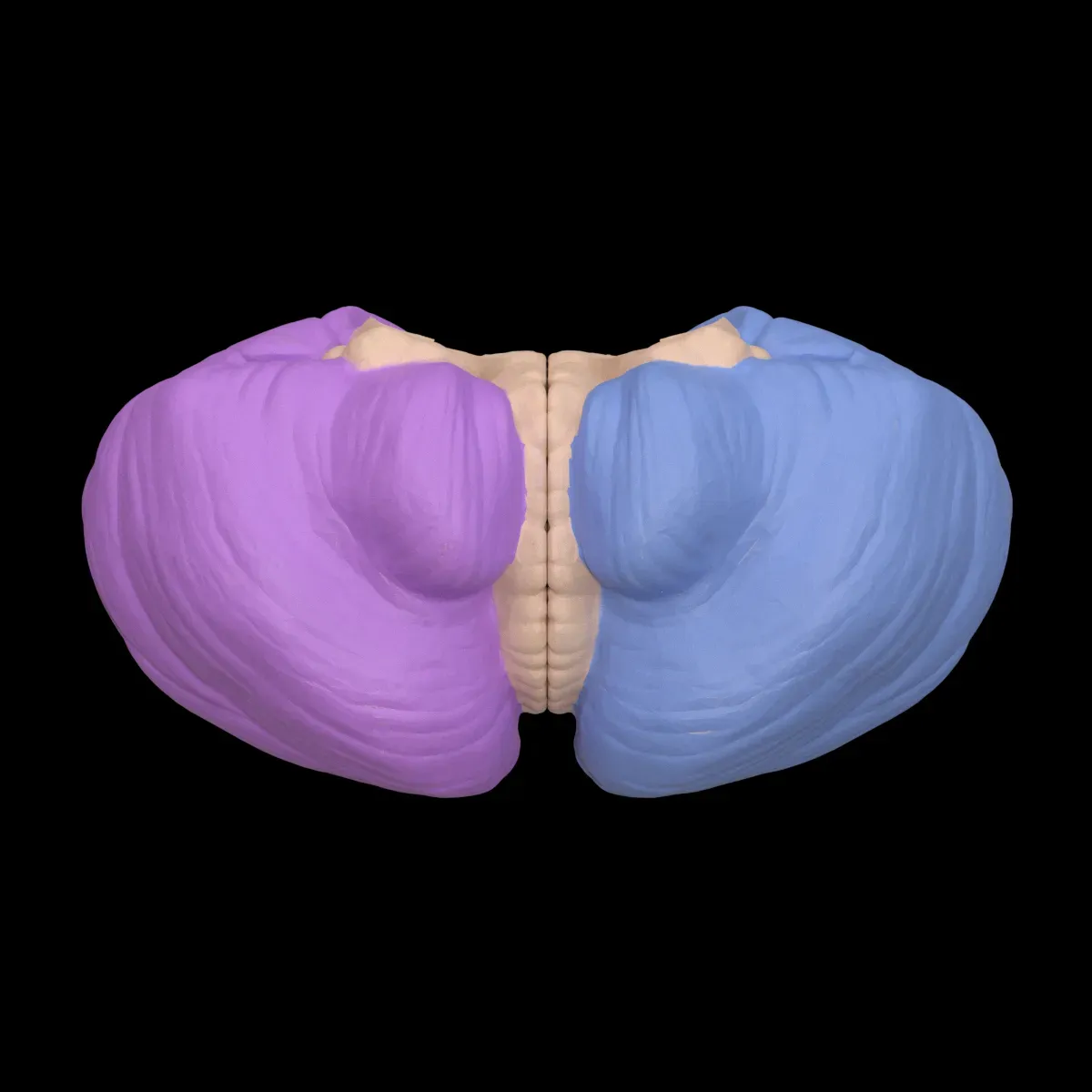
There’s a puzzle hiding in plain sight at the base of your skull. The cerebellum contains more neurons than the cerebrum – 69 billion of the brain’s total of 86 billion or so. So why is the cerebellum not more conscious than the cerebrum? You’d think more neurons equals more consciousness, right? Wrong.
IIT gives an answer: more neurons equals more information, but not more integration. A closer look at the cerebellum reveals that its neurons are far less interconnected than in the cerebrum. The cerebellum handles crucial functions like balance and coordination, but its architecture consists of relatively isolated processing modules. It’s complicated without being integrated, which according to some theories means it contributes little to conscious experience. Kind of wild when you think about it.
Evolutionary Origins Stretch Back Millions of Years

The neurobiological structure of the vertebrate central nervous system is evolutionarily ancient and highly conserved across species and that the basic neurophysiologic mechanisms supporting consciousness in humans are found at the earliest points of vertebrate brain evolution. Consciousness didn’t suddenly pop into existence with humans. It evolved gradually, with roots extending deep into our evolutionary past.
Consciousness evolved in stages, starting with basic survival responses like pain and alarm, then expanding into focused awareness and self-reflection. Simple organisms might possess rudimentary forms of awareness tied to immediate survival needs. As brains grew more complex, consciousness became richer and more layered. Most consciousness researchers now reject the notion that only humans have consciousness. The evidence increasingly suggests many animals experience their own versions of subjective awareness, though probably quite different from ours.
New Tools Offer Hope for Breakthroughs
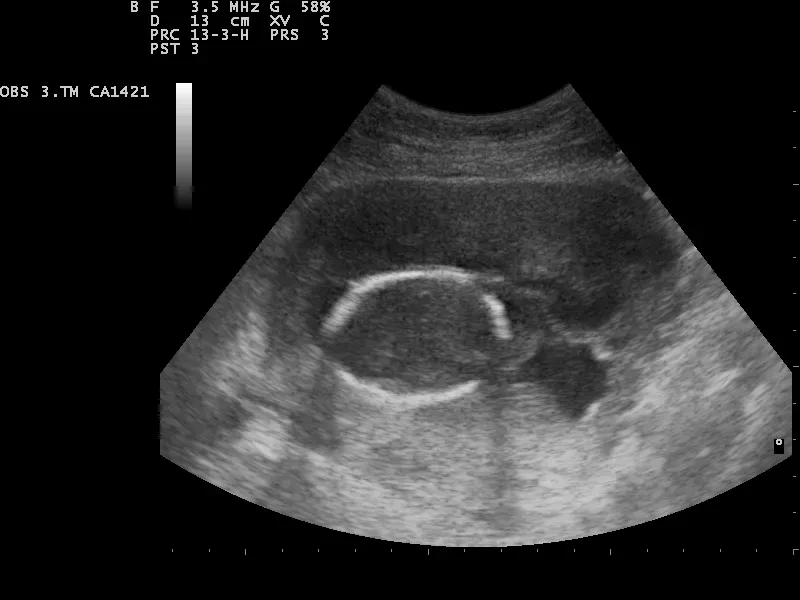
An emerging research tool called transcranial focused ultrasound may enable researchers to learn more about the phenomenon. Now, two MIT researchers are planning experiments with it, and have published a new paper they term a “roadmap” for using the tool to study consciousness. This technology allows scientists to temporarily modulate activity in specific brain regions of healthy volunteers, something previously impossible without surgery.
“Transcranial focused ultrasound will let you stimulate different parts of the brain in healthy subjects, in ways you just couldn’t before. This is a tool that’s not just useful for medicine or even basic science, but could also help address the hard problem of consciousness.” By carefully targeting different brain areas and observing how consciousness changes, researchers hope to map which regions are truly necessary for different aspects of awareness. The next few years might bring answers we’ve been chasing for decades.
Integration Matters More Than You’d Think
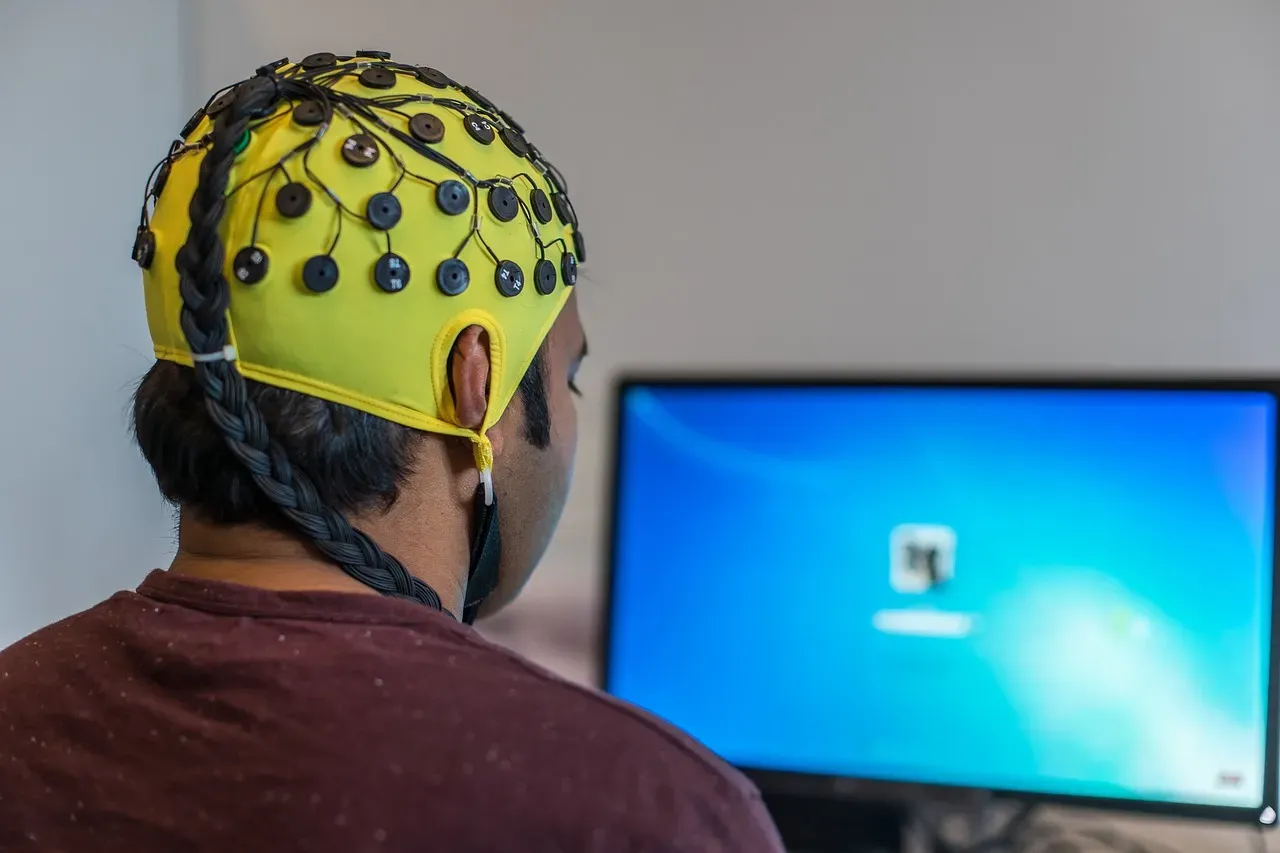
Only a small section of intact corpus callosum – the bundle of nerves that connect the left and right hemispheres of the brain – can be enough to sustain full integration of the two halves of the brain. Recent findings from split-brain research have revealed something remarkable about how consciousness maintains its unity. Even minimal connections between brain hemispheres can preserve integrated awareness.
The essential feature of such networks is the existence of strong correlations in the system (classical or quantum coherence) and the presence of an optimal point at which the system’s complexity and energy dissipation are maximized, whereas free-energy is minimized. Consciousness seems to require a delicate balance. Too much integration and you get rigid, inflexible processing. Too little and awareness fragments or disappears entirely. The sweet spot involves dynamic patterns where different brain regions communicate fluidly while maintaining their specialized functions.
The Mystery Deepens, Not Resolves
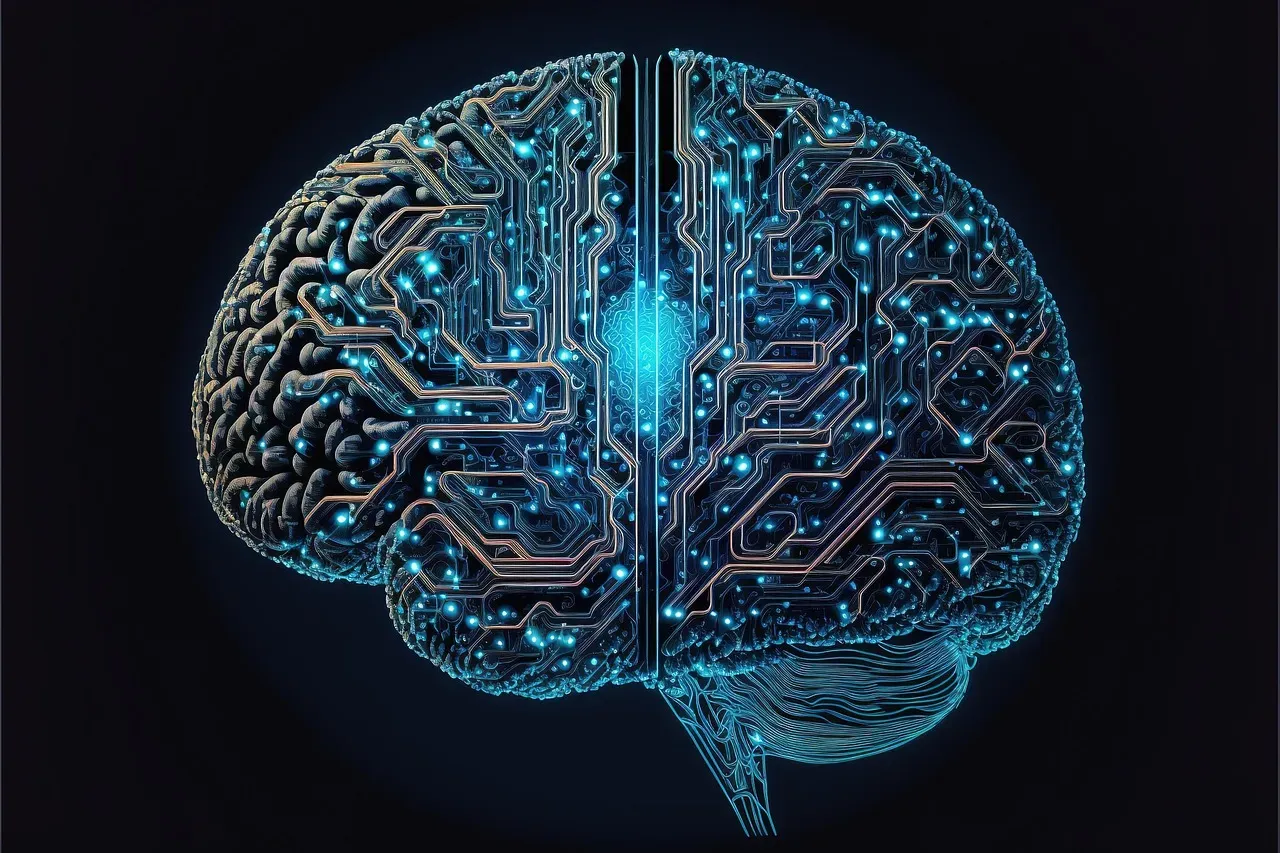
In 2025, many new thresholds in this complex area of study were crossed, with empirical inquiry into our questions about the nature of consciousness occurring within fields such as neuroscience, psychology, and medicine. Many advancements in this area over the last year have also challenged long-held assumptions about where and how consciousness originates. The more we learn, the more questions emerge. That’s not discouraging though; it’s exactly how science progresses with truly difficult problems.
We still can’t say precisely when consciousness arises in evolution, development, or neural processing. We’re stuck in “methodological agnosticism”: we can’t prove AI isn’t conscious, but the science increasingly suggests silicon can’t support it. What we do know is that consciousness involves complex integration of information, depends on specific brain architectures, and emerges gradually rather than switching on like a light bulb. The exact moment remains elusive, hiding somewhere in the intricate dance of neurons, the physical structure of brains, and the mysterious leap from matter to mind. Will we ever find it? Hard to say, but the search itself is revealing truths about what it means to be aware, alive, and human.
What’s your take on when consciousness truly begins? Does the question even make sense, or are we asking the wrong thing entirely?