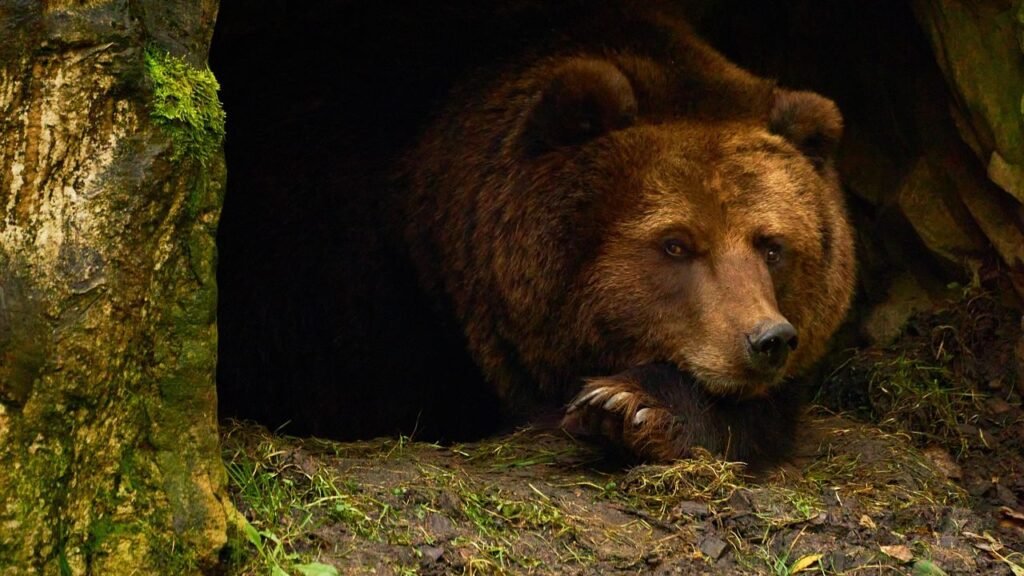

You’ve probably heard about bears sleeping through winter or squirrels disappearing into their burrows when the first snow falls. These stories of seasonal slumber might seem quaint, almost storybook-like. Yet what if I told you that some creatures push this survival strategy to limits that sound more like science fiction than biology? Imagine being frozen solid for decades, your heart completely stopped, ice crystals forming in your blood. Then, when conditions improve, you simply thaw out and carry on with life as if nothing happened.
This isn’t fantasy. Across our planet, certain animals have evolved the ability to enter states of suspended animation that last not just months, but years, even millennia. Their bodies essentially pause time, defying what we thought were the hard limits of survival. These remarkable hibernators are rewriting the rules of biology and opening doors to questions we never thought to ask.
When Months Turn Into Years: The Edible Dormouse
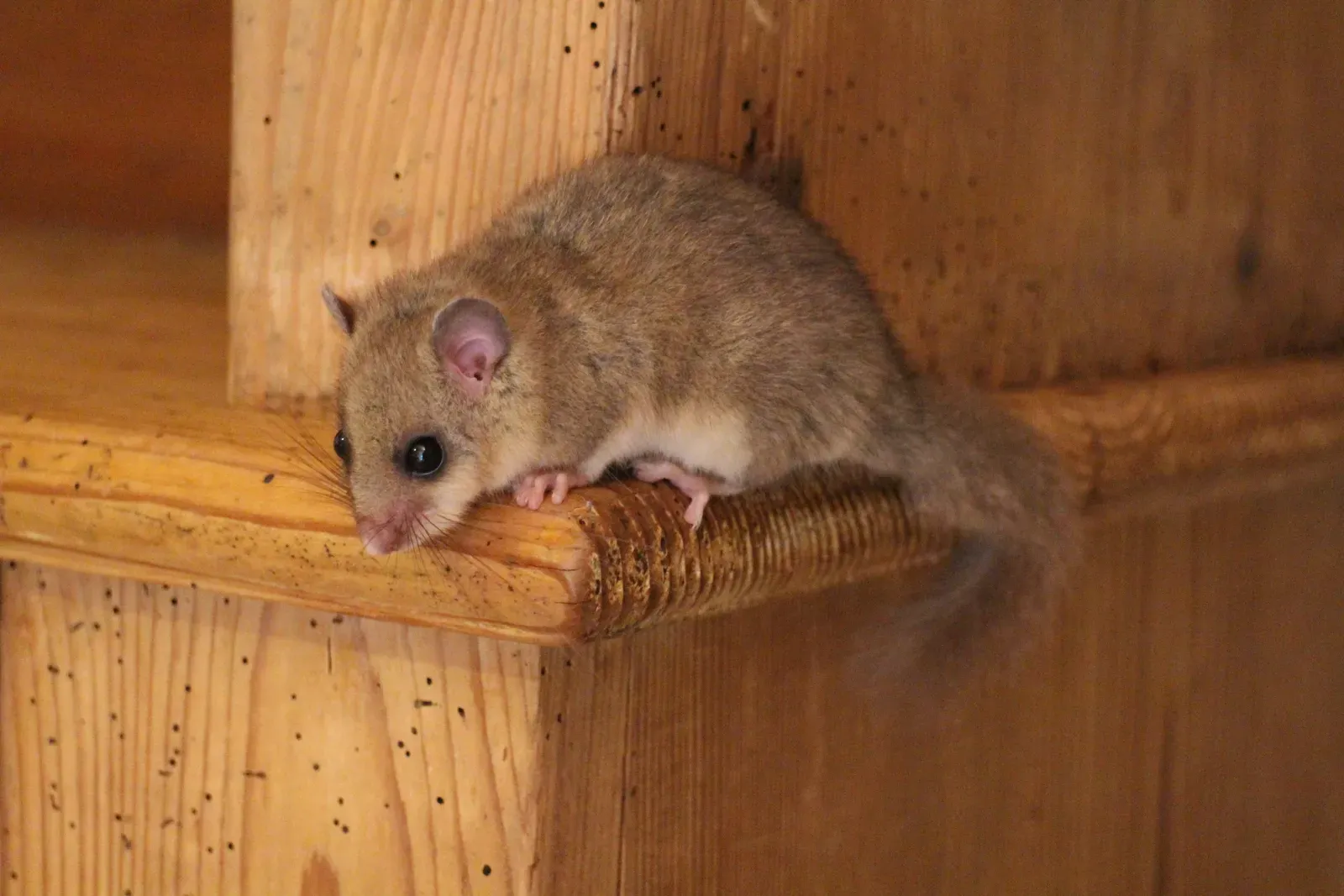
Let’s be real, when most people think of long hibernation, they picture maybe five or six months max. The edible dormouse can stay dormant for more than 11 months at a time in the wild, which is honestly mind-boggling when you think about it. These small rodents, found across Europe, have mastered the art of metabolic shutdown to a degree that puts other mammals to shame.
To pull that off, they have to double or even triple their body weight while active. That’s not just eating a bit extra before winter. That’s a deliberate, intense feeding frenzy where their entire existence revolves around packing on fat reserves. Imagine spending nearly your entire waking life preparing for one long sleep, then actually doing it successfully year after year.
Arctic Ground Squirrels: Freezing From the Inside Out
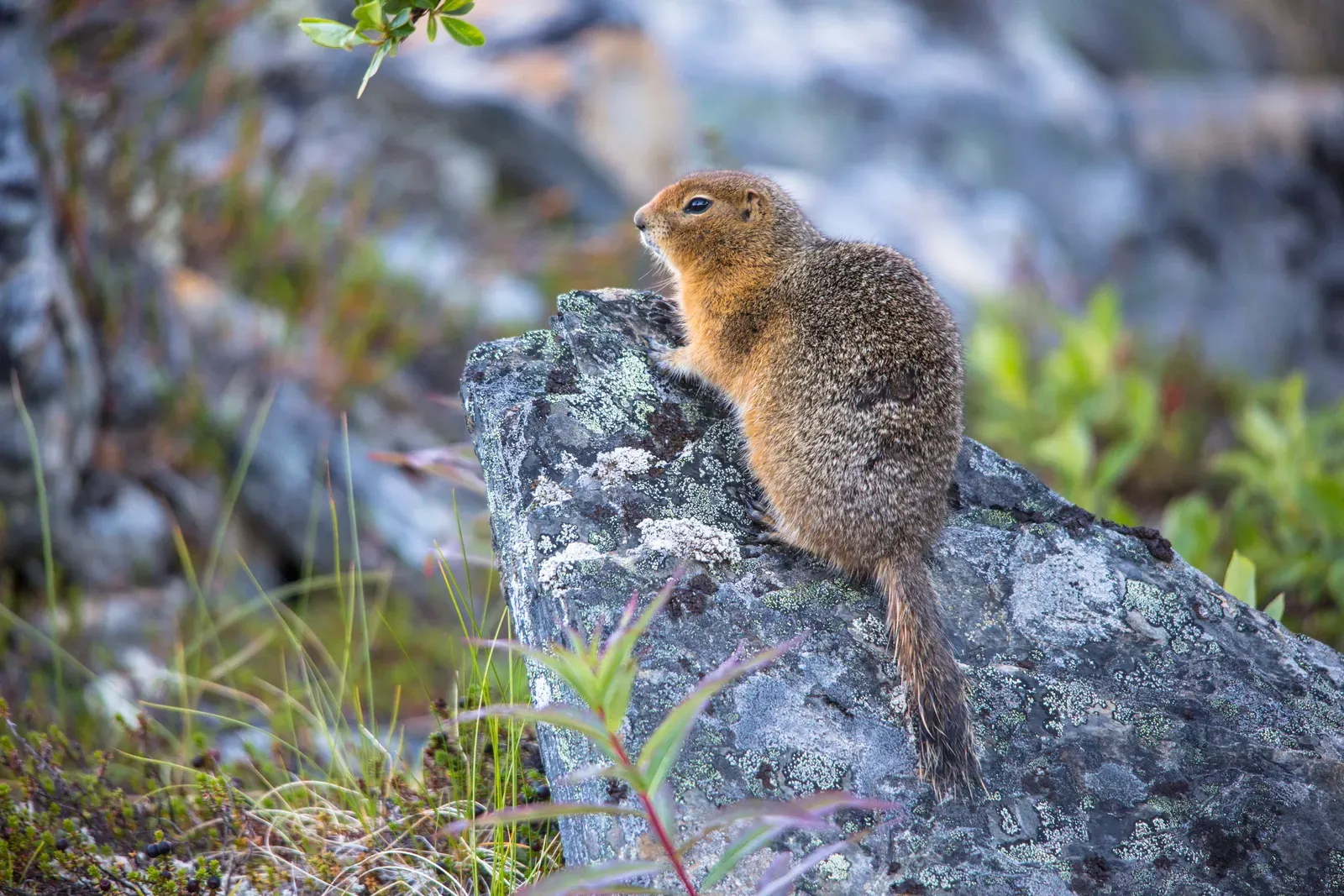
Here’s where things get truly wild. The Arctic ground squirrel holds the record for the longest hibernation, hibernating for up to 8 to 9 months, but it’s not just the duration that’s remarkable. Arctic ground squirrels, who usually have a body temperature of 99 degrees Fahrenheit, can drop as low as 27 degrees Fahrenheit. Think about that for a second. That’s below freezing. Their bodies literally get colder than ice.
While hibernating, an Arctic ground squirrel’s heart beats just once per minute. One beat. Sixty seconds. It’s hard to imagine how an animal survives with such minimal circulation, yet they do it for the better part of a year. The sheer biological orchestration required to pull this off without dying is something scientists are still trying to fully understand.
Wood Frogs: Actually Frozen, Actually Alive
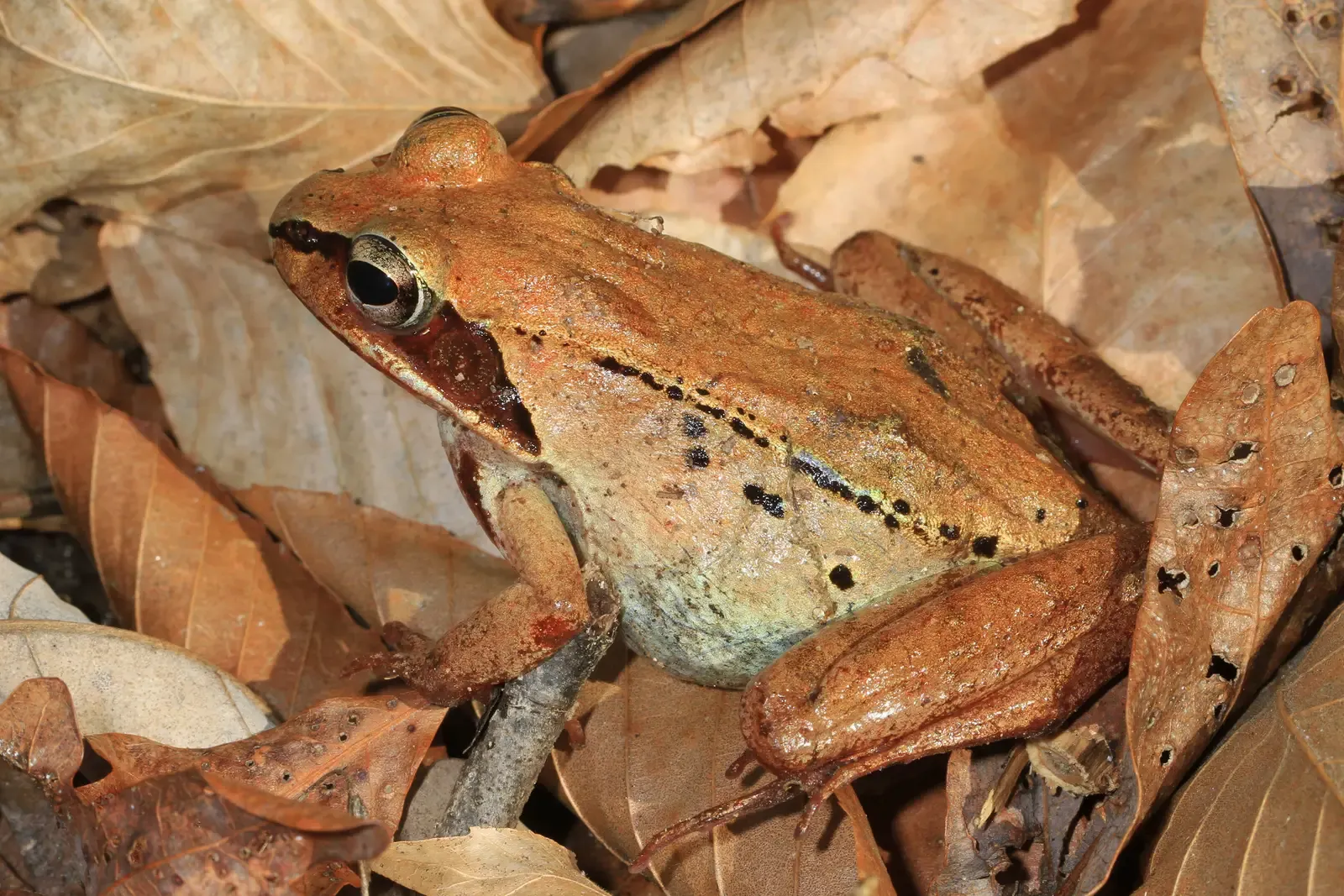
If you thought the squirrels were extreme, wood frogs take it to another level entirely. Research shows that the wood frog’s deep freeze period can extend up to seven months a year, and during this time something truly bizarre happens. Up to 70 percent of a wood frog’s body water can freeze solid, and its heart stops beating entirely.
Let me emphasize that: their hearts actually stop. What saves them from ice damage are special antifreeze-like compounds, mainly glucose and urea, that flood their cells and protect tissues from crystallization. When spring arrives, these frogs simply thaw out, their hearts start beating again, and they hop away like nothing happened. It’s the kind of biological resurrection that challenges everything we thought we knew about the line between life and death.
Snails and the Ultimate Waiting Game
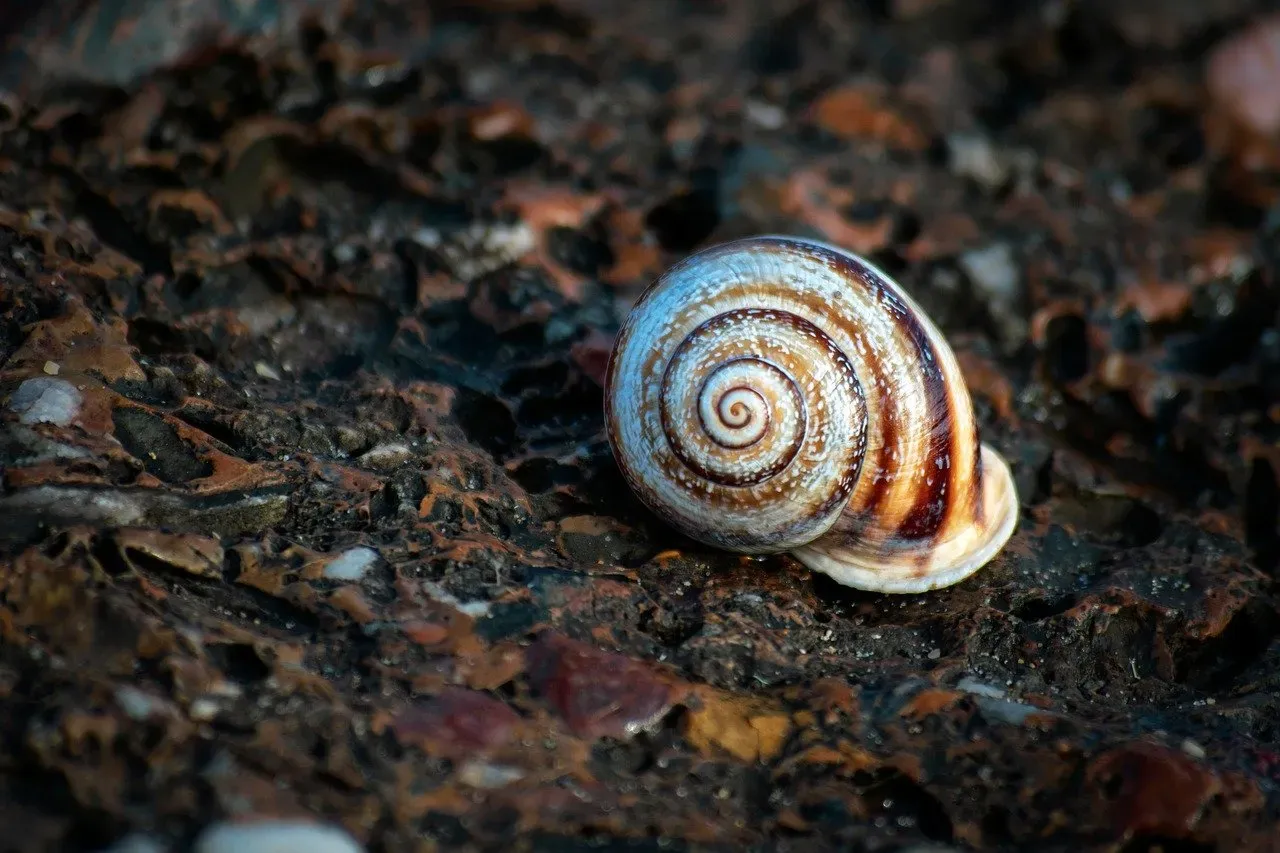
Hibernating snails retreat into their shells and close up the opening, so they use virtually no energy, and in particularly dry areas, some snails have been known to hibernate for years. Not months. Years. Plural. These unassuming mollusks can essentially hit pause on life and wait out unfavorable conditions for extraordinary lengths of time.
Their strategy is elegantly simple yet devastatingly effective. By sealing themselves inside their shells with a layer of dried mucus, they create a microenvironment that protects them from desiccation and extreme temperatures. The metabolic slowdown is so profound that they can survive without food, water, or even much oxygen for extended periods that would kill most other animals within days.
Ancient Organisms Frozen for Millennia
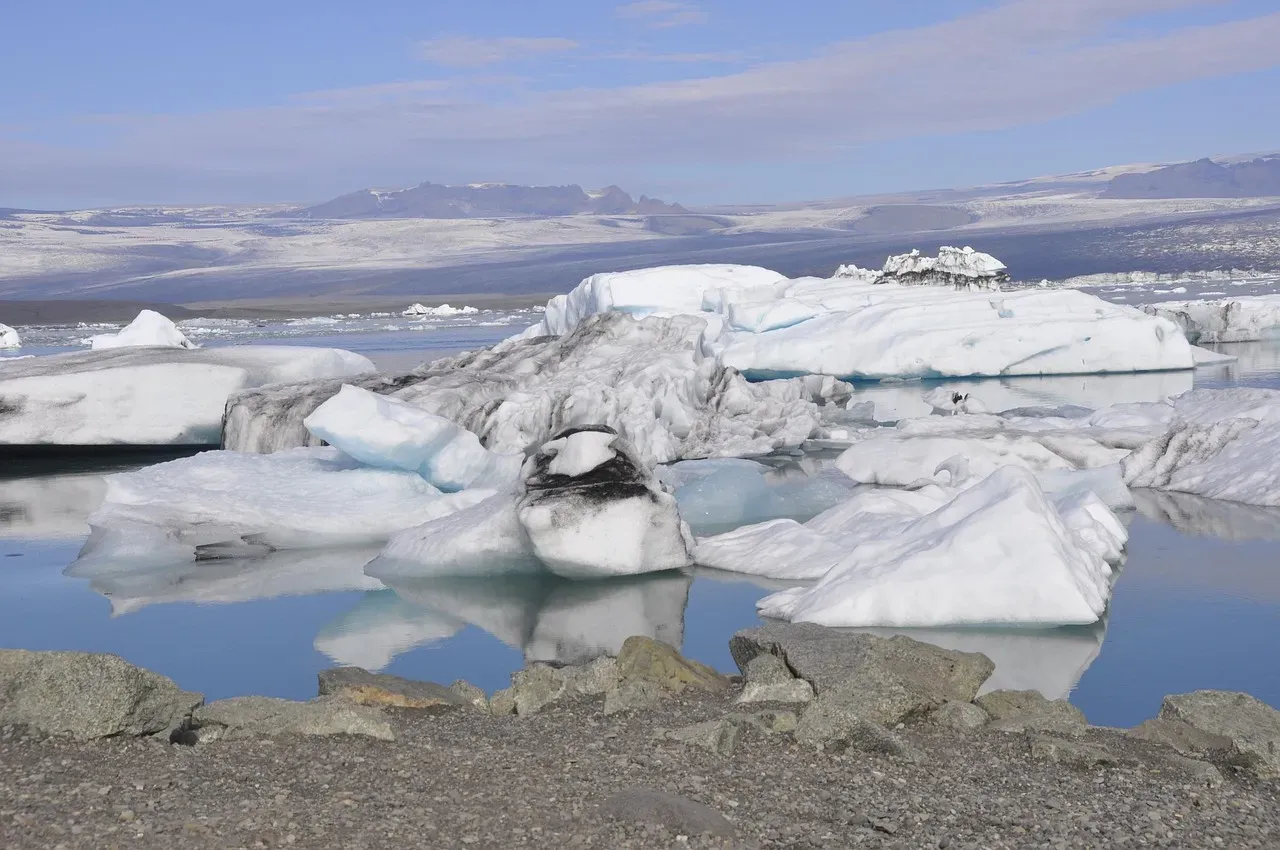
Now we’re entering territory that sounds impossible. Scientists have discovered organisms that weren’t just hibernating in the traditional sense, they were frozen solid in permafrost for thousands of years. Scientists revived ancient nematode worms that had been frozen in Siberian permafrost for over 46,000 years, and these tiny creatures emerged from their long slumber after a gentle thawing process, resuming their normal behaviors.
Forty-six thousand years. That’s not a typo. Scientists were able to revive a tiny, multicellular animal called a bdelloid rotifer that had been frozen in the Siberian permafrost for 24,000 years, and the microscopic critter was even able to reproduce. These aren’t just dormant cells we’re talking about. These are complex organisms with nervous systems and organs that were completely frozen, then brought back to life and immediately started reproducing as if they’d just been asleep overnight.
The Biological Mechanisms Behind Extended Hibernation
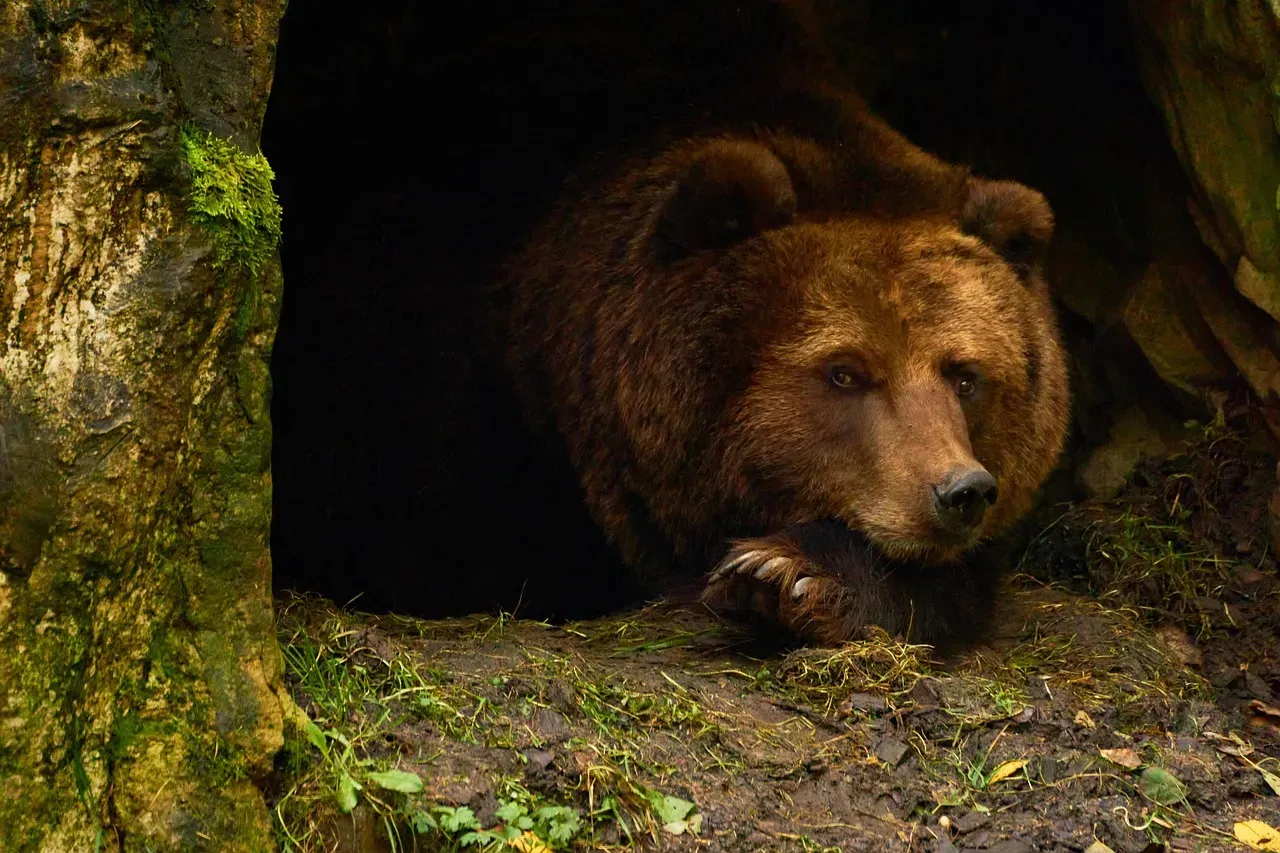
So how exactly do these animals pull off what seems biologically impossible? Some mammalian hibernators live up to 9.8 times higher than their expected average lifespan, and this increase is attributed to their ability to hibernate and greatly reduce their metabolic rate to a fraction of their normal rate while initiating cytoprotective responses. It’s not just about getting cold and slowing down. It’s a coordinated molecular dance.
Hibernators display powerful metabolic and protective mechanisms, including thermogenesis and cold resistance, and during arousals, body temperature rapidly rises from 1 degree Celsius to 40 degrees Celsius requiring tight thermoregulation. Their bodies don’t just passively shut down. They actively protect themselves at the cellular level, producing special proteins and compounds that prevent damage from freezing, oxygen deprivation, and the buildup of metabolic waste products that would normally be toxic.
What This Means for Science and the Future
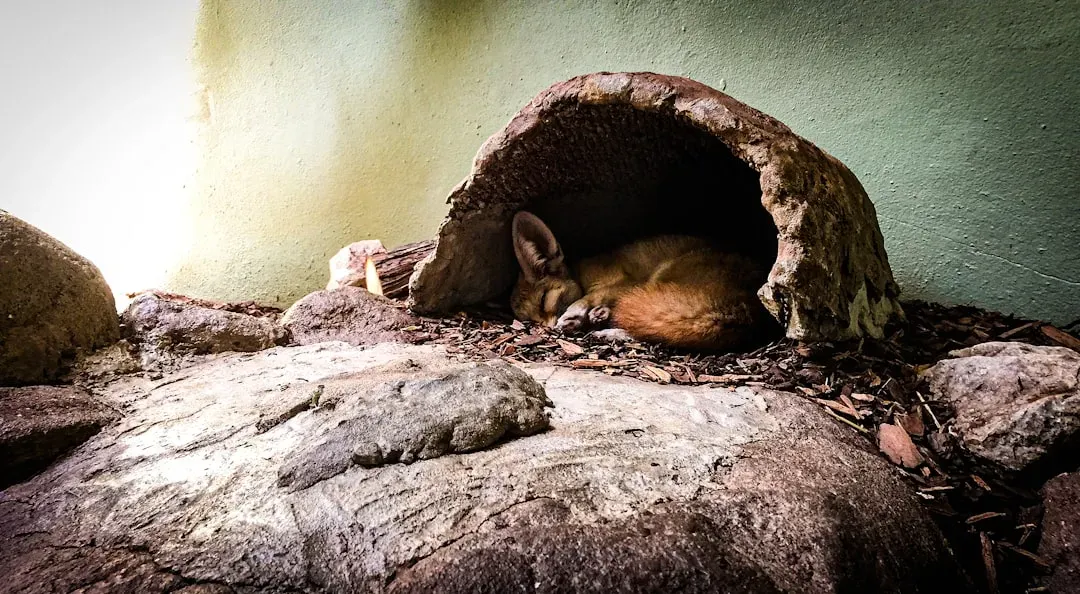
The implications of understanding these extreme hibernators extend far beyond satisfying scientific curiosity. Recent studies using epigenetic clocks suggest that hibernation slows down ageing in marmots and bats, and hibernation may hold important clues on how to slow down ageing processes. If we can figure out how a wood frog survives being frozen solid, perhaps we can revolutionize organ preservation for transplants or even develop new treatments for conditions like stroke and heart attack.
Researchers suggest that the genetic resilience discovered in these organisms could help in preserving biological materials in the context of biobanking and medicine. Some scientists even speculate about applications for long-duration space travel, where astronauts might enter states of reduced metabolic activity for journeys lasting years or decades. What once seemed like pure fantasy is gradually moving into the realm of theoretical possibility, all because some frogs, squirrels, and microscopic worms showed us it could be done.
Conclusion
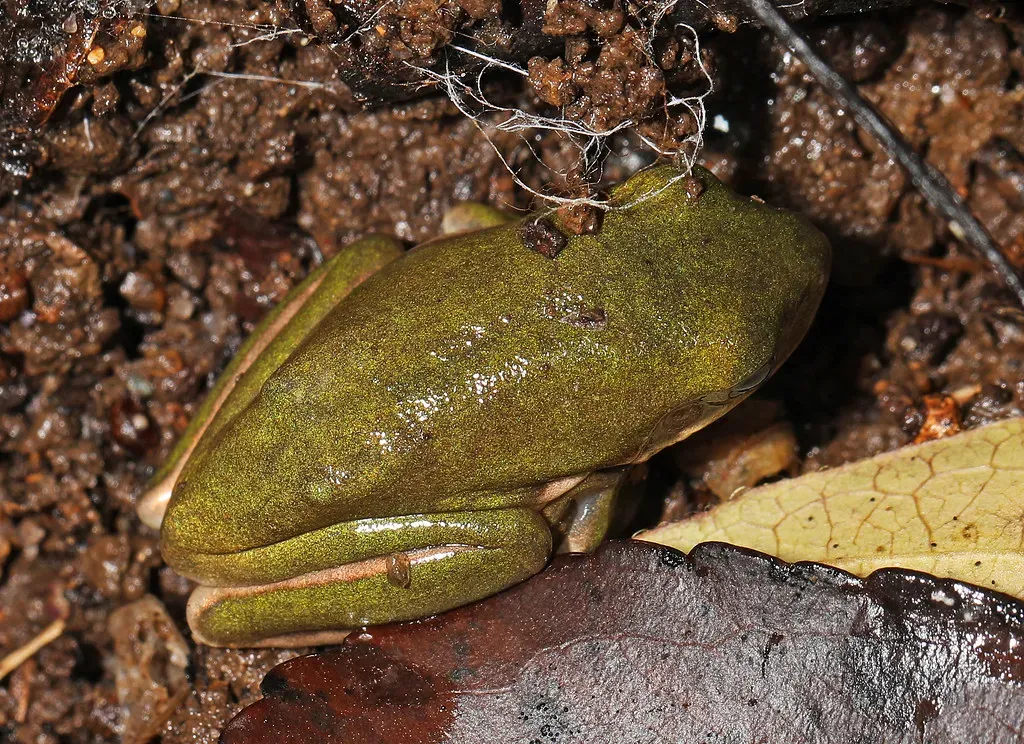
The natural world never ceases to surprise us with strategies for survival that seem to break the rules we thought were unbreakable. From edible dormice sleeping away most of the year to ancient worms reviving after 46,000 years in ice, these animals are pushing the boundaries of what we consider possible. They’re not just surviving harsh conditions. They’re essentially stopping time, pausing their biology in ways that challenge our fundamental understanding of life itself.
These discoveries remind us how much we still have to learn from the creatures we share this planet with. Every frozen frog that thaws back to life, every ground squirrel that drops its body temperature below zero, is teaching us something profound about the potential hidden within living systems. What secrets might we unlock by studying them further? What seemingly impossible medical breakthroughs might be waiting in the metabolic mysteries of a hibernating bat or dormouse? Did you ever imagine that the key to preserving human life might come from understanding how a snail can sleep for years? What would you do with that kind of biological pause button?