
You’ve probably heard of the famous Nazca Lines in Peru, stretching across desert plains like giant messages to the sky. These spectacular earthworks have captured imaginations for decades. However, here’s the thing: scattered across the American Southwest lie equally fascinating geoglyphs that remain largely unknown to the general public. These massive ground drawings, etched into the desert floors of California, Nevada, and Arizona, are whispering secrets about ancient peoples who vanished long before modern history began recording their stories.
What makes these American desert geoglyphs particularly intriguing is the profound mystery surrounding them. No one knows who made them, and archaeologists haven’t been able to link this stunning earthen artwork to any specific culture. They sit there, silent and enormous, waiting for someone to finally unlock their secrets. Let’s dive in.
Giants Hidden in Plain Sight
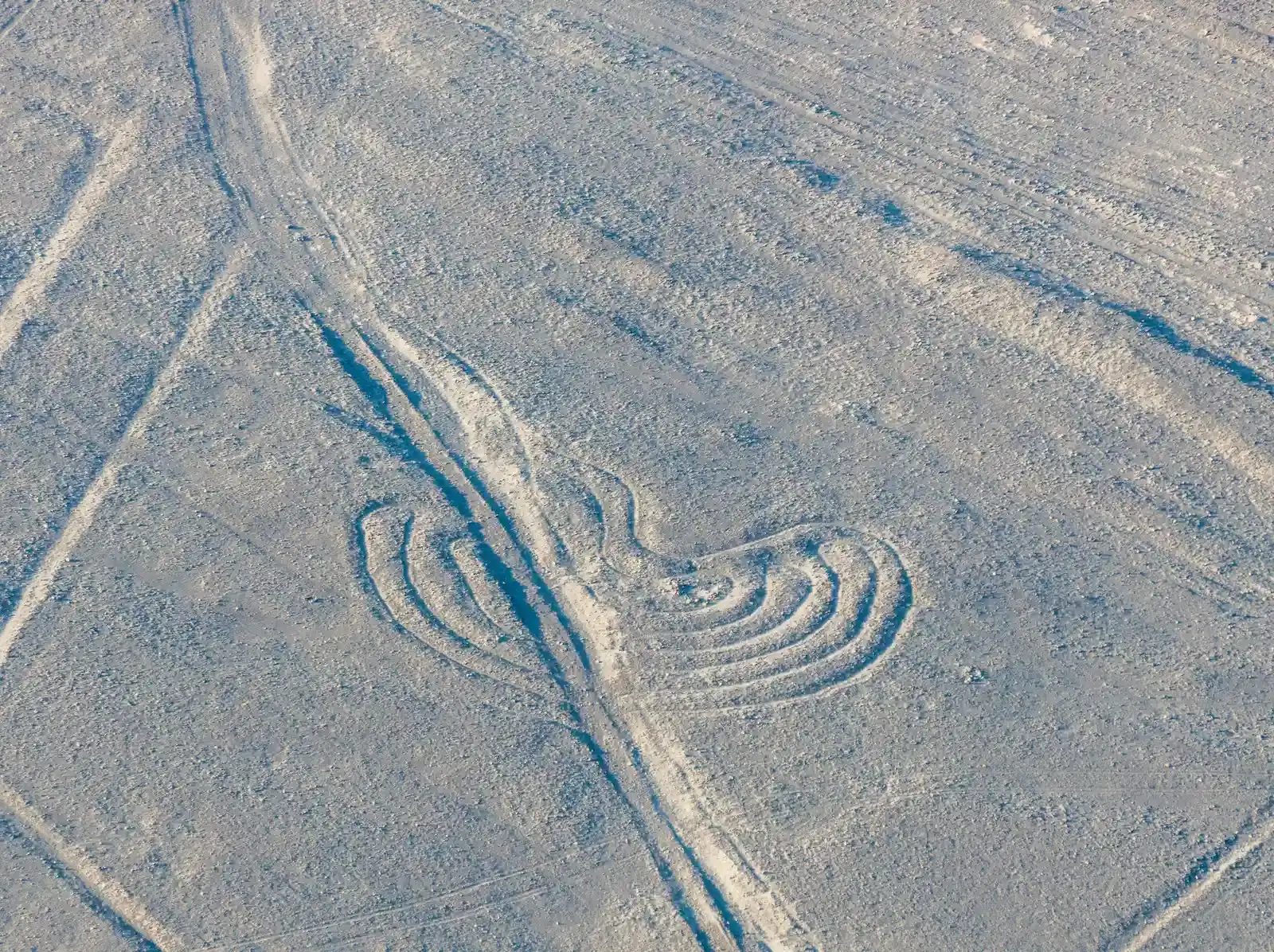
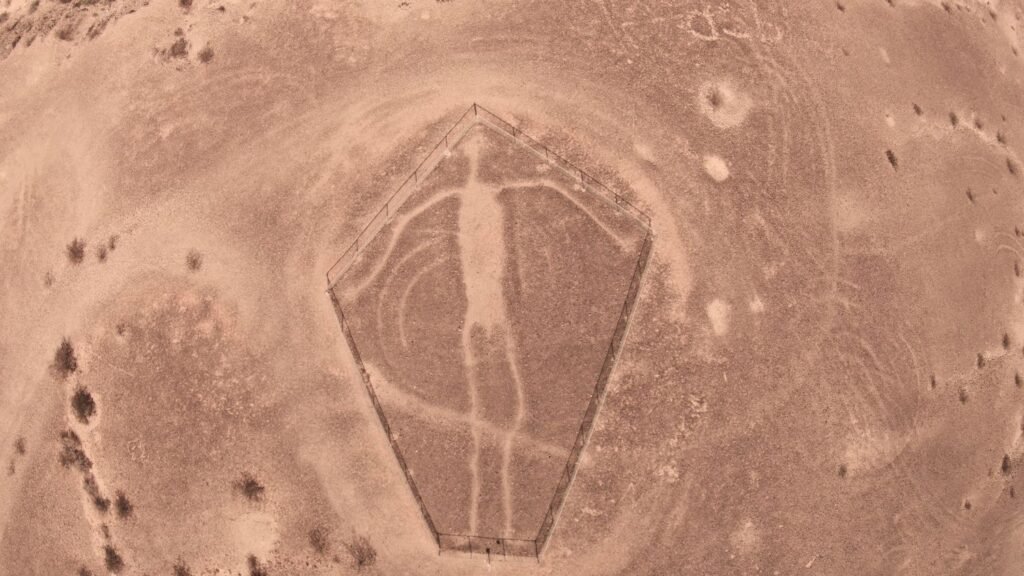
The Blythe Intaglios, often called America’s Nazca Lines, are a series of gigantic geoglyphs found fifteen miles north of Blythe California in the Colorado Desert. Think about this for a moment: these massive figures remained completely unnoticed by the modern world until 1932. The figures are so immense that many were not observed by non-Indians until the 1930s when George Palmer, a pilot flying between Las Vegas, Nevada, and Blythe, California, noticed them.
It’s almost unbelievable, honestly. The largest human figure is 171 feet long, yet these artworks escaped detection for centuries simply because they’re too big to comprehend from ground level. When you’re standing next to something that massive, you can’t see the forest for the trees, so to speak. Only from the air do these ancient designs reveal their true magnificence.
A Technique Lost to Time
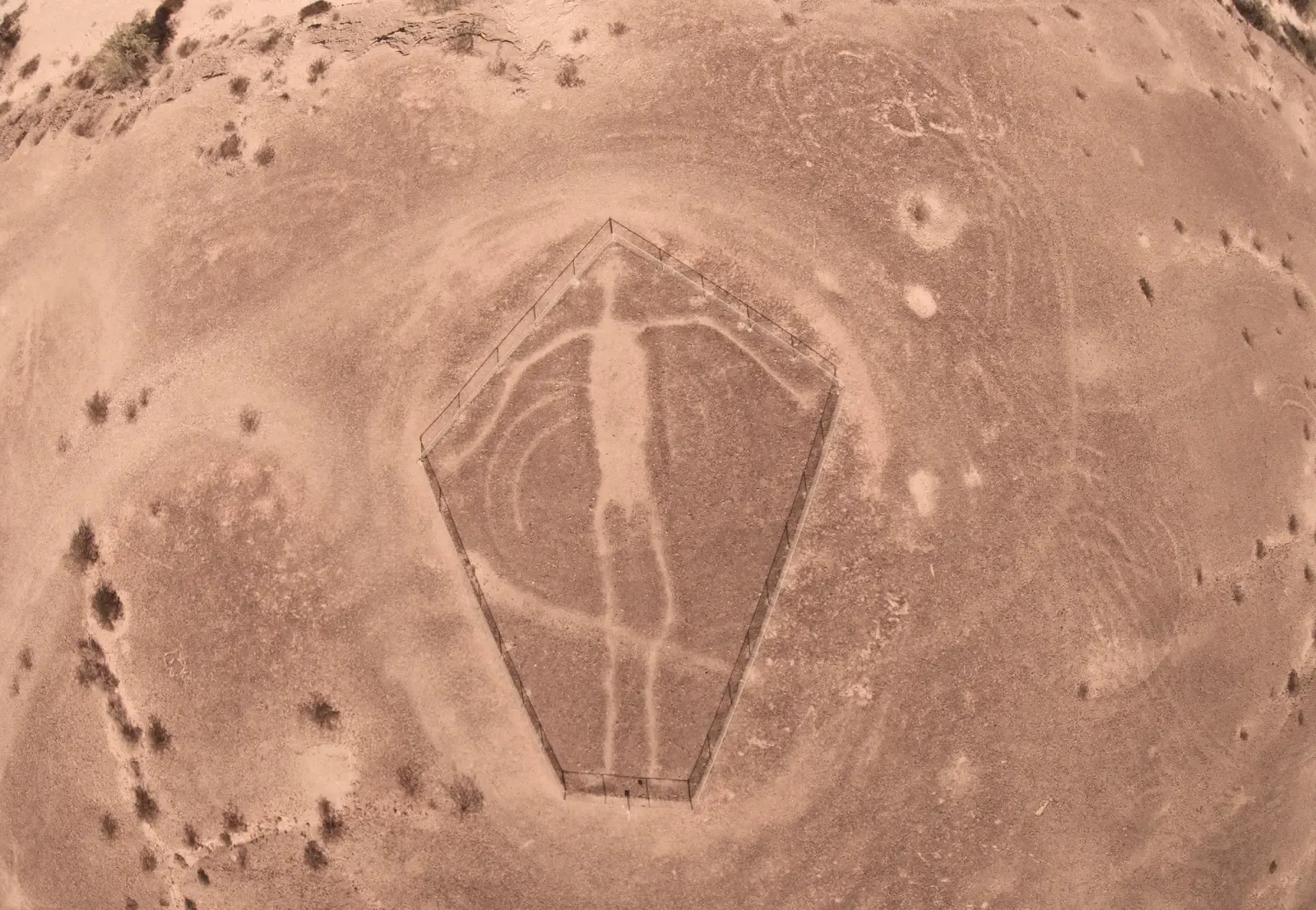
The creation method itself reveals remarkable ingenuity. The topsoil of the desert was scraped away to reveal different colored soil and rocks beneath, and by scraping this top layer into the design’s pattern, the people who made the Blythe Intaglios were able to create gorgeous works of art. This wasn’t some casual afternoon project.
The Blythe Geoglyphs were created by scraping away layers of darker rocks or pebbles to reveal a stratum of lighter-valued soil, and the displaced rocks outlined the figures while the exposed soil was stamped down which makes it more difficult for plants to grow in the lines. The ancient artists understood their environment intimately. They knew that compacting the lighter soil would prevent vegetation from obscuring their work over centuries. It’s hard to say for sure, but this suggests long-term planning that seems almost impossible for supposedly “primitive” cultures.
More Than Two Hundred Silent Witnesses
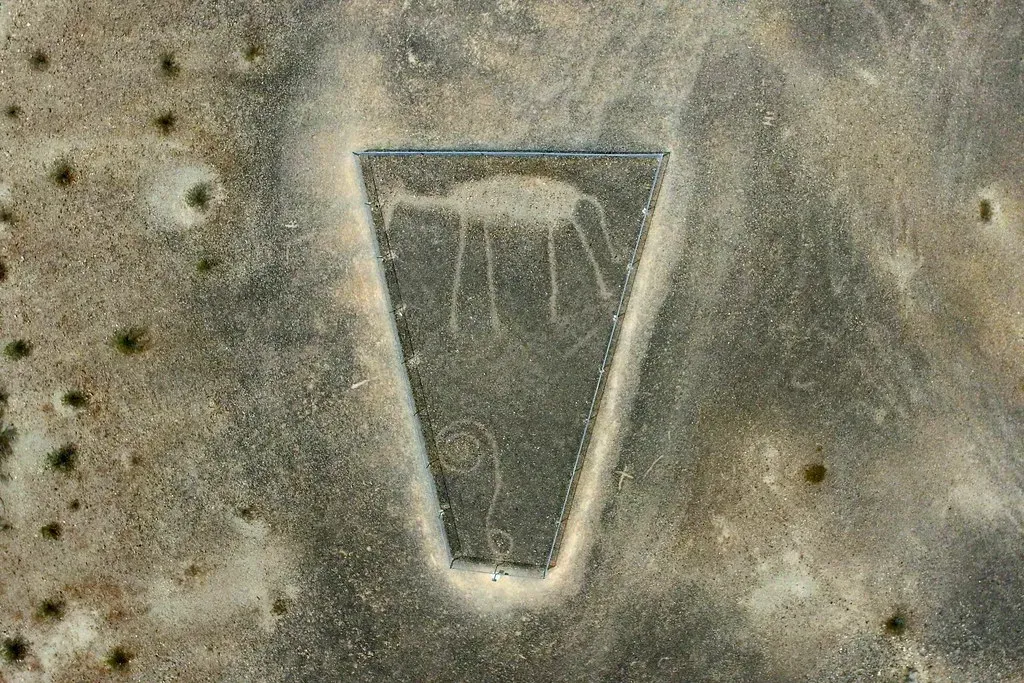
The Blythe Intaglios are the most well-known of the over 200 intaglios in the Colorado Desert, which contains the only known desert intaglios in North America. Let that sink in. Over two hundred of these massive ground drawings exist, and most people have never heard of them.
While these gravel pictographs are found throughout the deserts of southeastern California, human figures are found only near the Colorado River, while other intaglios depict mountain lions, birds, snakes, and unidentified animal-like figures and geometric shapes. The distribution pattern itself raises questions. Why are humanoid figures concentrated near the river? What made this location so significant to these mysterious artists? Perhaps the Colorado River held spiritual meaning we can’t fully grasp from our modern perspective.
The Mystery of Their Makers
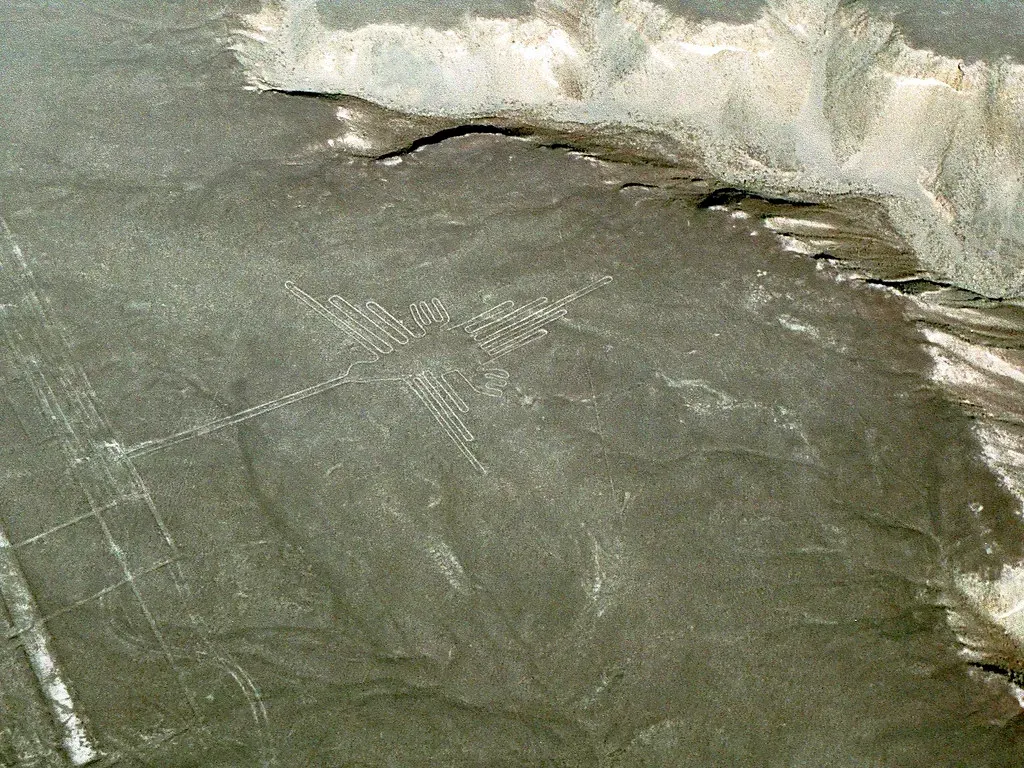
This is where things get really fascinating. No Colorado River Native American group has claimed to have made the intaglios, although some have claimed to use them. That’s extraordinary when you think about it. Indigenous peoples have rich oral traditions spanning countless generations, yet the origin story of these geoglyphs has been lost.
Many of the intaglios are believed to date from the prehistoric period, but their age and the identity of their creators are still uncertain, though radiocarbon dates for the figures range from 900 BCE to 1200 CE. That’s a span of over two thousand years. Were they created by one culture over many generations, or did multiple successive peoples recreate and maintain them? We simply don’t know.
Spiritual Giants and Creation Myths
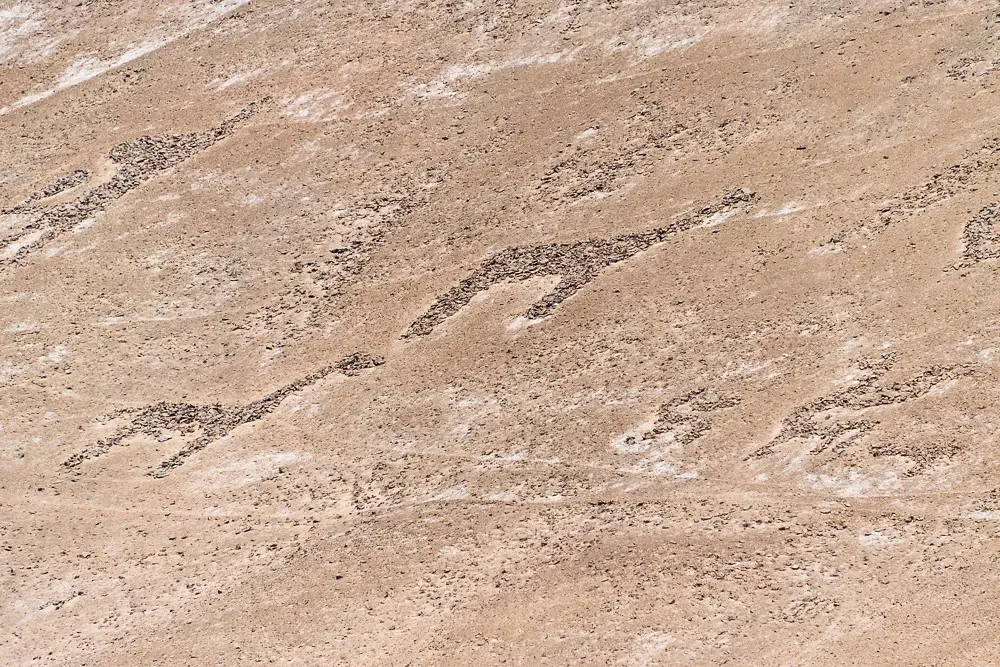
According to Native Mohave and Quechan tribes of the area, the human figures represent Mastamho, the Creator of Earth and all life, while the animal figures represent Hatakulya, one of two mountain lions/persons who played a role in the Creation story. Yet these tribes don’t claim to have created the figures themselves. Instead, they’ve incorporated these ancient monuments into their own spiritual framework.
In ancient times, ceremonial dances were held by natives in the area to honor the Creator of Life. Picture this: generations of people dancing around these enormous ground figures under the desert stars, connecting with something far older than their own cultural memory. The geoglyphs served as ceremonial spaces even for people who didn’t create them, suggesting their power transcended specific cultural boundaries.
Nevada’s Enigmatic Earth Art
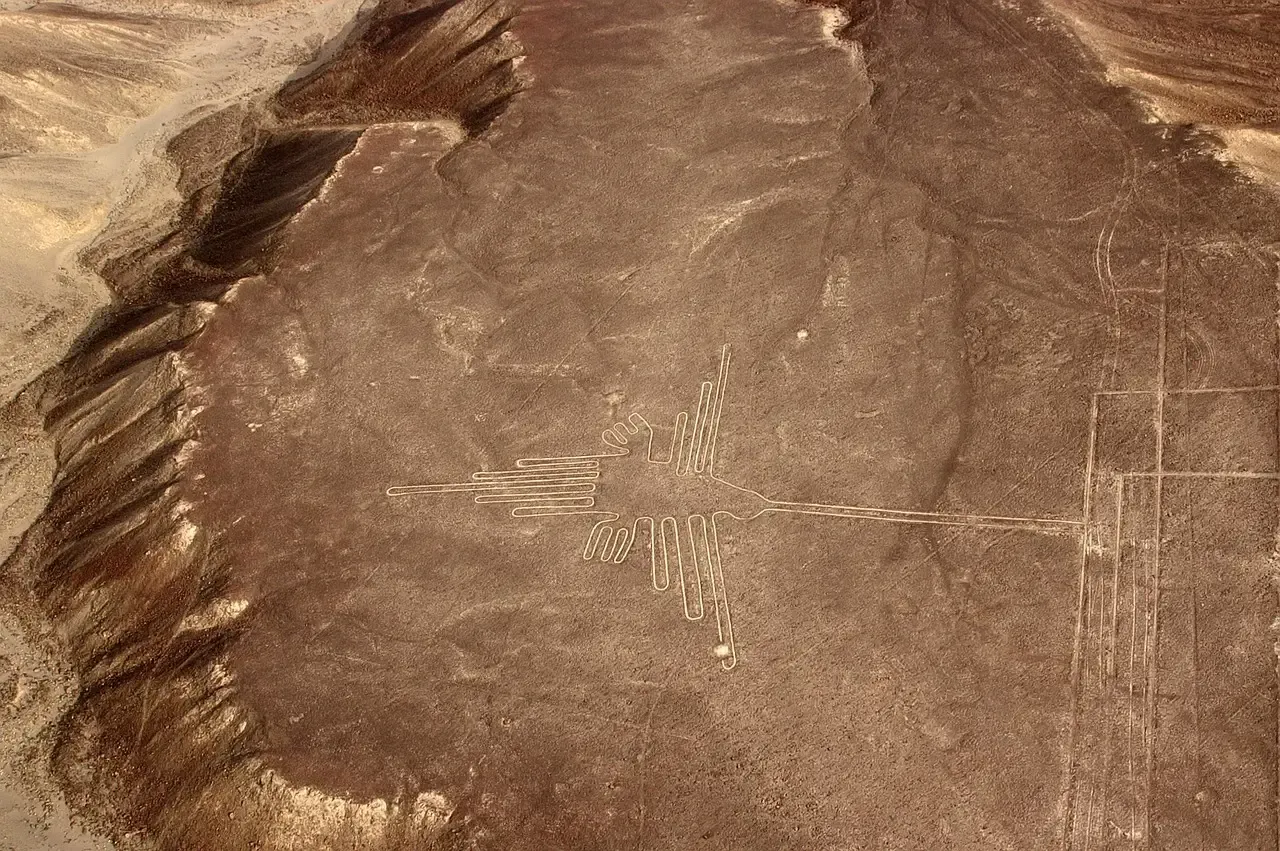
California doesn’t have a monopoly on mysterious desert markings. The ancient Fremont culture, who lived in the area over 1,000 years ago, is thought to have created geoglyphs scattered across the Great Basin. These geoglyphs include spirals, circles, and animal shapes, and many theories exist about their purpose, with some suggesting they were used for religious or ceremonial purposes, while others believe they served as astronomical markers or territorial boundaries.
Here’s the thing though: we’re essentially guessing. Scholars can speculate about ceremonial use or astronomical alignment, but without written records or direct cultural continuity, these remain educated guesses at best. The Great Basin geoglyphs are smaller and less well-preserved than their California cousins, making their interpretation even more challenging.
Puzzles Waiting for Modern Technology
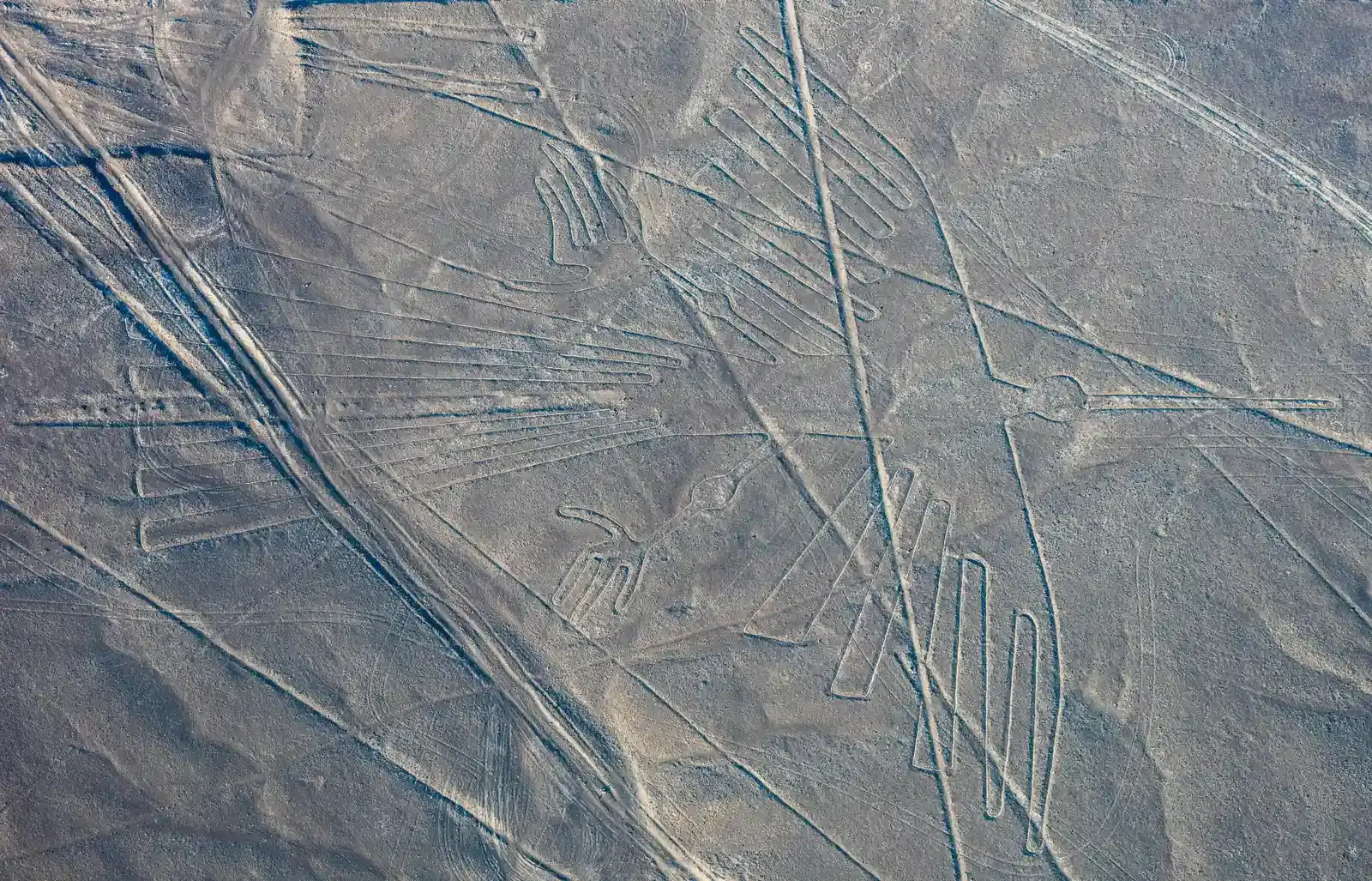
Southwestern rock art is notoriously difficult to date, though experts continue to develop, refine, and test methods, with archaeologists often relying on objects and archaeological features found in association with the rock art. Dating these creations remains one of archaeology’s persistent challenges.
The advent of new technologies offers hope. Just as AI has recently helped discover hundreds of new Nazca geoglyphs in Peru, similar techniques might reveal hidden patterns in the American desert. Geoglyphs are large designs or patterns on the ground created when people cleared rocks and pebbles to form a negative image, and most of the Southwest’s geoglyphs are located in the deserts of southern Arizona and southern California. Drone surveys and satellite imaging might uncover dozens more that have faded or become partially obscured over millennia.
Preserving Ancient Mysteries for Future Generations
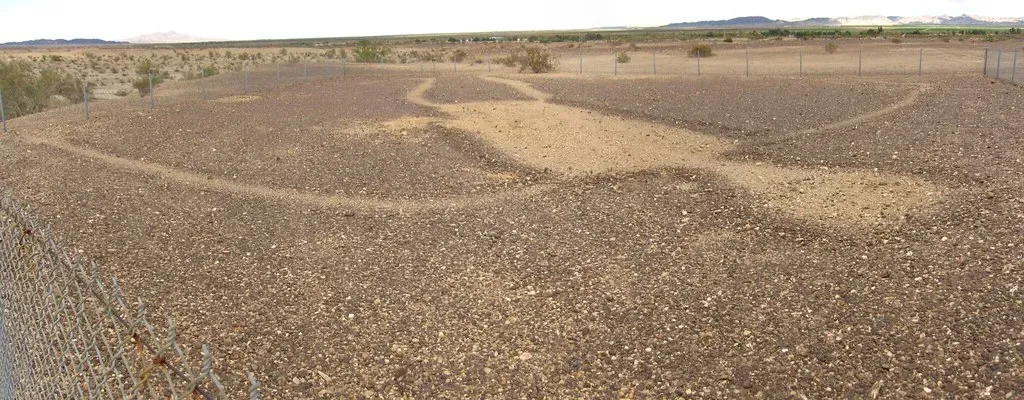
After National Geographic published an article about the Blythe Intaglios in 1952, people began to visit the site which led to some destruction of the intaglios. Popularity became a curse. Off-road vehicles carved through ancient figures, and vandals left their marks on sacred ground.
The Bureau of Land Management erected fences in 1974 to protect them, and the Blythe Intaglios were placed on the National Register of Historic Places in 1982. Today, you can still visit these remarkable sites, though protective barriers keep visitors at a respectful distance. The fragility of these ancient artworks reminds us that some mysteries might disappear before we solve them. Each year brings natural erosion and the risk that answers will vanish into desert dust before technology and scholarship can reveal their secrets.
These geoglyphs represent something profound: tangible connections to cultures that flourished and faded long before Columbus sailed, before medieval castles rose, before recorded history in this hemisphere began. They challenge our assumptions about ancient peoples and their capabilities. The precision, scale, and permanence of these designs suggest sophisticated planning and deep cultural significance we may never fully understand. What stories would these silent giants tell if they could speak? Until archaeological breakthroughs provide definitive answers, we’re left to wonder at the ambition and vision of those ancient artists who transformed entire desert landscapes into canvases for the sky.
Hi, I’m Andrew, and I come from India. Experienced content specialist with a passion for writing. My forte includes health and wellness, Travel, Animals, and Nature. A nature nomad, I am obsessed with mountains and love high-altitude trekking. I have been on several Himalayan treks in India including the Everest Base Camp in Nepal, a profound experience.