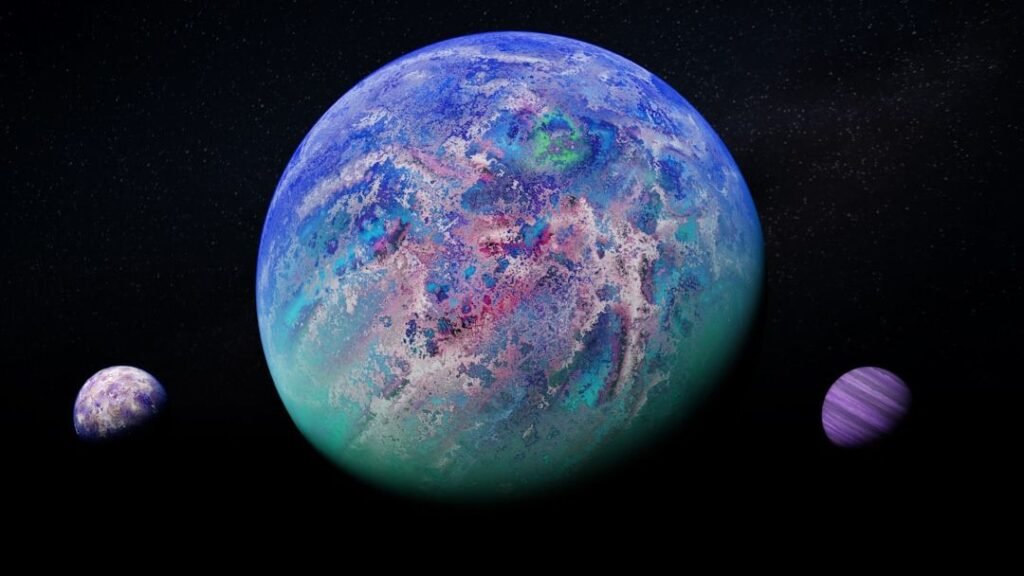

You’ve probably heard about the countless exoplanets scientists discover every year, orbiting distant stars in what we call the habitable zone. It sounds promising. These Goldilocks regions where temperatures might be just right for liquid water have given us hope. Perhaps we’re not alone in the cosmos after all.
Honestly, though, the universe might have some sobering news for us. Recent scientific findings suggest that being in the habitable zone is merely the first step in an exceptionally long and complicated journey toward hosting life. The conditions necessary for life to actually emerge and thrive appear to be dramatically more specific than we once believed. Let’s dive into what makes our own planet such a statistical anomaly.
The Habitable Zone Isn’t Enough Anymore
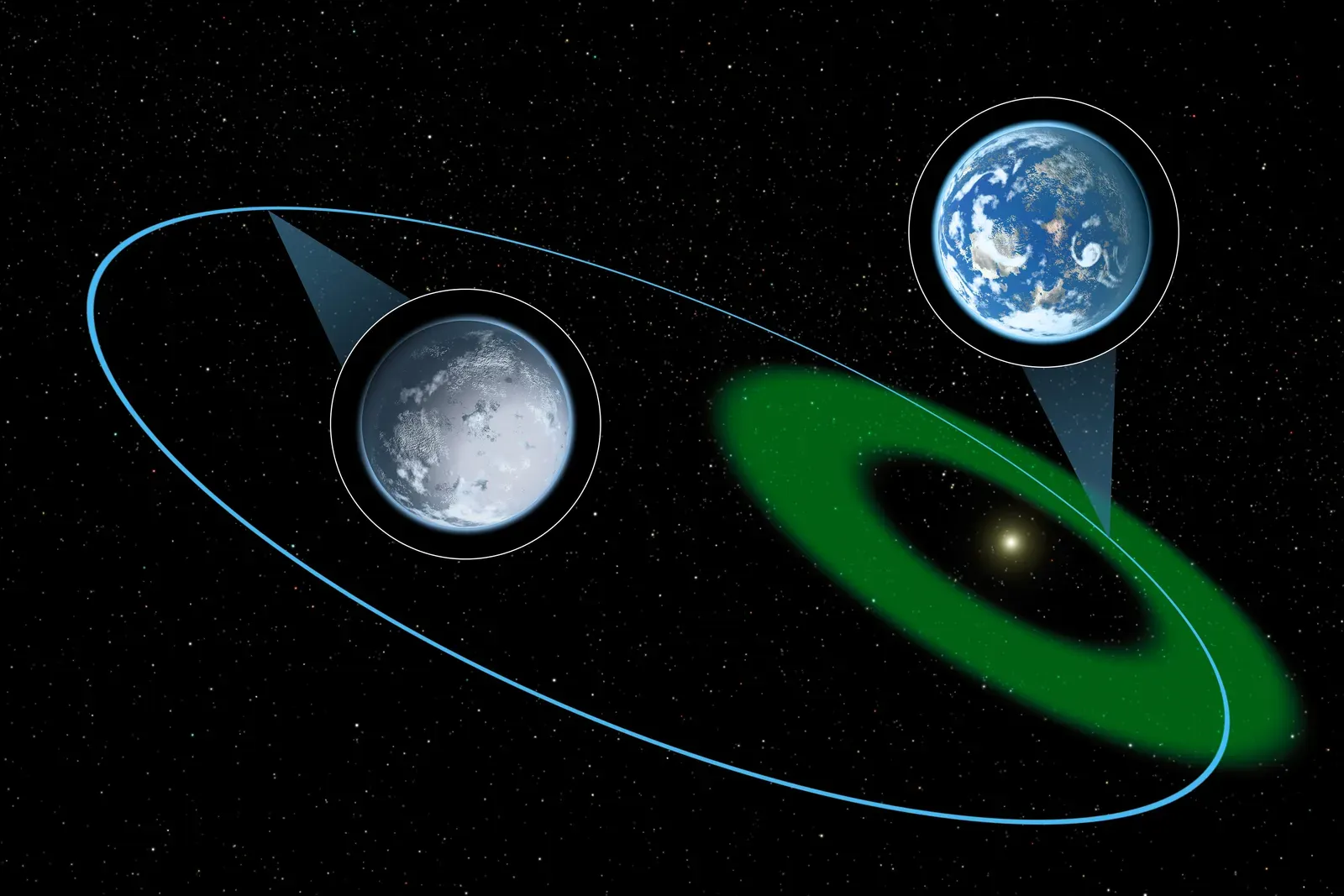
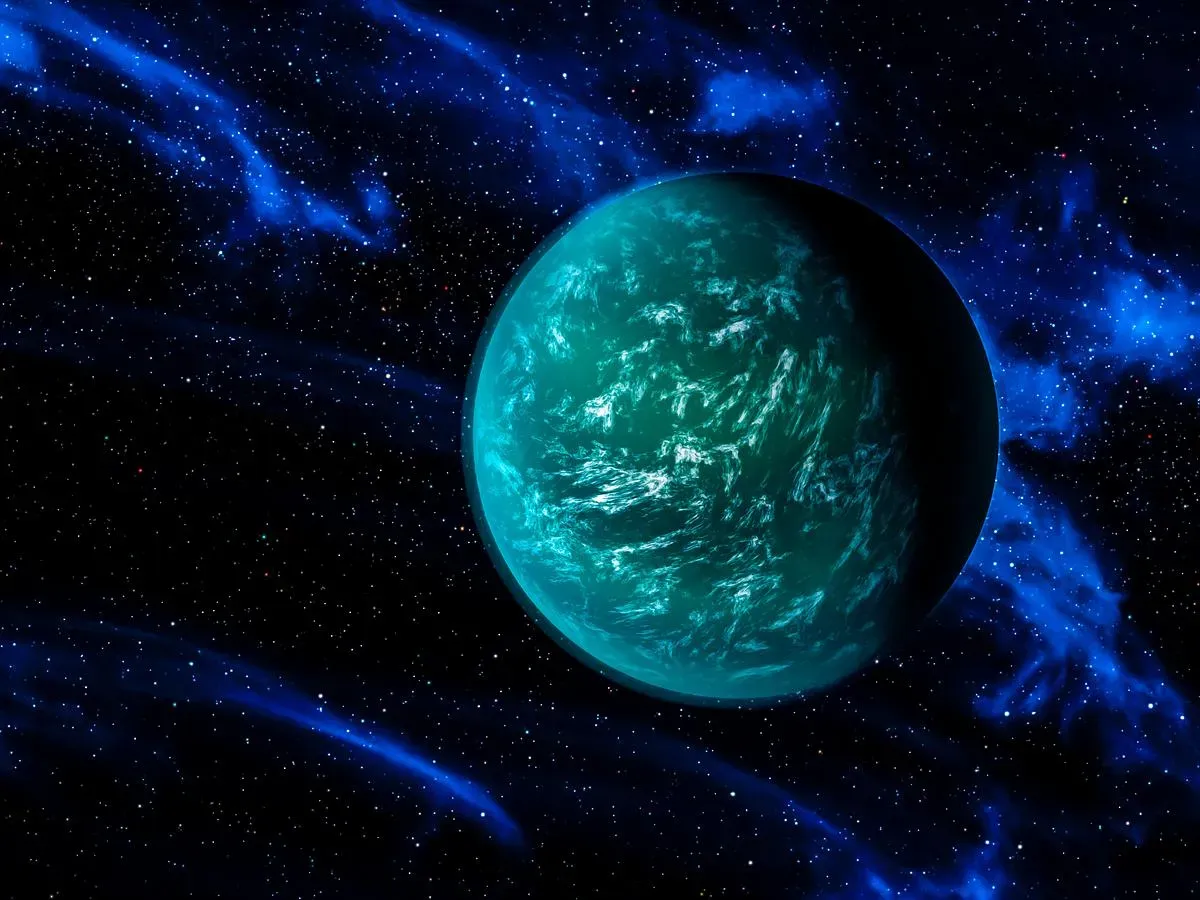
The habitable zone is defined as the distance from a star at which liquid water could exist on orbiting planets’ surfaces. Simple enough, right? Yet planets orbiting within the habitable zone may not actually be habitable, as those around stars producing high levels of X-ray and UV flux from flares can end up stripped of their atmosphere.
Think about it this way. You could live in a neighborhood with perfect weather year-round, yet if your house lacks walls and a roof, you’re still exposed to the elements. Planets with very thin atmospheres face serious implications because the flimsy layers of gas will never grow warm enough to trigger ice melting without very large amounts of external heat, which essentially rules out life-friendly results. Being in the zone simply doesn’t guarantee you can stay there safely.
Atmospheric Composition Matters More Than Location
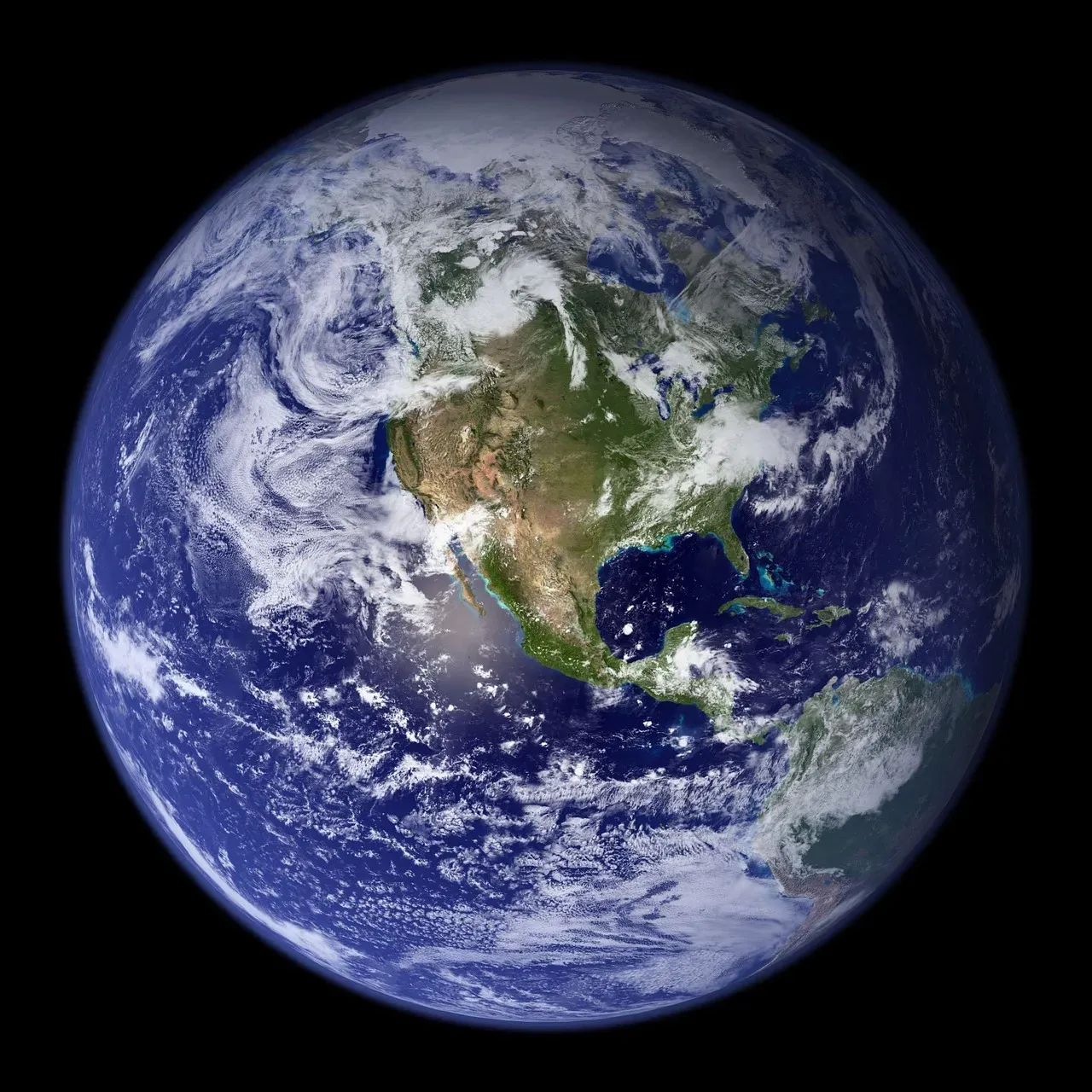
Earth’s distinctive atmospheric composition combines nitrogen, oxygen, and low carbon dioxide levels in an unusually stable configuration that’s highly favorable for complex life, with oxygen supporting large, energy-intensive organisms. Here’s the thing, though. The rise of oxygen, nitrogen recycling, and carbon-silicate cycle operation contributed to climate and atmospheric stability over billions of years, yet too much carbon dioxide becomes toxic while too little destabilizes the upper atmosphere, and oxygen levels above roughly 300 millibars pose combustion risks.
Most planets won’t hit this narrow sweet spot. Earth’s atmosphere consists mostly of nitrogen and oxygen with only trace carbon dioxide, and for advanced life to emerge, planets need at least 18 percent oxygen since complex animals require higher levels and without sufficient free oxygen for combustion, fire and metalworking would be impossible. Without fire, forget about technological civilizations entirely.
Red Dwarf Stars Present Unique Challenges
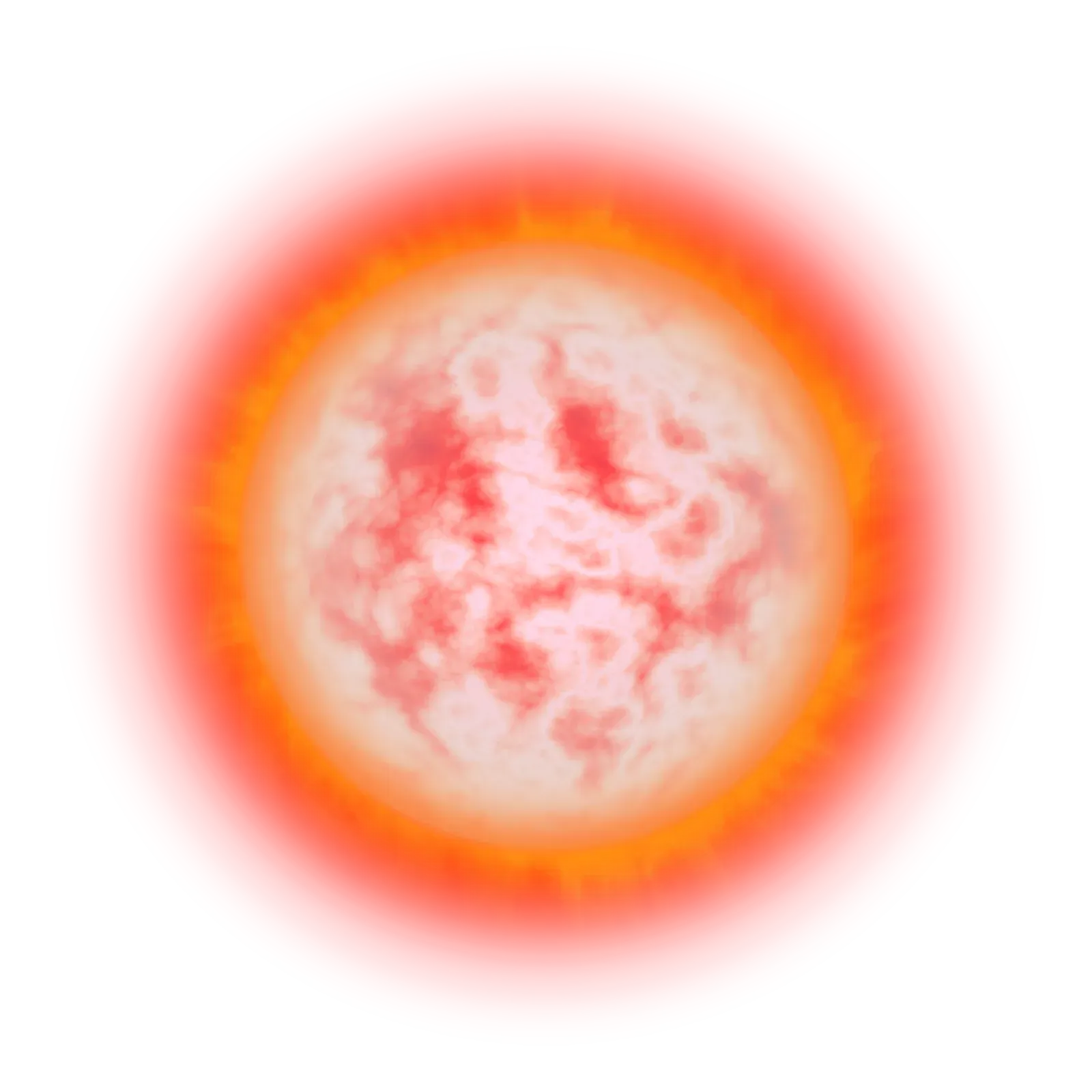
A large fraction of known rocky exoplanets orbit red dwarf stars because these small stars dominate the galaxy and are more easily observed, yet researchers note these systems present significant challenges for atmospheric retention and long-term habitability due to high ultraviolet and X-ray activity. This is genuinely problematic for our search.
Red dwarfs have much tighter habitable zones, and planets in these comparatively narrow regions are exposed to extreme levels of X-ray and ultraviolet radiation that can be hundreds of thousands of times more intense than what Earth receives. Plus, powerful flares tend to erupt with frequency from their surfaces, especially in their younger years, and these could sterilize closely orbiting planets where life had only begun gaining a foothold. Recent Bayesian analysis yields a roughly 95 percent confidence cutoff excluding about 67 percent of stars from hosting intelligent life.
Plate Tectonics And Long-Term Stability

Let’s be real, most people don’t think about plate tectonics when considering alien life. Yet this geological process might be absolutely crucial. Recent research suggests the specific astrophysical and planetary conditions needed for advanced civilizations may be exceedingly rare, requiring very specific conditions including coexisting continents, oceans, long-lived plate tectonics, and nitrogen-oxygen-dominated atmospheres with minor carbon dioxide amounts.
Surface water plays a dual role, both as a requirement to sustain life and to support secondary conditions needed for multicellular life to emerge, including geological functions like sustaining necessary plate tectonics and biochemical roles like supporting photosynthesis for atmospheric oxygenation. This rare combination results from long-term planetary evolution, with such planets likely making up less than 0.003 to 0.2 percent of all habitable worlds. That’s an astonishingly small fraction.
The Galactic Location Factor
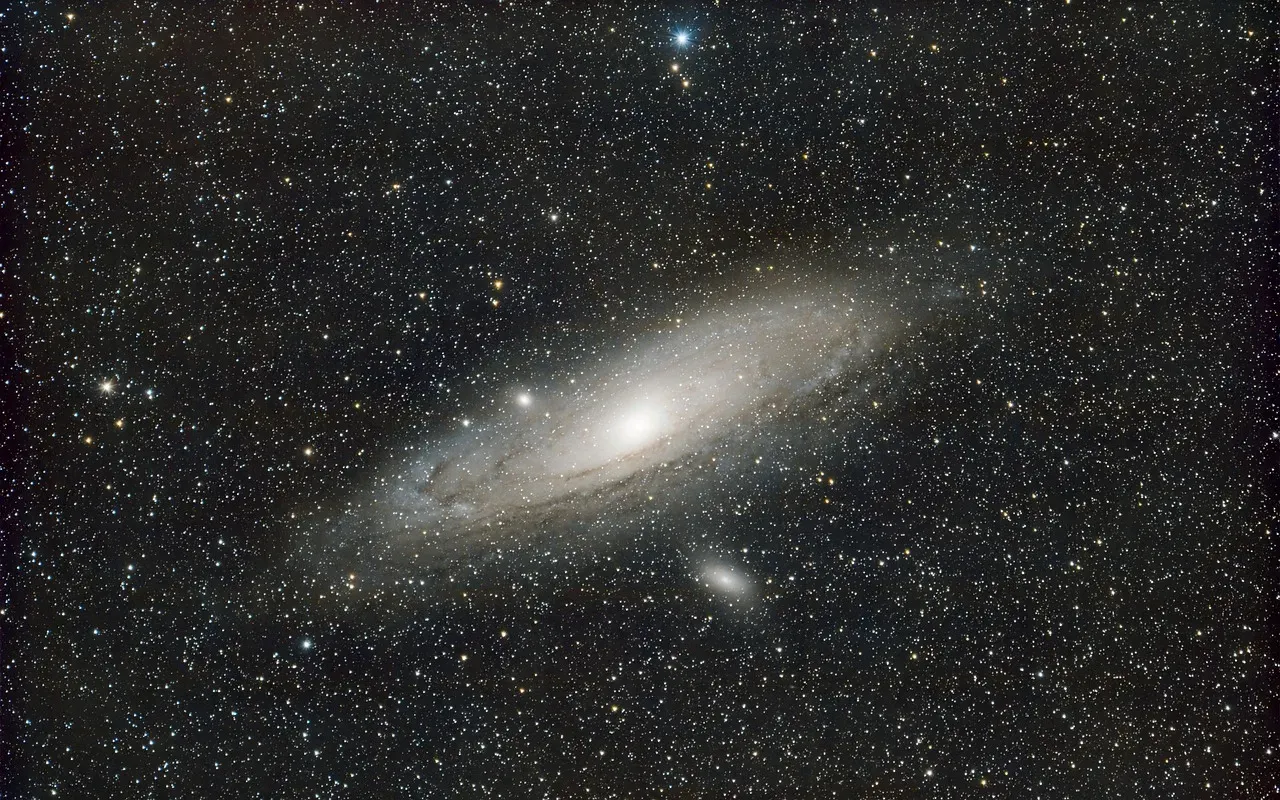
The galactic habitable zone concept introduced around 2000 defines a region where life is most likely to emerge, encompassing areas close enough to a galactic center that stars are enriched with heavier elements but not so close that planetary orbits and life emergence would be frequently disrupted by intense radiation and enormous gravitational forces. You need to be in the right part of the galaxy too.
The galactic habitable zone encompasses a region in the Milky Way where a star meets criteria for supporting complex life, far from the galactic center where star density is much higher, meaning Earth isn’t as exposed to potentially deadly supernovae and gamma-ray bursts. So even if your planet has the right atmosphere and orbits the right star, being in the wrong cosmic neighborhood could still doom any potential biosphere before it begins.
The Time Window For Technological Civilization
Complex, intelligent life in the galaxy appears vanishingly rare, with the nearest possible civilization perhaps 33,000 light-years distant, and astronomers estimate the nearest advanced civilization might be roughly that far away and likely far older than ours. I know it sounds crazy, but the numbers tell a stark story.
For such a civilization to exist simultaneously with humanity, it would need to have lasted at least 280,000 years and potentially millions of years, and calculations suggest a technological species would need to persist that long for even one other civilization to exist in the Milky Way at the same time as ours. For ten civilizations to coexist with ours, the average lifetime must exceed 10 million years, with these numbers being quite low and depending strongly upon civilization longevity.
Stellar Flaring And Atmospheric Erosion

Stellar flares are complex and without better understanding of them, the issue of exoplanet habitability is stalled, with unanswered questions about flaring frequency, origins, evolution over time, and the spectrum of flare radiation. This represents one of the biggest unknowns in current research.
One main question in exoplanet science concerns red dwarfs and habitability of exoplanets orbiting them, as these stars are known for prolific and energetic flaring, with habitable zones in such tight proximity that potentially habitable planets sit in the direct line of fire. However, there’s more to stellar flaring than atmospheric stripping since research shows that biotic compound generation also requires some UV radiation, and while stellar flares can deliver necessary cumulative UV for biotic compound formation, too much UV can be prohibitive.
The Statistical Rarity Of Earth-Like Conditions
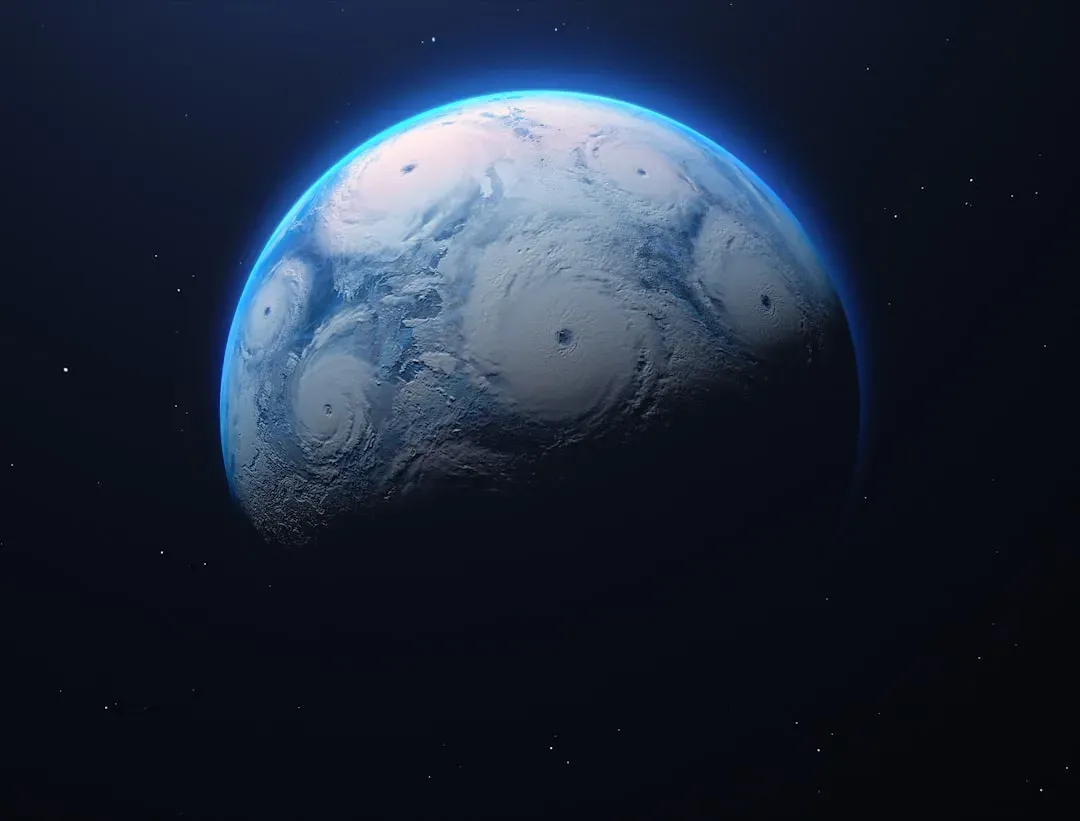
Earth is a statistical rarity in terms of planets but not one requiring some miraculous confluence of planetary and stellar characteristics, with analysis finding Earth is around 69.4 percent different in terms of statistical unusualness, making it rare but not too rare. Still, rare is rare.
Conditions on Earth are relatively rare but not so rare as to be considered miraculous, yet there’s significant bias in the exoplanet dataset towards planets that wouldn’t be habitable due to their large size and short orbital periods. Earth might be a cosmic jackpot, a world where life not only emerged but advanced to intelligence and then technological prowess. We’ve essentially won a planetary lottery most worlds never even get a ticket for.
The Convergence Of Multiple Rare Factors
This emerging research reframes how we evaluate potential for complex life across the galaxy, as rather than assuming a broad distribution of Earth analogs, scientists are developing observational strategies reflecting a more selective and physically grounded view of planetary habitability. Everything needs to align perfectly.
These findings highlight the overwhelming odds against discovering Earth-like planets possessing both plate tectonics and a nitrogen-oxygen atmosphere containing the right balance of oxygen, suggesting that if each factor has low probability, then a more pessimistic outlook is required. Planetary interiors, tectonic regimes, continental coverage, volatile cycling, magnetic fields, and atmospheric composition and evolution all shape long-term climate stability and biospheric potential, with comparisons highlighting the diversity of planetary conditions and rarity of conditions relevant to life.
What This Means For Our Search

We currently know of only a few tens of exoplanets that may have the right conditions for habitability, yet understanding of flaring is necessary for understanding these better, and surveying vast numbers of stars and their flaring activity should break the impasse regarding habitability and stellar flaring. The search continues, even if the odds seem daunting.
Nevertheless, scientists strongly believe that SETI should continue the search, as although extraterrestrial intelligences might be rare there’s only one way to really find out, and if searches find nothing it makes rarity theory more likely, while any SETI discovery would be one of the biggest scientific breakthroughs ever achieved. Either outcome would fundamentally reshape our understanding of life itself. What’s your take on all this? Does it make you more curious about our cosmic solitude, or more determined to keep searching? Tell us what you think.