You’ve probably heard the stories about ancient Rome with its grand architecture and massive population. Here’s the thing though: while Rome was flexing its imperial muscles across Europe, the Americas had their own megacities that would make you rethink everything you learned in history class. We’re talking about sprawling urban centers with populations that could match medieval London, monumental pyramids that dwarfed Egyptian constructions, and engineering feats that still baffle archaeologists today.
Most people walk around thinking pre-Columbian America was just scattered tribes and simple villages. That couldn’t be further from the truth. These civilizations built sophisticated cities with intricate water management systems, astronomical observatories, and trade networks spanning thousands of miles. Let’s dive into eight ancient American cities that prove our ancestors were absolute masters of urban planning.
Teotihuacan: The Metropolis That Rivaled Ancient Rome
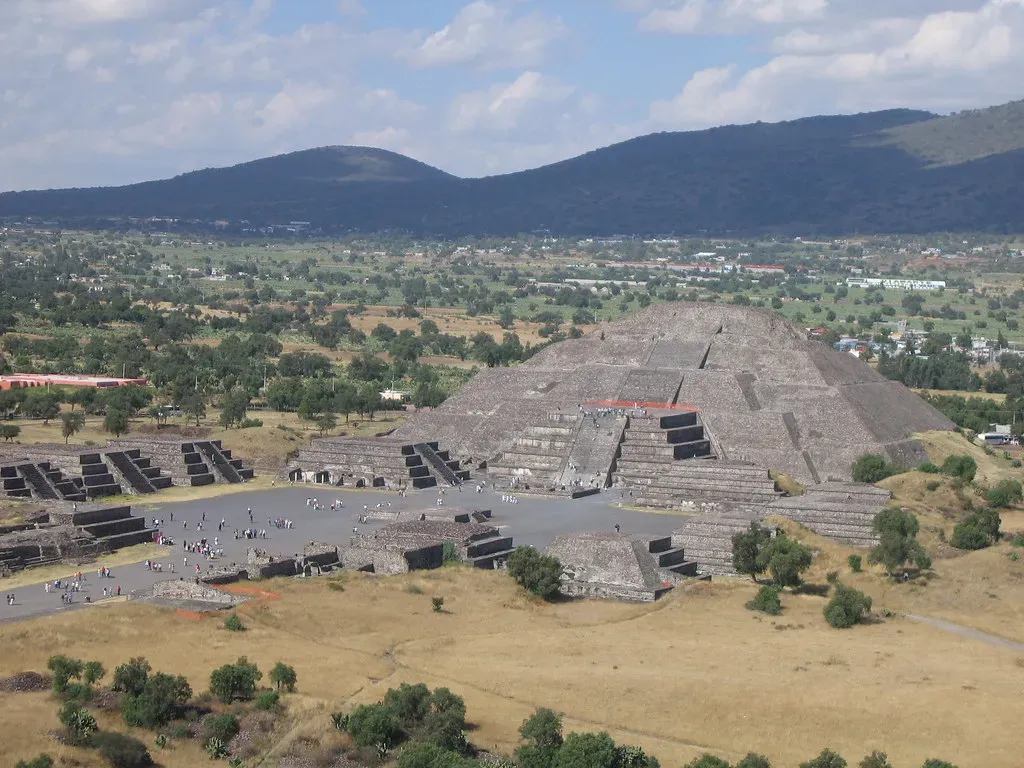
Built around 100 AD, Teotihuacan became the first true metropolis in the Western Hemisphere, and within five centuries, it grew to become the sixth-largest city in the entire world, covering approximately eight square miles with a population estimated between 125,000 and 200,000 people. Think about that for a second. While Rome was at its peak, this Mexican city was matching it stride for stride in sheer urban scale.
Like Rome itself, Teotihuacan served as a meeting place for many cultures, with people from across Mesoamerica living in apartment-like buildings, and the city’s layout reflected sophisticated urban planning with a grid pattern and a central avenue known as the Avenue of the Dead. The city functioned as a major economic center with extensive trade, crafts, and religious structures, producing high-quality obsidian tools and pottery that were traded extensively throughout the region. The Pyramid of the Sun still dominates the landscape today, standing as a testament to their architectural genius.
Cahokia: North America’s Forgotten Superpower
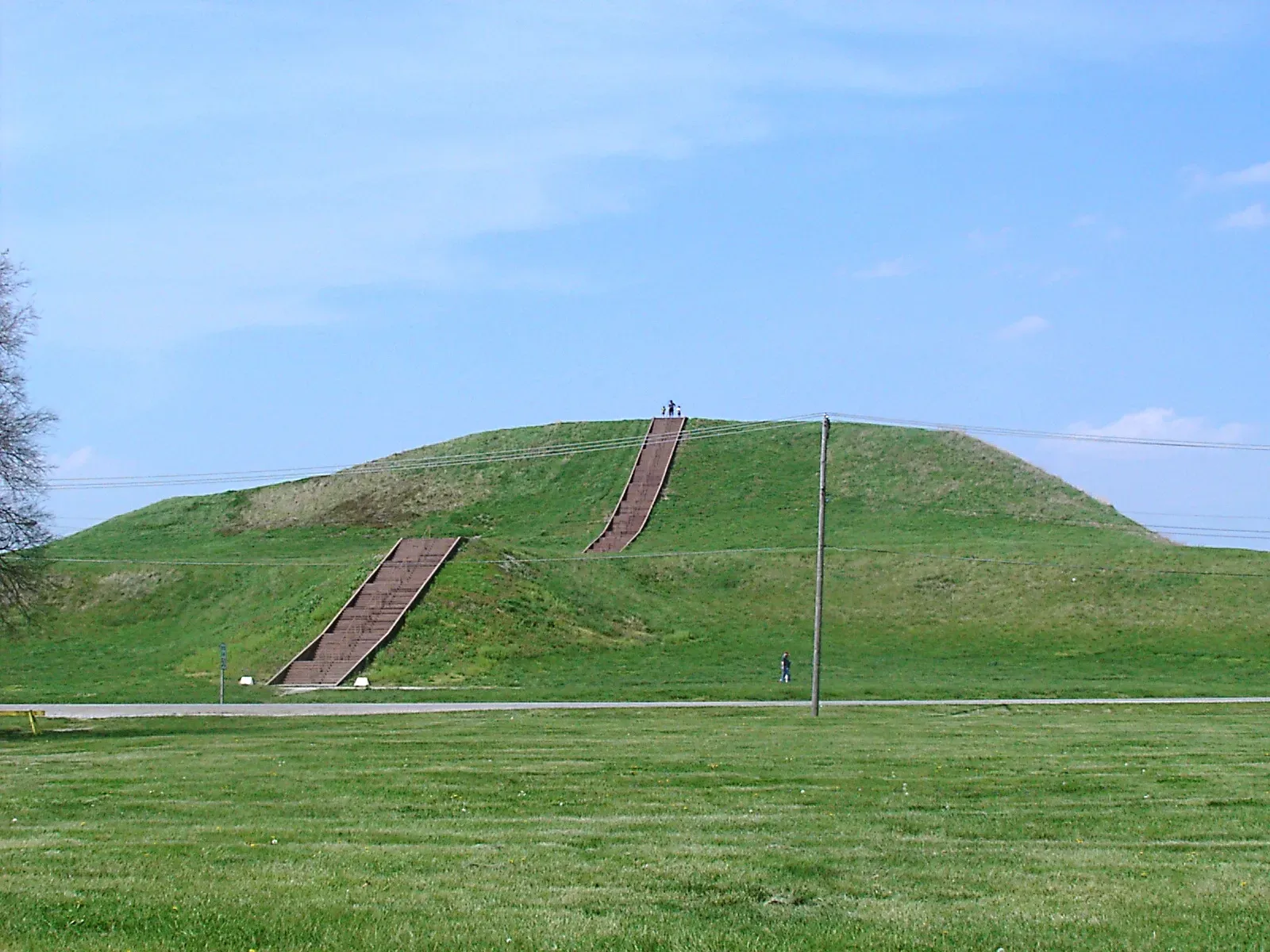
At its apex around 1100 CE, Cahokia covered approximately six square miles, included about 120 earthworks in various sizes and shapes, and had a population between 15,000 and 20,000 people. Let’s be real here: this was bigger than most European cities at the time. The city was the largest north of Mexico with an estimated population rivaling European cities of the era.
The largest building, known as Monks Mound, is a terraced structure rising 98 feet into the air, and its base occupying 14 acres is actually larger than the footprint of Egypt’s Great Pyramid of Khufu. I find it fascinating that this massive earthen structure was built entirely by hand, basket by basket. As the largest urban center on the continent, Cahokia became a center of religious devotion and trade, with artifacts showing the city traded as far north as present-day Canada and as far south as Mexico.
Tenochtitlan: The Venice of the Americas
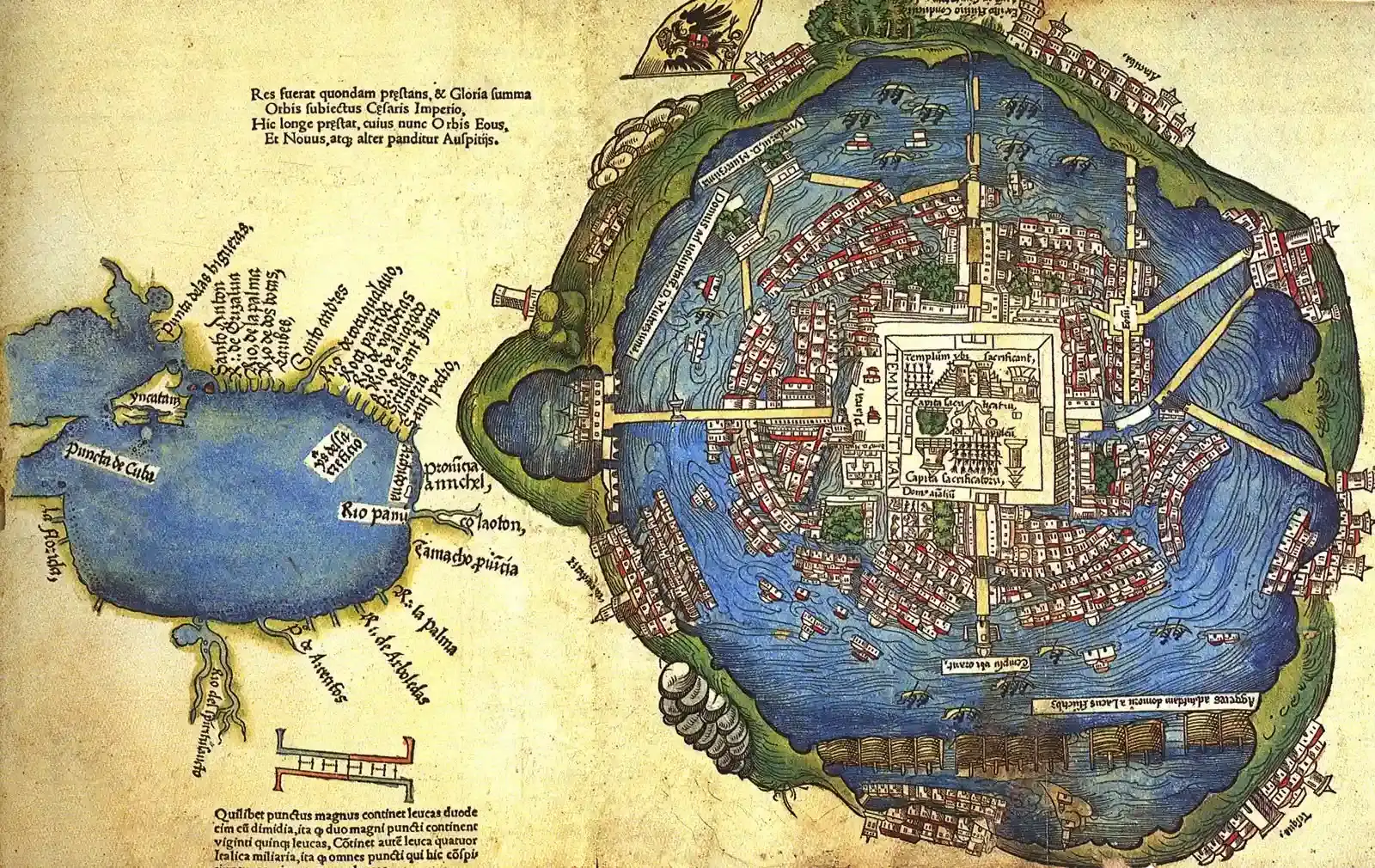
Through alliances and conquests, the Aztecs quickly established dominance in the region, and Tenochtitlan grew to house between 200,000 and 400,000 people, comparable in size only to Paris, Venice, and Constantinople in Europe at the time. Picture this: a massive city built on an island in the middle of a lake, connected by causeways and featuring floating gardens.
The city was an engineering marvel built on an island in Lake Texcoco, featuring a complex system of canals, causeways, and aqueducts that reflected advanced urban planning and engineering skills. Spanish conquistadors were absolutely stunned when they first laid eyes on it. At its peak, the city had a population exceeding 200,000 people and served as a major economic hub with markets attracting traders from across Mesoamerica, with an economy based on agriculture, trade, and tribute from conquered regions.
El Mirador: The Preclassic Giant

El Mirador flourished from about the sixth century BC to the first century AD, reaching its height in the third century BC, and the civic center of the site covers approximately 10 square miles with several thousand structures including monumental architecture ranging from 10 to 72 meters high. Honestly, it’s hard to say for sure, but this city might have been even more impressive than we initially thought.
The ceremonial and civic center encompasses roughly 9.6 square miles, and the population of the city and its environs at its peak has been estimated at around 100,000 inhabitants. The site features causeways and pyramids, with the pyramid of La Danta standing out as one of the tallest and most voluminous in the world, serving as the epicenter of trade, religious ceremonies, and the royal residence, and the city was interconnected with others via 13 causeways representing its power over other Mayan cities in the region.
Tikal: The Maya Powerhouse
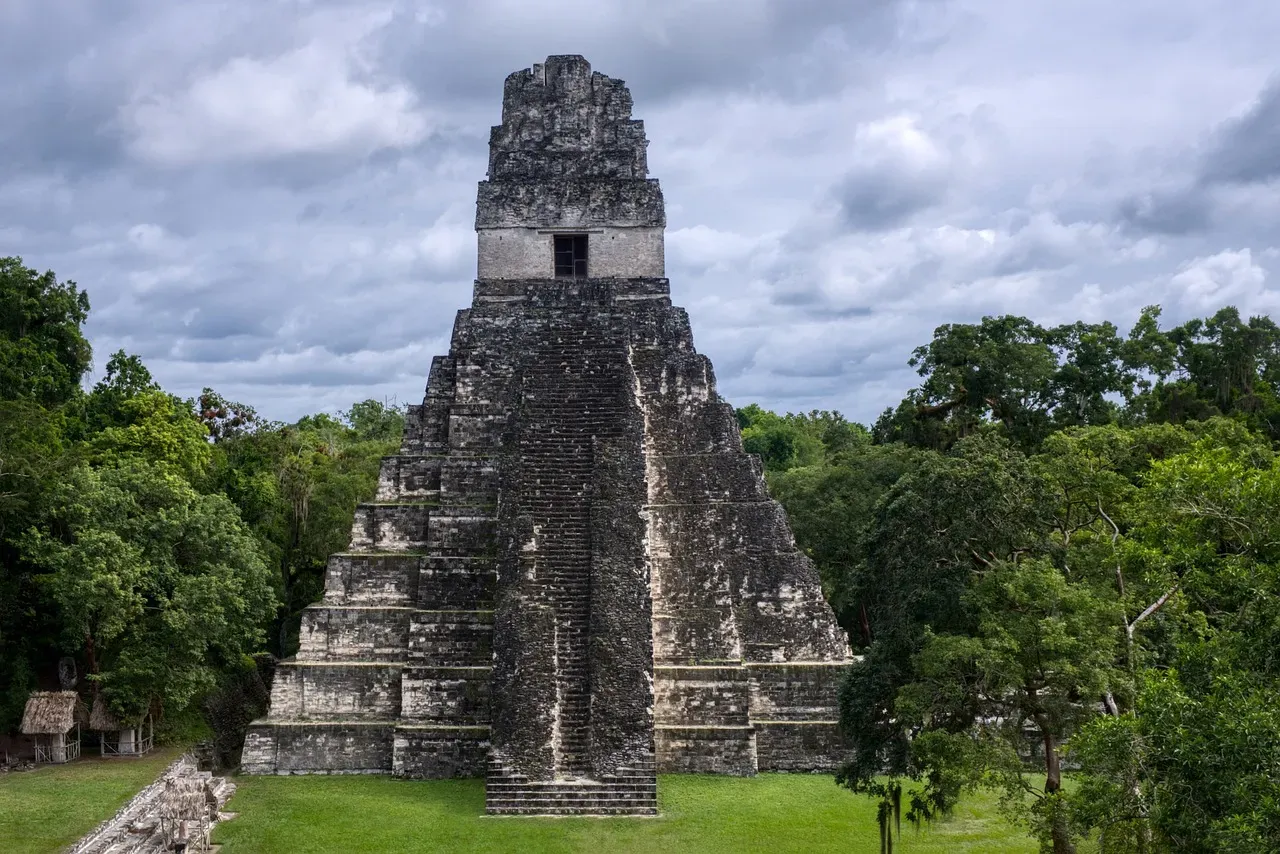
The city has been completely mapped and covered an area greater than 16 square miles including about 3,000 structures, and Tikal is one of the largest archaeological sites and urban centers of the pre-Columbian Maya civilization that became the capital of a state that became one of the most powerful kingdoms of the ancient Maya. Walking through Tikal today, you can still feel the weight of history pressing down on you.
At its peak, lasting approximately from 600 to 900 CE, Tikal comprised an area of roughly 50 square miles, included 3,000 stone structures, and had a population that may have exceeded 60,000 people at one point. Temple IV, also known as the Temple of the Two-Headed Serpent, stands over 70 meters tall, making it one of the tallest pyramids in the Mayan world, and climbing to the top offers breathtaking panoramic views of the surrounding jungle canopy.
Calakmul: The Snake Kingdom

Calakmul was one of the largest and most powerful ancient cities ever uncovered in the Maya lowlands, and the history of the Maya Classic period is dominated by the rivalry between Tikal and Calakmul, likened to a struggle between two Maya superpowers. The political drama between these two cities reads like something from Game of Thrones.
Calakmul itself is estimated to have had a population of 50,000 people and had governance at times over places as far away as 150 kilometers. There are 6,750 ancient structures identified at Calakmul, with the largest being the great pyramid at the site, and Structure 2 rises over 45 meters high, making it one of the tallest of the Maya pyramids. The total population of the Calakmul kingdom is estimated at 1.75 million which included the 50,000 inhabitants of the Calakmul city itself.
Chan Chan: South America’s Adobe Empire
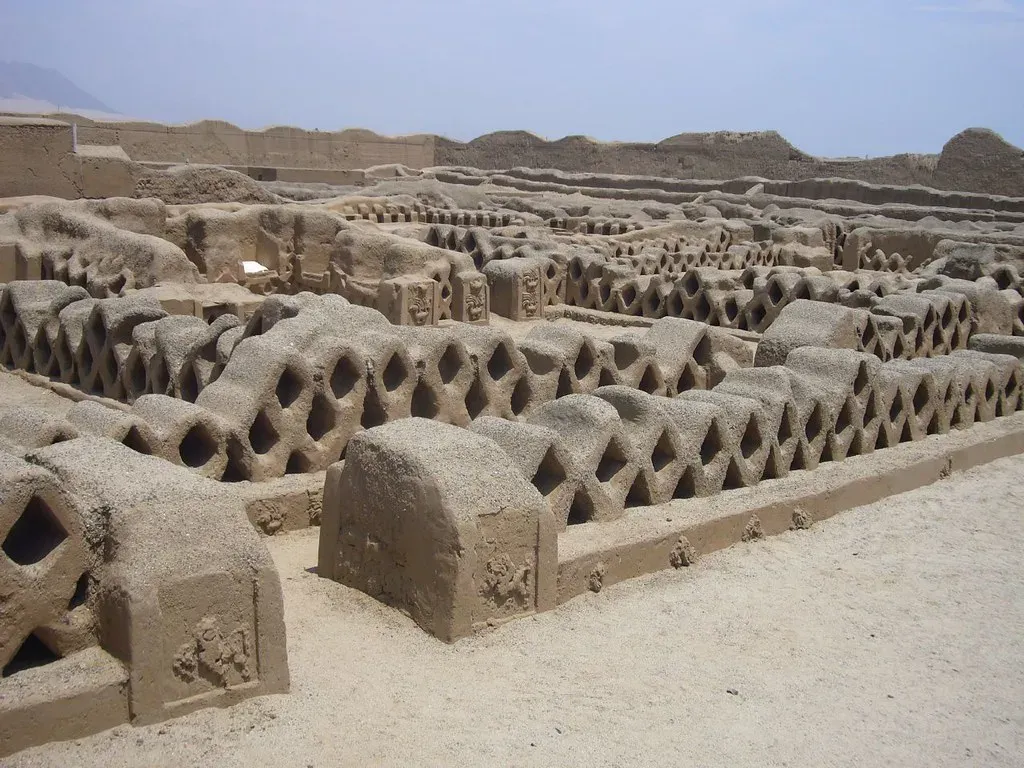
Chan Chan is thought to have been built around the middle of the ninth century CE, reaching its peak around 1000 CE, situated in the arid desert coastal plain of the Pacific at the mouth of the Moche River, and at its height held an estimated population between 40,000 and 60,000 people. This wasn’t some small settlement. We’re talking about the largest adobe city ever constructed.
The vast ruins span 14 square miles and are remarkably well-preserved due to the dry desert climate, with much of the adobe constructions and their details having been preserved, and Chan Chan represents the biggest adobe city ever built. The largest city in South America during the pre-Columbian era, Chan Chan was the capital of the Chimor Kingdom which rose around 900 CE and was conquered by the Incas in 1470 CE.
Chaco Canyon: The Southwestern Hub
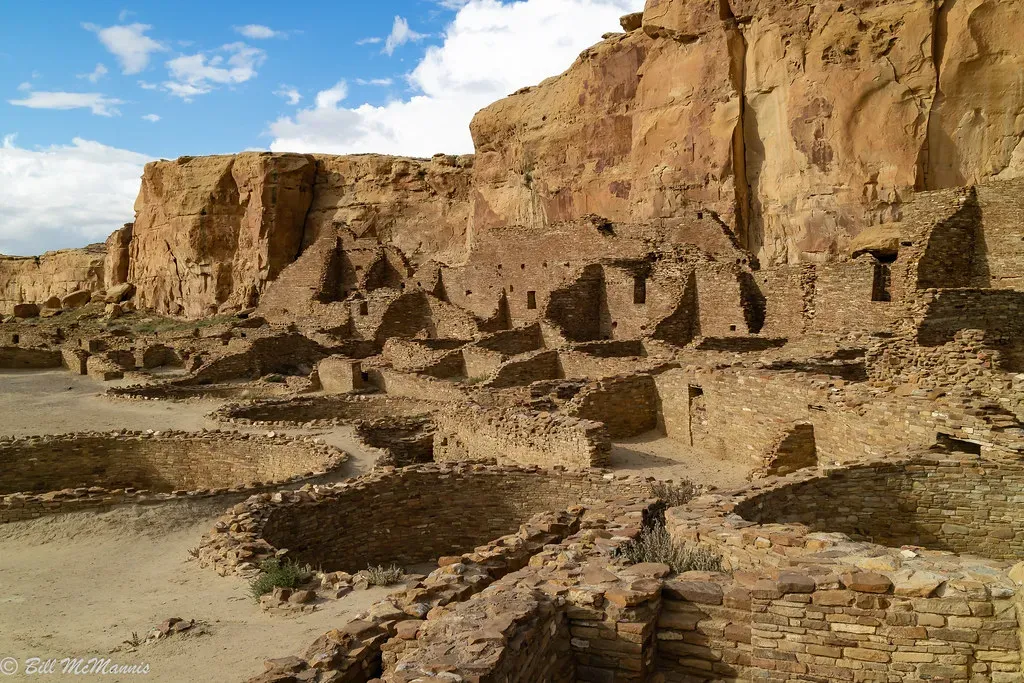
One settlement, Cahokia in modern-day Illinois, had a population of 20,000 at its peak around 1100-1150 AD, and around that same period, New Mexico’s Chaco Canyon was the center of a sophisticated culture that erected what were the most massive buildings on the continent until the rise of skyscrapers in the late 1800s, with population estimates varying from around 2,000 to as many as 25,000. That’s quite a range, I know, but even the conservative estimates are impressive.
Chaco Canyon appears to have been the ceremonial, trade, and administrative hub of a network of neighboring communities some as far as 60 miles away, connected by an extensive network of roads and an irrigation system, and builders developed sophisticated stone masonry construction techniques that allowed them to erect 150 multi-story structures, some as tall as five to six stories with hundreds of rooms.
These eight cities tell a story that most textbooks skip over. They weren’t primitive settlements waiting for European enlightenment. They were thriving metropolises with populations that rivaled or exceeded the great cities of medieval Europe. They had advanced engineering, complex social structures, extensive trade networks, and architectural achievements that still leave us scratching our heads today.
What do you think about these forgotten giants of the ancient world? Did you expect that pre-Columbian America had cities this massive and sophisticated? The evidence is literally carved in stone, yet somehow these stories remain largely unknown. It makes you wonder what else we’ve been missing about our shared human history.
Hi, I’m Andrew, and I come from India. Experienced content specialist with a passion for writing. My forte includes health and wellness, Travel, Animals, and Nature. A nature nomad, I am obsessed with mountains and love high-altitude trekking. I have been on several Himalayan treks in India including the Everest Base Camp in Nepal, a profound experience.