Have you ever wondered where everything came from? Not just us, but the very first spark that turned simple chemistry into something alive? It’s honestly one of the most mind-bending questions we face.
Here’s the thing. We know roughly when life appeared on Earth, somewhere around four billion years ago, give or take a few hundred million. Yet the how and the where remain fiercely debated among scientists. Some believe it started in a warm pond, struck by lightning. Others think life hitchhiked here from outer space. Still others are convinced the answer lies at the bottom of the ocean, where superheated water gushes from cracks in the Earth’s crust.
Each theory has its champions, its skeptics, and a fascinating story to tell. So let’s dive in.
The Primordial Soup: Life in a Warm Little Pond
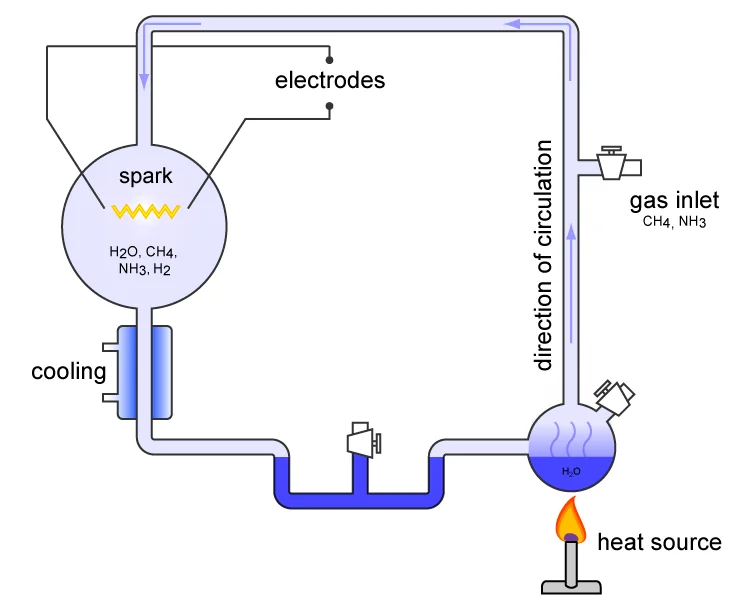
You might have heard this idea called the primordial soup hypothesis, a concept proposing that life emerged around four billion years ago in Earth’s early water bodies, which were rich in organic matter. The theory was first proposed by Alexander Oparin in 1924 and independently by J.B.S. Haldane in 1929. Picture the young Earth, with an atmosphere full of methane, ammonia, and water vapor but almost no oxygen. As Oparin suggested, in the primitive Earth’s surface layers, carbon, hydrogen, water vapor, and ammonia reacted to form the first organic compounds.
The concept gained real credibility in 1953 when the Miller-Urey experiment used a highly reduced mixture of gases to form basic organic monomers, such as amino acids. Stanley Miller essentially recreated what might have been Earth’s early atmosphere in a lab flask, zapped it with electricity to simulate lightning, and boom: amino acids appeared. These are the building blocks of proteins, the machinery of life. A large section of the scientific community accepts the primordial soup theory. Yet despite its elegance, many researchers now believe the soup idea has holes that can’t easily be filled, particularly when it comes to energy.
Deep-Sea Hydrothermal Vents: Where Energy Meets Chemistry
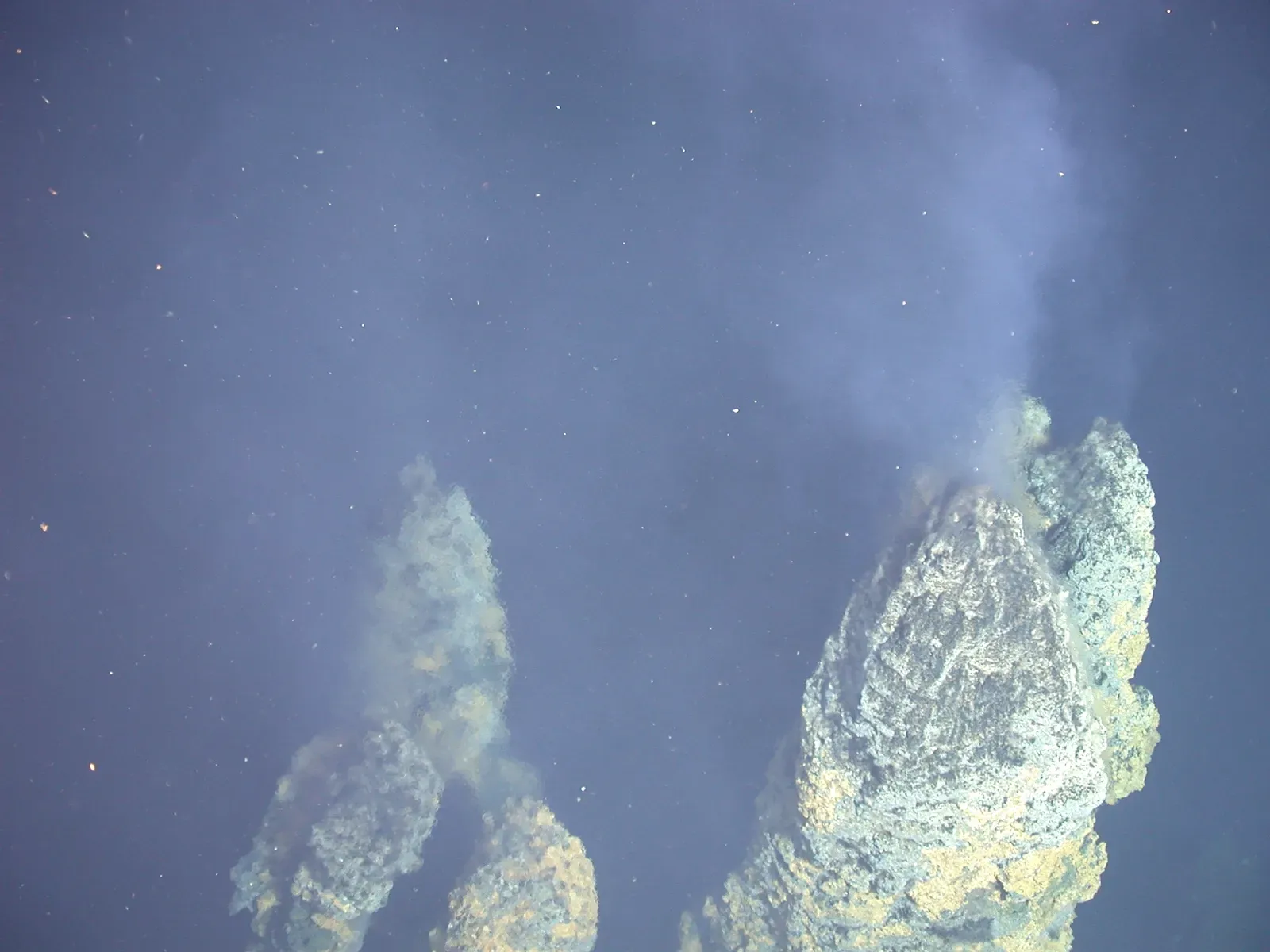
Let’s be real, the primordial soup sounds nice, but how did those early molecules get the power to do anything? Recent research adds weight to an alternative idea, that life arose deep in the ocean within warm, rocky structures called hydrothermal vents. By creating protocells in hot, alkaline seawater, a UCL-led research team has added to evidence that the origin of life could have been in deep-sea hydrothermal vents rather than shallow pools. These vents pump out mineral-rich fluids that mix with seawater, creating dramatic chemical gradients.
There are two kinds of hydrothermal vents: the hot black smoker type driven by magma chambers, and the cooler Lost City type driven by serpentinization, a hydrogen-producing geochemical reaction. For the first time, researchers succeeded at creating self-assembling protocells in an environment similar to that of hydrothermal vents, finding that heat, alkalinity, and salt did not impede the protocell formation but actively favored it. This matters because protocells are essentially the most primitive ancestors of actual cells. The vent environment seems to provide both the building blocks and the battery needed to power early life’s chemistry, something a stagnant soup might struggle to offer.
The RNA World: When Molecules Learned to Copy Themselves
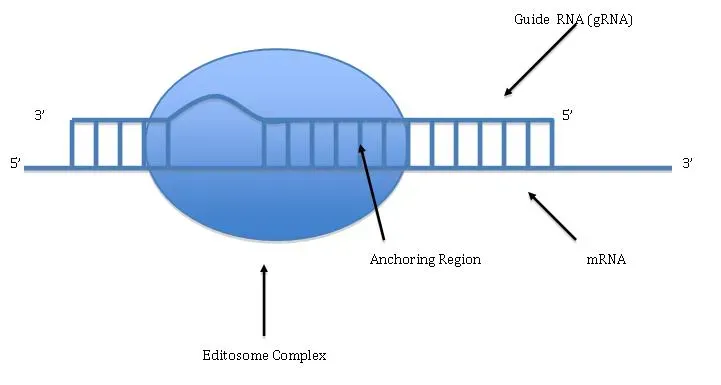
The RNA world is a hypothetical stage in the evolutionary history of life on Earth in which self-replicating RNA molecules proliferated before the evolution of DNA and proteins. Think about it. Today, DNA stores information, proteins do the work, and RNA acts as the messenger. Alexander Rich first proposed the concept of the RNA world in 1962, and Walter Gilbert coined the term in 1986. The hypothesis suggests that early on, RNA did all three jobs at once: storing genetic data, copying itself, and catalyzing chemical reactions.
New research at the Salk Institute provides compelling evidence supporting the RNA World hypothesis, unveiling an RNA enzyme that can make accurate copies of other functional RNA strands while allowing new variants to emerge over time, suggesting the earliest forms of evolution may have occurred on a molecular scale in RNA. It’s hard to say for sure, but the discovery of ribozymes, RNA molecules that act like enzymes, gave this idea serious credibility. The strongest argument for proving the hypothesis is perhaps that the ribosome, which assembles proteins, is itself a ribozyme, indicating that early life forms may have used RNA to catalyze chemical reactions before they used proteins. Still, critics point out that RNA is fragile and difficult to synthesize under early Earth conditions.
Panspermia: Did Life Arrive from the Stars?
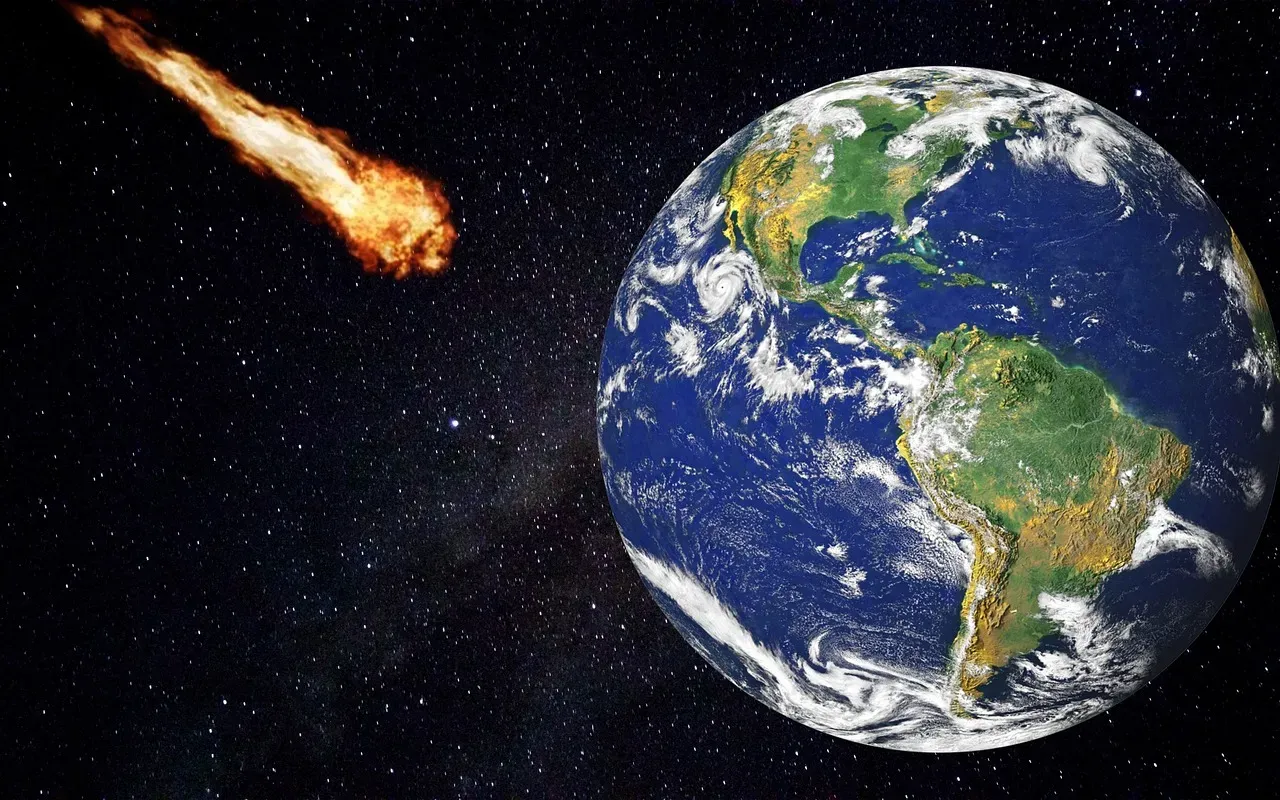
Here’s where things get wild. Panspermia theories generally propose that microbes able to survive in outer space can become trapped in debris ejected into space after collisions between planets and small Solar System bodies that harbor life, with this debris then transported by meteors between bodies in a planetary system or even across planetary systems. Panspermia is a hypothesis proposing that life on Earth originated from microorganisms or chemical precursors of life arriving from outer space.
New analysis of asteroid rocks brought back to Earth reveals the presence of amino acids, carbon, ammonia, salts, and the basic constituents of DNA and RNA, suggesting that the same building blocks, and perhaps even primitive microbial life, could have been delivered to Earth on meteorites, asteroids, or comets billions of years ago. From space experiments conducted on the International Space Station, microbes have been found to survive at low Earth orbits under some protection from intense solar UV radiation. The idea isn’t as crazy as it sounds, though it doesn’t answer how life first began, just where it might have traveled from. Some even propose directed panspermia, where intelligent aliens deliberately seeded Earth with life, though that strays into science fiction territory.
Alkaline Hydrothermal Vents: The Lost City Connection
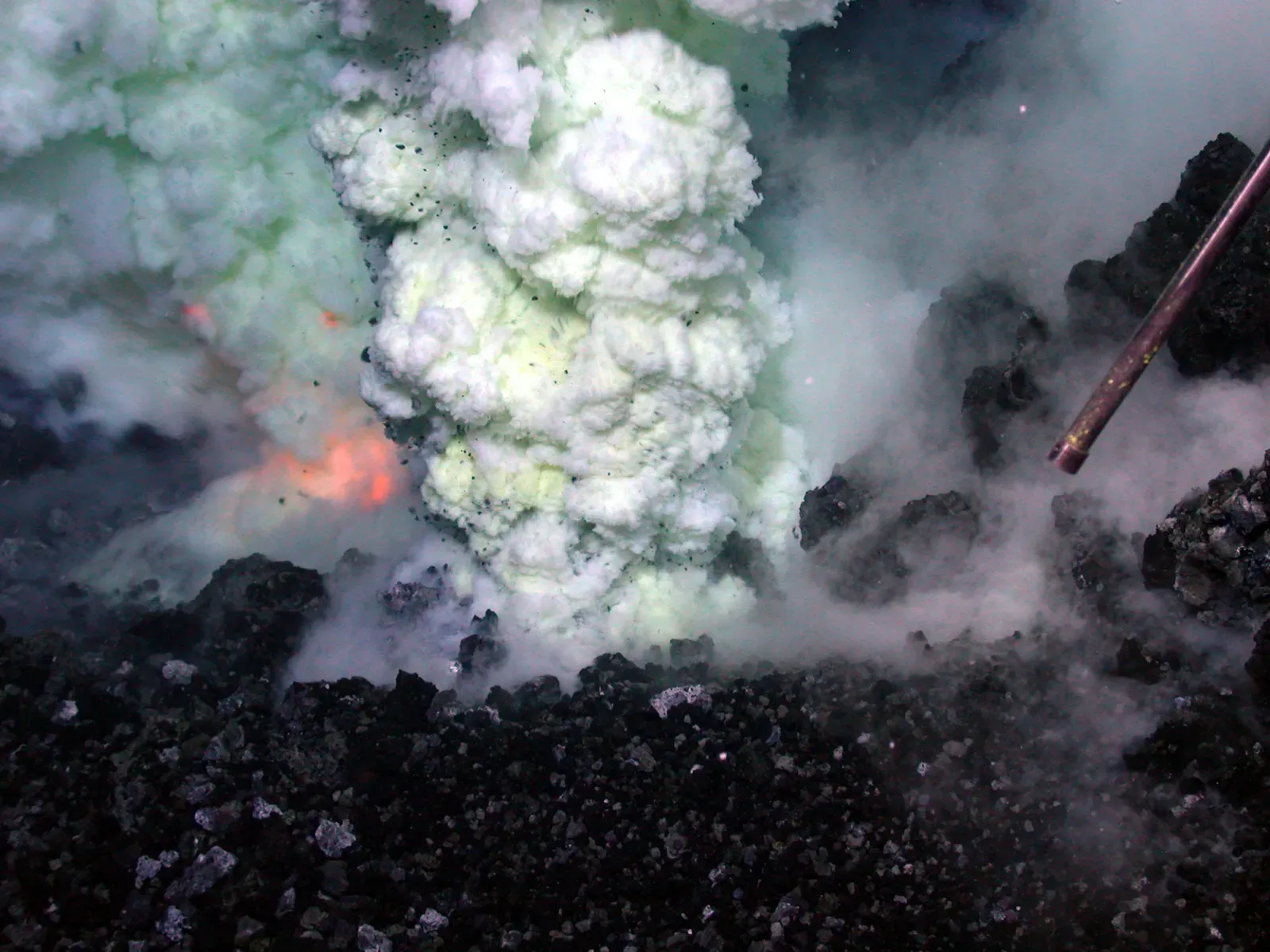
In 2000, a new type of alkaline deep sea hydrothermal vent was discovered at the Lost City field on the seafloor Atlantis Massif mountain in the mid-Atlantic, formed by serpentinization where seabed rock reacts with water to produce large volumes of hydrogen, creating white calcium carbonate chimneys when warm alkaline fluids mix with seawater. Unlike the scorching black smokers that spew water at hundreds of degrees, Lost City vents are cooler and far more chemically stable.
Michael Russell suggested in 1993 that life came from harnessing the energy gradients that exist when alkaline vent water mixes with more acidic seawater, mirroring the way that cells maintain a proton gradient by pumping protons across a membrane to create a charge differential, known as the proton-motive force, which can then be harnessed to make ATP. There is some evidence that links the origin of life to alkaline hydrothermal vents in particular, as the pH conditions of these vents may have made them more suitable for emerging life. Essentially, these vents might have acted as natural batteries, powering the chemistry of early life before cells even existed. It’s a concept that’s gaining serious traction in the scientific community.
Metabolism First: Chemistry Before Genetics
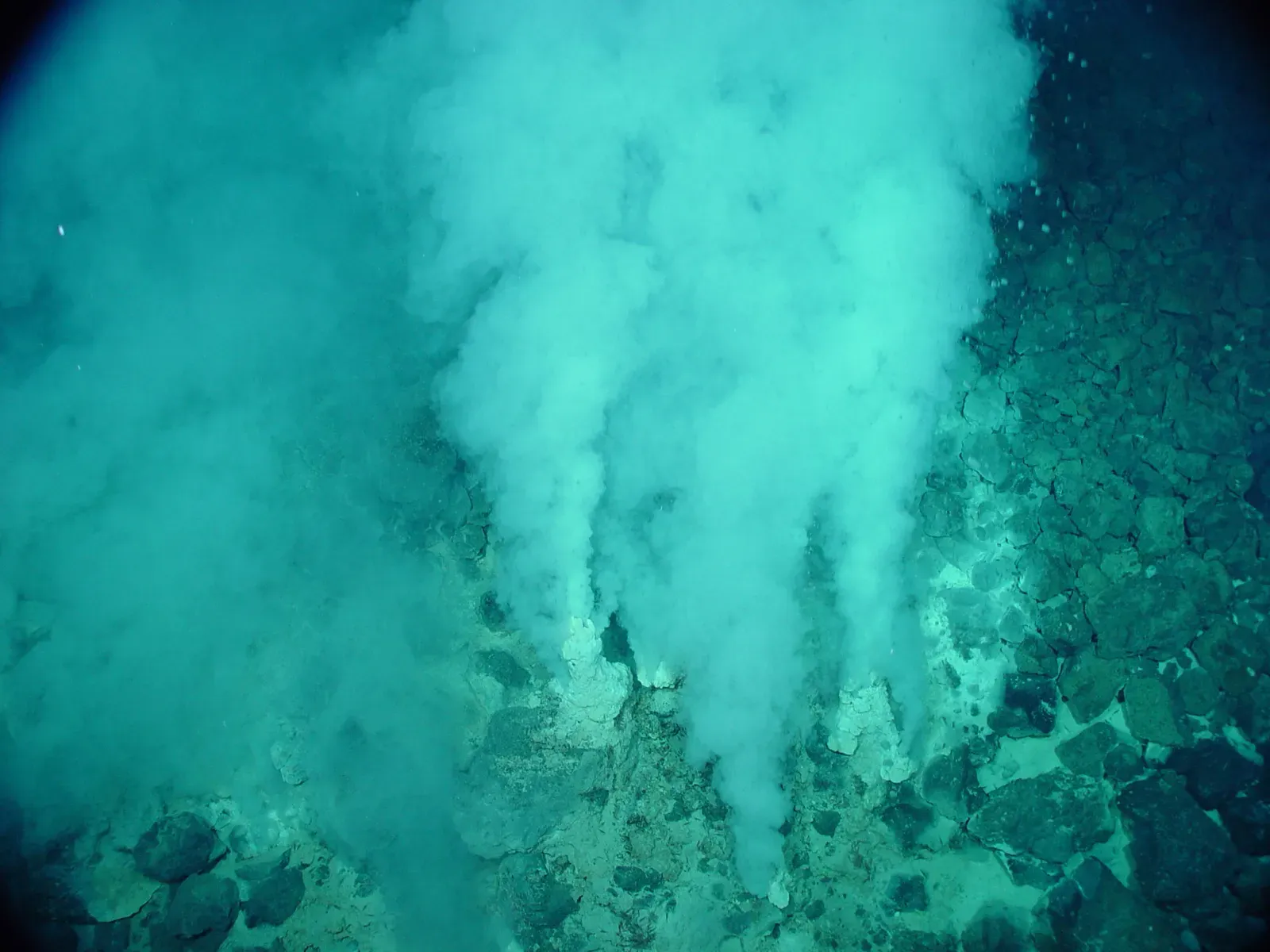
What if life didn’t start with a molecule that could copy itself, but with a network of self-sustaining chemical reactions? If the primordial soup concept of life is rejected, one plausible assumption is that the first life form made its own molecules as autotrophs, building its own molecular building blocks from scratch, relying on the chemical energy of minerals rather than the sun. This is the metabolism-first hypothesis. Instead of genes and replication coming first, simple metabolic cycles emerged, driven by mineral surfaces and geochemical gradients.
Recent findings reveal that under the environmental conditions of hydrogen-producing hydrothermal vents, the energy for the origin of life could come from life itself. One important piece of evidence for the nature of energy at origins has been hiding in plain sight: the central hub of reactions that make up the life process itself, with the driving force behind metabolic energy release ultimately tracing to a steady geochemical interface of hydrogen and carbon dioxide. Proponents argue this makes more sense than expecting a complex self-replicating molecule like RNA to just spontaneously appear. Still, skeptics wonder how metabolism without genes could evolve and improve over time.
Clay Minerals and Surface Catalysis: Life on a Template
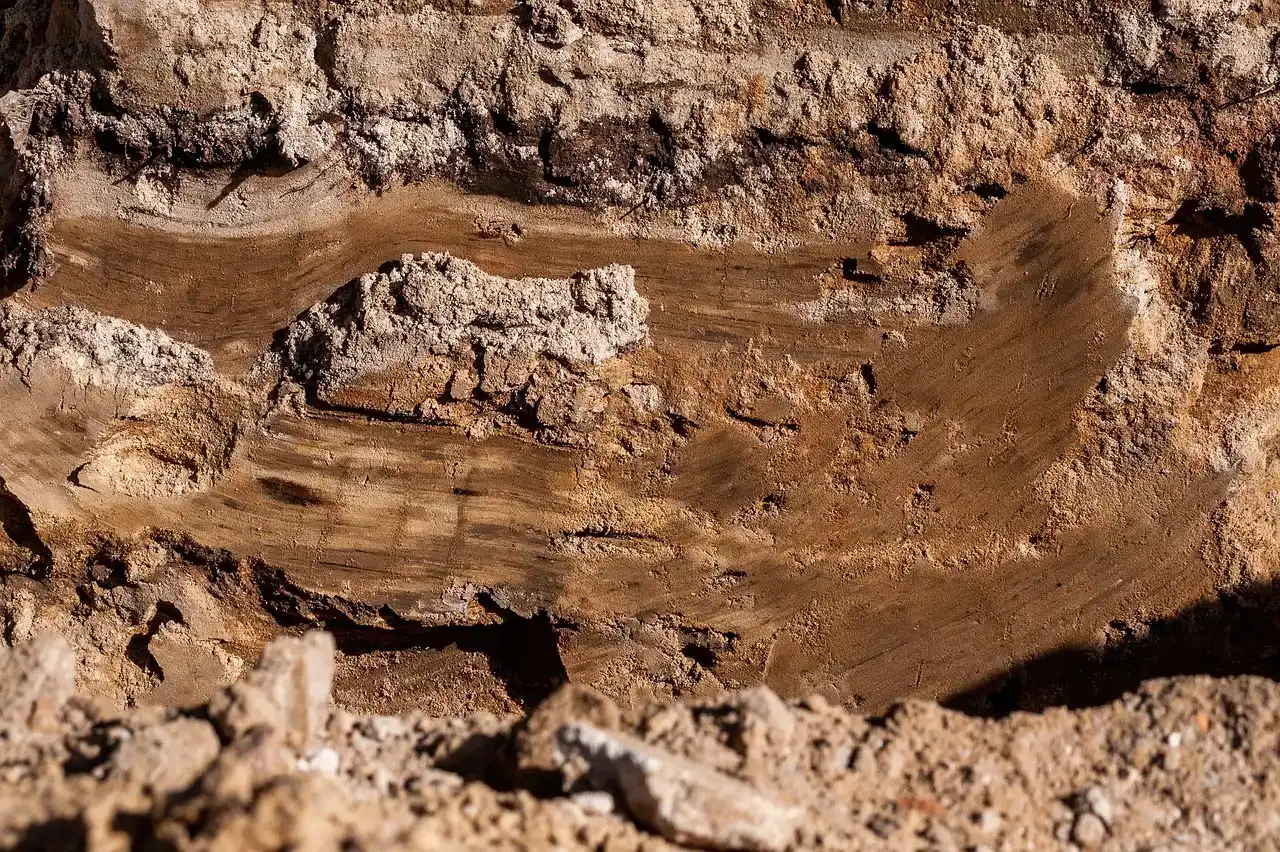
Organic molecules may have formed in certain types of clay minerals that could have offered favorable conditions for protection and preservation, and this could have happened on Earth during its early history or on comets and asteroids that later brought them to Earth in collisions. Think of clay as nature’s scaffolding. The surfaces of certain minerals have charged sites that attract and organize organic molecules, essentially acting as primitive enzymes.
It has been proposed that the first biological molecules on Earth were formed by metal-based catalysis on the crystalline surfaces of minerals, where an elaborate system of molecular synthesis and breakdown could have existed on these surfaces long before the first cells arose. Some researchers believe clays could have concentrated simple compounds, arranged them in useful patterns, and catalyzed reactions that led to more complex organic molecules. The beauty of this idea is that it doesn’t require exotic conditions. Clay minerals were abundant on early Earth, especially in tidal zones where wet and dry cycles could have driven repeated rounds of chemical evolution. Whether clays played a starring role or just a supporting one remains unclear, but they offer yet another plausible pathway from chemistry to biology.
Conclusion: A Puzzle Still Coming Together

So where does all this leave us? Honestly, we still don’t have a definitive answer. Each of these theories addresses different pieces of the puzzle: energy sources, molecular building blocks, environments, and mechanisms. Some researchers are now thinking that life’s origin might not have been a single event in a single place, but rather a combination of processes that unfolded over millions of years.
Maybe amino acids arrived on meteorites while RNA precursors formed at hydrothermal vents. Perhaps clay minerals helped organize the first metabolism while alkaline gradients powered it. The more we learn, the more we realize how interconnected these ideas might be. What do you think? Could life have started in more than one way, or is there a single origin story we just haven’t uncovered yet?