
Have you ever looked up at the night sky and felt small? Well, prepare to feel infinitesimally tiny. The universe contains structures so incomprehensibly huge that they defy the very laws we thought governed the cosmos.
You might think galaxies are big, or even clusters of galaxies. Those are child’s play compared to what astronomers have been discovering lately. We’re talking about structures that stretch across billions of light years, formations so massive that light itself needs eons just to cross from one end to the other. Let’s dive in.
Quipu: The Largest Cosmic Structure Ever Discovered
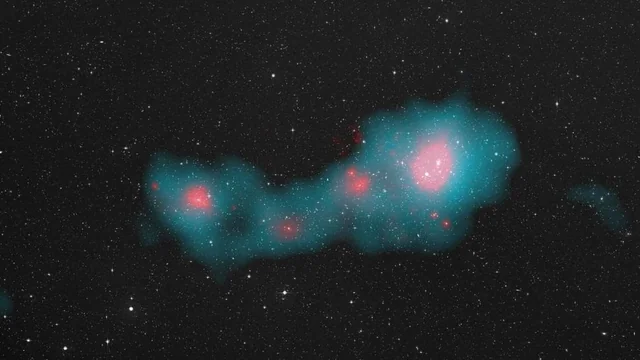
Quipu, recently discovered in early 2025, is now recognized as the largest structure ever found in the universe. Picture this if you can: a superstructure stretching some 1.3 billion light years long, containing the mass of some 200 quadrillion stars. That number is so absurdly large it barely registers in the human brain.
Named Quipu after an Incan measuring system of knotted cords used for bookkeeping, the superstructure resembles this ancient script, appearing as a long fiber with side strands woven into it. Researchers chose this name partly because many of the distance measurements were made at the European Southern Observatory in Chile. Quipu alone has 68 galaxy clusters and basically forms a long filament with small side filaments.
The Hercules-Corona Borealis Great Wall: A Controversial Giant
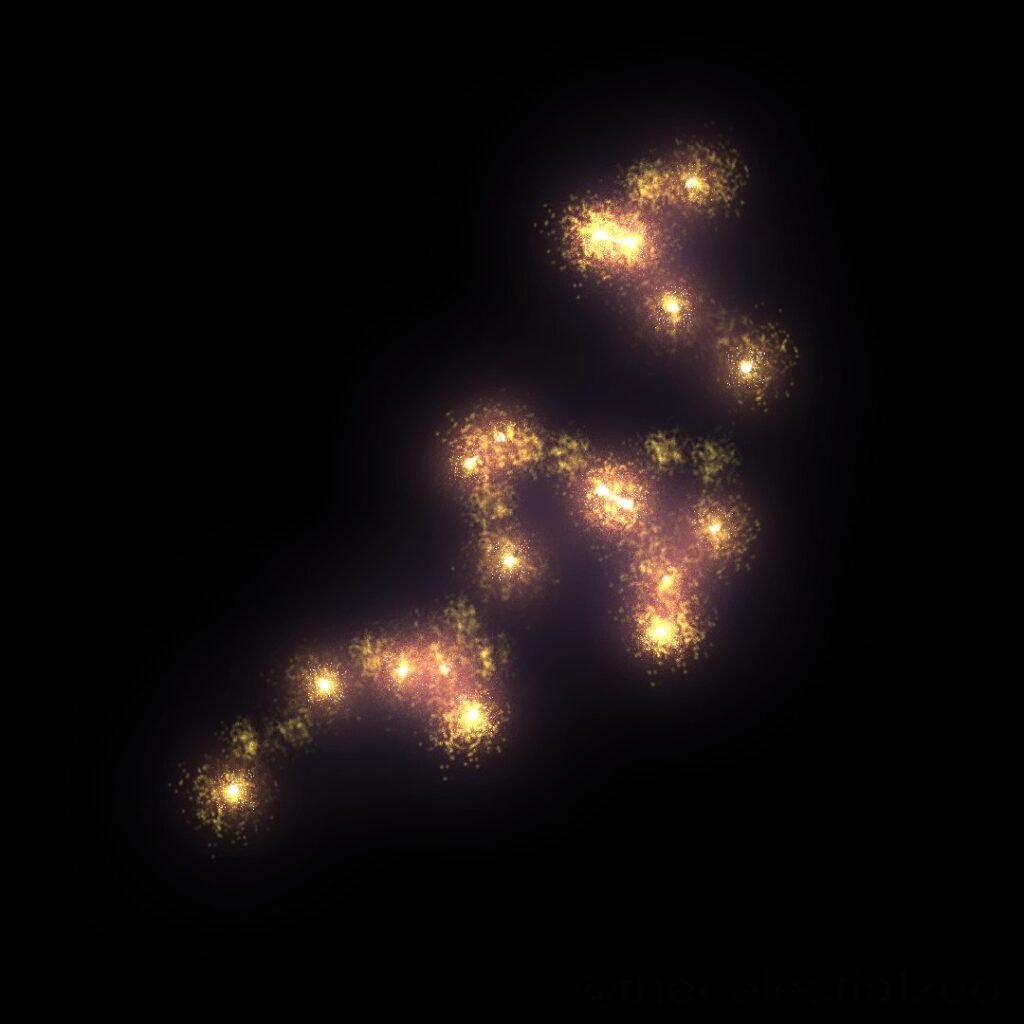
The Hercules-Corona Borealis Great Wall is a putative galaxy filament that, if confirmed, would be one of the largest known structures in the observable universe, measuring approximately 10 billion light years in length. Let’s be real though: not everyone agrees it actually exists.
Doubt has been placed on the existence of the structure in other studies, positing that the structure was found through biases in certain statistical tests, without considering the full effects of extinction. Still, recent research suggests it might be even bigger than originally thought. The team found that it extends over a larger radial range than previously calculated, as scientists didn’t recognize before that some nearby gamma-ray bursts are also part of this massive structure. Whether you believe it exists or not, the implications are staggering.
Cosmic Filaments: The Universe’s Gigantic Highways
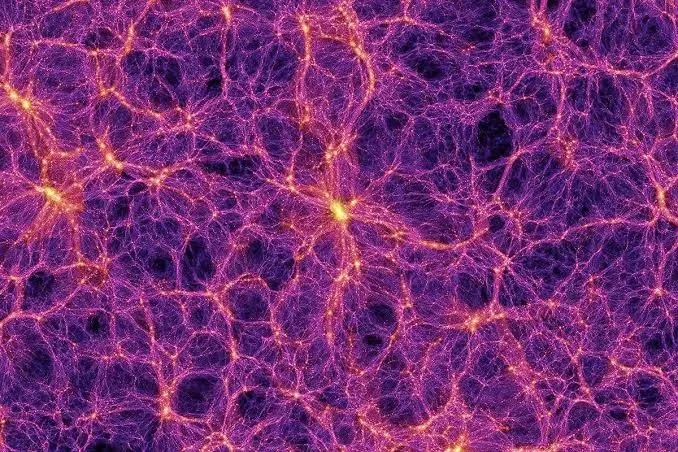
Think of the universe as a spiderweb, except instead of silk threads you’ve got structures made of galaxies and dark matter. Cosmic filaments are the largest known structures in the universe: vast, thread-like formations of galaxies and dark matter that form a cosmic scaffolding, acting as highways along which matter and momentum flow into galaxies.
These aren’t just random collections either. An international team led by the University of Oxford identified one of the largest rotating structures ever reported: a razor-thin string of galaxies embedded in a giant spinning cosmic filament, 140 million light years away. This structure sits inside a much larger cosmic filament containing over 280 other galaxies, and roughly 50 million light years long. The whole thing spins like a cosmic carousel. Honestly, it’s hard to say for sure, but it seems like the universe has far more structure than we ever imagined.
Galactic Walls: Sheets of Millions of Galaxies
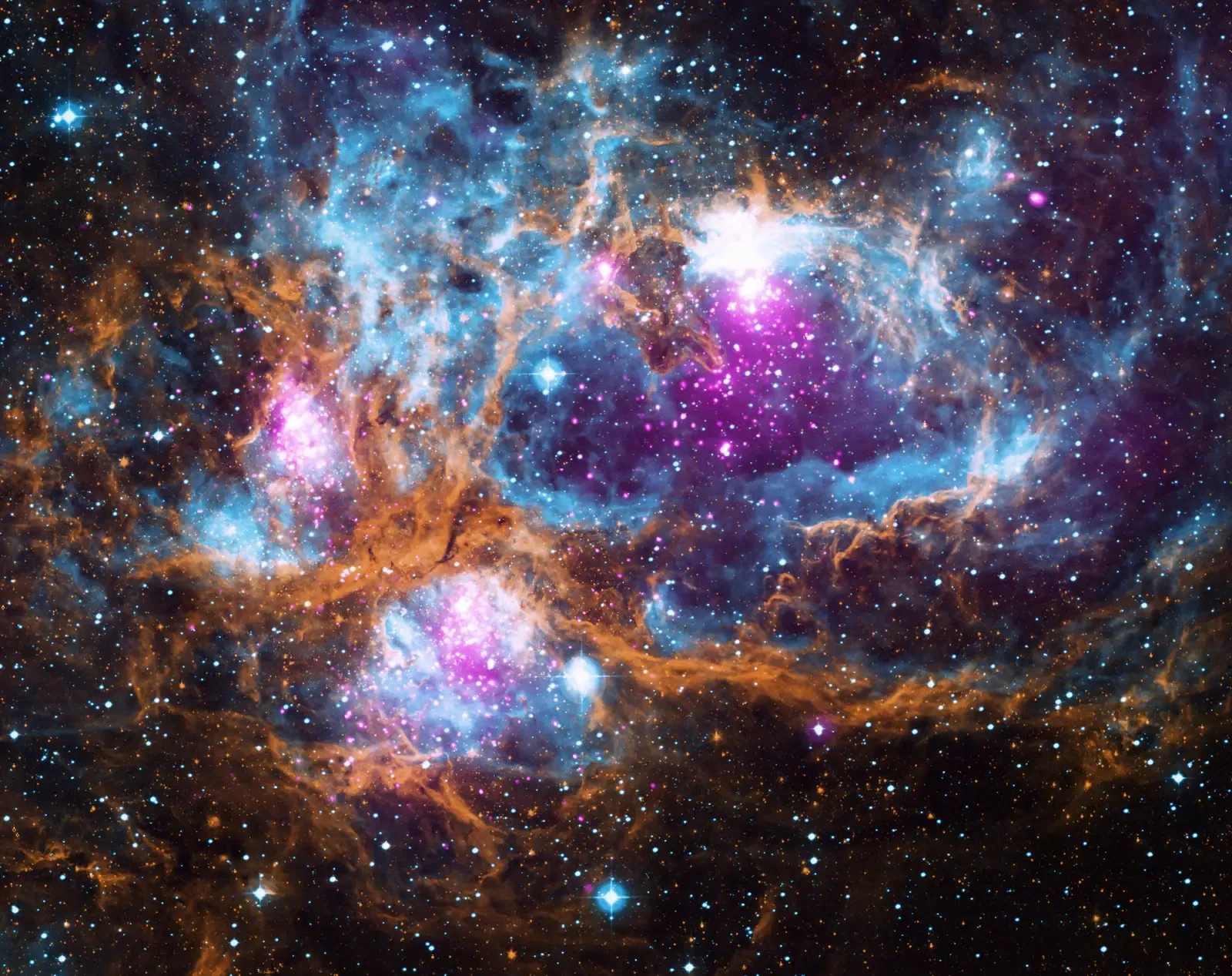
Groupings of superclusters can form walls or sheets of galaxies, which are likely the largest-known superstructures within the observable universe, stretching hundreds of millions of light years across but relatively thin, only about 20 million light years deep. These walls are basically enormous cosmic billboards made of galaxies.
The first galactic wall astronomers discovered, called the Coma Wall, is about 500 million light years long, 16 million light years deep, and 300 million light years away. What blows my mind is the sheer flatness of these structures. They span unfathomable distances but remain relatively paper thin in cosmic terms. It’s like finding sheets of paper the size of continents.
The Sloan Great Wall: A Former Record Holder
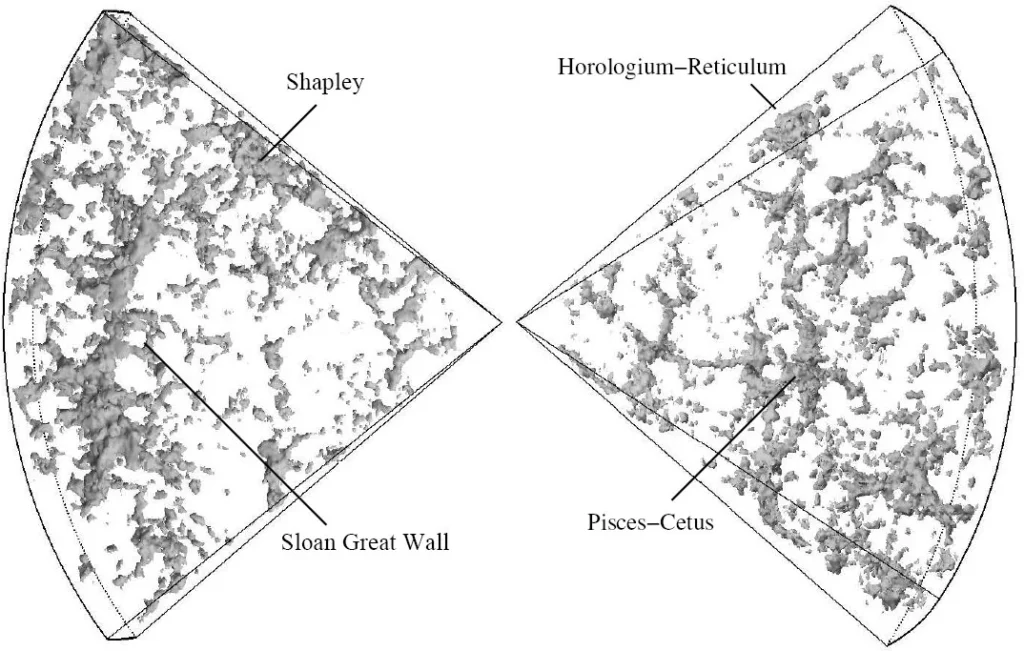
Before Quipu and the disputed Hercules-Corona Borealis structure grabbed headlines, the Sloan Great Wall held the title. The Sloan Great Wall was discovered in 2003. At 1.3 billion light years across, the Sloan Great Wall was a serious record holder.
This structure represented a breakthrough in understanding how matter organizes itself on the grandest scales. For years, it stood as the ultimate example of cosmic architecture, challenging cosmological models about how quickly such enormous formations could develop after the Big Bang. Even now, dethroned from its top position, the Sloan Great Wall remains a testament to the universe’s capacity to build on scales that dwarf human comprehension.
The Cosmic Web: A Universal Network
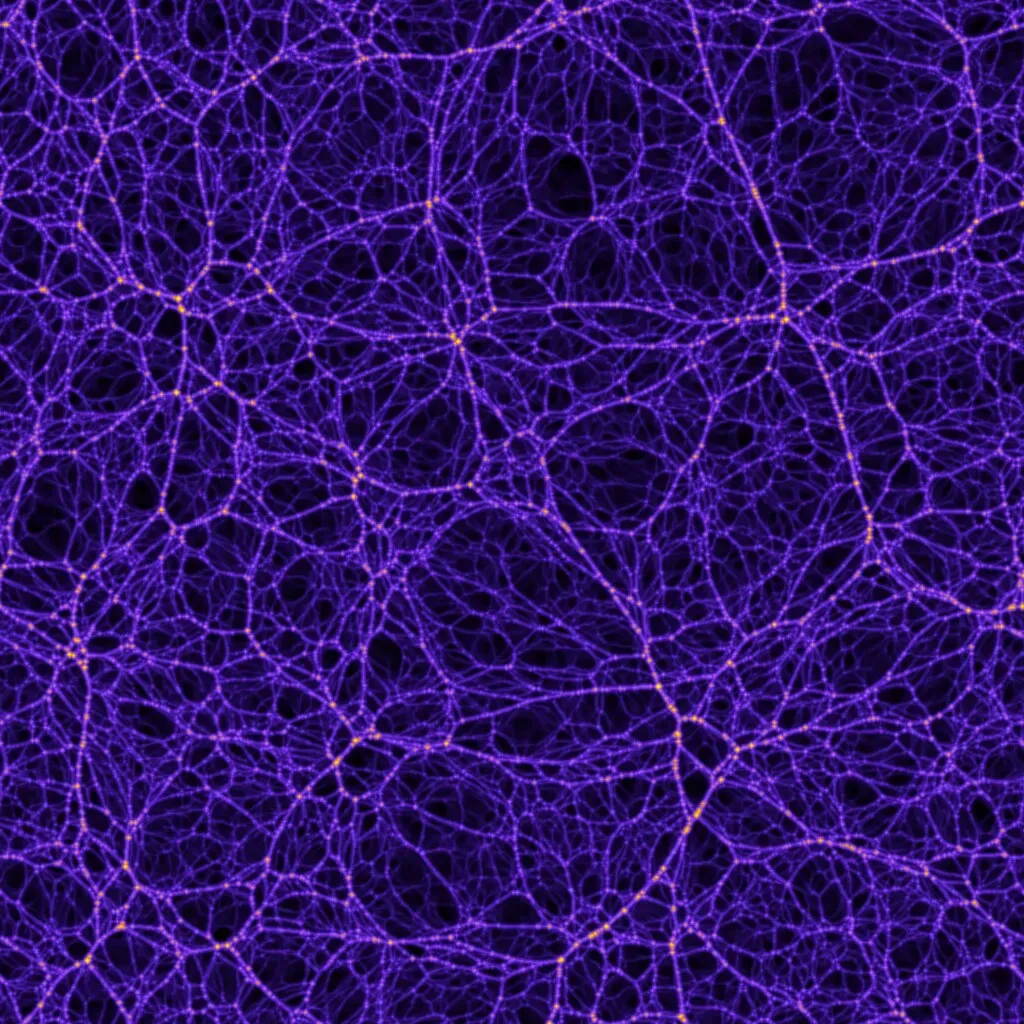
Galaxies, galaxy groups and clusters, superclusters, and galactic walls are arranged in twisting, threadlike structures called the cosmic web, which forms as the gravitational attraction of the universe’s matter draws larger and larger objects together, leading to concentrations of galaxies with voids of space in between, as if the galaxies were resting on empty bubbles.
Over time, the universe evolved into a web of filaments and vast sheets, largely made of dark matter, which form the structure of the universe today, forming the large-scale backbone of the universe. Imagine a foam bath where the bubbles are millions of light years across. That’s essentially what we’re living in. The galaxies cluster along the bubble surfaces while vast empty voids exist inside. The cosmic web forms a sort of scaffolding that cradles everything that exists within the universe.
Laniakea Supercluster: Our Cosmic Neighborhood
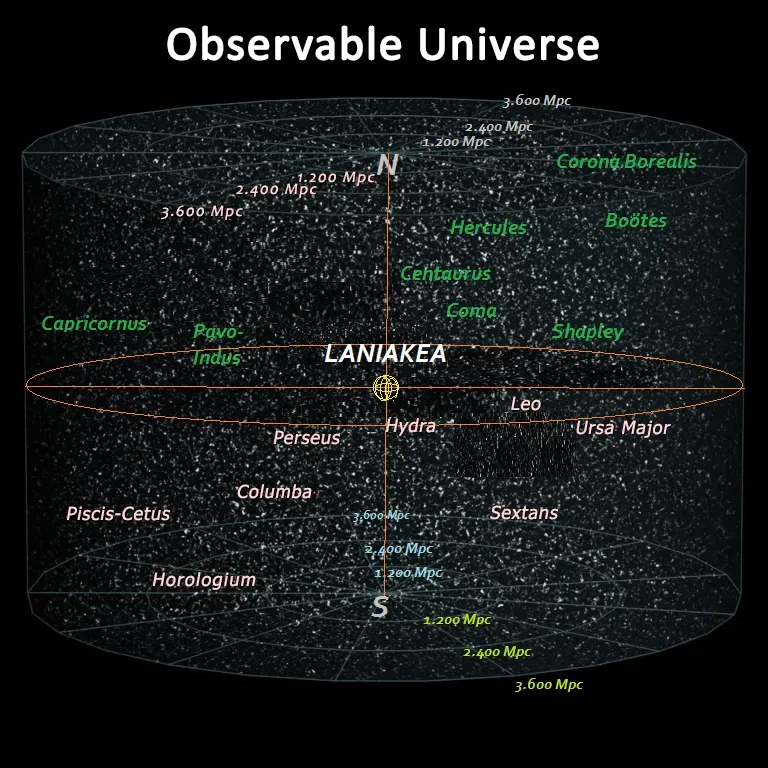
The Milky Way is part of the Local Group galaxy group, which in turn is part of the Virgo Supercluster, which is part of the Laniakea Supercluster. You might not have heard of Laniakea, but you live in it right now. Laniakea is gigantic, spanning approximately 500 million light years.
The name comes from Hawaiian, meaning “huge open sky,” which seems appropriate when you consider that this supercluster contains hundreds of thousands of galaxies. It’s a bit like living in a particular neighborhood, in a specific city, in a certain region of a country. Except instead of neighborhoods, we’re talking about collections of galaxy clusters that make our entire galaxy look like a speck of dust.
Superclusters: Cities of Galaxies
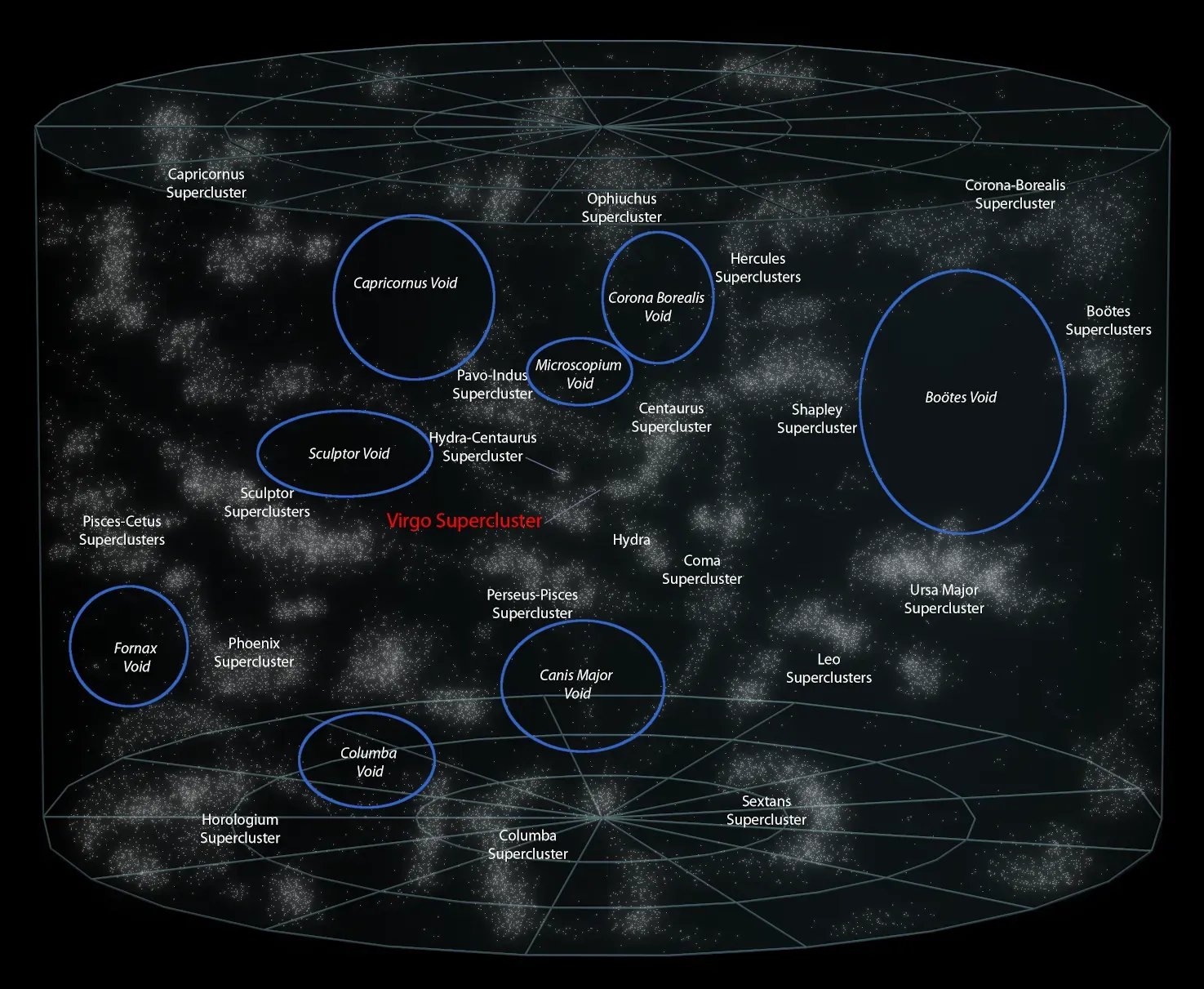
A supercluster is a large group of smaller galaxy clusters or galaxy groups; they are among the largest known structures in the universe. These are essentially cities of galaxies, places where hundreds or thousands of galaxy clusters congregate. The number of superclusters in the observable universe is estimated to be 10 million.
Superclusters are large collections of galaxy clusters, groups, and individual galaxies that are typically not gravitationally bound to each other. This means they’re more like loose associations than tightly bound systems. They represent intermediate steps in the cosmic hierarchy, bridging the gap between individual galaxy clusters and the cosmic web itself. The universe has organized itself into a staggering hierarchy of structures, each level more mind-boggling than the last.
Cosmic Voids: The Universe’s Empty Spaces
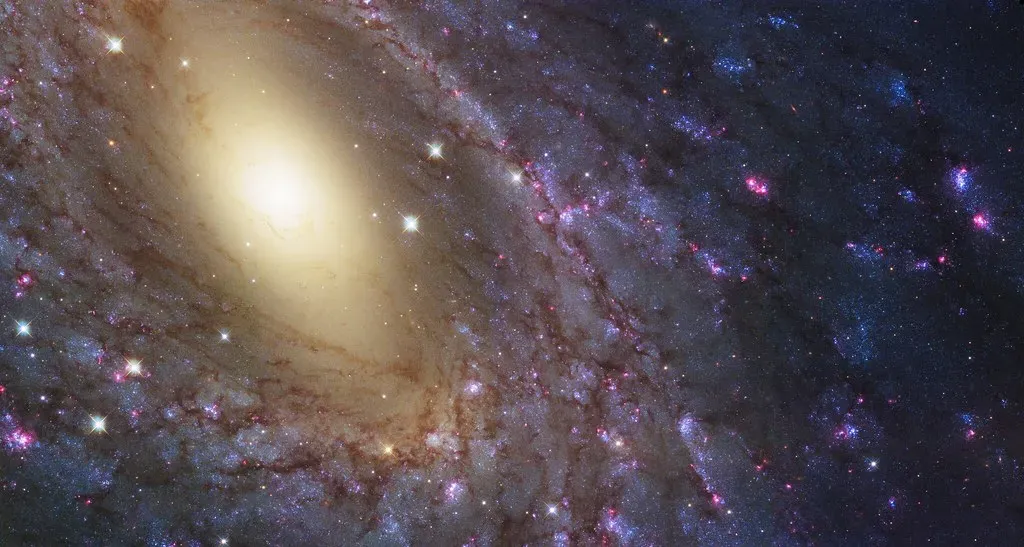
Here’s where things get weird. Cosmic voids, also known as dark space, are vast spaces between filaments, which contain very few or no galaxies. These aren’t small pockets either. Voids typically have a diameter of 10 to 100 megaparsecs (30 to 300 million light years); particularly large voids, defined by the absence of rich superclusters, are sometimes called supervoids.
The voids make up around 80 percent of the observable universe, and most are around 30 to 300 million light years across. That’s right. Most of the universe is essentially empty. The galaxies, stars, and everything we can see cluster along the edges of these vast bubbles of nothingness. Although even the emptiest regions of voids contain more than roughly 15 percent of the average matter density of the universe, the voids look almost empty to an observer.
The Boötes Void: The Great Nothing
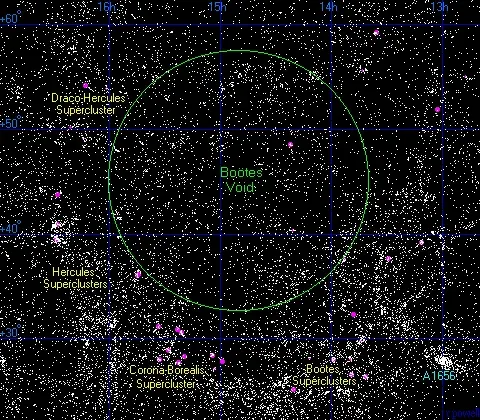
The Boötes void spans an area 330 million light years across but contains very few galaxies, making it the largest void in the known universe. Discovered accidentally in 1981, this structure earned the nickname “the Great Nothing” for good reason. This huge expanse contains just 60 or so galaxies, all in a tube-shaped region that lies across the middle of the void, though we would normally expect there to be around 2,000 galaxies in an area of the same size.
As astronomer Greg Aldering put it: if the Milky Way had been in the center of the Boötes void, we wouldn’t have known there were other galaxies until the 1960s. Let that sink in. If our cosmic address had been slightly different, humanity would have spent most of its existence thinking we were utterly alone in an empty universe. The void challenges our understanding of how cosmic structures form and evolve.
Conclusion: Rethinking the Universe’s Limits
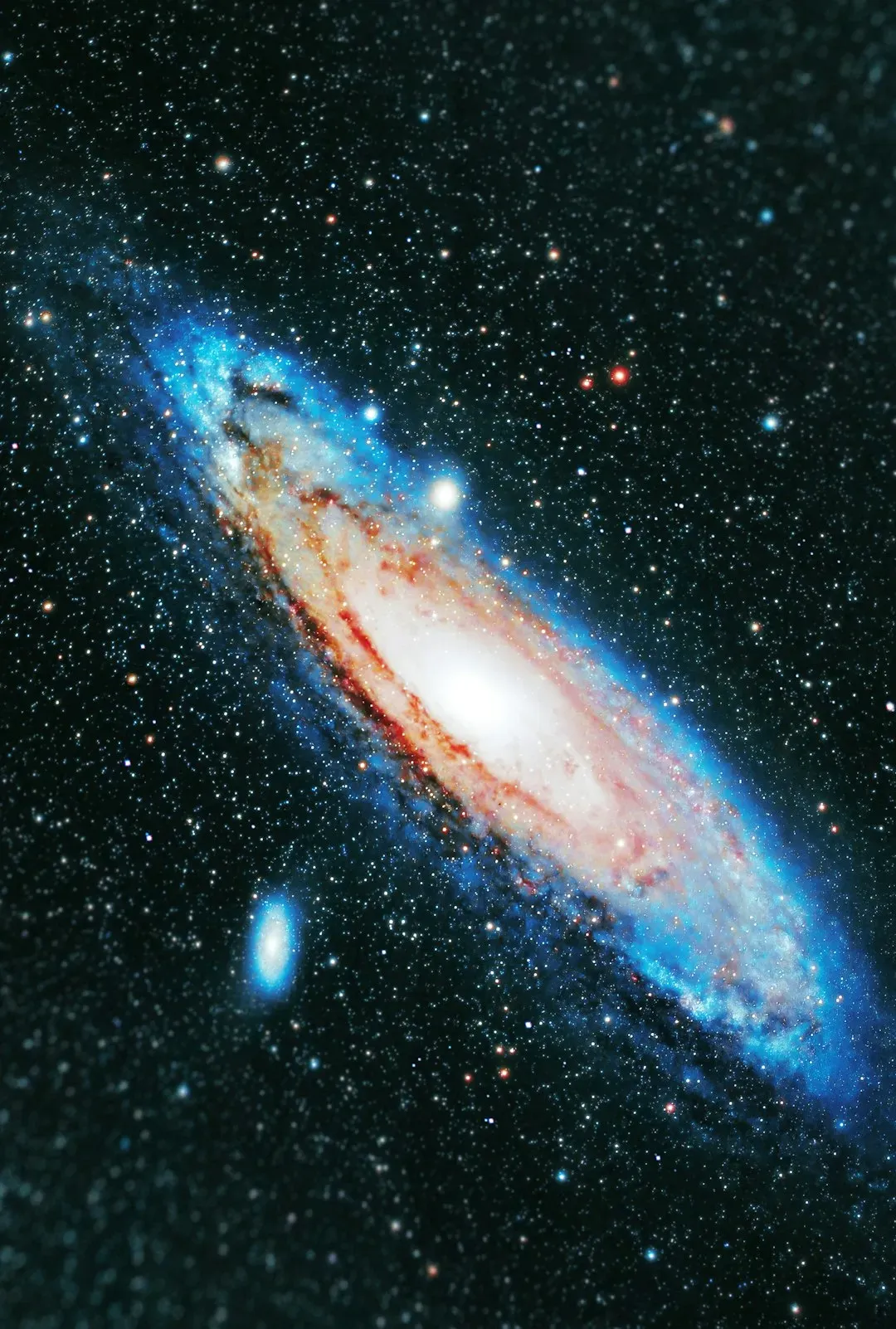
These colossal structures force scientists to reconsider fundamental assumptions about how the universe works. The cosmological principle suggests the universe is homogeneous and isotropic on large scales, meaning it should look the same in all directions. Yet these megastructures seem to violate this principle spectacularly.
According to the cosmological principle, any cosmic structure larger than 1.2 billion light years long shouldn’t have had sufficient time in the 13.8 billion-year-old universe to form if the spread of matter is homogeneous and isotropic. Structures like Quipu and the Hercules-Corona Borealis Great Wall shouldn’t exist based on our current models. Yet they do. This suggests we’re missing something fundamental about how the universe assembled itself, perhaps pointing toward new physics we haven’t yet discovered.
From filaments stretching across billions of light years to voids so empty they redefine the concept of nothingness, the universe continues to surprise us with its capacity for extremes. These structures remind us that no matter how much we learn, the cosmos always has bigger secrets waiting to be uncovered. What do you think lies beyond even these titanic formations?