Take a deep breath. Hold it for a minute. Now imagine doing that for months on end. Sounds impossible, right? For most creatures on Earth, oxygen is as essential as water. It fuels our cells, powers our movements, keeps our hearts beating. Life without it seems unthinkable.
Yet nature, as always, has a few wild cards up its sleeve. In the darkest corners of the ocean floor, in frozen ponds beneath thick ice, and even inside the bodies of other animals, there exist creatures that laugh in the face of our oxygen dependency. Some have ditched the need for it entirely. Others can flip a metabolic switch when the air runs thin. Let’s dive into this bizarre world where breathing is optional.
Henneguya salminicola: The Jellyfish Parasite That Forgot How to Breathe
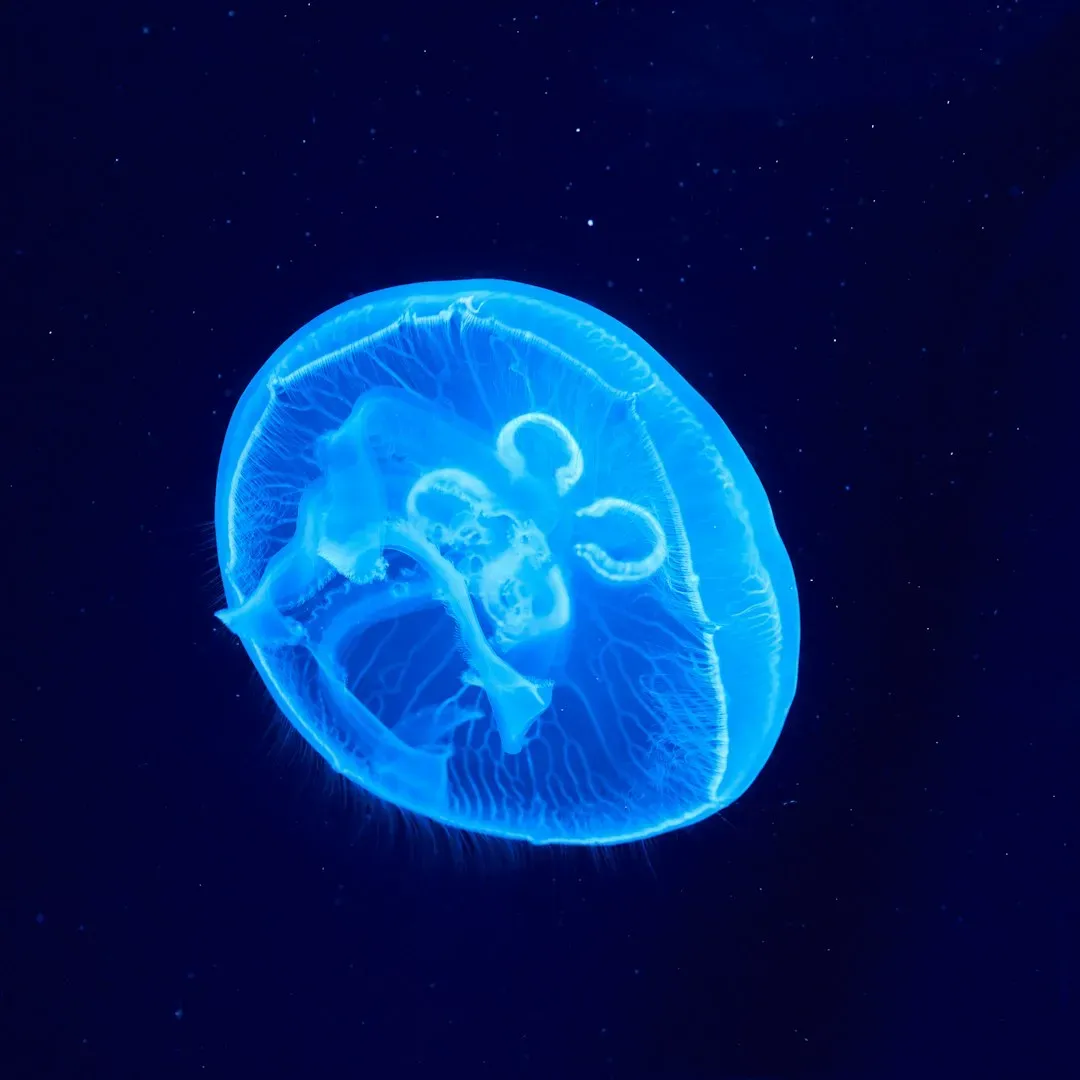
This jellyfish-like parasite doesn’t have a mitochondrial genome, making it the first multicellular organism known to have this absence. It’s a cnidarian, belonging to the same phylum as corals, jellyfish and anemones. Living its entire life inside salmon muscle tissue, this tiny organism has less than ten cells and has completely lost the ability to breathe oxygen.
It has lost its mitochondrial genome and can survive without aerobic respiration because it is a parasite that lives inside salmon, and steals ready-made nutrients from the host. The discovery in 2020 fundamentally challenged what scientists thought they knew about animal life. Think about it: here’s a creature related to jellyfish that has basically devolved, stripping away one of the most fundamental characteristics we associate with complex life.
Loricifera: Microscopic Marvels of the Mediterranean Deep
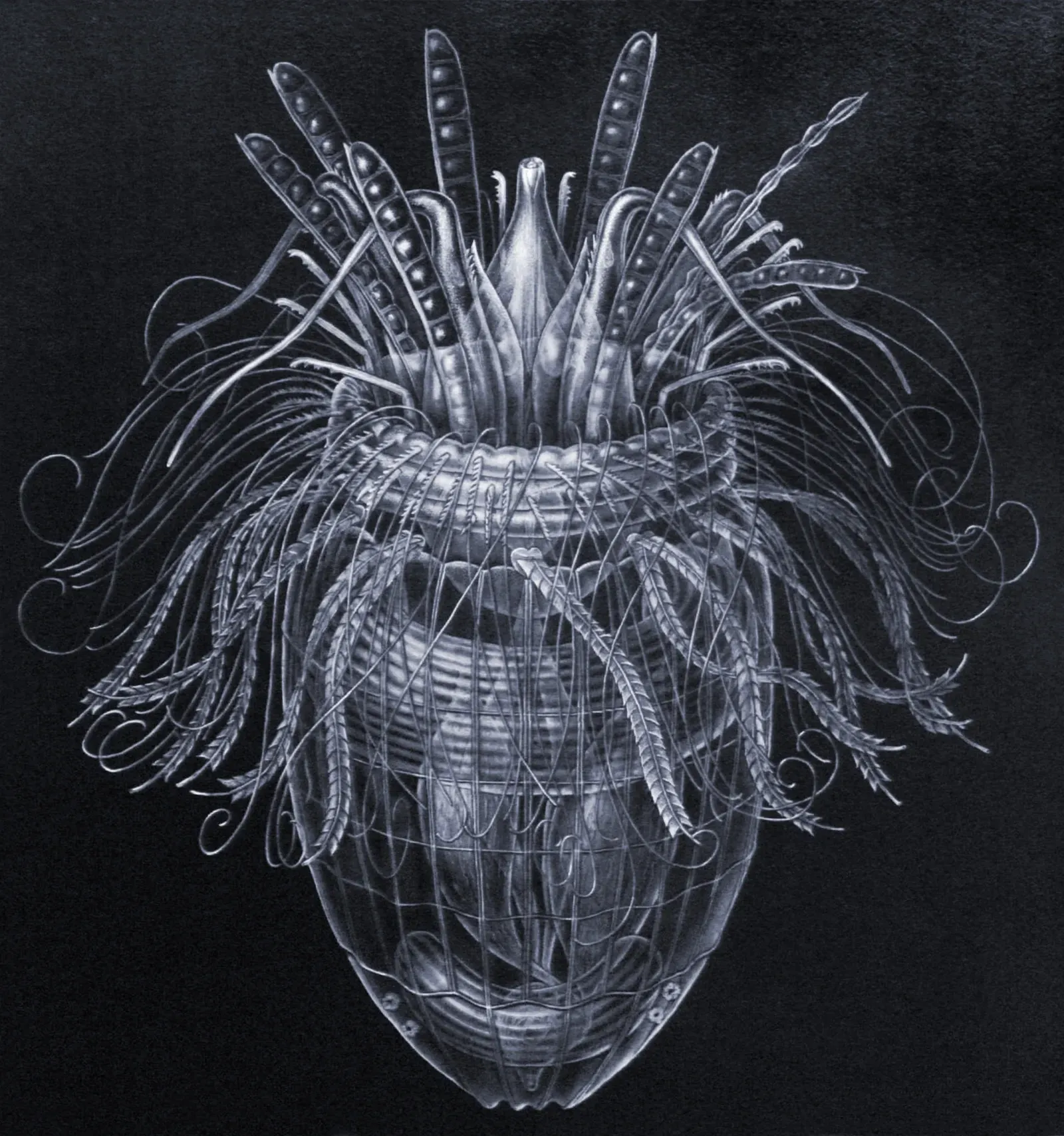
Three species of Loricifera have been found in the oxygen-free sediments at the bottom of the L’Atalante basin in Mediterranean Sea, more than 3,000 meters down, the first multicellular organisms known to spend their entire lives in an anoxic environment. These armor-plated microscopic animals measure less than a millimeter long. These creatures somewhat resemble jellyfish sprouting from a conical shell.
The creature’s cells apparently lack mitochondria, the organelles that use oxygen to power a cell, and instead they are rich in what seem to be hydrogenosomes, organelles that can do a similar job in anaerobic environments. Researchers found examples of individuals that contained eggs and evidence of apparent molting, which led them to conclude that the animals spend their whole lives in the harsh sediments. They’re not just visiting this hellish environment. They’re living, breeding, and thriving there.
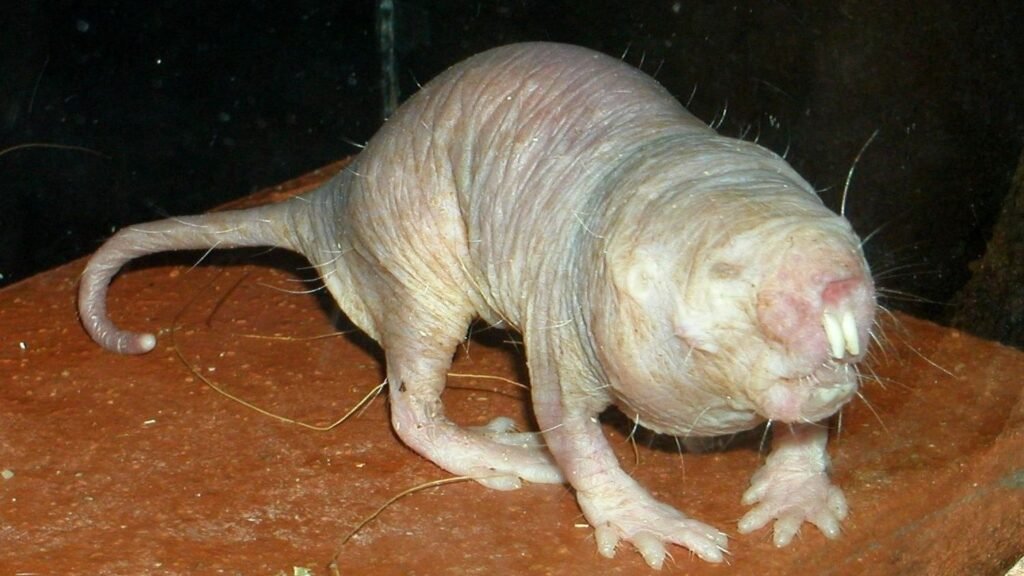
Naked Mole Rats: The Rodents That Turn Into Plants
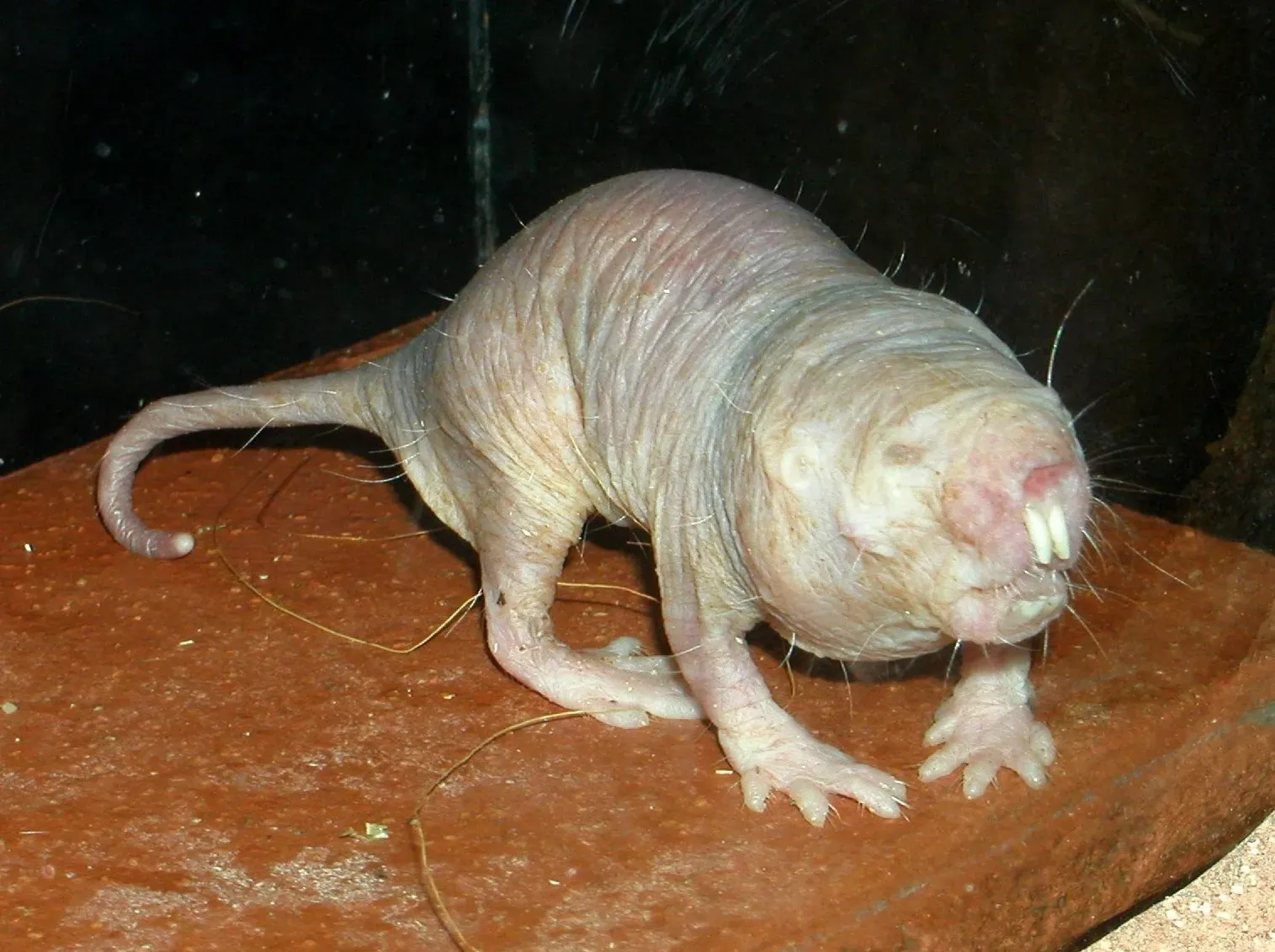
Honestly, naked mole rats are weird enough already. Hairless, buck-toothed, practically immune to cancer, and they live in underground colonies like insects. The mammal can tolerate hours of very low oxygen levels and survive up to 18 minutes of anoxia, or total oxygen deprivation, and has a highly unusual mechanism that allows them to stop aerobic respiration and start metabolizing fructose.
Naked mole rats achieve their feat by turning to a molecular trick used by plants: They stop metabolizing glucose and start metabolizing a different sugar, fructose. Study animals had released large amounts of fructose into their bloodstream, which was then sent to the brain via tiny fructose pumps and metabolized, and the naked mole rat is able to convert that buildup into useable fuel. When oxygen returns, they simply wake up and carry on as if nothing happened. No brain damage. No lasting effects. It’s like they hit the pause button on normal mammalian life.
Crucian Carp and Goldfish: The Fish That Brew Their Own Alcohol
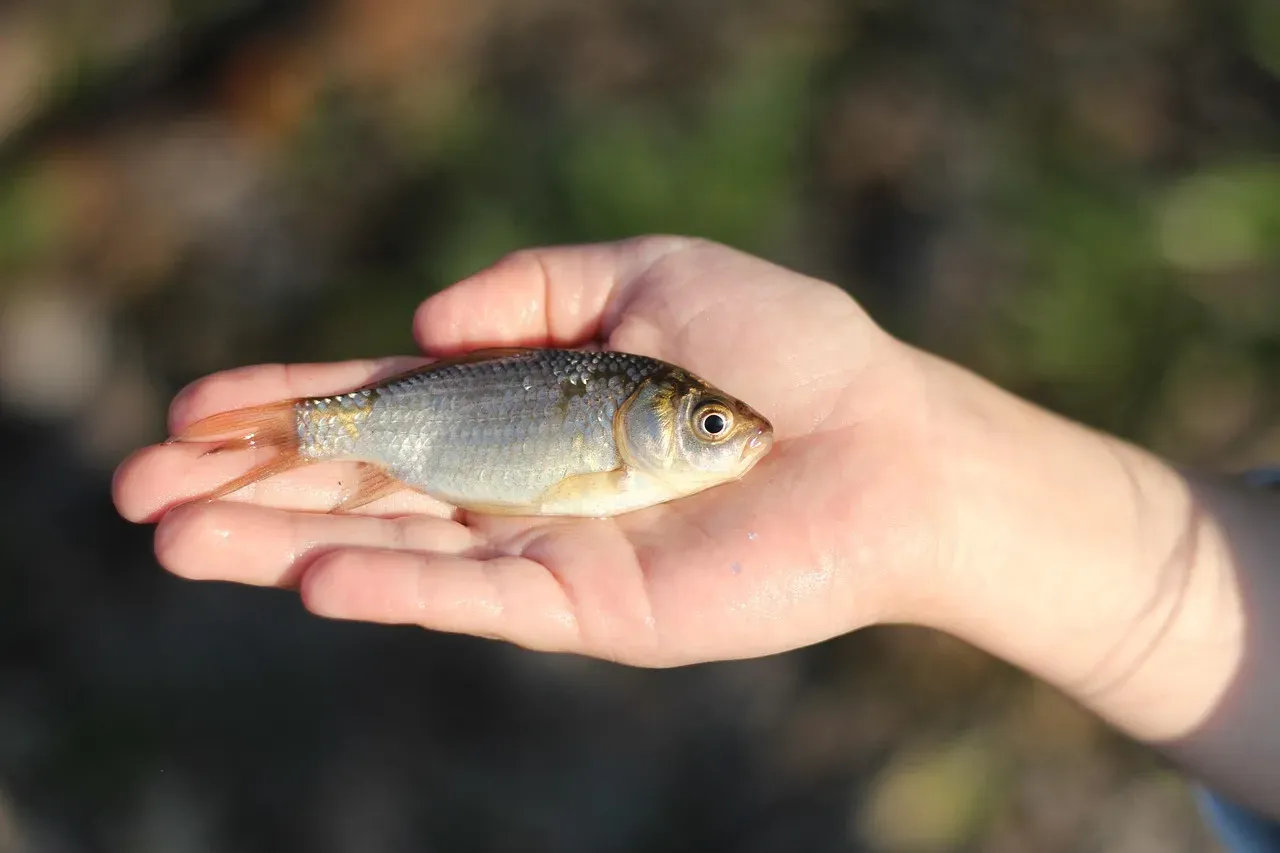
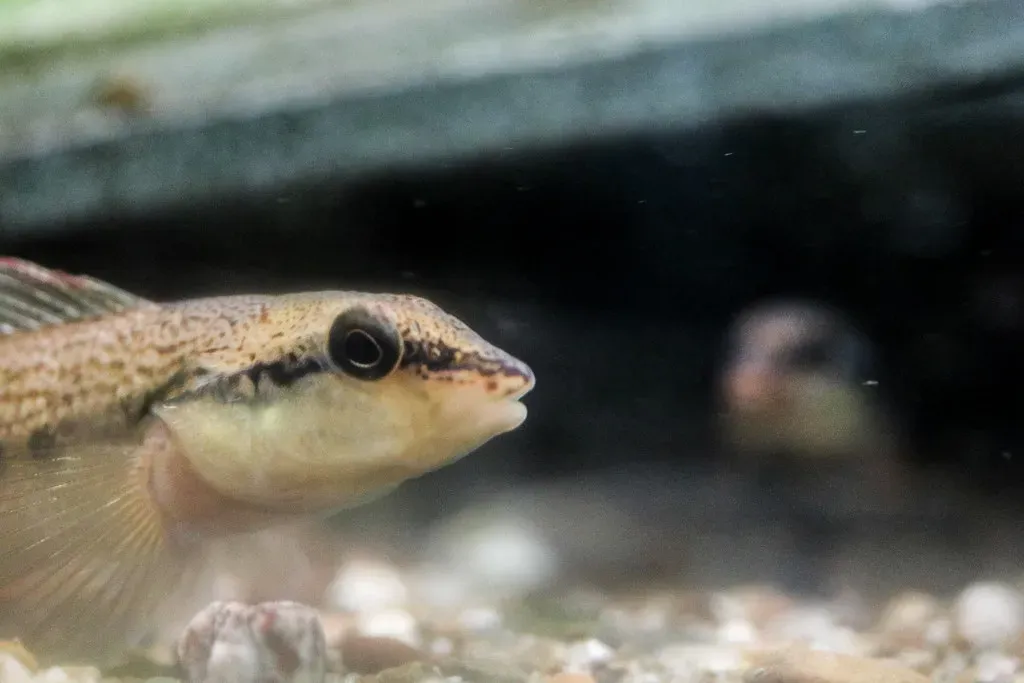
Your pet goldfish has a secret life you probably never suspected. Fish of the genus Carassius (crucian carp and goldfish) have evolved a specialized metabolic system that allows them to survive prolonged periods without oxygen by producing ethanol as their metabolic end-product. Yes, ethanol. The same stuff in your beer.
During this time, the fish are able to convert anaerobically produced lactic acid into ethanol, which then diffuses across their gills into the surrounding water and avoids a dangerous build-up of lactic acid in the body. Blood alcohol concentrations in crucian carp can reach more than 50 mg per 100 millilitres, which is above the drink drive limit in these countries. They essentially get drunk to stay alive. When northern European ponds freeze over for months, these fish are at the bottom, tipsy but very much alive, while other species would have died long ago.
Parasitic Helminths: Masters of the Gut’s Low-Oxygen Environment
Around one billion people on the planet are infected with parasitic helminths, round worms that live in soil and colonize human guts through dirty water, and the helminths owe their ability to survive in the low oxygen environment of the human gut to a unique enzyme variant. These roundworms have perfected the art of living where oxygen is scarce.
When they are inside their host, parasitic helminths switch to an unusual type of anaerobic metabolism that burns a related molecule called rhodoquinone, or RQ. Worms lacking the E variant lost their ability to make RQ and could no longer survive without oxygen, and the E variant is not even encoded in the COQ2 gene of most animals, including humans, who need air to live. This molecular switch allows them to thrive in environments that would suffocate most other animals. Nature has basically given them a backup energy system.
Certain Deep-Sea Invertebrates: Life in the Abyss
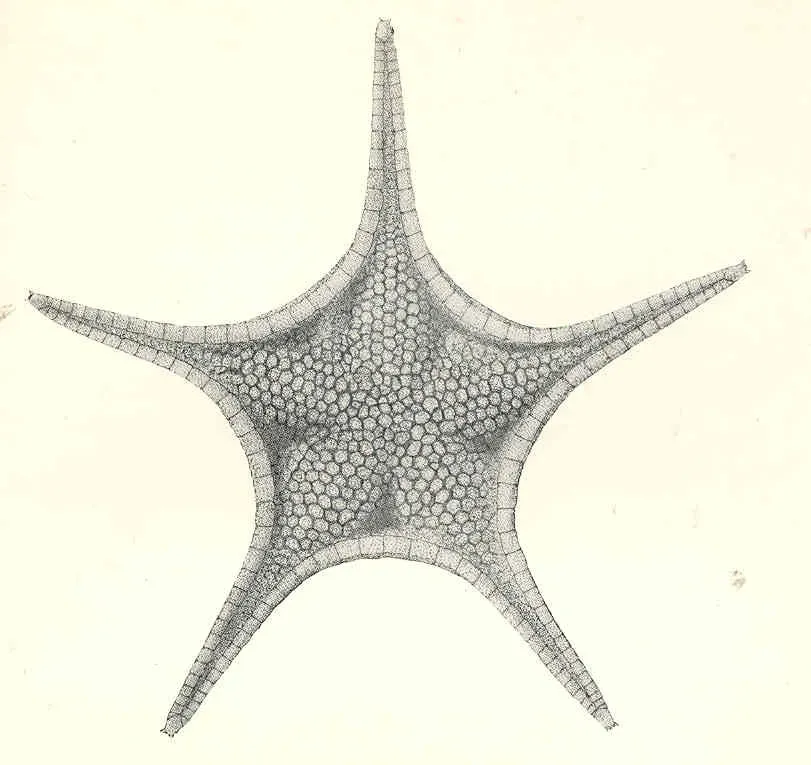
Some marine invertebrates inhabiting deep-sea sediments or hydrothermal vents have adapted to low-oxygen or anoxic conditions, and these animals employ various strategies to survive, including specialized enzymes and reduced metabolic rates. Down where the ocean floor meets crushing pressure and complete darkness, oxygen is a luxury many creatures can’t count on.
These organisms have had millions of years to adapt to conditions that would kill surface dwellers in minutes. Some slow their metabolism to a crawl. Others rely on symbiotic bacteria or chemical processes to generate energy. It’s hard to say for sure how all of them manage it, since studying life at those depths is incredibly challenging. What we do know is that they’re rewriting the rulebook on what animal life requires.
Brine Shrimp: Survival in Salty Extremes
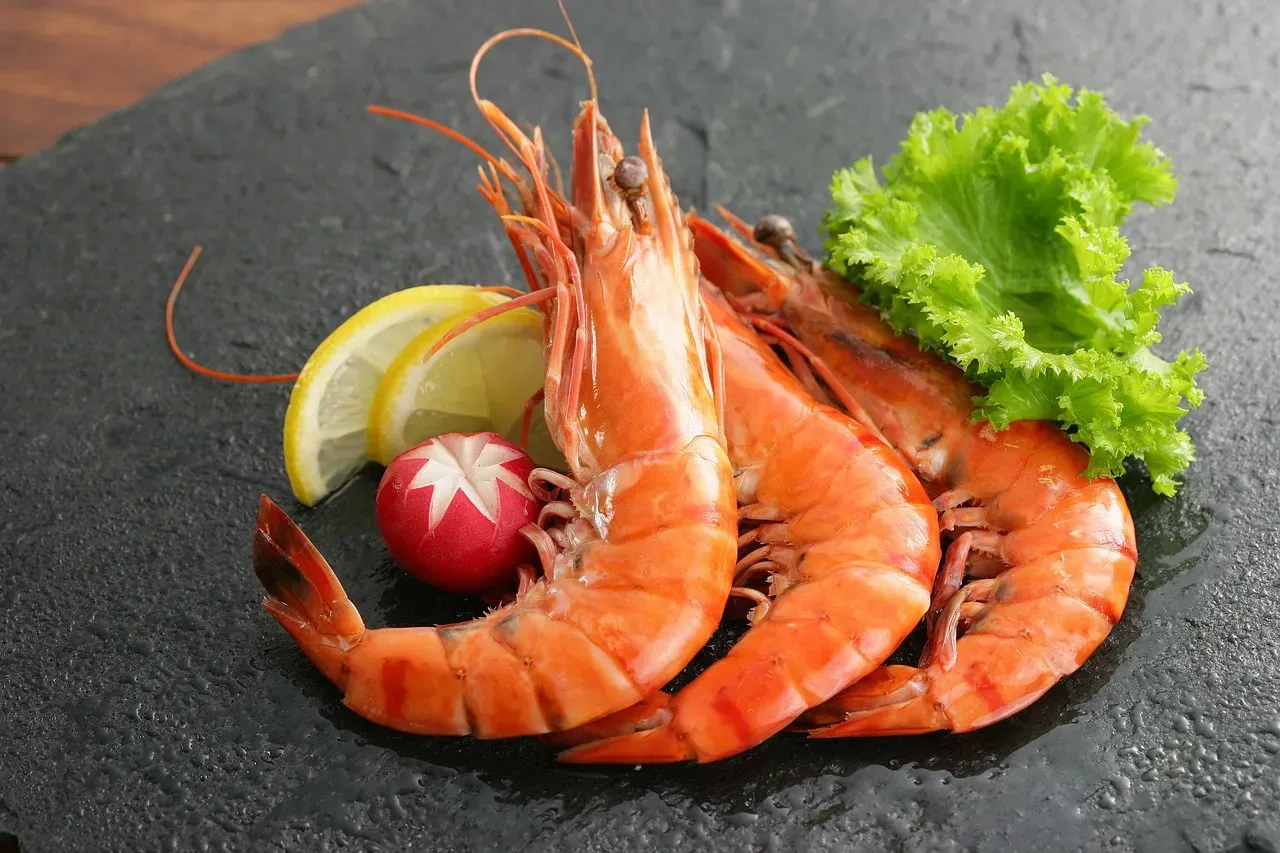
Brine waters often feature extreme environmental conditions with low oxygen levels, and Brine Shrimp have evolved and can slow down their metabolism to adapt to low oxygen levels, and while in this state, these animals can survive without oxygen. Living in hyper-saline environments where few other creatures dare to venture, brine shrimp have become masters of metabolic flexibility.
Their ability to essentially throttle down their life processes allows them to wait out periods when oxygen becomes dangerously scarce. When conditions improve, they rev back up. This survival strategy has made them incredibly successful in environments that seem completely inhospitable. They’re proof that sometimes the best way to survive isn’t to fight harder, but to simply need less.
Conclusion
These seven animals remind us that life is far more adaptable than we give it credit for. While we gasp for air after holding our breath for mere seconds, these creatures have found ways to survive hours, days, even their entire lifetimes without the oxygen we consider non-negotiable. Some switched to completely different metabolic pathways. Others lost the cellular machinery for breathing entirely.
The implications reach beyond mere curiosity. Understanding how naked mole rats protect their brains during oxygen deprivation could help stroke victims. Studying parasitic survival mechanisms might lead to new treatments. These oddball creatures are living laboratories, showing us that evolution doesn’t follow a single path. It experiments, adapts, and sometimes takes the road less traveled. What do you think about these oxygen-defying animals? Does it change how you think about what life needs to survive?