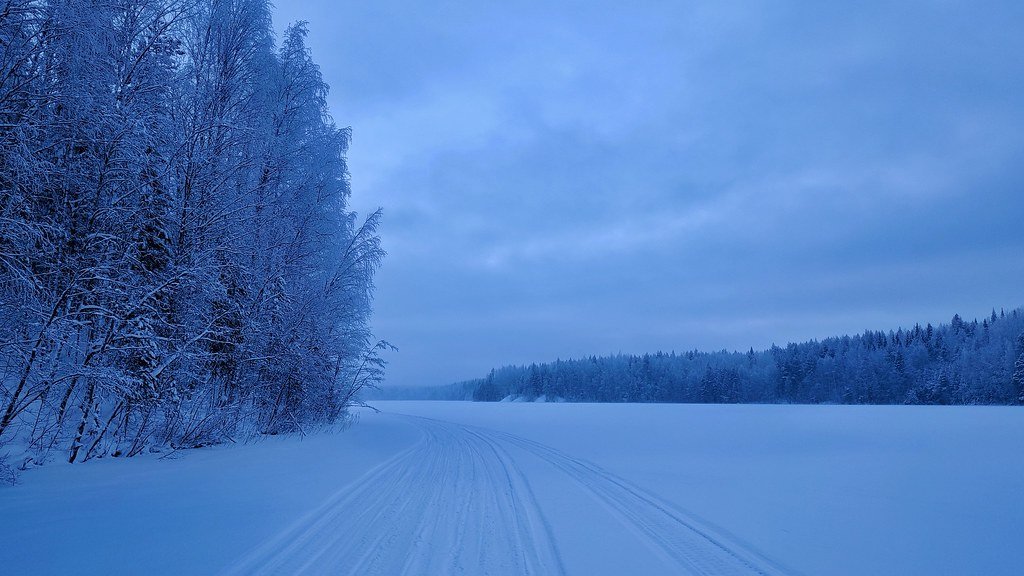

The Polar Vortex’s Dramatic Split (Image Credits: Flickr)
Abrupt chills have swept across the United States and Europe, turning routine winter patterns into a harsh reminder of the season’s potential fury.
The Polar Vortex’s Dramatic Split
Forecasters noted a rare disruption in the polar vortex earlier this month, triggered by a sudden stratospheric warming event that reshaped atmospheric flows. This phenomenon, which occurred in late December, weakened the vortex’s containment over the Arctic and allowed frigid air to spill southward. Scientists at weather monitoring agencies reported that the split created pathways for cold air masses to invade lower latitudes, a process that unfolded rapidly over the past week. Such events, while not unprecedented, marked one of the most significant disruptions in recent years, amplifying winter’s intensity far beyond typical expectations.
The warming in the stratosphere, occurring about 30 kilometers above the Earth’s surface, acted like a brake on the vortex’s spin. As a result, the cold air that usually circles the poles broke free, channeling toward populated regions. Model data from early January confirmed this shift, with projections aligning closely to the observed temperature drops. This setup echoed patterns seen in previous winters but arrived with unusual speed, catching many off guard.
Cold Snaps Reshape Daily Life in the United States
Temperatures in the central and eastern US plummeted by 20 degrees Fahrenheit or more in just days, blanketing cities from Chicago to New York in heavy snow. Transportation officials issued warnings as roads iced over, leading to widespread delays in air and ground travel. Power grids faced strain from the surge in heating demands, while schools closed across multiple states to protect students from the extreme conditions. The influx of Arctic air also fueled winter storms, dumping several inches of snow in the Midwest and Northeast.
Residents in southern regions, unaccustomed to such freezes, reported burst pipes and hazardous driving conditions. Emergency services ramped up responses to hypothermia cases and vehicle accidents on slick highways. Agricultural areas worried about crop damage from the untimely frost, highlighting the broader economic ripples. Overall, the surge disrupted routines, forcing communities to adapt quickly to the unrelenting cold.
Europe Faces a Prolonged Arctic Front
In Europe, the cold wave originated from similar vortex dynamics, pushing Arctic blasts across the continent from Scandinavia to the Mediterranean. Cities like London and Paris saw snowfall totals exceed seasonal norms, paralyzing public transit and closing major airports. Weather services in the UK and Germany forecasted sustained lows well below freezing through mid-January, with blizzards threatening mountainous areas. The event compounded existing winter pressures, as energy prices rose amid higher consumption.
Coastal regions experienced gale-force winds alongside the chill, exacerbating flooding risks in low-lying zones. Ski resorts in the Alps welcomed the fresh powder but cautioned visitors about avalanche dangers. Health authorities urged precautions against frostbite, especially for the elderly and vulnerable populations. The surge underscored Europe’s vulnerability to these atmospheric shifts, prompting discussions on long-term climate resilience.
Looking Ahead: Patterns and Preparations
Forecast models suggest the Arctic air will linger into late January, with potential for additional surges if the vortex remains unstable. Meteorologists anticipate a gradual warming trend by early February, though intermittent cold spells could persist. Communities on both sides of the Atlantic prepared by stocking essentials and clearing infrastructure, learning from past events to mitigate impacts. International weather collaboration proved vital in tracking the vortex’s evolution.
Experts emphasized monitoring stratospheric signals for future warnings, as such disruptions often signal broader seasonal changes. While the immediate threat eases, the episode serves as a call to enhance adaptive measures against volatile weather.
Key Takeaways
- The polar vortex split, driven by stratospheric warming, opened pathways for Arctic air to reach the US and Europe.
- Temperature drops of 15-25 degrees below average have led to heavy snow and transport disruptions.
- Expect lingering cold through late January, with preparations focusing on infrastructure and public safety.
This Arctic surge reminds us of winter’s unpredictable power, urging better readiness for nature’s extremes. How has the cold affected your area? Share your experiences in the comments.