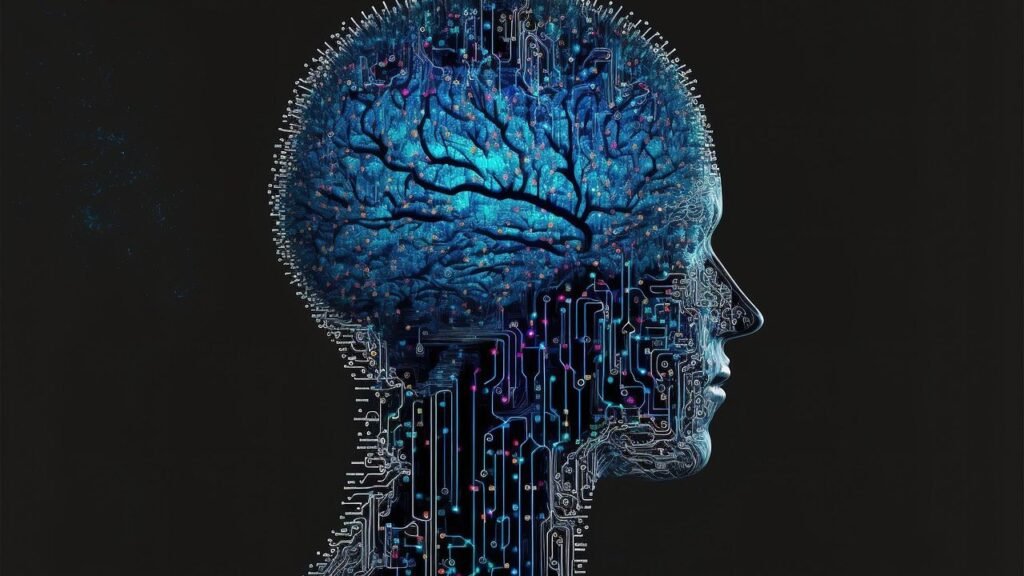
There’s a strange kind of magic happening in your head every time you laugh with a friend, hear your favorite song, or finally tick off a long-awaited goal. It doesn’t feel like chemistry, but it is. Tiny molecules, electrical sparks, and delicate feedback loops are constantly shaping what you call “happiness,” often long before you consciously notice how you feel.
What makes this even more fascinating is how physical and real joy actually is. Happiness isn’t just a vague state of mind; it’s a biological event, a full-body experience triggered inside your brain and rippling out through your heart, muscles, and even your gut. Once you see how it works, some things that felt like mysteries – why a hug calms you, why social media feels addictive, why exercise lifts your mood – suddenly become a lot less random and a lot more understandable.
The Brain’s Emotional Control Room

Imagine your brain as a city at night: billions of tiny lights flickering, roads crisscrossing in all directions, some areas buzzing with activity and others calm and quiet. Happiness is not produced by one “happy center” but by a network of regions working together like a team. The prefrontal cortex helps you evaluate events and attach meaning to them, while deeper structures like the amygdala and hippocampus connect emotions with memories and emotional intensity.
Another crucial player is the nucleus accumbens, sometimes called the brain’s reward hub, which becomes active when something feels satisfying or pleasurable. These regions don’t work in isolation; they’re constantly sending electrical signals and releasing chemical messengers that either amplify or quiet different emotions. When your brain decides something is good, rewarding, or safe, this network lights up and starts the chemical cascade that you feel as joy, peace, or excitement. It’s a bit like a well-coordinated band playing a song – no single instrument is “the music,” but take one away and the song changes.
Dopamine: The Thrill of Anticipation

Dopamine is often called the happiness chemical, but that’s not quite right. It’s more accurate to say dopamine is your brain’s “pay attention, this matters” signal, especially when rewards are involved. When you’re close to achieving something – a promotion, finishing a project, leveling up in a game – dopamine ramps up and nudges you forward, making the chase feel exciting and energizing. The anticipation often lights up your reward pathways even more than the moment you finally get what you wanted.
The tricky part is that dopamine is highly sensitive to novelty and uncertainty. Unexpected rewards or variable outcomes, like social media notifications, online shopping, or gambling-style apps, are particularly good at keeping dopamine levels dancing up and down. Over time, your brain can get used to quick dopamine hits and start craving more frequent stimulation, which is one reason some habits feel so hard to break. Understanding that dopamine is about motivation and “wanting,” not deep contentment, helps explain why chasing the next big thing rarely leads to lasting happiness on its own.
Serotonin: The Steady Glow of Well-Being

If dopamine is the spark of excitement, serotonin is more like a warm, steady glow in the background. It’s heavily involved in mood regulation, feelings of satisfaction, and emotional balance. When serotonin levels are reasonably stable, you’re more likely to feel grounded, optimistic, and able to handle everyday stress without falling apart. This is one reason many modern antidepressant medications are designed to affect serotonin signaling in the brain.
Serotonin is influenced by many factors: sleep, exposure to daylight, physical activity, diet, and even your sense of social connection and status. Your gut also plays a surprising role in serotonin production, which is why gut health is increasingly being linked to mood and mental health. You can think of serotonin as a kind of emotional stabilizer; it doesn’t necessarily make every moment feel amazing, but it makes it easier to feel “okay” and to bounce back when life throws its usual curveballs.
Oxytocin and Endorphins: The Warm Hug Chemicals

Some of the most powerful “happy” signals in the brain show up not when you achieve something, but when you connect with someone. Oxytocin is a hormone deeply tied to bonding, trust, and feelings of closeness. It tends to increase during affectionate touch, supportive conversations, and emotionally safe relationships. That sense of “I belong here” or “I’m really seen by this person” has a biological footprint, and oxytocin is a big part of it.
Endorphins, on the other hand, are your body’s natural painkillers and stress buffers. They are released during activities like intense exercise, laughing hard, or sometimes even crying after emotional release. That pleasant, slightly floaty feeling after a run or a deep, satisfying laugh with friends is endorphins in action. Together, oxytocin and endorphins often make social experiences feel deeply rewarding, reminding us that happiness isn’t just in the head; it’s wired into our relationships and our bodies.
Stress, Cortisol, and Why Joy Sometimes Feels Out of Reach

While some chemicals invite happiness in, others can quietly push it away when they stick around too long. Cortisol, a major stress hormone, is incredibly useful when you’re in danger or under real pressure. It sharpens your focus, mobilizes energy, and helps you respond quickly. But when everyday stress – work overload, financial worries, constant alerts from your phone – keeps cortisol levels elevated for long periods, it can interfere with the very systems that support joy.
Chronic stress can blunt your sensitivity to dopamine and other reward chemicals, making once-enjoyable activities feel flat or pointless. It can also disturb sleep, increase irritability, and make your emotional control systems more reactive and less flexible. Over time, this can create a kind of emotional “fog” where happiness feels muted or far away, even if nothing is dramatically wrong on the surface. Understanding this isn’t about blame; it’s about recognizing that feeling less happy in a high-stress life is not a personal failure, but a biological response that can be worked with.
Habits That Gently Rewire Your Happiness Circuitry

The hopeful part of all this is that your brain is not fixed in stone. It changes in response to what you repeatedly do, a property called neuroplasticity. Certain habits can nudge your brain chemistry in healthier directions over time, like regular movement, decent sleep, meaningful social contact, and moments of genuine rest. Even small, consistent actions – taking a short walk outside, having a distraction-free chat with a friend, or doing something creative – can gradually reshape the balance of your emotional systems.
Practices like mindfulness and gratitude might sound trendy, but they have a real biochemical impact. Paying close attention to the present moment can dial down stress reactivity, while intentionally noticing what’s going well can train your attention away from constant threat scanning. Over weeks and months, these small shifts can strengthen the neural pathways that support calm, contentment, and emotional resilience. You’re not flipping a switch so much as slowly training your brain to notice, generate, and hold onto positive experiences a little longer.
Why Understanding Brain Chemistry Can Make Happiness Feel Less Mysterious

Seeing happiness through the lens of chemistry doesn’t cheapen it; it makes it more human. Realizing that your joy, your sadness, your motivation, and even your numb days are tied to complex, physical processes can actually be a relief. It means you’re not broken for feeling low during chronic stress, or irrational for having a “crash” after achieving a big goal. Your brain is simply doing what it evolved to do with the conditions it’s given.
At the same time, this understanding offers a kind of quiet power. If happiness is shaped by biology, and biology is influenced by daily choices and environments, then you’re not completely at the mercy of fate. You may not control every chemical surge, but you can stack the deck – through rest, connection, movement, and meaning – in favor of a brain that’s more capable of joy. In the end, happiness is not just a random feeling that drops from the sky; it’s a living process inside you, unfolding moment by moment.