Out there in the dark, beyond what our eyes can see, the universe is doing things that sound like science fiction: stars being shredded, planets forming in dusty chaos, black holes colliding in silent violence. For most of human history, all of this was completely invisible. Now, in the 2020s, a new generation of telescopes is finally pulling back the curtain, and the real universe turns out to be far stranger and more beautiful than the tidy diagrams we grew up with.
From the James Webb Space Telescope’s infrared vision to sharp-eyed observatories on remote mountaintops, we’re seeing the cosmos not as a static picture, but as a living, changing story. These seven hidden wonders are not just pretty images; they’re clues that are forcing scientists to rewrite entire chapters of astronomy textbooks. Some of them are so surprising that even experts had to stop and ask: how on Earth is that possible?
1. Baby Stars Being Born in the Pillars of Creation
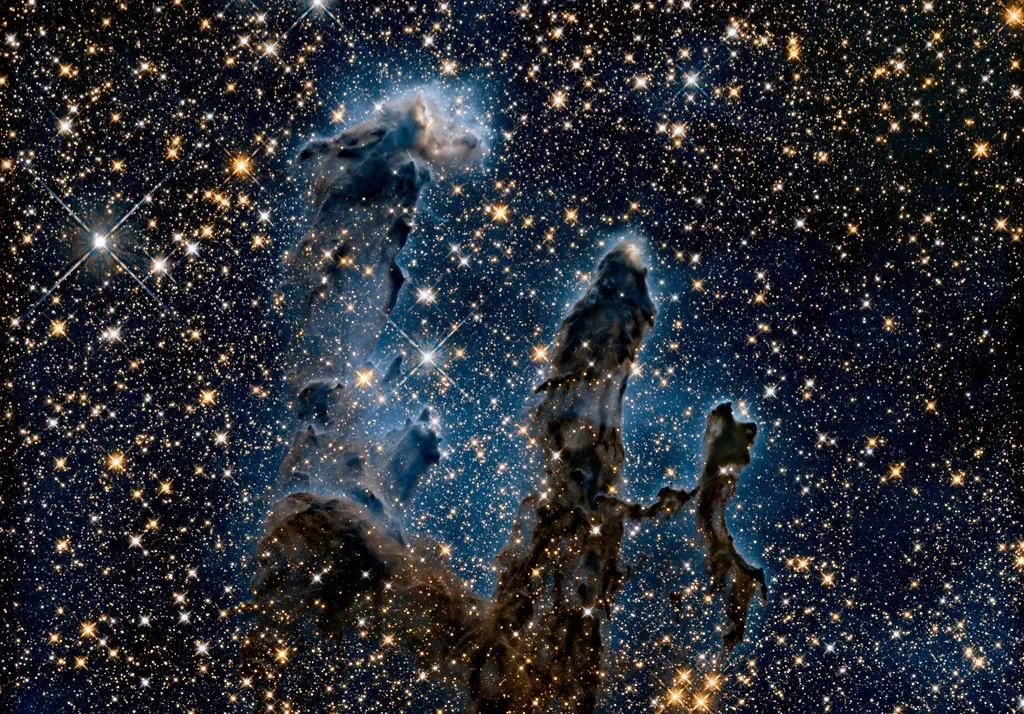
It’s wild to realize that one of the most famous space images of all time, the Pillars of Creation in the Eagle Nebula, was only telling us half the story. The Hubble Space Telescope showed towering columns of gas and dust, but it couldn’t really see what was going on inside them. When the James Webb Space Telescope turned its infrared eyes on the same region, it exposed something jaw-dropping: hidden stars being born deep within those dusty columns, like glowing embers inside fog.
Infrared light can slip through dust that blocks visible light, so Webb revealed knot-like clumps, jets of material, and tiny stellar embryos that had been invisible for decades. These newborn stars are carving cavities, blowing bubbles, and shredding the very clouds that created them. It’s chaotic, violent, and incredibly delicate at the same time, like watching a nursery where the babies are also demolishing the walls as they grow.
2. Invisible Galaxies from the Cosmic Dawn
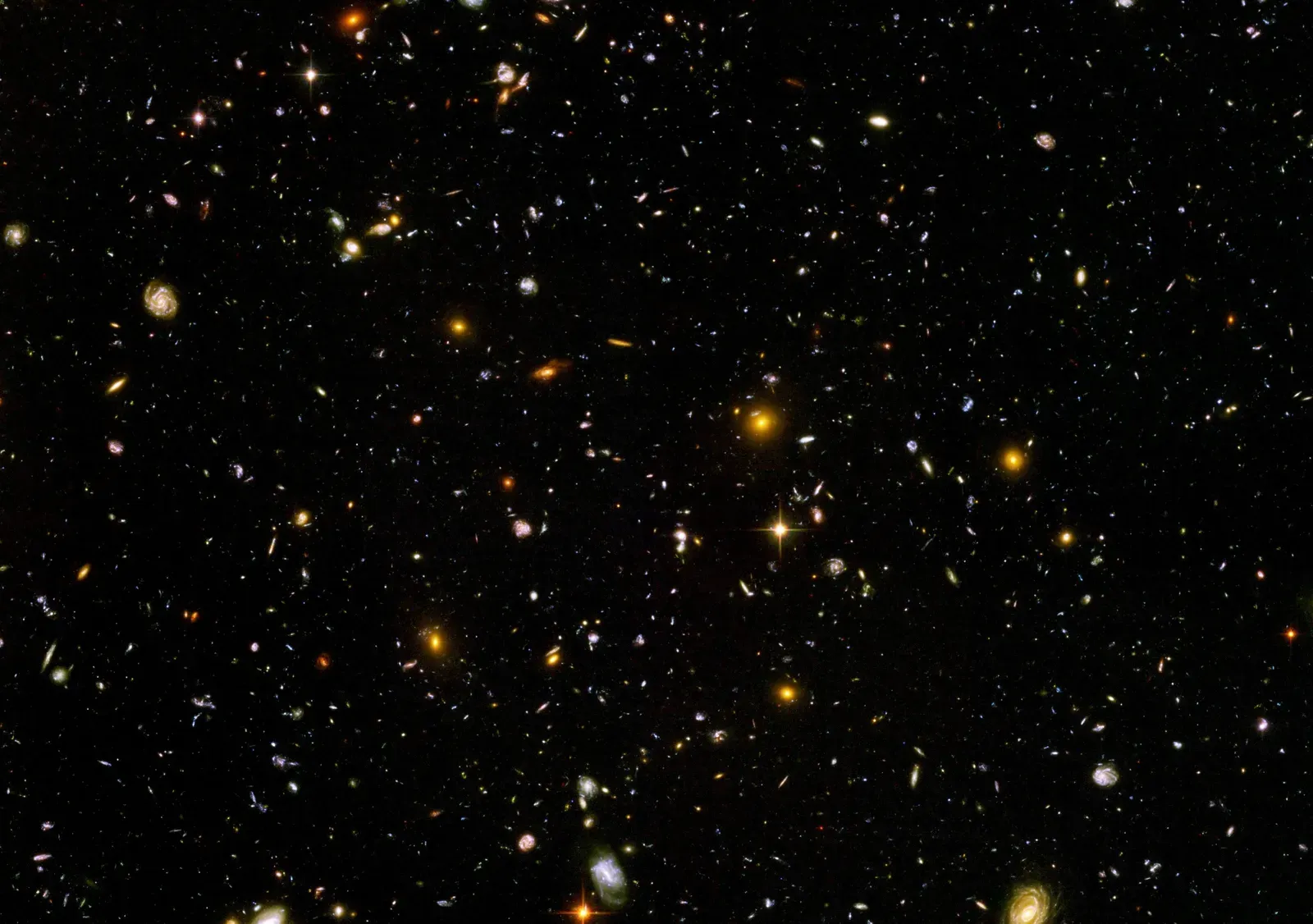
For years, astronomers had a nagging feeling that something was missing from their maps of the early universe. Simulations suggested there should be many more galaxies shortly after the Big Bang than we could actually see. Modern infrared telescopes, especially James Webb, finally confirmed that suspicion by revealing faint, distant galaxies so redshifted and dim that previous instruments simply skipped over them.
Some of these early galaxies appear surprisingly massive and well-structured even when the universe was only a small fraction of its current age. That’s like walking into a kindergarten class and finding several fully grown adults already sitting there. These discoveries are forcing cosmologists to rethink how quickly stars and galaxies can form, and whether our models of dark matter, gas cooling, and early star formation are missing something important.
3. Ghostly Exoplanet Atmospheres Lit from Within
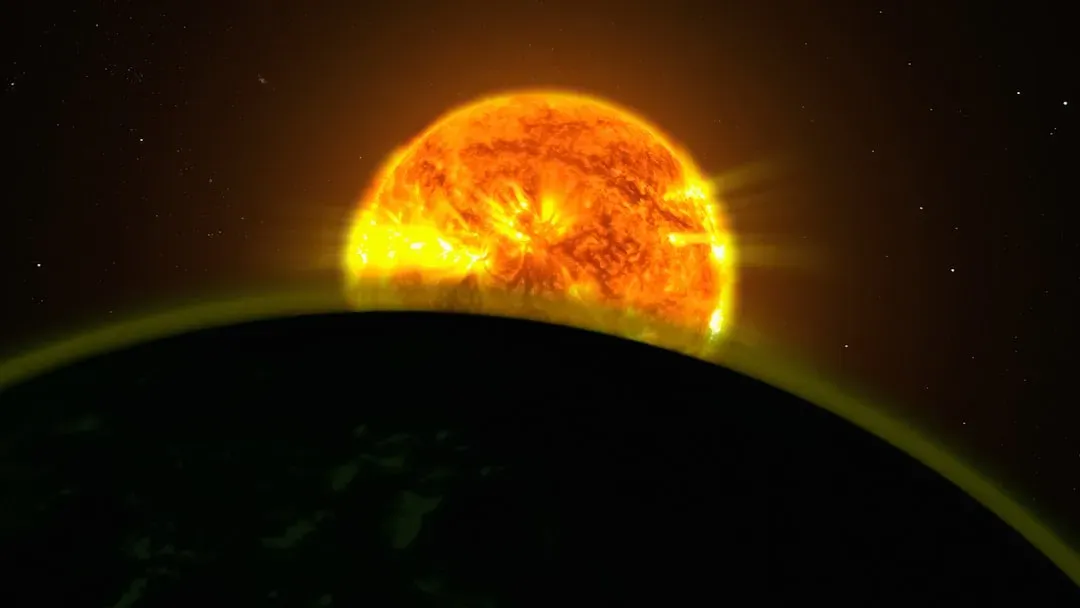
Not long ago, the idea of studying the atmosphere of a planet around another star felt like pure fantasy. Now, with space telescopes that can measure tiny dips in starlight at different wavelengths, astronomers are detecting the fingerprints of molecules in alien skies. Modern instruments have spotted water vapor, carbon dioxide, methane, and hazes in the atmospheres of planets so far away you couldn’t even point to them in the night sky.
What’s really surprising is how complex these atmospheres can be. Some planets seem to be wrapped in thick metallic clouds, others have blazing-hot daysides that shift heat around in bizarre wind patterns, and a few show hints of weather that defies the simple models we used to draw on whiteboards. It’s like expecting a few bare-bones sketches and instead receiving richly detailed portraits of worlds we’ll probably never visit.
4. Black Holes Firing Colossal Cosmic Jets
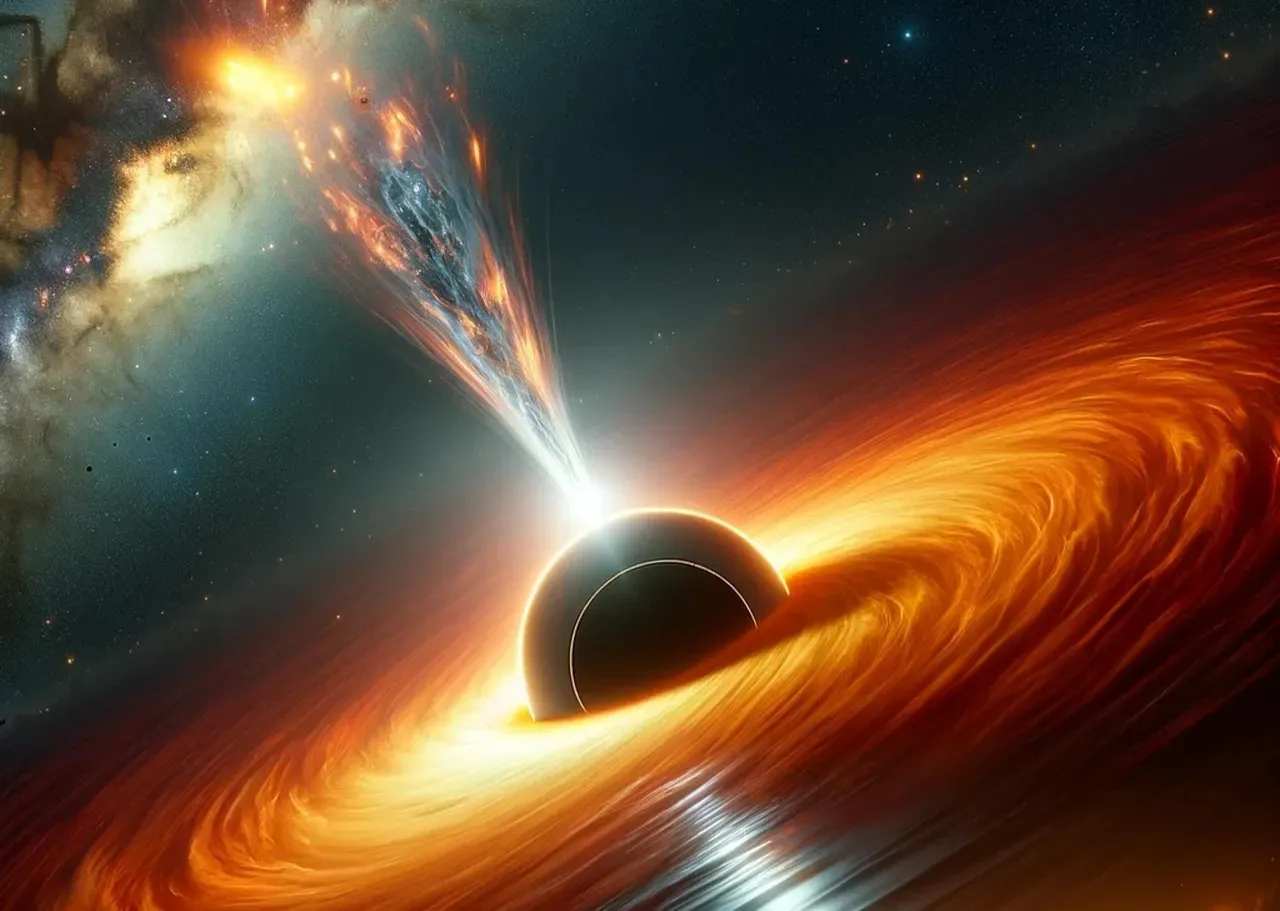
Black holes sound like the ultimate cosmic vacuum cleaners, but the most dramatic ones are more like engines. Using radio and X-ray telescopes, scientists have found supermassive black holes at the centers of galaxies hurling out jets of particles at nearly the speed of light. These jets can stretch for hundreds of thousands of light-years, carving cavities in surrounding gas and lighting up space like enormous cosmic lighthouses.
What makes this a hidden wonder is how much of it was invisible until we looked with the right telescopes. In normal light, you might see a fairly ordinary-looking galaxy. In radio or X-rays, it suddenly reveals massive lobes, shock fronts, and ghostly structures sculpted by these jets over millions of years. Those outflows are not just dramatic; they help decide whether galaxies form new stars or go quiet, turning black holes into quiet but powerful galactic architects.
5. Gravitational Lenses: Nature’s Accidental Telescopes
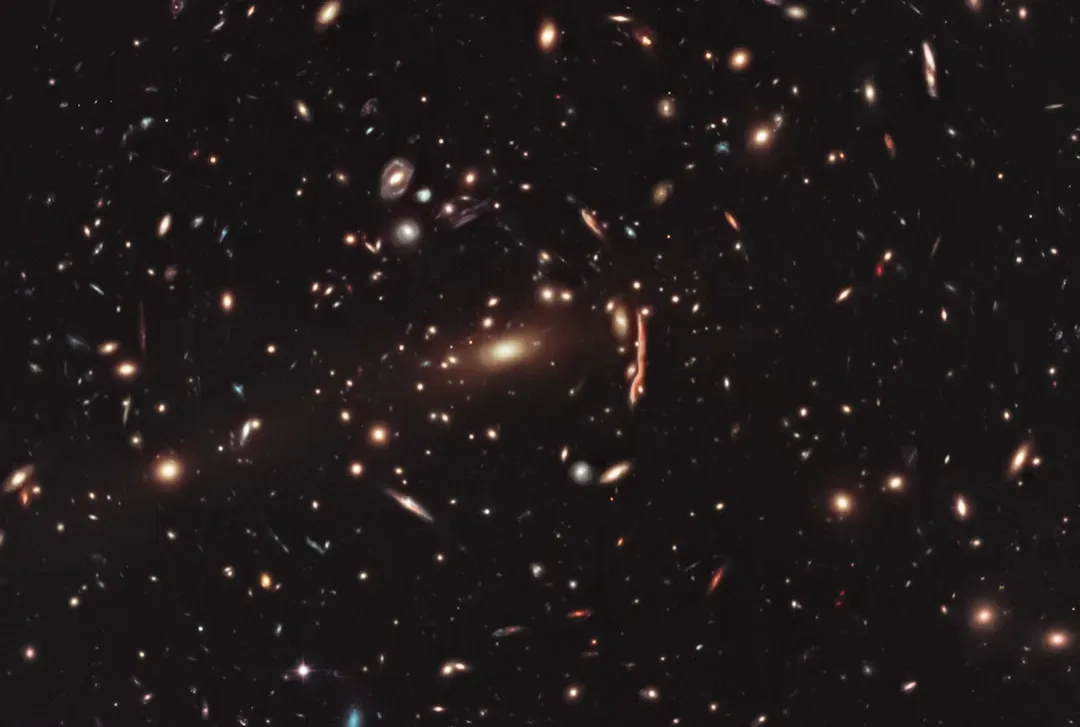
One of the strangest cosmic tricks revealed by modern observatories is that gravity itself can act like a lens. When a massive cluster of galaxies sits between us and something even farther away, its gravity bends the light, stretching background galaxies into arcs, streaks, or even multiple copies. Telescopes like Hubble and Webb have captured fields crowded with these distorted images, like a cosmic hall of mirrors.
These gravitational lenses are more than a visual curiosity; they’re accidental telescopes that let us see objects far too faint to detect otherwise. By carefully modeling the way light has been bent, astronomers can reconstruct what those background galaxies really look like and how they evolved in the early universe. It’s a bit like reading a message through warped glass and then mathematically unwarping it to reveal what was truly written.
6. Stars Being Torn Apart by Hungry Black Holes
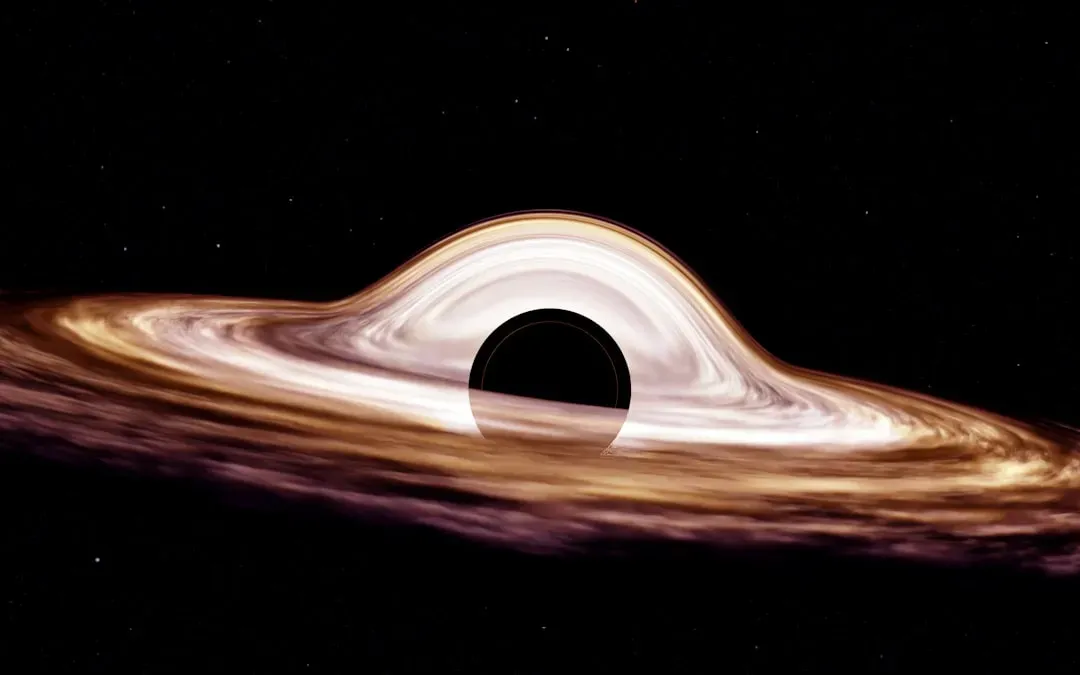
Every now and then, telescopes catch a flash of light from deep space that doesn’t fit into the usual categories of supernovae or flaring stars. Follow-up observations across X-ray, ultraviolet, and visible light have revealed that some of these events are tidal disruption events: stars that strayed too close to a supermassive black hole and were ripped to shreds. The star’s material spirals inward, heating up and glowing as it’s swallowed.
These cosmic crime scenes were almost completely hidden from us until wide-field survey telescopes began scanning the sky repeatedly and systematically. Once we started catching them in the act, we learned that black holes in otherwise quiet galaxies can wake up suddenly and flare dramatically. It’s eerie to realize that in the core of many galaxies, there’s a silent monster that occasionally has a violent meal, and we’re only just learning how to recognize the signs.
7. Giant Cosmic Webs of Dark Matter and Galaxies
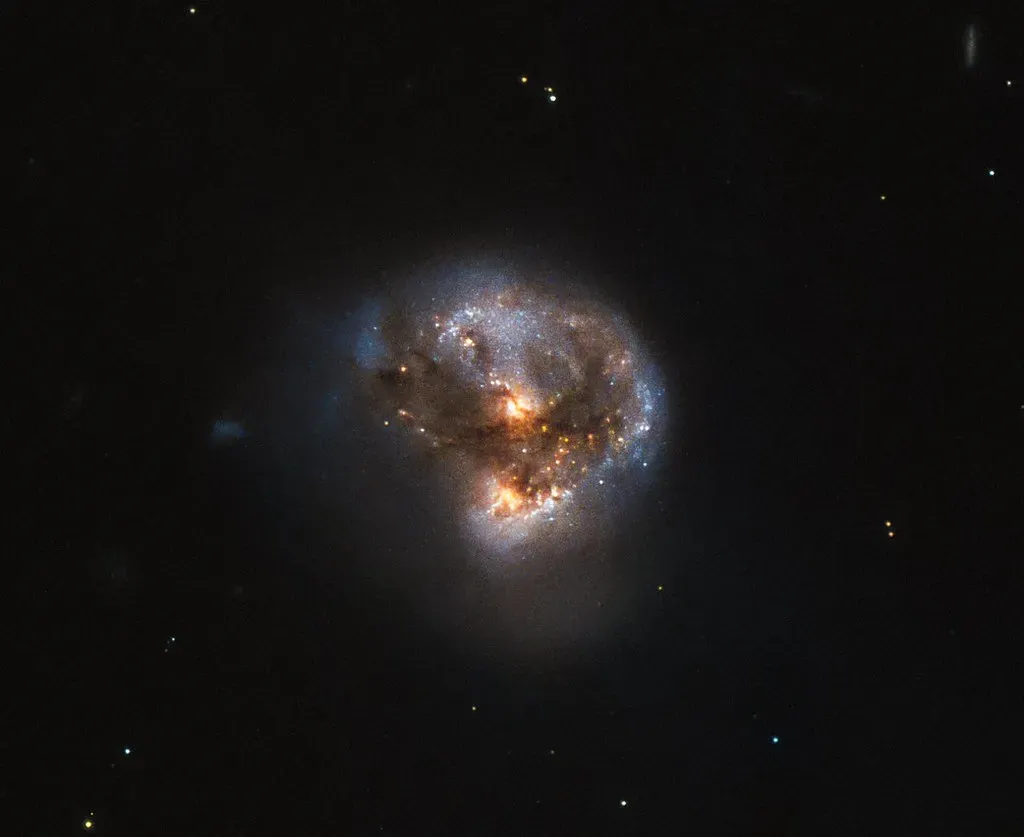
If you could somehow step far outside the Milky Way and look at the universe from an impossible vantage point, you wouldn’t see galaxies scattered randomly like glitter. You’d see something closer to a three-dimensional spiderweb, with galaxies strung along filaments and clustered at intersections. Modern telescopes mapping huge volumes of space, combined with clever statistical techniques, have revealed this large-scale structure as a vast cosmic web.
Most of the mass in this web is dark matter, which we can’t see directly, but we can trace its shape by how it bends light and tugs on visible galaxies. Surveys have shown long filaments stretching across millions of light-years, sheets of galaxies, and enormous cosmic voids where almost nothing resides. It’s humbling to realize that our entire galaxy is just one tiny node on this immense network, like a single house on an unimaginably large, invisible highway system.
A Universe That Keeps Refusing to Be Boring
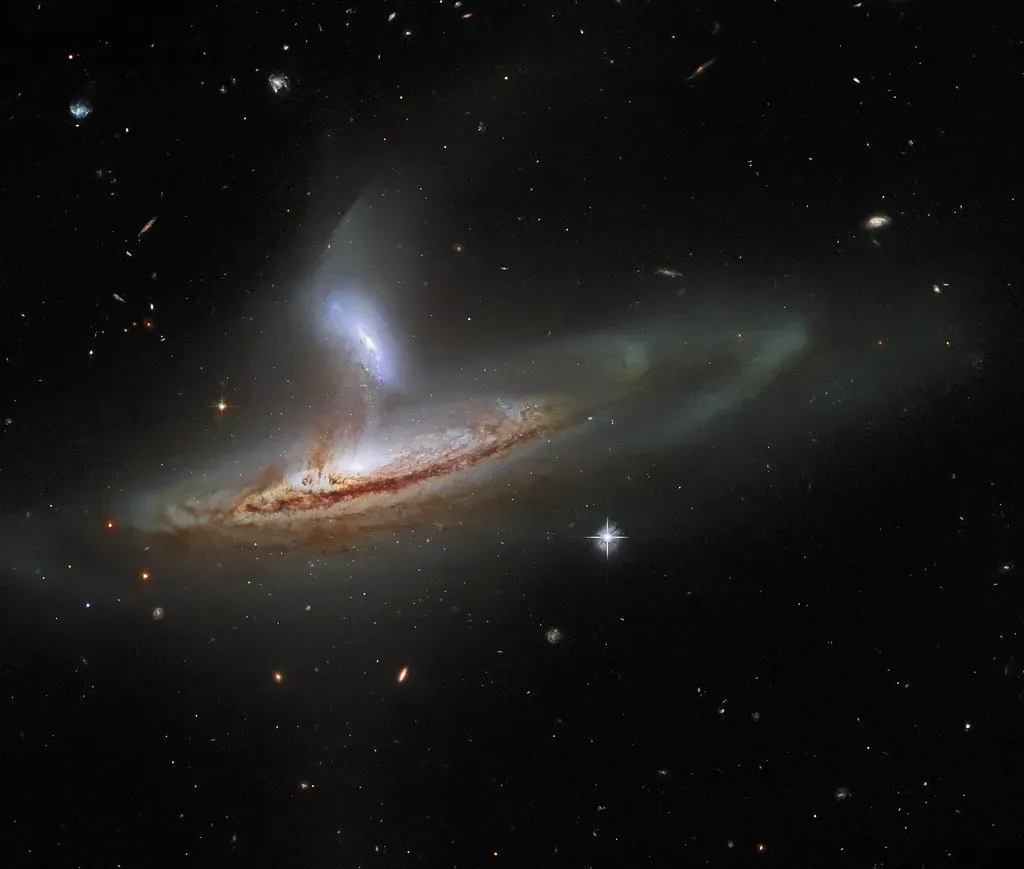
Modern telescopes have done more than take pretty pictures; they’ve stripped away comforting illusions and replaced them with a universe that’s restless, violent, creative, and endlessly surprising. We used to imagine a fairly calm sky sprinkled with stars, but what we’re actually seeing is an ever-changing stage where matter is born, torn apart, and rearranged on scales that defy instinct.
The hidden wonders now revealed are probably only the first chapters of a much longer story. Each new instrument seems to show us something we didn’t even know to ask about, hinting that our current understanding is still just a rough sketch. With every sharper image and deeper survey, the cosmos looks less like a finished painting and more like an unfinished mural still being drawn in real time. What do you think we’ll find the next time we dare to look deeper?