
If you’ve ever walked into a room and instantly forgotten why you went there, you already know the human brain is a strange, unpredictable beast. It’s powerful enough to invent rocket science, yet it misplaces your keys in the same spot three days in a row. The more neuroscientists study it, the more bizarre it becomes, and honestly, that’s what makes it so fascinating.
We like to think we’re rational, logical creatures, but your brain is constantly cutting corners, hiding information from you, and rewriting your memories on the fly. Some of its tricks border on magic; others feel almost like betrayal. Let’s peel back the curtain and look at what’s really happening inside your head – and why so much of it makes absolutely no sense at first glance.
1. Your Brain Runs on the Power of a Dim Light Bulb
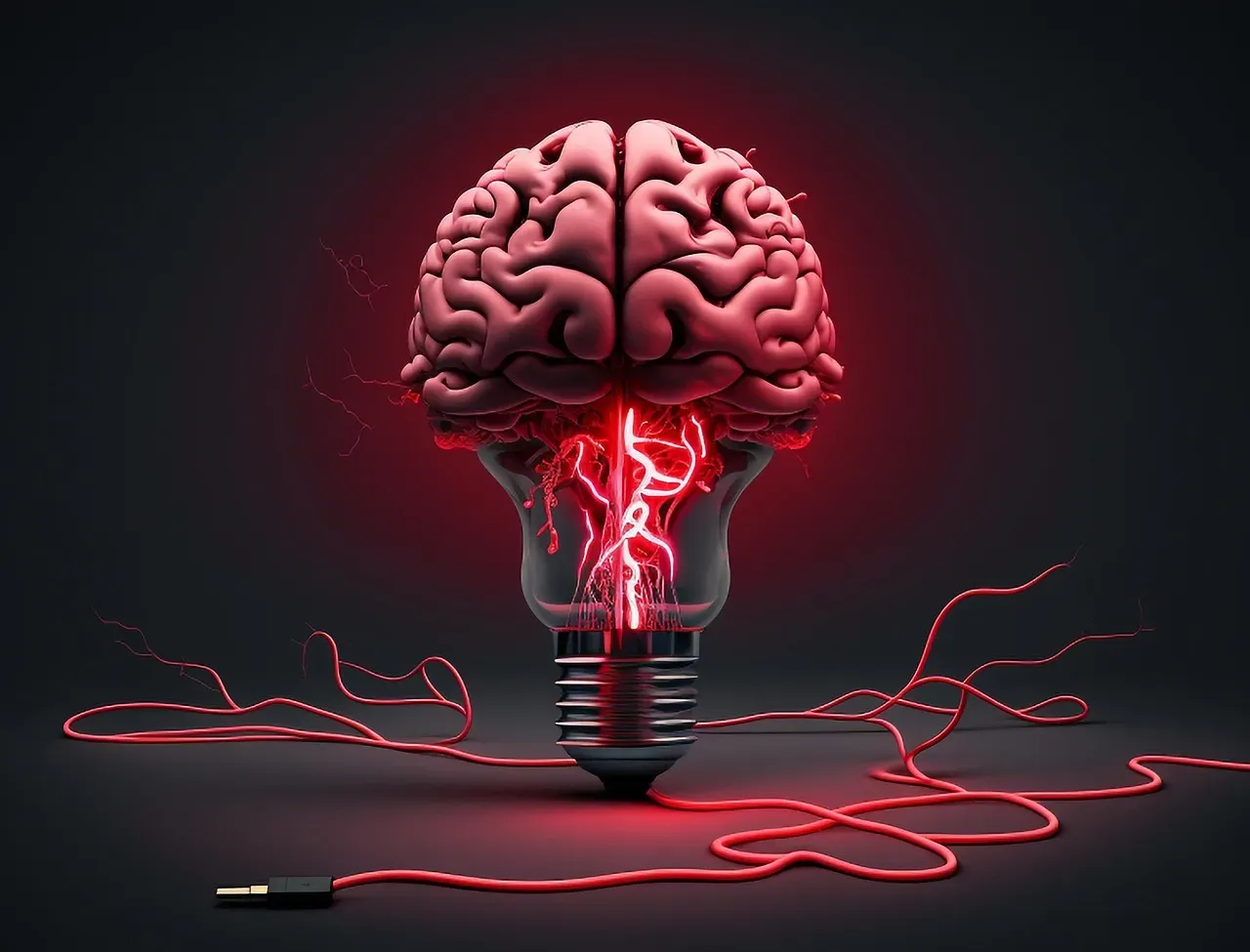
One of the most shocking facts is how little energy your brain actually uses to do so much. Despite handling everything from breathing to daydreaming to solving math problems, it runs on roughly the same amount of power as a small, dim household light bulb. That’s tiny compared to your phone or laptop, yet the brain does massively more complex work.
Even more mind-bending: your brain only makes up about a small portion of your body weight but hogs a surprisingly large share of your daily energy. It’s like having a tiny engine that somehow powers an entire city. I remember the first time I learned this; it honestly made me rethink what “tired” really means – sometimes mental exhaustion is your low-wattage powerhouse just doing its best to keep the lights on.
2. Your Brain Can Rewire Itself Like a Living Circuit Board
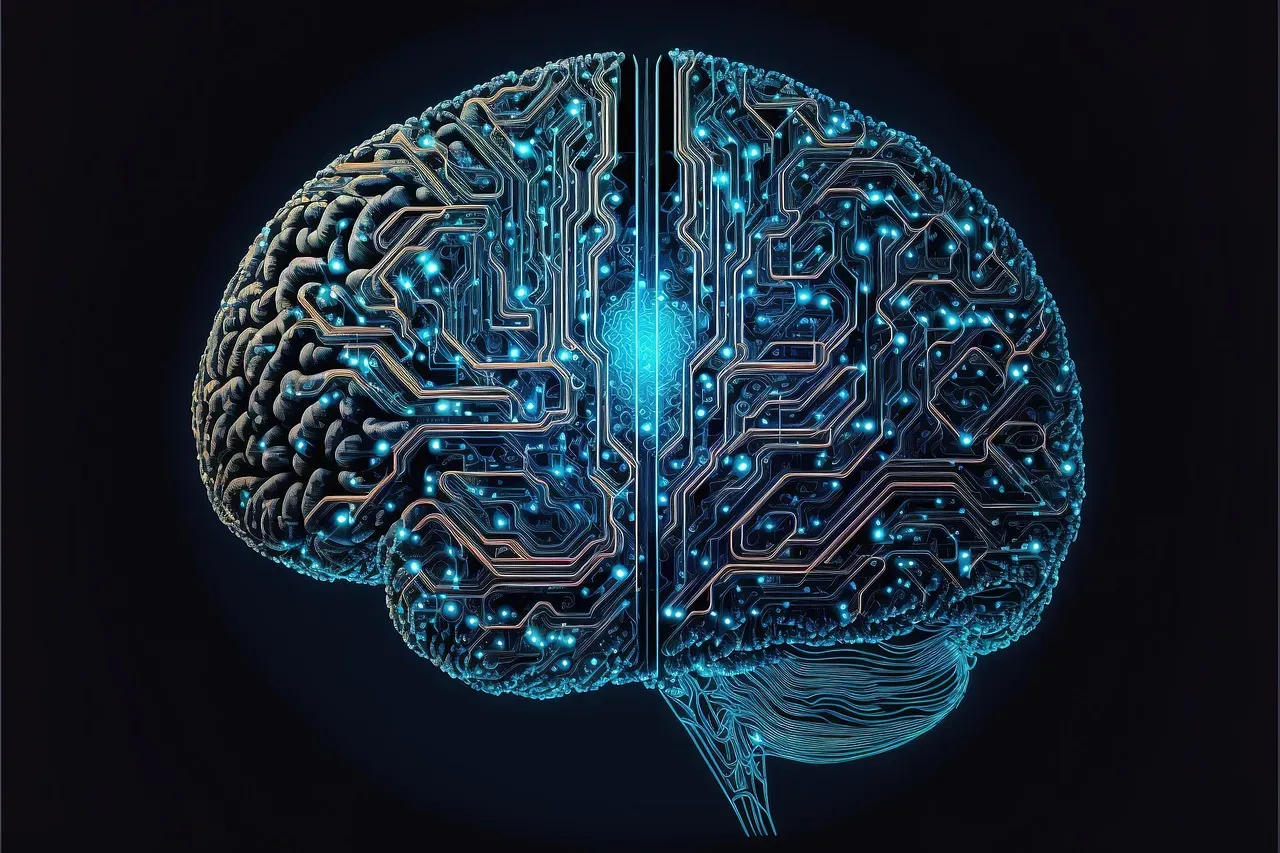
For a long time, people thought the adult brain was mostly fixed, like a machine that couldn’t be upgraded. Now we know that’s completely wrong: your brain is constantly rewiring itself through a process called plasticity. Learn a new language, practice an instrument, or even change a habit, and your brain physically reshapes connections between neurons to support that change.
That means your inner wiring isn’t a blueprint, it’s a living construction site. After strokes or injuries, some people can relearn skills because other parts of the brain adapt and take over lost functions. I find this both comforting and a bit intimidating – it means every repetition, every choice, every distraction is literally leaving a physical trace in your head.
3. You See the World Late and Your Brain Pretends It’s Live
When you look around, it feels like you’re seeing reality in real time, like a live broadcast. But your brain is actually running a tiny delay and then “editing” the footage so it all feels smooth and instant. It takes time for light to hit your eyes, for signals to travel, and for your brain to process what’s going on, so what you experience is more like a prediction than a raw feed.
Your brain constantly guesses what will happen next and fills in gaps to maintain that illusion of continuity. Most of the time it’s so good at it that you never notice, but optical illusions expose those guesses and make the system glitch. It’s wild to realize that the world you think you see “now” is actually the version your brain decided made the most sense a moment ago.
4. Your Brain Can’t Really Multitask – It Just Switches Fast
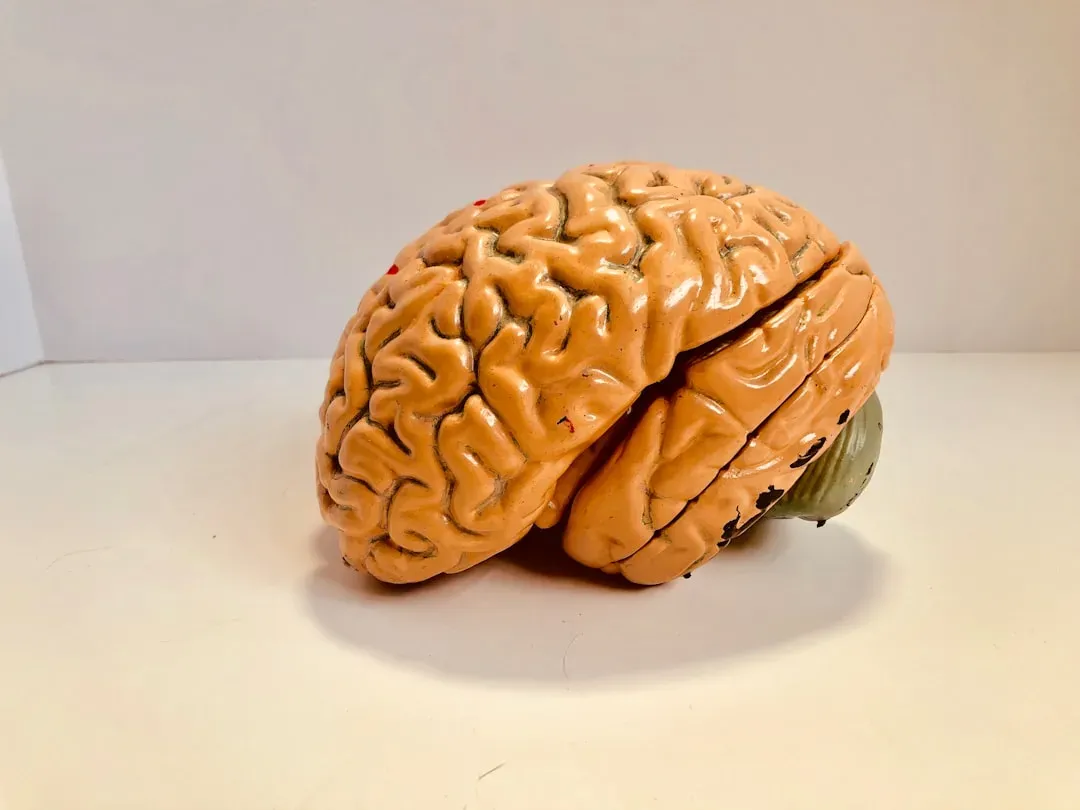
People love to brag about being great multitaskers, but your brain is mostly lying to you when it makes you feel that way. For complex tasks that require attention, it doesn’t truly do two things at once; it rapidly switches back and forth, like someone flipping between two TV channels with a remote. Each switch comes with a cost in speed, accuracy, and mental energy.
This is why texting while driving is so dangerous and why working with constant notifications feels exhausting. You’re not doing lots of things brilliantly; you’re forcing your brain into hundreds of tiny context switches that wear it down. Once I stopped pretending I could multitask and started batching tasks, my days felt less chaotic – not because my brain got better, but because I finally stopped asking it to break the laws of how it actually works.
5. Your Memories Are Edited Every Time You Recall Them

We like to believe our memories are like video recordings stored on a mental hard drive. In reality, they’re more like stories that get rewritten every time we tell them, even if we tell them only in our own head. Whenever you remember something, your brain reconstructs it from fragments, influenced by your current mood, beliefs, and even what you’ve heard from other people.
Over time, this can change details, rearrange events, or merge multiple memories into one, and you’ll still feel completely certain it happened that way. Eyewitness testimonies, for example, can feel rock-solid and still be wrong. It’s slightly uncomfortable to realize your “most vivid” memories might be polished fiction, but it also explains why two people can sincerely remember the same event so differently.
6. Your Brain Can Make You Feel Limbs That Aren’t There
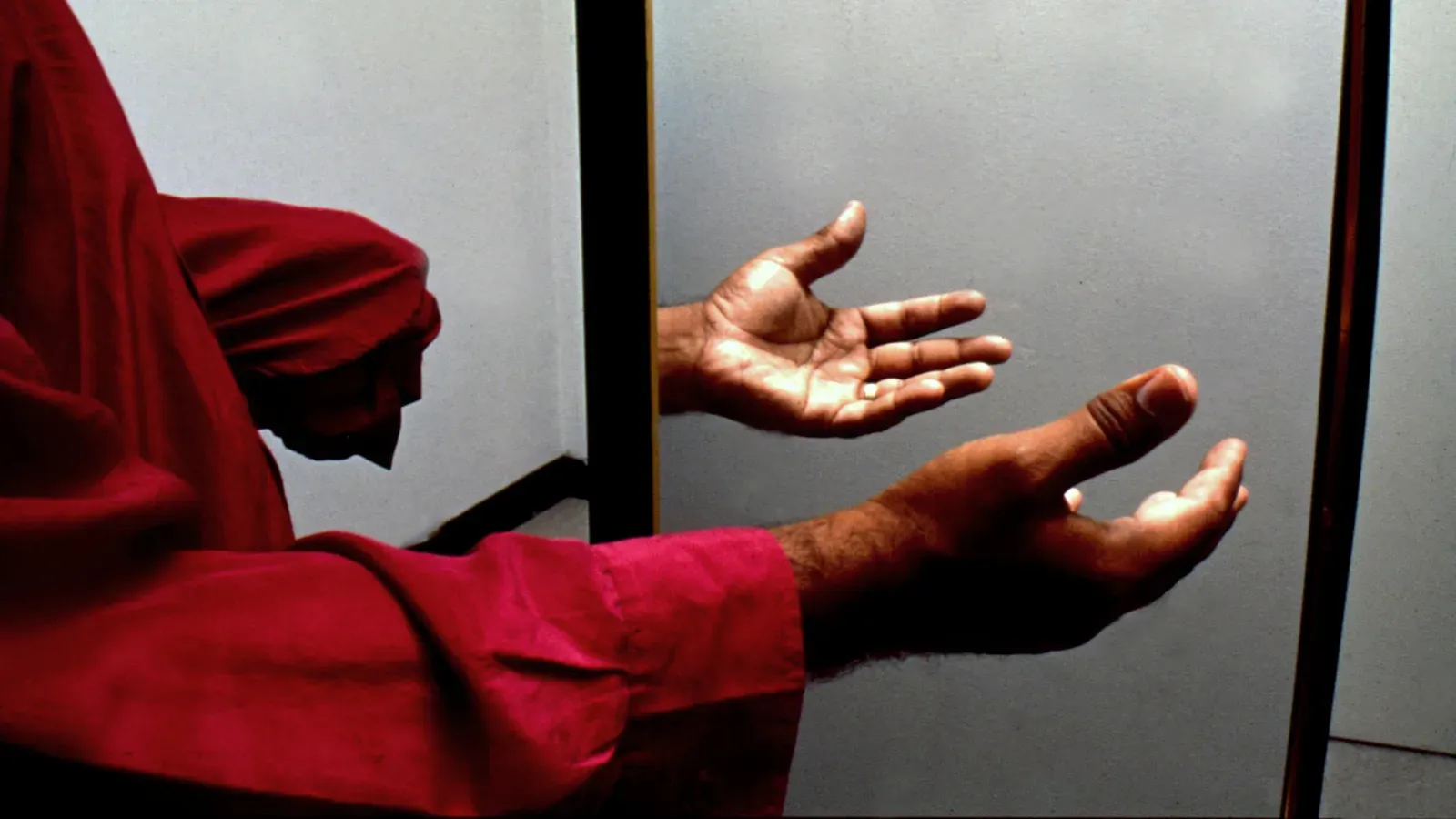
One of the strangest brain phenomena is phantom limb sensation, where people who’ve had a limb amputated still feel it as if it’s there. They can feel itching, pain, or movement in a hand or foot that physically no longer exists. The body part is gone, but the brain’s map of the body is still active and sending signals, so the experience feels absolutely real.
This reveals how much of our “body” is actually constructed in our mind. Clever therapies, like using mirrors or virtual reality, can sometimes trick the brain into updating that body map and ease the phantom sensations. It’s a stark reminder that pain and presence are not just in the flesh; they’re deeply rooted in how your brain interprets signals and fills in the blanks.
7. Your Brain Protects You by Hiding Some Memories

Under extreme stress or trauma, the brain can essentially hit a kind of emergency button and block certain memories from normal access. People can experience gaps in memory, fuzzy timelines, or feel oddly detached from what happened to them. This isn’t your brain breaking; in many cases, it’s your brain trying to keep you functioning by pushing overwhelming experiences out of the spotlight.
While this can be protective in the short term, it can also make healing more complicated later, because the person may feel like something is wrong without knowing exactly why. Therapy often involves gently unpacking these hidden or fragmented memories in a safer context, allowing the brain to reorganize them. It’s paradoxical: the same brain that hurt you with the experience is also the one doing its best to shield you from it.
8. Your Brain Works Better After You Sleep on It

We treat sleep like optional downtime, but the brain uses it for serious behind-the-scenes work. During deep sleep, it strengthens important connections, prunes useless ones, and helps consolidate memories from short-term to longer-term storage. Sometimes you literally wake up and a problem feels easier, not because the problem changed, but because your brain quietly reorganized the information overnight.
There is also evidence that sleep helps clear out metabolic waste from brain cells, almost like a nighttime cleaning crew washing the mental streets. Skipping sleep doesn’t just make you groggy; it disrupts memory, mood, decision-making, and self-control. Whenever I try to push through on too little sleep, I can almost feel my brain protesting, like a tired librarian trying to file books in the dark.
9. Your Brain Creates Pain – And Can Turn It Down

Pain feels like it lives in your skin, bones, or muscles, but it’s ultimately created and interpreted by your brain. The same injury can feel unbearable in one situation and manageable in another, depending on stress, attention, emotions, and expectations. Your brain is constantly weighing signals and context before deciding how loud to turn up the pain alarm.
That’s why athletes sometimes keep playing through serious injuries they don’t fully feel until later, or why distraction and calm can lessen certain types of pain. There are even conditions where people feel ongoing pain without clear tissue damage because the brain’s alarm system has become too sensitive. It’s frustrating, but also empowering, to know that working with your mind – through therapy, mindfulness, or certain exercises – can sometimes dial the volume knob down.
10. Your Brain Loves Patterns So Much It Sees Ones That Aren’t There
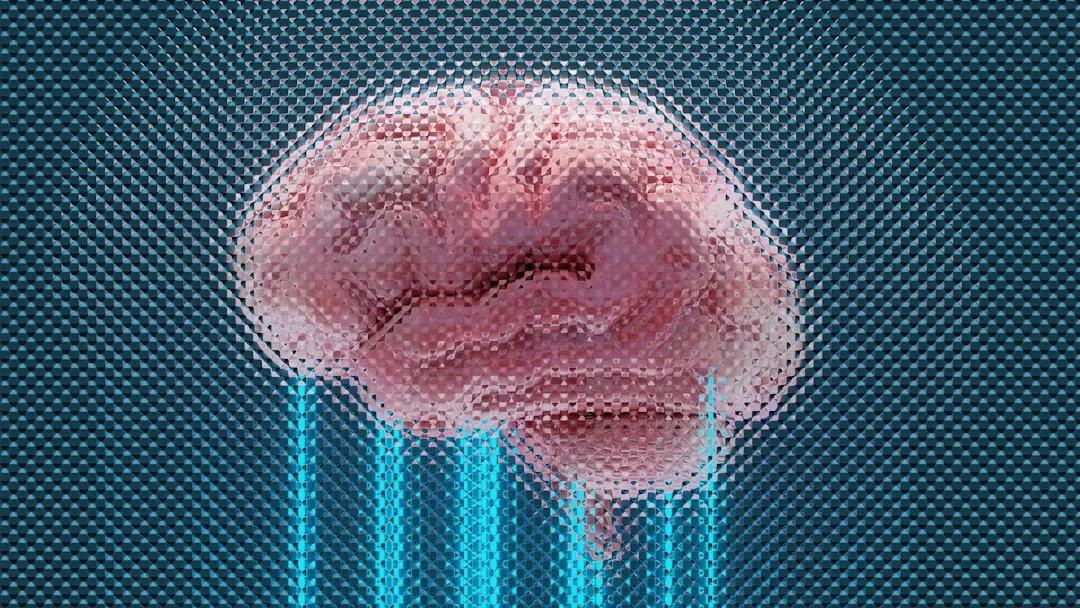
Humans are wired to hunt for patterns; it’s one of the reasons we survive so well. Your brain constantly tries to connect dots, spot causes, and predict what comes next. But in its enthusiasm, it often sees structure where there is only randomness, like faces in clouds, hidden meanings in coincidences, or “lucky” rituals that mysteriously seem to work.
This pattern-hungry brain is the same engine behind science and superstition, behind breakthroughs and conspiracy theories. It hates the idea of “just chance,” so it spins stories to explain what it doesn’t fully understand. Once you realize your brain is a pattern-addicted storyteller, you start to question whether every gut feeling or “sign” is insight – or just your inner narrator doing improv.
11. Your Brain Can Change Its Own Chemistry With Your Thoughts

Thinking isn’t just some ghostly, abstract thing happening in a vacuum; your thoughts trigger real chemical changes in your brain. When you imagine a stressful scenario, your body can respond with increased heart rate, tension, and stress hormones, even if nothing is physically happening. On the flip side, recalling comforting memories or practicing gratitude can nudge your brain toward calmer, more balanced states.
This doesn’t mean you can magically cure illnesses with positive thinking, and it’s dangerous to suggest that. But it does mean that mental habits, therapy, meditation, and even how you talk to yourself can shift patterns of activity and chemistry in your head over time. It’s a bit like having a thermostat you can adjust slowly with repeated choices, rather than a magic switch you flip once.
12. Your Brain Uses Fake Confidence to Keep You Moving

Your brain is not actually interested in giving you perfect self-knowledge; it’s surprisingly willing to flatter you when useful. Many people think they’re better-than-average drivers, more fair-minded than most, or less biased than the crowd, even when that can’t logically be true for everyone. This gentle self-deception can act like psychological padding, helping you face challenges without being crushed by doubt.
Of course, this becomes a problem when fake confidence blocks learning, makes you ignore feedback, or feeds arrogance. But in moderation, a slightly rosy view of yourself can act like training wheels on a bike. The trick is catching when your brain’s pep talk crosses the line from helpful to delusional, and that’s not always easy from the inside.
13. Your Brain Can Split Attention Between Two Selves in Conflict

Sometimes it feels like there are two versions of you: the one that plans to wake up early and eat healthy, and the one that reaches for the snooze button and the late-night snacks. Neuroscience has found different systems in the brain involved in long-term planning versus immediate reward, and they don’t always agree. What you experience as “willpower” is often a tug-of-war between these systems.
This is why habits, environments, and routines matter so much. If you set things up so the “future you” has less friction and temptation, the long-term system gets a fighting chance. I’ve noticed that when I remove just one tiny obstacle, like putting my running shoes by the door, it feels less like forcing myself and more like gently steering whichever “self” shows up that morning.
14. Your Brain Can Generate Experiences Almost Indistinguishable From Reality
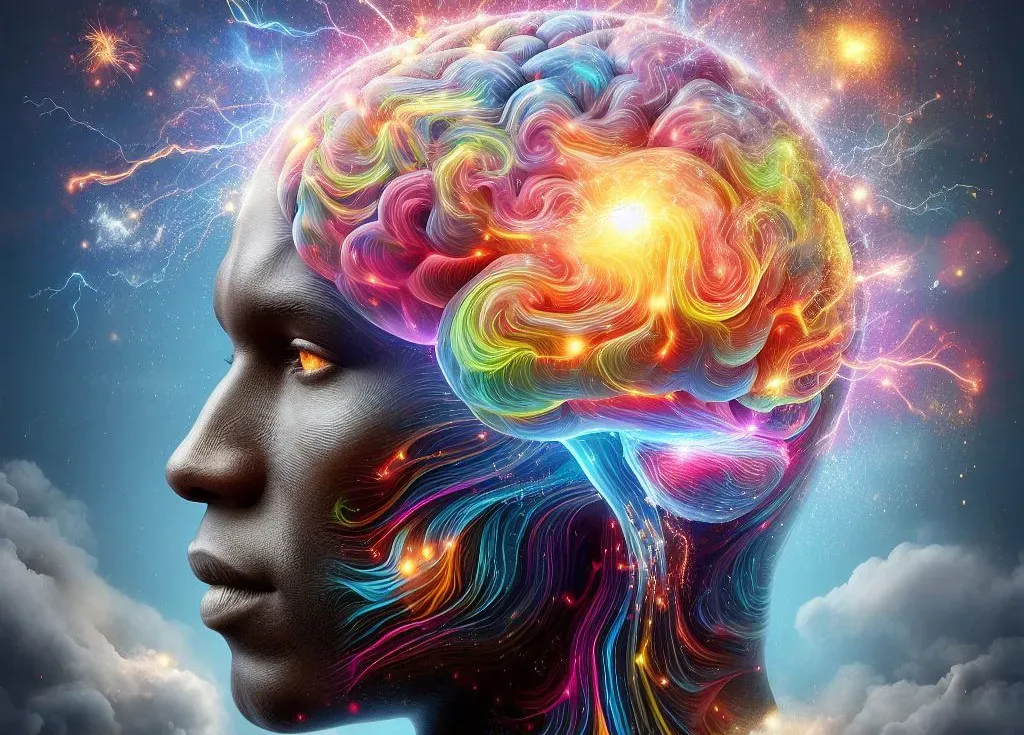
Vivid dreams, certain hallucinations, and some virtual reality experiences can feel so real that your body reacts as if they’re actually happening. Your heart races, your muscles tense, you feel fear, joy, or embarrassment, all sparked by events that exist only inside your skull or behind a screen. The brain doesn’t always sharply separate “real” from “simulated” when it comes to emotional and bodily responses.
This is why exposure to repeated imagined or virtual scenarios can shape fears, cravings, or skills, for better or worse. It also explains why nightmare wake-ups can leave you shaken for hours, even when you logically know it was “just a dream.” In a way, your brain is less concerned with what is objectively happening outside and more with what feels coherent and intense inside.
15. Your Brain Has No Idea What It Really Is – And Yet It Studies Itself

The strangest fact of all might be this: your brain is trying to understand itself using itself. It’s like a flashlight trying to shine directly on its own bulb or a camera trying to take a photo of its own lens. Neuroscience has made incredible progress mapping regions, signals, and functions, but we still do not fully grasp how subjective experience – your inner “you” – emerges from networks of cells.
That mystery hasn’t stopped the brain from asking big questions about consciousness, free will, and identity. The very curiosity that leads us to poke and scan and analyze the brain is itself a product of that same organ. There’s something almost poetic about that loop: a lump of living tissue, trying to solve the puzzle of its own existence, one strange discovery at a time.
The human brain may run on the power of a dim bulb, but it’s easily the most astonishing thing we know of in the universe – including the part of you right now deciding what to think about all of this.