Nature never ceases to surprise us. While you might think you know what a plant should look like, there are species thriving across our planet that challenge every botanical rule in the book. These aren’t your grandmother’s roses or the ferns sitting on your windowsill.
What you’re about to discover will shift your understanding of what plants can achieve when survival demands creativity. From meat-eating monsters to resurrection performers, these botanical oddities have evolved remarkable abilities that sound more like science fiction than reality. Let’s dive in.
The Venus Flytrap Snaps in Under a Second
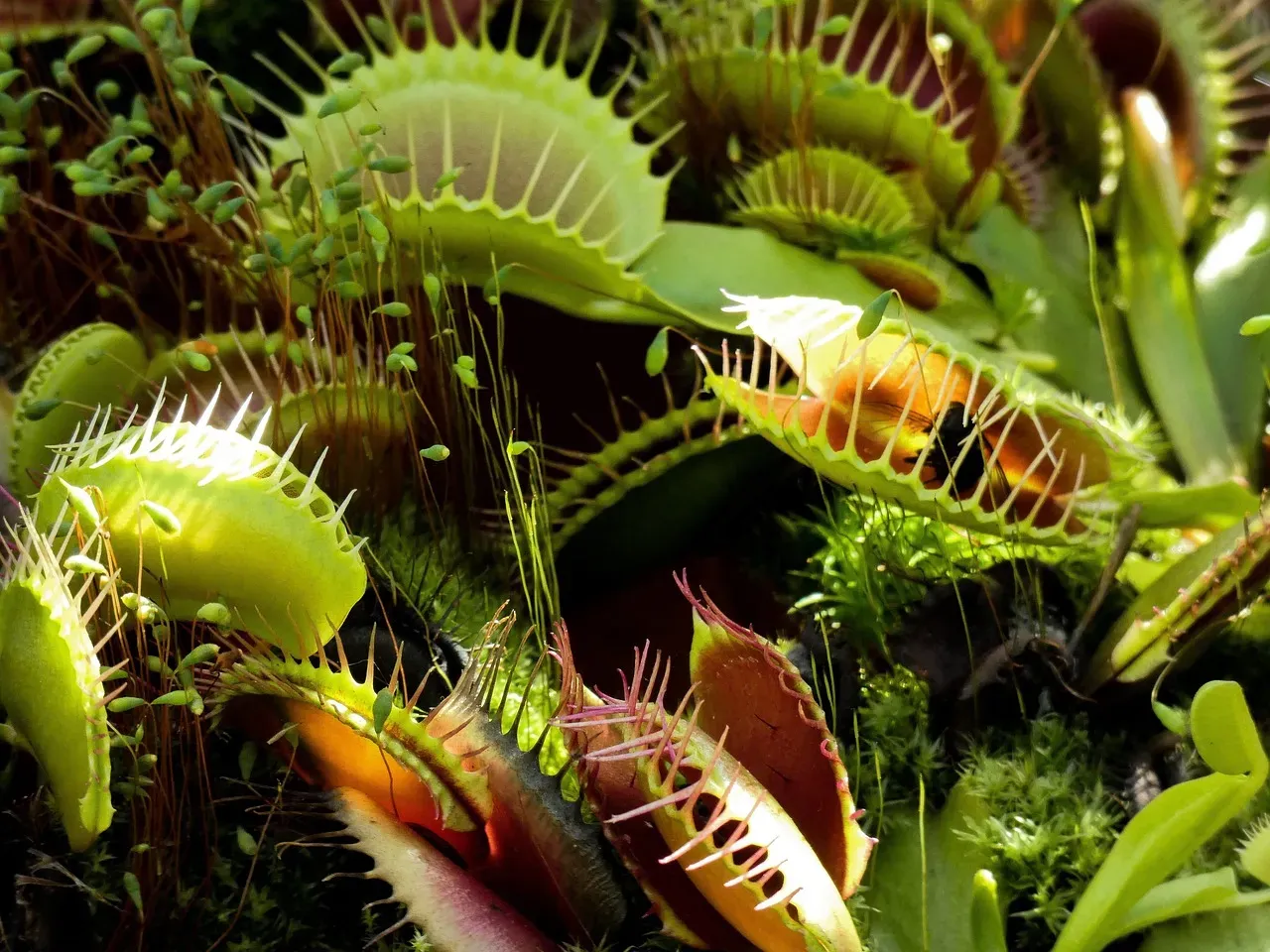
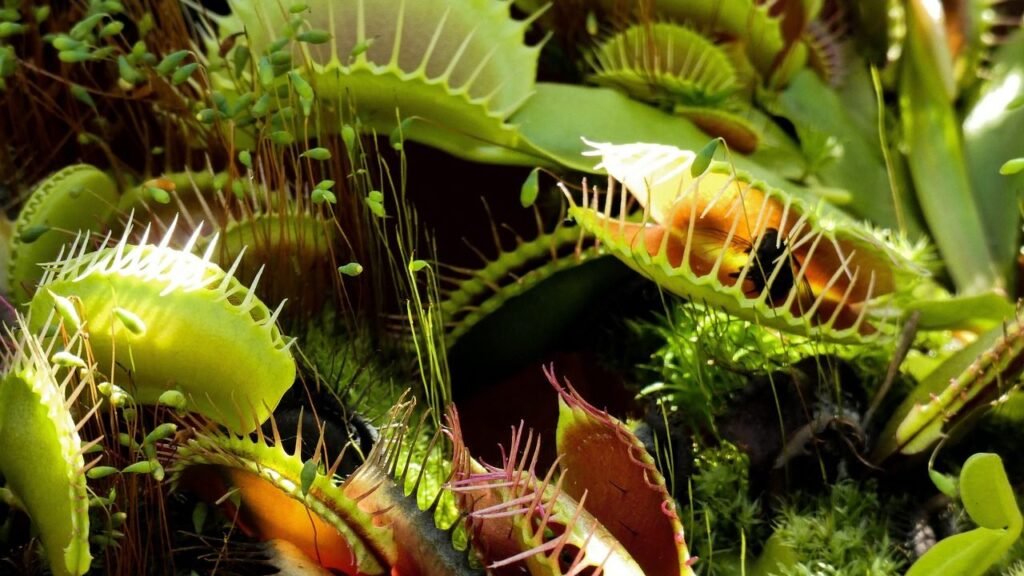
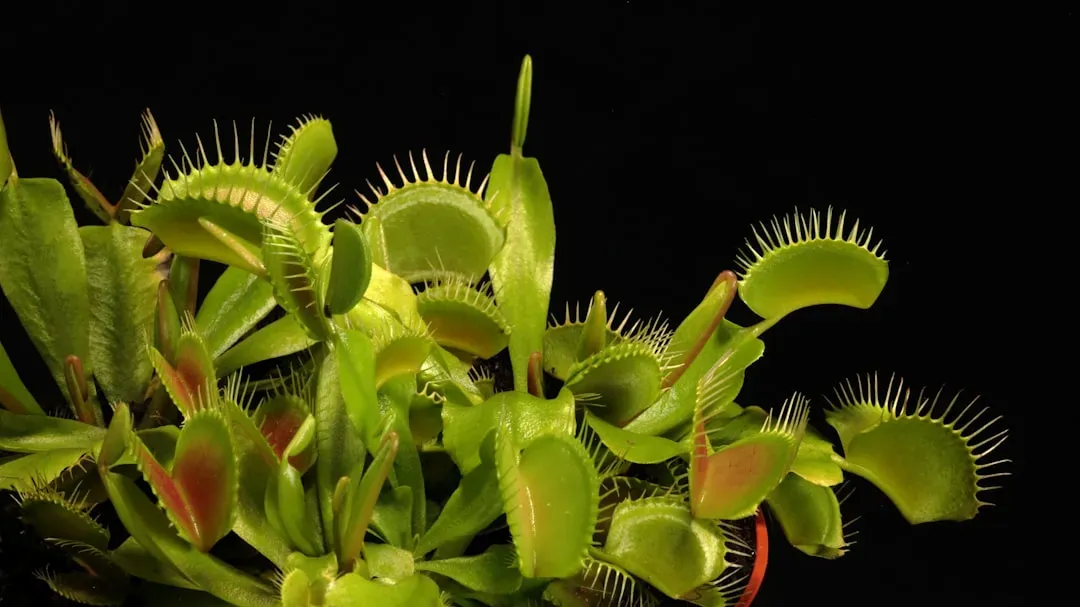
The Venus flytrap closes its trap in less than a second, making it one of the fastest movements in the plant kingdom. To prevent the lobes from shutting in response to raindrops or debris, the plant requires two stimuli 0.5 to 30 seconds apart. This built-in counting mechanism is basically the plant equivalent of thinking before acting.
The plant uses sweet nectar to attract flies, and when one lands and triggers the fine hairs within the trap, the plant closes around the fly and digests its soft tissue with an enzyme. What looks like jaws are actually modified leaves that have evolved into nature’s most famous snap trap. Charles Darwin himself was utterly fascinated by this plant, calling it “one of the most wonderful in the world.”
Bladderworts Suck Prey Faster Than You Can Blink
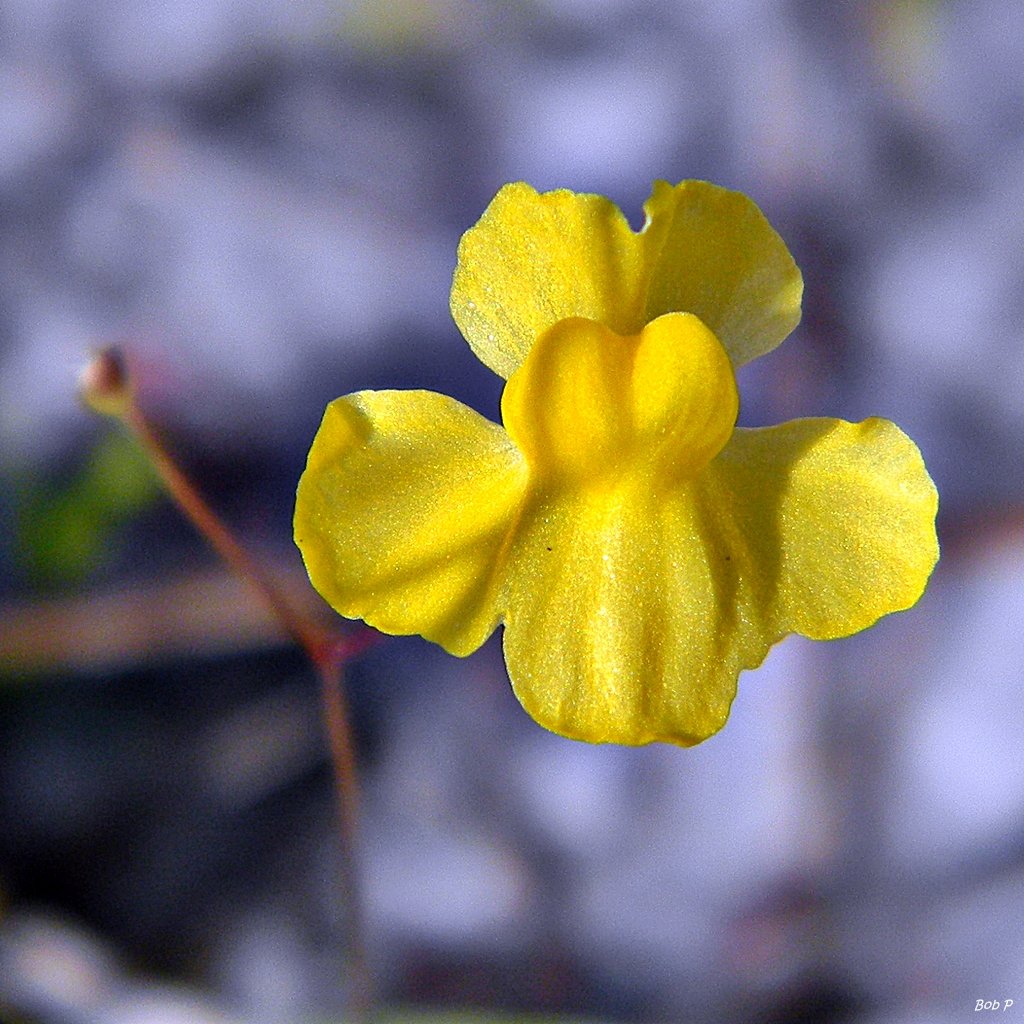
You won’t see this action with the naked eye. Bladder traps suck in prey with a bladder that generates an internal vacuum, and the whole process happens in milliseconds. These aquatic hunters are basically underwater vacuum cleaners for tiny organisms.
The traps work by creating an internal vacuum in their bladders by pumping out water, then literally sucking in prey through hinged trapdoors that have long trigger hairs. Think of it as spring-loaded biological suction cups waiting for an unsuspecting water flea to swim by. There are approximately 233 species in this widespread genus found on every continent except Antarctica.
Resurrection Plant Survives Years Without Water
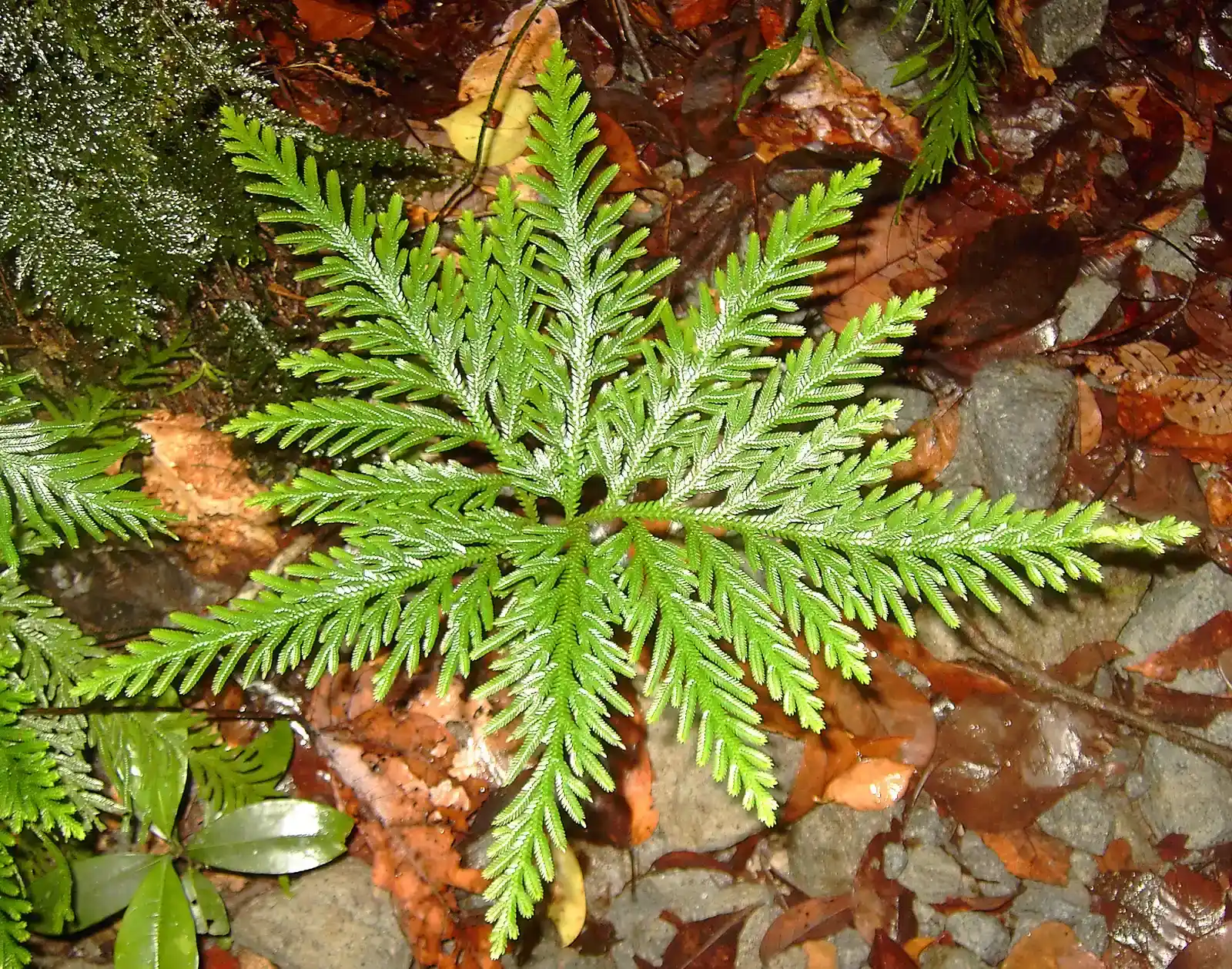
Here’s where things get truly wild. Selaginella lepidophylla can survive without water for several years, drying up until it retains only 3% of its mass. When drought hits, this remarkable plant curls into a tight brown ball that looks utterly lifeless.
The plant can lose up to 95% of its moisture content without suffering damage, and when ground and air humidity begin to rise again, even a considerable time after it has wilted, the plant resuscitates, fully recovering its photosynthesis and growth abilities. If drought persists, the roots may detach, allowing the plant to be carried by the wind, and if it encounters moisture, it may rehydrate and take root in the new location. It’s essentially botanical immortality wrapped in a tumbleweed package.
Corpse Flower Heats Up to Nearly 100 Degrees
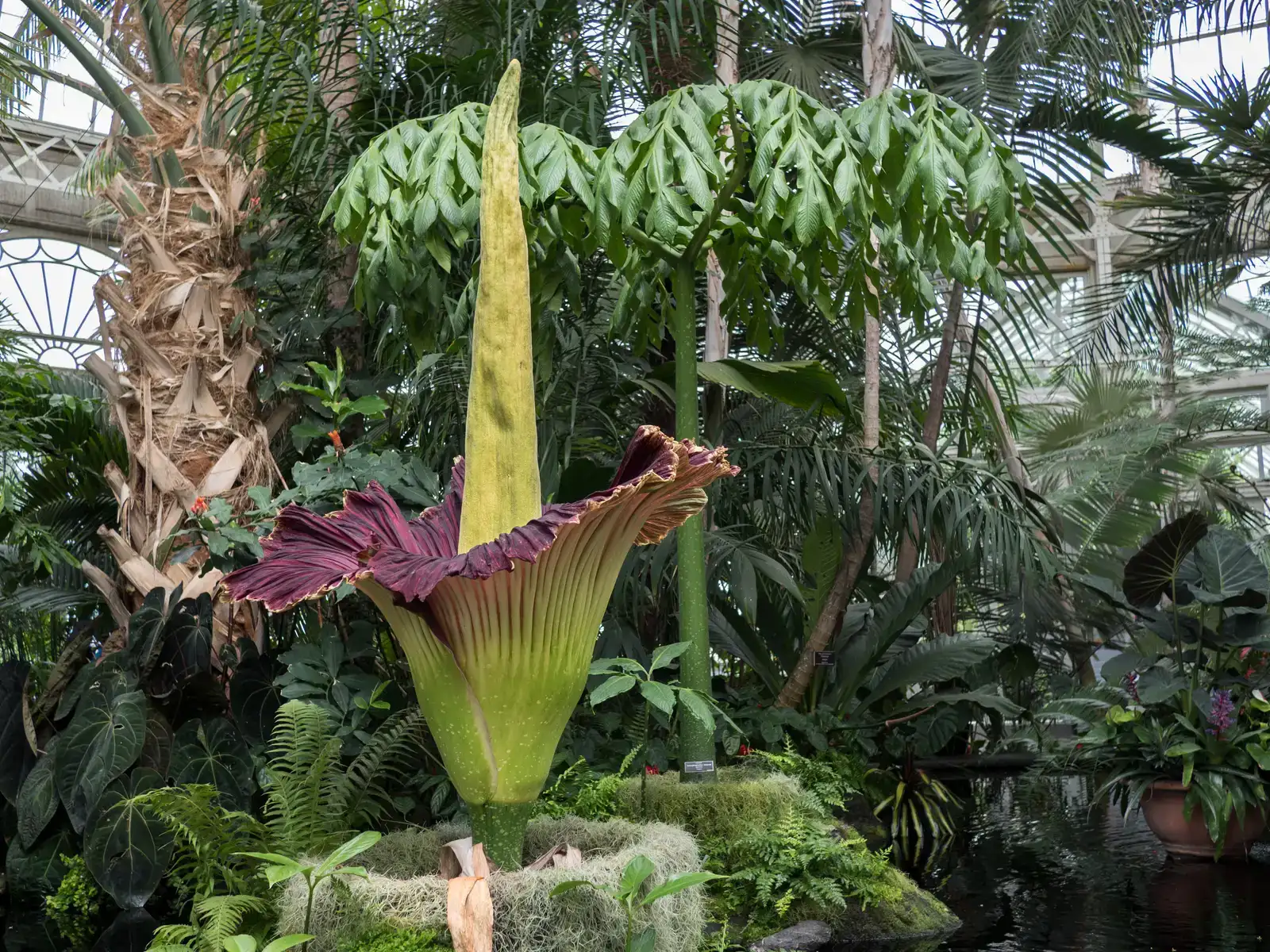
As the spathe gradually opens, the spadix heats up to 37 degrees Celsius (99 degrees Fahrenheit), which helps the perfume volatilize to roughly human body temperature. The titan arum doesn’t just smell horrific; it actively cooks itself to broadcast that stench far and wide.
The stench includes dimethyl trisulfide (like limburger cheese), dimethyl disulfide (garlic), trimethylamine (rotting fish), isovaleric acid (sweaty socks), and indole (like feces). The smell is detectable up to 800 meters away. This massive plant blooms infrequently, sometimes waiting seven to ten years between flowerings, making each event a botanical spectacle that draws thousands of curious visitors willing to endure the nauseating odor.
Welwitschia Lives Over 1,000 Years with Two Leaves
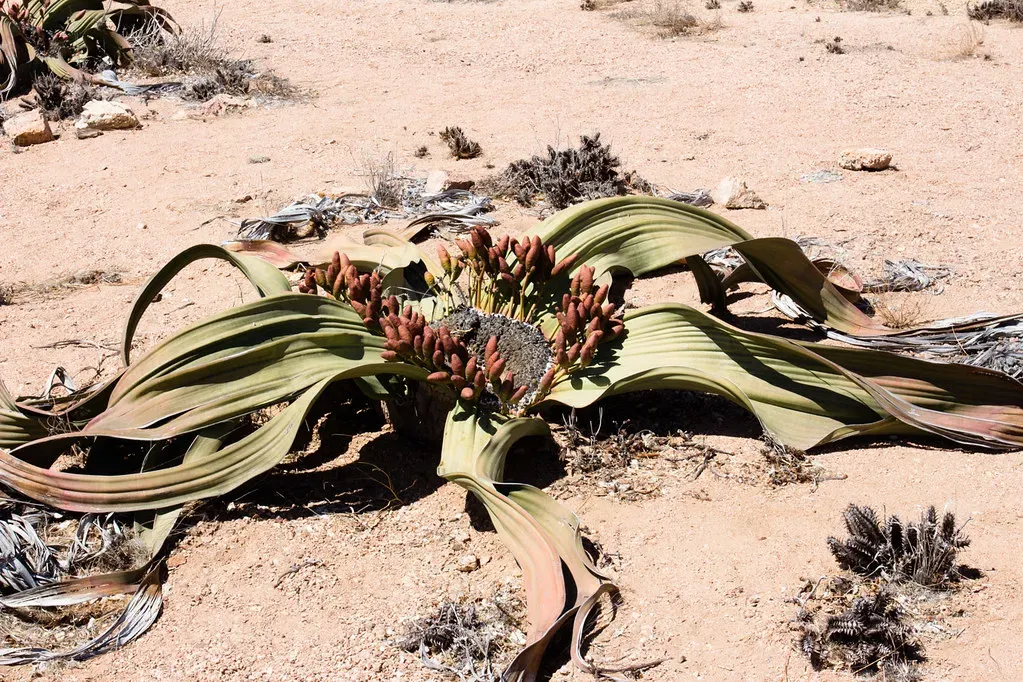
Imagine having only two leaves your entire life. Welwitschia mirabilis has only two leaves that grow continuously throughout its lifetime, which can exceed a thousand years. These aren’t small leaves either; they can grow longer than six meters, splitting and fraying as decades turn into centuries.
Welwitschia is endemic to the Namib desert, where the coast is recorded as having almost zero rainfall, while less than 100 millimeters of rain falls annually. The plant survives for hundreds of years in the arid desert by absorbing water from sea fog and deep groundwater. It’s like nature’s ultimate minimalist, proving you don’t need complexity when you’ve mastered efficiency.
Pitcher Plants Drown Victims in Digestive Enzymes
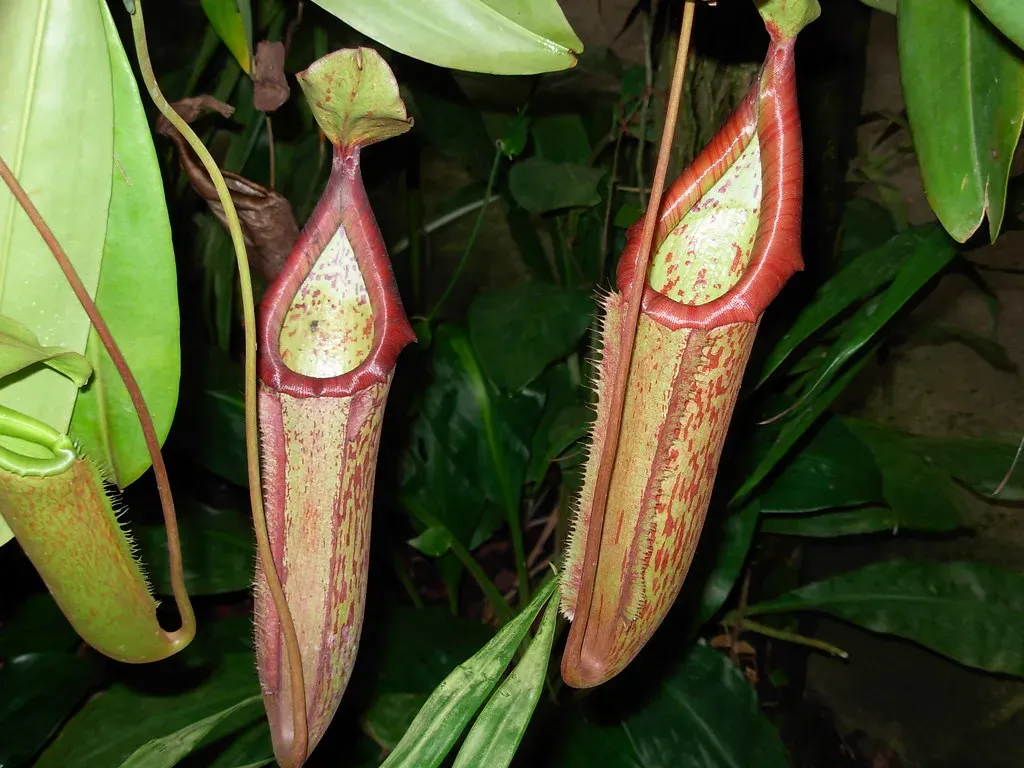
These botanical traps are deceptively beautiful. Pitfall traps contain a rolled leaf with a pool of digestive enzymes or bacteria, creating what essentially amounts to a stomach on the outside of the plant. Insects are lured by bright colors and sweet nectar, only to slip into a watery grave.
The traps may have nectaries, bright colors, or flower-like scents to attract prey, with hairs to direct them to the trap opening, and the lip of the trap is usually slippery with a waxy inside. Some pitcher plants have grown enormous; Nepenthes attenboroughii features pitchers that can hold up to three liters of liquid. That’s enough to trap not just insects but potentially small rodents.
Lithops Disguise Themselves as Pebbles
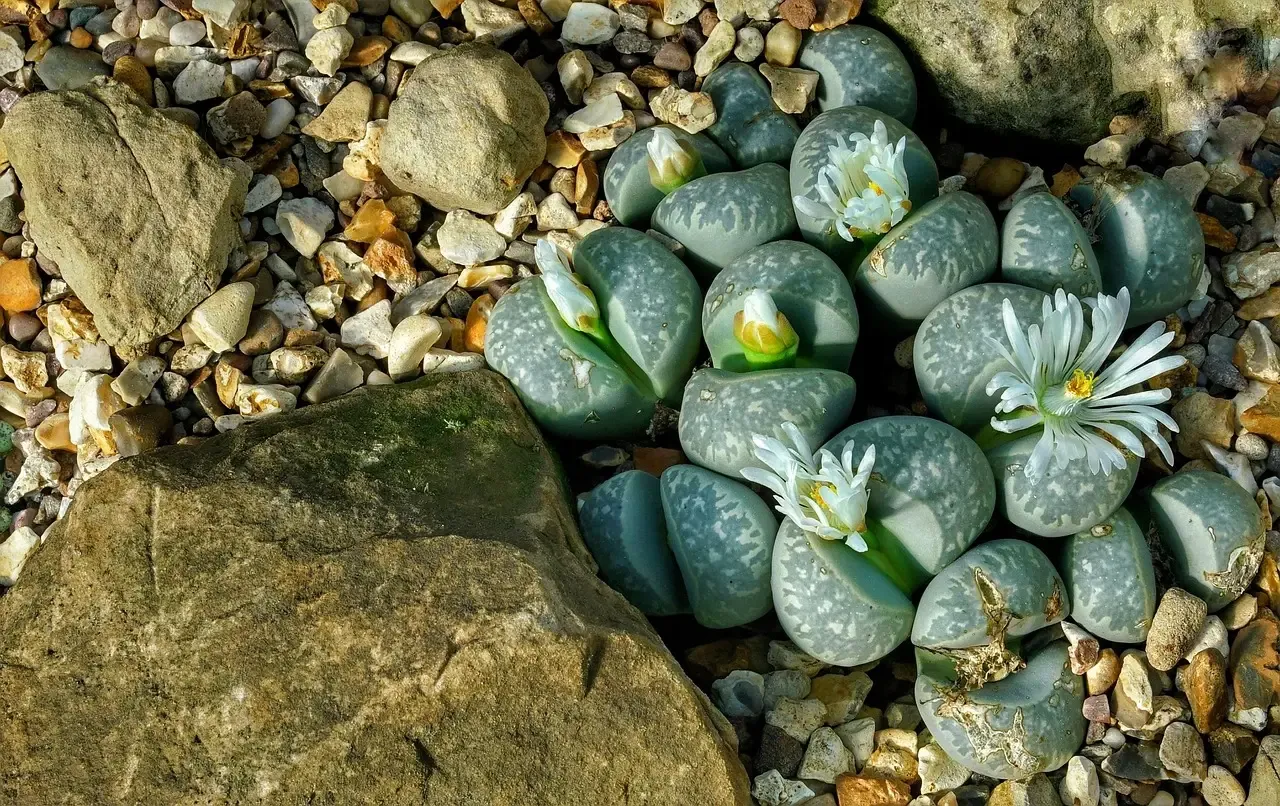
Lithops’ visible cover above the ground is translucent, enabling sunlight to reach the plant’s photosynthetic parts while creating the illusion that the plant is actually a small rock. These living stones have essentially become botanical ninjas, hiding in plain sight from hungry herbivores.
These palm-sized plants adapted to thrive in arid habitats, and their body parts, including the tissues necessary for photosynthesis, live mostly underground. Lithops are incredibly long-lived and can survive for more than 50 years. The camouflage is so effective that you could walk right past dozens of them without noticing a single plant.
Dodder Vine Hunts Plants by Smell
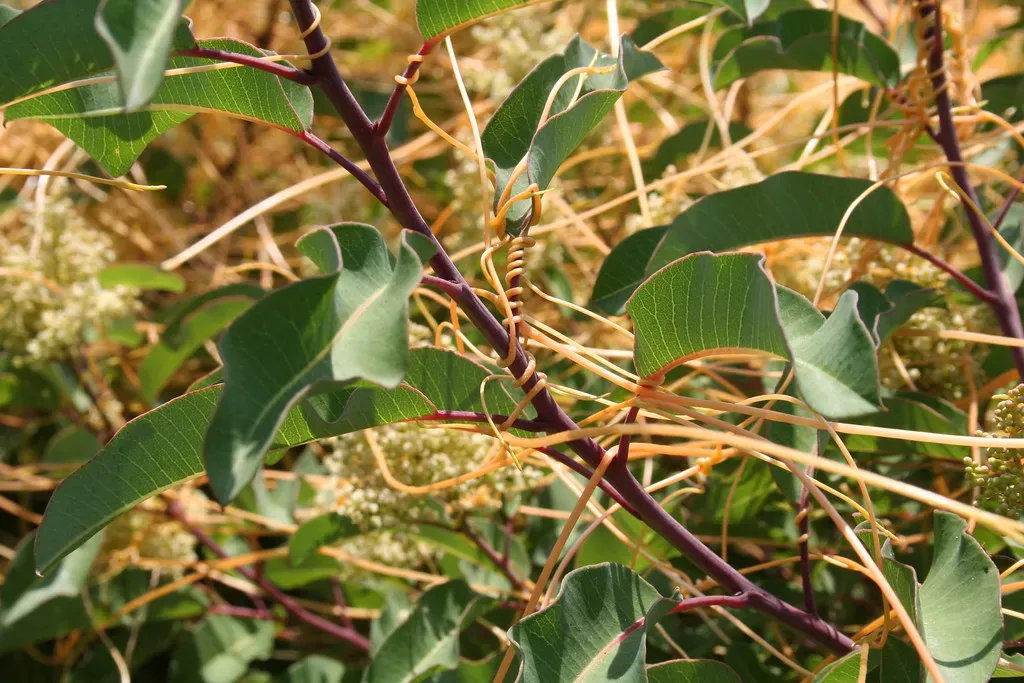
Let’s be real, this sounds like something from a horror movie for plants. A parasitic plant known as the dodder vine locates its prey by scent, and when odors from a tomato plant are wafted towards the vine, these chemical cues prompt the plant to send a tendril snaking towards the source. It’s a vampire that tracks victims through airborne signals.
Once the dodder finds its target, it wraps around the host plant and penetrates its tissues to steal water and nutrients. The dodder has essentially given up on photosynthesis entirely, evolving instead into a parasitic specialist. Think of it as the ultimate botanical freeloader, sniffing out its next meal and latching on for life.
Sundews Move Their Tentacles to Trap Insects
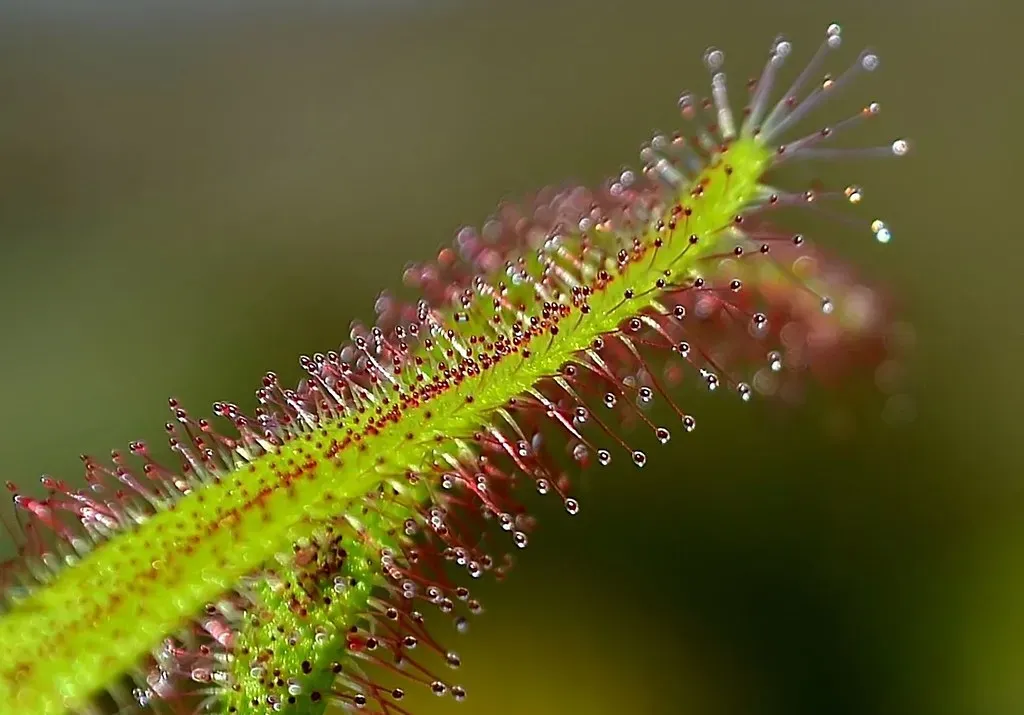
Sundews are covered in fine tentacles tipped with sticky mucus that scientists think attracts insects because they resemble droplets of nectar, and when insects land on them and struggle to escape, special tentacles respond to the movement and warp around the unfortunate invertebrate. It’s slow-motion carnage that can take hours to complete.
The tentacles are multifunction, snagging prey, moving to bring as many tentacles as possible into contact with the prey to smother it in slime, and releasing digestive enzymes. What makes sundews truly remarkable is their patience combined with their responsiveness. They wait motionless until prey arrives, then gradually envelop their victim in an inescapable embrace.
Rafflesia Produces the World’s Largest Single Flower
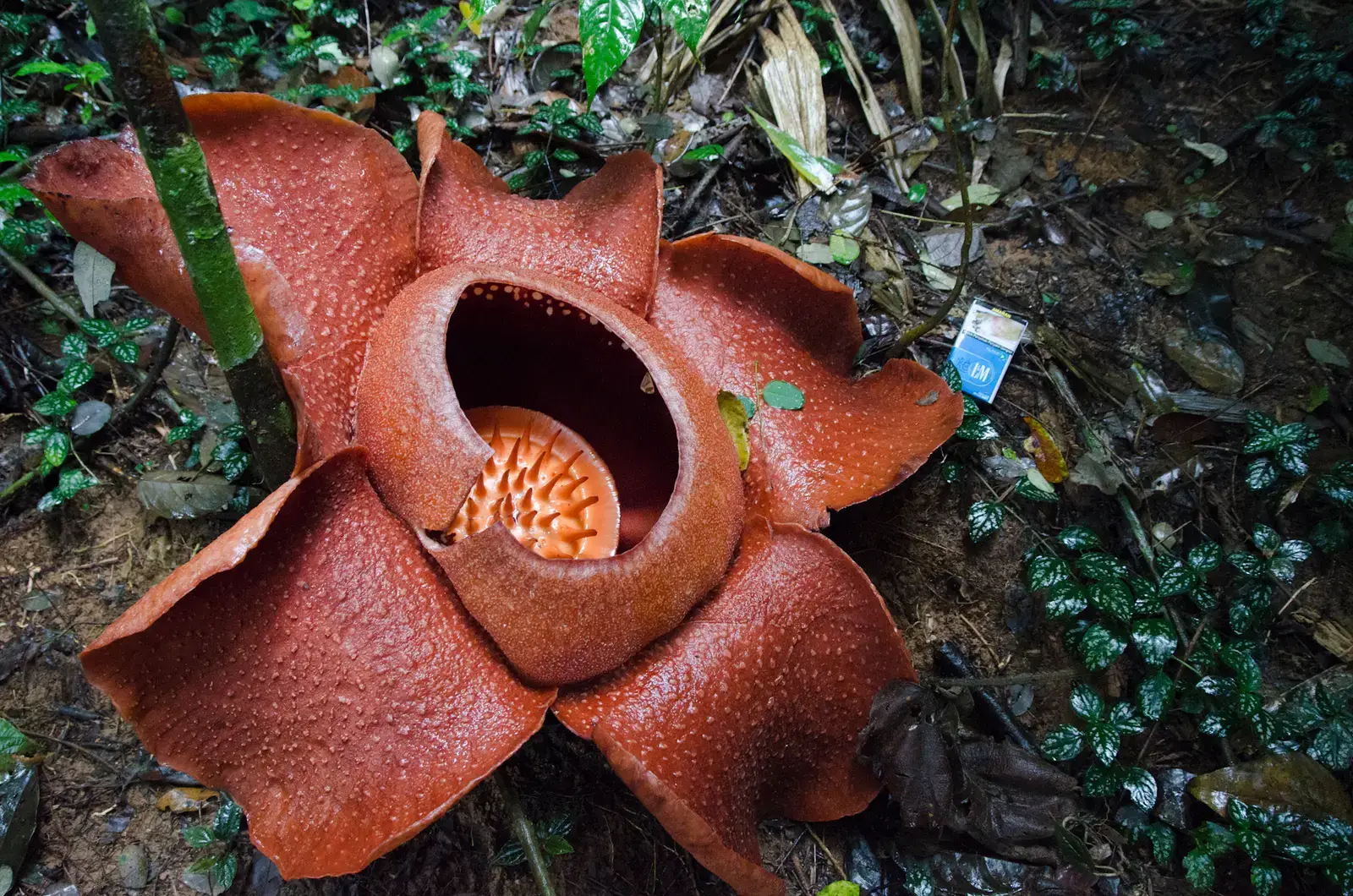
The genus is famous for its enormous blooms, with one species, Rafflesia arnoldii, holding the record for the world’s largest single flower in terms of weight. These parasitic plants have taken an extreme evolutionary path, completely abandoning leaves, stems, and roots.
Incapable of photosynthesis and self-nourishment, these species depend entirely on their host plants for survival, having no roots, stems, or leaves of their own, and lie in wait within the tissues of certain vines, emerging only when the time is right to reproduce. While Rafflesia flowers are visually hard to miss, their smell, said to be reminiscent of rotting meat, makes them impossible to ignore, attracting their pollinators, carrion flies. It’s nature’s most dramatic entrance: massive, malodorous, and utterly mesmerizing.
Conclusion
These ten plants remind us that evolution produces solutions we’d never imagine. From vacuum traps to resurrection tricks, from stone mimicry to scent-based hunting, the plant kingdom contains survival strategies that push biological boundaries to their absolute limits.
Next time you walk through a garden or hike through wilderness, remember that beneath the green façade lies a competitive world where plants have weaponized chemistry, mastered deception, and even turned carnivorous to survive. Nature doesn’t play favorites, and these botanical marvels prove that sometimes the strangest adaptations are the most successful. What other hidden wonders are waiting to be discovered in your own backyard?