There’s something oddly poetic about watching ice dissolve into blue pools thousands of miles from where it formed. For nearly four decades, the massive iceberg A23a has been a frozen monument drifting through the Southern Ocean, surviving longer than most icebergs ever dream of. Now, satellite images show it’s finally succumbing to warmer waters in one of the most visually stunning deaths nature has to offer.
It’s a strange kind of farewell for what scientists affectionately dubbed the “queen of icebergs.” The journey of A23a reads less like a typical iceberg life cycle and more like an adventure novel full of unexpected twists. Let’s dive into this remarkable story and explore what makes this particular chunk of Antarctic ice so extraordinary.
The Birth and Imprisonment of a Frozen Giant
A23a broke off from Antarctica’s Filchner-Ronne Ice Sheet in the summer of 1986, but quickly became stuck in place when its submerged bottom caught on the seafloor. Picture this: Ronald Reagan was still president when this thing first calved. It was meant to drift away like most icebergs do, breaking up within a few years at most.
Except that didn’t happen. It remained trapped for most of the last four decades, barely shrinking in size due to its close proximity to its parent ice shelf. Imagine being stuck in the same spot for over thirty years while the entire world changed around you. This wasn’t just any temporary delay either. The iceberg sat there, frozen to the seafloor, through decades of human history.
The Unexpected Freedom and a Dizzying Dance
A23a finally broke free from its seafloor tether in 2020 and began drifting away from Antarctica. Freedom at last, right? Well, not quite. The hefty ice mass was trapped again, this time in a massive ocean current, or gyre, which caused it to spin in place for months. The iceberg got caught in what scientists call a Taylor column, essentially a spinning vortex created by an underwater mountain.
It spun slowly like a massive frozen record player, turning counterclockwise day after day. It’s hard not to feel a bit sorry for this thing. After decades of being stuck, it finally broke free only to get trapped in nature’s own whirlpool. Eventually, though, A23a managed to escape this watery prison too.
A Near Disaster at South Georgia Island
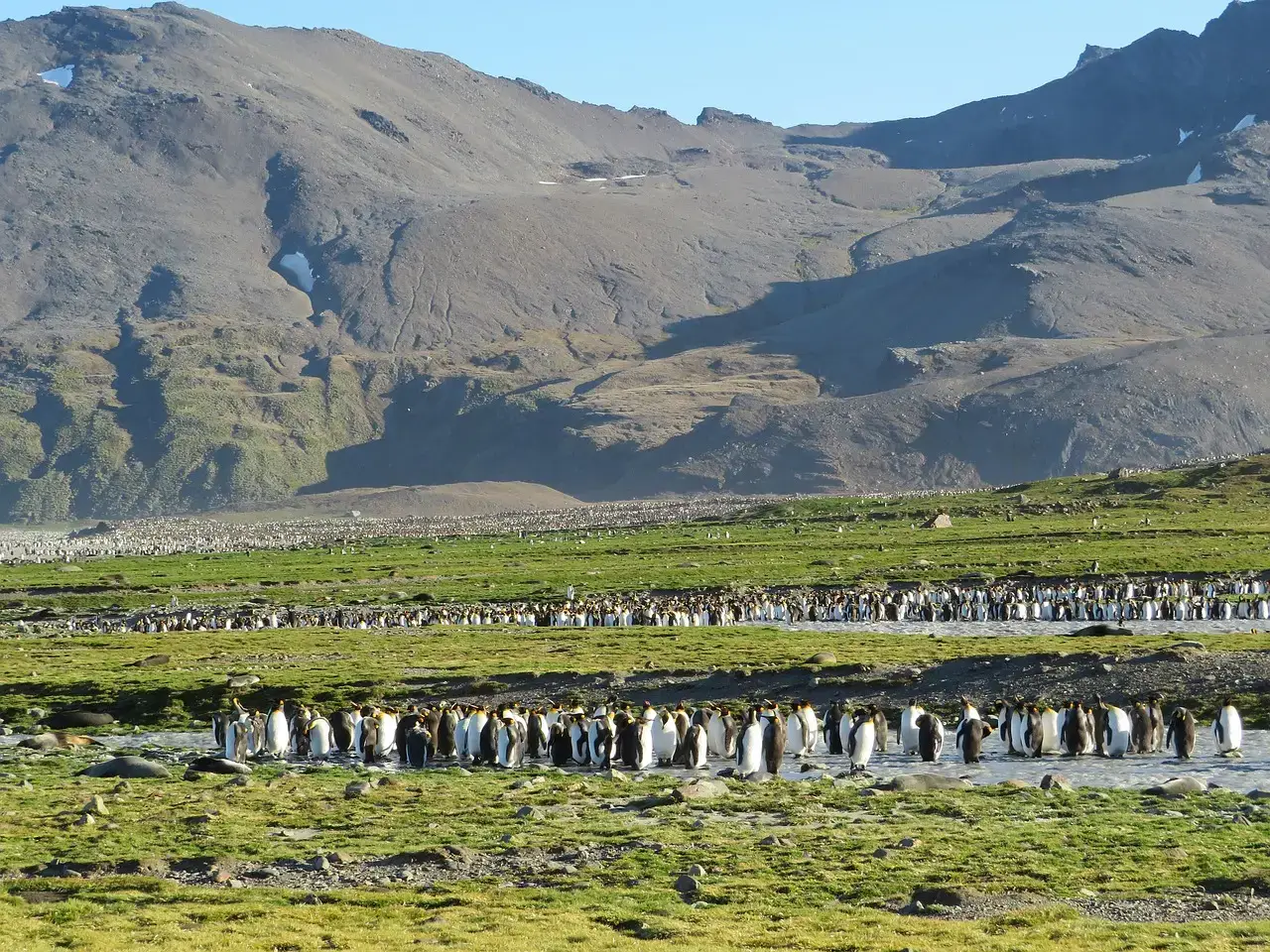
After breaking free from the vortex in December 2024, the dizzy berg made a beeline for the island of South Georgia, sparking fears among researchers that it would ground again and trigger a potential ecological disaster for the island’s resident penguins. Scientists were genuinely worried. If an iceberg this massive lodged itself against South Georgia’s shore, it would block ocean access for millions of penguins, seals, and seabirds that depend on free passage to feed.
This worst-case scenario was avoided when A23a began to break apart in May 2025, shortly before reaching the island. Nature, it seems, had other plans. Rather than creating an ecological catastrophe, the iceberg started fragmenting just in time, allowing wildlife to continue their normal routines.
The Stunning Transformation Into Blue Mush
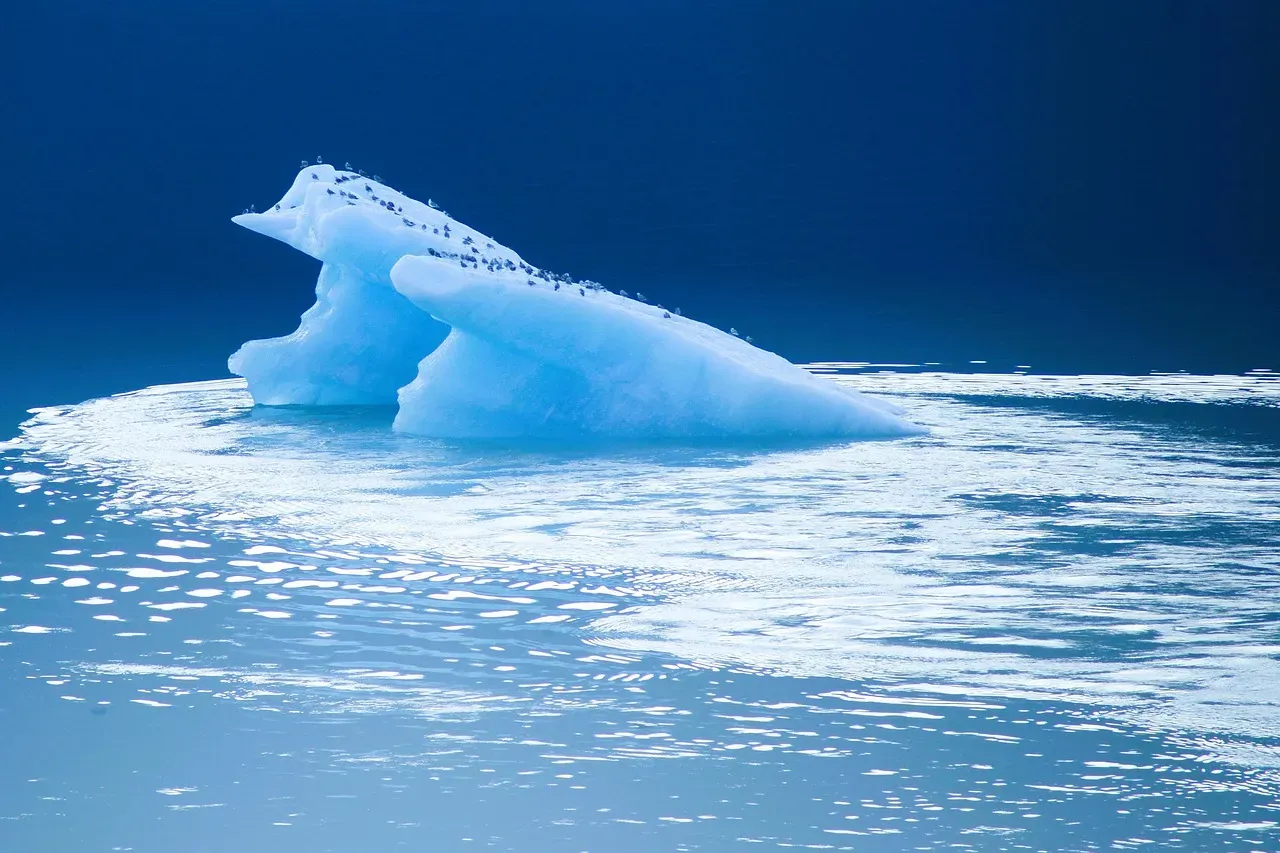
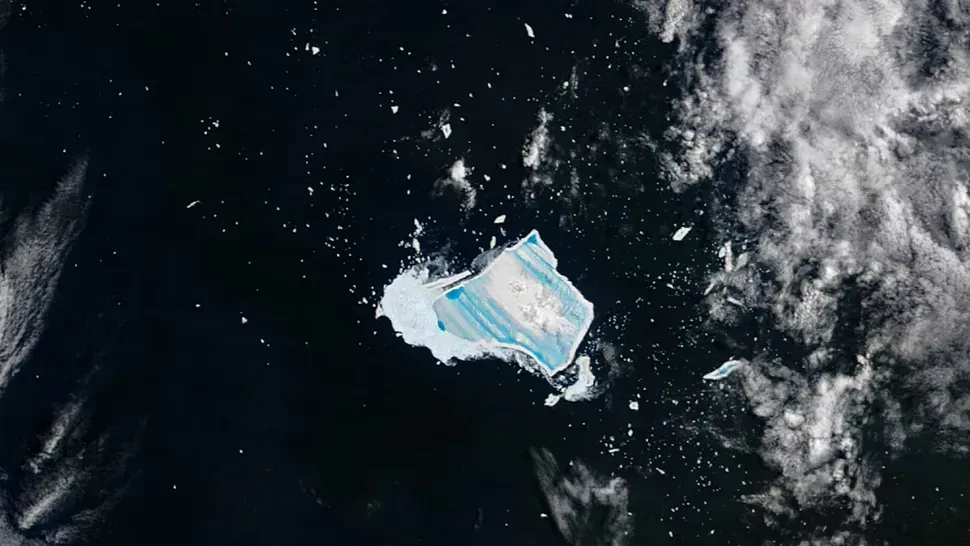
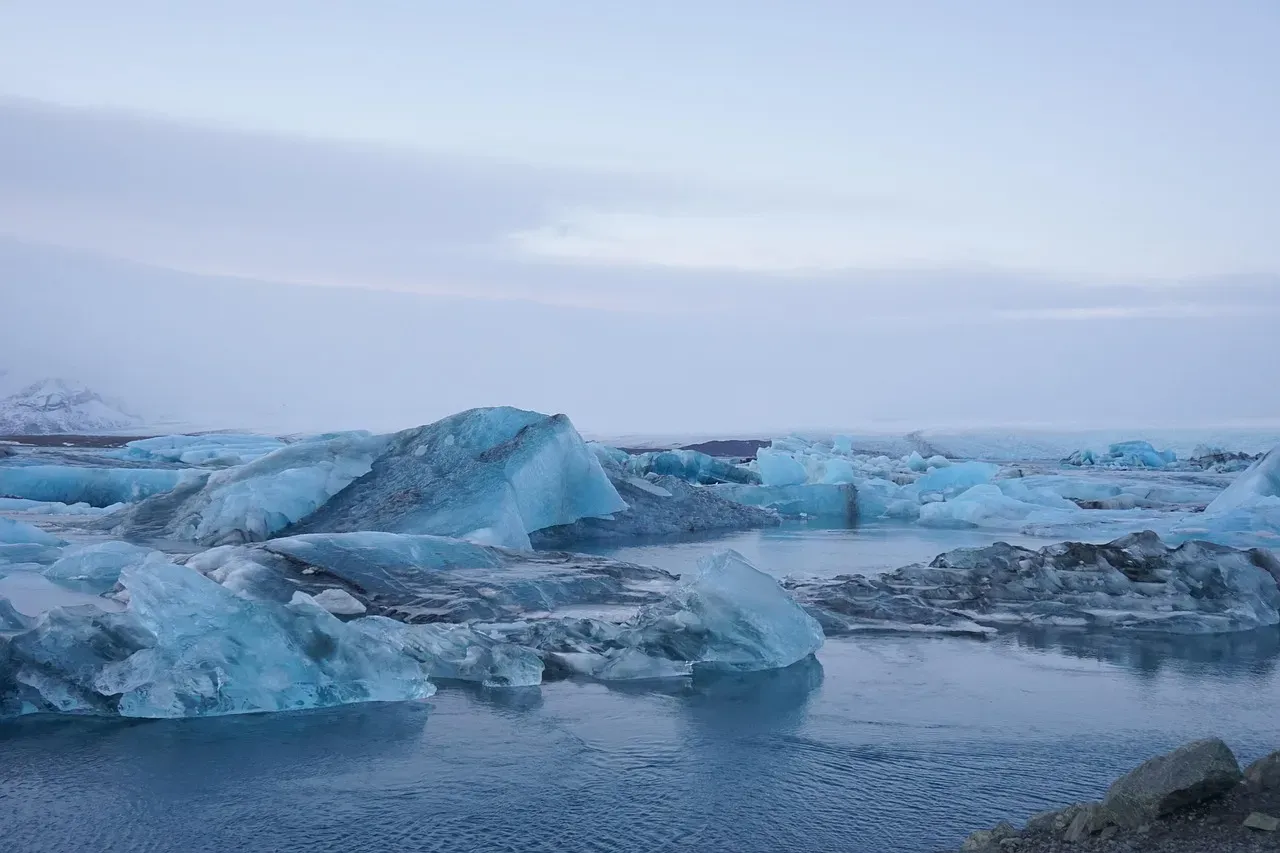
New photos, captured on Dec. 26 by NASA’s Terra satellite, reveal a completely unrecognizable version of A23a. The iceberg, which is now around a third of its original size, is shown covered with pools of blue water encircled by thick borders of white ice, dubbed “ramparts.” It’s a genuinely mesmerizing sight. Where there was once solid white ice, there are now vivid pools of brilliant blue meltwater.
The “blue mush” visible on A23a is made up of melt ponds, which form when surface ice loses its structural integrity. These ponds align into streaks, likely caused by the “weight of the water sitting inside cracks in the ice and forcing them open.” Think of it like a dam starting to fail. The water accumulates, presses down, and forces the cracks wider until the structure can no longer hold.
Ancient Scars Revealed in the Final Days
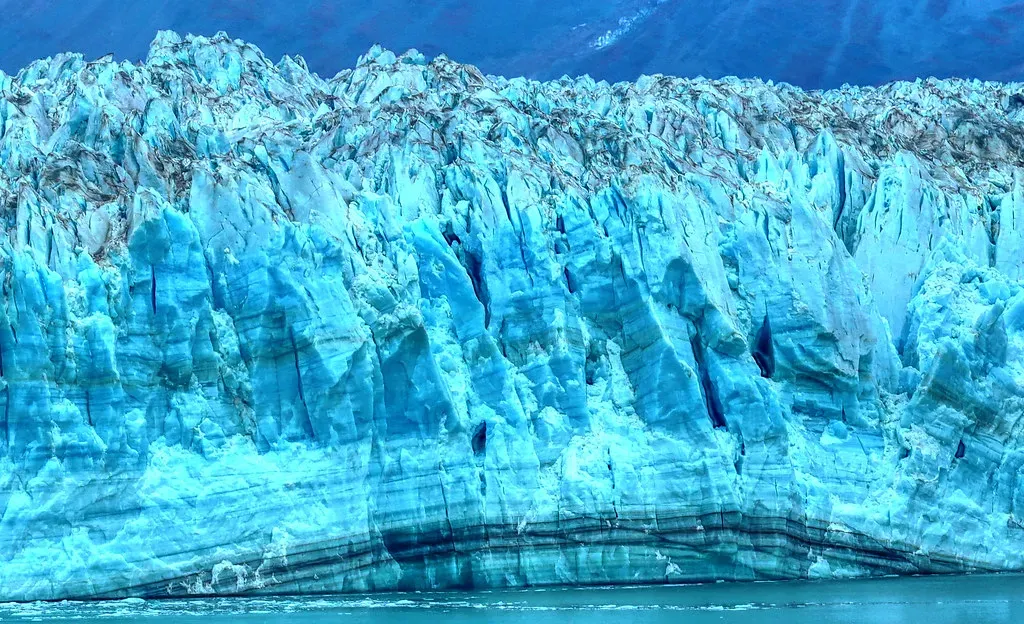
The cracks likely run parallel to grooves on the iceberg’s underside, which were carved into the ice by centuries of movement over the ground while still attached to the Filchner-Ronne Ice Sheet. This means we’re seeing patterns that were formed hundreds of years ago, when this ice was still part of a massive glacier grinding over Antarctic bedrock.
It’s almost surreal when you think about it. These striations are like geological fingerprints from another era entirely. According to another photo, snapped on Dec. 27 by an unnamed astronaut onboard the International Space Station, the vibrant striations may have already started to disappear. This subsequent image shows a more uniform pool of blue water on the iceberg’s surface. The transformation happened in just days.
The Final Chapter in the Iceberg Graveyard
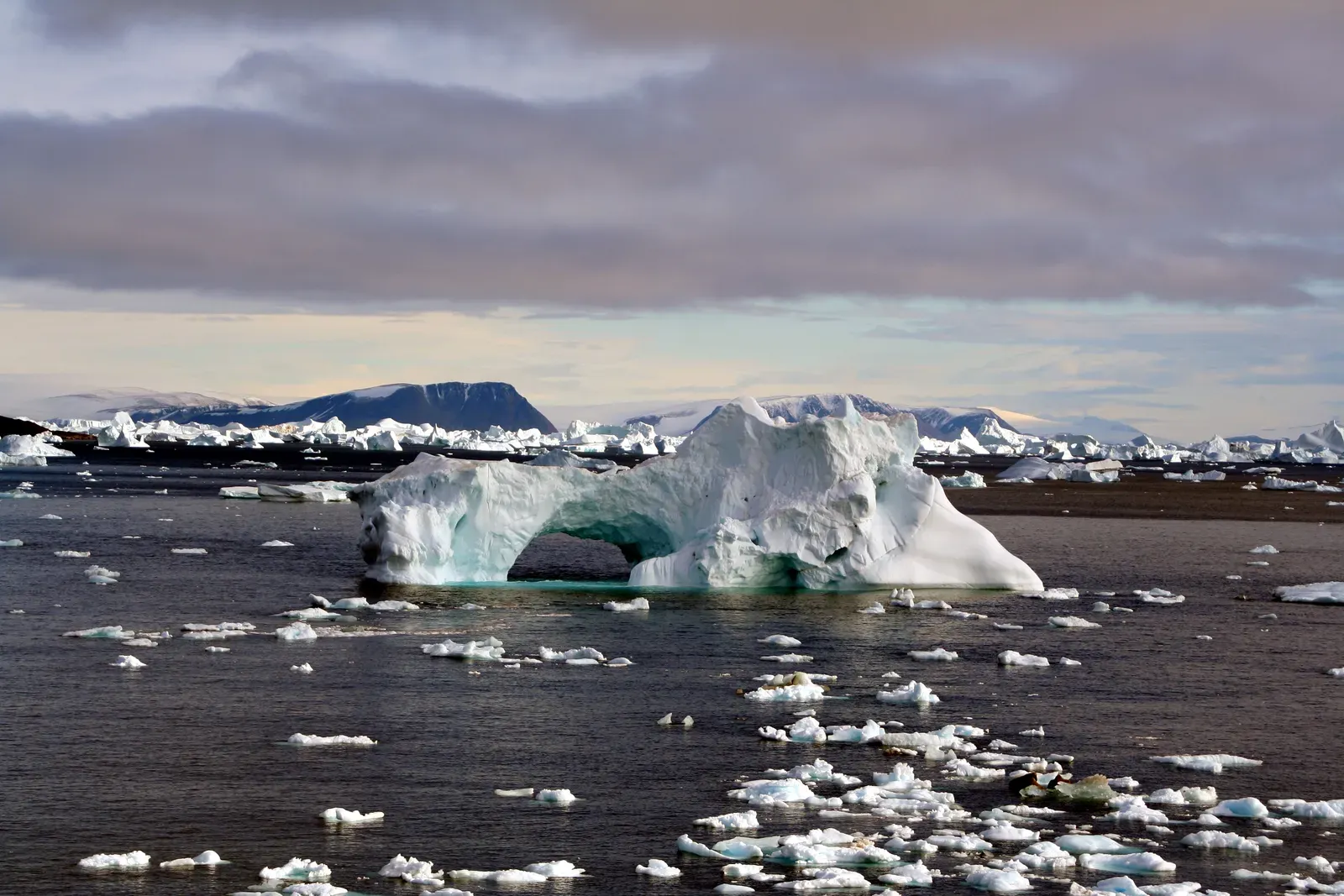
Estimates from the U.S. National Ice Center put the berg’s area at 1,182 square kilometers (456 square miles) in early January 2026, following the breakup of several sizable pieces in July, August, and September of 2025 as it moved into relatively warm summer conditions by December. To put that in perspective, A23a was once nearly twice the size of Rhode Island. Now it’s just a bit larger than New York City, and shrinking fast.
It’s already in water that’s about 3 degrees Celsius and riding currents that are pushing it toward even warmer waters. It is also further surrounded by hundreds of smaller bergs that have broken off its edges. The South Atlantic, particularly the waters around South Georgia, is known among ice scientists as an “iceberg graveyard” for good reason. It’s where giant Antarctic icebergs come to meet their end, torn apart by warmer temperatures and relentless waves.
Conclusion
It is currently unclear how much of A23a remains or if it has already begun to disappear fully. What we do know is that this nearly 40-year odyssey is coming to a spectacular close. From getting stuck on the seafloor for three decades to spinning in ocean vortexes, nearly colliding with penguin colonies, and finally dissolving into pools of brilliant blue, A23a has had one of the most eventful lives an iceberg could possibly have.
It’s given scientists unprecedented opportunities to study megabergs and their impacts on ocean ecosystems. Honestly, there’s something bittersweet about watching this ancient chunk of ice finally fade away. It’s a reminder that even the most enduring natural structures eventually return to the sea. What do you think about this frozen giant’s final journey? Tell us in the comments.