
The universe sprawls around us like an infinite tapestry of possibilities, each star a potential home to minds we can hardly fathom. We’ve sent our signals into the dark, peered through telescopes at distant worlds, and wondered whether someone, something, might be staring back. Here’s the thing though: if we ever do encounter extraterrestrial life, the real question isn’t just whether they’re intelligent. It’s whether they experience anything at all.
Do aliens have an inner world? Can they feel, perceive, or know what it’s like to exist? The question stretches beyond science fiction into genuine scientific territory, where neuroscientists, philosophers, and astrobiologists wrestle with ideas that challenge everything we think we know about consciousness itself. Let’s dive in.
Consciousness Might Be Woven Into The Fabric of Reality
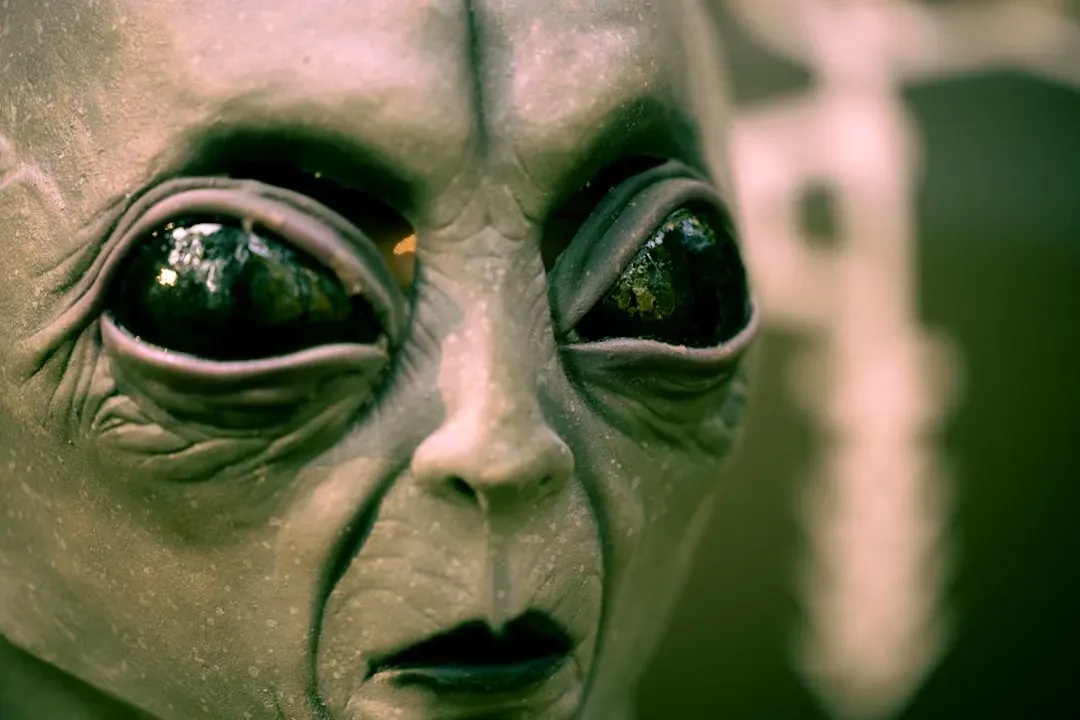
Consciousness could be a fundamental part of reality, like gravity or matter, according to this controversial theory. Panpsychism, an ancient cosmic theory, suggests consciousness could be a ubiquitous feature of the universe, akin to gravity or charge. If that’s true, then consciousness wouldn’t be some special trick that evolved only on Earth. It would be everywhere, embedded in the very structure of existence.
Think of it like electricity flowing through a vast network. Different systems might conduct that current in wildly different ways, producing experiences we can barely imagine. Any complex system, whether evolved on Earth or elsewhere, could be conscious. The implications are staggering: consciousness might not belong exclusively to biological brains at all.
Alien Minds Could Operate on Completely Foreign Principles
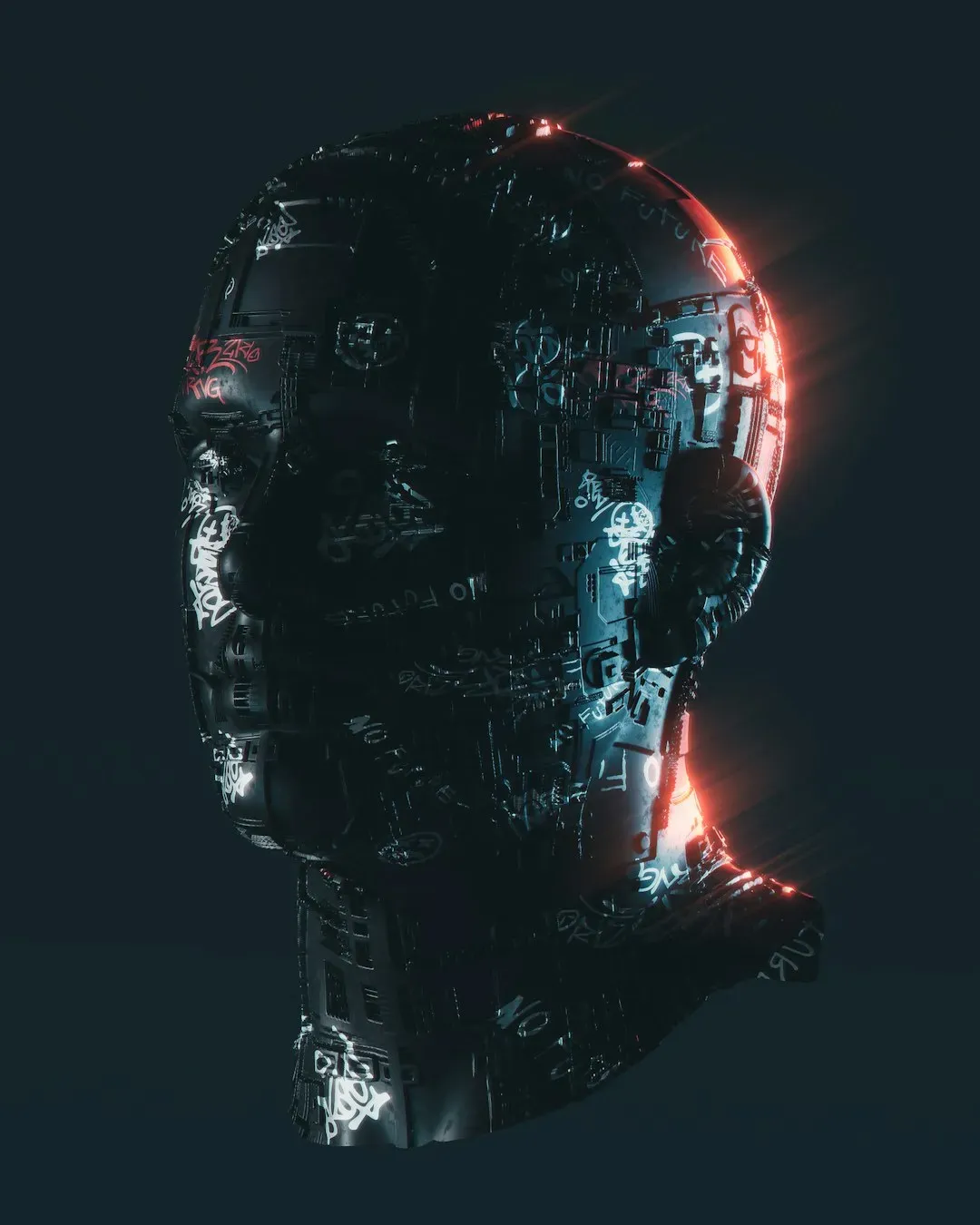
Alien consciousness could be radically different from human consciousness, operating on principles fundamentally foreign to us, making communication a significant challenge. We’re talking about entities that might process reality through senses we don’t have, think in patterns that don’t resemble our logic, and experience time or space in ways our brains simply can’t model.
Imagine trying to explain color to someone who’s never seen. Now multiply that difficulty by a thousand. Maybe inside they have nothing like human neurons. Maybe their cognition runs through hydraulics, internal capillaries of reflected light, or chemical channels. What matters, the functionalist says, is not what they’re made of but rather how they function. We might be facing minds built on silicon, crystalline structures, or substrates we haven’t even discovered yet.
The Problem of Detecting Consciousness Without Communication
Let’s be real: consciousness is notoriously difficult to prove, even in creatures right here on Earth. Scientists struggle to determine whether octopuses, crows, or even insects truly experience subjective awareness. How would we possibly know if an alien does? We cannot directly experience what it would be like to be an extraterrestrial.
Cognitive patterns comparable between extraterrestrials and humans might exist if both evolved in similar environments requiring problem-solving and interaction. Extraterrestrial minds, like terrestrial minds, have adapted to their specific environment and the specific social interactions between the minds of their species. SETI research is, to a large extent, an endeavor to understand how intelligent life interacts with its environment and communicates information about its perspective on the surrounding world. Still, that’s a big assumption.
They Might Not Be Biological At All
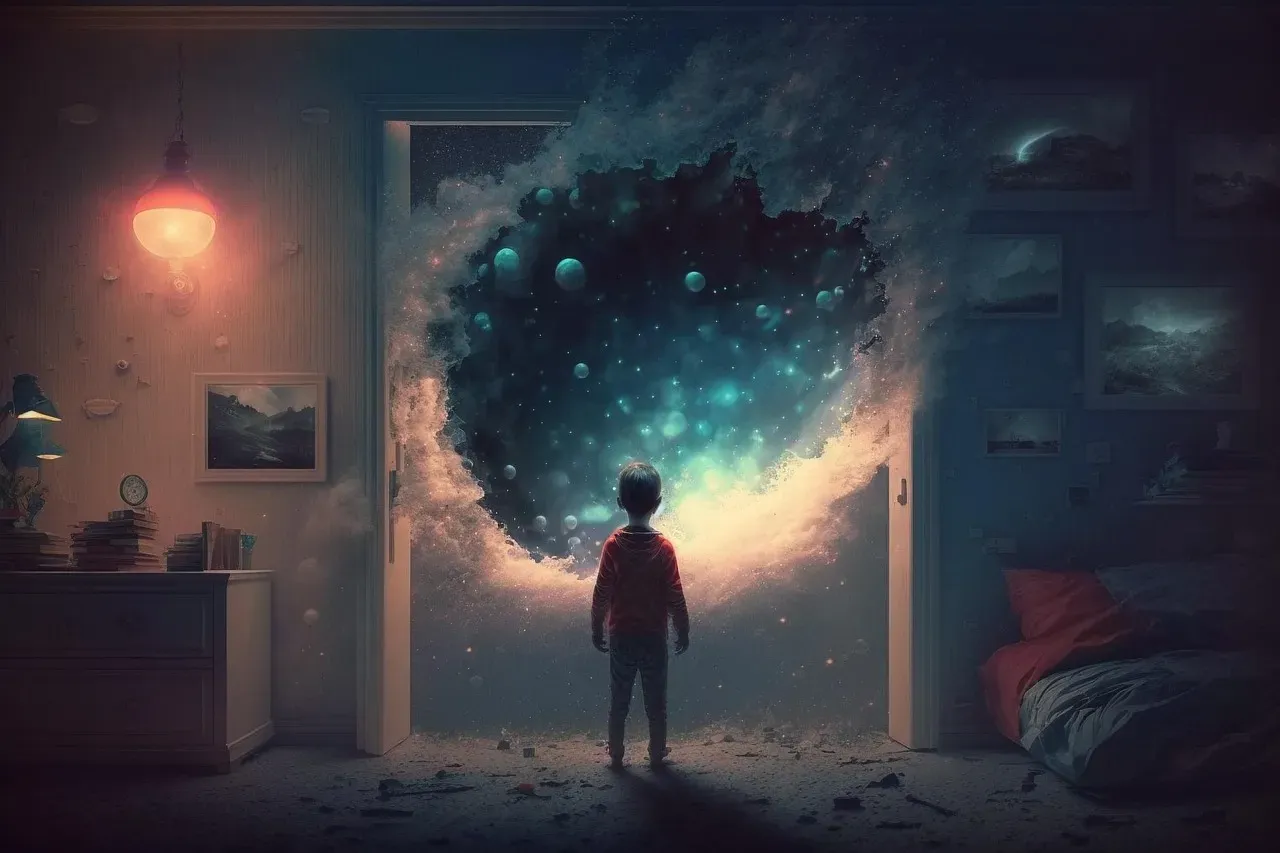
Here’s where things get really interesting. Extraterrestrials might rely on artificial intelligence rather than organic brains. Any civilization millions of years ahead of us might have long ago transcended biological limitations, uploading themselves into machines or creating artificial super-intelligences to represent them across the galaxy.
Phenomenal consciousness is probably present in these entities, and they could even be super-conscious. What if the first aliens we encounter aren’t squishy organic beings at all, but vast computational networks that think in ways we’d barely recognize as thought? An extraterrestrial civilization with a few million years’ head-start will most like be artificial super-intelligence with the ability to hide itself and its communications from others. They could be out there right now, observing us while remaining completely invisible to our detection methods.
Recent Research Reveals Consciousness Is More Complex Than We Thought

An unprecedented brain study has delivered fresh clues about consciousness – suggesting it’s more about perception than planning. Scientists discovered that how we see may be more central to consciousness than how we think. This discovery, emerging from research published just months ago, fundamentally challenges assumptions about how consciousness works even in humans.
If consciousness in humans is linked more to sensory perception than to higher reasoning, what does that mean for aliens with entirely different sensory systems? They might possess consciousness we’d never recognize because it manifests through modalities we can’t perceive. It’s hard to say for sure, but consciousness might exist on a spectrum far broader than we’ve imagined, with forms as varied as the planets themselves.
The Search Continues With New Tools and Perspectives

A potential contribution of particular importance to society will be the development of a test (or tests) for consciousness, allowing one to determine, or at least provide an informed judgment about, which entities – infants, patients, fetuses, animals, lab-grown brain organoids, xenobots, AI – are conscious. These tools won’t just help us understand earthly animals better. They’ll become essential when we finally encounter something truly alien.
Scientists now recognize that if we try to force states of consciousness into a one- or twodimensional scale, we will inevitably neglect important dimensions of variation. Consciousness isn’t a single thing you either have or don’t have. It’s multidimensional, varied, and probably far stranger than our Earth-bound intuitions suggest. The real question becomes not “are they conscious?” but rather “what kind of consciousness do they have?”
When humanity finally makes contact, if we ever do, we might discover that consciousness takes forms we never anticipated. Perhaps they’ll teach us that awareness isn’t confined to neurons and synapses but flourishes in structures we considered impossible. Or maybe we’ll realize that consciousness, in all its mysterious glory, is the universe’s way of experiencing itself through countless different eyes, whether carbon-based, silicon-based, or something else entirely. What would you do if you discovered consciousness everywhere you looked, just wearing different faces? Tell us what you think.