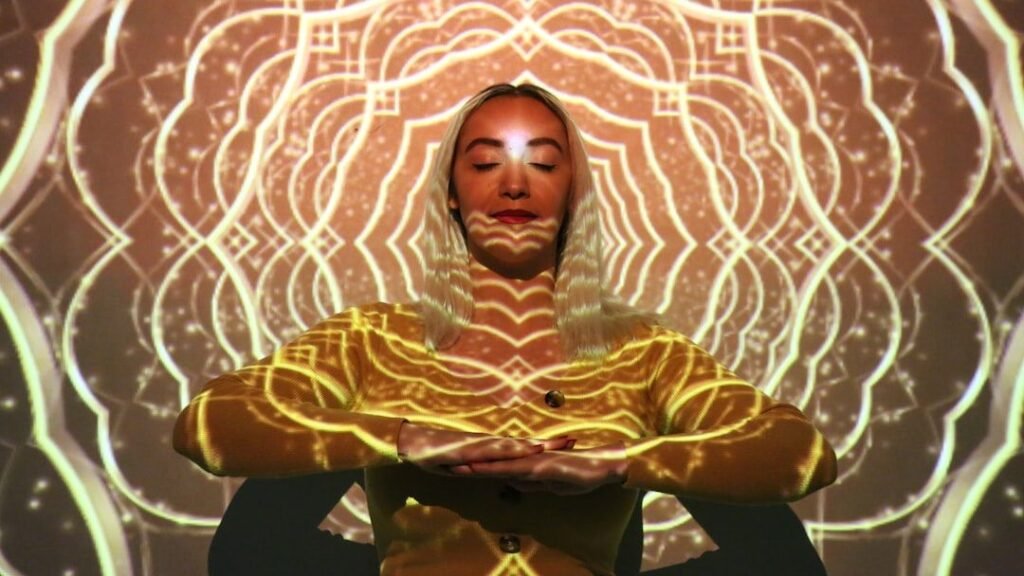

There’s something peculiar about the human mind that has fascinated thinkers for centuries. People from vastly different cultures and time periods seem to experience eerily similar visions, symbols, and figures during dreams or altered states of consciousness. It’s as though there’s an invisible thread connecting us all, a shared mental library that we can access under certain conditions.
Now, scientists are taking a closer look at this phenomenon. Recent research suggests that what Swiss psychiatrist Carl Jung called the collective unconscious over a century ago might have a basis in modern neuroscience. Could our brains really be wired to tap into patterns, symbols, and experiences that transcend individual memory? Let’s explore what researchers are discovering about this mysterious aspect of the human psyche.
The Ancient Concept Gets a Modern Twist
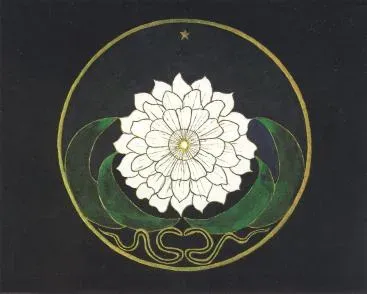
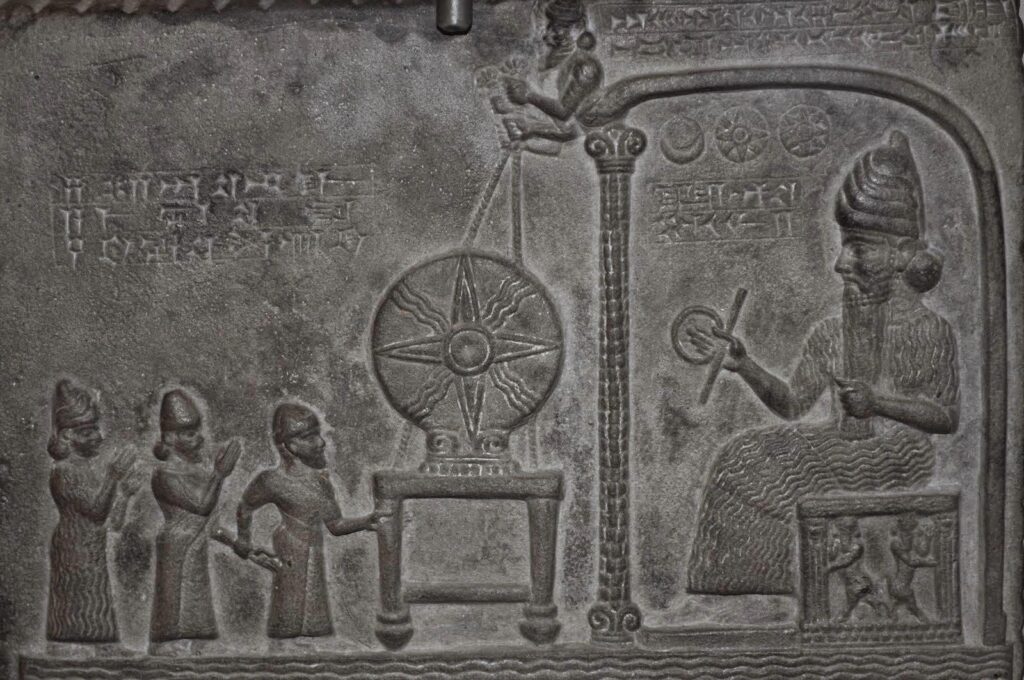
Long before neuroscience, Greek philosophers spoke of a universal logos, or hidden order of mind beneath appearances. The notion that humans share some form of collective mental architecture isn’t new. Philosophers like Plato imagined ideal forms existing independently of our perception.
In the twentieth century, groundbreaking Swiss psychotherapist Carl Jung gave the idea its most famous name: the “collective unconscious.” Jung proposed that beneath our personal memories and experiences lies a deeper layer of the psyche containing universal symbols and patterns inherited by all humans. These patterns, or archetypes, supposedly shape our dreams, myths, and inner experiences across different civilizations and eras.
Strange Visions That Cross Cultural Boundaries
Since ancient times, people have reported seeing the same kinds of figures during altered states of consciousness. These aren’t just random hallucinations. The figures appear with remarkable consistency.
Across cultures, centuries, and altered states, people have reported encountering strikingly similar figures: tricksters, guides, watchful presences, or shadowy beings. These often take familiar forms, from animals like coyotes and monkeys, to clowns, jesters, or mischievous humanlike figures. What makes this truly bizarre is that people who’ve never heard of these archetypes independently describe nearly identical experiences. The pattern is too consistent to ignore.
Neuroscience Steps Into the Conversation
Here’s where things get interesting. In recent years, mainstream neuroscience has quietly begun to broach a subject Swiss psychiatrist Carl Jung proposed more than a century ago: that humans share a collective unconscious, a kind of hidden mental layer that stores universal symbolic archetypes that shape dreams, myths, and inner experiences across civilizations.
According to comprehensive research, Jung’s archetypes, which reside in the collective unconscious, may be connected to critical and central regions of the human brain, such as the limbic systems and the prefrontal cortex. These brain regions control emotions, long-term memory, and complex cognitive functions. The idea that archetypal patterns might be hardwired into our neural architecture suddenly seems less mystical and more biological.
The Brain’s Pattern Recognition Gone Wild
Mainstream science attributes these altered-state experiences to humanity’s shared neural architecture, which evolved to recognize potential dangers in the environment. From an evolutionary perspective, this makes sense. Our ancestors who quickly spotted predators or threats had better survival odds.
The human brain is exceptionally good at finding patterns in noise, a tendency known as apophenia. We see faces in clouds, hear voices in static, and infer agency where none exists. That bias makes sense: mistaking a shadow for a predator is safer than ignoring a real threat. However, this explanation doesn’t fully account for the specific, recurring figures people report. It’s one thing to see random patterns, but quite another to consistently encounter the same jester, guide, or shadowy being across different minds and cultures.
Social Learning and Neural Attunement
There’s another fascinating angle to consider. A review reframes Jung’s work as the interaction between brains: neural patterns that may be shared across individuals and shaped by social learning and neural attunement. This suggests that we’re not just inheriting biological structures, but perhaps absorbing collective patterns through culture and social interaction in ways we’re only beginning to understand.
A 2024 study of shamanic rituals found that archetypal symbols – masks, totems, and other culturally charged forms – significantly shaped participants’ states of consciousness, suggesting that collective cultural symbols can shape experiences beyond one’s own personal memory. The boundaries between individual experience and collective influence appear far more porous than we typically assume.
What This Means for Our Understanding of Consciousness
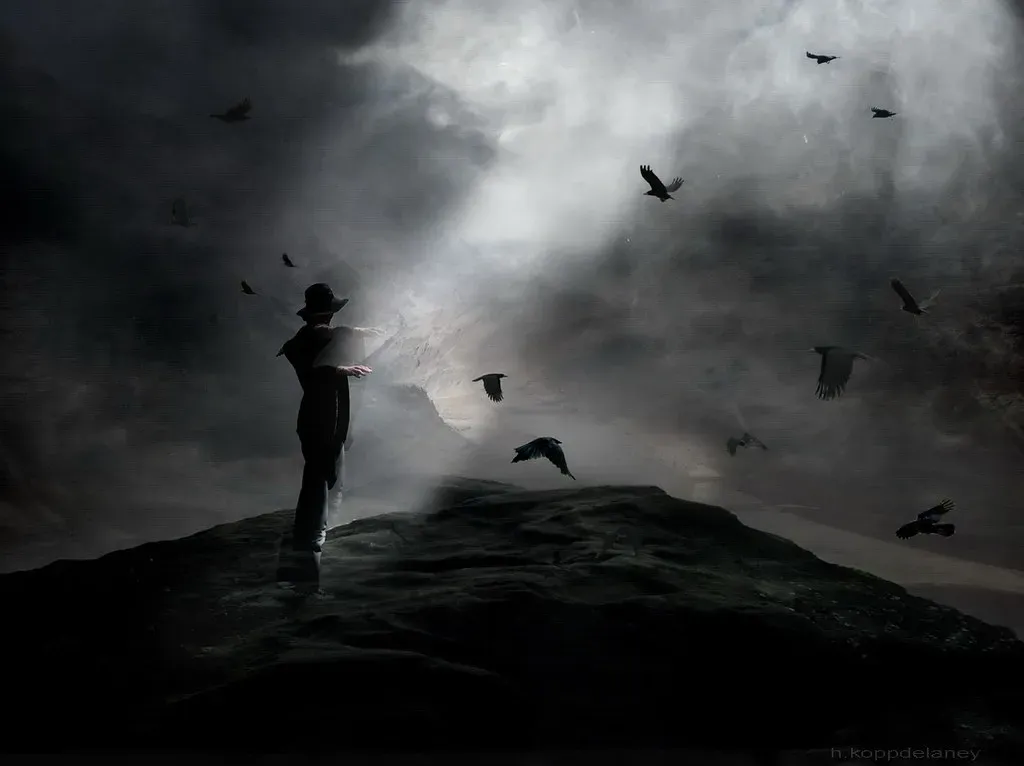
Studies suggest that our neural architecture might be accessing a shared realm of consciousness that causes people across time and civilizations to see the same figures during altered states. Think about that for a moment. If true, it fundamentally challenges our understanding of consciousness as purely individual.
These patterns point toward something deeper, a shared psychological inheritance that quietly shapes experience across generations and civilizations. Whether we call it the collective unconscious, shared neural architecture, or something else entirely, the evidence suggests our minds are connected in ways that go beyond what we consciously recognize. Perhaps consciousness itself isn’t quite as isolated within individual skulls as we’ve always assumed.
The research continues, and the conversation between neuroscience and depth psychology grows richer. What do you make of these findings? Does the idea that we share deeper mental patterns resonate with your own experiences?