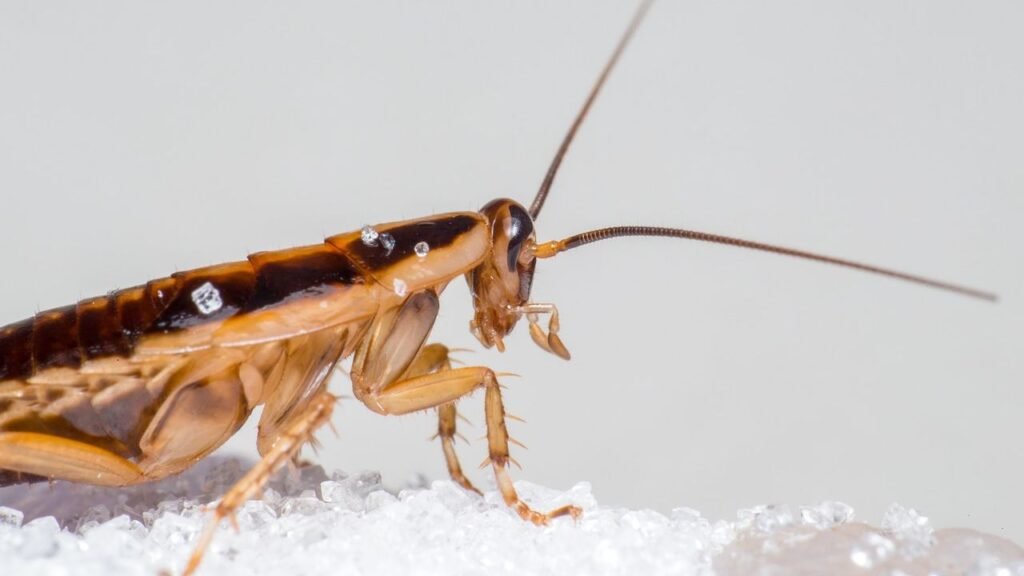
You might think your home is spotless, but there could be hidden scents lurking in your space that act like a neon welcome sign for cockroaches. These ancient insects have survived for millions of years largely because of their incredible sense of smell. Their antennae are packed with thousands of scent receptors that can detect food, moisture, and shelter from impressive distances.
What makes this even more unsettling is that many of the smells attracting these pests aren’t obvious. Sure, you know garbage is a problem, but what about that scented candle you love or the pile of cardboard boxes in your basement? Let’s dive into the surprising world of scents that roaches find absolutely irresistible.
The Sweet Smell of Sugar
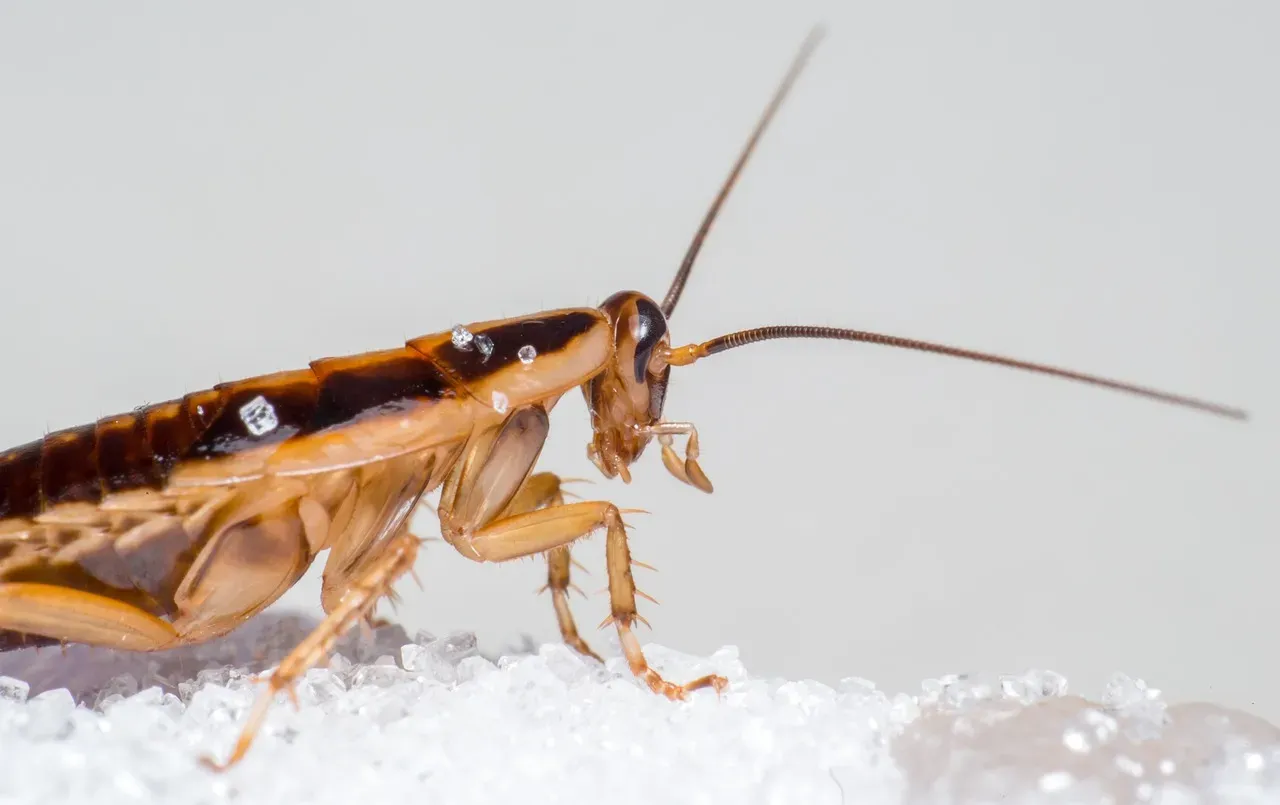
Sugar is by far the most attractive substance to a cockroach, and they can smell it from anywhere. Think about all the sweet things in your kitchen right now. That bowl of fruit on the counter, the syrup bottle with a sticky ring around the cap, or even the soda spill you thought you cleaned up last week.
Roaches have a powerful sense of smell and are highly sensitive to sweet aromas like overripe fruit, sugary drinks, and syrup spills. Even dried sugary residue left behind on surfaces can draw these pests in. Your midnight snack might leave behind invisible traces that become a roach buffet by morning. The worst part is that sugar provides them with immediate energy, making it one of their preferred food sources.
Greasy Residue and Cooking Oils

That film of grease on your stovetop might seem harmless, but roaches absolutely love it. Cockroaches love grease, and meat fats and oils from cooking that splatter around or drip off the stove become a cockroach’s fantasy because they’re high in fat and easy to track down. It’s not just fresh grease either.
Roaches are attracted to greasy or oily scents like leftover cooking oil, pizza boxes, or fried food residues. That pizza box you tossed in the recycling bin without thinking twice about it? The grease-soaked cardboard is basically a roach restaurant. Even the film that accumulates on oven hoods and behind burners can be enough to feed several cockroaches. I think most of us don’t realize how those tiny splatters add up over time.
Meat and Protein Sources

Roaches are extremely attracted to the smell of any type of meat, as it provides essential fat and protein, including spilled meat juices and small pieces left in sinks. That bit of chicken you accidentally dropped behind the stove or the meat juice that dripped onto the floor while you were cooking can send out chemical signals that roaches detect easily.
Protein is essential for cockroach survival and reproduction. Cockroaches are particularly attracted to any sweet items left lying around, but they’ll also enjoy meat which provides them with a source of protein. Even tiny fragments of meat or the residue left on unwashed dishes can be enough. Your late night cleanup might not be as thorough as you think, and those microscopic particles are exactly what roaches are searching for.
Starchy Foods and Carton Materials

Here’s where things get weird. Cockroaches love starches such as bread, pasta, and rice so much that they will even eat book bindings, paper, cardboard, and paper bags that contained food. Yes, you read that correctly. Those cardboard boxes in your basement aren’t just hiding places for roaches; they’re actually food sources.
Roaches can feed on the starch in glue found in book bindings and cardboard. That stack of old magazines you’ve been meaning to sort through or the moving boxes you never unpacked are incredibly attractive to these pests. Starchy foods break down into simpler sugars over time, making them equally appealing as pure sugar. It’s honestly a bit creepy to think your books could be slowly disappearing into roach bellies.
Garbage and Decomposing Matter
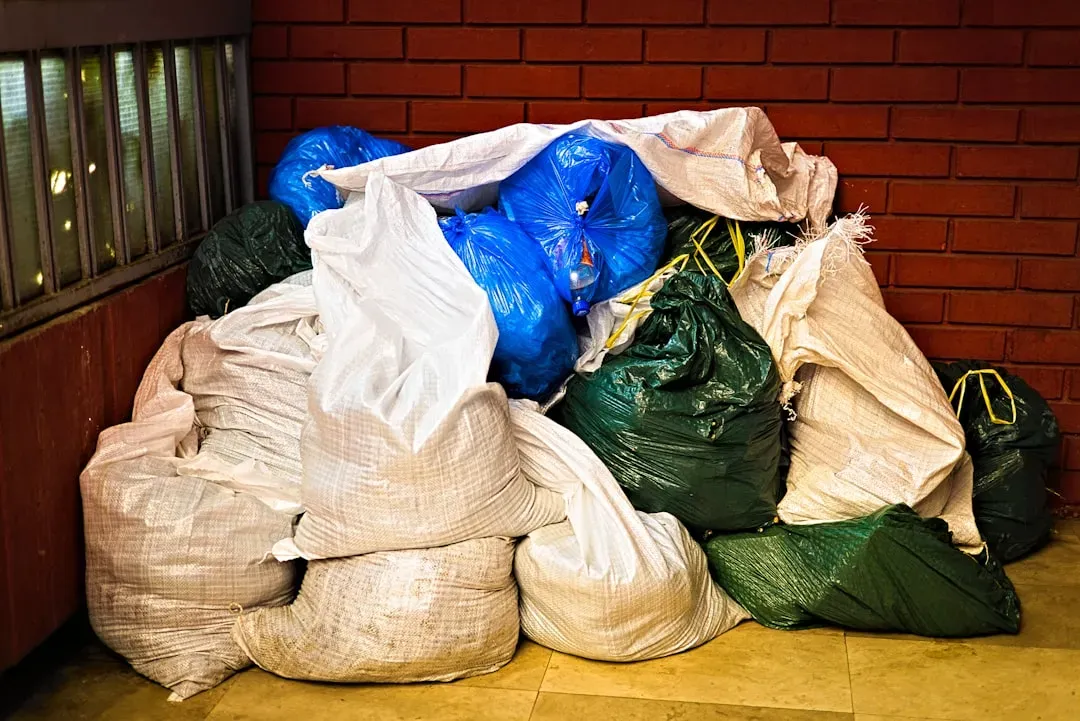
Cockroaches are most attracted to the smell of garbage and rotting food, which is one of the biggest reasons they enter homes. The decomposition process releases gases and odors that can draw cockroaches from considerable distances. That overflowing trash can in your kitchen is basically broadcasting an all-you-can-eat buffet invitation to every roach in the neighborhood.
Decaying matter like rotting food, trash, and organic materials release scents that cockroaches are drawn to. Cockroaches have a keen sense of smell and are attracted to objects that have a strong and distinct odor, with garbage and compost being two of the biggest culprits. Even if you take your trash out regularly, residual odors can linger in the bin itself. Let’s be real, nobody wants to scrub their trash can weekly, but that’s exactly what might be necessary.
Fermented and Alcoholic Beverages

Roaches are attracted to fermented or alcoholic smells like beer or wine spills left overnight. That beer you spilled during game night or the wine that splashed when you were pouring might seem minor, but the fermentation scent is incredibly appealing to cockroaches.
Even after the liquid dries, the sticky residue and lingering odor remain. Alcoholic beverages contain sugars that ferment over time, creating an even stronger scent profile that roaches can detect. If you’ve got a recycling bin full of empty beer bottles or wine cans sitting in your garage for weeks, you’re essentially creating a roach magnet. The combination of sweet, fermented smells checks multiple boxes on their wishlist.
Pet Food and Water Bowls
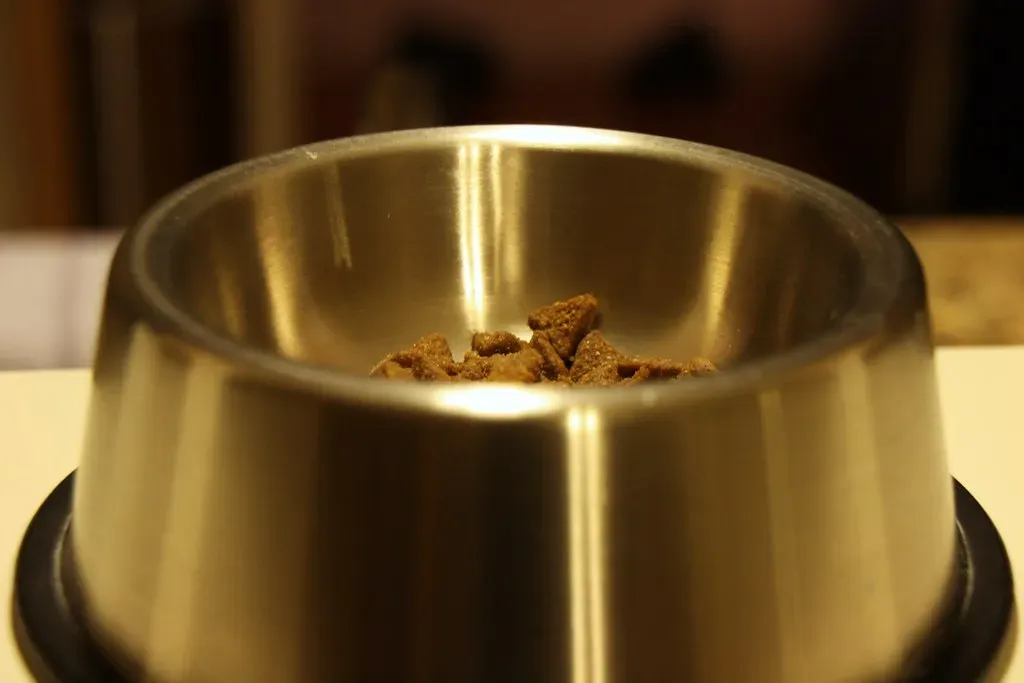
Pet food and water provides cockroaches with the perfect source of sustenance they need to stay alive, and unfortunately, keeping a pet’s food and water bowl out and filled is a great way to attract cockroaches. Most pet owners leave food out all day so their furry friends can graze whenever they want, but this creates a constant food source for roaches too.
Pet food, whether dry or wet, is often left out and can attract cockroaches because the strong smell and nutrient content make it a prime target. Even dry kibble emits odors that roaches can detect. The water bowl is equally problematic since roaches need moisture to survive. If you’re struggling with roaches and you have pets, this might be one of those tough tradeoffs you need to consider.
Scented Candles and Air Fresheners

This one surprises most people. Sweet or floral fragrances from scented candles and air fresheners can lure cockroaches. A sweet bowl of potpourri could be luring them in, as could a sickly sweet scented candle. All those vanilla, cinnamon, and fruity scents you use to make your home smell nice might actually be working against you.
Even candles, potpourri, and laundry soap can potentially attract cockroaches because they give off odor molecules that smell like food. To a roach’s highly sensitive receptors, these artificial scents can mimic the chemical signatures of actual food sources. It’s hard to say for sure whether your specific candle is causing problems, but it’s worth considering if you’ve noticed increased roach activity. Maybe stick with scents like lavender or eucalyptus, which are known to repel rather than attract them.
Damp Towels and Moisture
Musty odors caused by moist and humid environments attract cockroaches, with basements, crawl spaces, and bathrooms being common areas where these smells occur. That damp bath towel you left crumpled on the floor or the pile of laundry that’s been sitting there for days can become unexpected hiding spots.
Cockroaches are drawn to moisture because they need water to survive. Just like with food, a cockroach’s strong sense of smell can detect the smell of mold, mildew, and other indicators of excess water. Leaky pipes, standing water, and humid environments all create the perfect conditions for roaches. The combination of warmth and dampness is basically their ideal living situation. Managing household moisture isn’t just about preventing mold; it’s also about preventing roaches from setting up camp.
Dirty Dishes and Food Residue

Dirty dishes that are left in the sink can attract cockroaches due to the smell left by food. We’ve all been guilty of leaving dishes in the sink overnight, telling ourselves we’ll deal with them tomorrow. The problem is that tomorrow is too late for roach prevention.
Roaches have a strong sense of smell, so even the smallest fragments of residual food can bring them in, including dirty dishes and empty chocolate wrappers found around the home. That crusty bit of pasta sauce or the dried milk in your cereal bowl emits odors that travel through your home like smoke signals. Even rinsing dishes doesn’t always eliminate the problem completely. Honestly, if you want to keep roaches out, you need to wash and dry your dishes the same day, every day.
Conclusion: Taking Control of the Scents
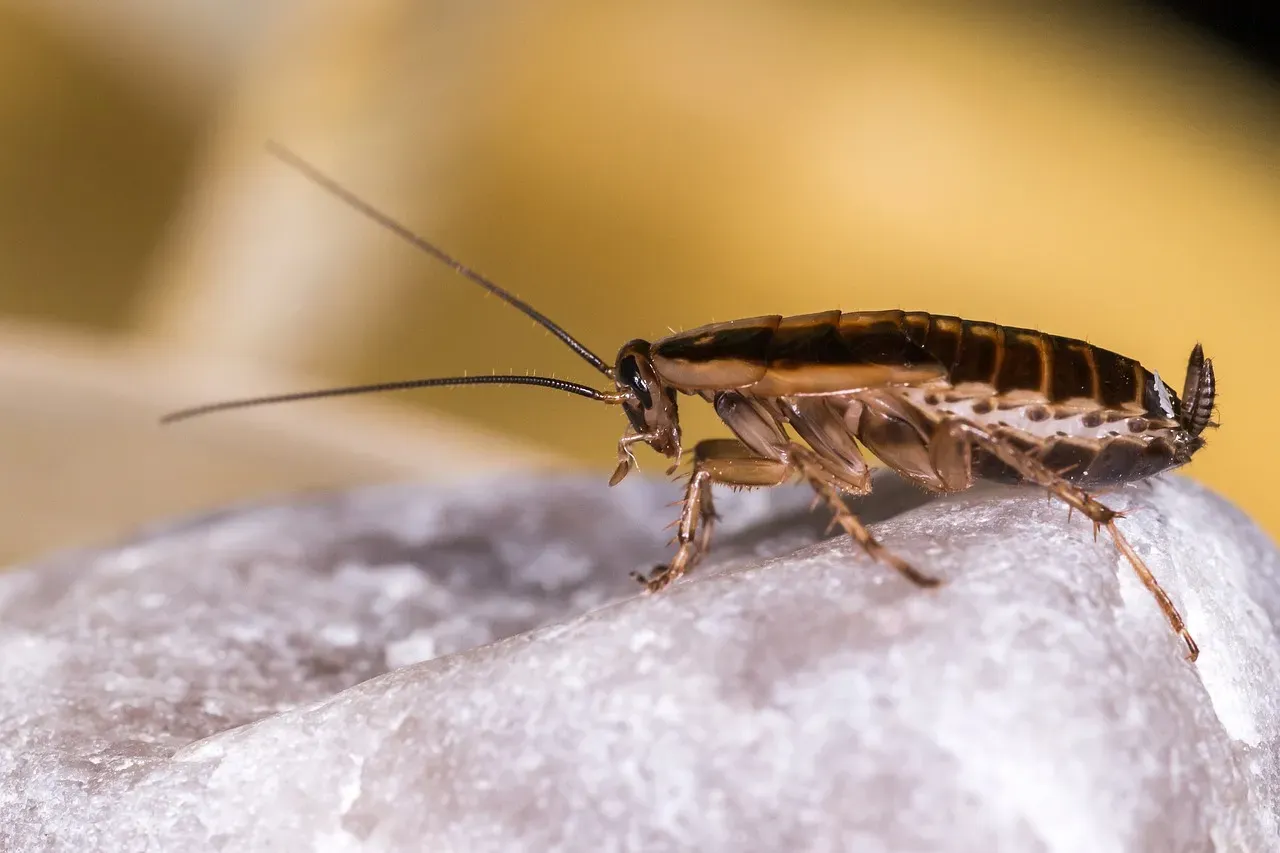
Understanding what attracts cockroaches to your home is the first step in keeping them out. These resilient pests have survived for millennia by following their incredibly sensitive noses straight to food, water, and shelter. The good news is that once you know what they’re looking for, you can eliminate those attractants.
Seal your food in airtight containers, clean up spills immediately, take out trash regularly, and manage moisture problems throughout your home. Pay attention to the less obvious culprits too, like cardboard storage, scented products, and pet food bowls. Creating an environment that doesn’t broadcast food signals requires vigilance, but it’s absolutely worth it to keep these unwanted guests out of your living space.
What do you think about these surprising attractants? Did any of them catch you off guard?