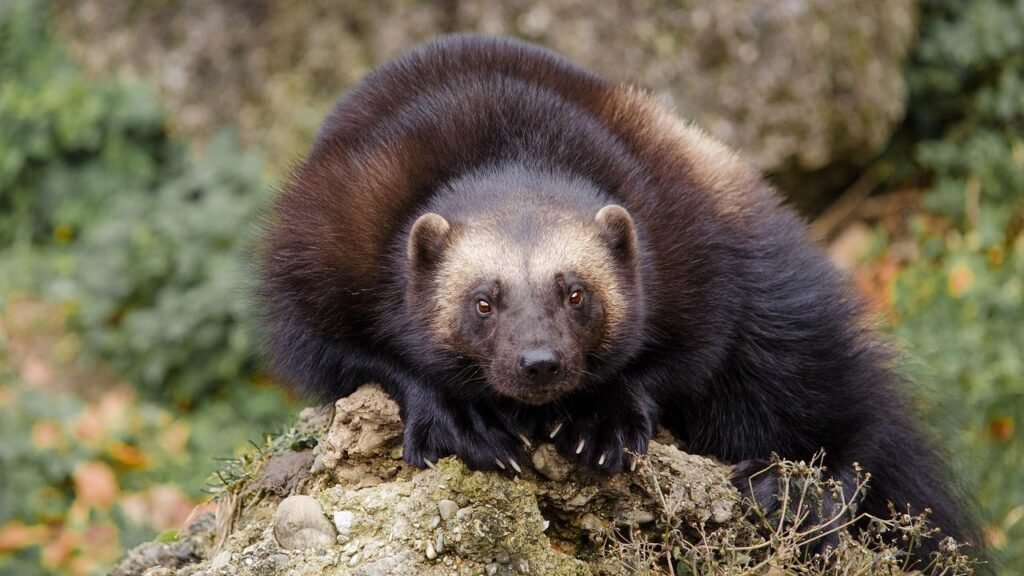
If you judged animals by size alone, you’d probably never guess that the wolverine is one of the most feared and fascinating creatures in North America. It’s stocky, low to the ground, and looks a bit like a scruffy cross between a small bear and a badger. Yet this animal has a reputation that makes even wolves and bears think twice.
What hooked me personally on wolverines was realizing how much of their life happens out of sight, in remote mountains, deep snow, and frozen forests. We grow up hearing about wolves, grizzlies, and mountain lions, but the wolverine is like the ghost of the North – tougher than it looks, smarter than you’d expect, and living a life that sounds almost unreal. Here are ten reasons this animal stands apart from almost everything else on the continent.
1. A Small Body With an Almost Ridiculous Amount of Power
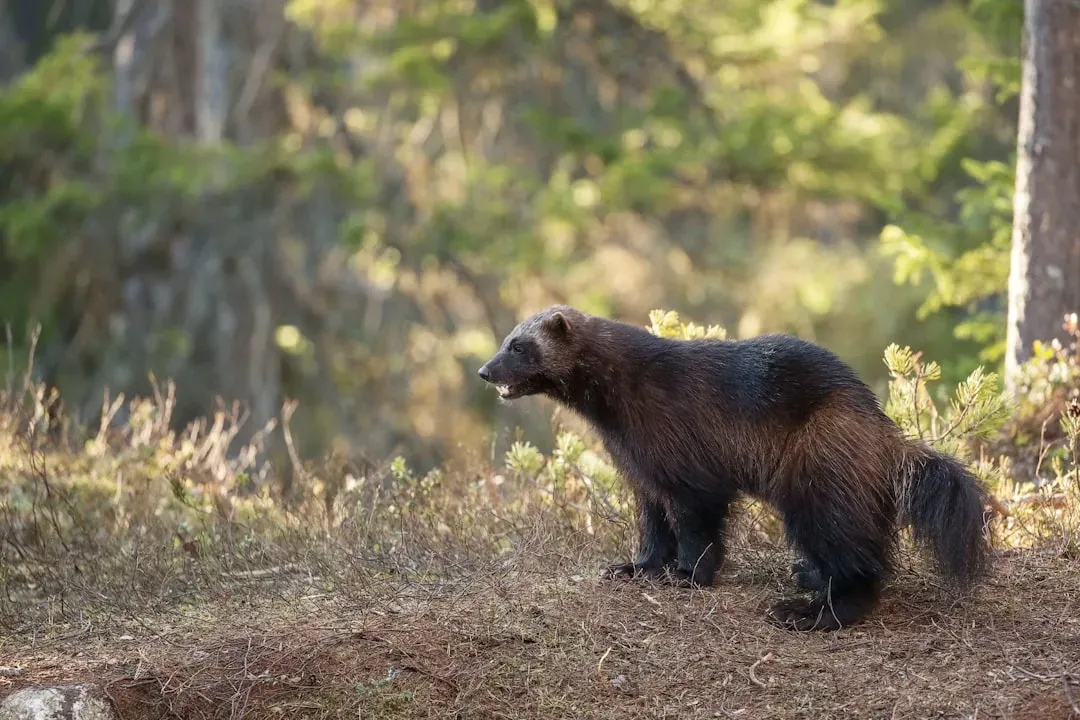
Wolverines are surprisingly compact, usually weighing about as much as a medium-sized dog, yet their physical strength is wildly out of proportion to their size. They have thick, muscular shoulders, powerful jaws, and broad paws that let them climb, dig, and tear through frozen ground or hard-packed snow. Their bite is strong enough to crack large bones and access the nutritious marrow that many other scavengers leave behind. It’s like stuffing the engine of a truck into a hatchback.
Wildlife researchers have documented wolverines dragging carcasses many times heavier than themselves, including parts of deer and caribou, sometimes hauling them uphill through deep snow. That kind of power gives them an edge in harsh environments where every calorie matters. When you remember they typically measure only a couple of feet long, that strength becomes even more impressive. It’s one of the first things that makes people rethink what they thought they knew about “small” predators.
2. Masters of the Cold: Built for Deep Winter
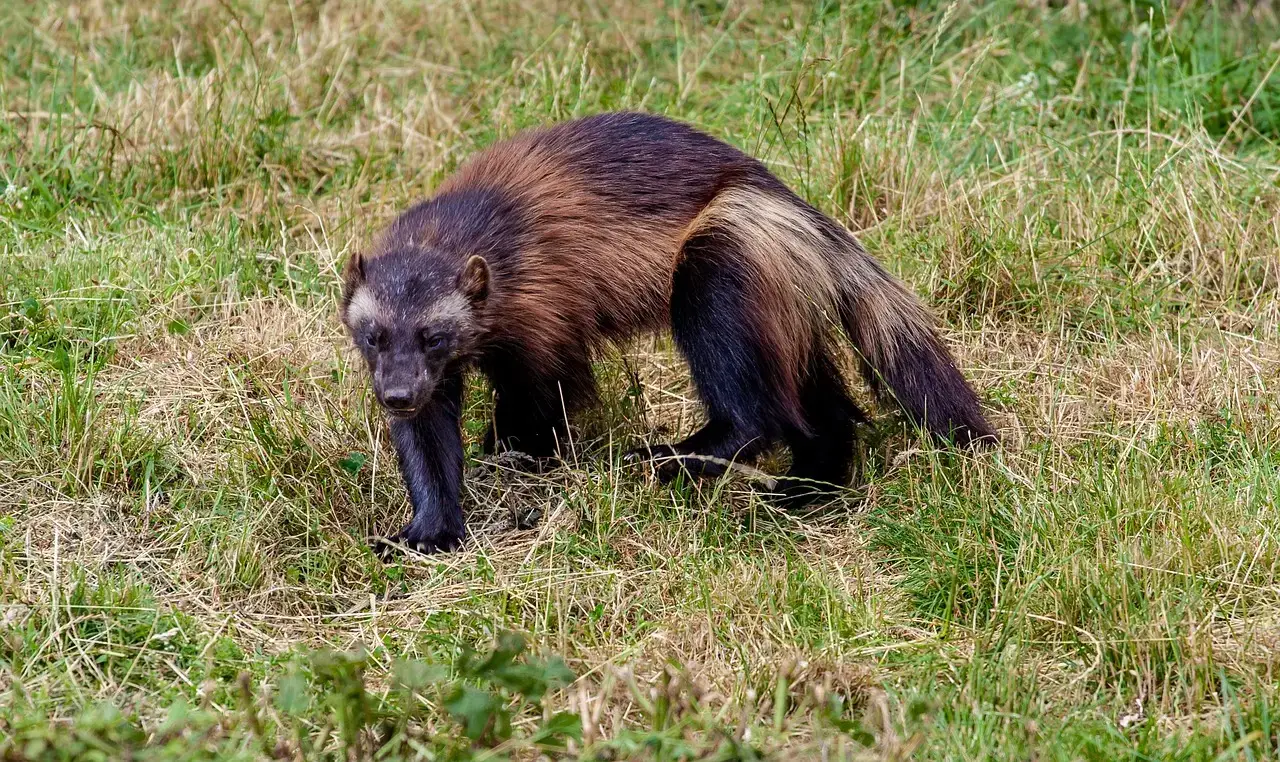
Wolverines are perfectly tuned for serious winter, the kind of cold that makes most animals either migrate or hibernate. Their fur is incredibly dense and oily, which helps shed snow and ice so it doesn’t clump and freeze on their bodies. This same type of fur was historically prized for trimming cold-weather gear because it resists frost buildup better than most. In places where wind cuts through everything, a wolverine just keeps moving like it’s no big deal.
Instead of hiding from storms, they often seem to take advantage of them, traveling long distances over snowpack that slows down larger animals. Their wide, furred paws act almost like built-in snowshoes, spreading out their weight so they can glide over snow that ungulates and even wolves struggle to cross. The colder and deeper the snow, the more the terrain starts to favor wolverines over their competitors. That ability to treat brutal winter like a playground is a big part of why they can survive where others fail.
3. Lone Wanderers With Massive Home Ranges
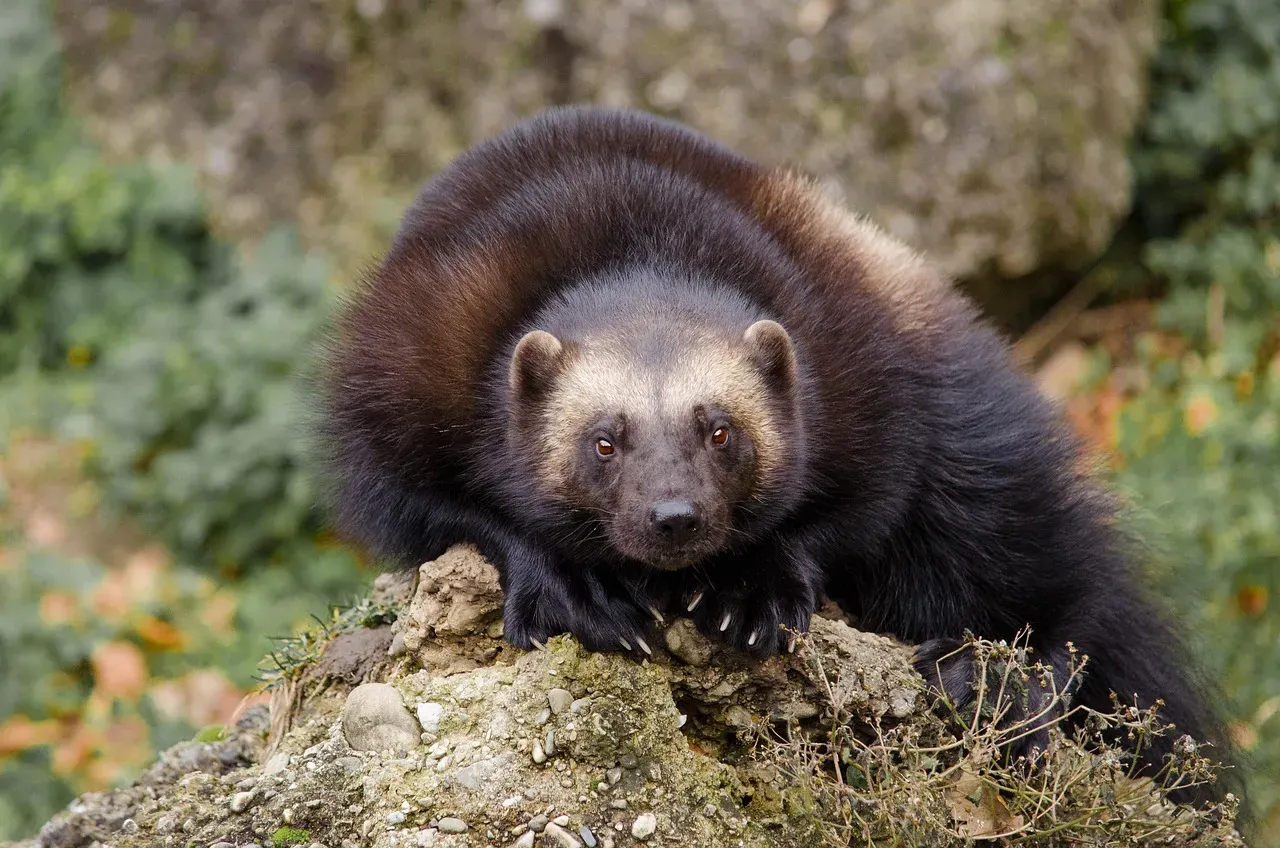
Unlike wolves or coyotes, wolverines almost always live solitary lives, and that lifestyle shapes everything about them. A single adult can maintain a home range that stretches across hundreds of square miles, especially in mountainous or northern regions. They roam constantly, following food, snow conditions, and seasonal changes, often covering distances each day that would exhaust most of us. Imagine pacing an entire mountain range as casually as most people walk their neighborhood.
Because they’re so spread out and so rarely seen together, it’s easy for humans to underestimate how many might be using a landscape. Two wolverines whose territories overlap a bit may only bump into each other occasionally, often for breeding or territorial disputes. That solitary, wide-ranging lifestyle makes studying them extremely challenging, which is why a lot of what we know comes from GPS collars, camera traps, and tracks in snow rather than direct observation. They are, by design, hard to find.
4. Opportunistic Eaters With a Ruthless Reputation
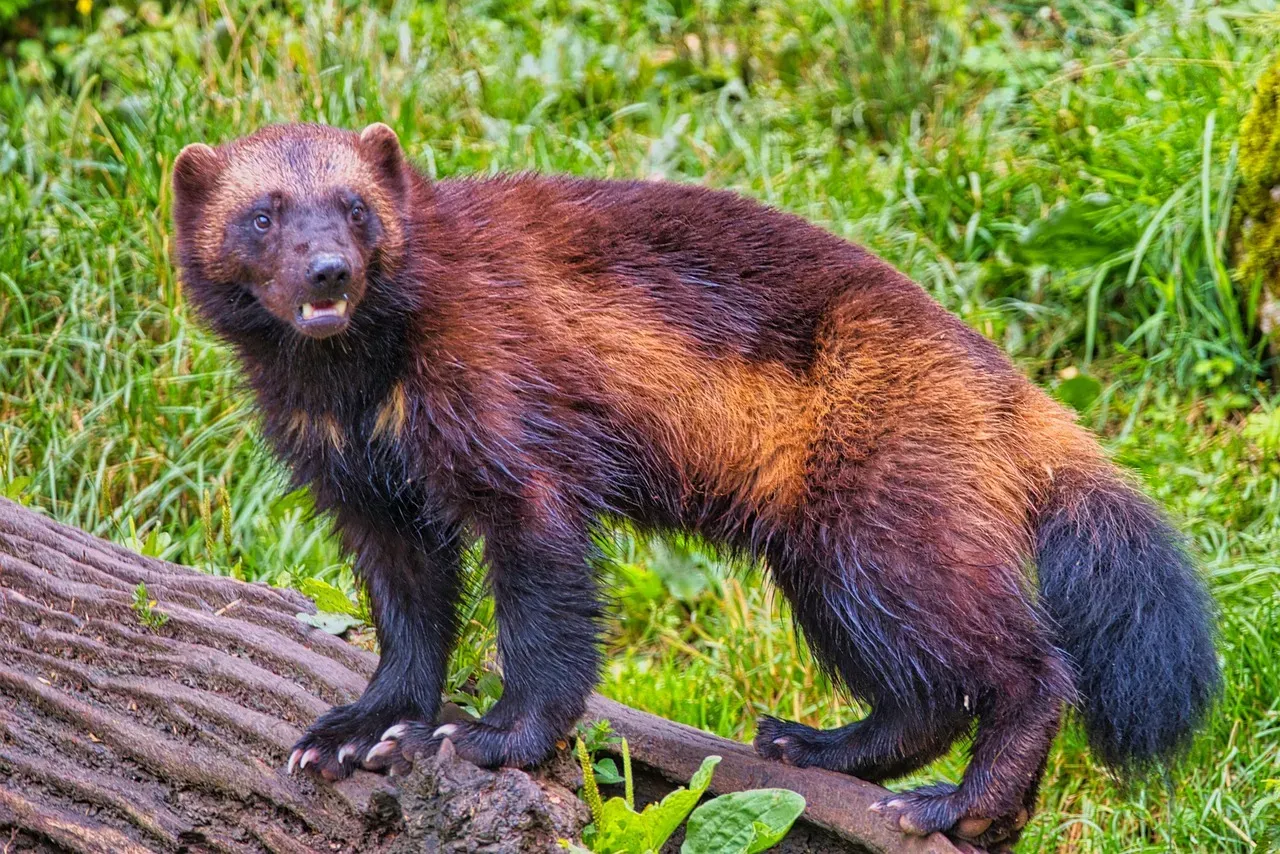
Wolverines are often called gluttons, but that’s more about survival than greed. In the remote places they live, food isn’t guaranteed, so they can’t afford to be picky. They scavenge carcasses, hunt small to medium-sized animals, raid dens, and even dig through deep snow to reach buried remains. If something is edible and they can reach it, there’s a decent chance they’ll try. That anything-goes diet keeps them going when more specialized predators are struggling.
Stories of wolverines “stealing” kills from wolves or chasing larger predators away from food contain a grain of truth: their sheer persistence and aggression allow them to pull off stunts that seem outrageous for their size. They will defend a carcass with a level of intensity that shocks larger animals, using their teeth, claws, and terrifying snarl to hold their ground. In a way, their reputation as fearless thieves is exaggerated and earned at the same time. They are survivors first, but they’re not shy about playing the villain when it helps them get a meal.
5. Clever Food Storage and Snow Fridges
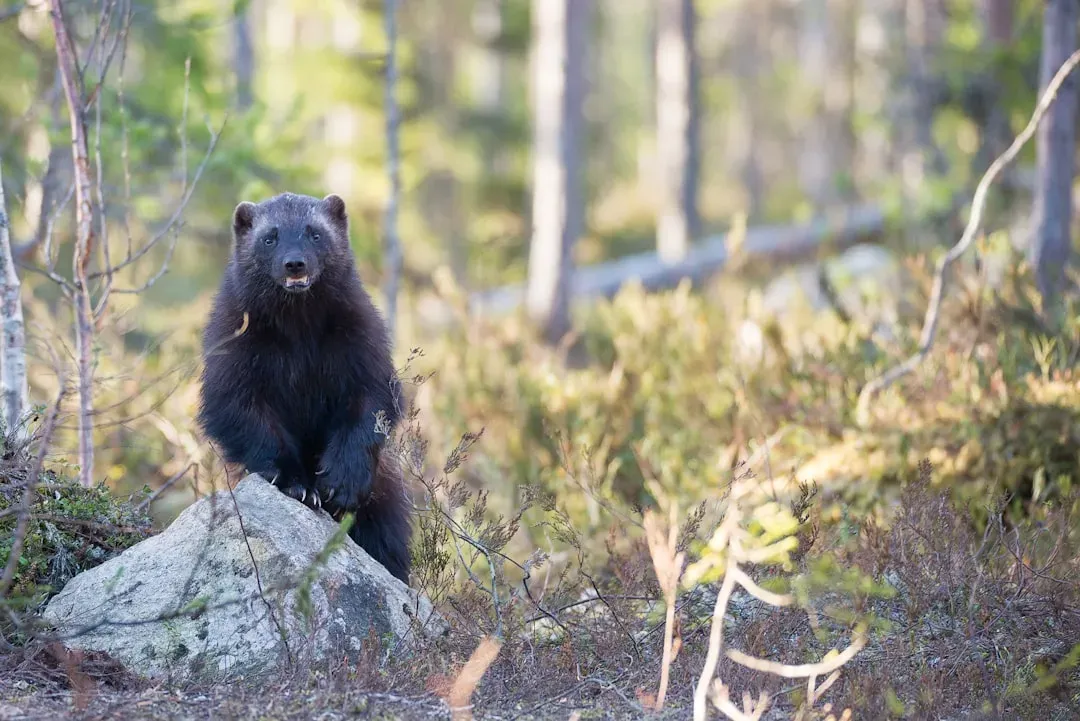
One of the most fascinating things about wolverines is how they stash food. Instead of just eating until they’re full and walking away, they often cache meat in multiple locations across their territory. They bury chunks of carcasses under snow, in rock cracks, or in cool, shaded spots where it will stay frozen and relatively fresh. It’s like having a network of secret freezers scattered across miles of wilderness.
This habit is especially helpful in late winter and early spring when fresh kills are less frequent. By using the natural refrigeration of snow and ice, wolverines can spread out their meals over weeks instead of days. That strategy also reduces the risk of losing everything at once to another predator or a scavenger. Having a mental map of dozens of tiny storage sites in rugged terrain takes memory and planning, which hints at a level of cleverness people don’t always associate with a stocky, ferocious-looking animal.
6. Extreme Travelers in Harsh Terrain
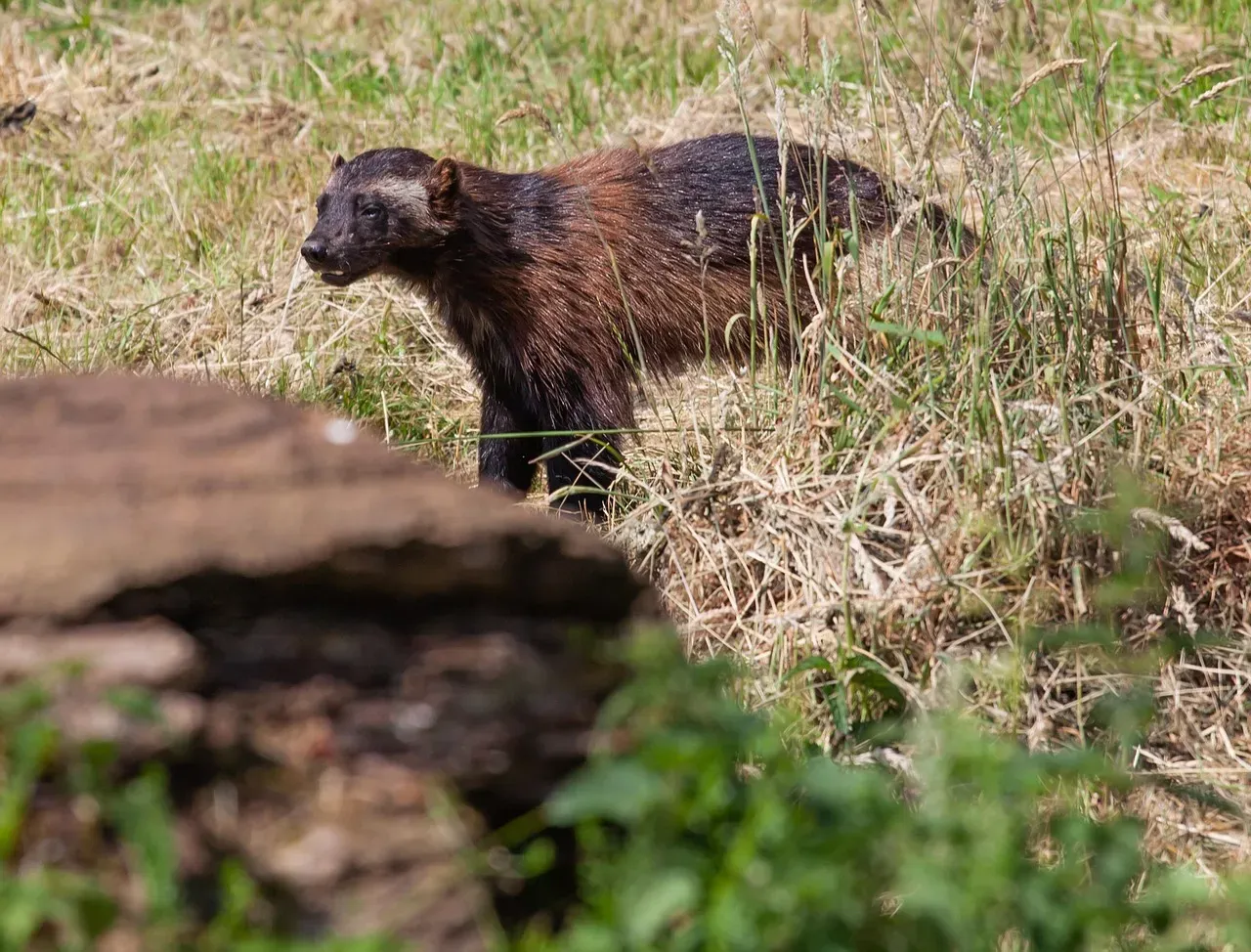
For their size, wolverines are almost absurdly mobile, especially in difficult landscapes. Researchers have tracked individuals crossing icy rivers, climbing steep mountain passes, and moving over high ridges that many larger animals avoid. Some documented journeys show wolverines traveling tens of miles in a single day, even through deep snow and subzero temperatures. They seem driven by an internal restlessness that rarely lets them sit still.
What really stands out is the type of terrain they cross, often using high, wind-scoured ridges and snowfields that look totally inhospitable. This ability to move efficiently through such harsh places lets them connect habitats that would otherwise be isolated. It’s also part of why climate and landscape changes pose such a complicated challenge: wolverines depend on big, connected, snowy spaces in a way that few other animals do. Their life is built around long-distance travel in places that most creatures find nearly impossible.
7. Secretive Reproduction and Snow Dens
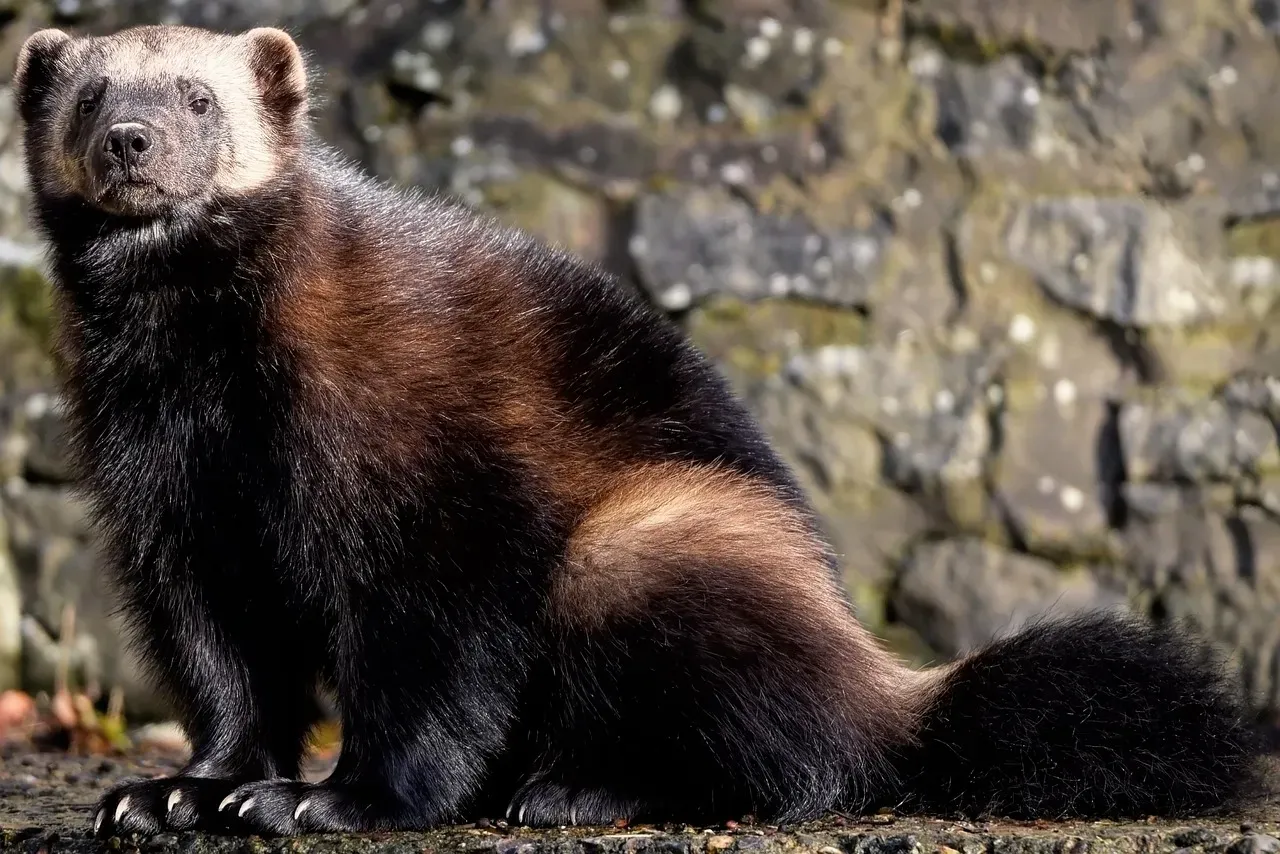
When it comes to reproduction, wolverines are as secretive as they are tough. Females typically give birth in late winter, deep inside dens built in snowdrifts, avalanche debris, or under buried logs and boulders. These dens can be surprisingly complex, with multiple chambers and tunnels created within deep snow. For the tiny kits, this cold, insulated world becomes a protected nursery hidden from most predators and bad weather.
One of the most unusual aspects of wolverine reproduction is that females often mate months before they actually begin pregnancy, a process known as delayed implantation. The fertilized egg pauses development until environmental conditions and the mother’s body condition are suitable. That timing connection to snow and seasonal cycles makes their reproduction especially sensitive to changes in snowpack. If deep, stable snow becomes less predictable, the safe denning conditions they rely on can become harder to find.
8. A Scent Arsenal and Fierce Territorial Claims
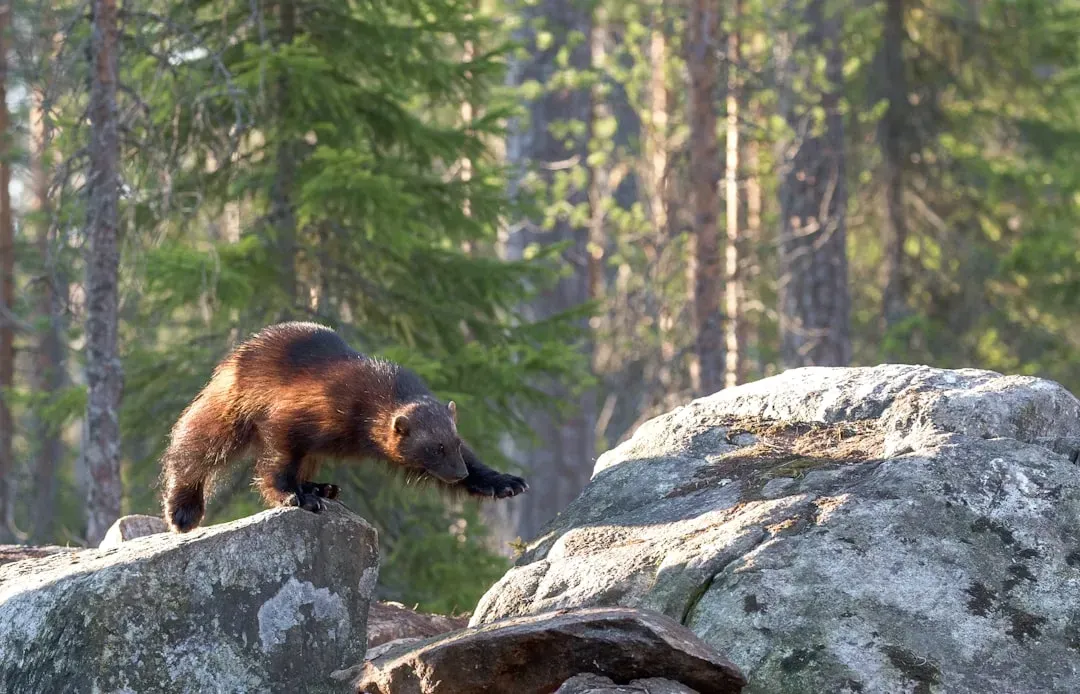
Wolverines may roam widely, but they take their territorial boundaries seriously. Both males and females use scent glands near the base of the tail and around the body to mark rocks, logs, and other features. These scent marks send clear signals to other wolverines about who “owns” a particular area and whether it’s safe or smart to hang around. It’s a chemical messaging system that quietly organizes who goes where and when in the middle of nowhere.
That strong sense of territory can lead to aggressive confrontations if another adult pushes too far. Fights between wolverines can be intense, with snarling, biting, and rapid, furious movement that belies their chunky appearance. Their scent also has a sharp, musky quality, which is why the species got that “skunk bear” nickname in some regions. The combination of scent-marking, attitude, and willingness to defend ground is a big part of their tough, don’t-mess-with-me mystique.
9. Living on the Edge of Disappearing Snow
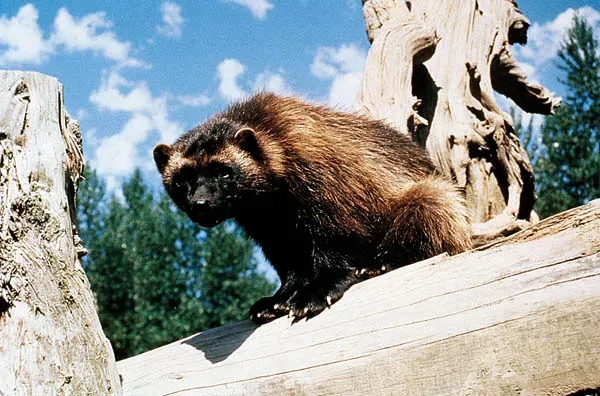
One of the more sobering facts about wolverines is how tightly they’re linked to cold, snowy environments. They tend to be found in regions that retain deep snow well into spring, which they use for denning and caching food. As winters warm and snowpacks shrink or melt earlier, that crucial part of their life cycle is put under pressure. In some areas, suitable habitat has become more fragmented, with snowy zones breaking into smaller, disconnected patches.
Because they roam so widely and live at low densities, even relatively small changes in snow conditions can ripple through their lives in big ways. That’s why there’s ongoing debate and research in North America about how best to manage and protect wolverine populations in a warming world. Their future depends not just on their toughness, but on whether the landscapes they’re built for will still exist in a few decades. It’s a strange twist: one of the hardest animals on the continent may be vulnerable to something as subtle as changing snow.
10. A Mythic Reputation That Hides a Real Animal
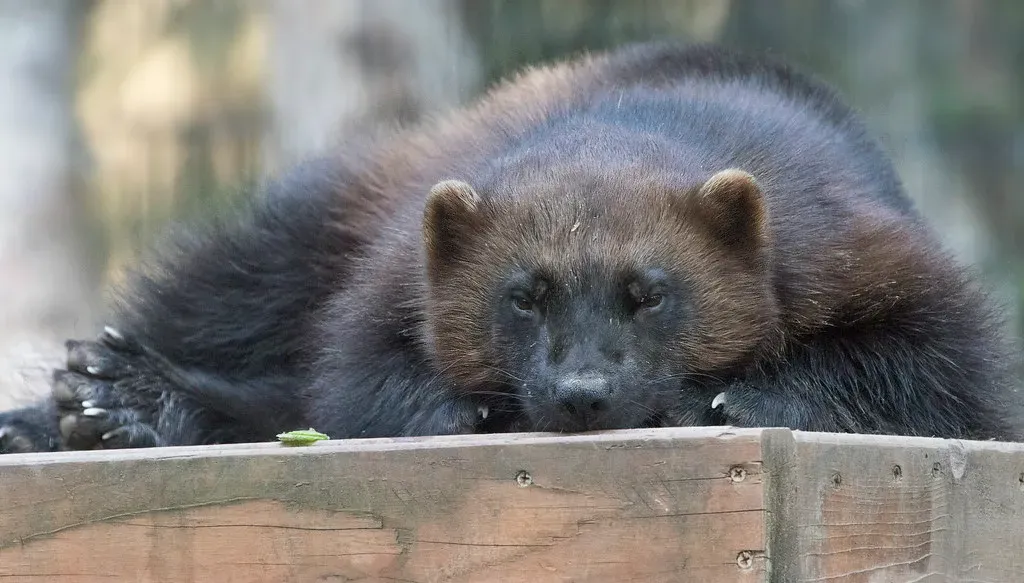
Wolverines have picked up an almost legendary status in northern culture and outdoor circles, often described as fearless, unstoppable, and nearly supernatural in toughness. That mythology can be fun, but the real animal is even more interesting when you strip away the exaggeration. They’re not invincible, and they don’t win every fight, but they are astonishingly well-adapted to a very demanding lifestyle. A lot of the stories come from people catching a glimpse of that intensity in wild, remote places.
What makes them truly unique is the combination of traits: compact yet powerful, solitary yet wide-ranging, ferocious yet dependent on fragile snow and cold. They’re a reminder that some of the most remarkable creatures on the continent are not the biggest or the most famous, but the ones quietly carving out a living in the margins. Once you know even a little about how a wolverine survives, it’s hard to think of them as just another “forest animal.” Among North American wildlife, they really do feel like something in a league of their own.
The wolverine stands out not because of its size, but because of how perfectly it fits the harsh, snowy worlds it calls home. It combines raw strength, relentless movement, clever food strategies, and a deep connection to winter in a way that few other animals can match. Solitary, elusive, and often misunderstood, it survives where many species would simply give up.
In a time when cold, snowy landscapes are changing fast, the wolverine’s story feels both inspiring and fragile. It’s a creature that seems almost built from winter itself, yet it depends on conditions that are slowly shifting beneath its paws. Knowing that, it’s hard not to look at a set of wolverine tracks in fresh snow – if you’re ever lucky enough to see them – and feel a mix of awe and concern. Did you expect this much complexity hiding inside such a small, ferocious shadow of the North?