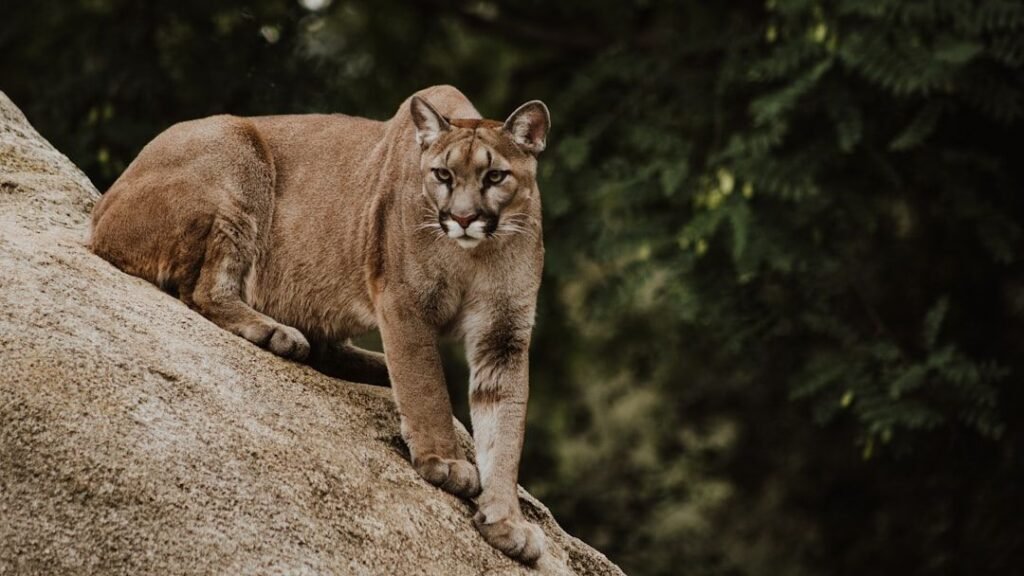

You might think you’ve got a handle on what’s lurking in the American wilderness. Bears, snakes, maybe the occasional shark if you’re near the coast. The reality? It’s far more complicated than that. Some states pack a punch when it comes to dangerous wildlife, mixing venomous creatures, aggressive predators, and surprising threats into a cocktail that makes outdoor adventures feel a bit more precarious.
What makes a state truly dangerous isn’t just the size of its predators or the potency of venom. It’s the combination of biodiversity, population density of dangerous species, and how often humans actually cross paths with these creatures. Let’s dive into the five states where you’ll want to keep your wits about you when stepping outside.
Florida: Where Gators Rule the Swamps
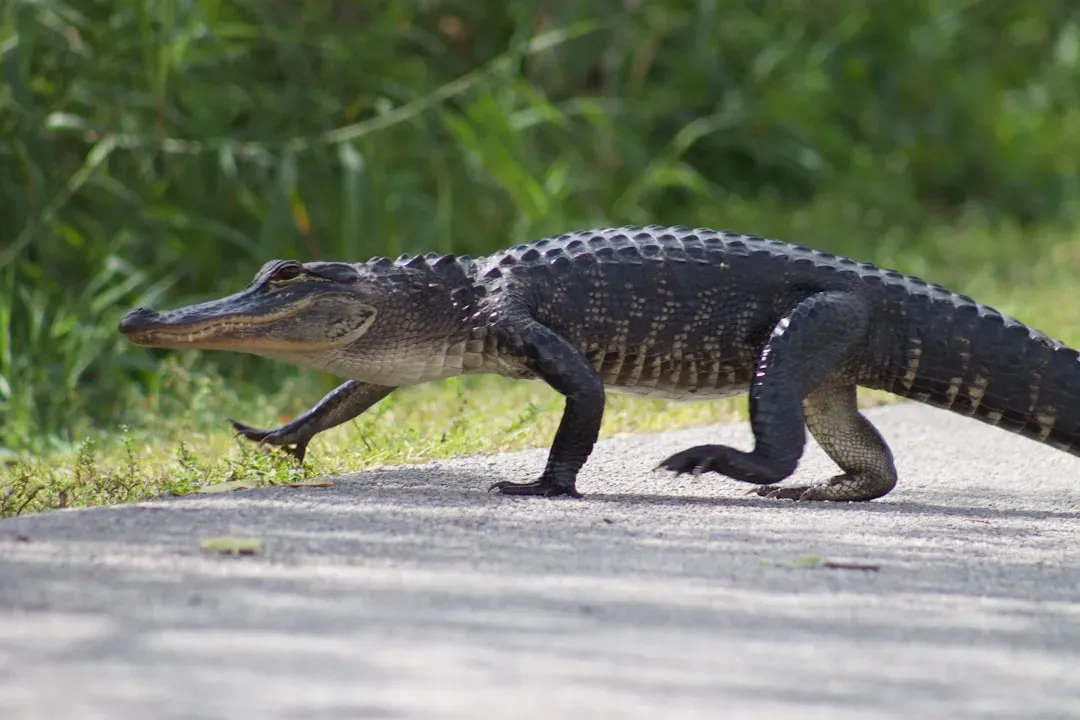
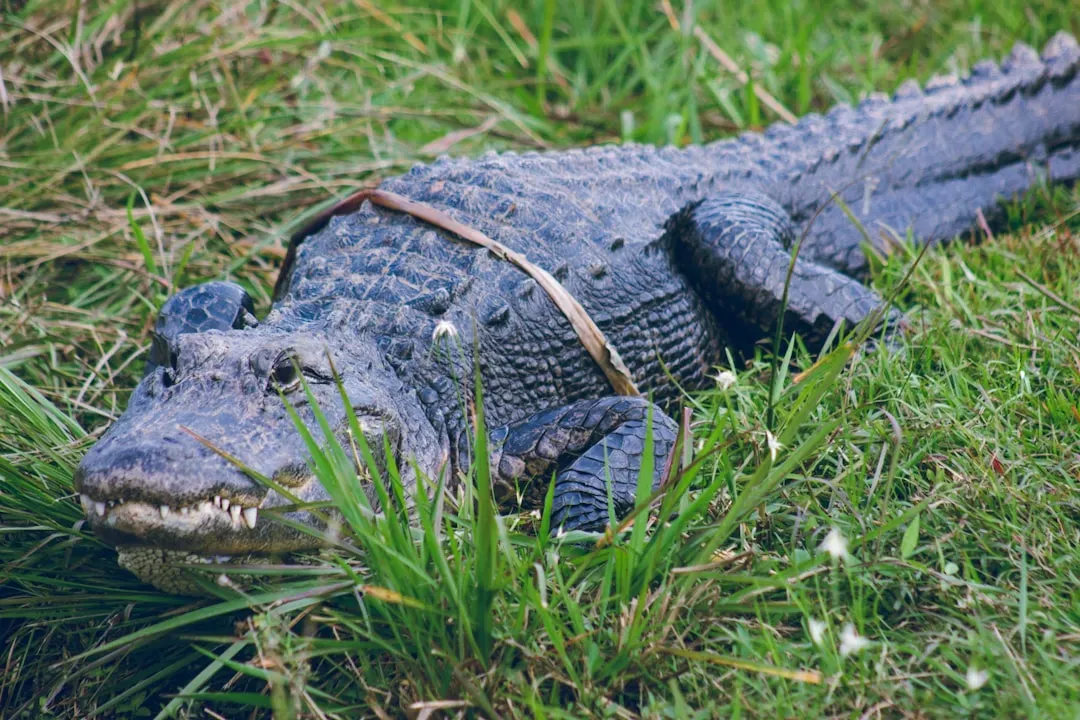
Let’s be real, when you think of deadly wildlife in America, Florida probably springs to mind immediately. Florida has had the highest number of reported alligator attacks in the US across five Southern states. From 1948 to 2022, 453 unprovoked bite incidents have occurred in Florida, 26 of these bites resulted in death. These prehistoric reptiles aren’t just living in remote swamps anymore. They’ve adapted remarkably well to suburban life, showing up in retention ponds, golf courses, and even swimming pools.
The Sunshine State isn’t a one-trick pony when it comes to danger though. Venomous snakes slither through the palmetto scrub and wetlands, with species like the eastern diamondback rattlesnake and cottonmouth making their homes across the state. Box jellyfish drift along the coasts, their tentacles packed with venom that can cause excruciating pain or worse. Then there are the sharks patrolling offshore waters. Over the last 10 years, Florida has averaged 8 unprovoked alligator bites per year that are serious enough to require professional medical treatment, and that doesn’t even account for the snakes, spiders, and other critters waiting in the shadows.
Texas: Big State, Big Dangers
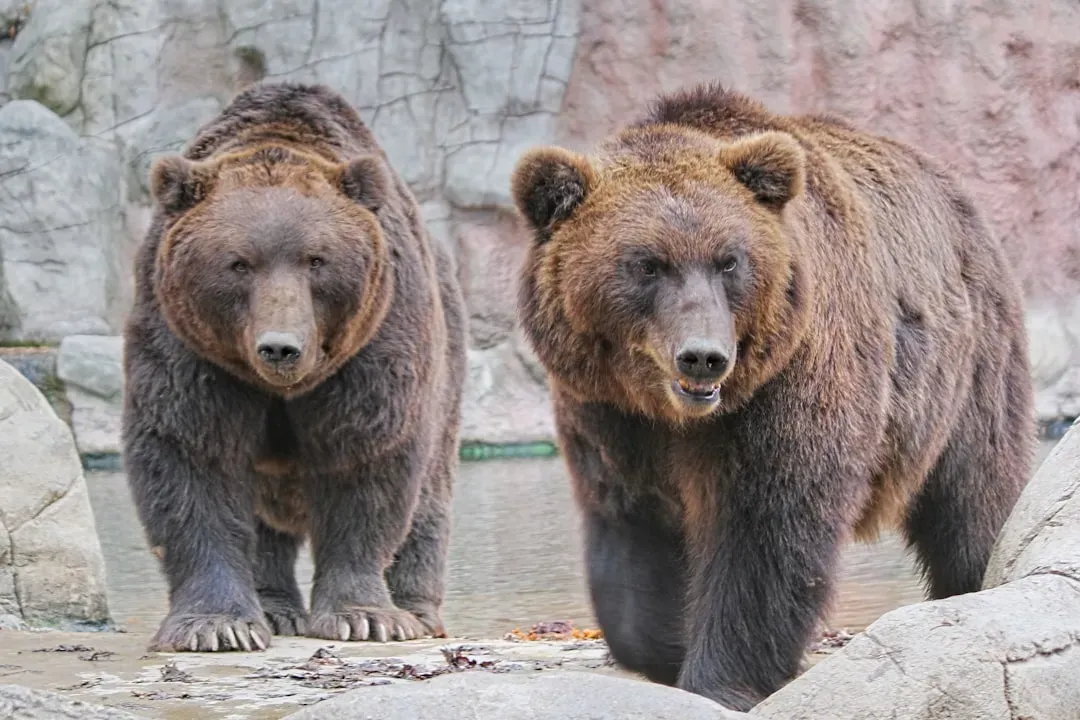
Texas is a large state with a surface area of 268,596 square miles, and in this state, you can find ferocious bears, coyotes, sharks, alligators, snakes, and more, with the most dangerous animal in the state being the alligator. In Texas, there are 400,000 to 500,000 American alligators. That’s a lot of teeth and muscle lurking in bayous, rivers, and lakes across the eastern part of the state.
Rattlesnakes pose another serious threat here. The western diamondback rattlesnake is particularly common, and its venom packs a serious punch. Feral hogs have also taken over vast swaths of Texas, and while they might not seem as terrifying as alligators, these aggressive animals have been responsible for numerous attacks on humans. An analysis of 2016 data found that 82% of snakebites occurred in the South, 11% in the West, 7% in the Midwest, and 1% in the Northeast. Texas sits squarely in that high-risk zone, with its warm climate and diverse habitats creating perfect conditions for venomous reptiles to thrive. Whether you’re hiking in the Hill Country or fishing along the Gulf Coast, you’re sharing space with creatures that demand respect.
California: Mountain Lions on the Prowl
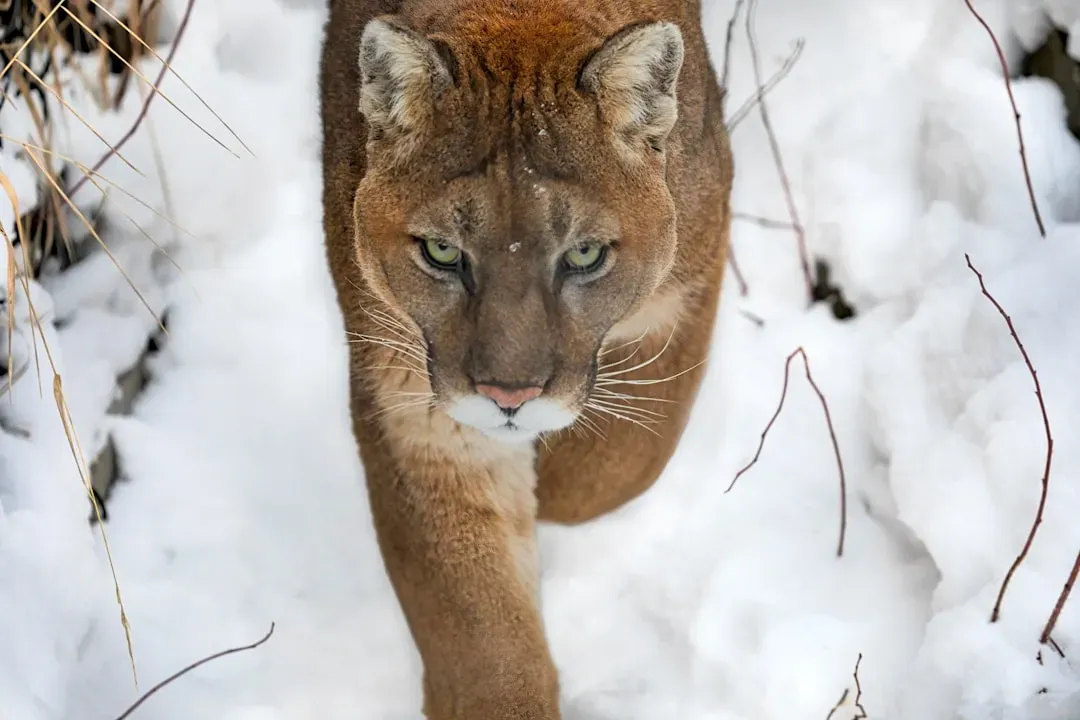
California’s reputation for laid-back living doesn’t extend to its wildlife. California has seen the most attacks in the last 40 years with over 20 people injured and three killed by mountain lions. These apex predators have been increasingly bold in recent years, with attacks occurring in hiking areas and even residential neighborhoods near wilderness zones. The state banned mountain lion hunting decades ago, and some experts believe this has contributed to changing lion behavior, making them less fearful of humans.
Venomous snakes add another layer of danger. Rattlesnakes are widespread throughout California’s mountains, deserts, and grasslands. Although around 221 people are bitten by venomous snakes annually in California, statistics show that less than half of a percent of bites are fatal due to the availability of antivenom. Still, a rattlesnake bite is no joke, often requiring hospitalization and causing lasting damage. Black bears roam the Sierra Nevada and other forested regions, and while attacks are rare, they do happen when humans and bears compete for space. The diversity of dangerous species here is genuinely impressive, from great white sharks patrolling the coastline to black widows hiding in backyard woodpiles.
Colorado: High Altitude, High Stakes
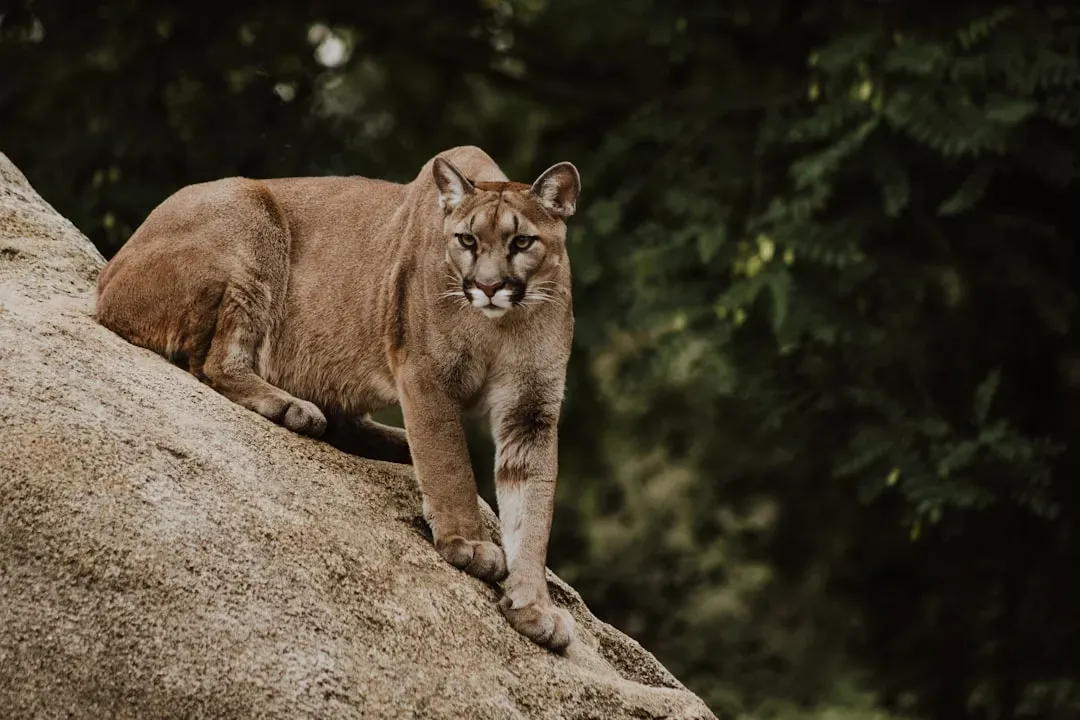
Colorado’s stunning mountain landscapes come with their own set of risks. According to CPW, the agency has documented 28 mountain lion attacks that resulted in injury in the state since 1990. The state is home to thousands of these powerful predators, and encounters have been increasing as human development pushes further into their territory. A recent fatal attack near Rocky Mountain National Park sent shockwaves through the outdoor community, reminding everyone that these aren’t just theoretical dangers.
Black bears are common throughout Colorado’s forests and even venture into urban areas searching for food. Moose might look goofy, but they’re responsible for numerous injuries when hikers get too close or inadvertently threaten them. Rattlesnakes inhabit the lower elevations and prairies, ready to strike if you step too close. What makes Colorado particularly challenging is that many of these dangerous animals live in areas where people love to recreate. Mountain bikers, trail runners, and hikers regularly share trails with predators that can turn aggressive without warning. The combination of high outdoor activity levels and robust predator populations creates a unique risk profile.
Tennessee: Unexpected Wilderness Threats
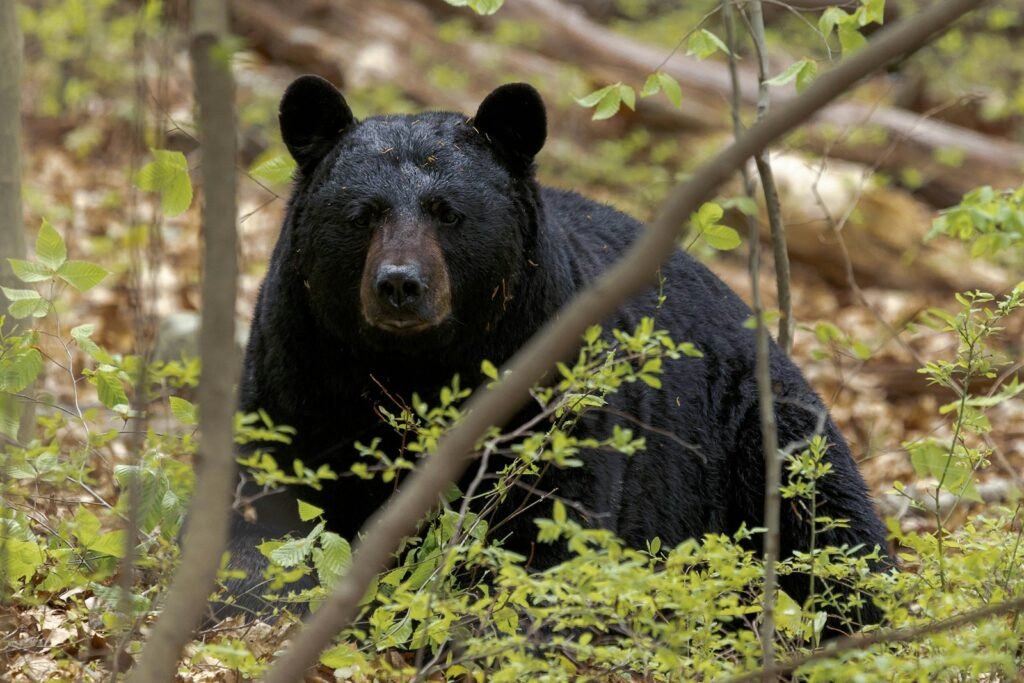
The Great Smoky Mountains is the most visited national park in the United States, and this contributes to an unusually high number of human-black bear encounters, with most of these incidents occurring without injury, but some resulting in serious injuries or even death. In Tennessee, the most dangerous animal is the black bear, and although they can be dangerous, we pose more of a threat to them than they do to us. Still, with millions of visitors annually, the sheer volume of human-wildlife interactions increases the probability of dangerous encounters.
Tennessee is a hotspot for brown recluse spiders, and even if they don’t always kill their bite victims, brown recluses can cause fatalities among vulnerable populations. The venom from these spiders causes necrotic tissue damage that can be horrifying and debilitating. Copperhead snakes are abundant throughout the state, hiding under rocks and in leaf litter along hiking trails. Though rarely fatal, their bites cause significant pain and medical complications. Interestingly, statistically speaking, deer might be the deadliest animals in Tennessee due to vehicle collisions, but when it comes to direct wildlife threats, the bears and venomous creatures take center stage.
Final Thoughts
The United States might not have the reputation of Australia or Africa when it comes to deadly wildlife, but don’t be fooled. These five states prove that danger lurks in surprising places, from alligator-infested swamps to mountain lion territory in the Rockies. Respect for wildlife and awareness of your surroundings can make all the difference between an incredible outdoor experience and a tragic encounter.
What’s fascinating is how these threats vary so dramatically from state to state. One moment you’re watching for rattlesnakes in Texas, the next you’re scanning the tree line for mountain lions in California. The key takeaway? Know your environment, understand the risks, and never underestimate the power of the creatures sharing your space. Have you had any close calls with dangerous wildlife in these states? The wild is beautiful, but it’s wild for a reason.