
You probably think you know the big monuments and famous sites scattered across America. The truth is, most people walk right past the juiciest details without ever noticing them. Hidden initials, secret rooms, and forgotten histories lurk just beneath the surface of the country’s most recognizable places.
It’s hard to say for sure, but something tells me the best stories at these landmarks are the ones tour guides rush past. The ones that don’t fit neatly into textbooks. Let’s be real, history is messier and far more fascinating than we’ve been led to believe.
The Lincoln Memorial’s Underground Cave Complete With Graffiti
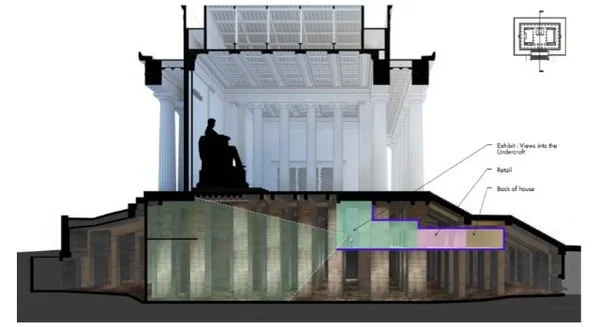
Underneath the Lincoln Memorial, there’s a vast three-story undercroft that was largely forgotten until the 1970s. Most people spend all their time searching for that famous typo carved into the walls above, completely unaware of what lies below their feet. The undercroft features graffiti adorning the supporting columns, including original World War I-era caricatures of Woodrow Wilson and the monument’s construction foreman.
Such graffiti reminds us of the human stories behind the monument. This undercroft, which can be visited on tours, transforms the memorial from a static monument into something alive with layers of human experience. I know it sounds crazy, but these hidden scribbles tell you more about real people than any polished inscription ever could.
Mount Rushmore’s Secret Hall of Records Behind Lincoln’s Head
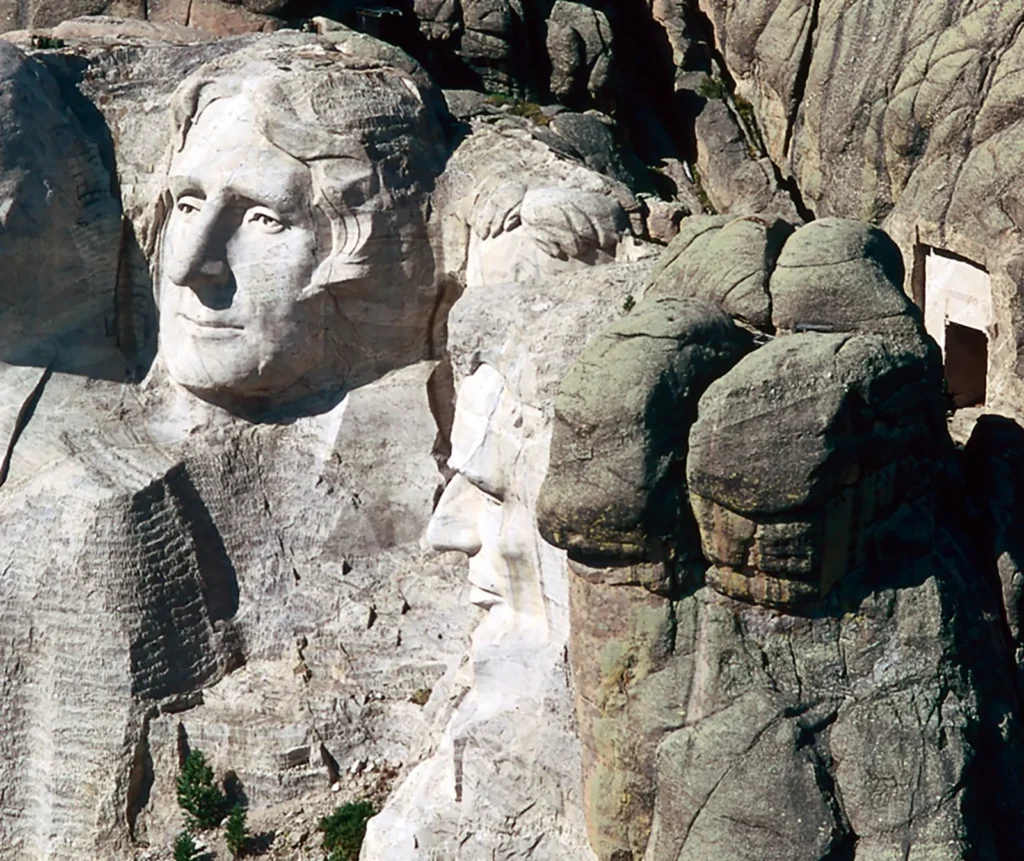
Behind the head of Abraham Lincoln, there is a secret door leading to the Hall of Records where sculptor Gutzon Borglum wanted the monument to include a written description of the nine most important events in U.S. history, though his plan was too intricate and he was only approved to work on the hidden room, dying before it was completed, though copies of the Declaration of Independence, Constitution, and the Bill of Rights are on display in the room today. The doorway carved into the smooth grey rock interrupts what looks like natural granite, yet hardly anyone thinks to look up and notice it.
Very few people have actually been able to visit this room because it’s difficult to reach by foot. Here’s the thing: the monument you see from the viewing platform represents only part of what Borglum envisioned. The choice of Mount Rushmore was controversial since the mountain, known as Six Grandfathers by the Lakota Indians, was a sacred place for them, and the United States requisitioned the land, allegedly reneging on the Treaty of Fort Laramie of 1868, making many Native Americans see the carving as outrageous.
The Statue of Liberty’s Torch Room No One Can Visit Anymore
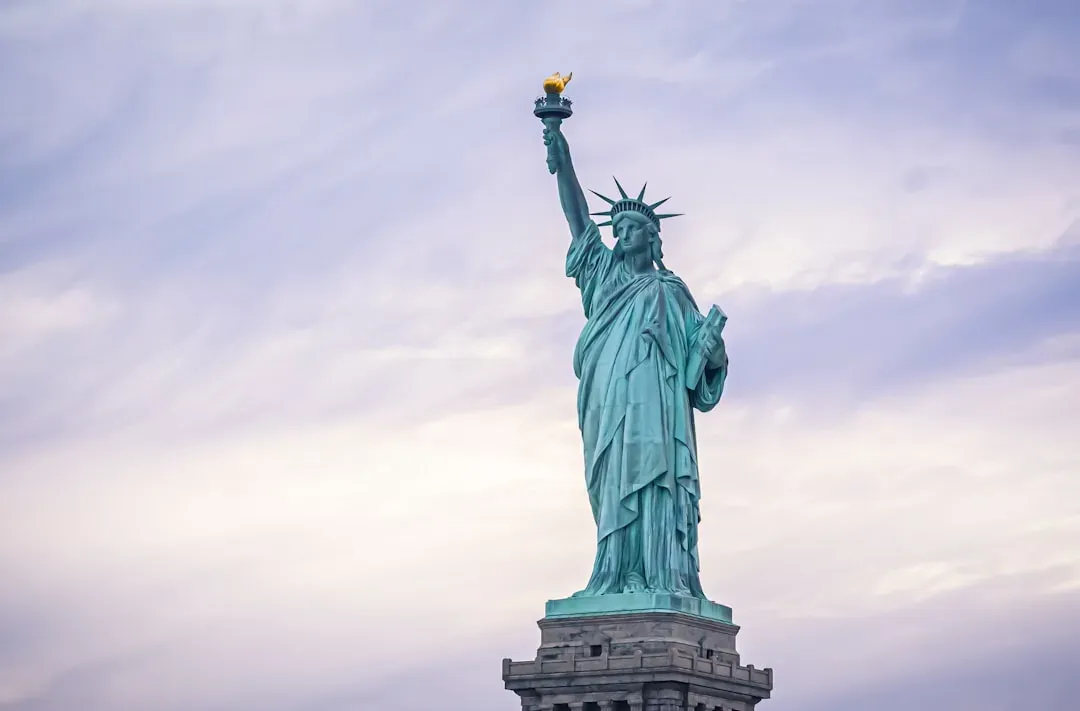
There is actually a room in the torch of the Statue of Liberty that showcases breathtaking views of the city, but people used to be able to visit that room until 1916 when German agents blew up a nearby pier, with the explosion sending debris into the raised arm of Lady Liberty, making the staircase up to the hidden room unsafe. Imagine having access to one of the most spectacular vantage points in New York Harbor and then losing it forever because of an act of sabotage most people have never even heard about.
The Statue of Liberty’s face was modeled after sculptor Frédéric Auguste Bartholdi’s mother, Charlotte Bartholdi, a woman he deeply admired for her strength, intelligence and commanding presence who ran the household after her husband’s death and raised Frédéric to value resilience and independence, qualities he sought to capture in the statue’s serene yet powerful expression. What most folks also miss are the broken shackles at her feet, nearly impossible to see from below, symbolizing freedom from oppression. The torch room remains sealed, a hidden chamber frozen in time since World War I.
Grand Central Terminal’s Backwards Constellation Map
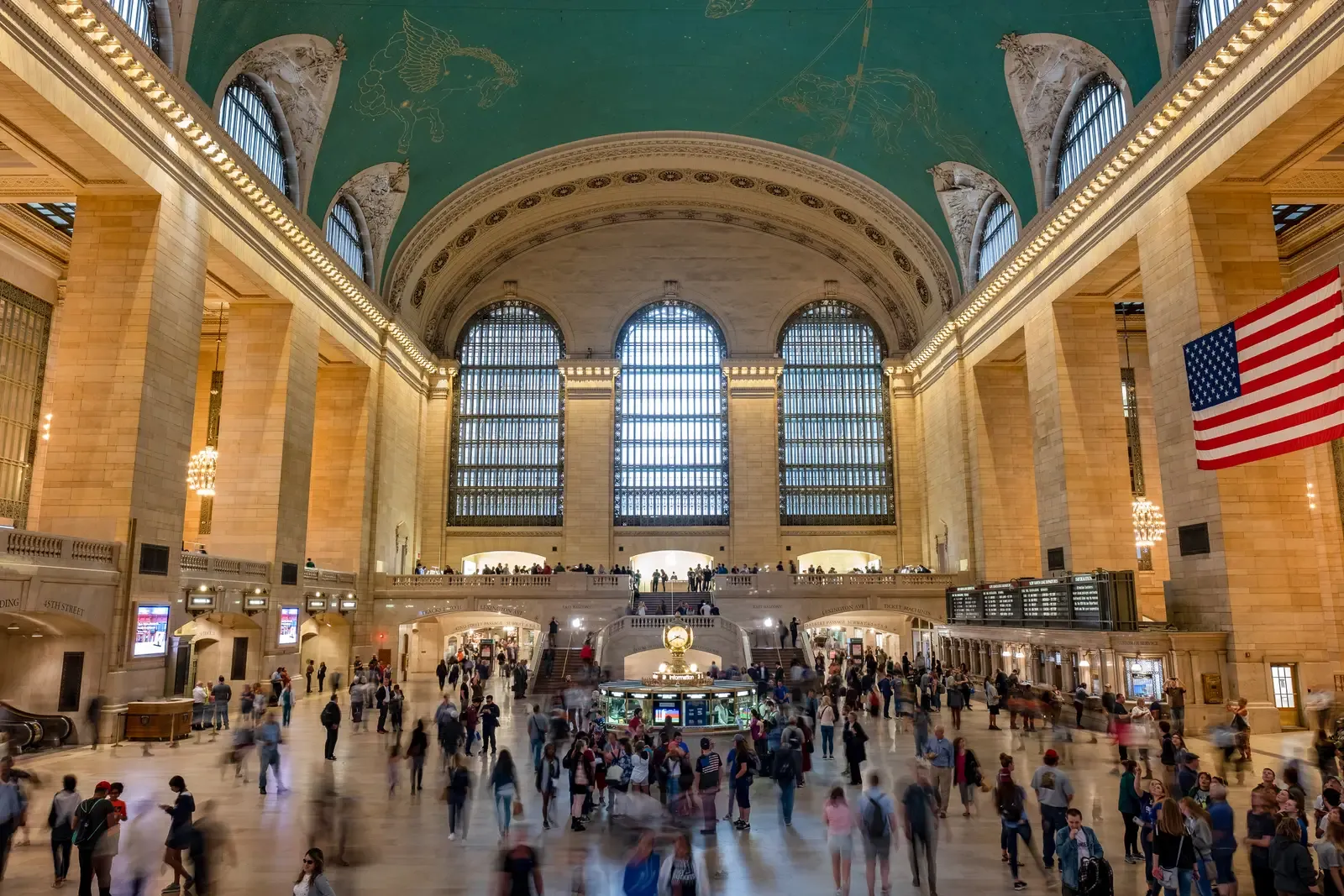
Inside the Main Concourse of New York City’s Grand Central Terminal, there is a celestial map painted across the ceiling with the constellations shown in reverse, and allegedly the artist was given a diagram from an atlas which was projected the wrong way. Thousands rush through this space daily, never once glancing up to notice the stars are backward. Some say it was a mistake, others insist it shows the heavens from God’s perspective looking down.
The station also holds other secrets most commuters never discover. Grand Central Terminal has been the home of a tennis court since the 1960s, with Vanderbilt Tennis Club located on the upper levels of the terminal featuring one full-sized court, a junior court, and a fitness room. Honestly, who expects to find a functioning tennis club above one of America’s busiest transit hubs? The building itself feels like it was made by gods, yet these quirky details prove even the grandest structures came down to human beings making very human choices.
The Washington Monument’s Hidden Time Capsule and Graffiti
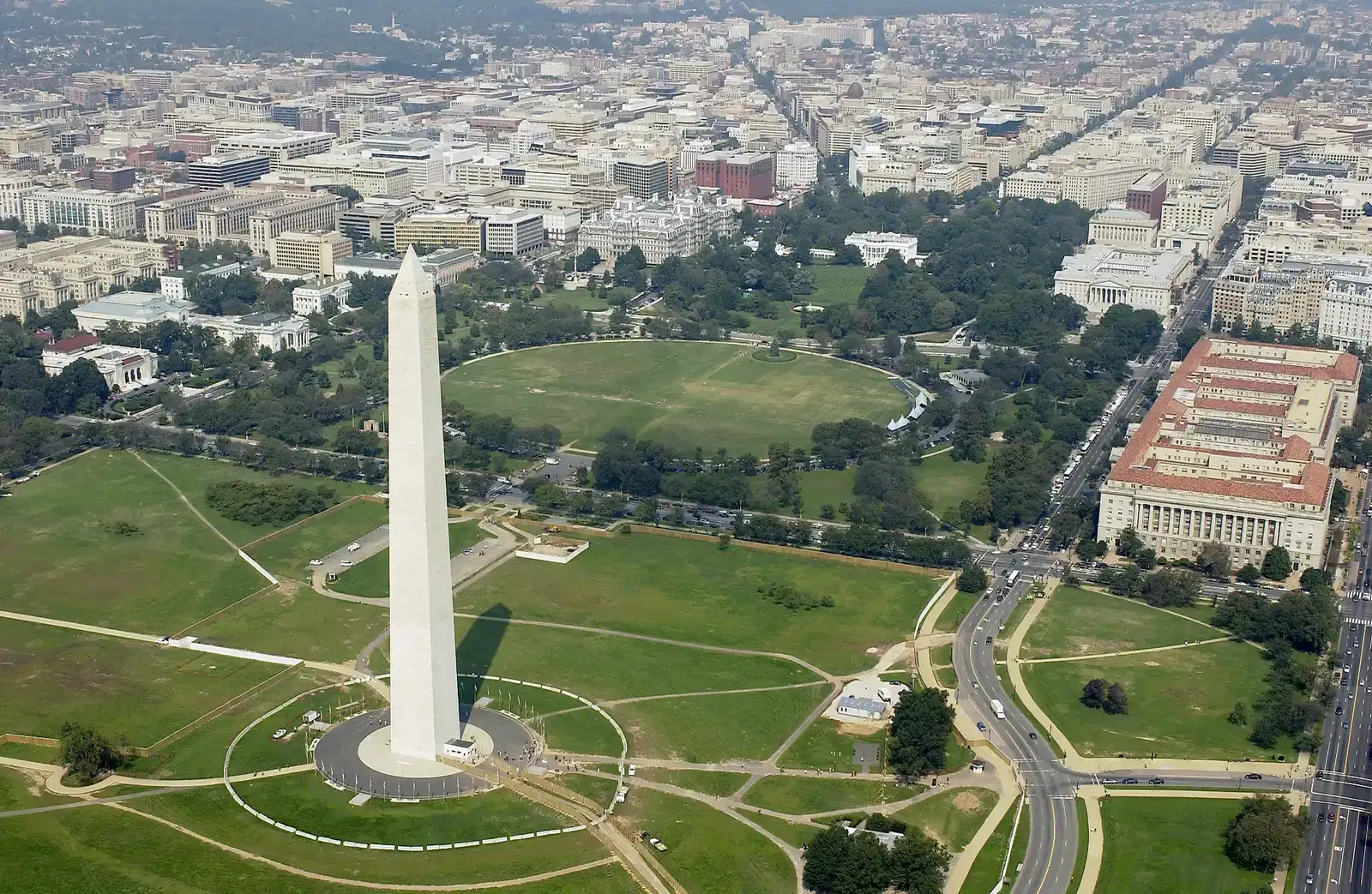
Back in 1848 when the Washington Monument obelisk was being erected, items were hidden in its structure including a copy of the Holy Bible, a copy of the US Constitution, a portrait of Washington, and every US coin from the time. These artifacts sit locked away inside one of the nation’s most visible monuments, creating a time capsule most visitors never contemplate. A message hides 550 ft above these hidden items, engraved in the aluminum pyramid at the very tip of the monument reading “Laus Deo,” meaning Praise Be to God.
The Washington Monument was still under construction when Civil War fighting broke out, and Union soldiers who were posted there carved their names and drew pictures onto the monument, and you can still see the markings today at the monument’s base. Civil War soldiers left their mark the same way teenagers might tag a wall today. These carvings humanize a structure that seems almost untouchable in its stately perfection. The 555-foot marble obelisk honors George Washington, with construction beginning in 1848 but stalling during the Civil War, which is why you can literally see the change in stone color halfway up the tower, and finished in 1884, it was the tallest building in the world until the Eiffel Tower came along.
The Hoover Dam’s Celestial Star Map Built to Last Forever
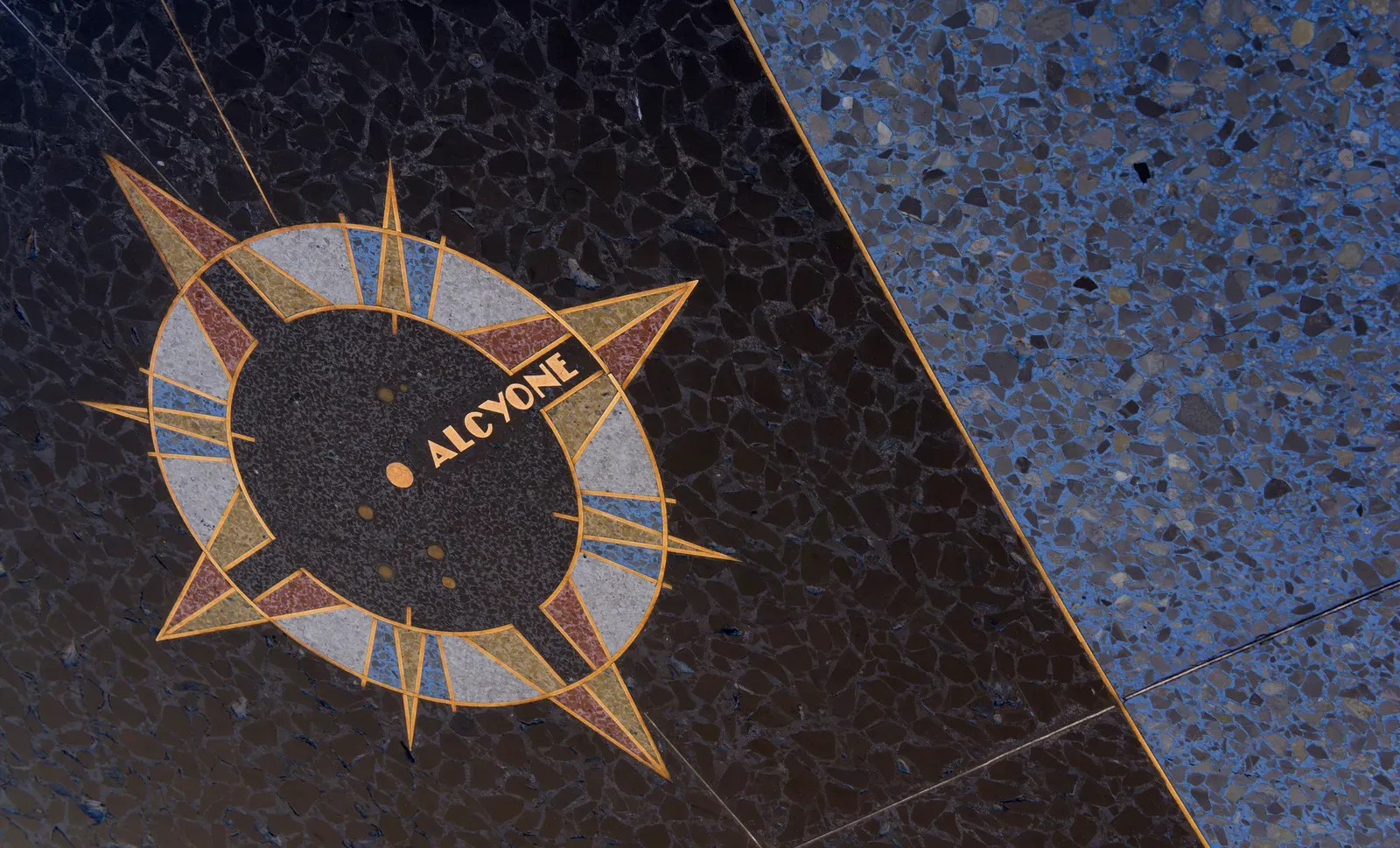
Most plaques list dates, but the Hoover Dam encodes them in the stars, with a terrazzo star chart designed to stand the test of time at the base of the dam’s dedication monument. This isn’t your typical commemorative plaque. The star map was carefully calibrated to show the exact position of celestial bodies at the moment of dedication, creating a permanent astronomical record that future civilizations could theoretically use to date the structure even if all other records disappeared.
The engineer who designed it wanted something that would outlast empires and languages. Let’s be real, that’s both brilliant and slightly unhinged in the best possible way. While visitors marvel at the engineering feat of the dam itself, nearly all of them walk right past this hidden astronomical message without realizing they’re standing on a map of the heavens frozen in time.
One World Trade Center’s Mathematical Tribute Hidden in Plain Sight
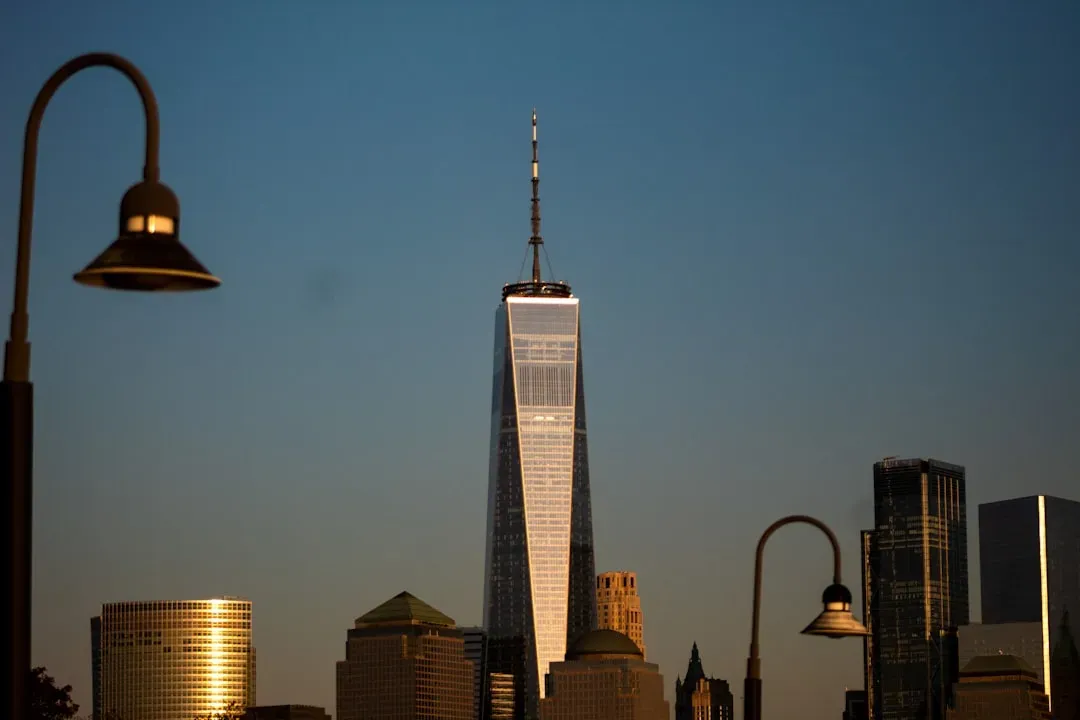
Its height, including its spire, reaches a precise 1,776 feet, commemorating the year the Declaration of Independence was signed. Most people know this fact because it’s been widely publicized. What they don’t realize is there’s more math woven into the building’s design. The building itself is 1,368 feet tall to the roof, matching the height of the original South Tower.
Every measurement was intentional, creating layers of meaning that transform architecture into memorial. The designers embedded remembrance and rebirth into the very dimensions of the structure. It’s a vertical history lesson that most visitors experience without fully understanding. The building doesn’t just stand where the Twin Towers once stood; it literally carries their memory in its measurements while reaching toward a symbolic date that represents American independence.
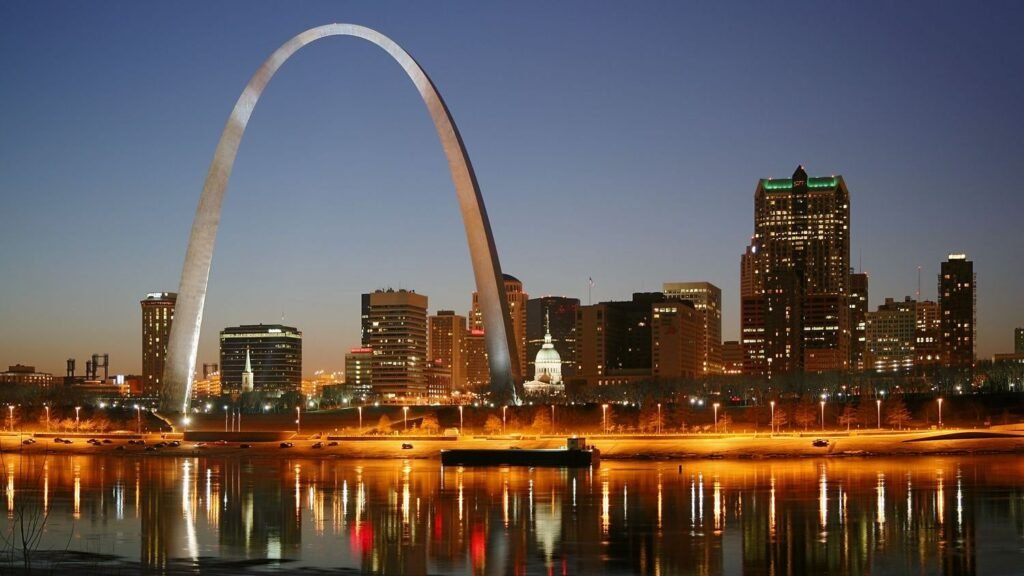
The Gateway Arch’s Buried Time Capsule From St. Louis Schoolchildren
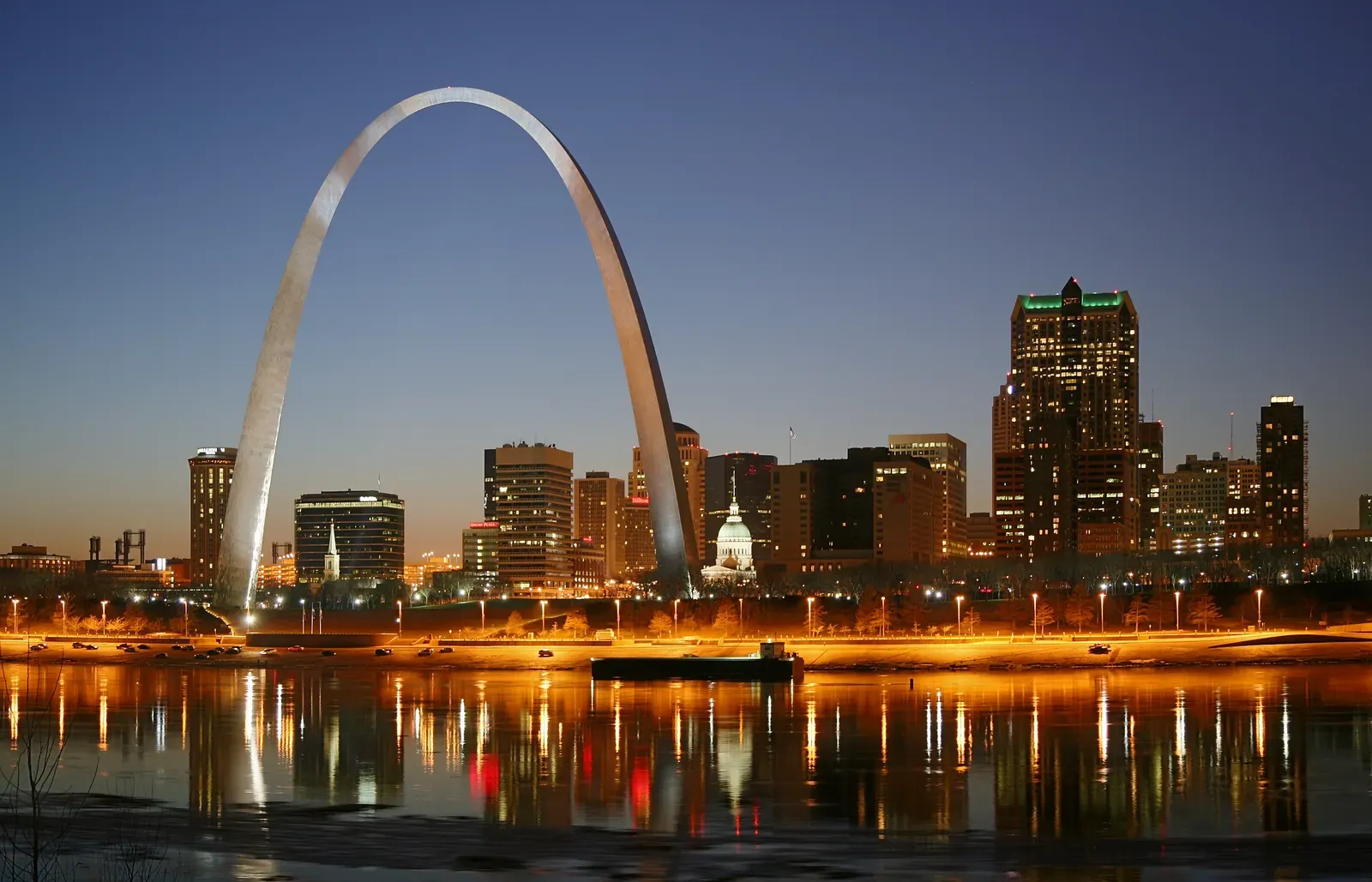
The Gateway Arch contains a time capsule with the signatures of 736,000 local residents, mostly school children, a newspaper, stories by local writers, and some other mystery items. Imagine being one of those kids who signed their name back then, now looking up at that gleaming curve knowing your signature is sealed inside. The time capsule sits hidden within the monument, waiting for some future generation to crack it open and discover the hopes and dreams of mid-century St. Louis.
The arch itself represents westward expansion, though that history is considerably more complicated than the sleek stainless steel suggests. Rising 630 feet above the Mississippi River, the Gateway Arch is the tallest monument in the US and a sleek symbol of westward expansion, designed by architect Eero Saarinen and completed in 1965, with most people not realizing you can actually ride a tram to the top to a tiny space with big views over the river and the city, while below the Arch is a newly renovated museum that unpacks the complicated history in what is now one of the newest and the smallest national park in the country.
These hidden stories prove that America’s most famous landmarks hold secrets in plain sight. The next time you visit one of these monuments, take a moment to look closer. Did you expect that the places you thought you knew still had so much left to reveal? What other stories might be hiding just beneath the surface, waiting for someone curious enough to ask?