
Have you ever watched your dog’s tail wagging and wondered what they’re really telling you? Maybe you’ve seen a group of ants marching in a perfect line and asked yourself how they know where to go. The truth is, animals are chatting constantly. They’re sharing messages, warnings, and even directions without uttering a single recognizable word.
While we humans rely heavily on spoken language, the animal kingdom has perfected an astonishing array of silent communication techniques. From glowing bodies in the deep ocean to intricate dances on a honeycomb, creatures of all shapes and sizes have developed their own unique languages. These methods aren’t just fascinating quirks of nature either. They’re vital survival tools that have evolved over millions of years. So, let’s dive into the secret conversations happening all around us.
Glowing Conversations in the Deep Sea
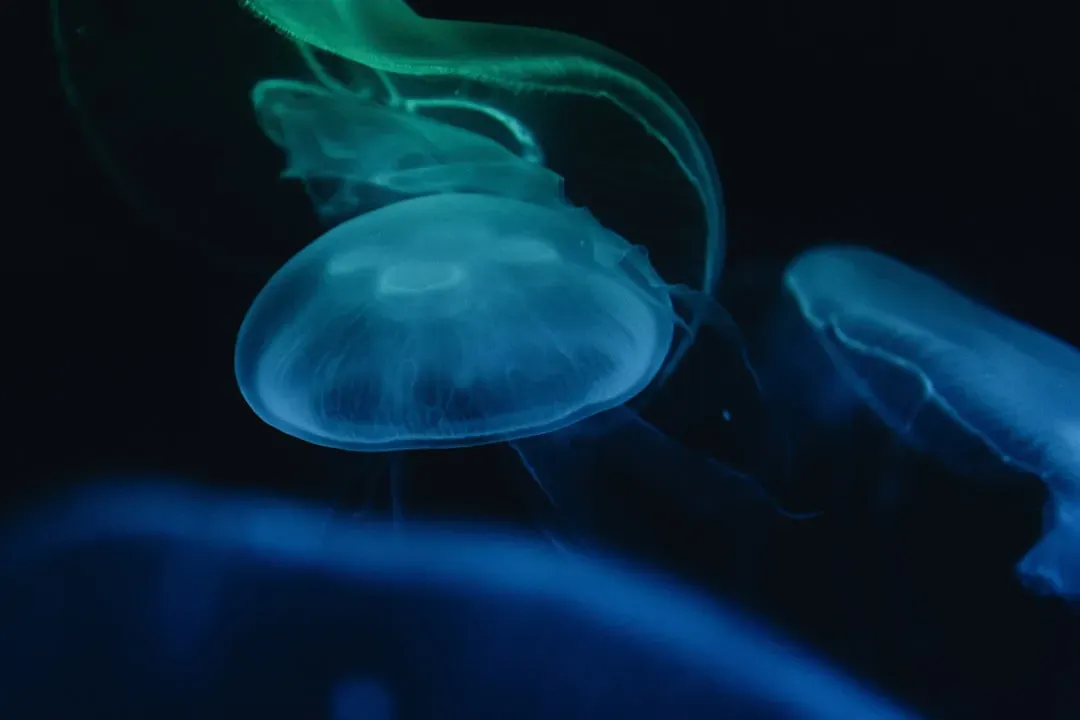
Imagine being in complete darkness, miles beneath the ocean’s surface. How would you find a mate or warn off predators? For animals that live in dark deep-sea waters, light is an effective way to communicate. In the deep sea, bioluminescence is extremely common, and because the deep sea is so vast, bioluminescence may be the most common form of communication on the planet!
Fish, jellyfish, and even corals create their own light through chemical reactions. Bioluminescence can play a part in attracting a mate, with males using bioluminescent signals on their upper lips to attract females. Some creatures flash warnings to scare off hungry attackers, while others use steady glows to blend in with the faint light filtering down from above. It’s like having a built-in flashlight and alarm system combined. In a study published in April 2024, researchers presented the oldest record in geological time for bioluminescence on Earth, showing that this chemical reaction evolved around 540 million years ago during the Cambrian Explosion. Talk about an ancient form of texting.
The Invisible Language of Scent
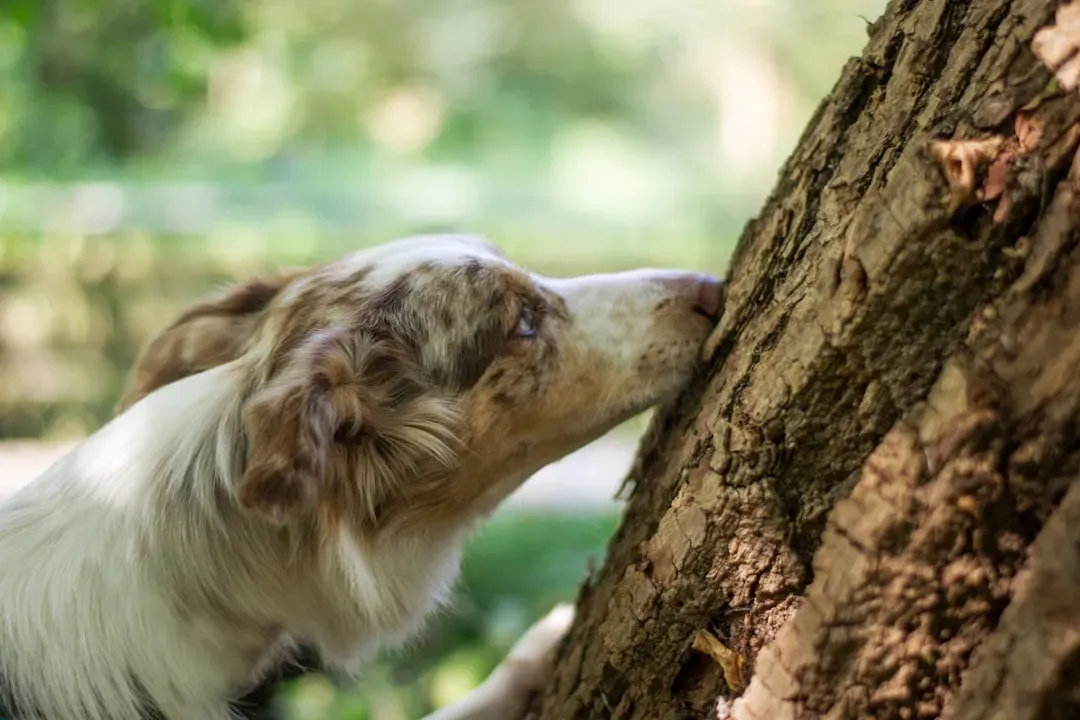
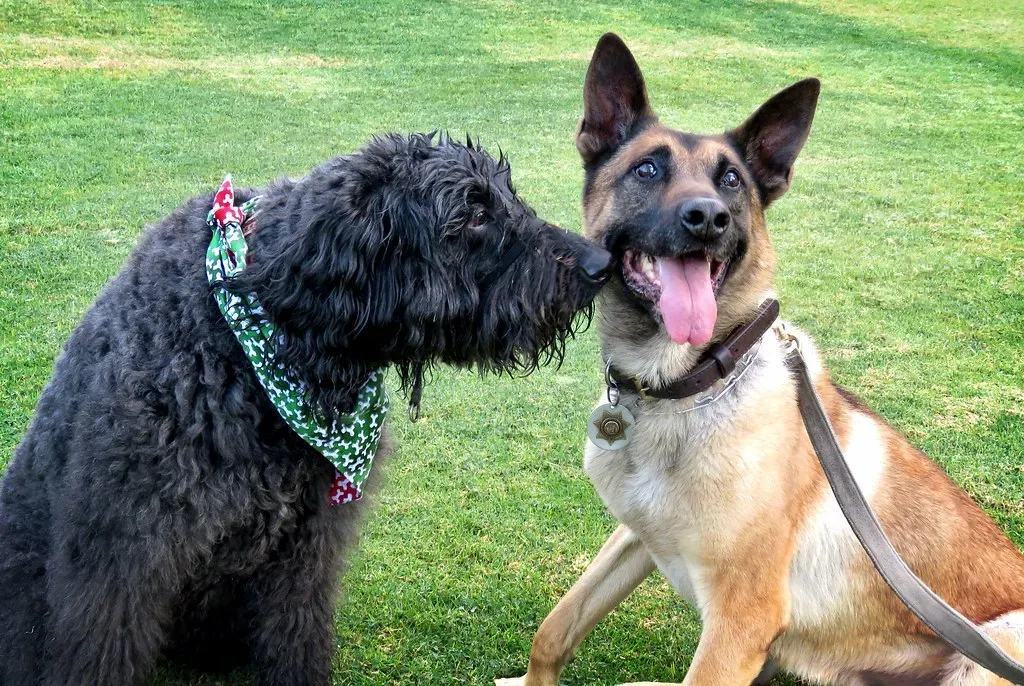
For the majority of animals, communication involves the use of chemical signals, known as pheromones. You’ve probably noticed your dog sniffing every tree on your walks. That’s them reading the neighborhood news. Coyotes, like the family dog, use urine to mark the boundaries of their territories, telling other canines whether the animal that left the scent is a male or female and whether it poses a threat.
These invisible messages travel through the air or stick to surfaces, carrying information about everything from territory boundaries to readiness for mating. Pheromones are chemical signals released by animals that influence the behavior and physiology of other members within the same species. Moths can detect potential mates from miles away using just a few molecules floating on the breeze. Ants leave scent trails so precise that thousands of colony members can follow the exact same path to a food source. It’s honestly mind-blowing when you think about how much information gets packed into something you can’t even see.
The Honeybee’s Choreographed Directions
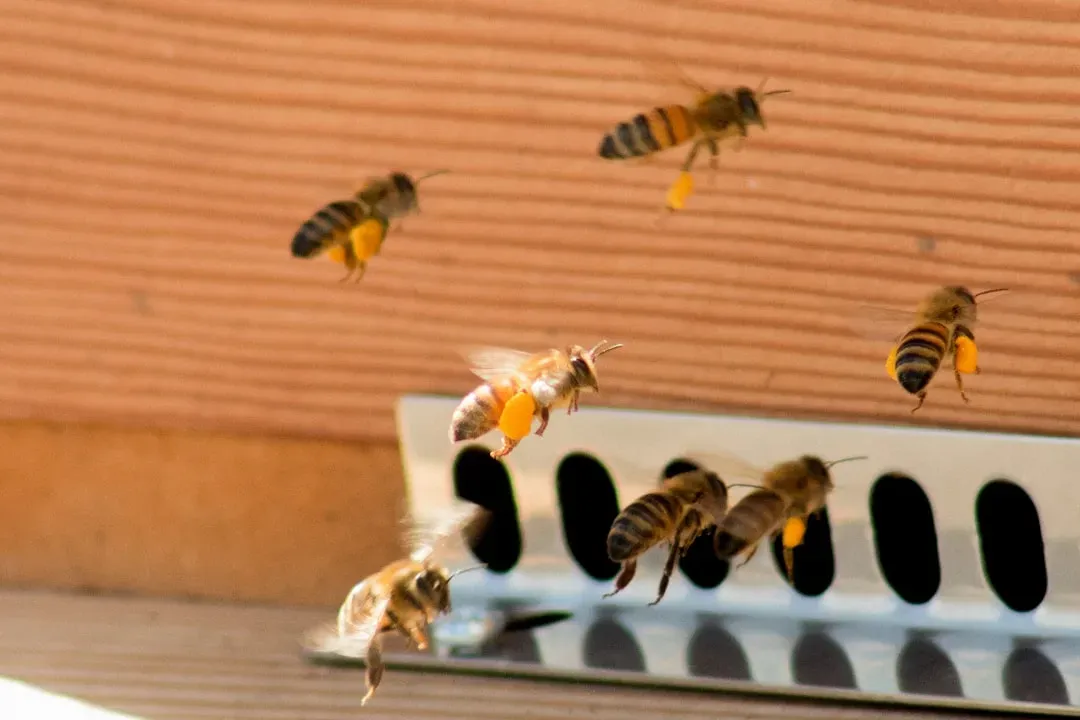
The waggle dance is a figure-eight dance of the honey bee, where successful foragers share information about the direction and distance to patches of flowers with other members of the colony. Picture this: a bee returns to the hive after finding amazing flowers and immediately starts dancing. Not just any random wiggling, though. This is a precise performance with encoded information.
The dancing bee waggles back and forth as she moves forward in a straight line, then circles around to repeat the dance, with the length of the middle line showing roughly how far it is to the flower patch. The angle of the dance relative to gravity tells other bees which direction to fly relative to the sun. Correct waggle dancing requires social learning, as bees without the opportunity to follow any dances before they first danced produced significantly more disordered dances with larger errors. Young bees actually need to learn this language from experienced dancers, much like human children learning to speak. Who knew insects had classrooms?
Body Postures That Speak Volumes
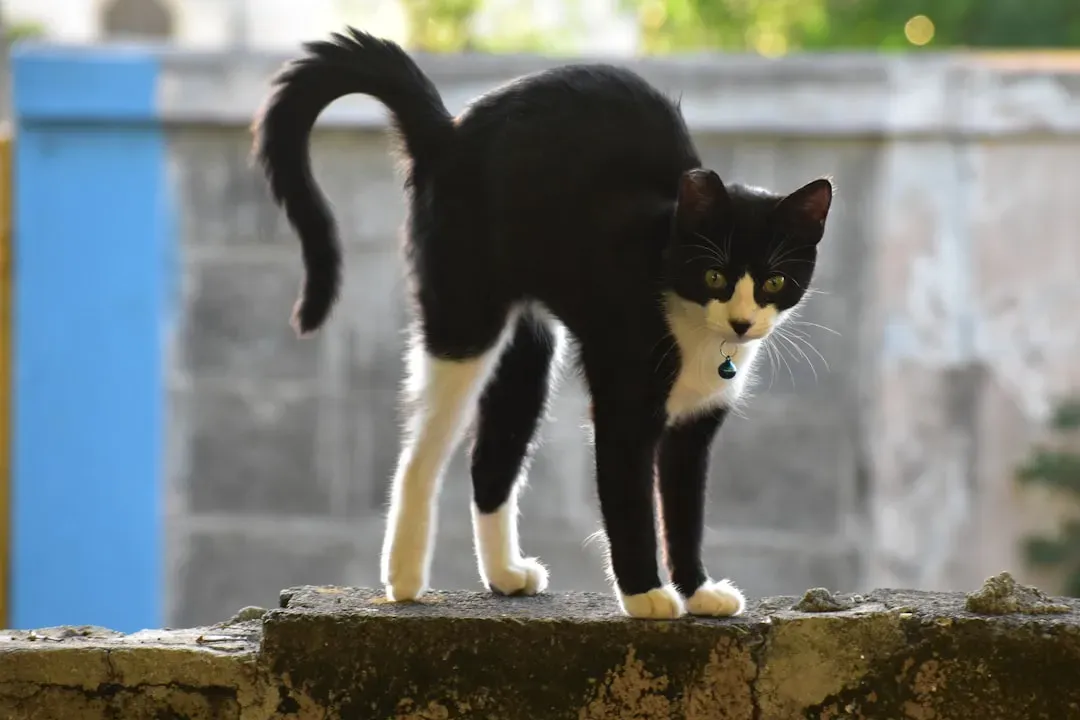
Most animals understand communication through a visual display of distinctive body parts or bodily movements. Think about a cat arching its back and puffing up its fur. You don’t need a translation guide to know that kitty is not happy. Dogs and wolves make use of body language, with the attitude of the tail when two wolves meet indicating which of the two is superior, with a tail held between the legs being a submissive gesture while a tail raised aloft denotes dominance.
Animals reveal tons of information through their posture, tail position, and how they hold their ears. Animals will reveal or accentuate a body part to relay certain information. A gorilla beating its chest isn’t just showing off those muscles. It’s sending a crystal-clear message about power and territory. Male peacocks fan out their spectacular tail feathers and perform a complex dance to attract females, while female animals often use body language to signal their receptiveness to mating. The beauty of body language is that it works across distances and doesn’t require sound, which comes in handy when you’re trying to stay hidden from predators.
Facial Expressions Beyond Human Understanding
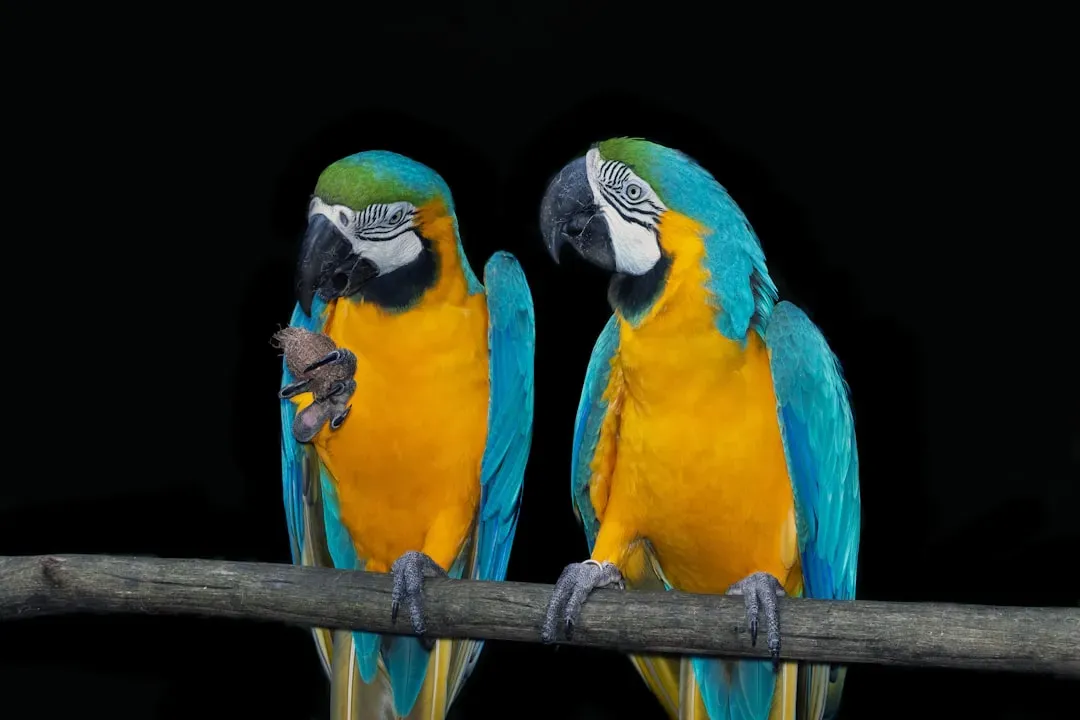
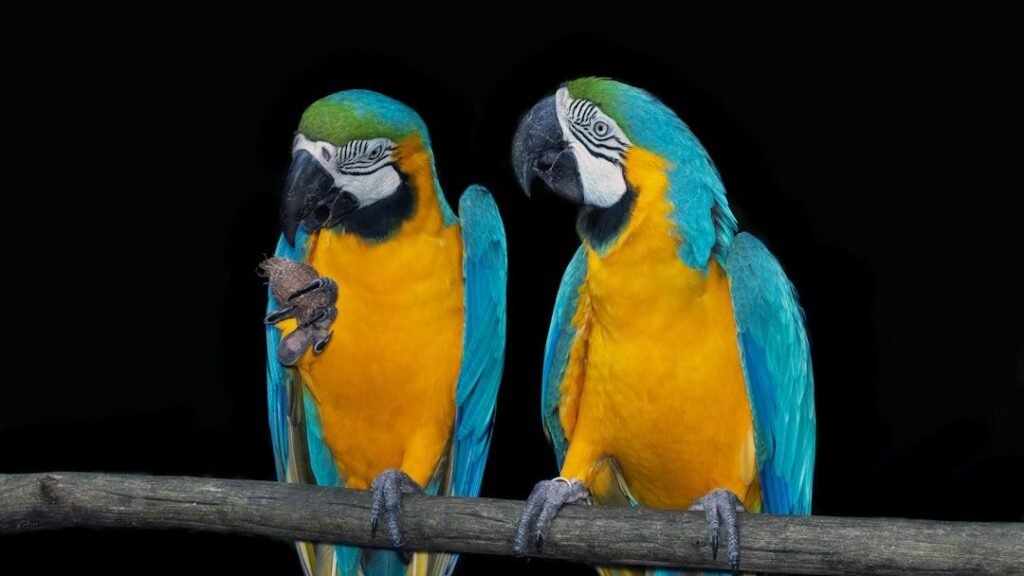
Let’s be real, we often think facial expressions are a human thing. Turns out, we’re not as unique as we thought. Facial gestures are important signals of emotion in animal communication, with studies showing that Blue and Yellow Macaws demonstrated a significant amount of blushing frequently during mutual interactions with a caretaker.
Mice exhibited five recognizable facial expressions in response to increasing pain: orbital tightening, nose and cheek bulge, and changes in ear and whisker carriage. Even creatures we might not expect to have expressive faces are constantly communicating their emotional states through subtle movements. Primates are particularly skilled at this, with chimps and bonobos showing a range of expressions that would make any actor jealous. These silent signals help maintain social bonds, warn of danger, and establish hierarchy within groups without resorting to physical conflict.
Electric Fields as Secret Signals
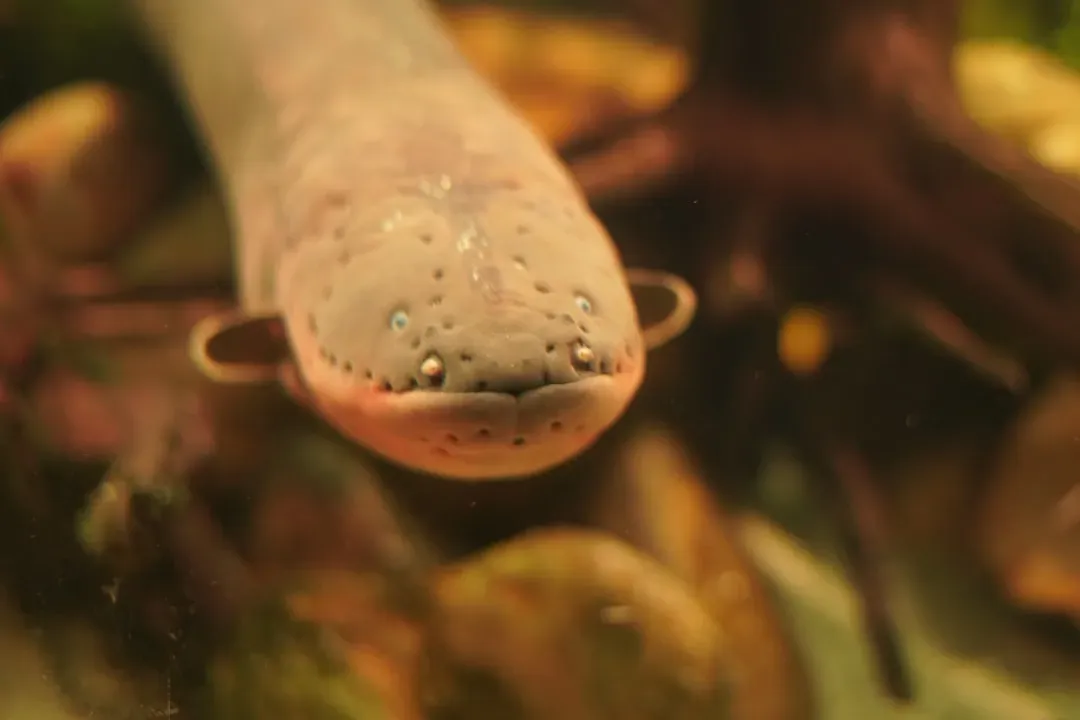
Here’s the thing about electric communication: most of us don’t even know it exists. Animals can use electrolocation and echolocation to communicate about prey and location. Certain fish species in murky waters have evolved the ability to generate weak electric fields around their bodies. When two of these fish meet, they can tweak their wavelengths to produce similar levels of voltage, with weakly electric fish being the only known creatures to carry both electric generators and electroreceptors.
This creates an invisible bubble of information that other electric fish can detect and interpret. They can identify species, determine gender, and even sense the mood of nearby fish through these electrical pulses. Honeybees accumulate an electric charge during flying and emit constant and modulated electric fields during the waggle dance, with their electrically charged flagella moved by electric fields that may play a role in social communication. It’s basically like having a private radio station that only certain listeners can tune into. Nature’s version of encryption.
Color Changes That Flash Messages
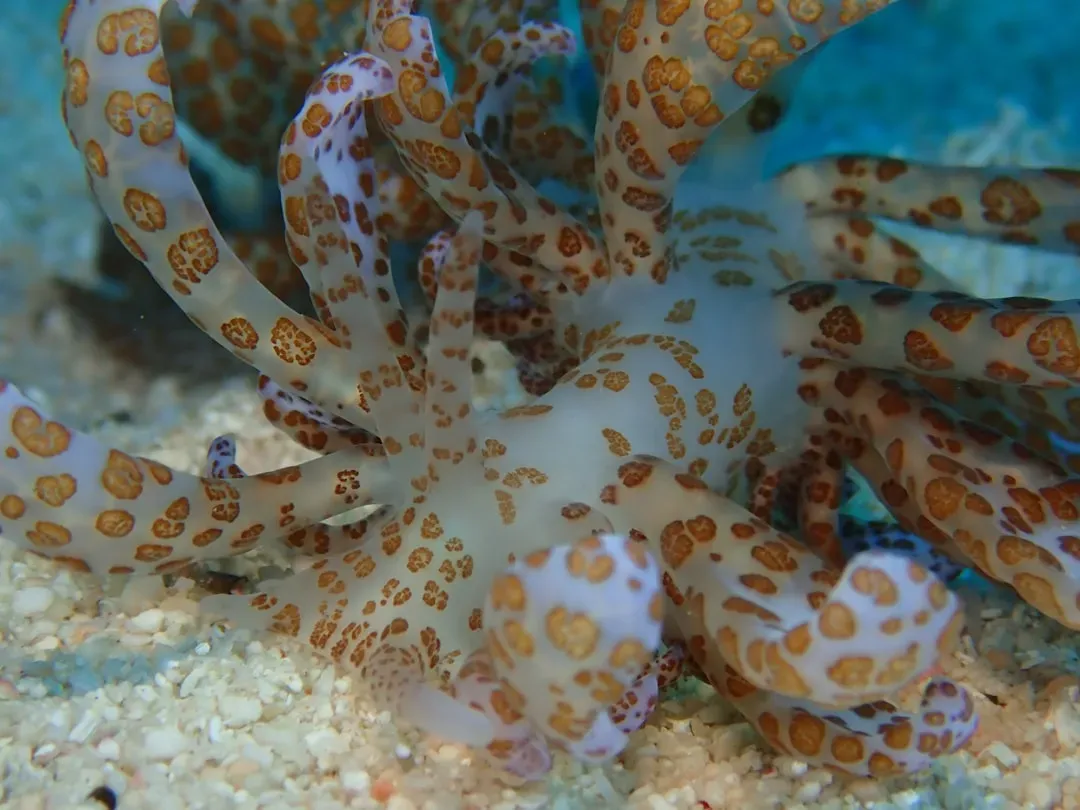
Cuttlefish and octopuses are absolute masters of this technique. Highly elaborate behaviours have evolved for communication such as the pattern changes of cuttlefish. They can change their skin color and pattern in a split second, creating rippling waves across their bodies. These aren’t just random pretty displays either. Each pattern carries specific meaning.
A cuttlefish might show bold stripes to intimidate rivals, soft colors to blend into the background, or pulsing patterns during courtship. Cuttlefish shift colors in rippling waves across their skin while using fin movements and posture to emphasize their message. Some chameleons use color changes to regulate temperature, but they also signal their emotional state through hue shifts. An angry chameleon might flush with bright, aggressive colors, while a submissive one pales to neutral tones. It’s like wearing your emotions on your skin, literally. The speed and complexity of these changes can convey urgency and importance, creating a visual language more nuanced than most people realize.
Vibrations and Tremors Through the Ground
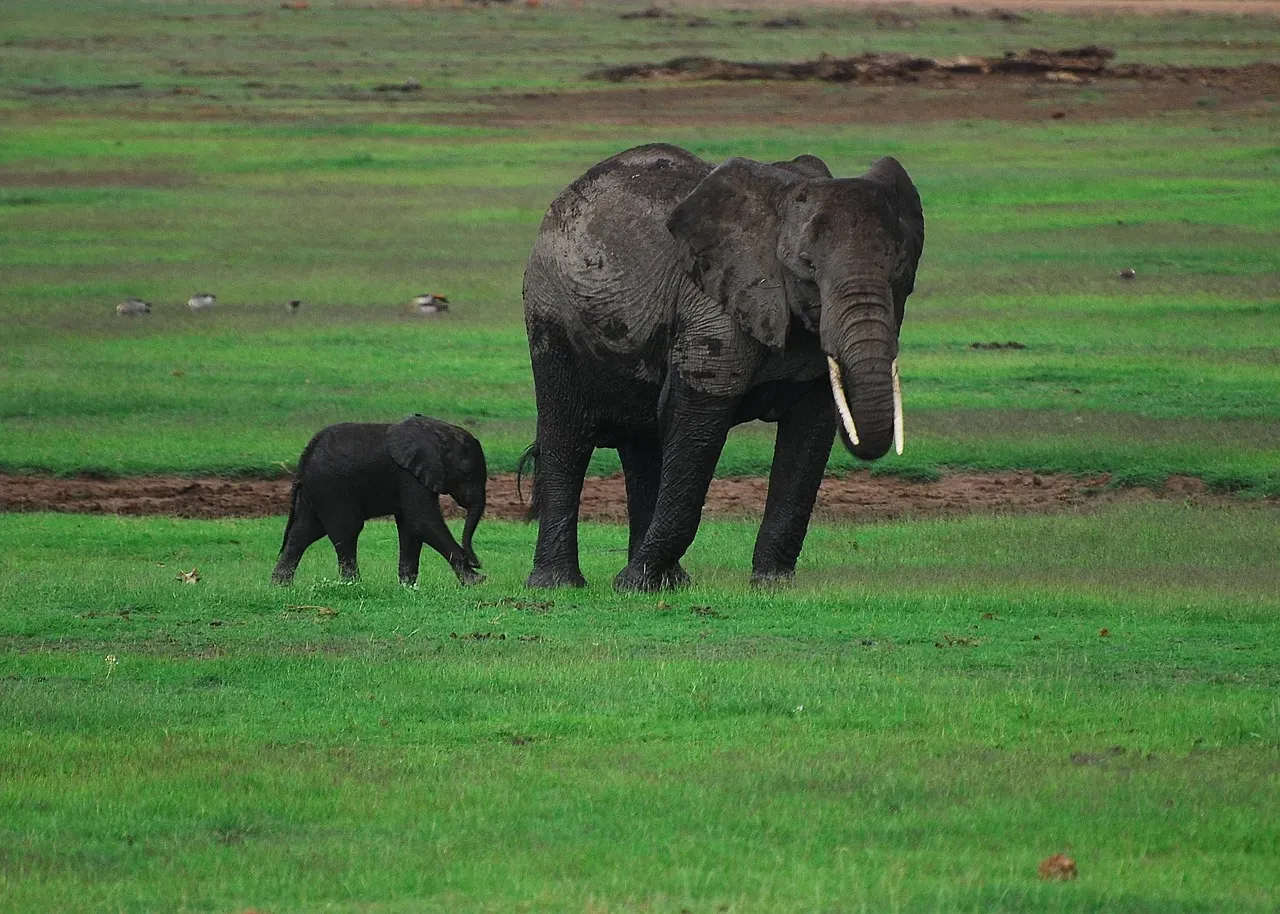
Elephants have a secret communication channel most humans never notice. They produce low-frequency rumbles that travel through the ground for miles. Other elephants detect these vibrations through sensitive receptors in their feet and trunks. This allows herds to stay in contact across vast distances, warning each other of danger or coordinating movements to water sources.
Spiders also use vibrational communication brilliantly. A male spider arriving at a female’s web doesn’t just barge in. That would probably get him eaten. Instead, he plucks the silk strands in a specific rhythm, essentially playing a courtship song through vibrations. The female can identify his species and intentions from these tremors. Burrowing animal species are known to whistle to communicate threats and sometimes mood, with prairie dogs having one of the most complex communication systems in the animal kingdom. Even tiny insects communicate through substrate vibrations, tapping out messages on leaves that travel to neighbors nearby. It’s a whole conversation happening right beneath our feet that we’re completely oblivious to.
Conclusion
The animal kingdom has been perfecting silent communication for millions of years. From the bioluminescent displays in ocean depths to the electric whispers between fish, from elaborate bee dances to subtle color shifts on cuttlefish skin, these wordless languages are both practical and beautiful. The importance of communication is evident from the highly elaborate morphology, behaviour and physiology that some animals have evolved to facilitate this, including some of the most striking structures in the animal kingdom.
Understanding these communication methods gives us more than just interesting trivia. It opens our eyes to the complexity of life around us and reminds us that intelligence and expression take many forms beyond human speech. Next time you’re outside, take a moment to observe. You might just catch a glimpse of a conversation you’ve been missing all along. What silent signals have you noticed in the animals around you?