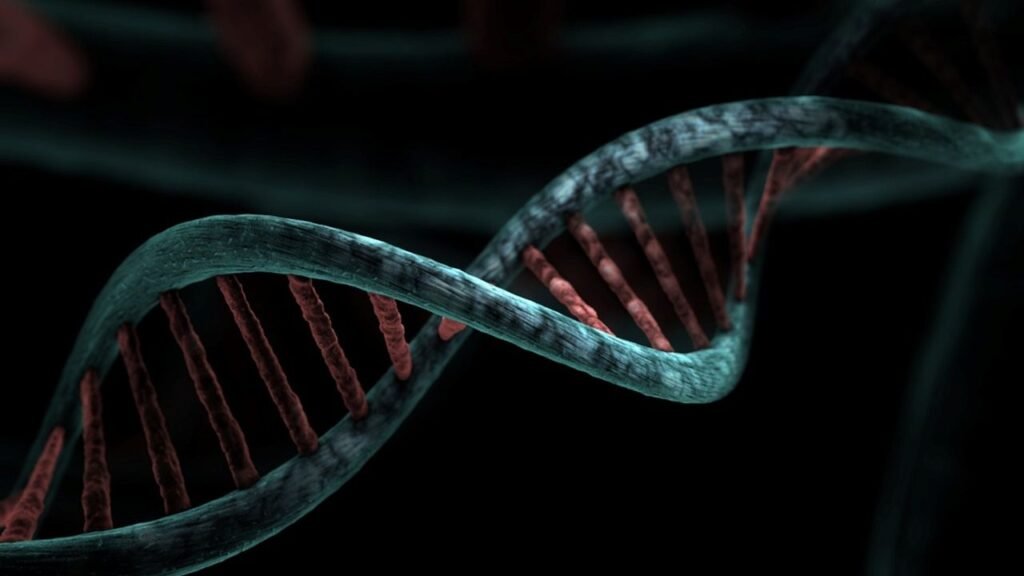

You’ve probably heard people say that science is all about facts and figures, neat equations scribbled on chalkboards. That’s true to some extent. What’s harder to grasp is how certain discoveries didn’t just add to our knowledge but fundamentally rewired how we understand existence itself. Think about it. There have been moments in scientific history that made us question everything we thought we knew about the universe, matter, time, and even our own biology.
These revelations didn’t arrive quietly. They sparked controversy, confusion, and sometimes outright disbelief. Some shook the foundations of religion and philosophy. Others turned common sense completely on its head. Let’s dive into seven discoveries that didn’t just change science but changed reality as we perceive it.
Quantum Mechanics Revealed a Bizarre Subatomic World
Picture this. You’re looking at a particle, and it seems to exist in multiple places at once until you actually observe it. Sounds like science fiction, right? Yet quantum mechanics challenges our understanding of reality, as particles exhibit wave-particle duality and can exist in multiple states simultaneously.
The publication of Werner Heisenberg’s article in 1925 was arguably the moment that ushered in the modern age of quantum mechanics, though honestly, the journey was messy and confusing. Scientists spent years arguing about what it all meant. Quantum mechanics wasn’t created all at once; it took several decades and was a messy, confused process. The implications were staggering. Particles could be entangled across vast distances, communicating instantaneously. They defied every intuition we had about how the physical world should behave.
Here’s the thing. Quantum mechanics didn’t just explain tiny particles. This discovery changed the way we understand the universe and led to the discovery of science that describes the behavior of tiny particles like atoms and light. It gave us transistors, lasers, and the promise of quantum computing. Reality, it turns out, is far stranger than anyone imagined.
DNA’s Double Helix Unlocked the Secret of Life
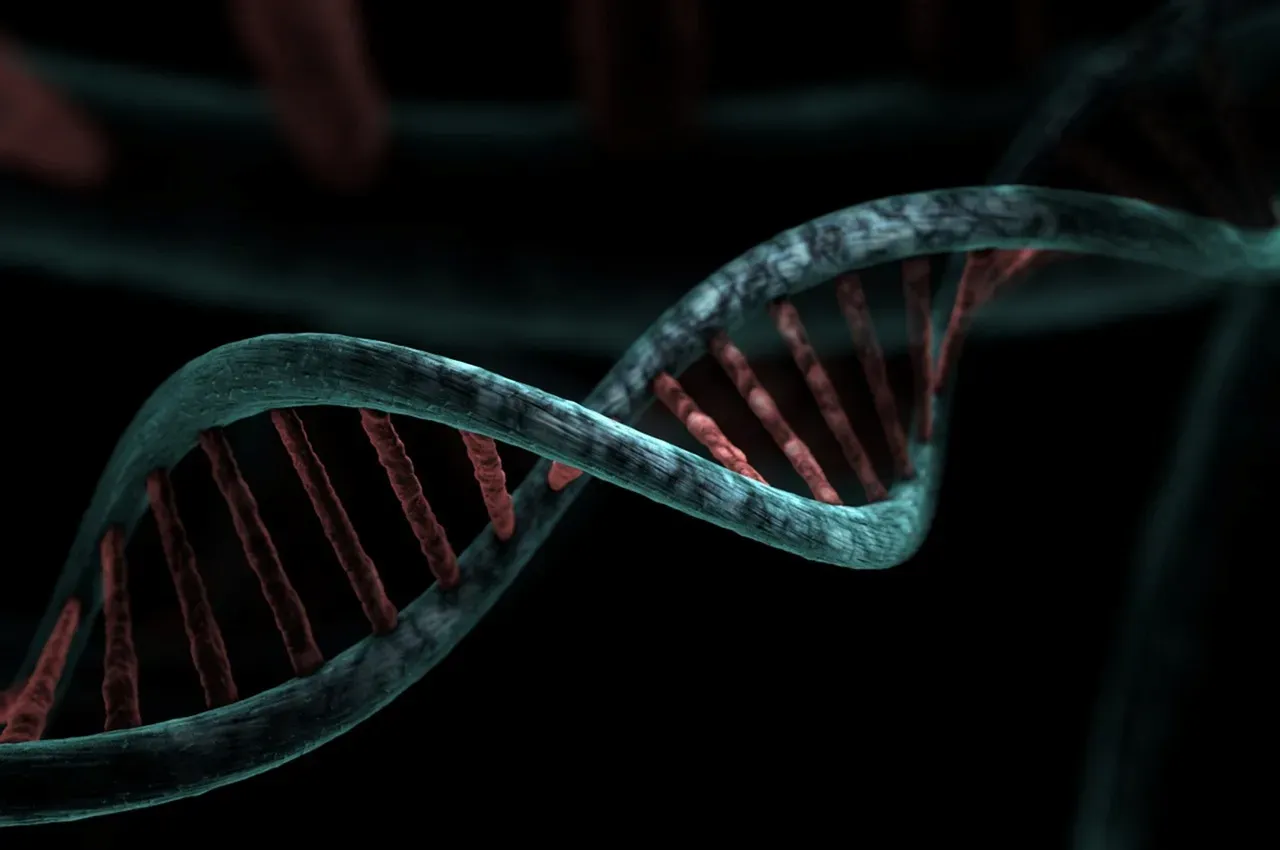
In 1953 James Watson and Francis Crick, aided by the work of biophysicists Rosalind Franklin and Maurice Wilkins, determined that the structure of DNA is a double-helix polymer. This wasn’t just a cool shape. It was the blueprint of life itself, the instruction manual written into every living cell.
What makes this discovery so profound is how it explained heredity in molecular terms. The discovery of the double helix marked a milestone in the history of science and gave rise to modern molecular biology, yielding ground-breaking insights into the genetic code and protein synthesis. Suddenly, we understood how traits passed from parents to children, how diseases could be inherited, and how evolution worked at the molecular level.
The drama behind the discovery adds another layer. Watson and Crick are widely believed to have hit on the structure only after stealing data from Rosalind Franklin, including Photograph 51, shown without her permission or knowledge. Franklin’s contributions were vital but often overlooked until decades later. The double helix transformed medicine, biotechnology, and our understanding of what it means to be alive.
Einstein’s Relativity Warped Space and Time
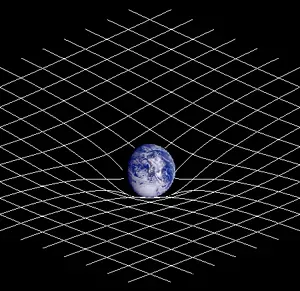
Einstein published his theory of general relativity in 1915, expanding the theory of special relativity that he had published 10 years earlier. Before Einstein, people thought of space and time as fixed, unchanging backdrops. Einstein blew that idea apart. Space and time were flexible, woven together into something called spacetime.
Einstein realized that massive objects caused a distortion in space-time, like a bowling ball sitting on a trampoline. This warping is what we experience as gravity. The heavier the object, the deeper the dip. The theory transformed theoretical physics and astronomy during the 20th century, superseding a 200-year-old theory of mechanics created primarily by Isaac Newton.
Let’s be real. Relativity is hard to wrap your head around. Time doesn’t tick at the same rate everywhere. Clocks run slower near massive objects. It has since opened our eyes to black holes and the big bang, shown us that astronauts age slower than people back here on Earth. Einstein didn’t just change physics. He changed how we see reality itself.
The Heliocentric Model Dethroned Earth from the Center
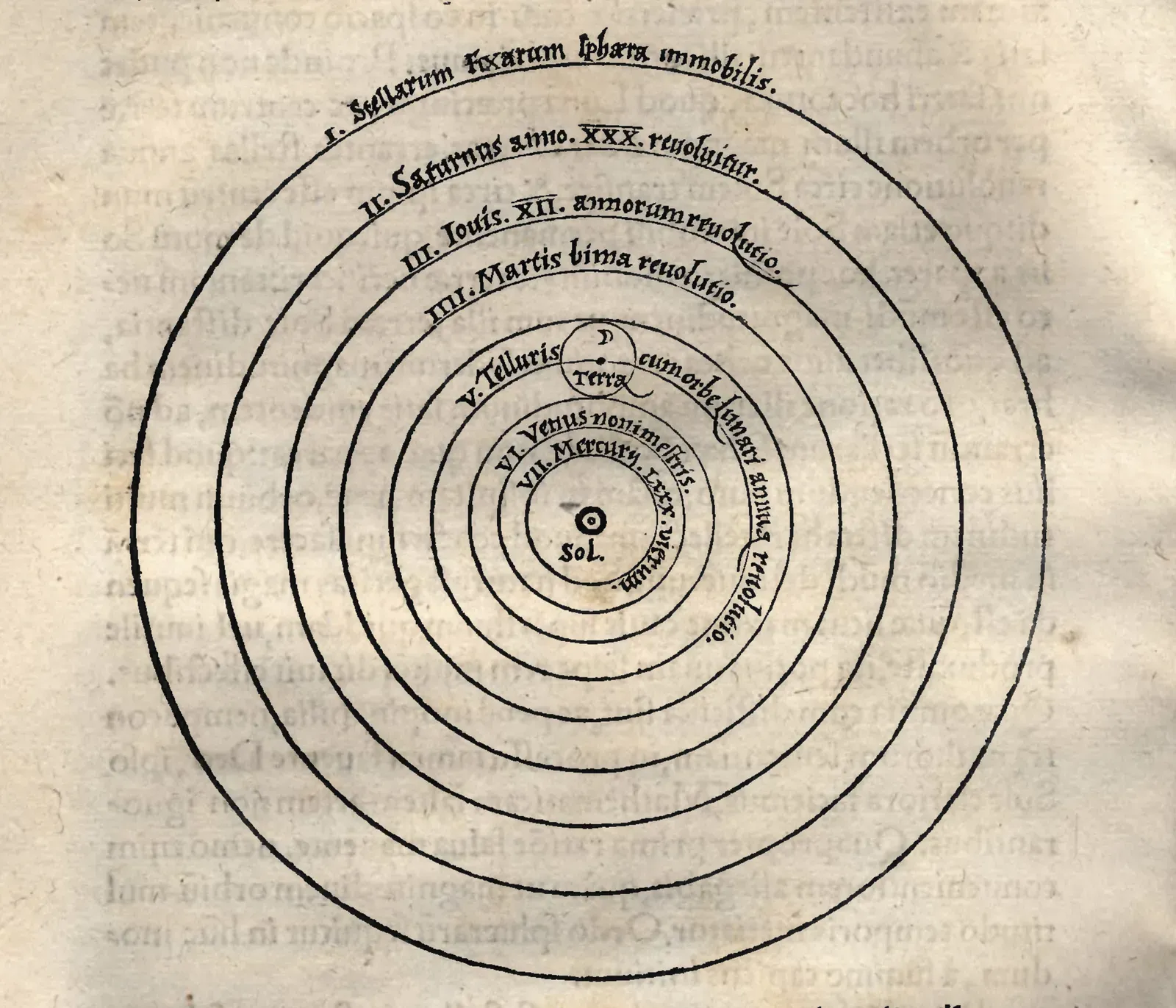
For centuries, everyone assumed Earth sat at the center of everything. The Sun, the stars, the planets – they all revolved around us. Then came Nicolaus Copernicus in the 16th century, who dared to suggest that the Earth revolves around the Sun. It sounds simple now, but back then? It was heresy.
The heliocentric model produced by scientific discoveries focuses heavily on material placement rather than spiritual significance. We weren’t the cosmic center anymore. This new perspective moved the earth and its humans from their central place in the cosmos to the periphery, and with that shift, purpose and meaning were somewhat lost.
The shift didn’t happen overnight. Scientists like Galileo faced persecution for supporting the idea. Eventually, though, evidence piled up. The heliocentric model wasn’t just about astronomy. It was about humility, about realizing our place in a vast universe that didn’t revolve around us.
Dark Matter and Dark Energy Revealed an Invisible Universe
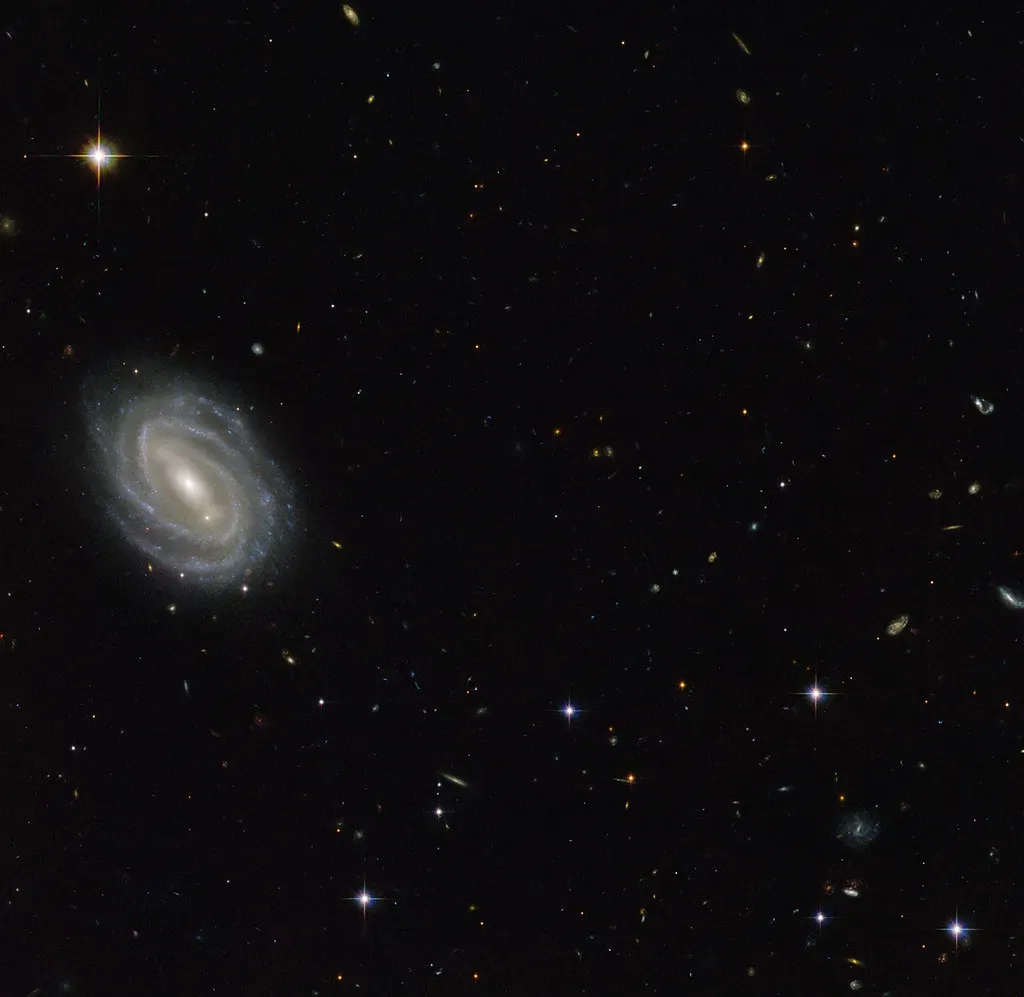
Here’s something wild. Everything we can see – stars, planets, galaxies, you, me – makes up less than five percent of the universe. This ordinary, or baryonic, matter makes up less than 5 percent of the mass of the universe; the rest appears to be made of dark matter (25 percent) and dark energy (70 percent). I know it sounds crazy, but that’s what the evidence tells us.
The current concept of dark matter materialized in the early 1930s when Swiss-born astronomer Fritz Zwicky published a paper describing an anomaly in the Coma Cluster, noticing that galaxies moved too quickly for the gravity created by observed ordinary matter. Dark energy came even later. In 1998, two independent groups announced they had measured cosmic expansion with higher precision and found that it was getting faster, implying some unknown force counteracts gravity.
We can’t see dark matter or dark energy. We can’t touch them. We infer their existence from their effects on visible matter and the expansion of the universe. It’s humbling, honestly. The vast majority of reality is invisible to us, operating by rules we’re still trying to understand.
The Big Bang Theory Gave the Universe a Beginning
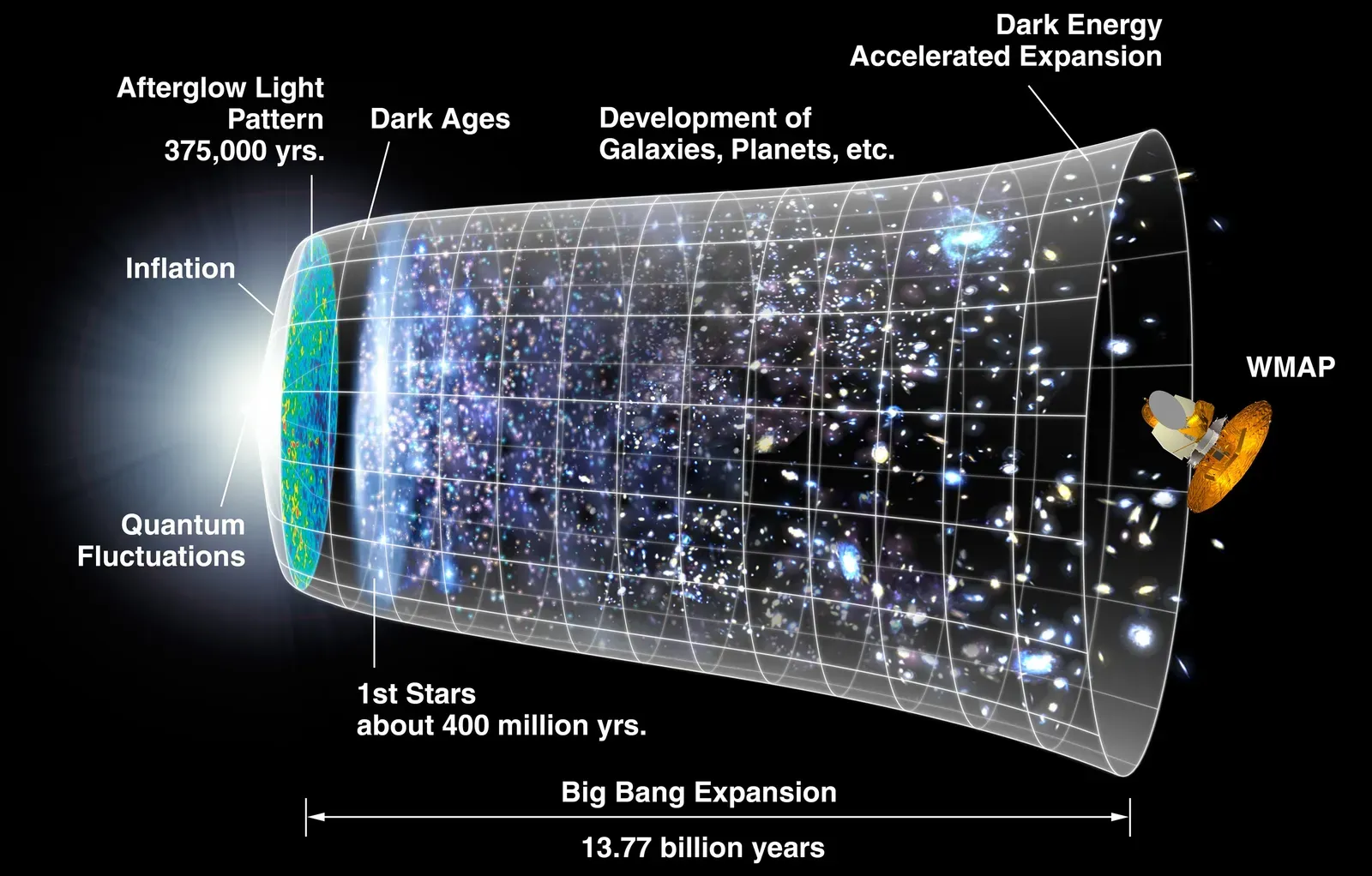
Once upon a time, many scientists believed the universe had always existed, static and eternal. Then evidence started pointing to something else entirely. In the 20th century, scientists like Georges Lemaître and Edwin Hubble showed that the universe began as a tiny, dense point and has been expanding ever since, changing how we view space and time itself.
The cosmic microwave background radiation, discovered accidentally in the 1960s, sealed the deal. It was the afterglow of creation, the leftover heat from the Big Bang still detectable today. Suddenly, the universe had a birthday – roughly 13.8 billion years ago.
Think about what that means. Everything – every atom in your body, every star in the sky – came from that initial explosion. Time itself started then. Before the Big Bang? That question might not even make sense. The discovery reshaped cosmology and gave us a story of origins grounded in physics, not mythology.
Germ Theory Connected Invisible Organisms to Disease
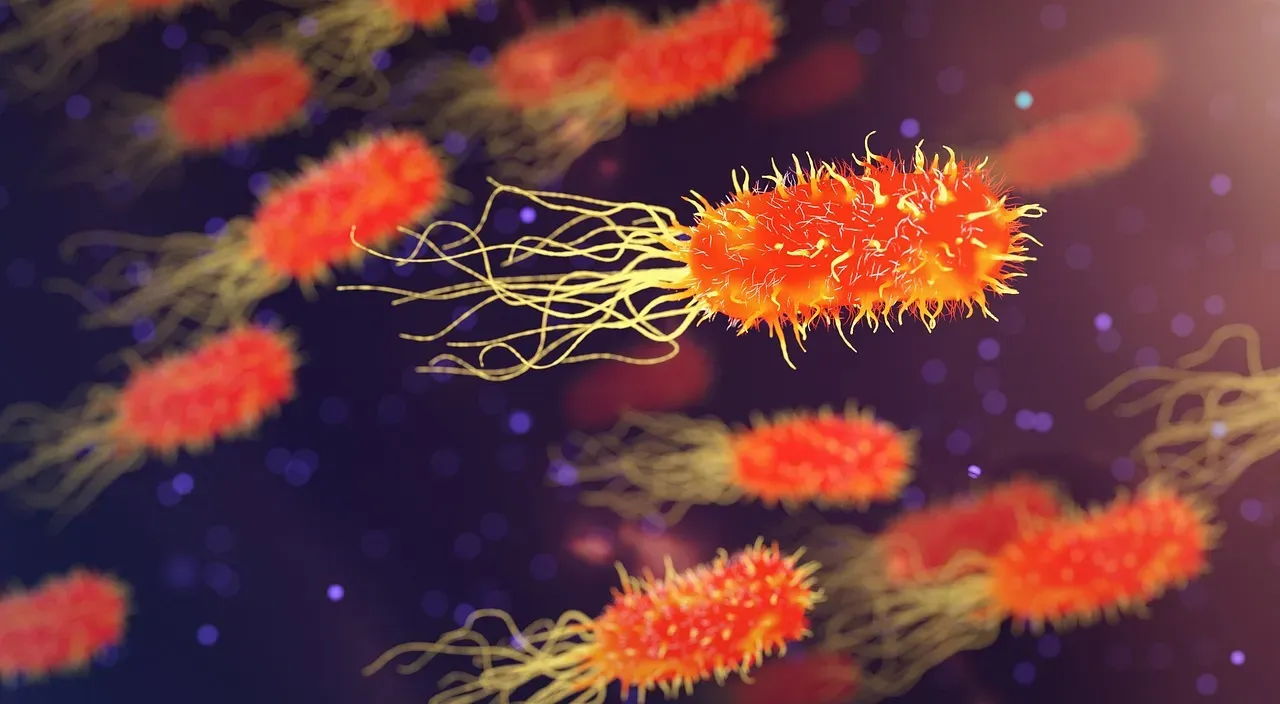
For most of human history, disease was a mystery. People blamed bad air, imbalanced humors, divine punishment – anything but the truth. Then scientists like Louis Pasteur and Robert Koch proved that tiny, invisible organisms caused illness. Germs. Bacteria. Viruses. They were everywhere, and they were the real culprits.
Germ theory revolutionized medicine. Suddenly, doctors understood the importance of sterilization, hygiene, and vaccines. Infections that once killed millions became preventable. It wasn’t magic or luck. It was science identifying a hidden enemy and finding ways to fight it.
The discovery didn’t just save lives. It changed how we see the world around us. That doorknob, that handshake, that sneeze – all potential vectors for microscopic invaders. Reality expanded to include an entire invisible ecosystem of organisms, some helpful, some deadly, all previously unknown.
Conclusion
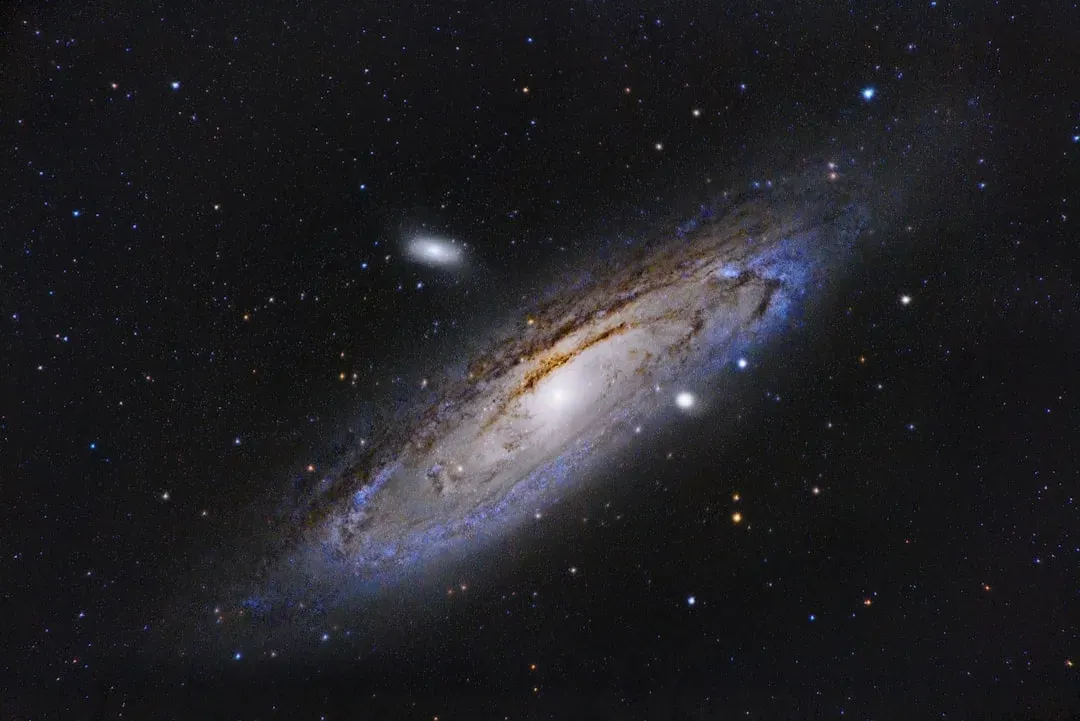
These seven discoveries didn’t just add footnotes to textbooks. They tore up the old scripts and wrote new ones. Quantum mechanics made reality probabilistic. DNA turned life into chemistry. Relativity bent space and time. The heliocentric model humbled humanity. Dark matter and dark energy revealed an invisible cosmos. The Big Bang gave time a starting point. Germ theory exposed a hidden microscopic world.
Each discovery forced us to rethink everything we thought we knew. Each one expanded our view of reality in ways that were initially uncomfortable, even shocking. Science doesn’t always give us comforting answers. Sometimes it tells us that reality is stranger, bigger, and more mysterious than we ever imagined. What do you think the next reality-shattering discovery will be? Tell us in the comments.