If you’ve ever stared into a dog’s eyes and felt like it understood you a little too well, you’re not alone. The idea that animals might have rich inner lives and secret conversations of their own is both thrilling and a bit unsettling. We already know the wild is full of signals, songs, scents, and body language, but what if, suddenly, we could understand every bit of it like a shared global language?
Imagine walking down the street and overhearing a flock of pigeons arguing about crumbs, a squirrel complaining about rent (in acorns), or a crow giving a running commentary on your outfit. It sounds hilarious at first, but underneath the comedy sits a serious question: how much would it change our lives, our morals, and even our laws if we could no longer pretend animals were just “dumb creatures”? Let’s step into that world for a moment and see what might really be hiding in the language of the wild.
The Shock of Finally Hearing What Animals Think
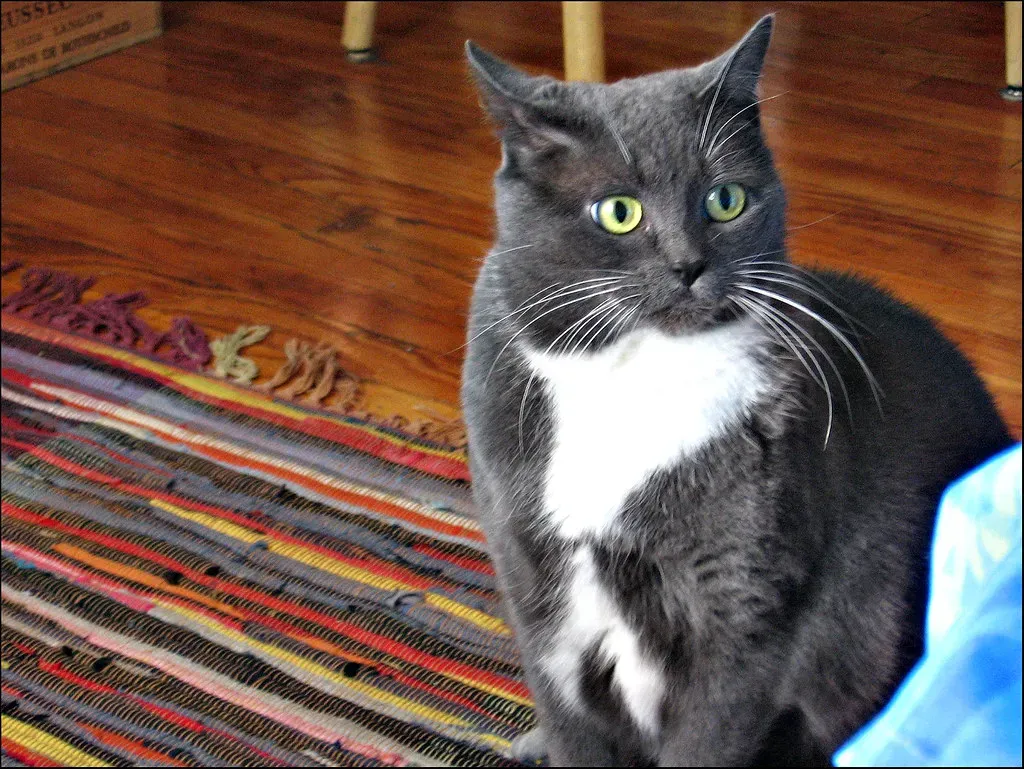
Picture waking up one morning and realizing every bird call, bark, and buzzing sound has turned into understandable speech. Your cat doesn’t just meow; it calmly tells you that the food bowl is half an inch too empty and that the neighbor’s dog is “annoying but kind of interesting.” That first week would be chaos, wonder, and probably a bit of emotional overload. The quiet background noise of the world would become a flood of opinions, fears, jokes, and complaints.
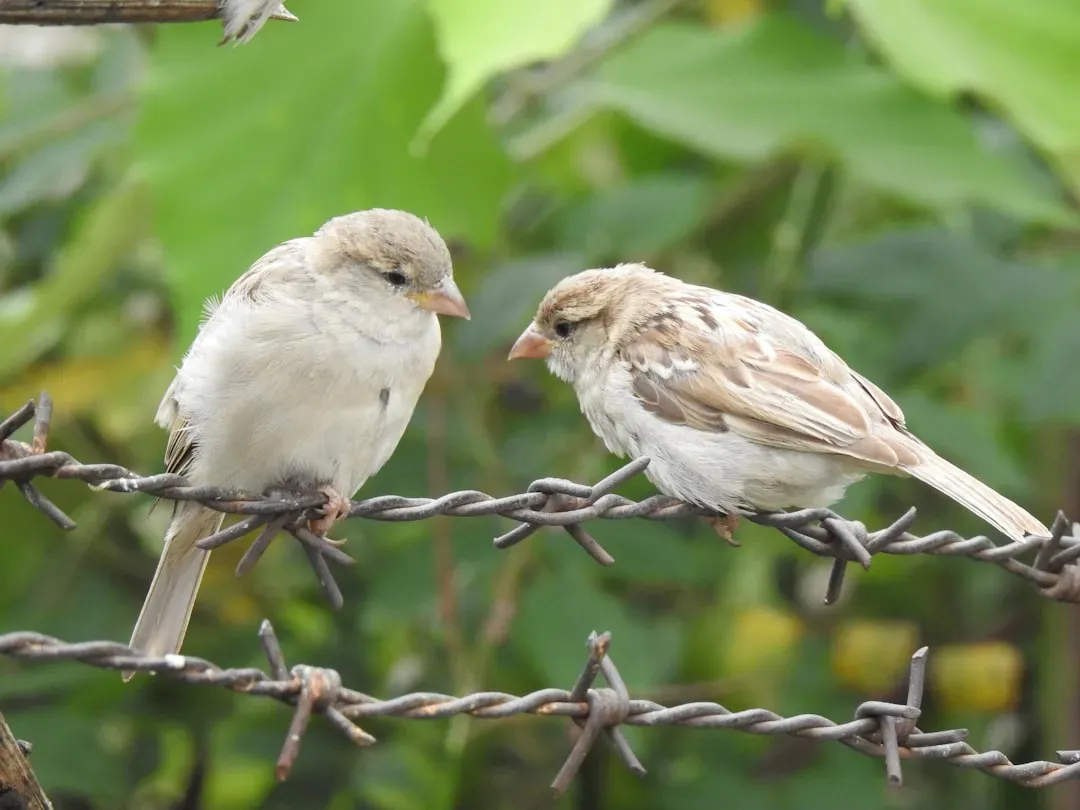
Emotionally, it would be like turning on subtitles for reality itself. You’d hear the nervous chatter of sparrows as they scan for hawks, the bored grumbling of zoo animals, and the quiet, steady coordination of ants organizing their tunnels. Some people would feel deep joy, finally getting to communicate with the animals they love. Others might feel guilt, realizing just how much animals notice, remember, and care. Once you understand what they say, it’s a lot harder to shrug off their suffering or dismiss their needs as irrelevant.
How Your Pets Might Really Talk Back
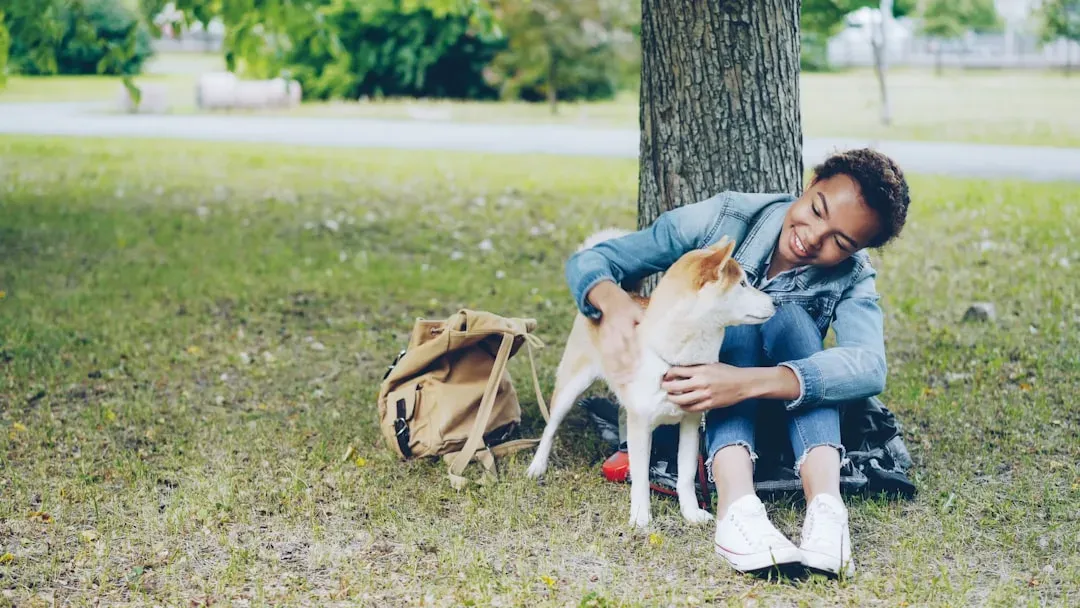
Most of us already treat our pets like family, but we often fill in their voices in our heads. If animals could talk in a clear, shared language, you wouldn’t need to guess. Dogs would probably be the enthusiastic oversharers of the household, narrating everything: who walked by the window, how happy they are you’re home, and how truly offended they are about bath time. Cats, on the other hand, might be more like blunt roommates: affectionate in their own way, but brutally honest when they’re annoyed.
What might surprise people is that pets could have long memories and complex emotional stories. A rescue dog could tell you exactly what scared it before you adopted it. A parrot might explain which sounds stress it out and which people it trusts the most. Even small animals like hamsters or fish could describe their preferences: tank too crowded, lights too bright, boredom too constant. That kind of feedback would probably transform how we design pet products, homes, and even our daily routines around them.
Wild Conversations: Forests, Oceans, and City Streets
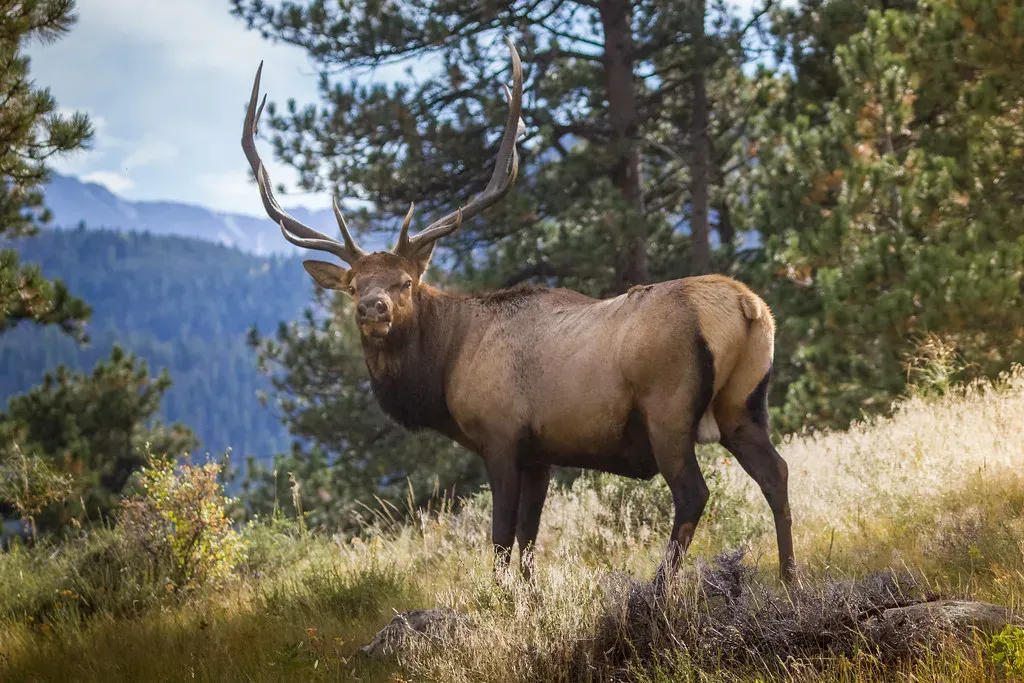
Beyond our homes, the wild itself would suddenly feel like a crowded café. In forests, monkeys might shout warnings or gossip about rival troops. Elephants, already known to communicate over long distances using low rumbles, might share detailed plans, memories of old migration routes, or grief for lost family members. Whales in the ocean could finally tell us what their haunting songs have been saying all along: where they travel, what they fear, and how ship noise and pollution disrupt their lives.
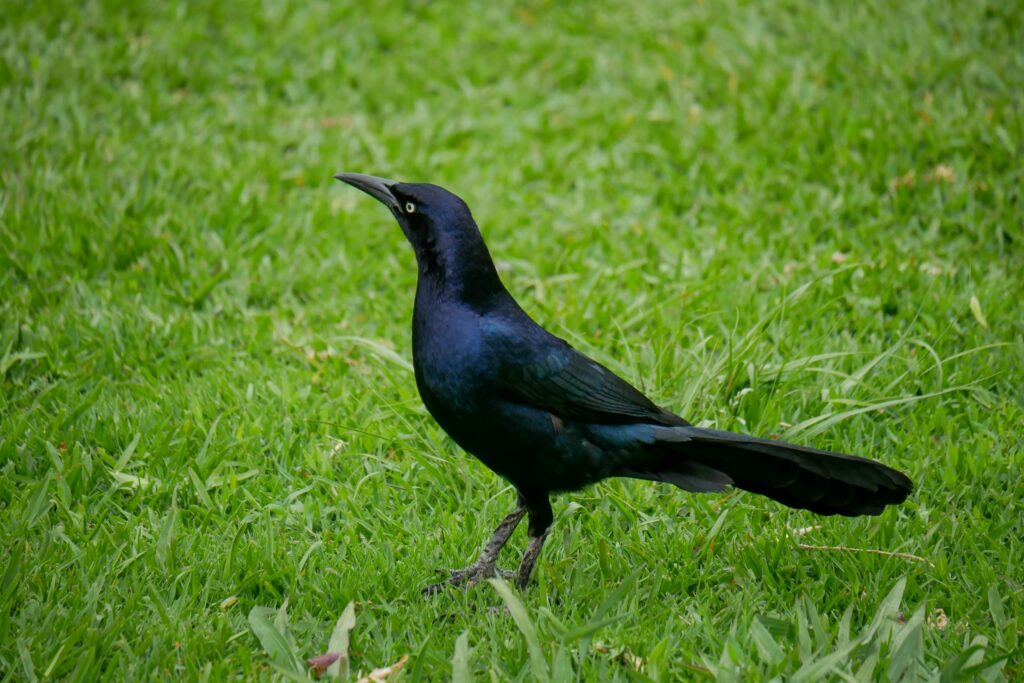
Even urban wildlife would gain new roles in our lives. Pigeons might be the street reporters, knowing every shortcut and source of food. Rats could describe the hidden state of a city’s infrastructure, from sewers to subway tunnels. Crows, which are already incredibly smart, might become the philosophers or mischief-makers of the skies, commenting on human behavior and trading information for shiny objects or food. Cities would feel less like separate human spaces and more like multi-species communities with overlapping conversations.
Ethics on Edge: Could We Still Eat Animals?
Once animals could speak clearly, our moral landscape would tilt overnight. Eating meat would stop being a mostly silent transaction and become a direct negotiation. A cow might tell you it doesn’t want to die. A chicken could explain how cramped or painful its living conditions are. Even if some animals accepted death as part of a bargain for care and protection, others might outright refuse, and their voices would be impossible to ignore. The usual excuses about them not understanding or not feeling would fall apart.
This doesn’t automatically mean the whole world would turn vegetarian, but it would force a massive, uncomfortable conversation. Some people would probably double down and insist that talking animals were still “less than” humans. Others would push hard for new legal protections, rights, and standards for treatment. You might see contracts between humans and livestock, where animals agree to certain arrangements in exchange for better lives. Farming, hunting, fishing, and even pest control would have to be reconsidered, not just economically, but morally and emotionally.
Law, Rights, and the Politics of a Talking Planet
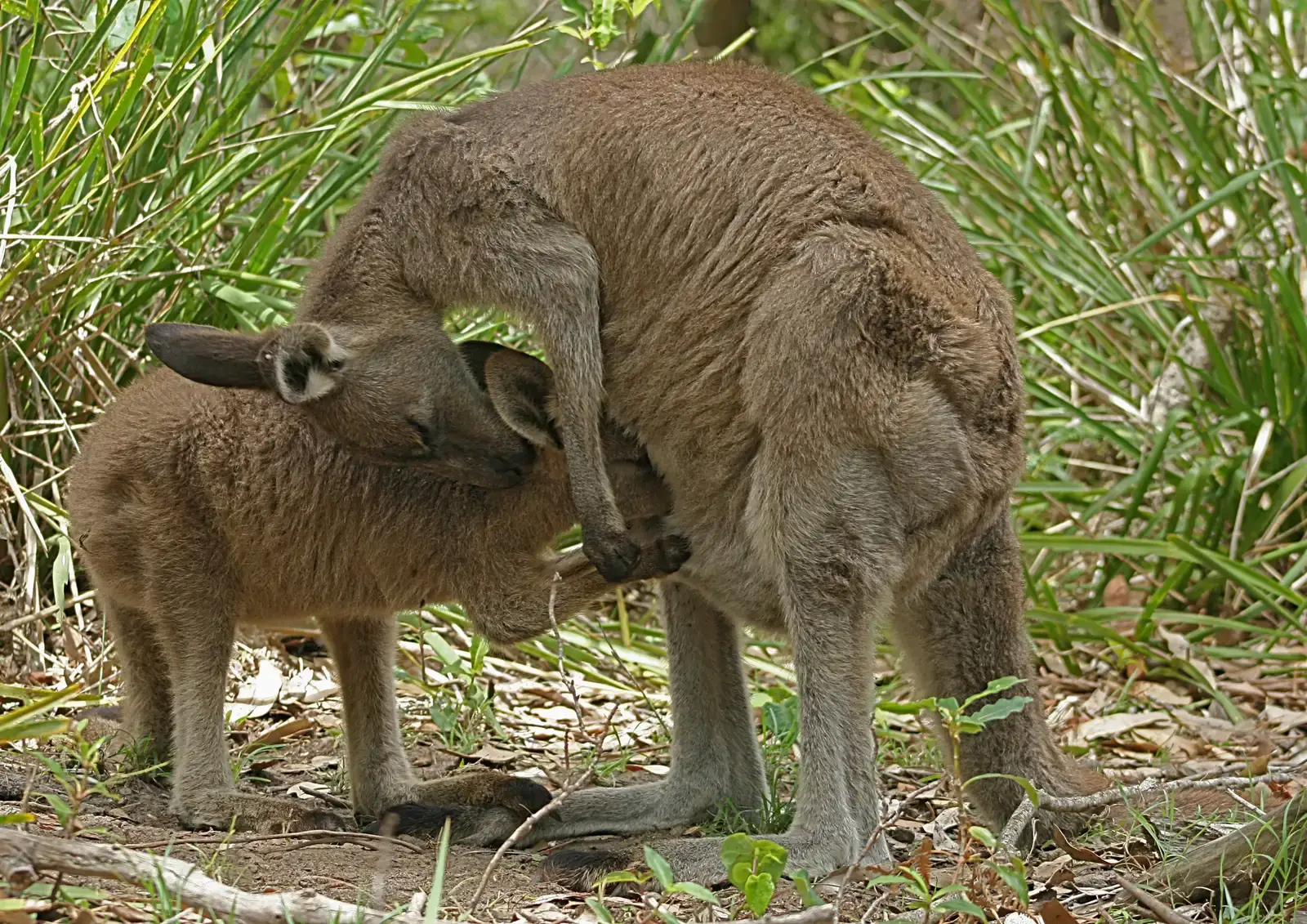
If animals could talk, lawyers and politicians would be forced to catch up fast. It would suddenly feel bizarre that beings who can complain about suffering, ask for safety, and show clear preferences have no say in the systems that govern their lives. Courts might start hearing testimony from abused pets or captive animals. Environmental debates would no longer be just scientists and activists arguing on behalf of wildlife; the wildlife itself could show up, literally speaking for its own interests.
Governments might have to invent new legal categories, somewhere between human citizen and property. Maybe certain highly social and intelligent species, like great apes, dolphins, elephants, or some birds, would get special protections or limited legal personhood. Cities might create animal councils or advisory boards, where representatives of different species voice their concerns about noise, pollution, or habitat. It would be messy, political, and controversial, but it would also be the first time in history that other species could directly shape human laws.
What Animals Might Say About Us
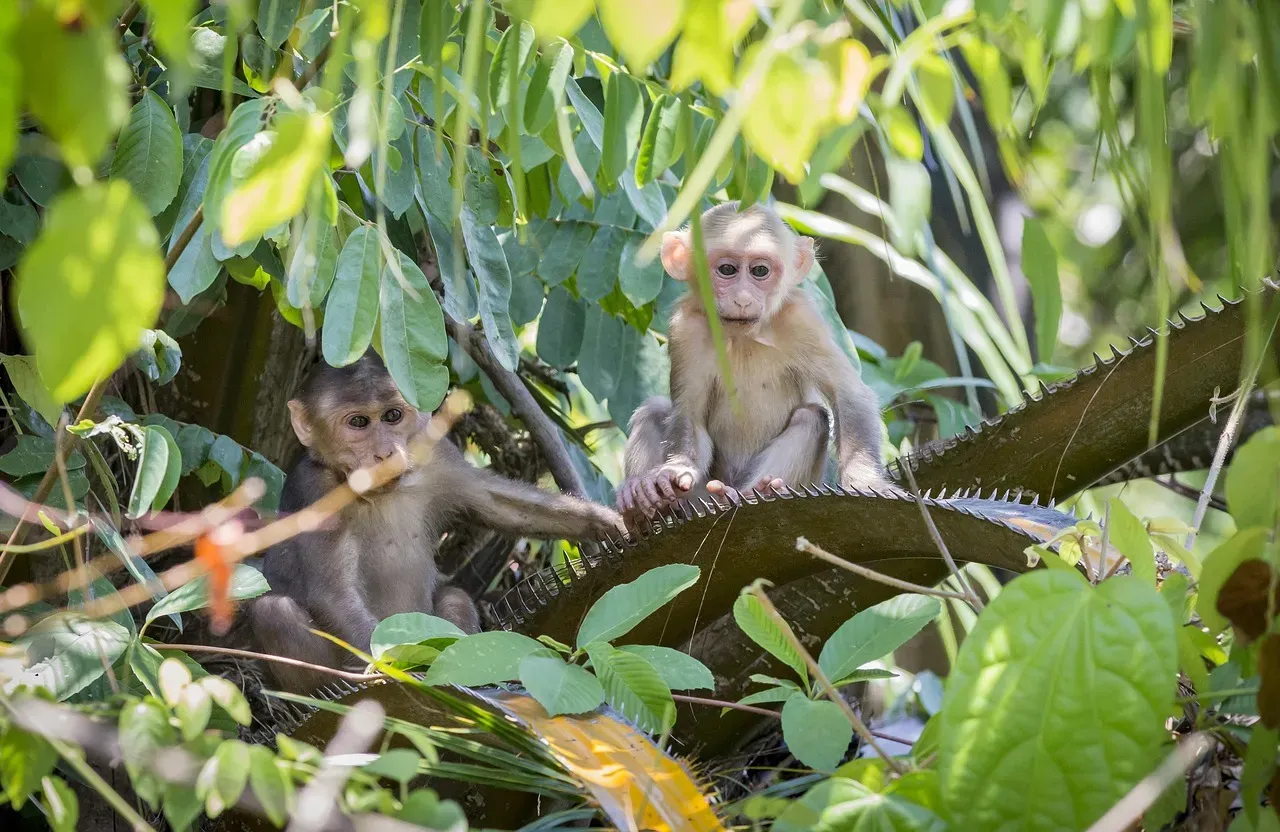
One of the most uncomfortable parts of this new world would be hearing animals’ opinions about humans. Your dog might adore you but quietly resent how long you’re gone every day. A lab mouse might describe the stress and confusion of experiments. A wild bear could talk about losing its traditional feeding grounds to roads and resorts, or the shock of seeing forests it knew as a cub turned into parking lots. We’d have to face the fact that animals are not just passive background characters but active witnesses to our impact.
We might also hear surprising kindness or forgiveness. Some animals might appreciate the food we leave out, the shelters we build, or the rescue organizations that fight for them. Others could be fascinated by us, the way we’re fascinated by them, puzzled by our technology or our habit of staring at glowing screens. Their feedback would act like a mirror held up to humanity, reflecting our habits, arrogance, creativity, and cruelty in a new light. It could be humbling, embarrassing, and oddly inspiring all at once.
Would We Still Feel Human Without the Silence?
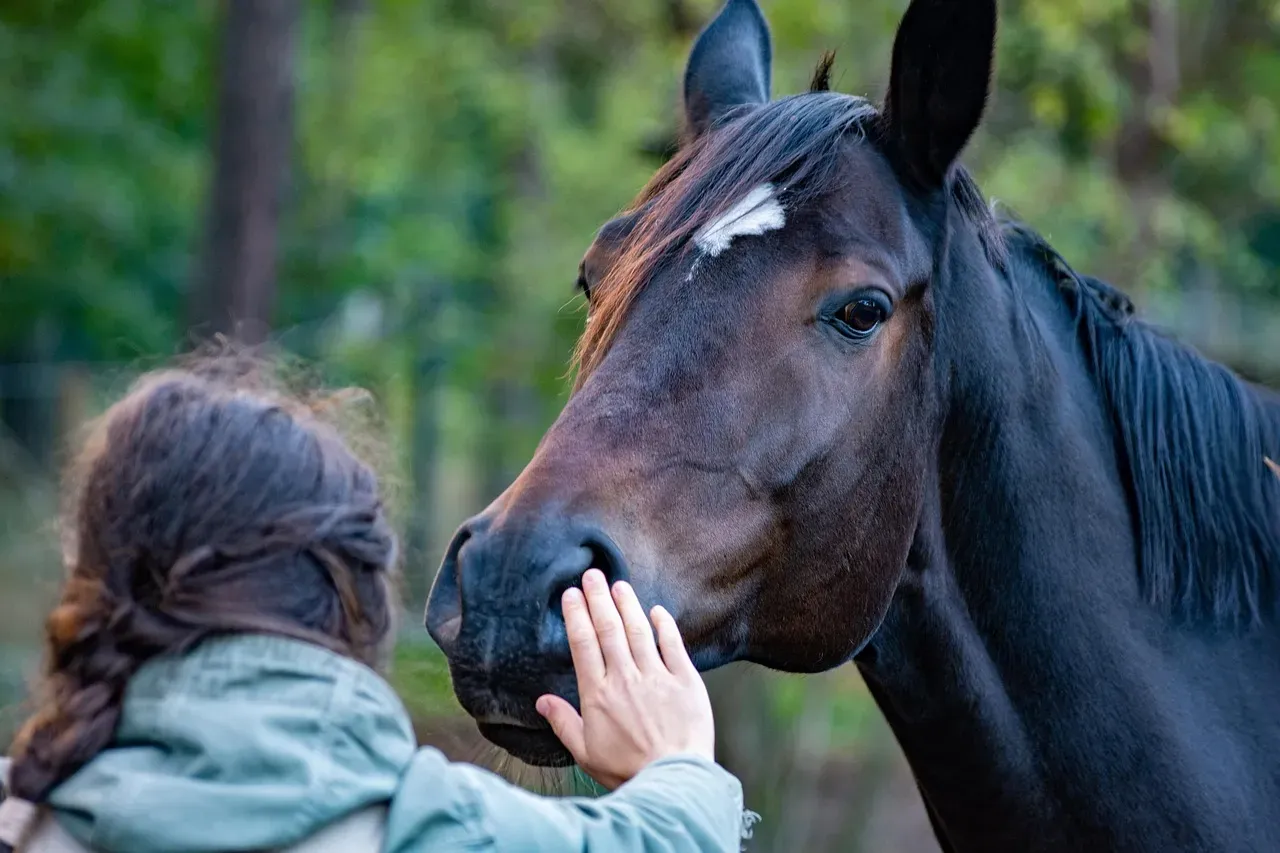
Underneath all the practical changes sits a quieter, deeper question: who are we, if we’re no longer the only talking species? A lot of human identity has been built on the belief that language is what separates us from the rest of life. If that barrier falls, we’d have to redefine what makes us special, or admit we’re just one clever branch on a very big, very chatty tree. Some people might feel threatened by that. Others might feel a strange sense of relief, as if we were never meant to be this alone at the top.
On a personal level, life could become richer and more complicated. Children might grow up forming friendships not just with other kids and pets, but with neighborhood crows or park squirrels. Therapists might even work with animals that can explain their trauma or needs in their own words. The world would feel less like a stage built just for humans and more like a shared home where every species has a voice. And once you’ve heard those voices, could you ever go back to pretending the wild is quiet?
Listening to the Wild, Even in Silence
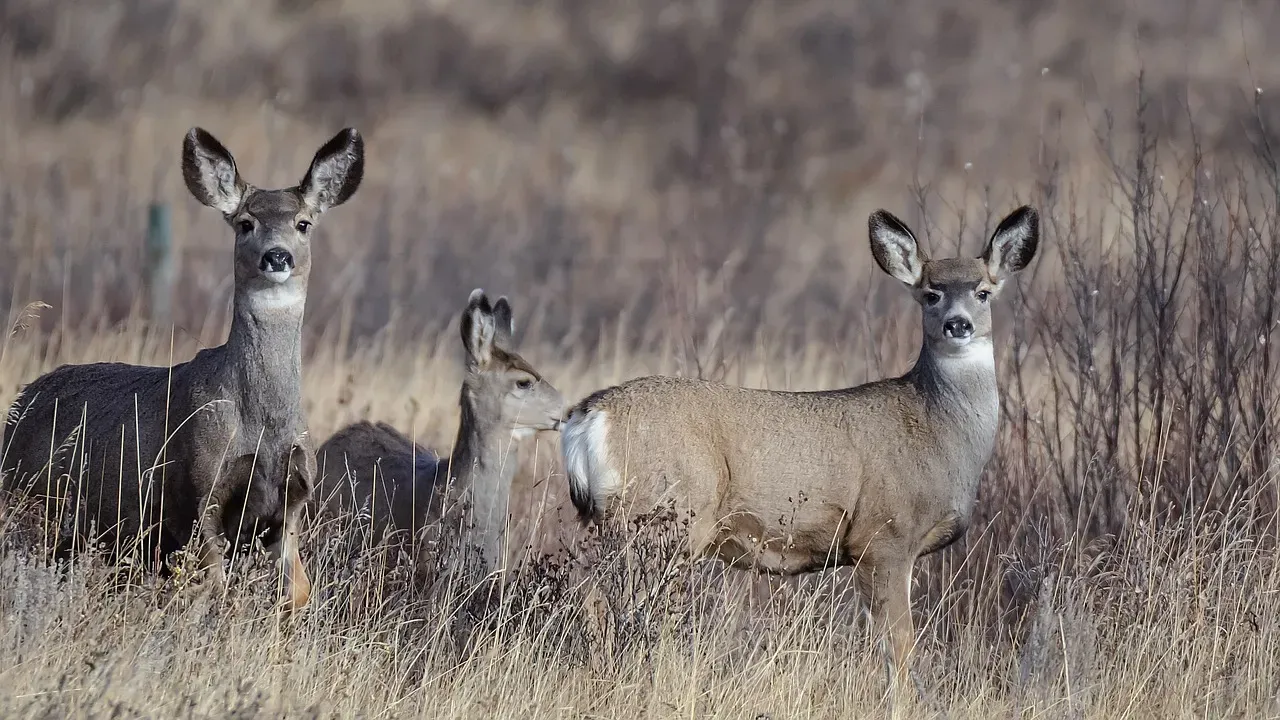
If animals could talk, our planet would become louder, messier, and infinitely more honest. We’d face hard questions about food, rights, and responsibility, but we’d also gain new friendships, perspectives, and stories that stretch far beyond our own species. would no longer be hidden; it would rise up around us every day, inviting us into a conversation we’ve been ignoring for centuries.
Even though animals don’t speak our language yet, their signals are already there for anyone willing to pay attention: the stressed pacing of a captive animal, the joyful wag of a rescued dog, the silence where a forest used to be. Maybe the real challenge isn’t waiting for animals to talk like us, but learning to listen better to how they already speak. If you could understand just one animal in your life right now, whose voice would you choose to hear first?