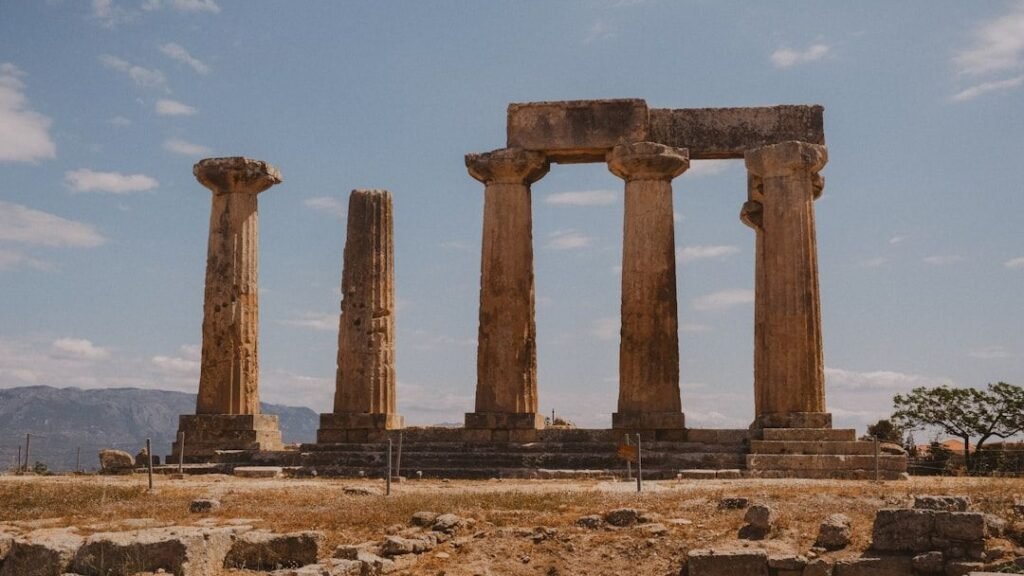

Stand in front of a pyramid, a Roman aqueduct, or a Mayan temple, and it almost feels like the world is playing a trick on you. How did people, without steel cranes or computer models, create structures so massive and precise that many of them are still standing thousands of years later? It’s tempting to reach for supernatural explanations, but the real story is far more surprising, and honestly, much more impressive.
What makes these ancient feats so gripping is that they were built by people whose lives were, in many ways, brutally hard. Yet out of that struggle came engineering so clever that modern architects still study it today. They didn’t have magic; they had math, muscle, organization, and a level of patience most of us can hardly imagine. Once you see how they combined those things, the impossible suddenly starts to look…very human.
The Power of Many Hands: Labor, Organization, and Social Systems
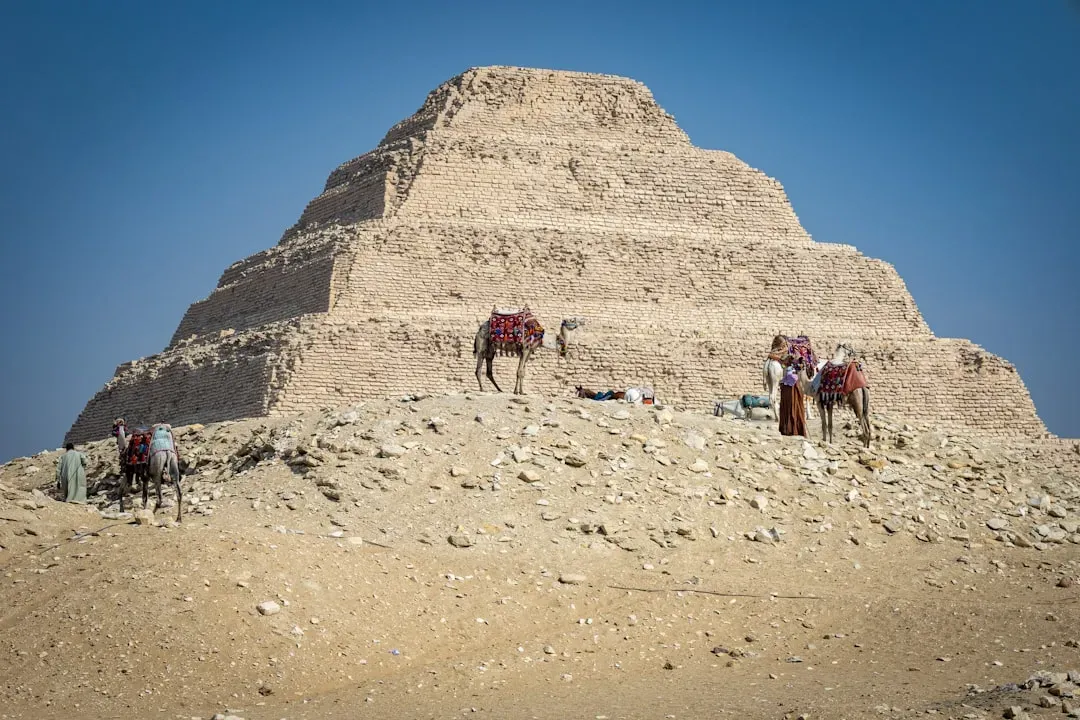
One of the most shocking truths about ancient megastructures is that their greatest resource wasn’t stone or metal – it was people. The builders of the Egyptian pyramids, for example, were not vast armies of enslaved workers in chains, as the popular myth goes, but largely organized teams of paid laborers, farmers, and specialists who worked in shifts when the Nile flooded their fields. It was a whole society deciding, consciously or not, that these monuments were worth the tremendous effort.
To pull this off, civilizations created surprisingly advanced management systems. Workforces were divided into teams with names and identities, like early construction crews or guilds, each responsible for specific tasks: quarrying, transporting, carving, or placing stones. Rations, housing, tools, and schedules had to be planned with almost obsessive detail. Imagine coordinating tens of thousands of people over years without email, spreadsheets, or even paper as we know it – that organizational genius is part of why those structures still stand.
Stone, Wood, and Earth: Mastering Materials Without Modern Machines
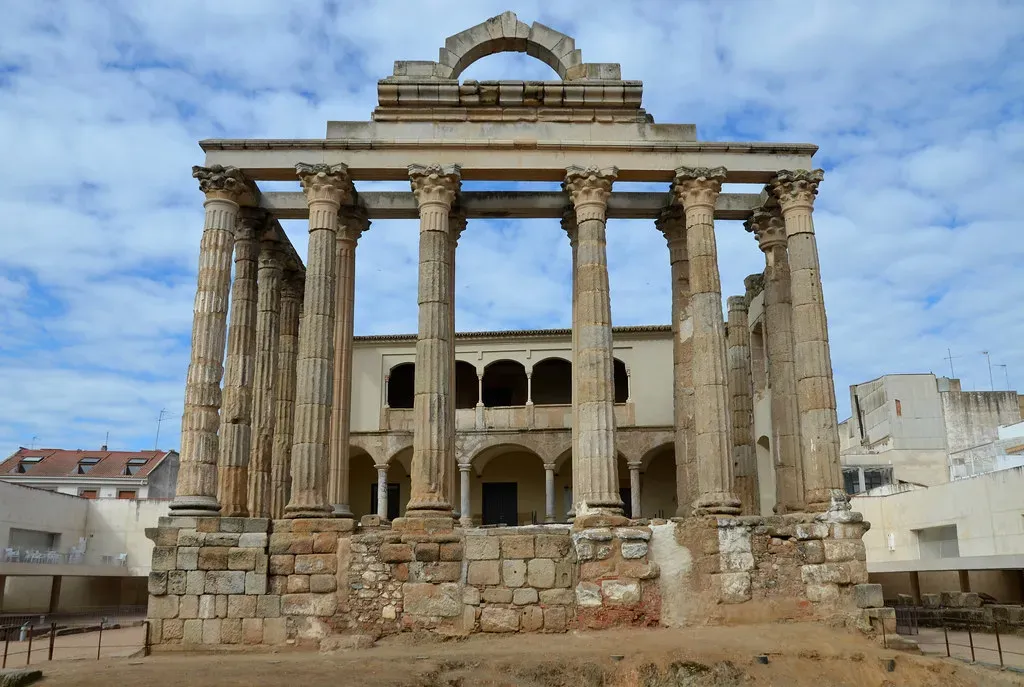
Another key to these incredible buildings is that ancient engineers knew their materials intimately, often much better than we do. They learned, over generations, which stone could withstand weight, which type of wood resisted rot, and how earth could be compressed into stable platforms. The builders of Stonehenge transported massive stones using sleds, rollers, and perhaps greased tracks, exploiting friction and leverage instead of brute force alone. It sounds simple until you remember each stone can weigh as much as a loaded truck.
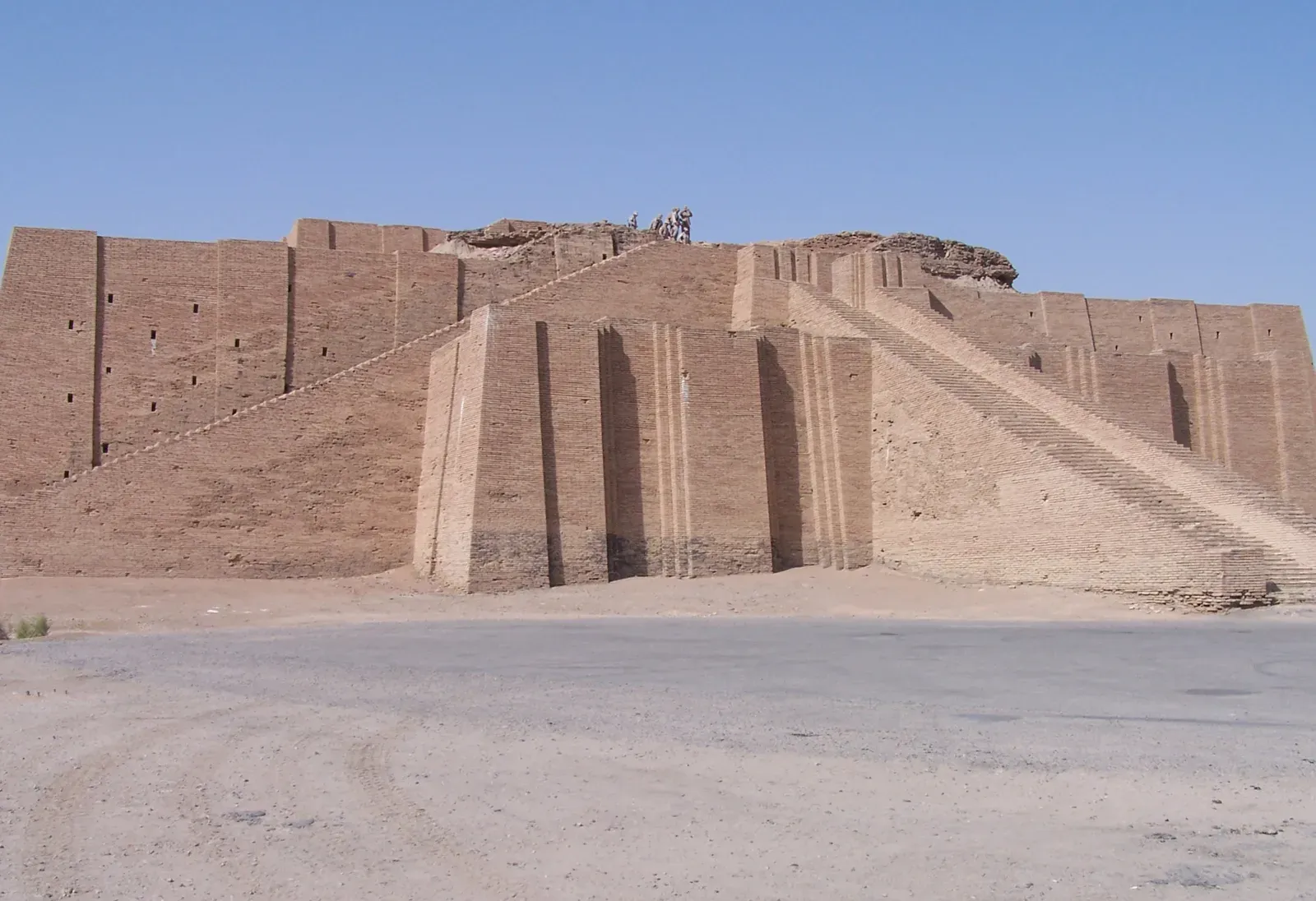
What looks like magic is usually brilliant problem-solving using whatever the environment gave them. The Incas shaped stones so precisely that they fit together without mortar, creating walls that have survived powerful earthquakes that toppled later colonial buildings. In Mesopotamia, where good stone was scarce, builders used sun-dried and baked bricks made from river mud and straw, then developed intricate ways to protect them from rain and erosion. Every region turned its limitations into a strategy, and those strategies became architecture.
Simple Tools, Smart Techniques: Levers, Ramps, and Ingenious Mechanics
Ancient builders didn’t have powered cranes, but they did understand physics in a very practical way. They relied on simple machines – levers, ramps, pulleys, and counterweights – to move blocks that no single human could ever lift. Think of a lever: a basic wooden beam on a pivot, yet it allows a small force to move something enormous. People today still use the same principle when they pry up a heavy rock with a crowbar.
For the pyramids, scholars suggest combinations of straight ramps, zigzagging ramps, or spiraling internal ramps, lubricated with water or oils to reduce friction. In Greece and Rome, builders used cranes powered by human or animal treadwheels, where workers walked inside giant wooden wheels to lift stones. These devices weren’t flashy, but they were incredibly effective. The secret wasn’t mysterious technology; it was taking simple ideas and pushing them to their absolute limit with patience and coordination.
Math in Stone: Geometry, Alignment, and Astonishing Precision
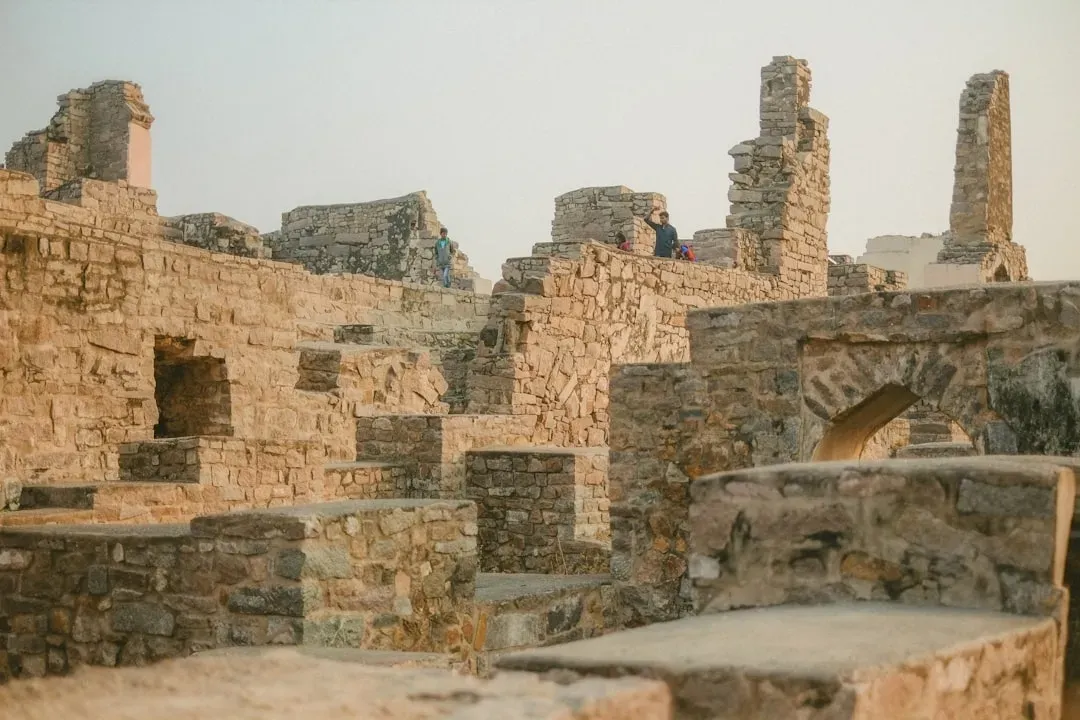
When you look at the near-perfect alignments in structures like the Great Pyramid of Giza or the Parthenon, it’s easy to forget that they were built long before calculators. Yet ancient architects used geometry with a level of confidence that still impresses mathematicians. They measured using ropes knotted at regular intervals, water levels to create flat reference lines, and sighting tools to create straight axes over long distances. The result was buildings that line up astonishingly well with cardinal directions or celestial events.
Many cultures also relied on proportions and ratios that we now recognize in mathematical terms. Classical Greek architects used carefully chosen ratios to make temples feel harmonious and balanced, even when the stones had to be adjusted slightly to look straight to the human eye. The so-called “imperfections” in columns or steps are actually deliberate corrections for how our vision works. They weren’t just stacking rocks; they were turning abstract numbers into physical experiences that felt right when you walked among them.
Watching the Sky: Astronomy and the Sacred Landscape

A surprising number of ancient structures are not only feats of engineering but also instruments for watching the sky. At sites like Newgrange in Ireland or certain Mayan temples, sunlight on specific days – such as solstices or equinoxes – illuminates inner chambers or lines up with particular features. That’s not an accident; it comes from long-term observation of the sun, moon, and stars, recorded and refined over generations. It’s a blend of science, religion, and art embedded in stone and earth.
Aligning a building with the cosmos was a way to connect human life to something larger, giving these structures deep symbolic meaning. The layout of cities, pyramids, and temples often reflected constellations, directions, or mythological concepts. This cosmic orientation required careful surveying and repeat measurements, especially when no digital instruments existed. When you see how precisely some of these alignments still work today, it becomes clear that ancient skywatchers were far more systematic and disciplined than the word “primitive” suggests.
Trial, Error, and Generational Knowledge
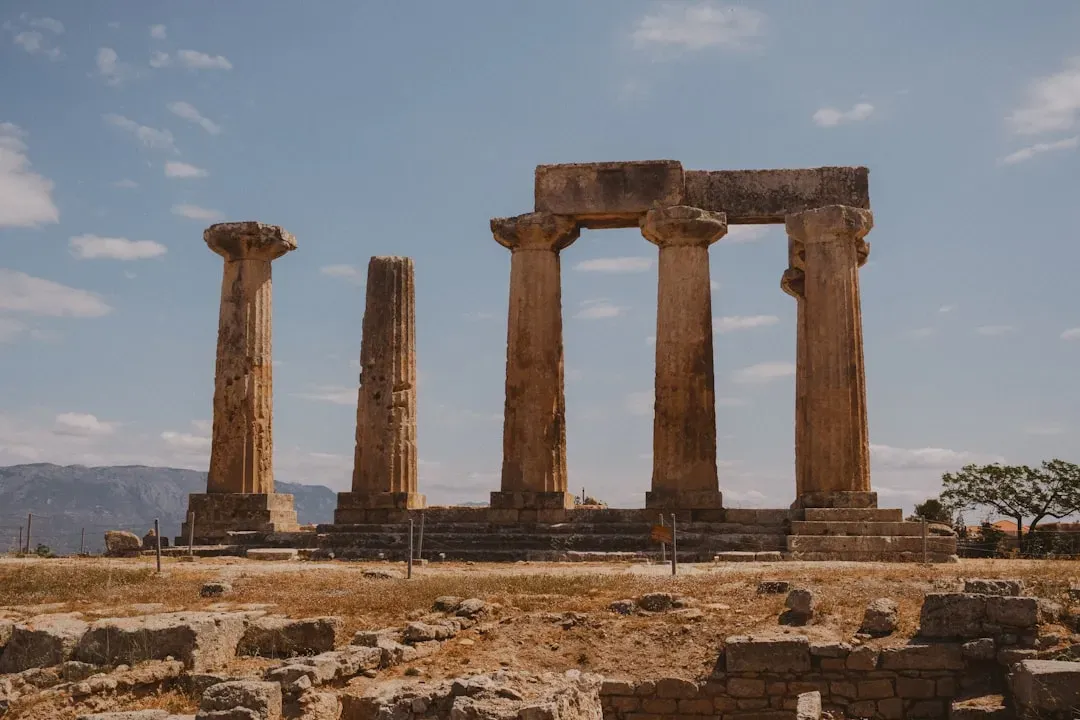
We sometimes talk about ancient structures as if they appeared out of nowhere, but they were usually the peak of a long process of trial and error. Before the great monuments, there were smaller shrines, earlier pyramids, half-collapsed towers, and modest walls – many of which did not survive or were rebuilt. Each failure and partial success taught builders what worked, what cracked, what sank, and what withstood storms and earthquakes. That hard-earned knowledge lived in the minds and hands of masons, carpenters, and planners who trained apprentices over a lifetime.
I still remember the first time I walked through the ruins of a much less famous ancient site and realized most of history is made of these “almosts” and “not-quites.” The magnificent wonders we know today are just the visible tip of an enormous mountain of experiments. Over time, techniques got refined: better foundations, smarter weight distribution, improved drainage, more stable arches. Think of it as an enormous, centuries-long research and development project, with knowledge passed down not in textbooks but in stories, habits, and muscle memory.
Belief, Power, and the Will to Build Big
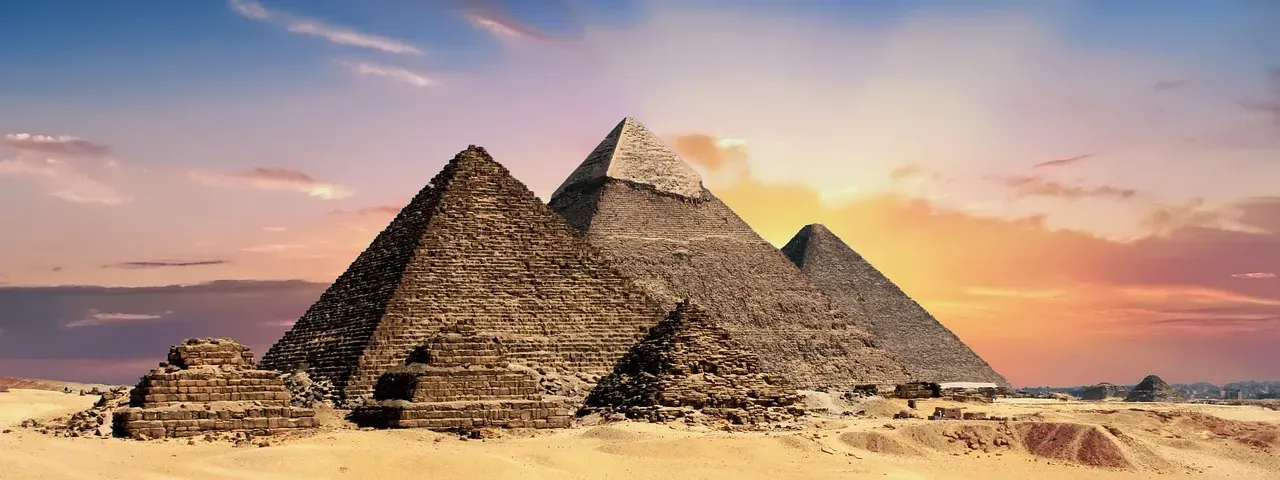
Even with all the tools, math, and materials in the world, none of these structures would exist without one more ingredient: motivation. People do not move mountains of stone for a casual reason. Religion, politics, and identity were powerful engines that drove entire populations to build huge temples, tombs, and cities. Leaders needed to display power, cultures wanted to honor their gods, and communities wanted to leave a legacy that said, in stone, “We were here, and we mattered.”
That combination of belief and ambition created a willingness to tackle projects that might last generations, sometimes outliving the rulers who started them. In a way, these buildings are physical expressions of collective psychology: fear of death, hope for the afterlife, pride in a kingdom, or devotion to a deity. When you stand beneath a soaring vaulted ceiling or on the steps of a monumental staircase, you’re not just seeing clever engineering. You’re standing inside the determination of people who were willing to pour years of their lives into something they would never fully see completed.
Human Hands, Human Minds, Lasting Wonders
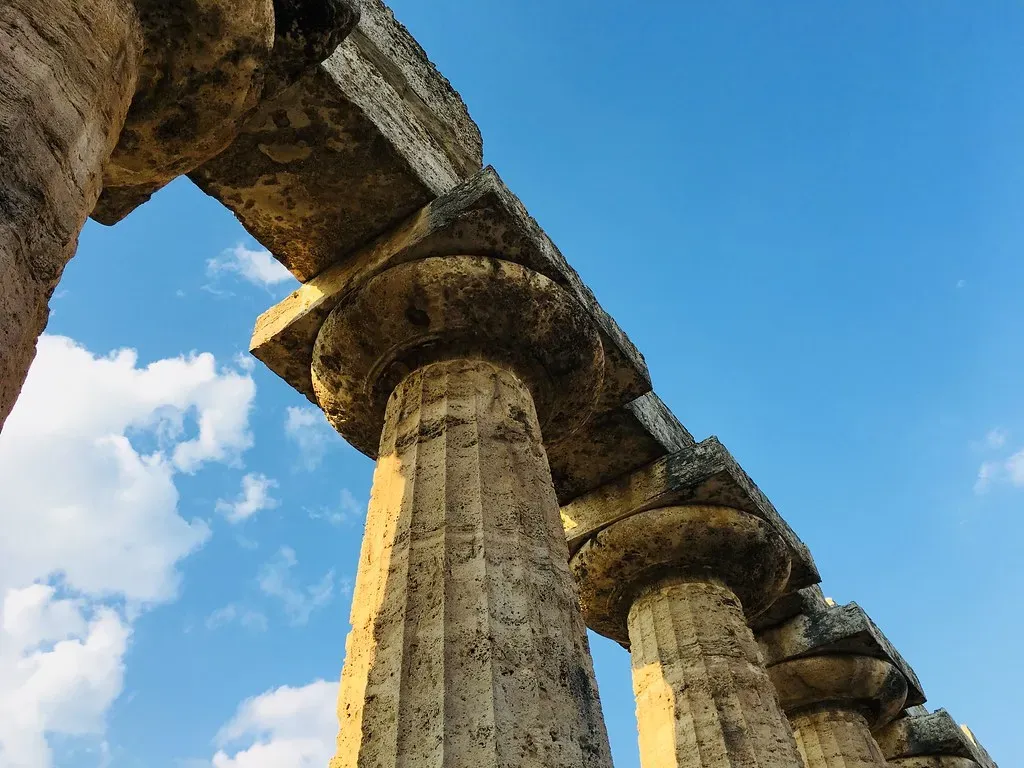
When you add it all up – organized labor, deep material knowledge, smart use of simple machines, precise geometry, careful skywatching, generational learning, and fierce motivation – the mystery of ancient structures starts to feel less like magic and more like a testament to what humans can do together. These civilizations did not have secret alien help or lost super-technologies; they had patience, cooperation, and an ability to think long-term that puts many modern projects to shame. The real miracle is not that they built so big, but that they cared enough to keep improving until the impossible slowly became normal.
Those temples, pyramids, and cities are not just relics; they’re messages from the past about what is possible when people share a purpose and stick with it over lifetimes. They remind us that intelligence is not new, that dedication is a kind of technology, and that the drive to build something that outlasts us is deeply human. The next time you see one of those ancient stones, maybe the most honest question isn’t how they did it, but whether we’d be willing to work that hard for something we’ll never fully see finished – would you?