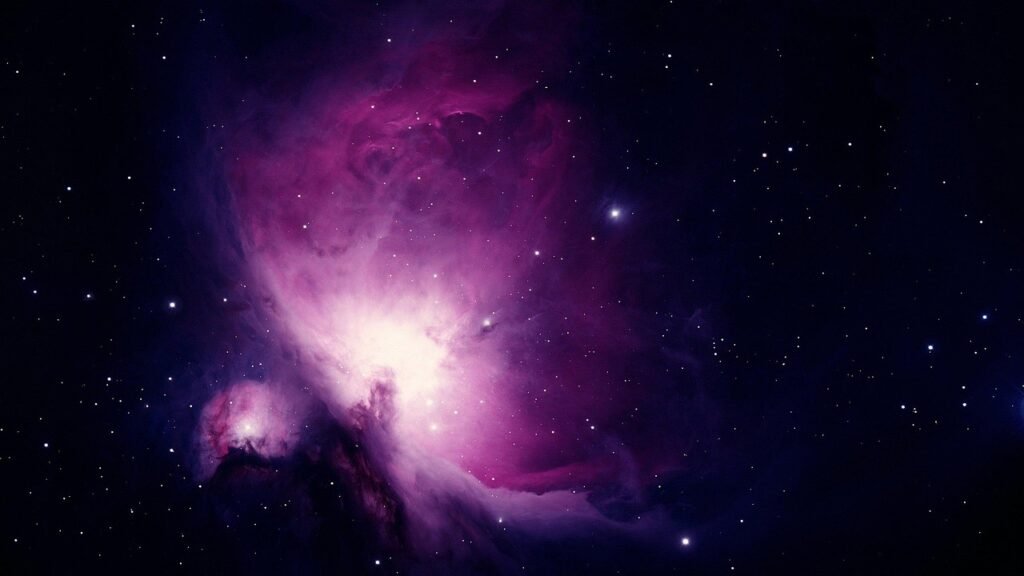
Every time we think we finally understand the universe, it slips out of our grasp like sand through our fingers. We build bigger telescopes, smarter experiments, and more powerful equations, only to discover that reality is stranger, darker, and more mind-bending than we imagined. It’s both unsettling and thrilling: the more we learn, the more we realize how little we actually know.
Some of the biggest questions in science right now don’t have neat answers, and maybe they never will. Still, that’s exactly what makes them so fascinating. From invisible matter and mysterious energy to multiverses and simulated realities, these ideas sit right at the edge of what our brains can comfortably handle. Let’s walk up to that edge and look over together.
The Dark Matter Mystery: The Invisible Skeleton of the Cosmos
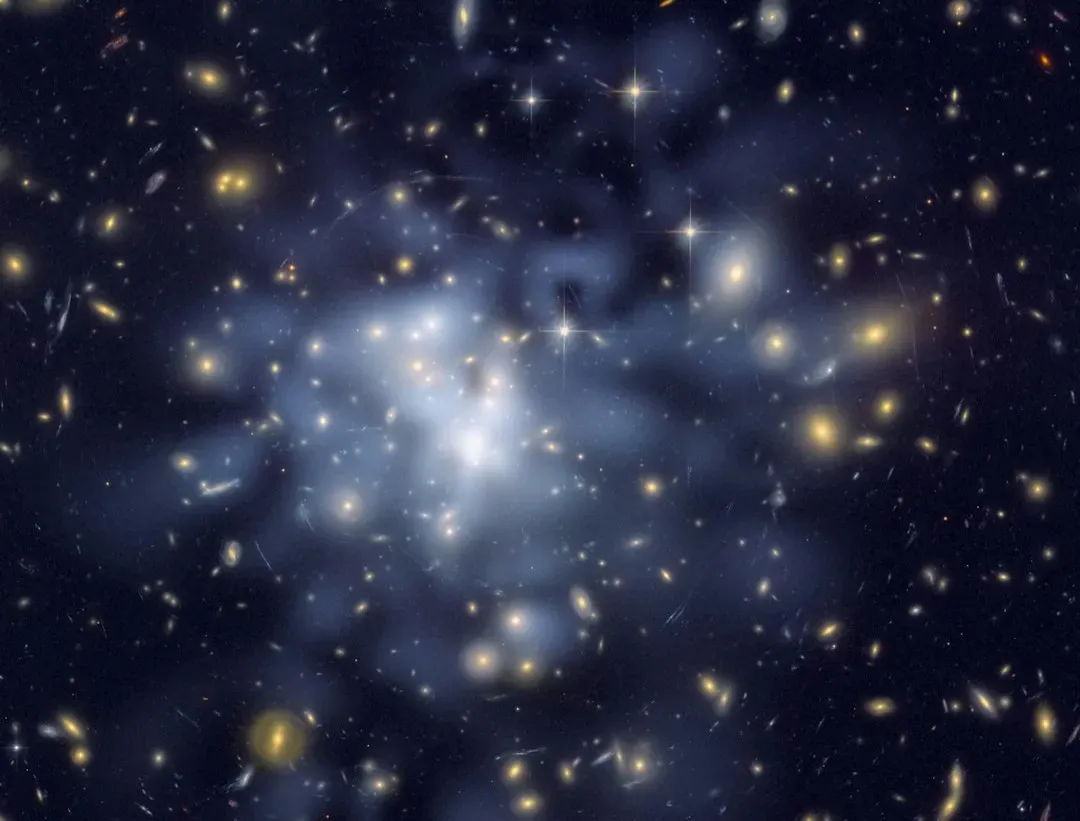
Imagine looking at a spinning merry-go-round and realizing it should fling the kids off, but somehow it doesn’t. That’s basically what astronomers saw when they studied how galaxies rotate. The visible stars simply don’t have enough mass to hold everything together, yet galaxies don’t fly apart. So scientists proposed something invisible and massive must be there: dark matter.
Dark matter doesn’t shine, absorb, or reflect light in any way we can detect, which is why we call it “dark.” Still, its gravitational pull shapes galaxies, clusters of galaxies, and even the large-scale structure of the universe like an invisible skeleton. Observations suggest that dark matter makes up far more of the universe’s mass than normal matter, but we still don’t know what it actually is. People have built incredibly sensitive underground detectors and smashed particles together at enormous energies, yet the stuff continues to hide in plain sight.
Dark Energy and the Runaway Expansion of Space
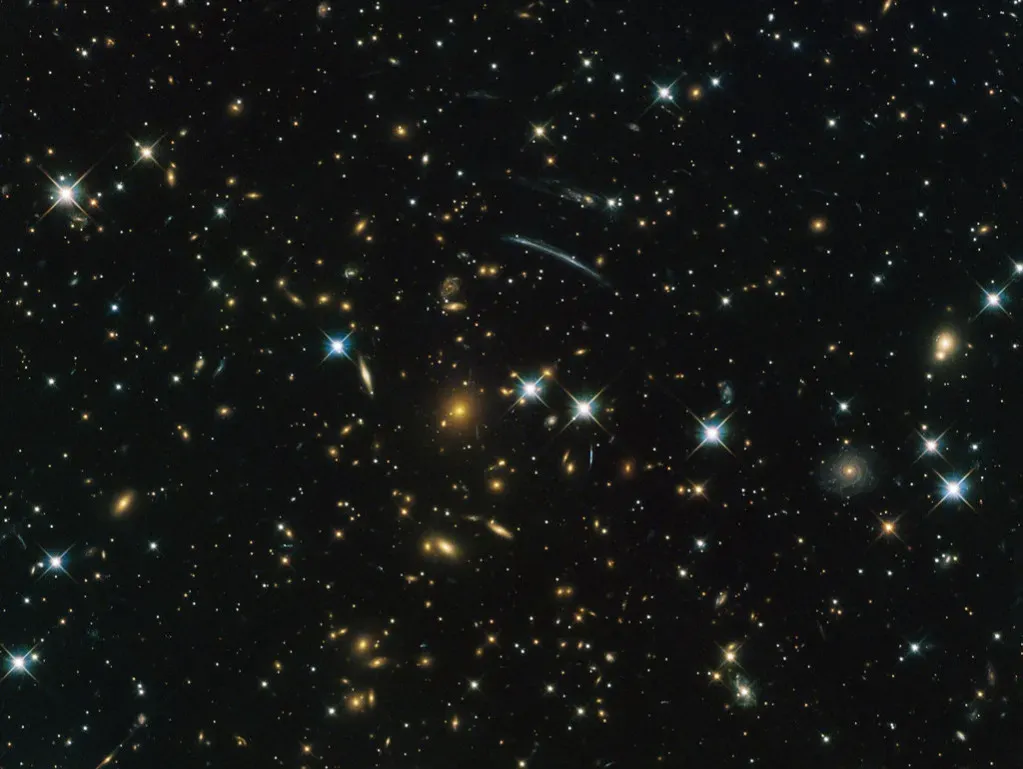
For a long time, many scientists assumed that gravity would slowly pull the universe’s expansion to a stop, or at least slow it down. Then in the late twentieth century, observations of distant exploding stars brought a shocking twist: the expansion of the universe is not slowing down but speeding up. Something is pushing space itself apart, and we call that something dark energy.
Dark energy seems to make up the majority of the universe’s total energy content, yet we have almost no idea what it actually is. Some theories treat it as a property of space itself, like a built-in pressure that drives everything apart. Others suggest it might change over time or signal new physics that goes beyond our current understanding. It’s unnerving to realize that the fate of the entire cosmos may be driven by a force we barely even grasp.
What Really Happened Before – or At – the Big Bang?
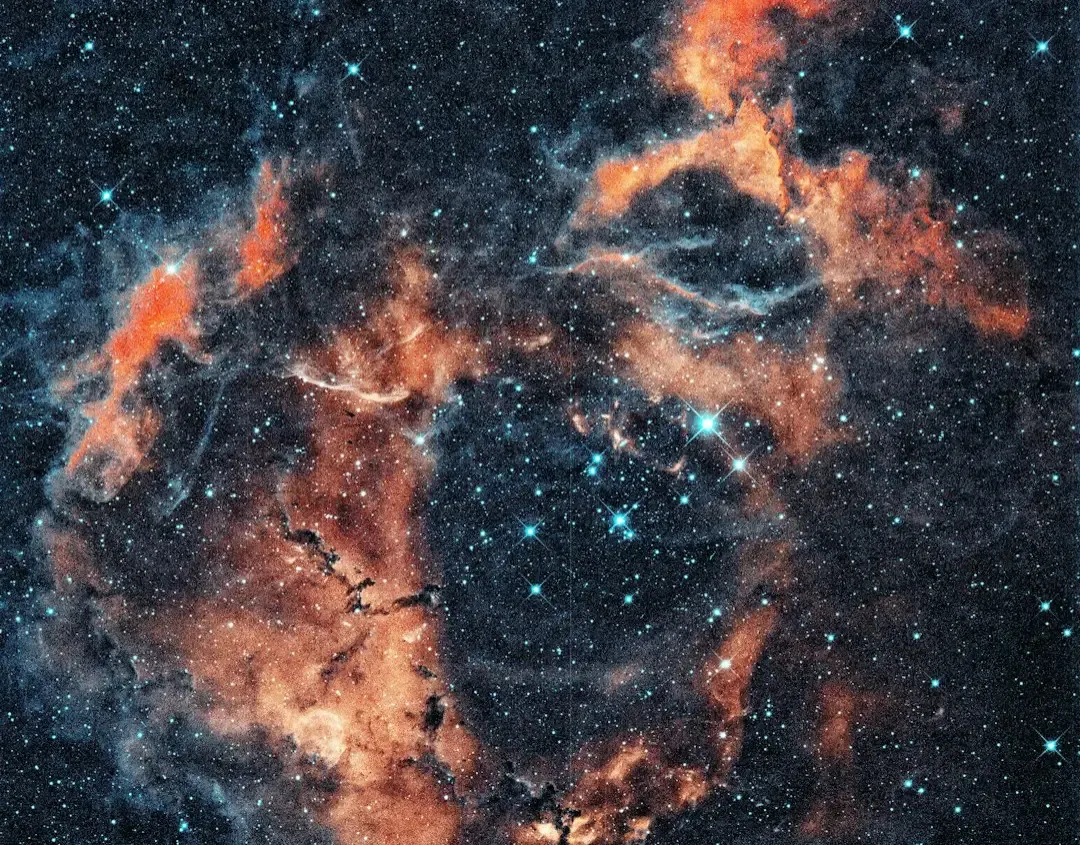
The Big Bang is often described as the moment the universe began, but that phrase hides a subtle and uncomfortable truth: our equations work extremely well just after that moment, and then they fall apart right at the starting line. When we run the math backwards, we hit a point of infinite density and temperature that simply screams, “You’ve pushed this model too far.” In other words, the Big Bang, as usually described, might be more of a boundary to our knowledge than a true beginning.
Some ideas suggest there might have been a universe before ours, or a cycle of universes that expand and contract like a cosmic heartbeat. Others imagine quantum processes where spacetime itself fluctuates into existence from something more fundamental that we don’t yet understand. It’s also possible that asking what happened “before” the Big Bang is like asking what’s north of the North Pole: a question that doesn’t quite make sense. Still, that hasn’t stopped people from trying to peek behind the curtain.
Black Holes: Where Our Physics Breaks Down
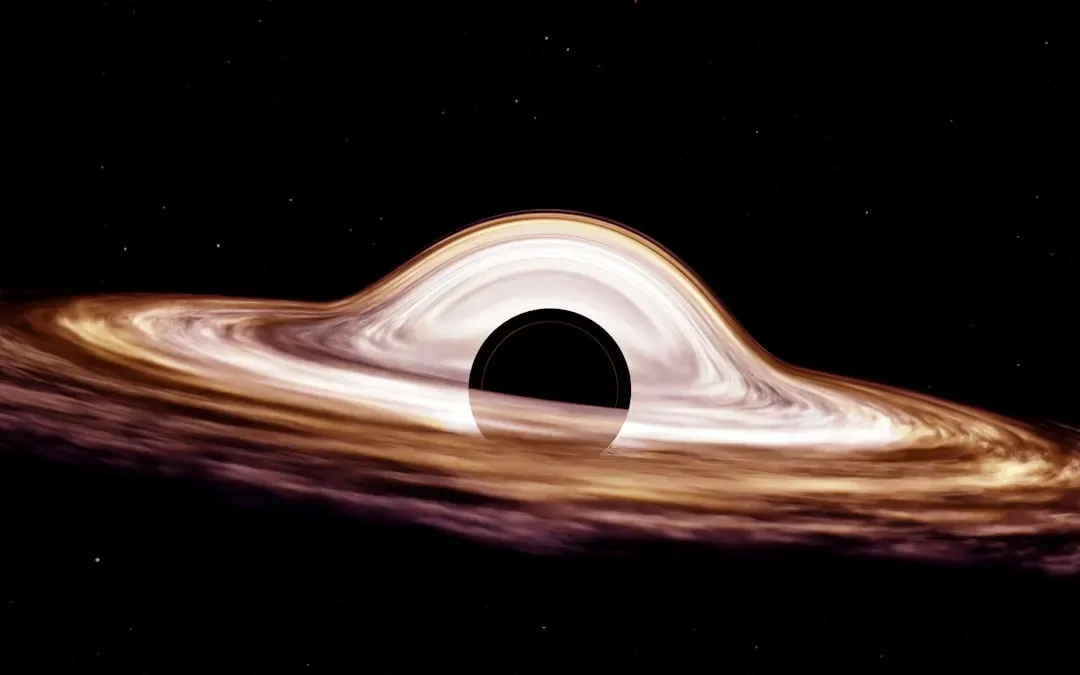
Black holes are like the universe’s way of saying, “You sure about those laws of physics?” They form when enough mass collapses into a tiny region, creating a gravitational field so strong that not even light can escape. At their centers, our best theories predict something called a singularity, a point where density becomes infinite and our current understanding of space and time simply explodes into nonsense. We know black holes exist because we can see their effects, and in recent years we’ve even imaged their shadows and detected ripples from their mergers.
But inside the event horizon, where nothing can escape, lies a puzzle we still can’t solve. General relativity and quantum mechanics, our two most successful theories, clash violently when we try to describe what happens there. Questions like what happens to information that falls into a black hole, or what an observer would truly experience crossing the horizon, remain hotly debated. It feels like there’s a deeper theory waiting for us, and black holes are the signposts pointing straight at it.
Are We Living in a Multiverse – or Even a Simulation?
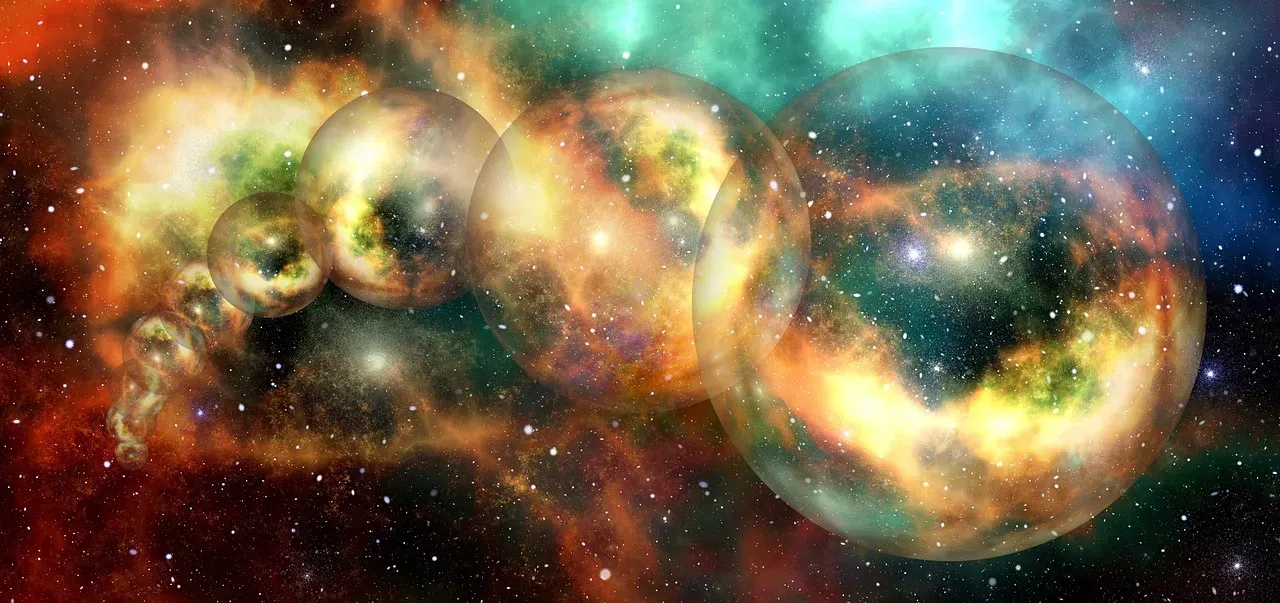
There’s a quietly unsettling thought hiding behind some modern theories: maybe our universe isn’t the only one. Certain versions of cosmology and quantum physics naturally give rise to the idea of a multiverse, a vast collection of universes with different physical laws or constants. In some scenarios, every possible outcome of events might play out somewhere in this grand cosmic ensemble, making our universe just one drop in an endless sea.
Then there’s the simulation idea, which sounds like pure science fiction but keeps creeping into serious discussions. If advanced civilizations could someday simulate entire universes, including conscious beings who don’t realize they’re in a simulation, the odds might tilt strangely against our world being the original, “base” reality. Whether you find that idea terrifying, hilarious, or oddly comforting, it forces us to confront a weird possibility: our most basic assumptions about reality might be negotiable.
The Limits of Consciousness: Can the Brain Understand the Brain?
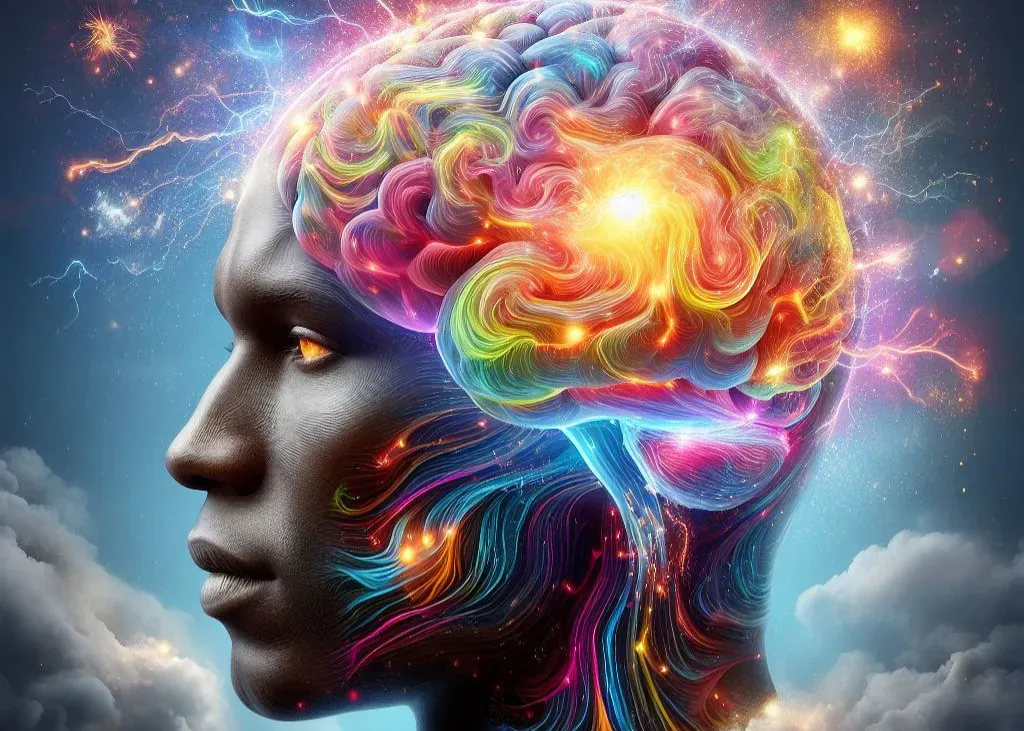
We often talk about the universe as if it’s something out there to be measured, mapped, and explained, but there’s a quiet mystery sitting right behind our eyes. Consciousness – the feeling of being you, the inner movie of thoughts and experiences – remains one of the hardest puzzles we know. We can map brain activity, trace neural circuits, and even predict decisions a split second before a person becomes aware of making them, yet the raw feeling of experience still doesn’t fit neatly into our equations.
Some researchers argue that consciousness will eventually be explained as an emergent property of complex information processing, like a pattern that appears when you stack enough Lego bricks in the right way. Others suspect there might be something fundamentally new we’re missing, a gap between physical processes and subjective experience that our current frameworks can’t bridge. There’s also a slightly humbling twist: we’re using the very thing we’re trying to understand – the human mind – as our only tool for figuring it out.
The Edges of Knowledge: Are There Things We’ll Never Know?
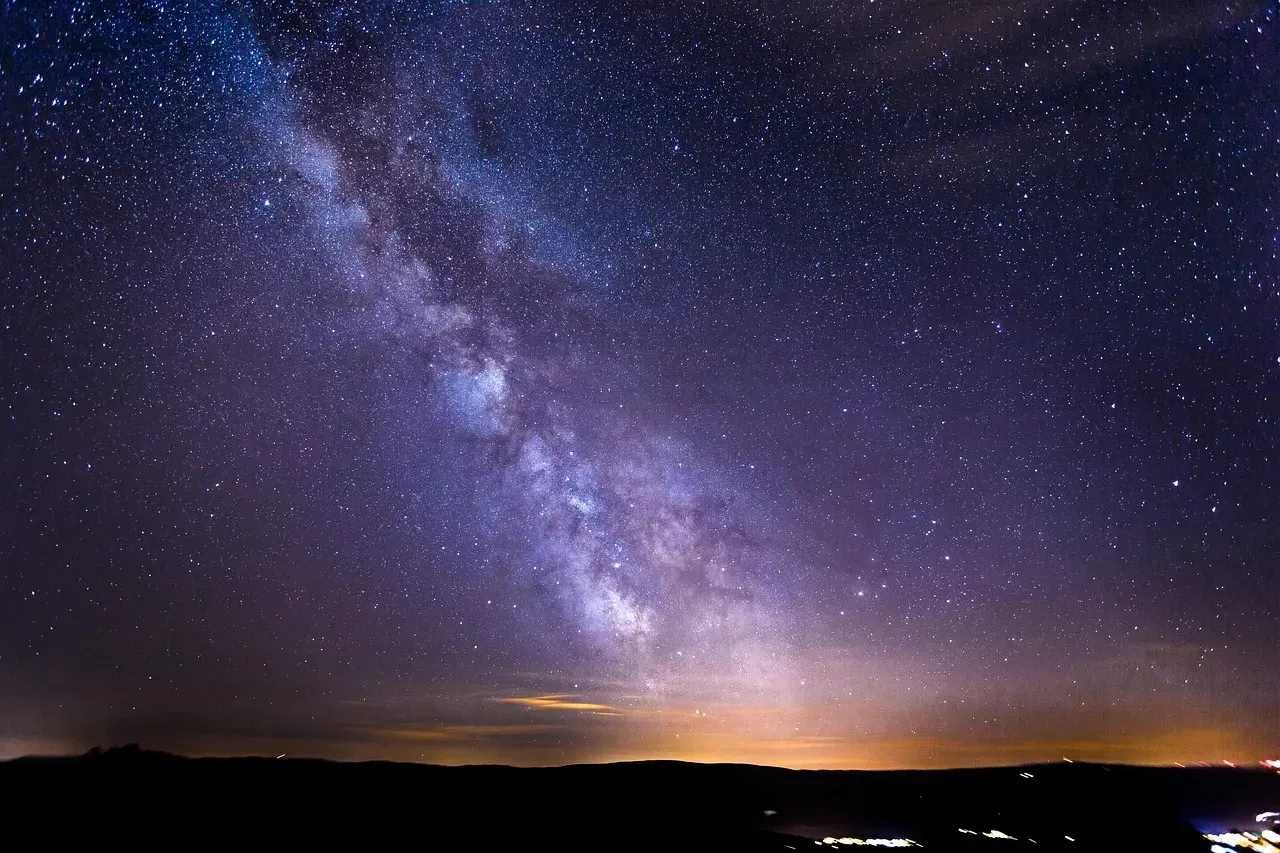
There’s a stubborn romantic idea that science will eventually answer every question, like finishing a massive jigsaw puzzle. But the more we learn about the universe, the more honest it seems to admit there may be built-in limits. Some parts of the cosmos are forever beyond our light horizon, meaning we can never receive information from them. Quantum uncertainty puts hard limits on what can be measured simultaneously, no matter how clever our instruments become. These aren’t just technological limits; they’re baked into reality as far as we can tell.
On top of that, our own brains may not be wired to truly grasp some aspects of the universe, the way a goldfish can never understand algebra. We can build better tools, invent new mathematics, and push our models further, but there might always be questions that remain out of reach. Strangely, that doesn’t make the search pointless; it makes it more meaningful. Knowing that understanding is finite gives a different kind of weight to every mystery we choose to chase.
Living with Cosmic Mystery
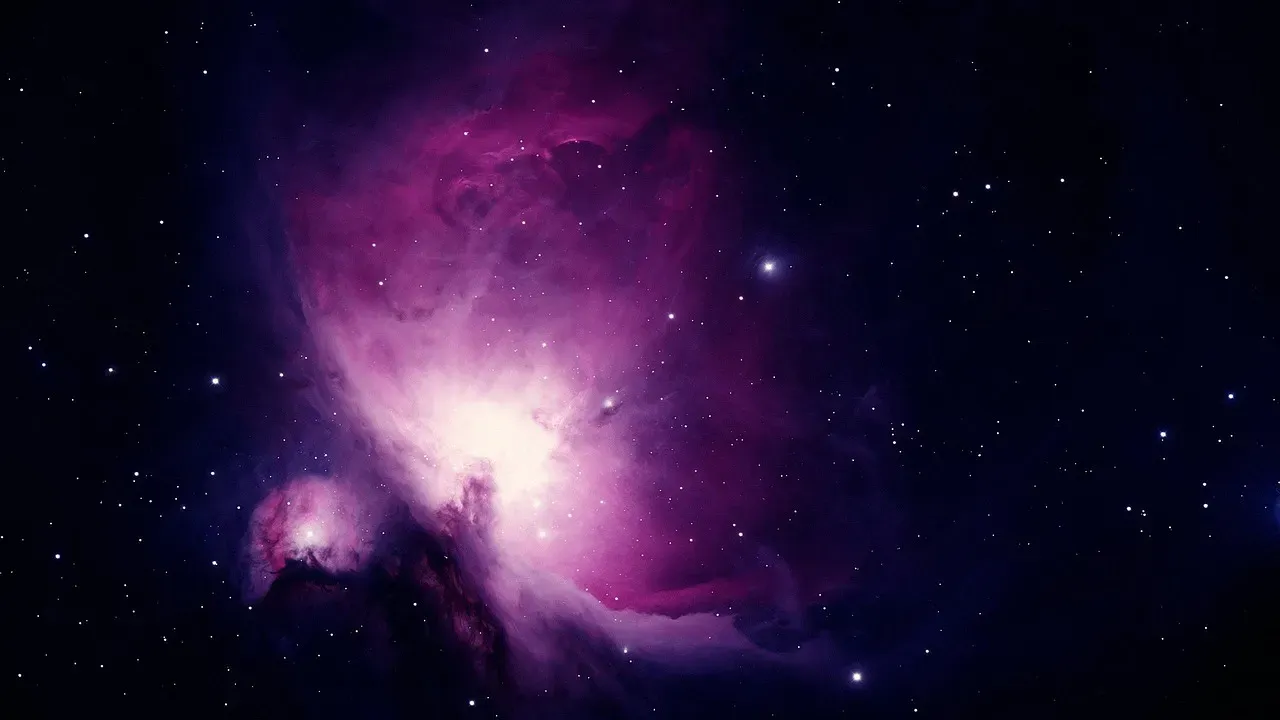
Standing in the middle of all these unanswered questions can feel a bit like staring up at the night sky as a kid: beautiful, confusing, and just a little overwhelming. Dark matter, dark energy, black holes, multiverses, consciousness – each one pulls at the edge of what we think is possible. The universe isn’t a neat textbook; it’s more like a series of locked doors, and every time we pick one, we find another hallway full of new locks.
Maybe the universe’s biggest secret isn’t a single hidden truth but the fact that mystery itself never really goes away. We keep pushing, learning, and refining, not because we expect a final answer sheet, but because the act of trying changes us. In a cosmos this vast and strange, perhaps the most human thing we can do is to keep asking better questions. Which of these questions would you chase first if you could devote your whole life to just one?