If you could suddenly shrink down and dive into a single drop of water, you’d see a universe more crowded, more dramatic, and more important than most city centers. Tiny creatures you can’t see with your own eyes are busy running the systems that keep you alive: the air you breathe, the food you eat, even the climate above your head. They’re silent and unseen, but they quietly pull the strings of the planet.
I still remember the first time I looked through a cheap school microscope and saw a little speck wriggling around in pond water. It was oddly emotional, like realizing there were neighbors living right behind a wall you never knew was thin. Since then, research has only made it clearer: if microscopic life vanished overnight, the world we know would simply fall apart. Let’s meet seven of these invisible wonders and see how they secretly shape everything.
1. Phytoplankton: The Tiny Forests of the Sea
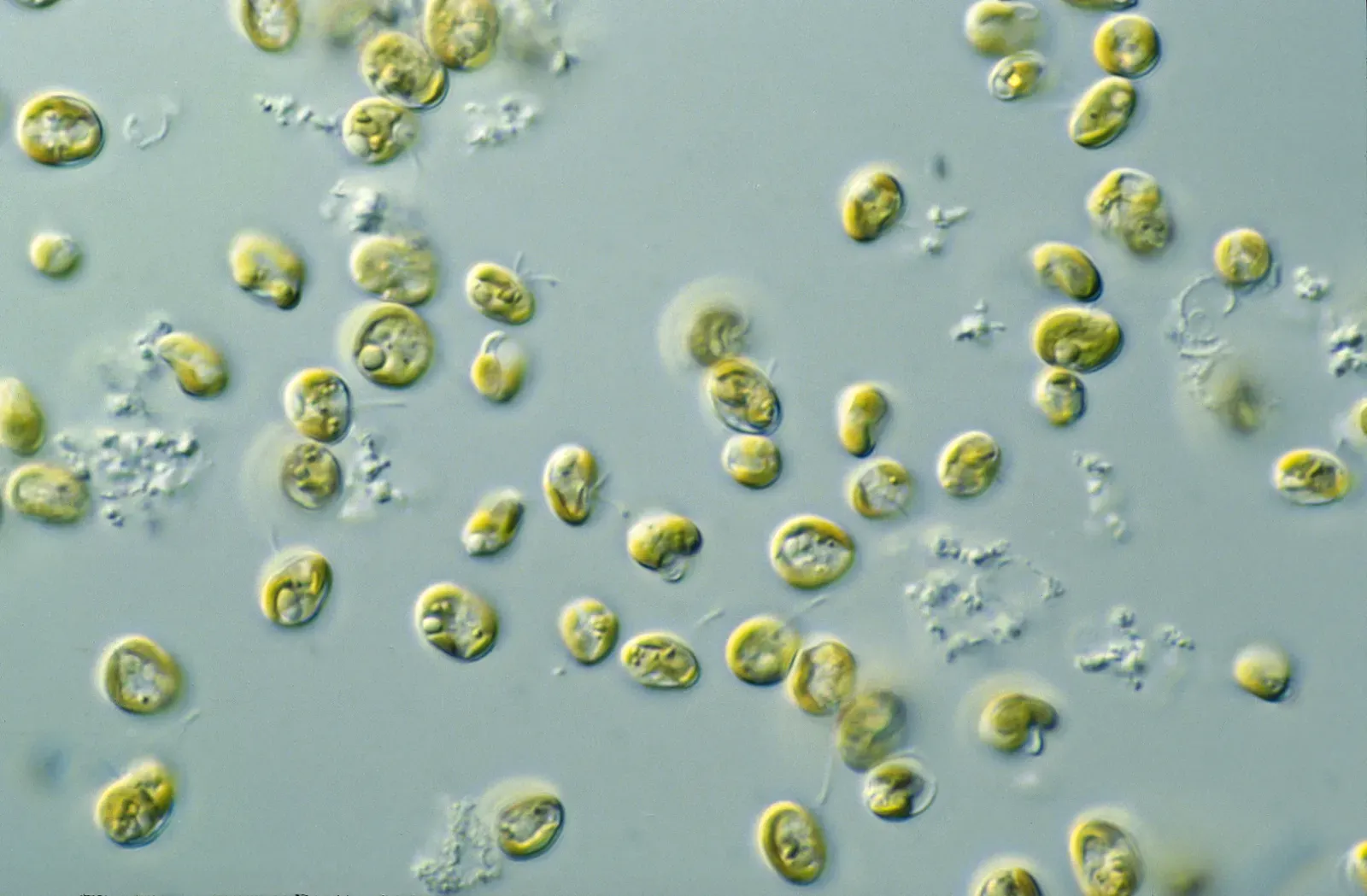
Imagine forests so vast they stretch across entire oceans, but each tree is smaller than a grain of sand. That’s phytoplankton: microscopic, plant-like organisms drifting near the surface of the oceans, lakes, and rivers. They use sunlight to perform photosynthesis, turning carbon dioxide into organic matter and releasing oxygen in the process. Scientists estimate that roughly about half of the world’s oxygen comes from these tiny drifters, which means every second breath you take is likely thanks to them.
Phytoplankton are also the foundation of most marine food webs, feeding everything from zooplankton to massive whales. When their populations shift because of warming waters, pollution, or changes in nutrients, the effects ripple upward, affecting fisheries, coastal economies, and even global carbon cycles. Some phytoplankton blooms can become harmful, producing toxins that close beaches and kill marine life, reminding us that “tiny” does not mean “harmless.” In a way, they’re like the thermostat and pantry of the oceans, controlling both climate and food.
2. Bacteria in the Gut: The Microbiome That Thinks With You
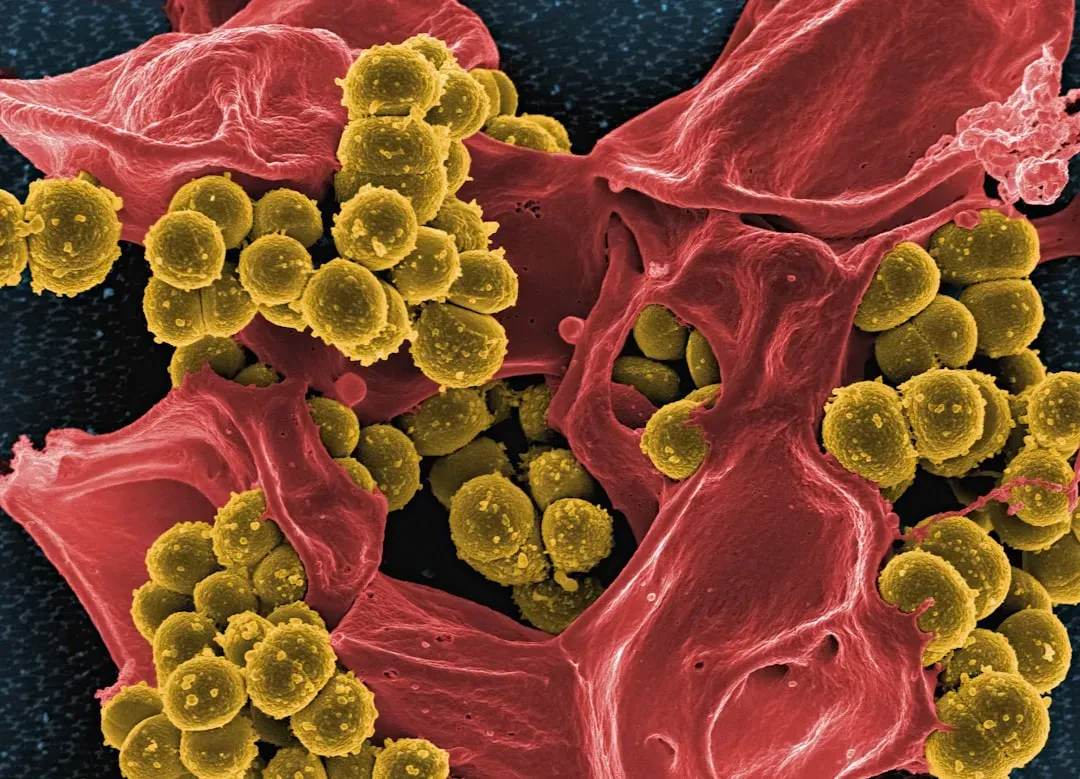
Inside your intestines lives an entire city of microorganisms, mostly bacteria, outnumbering your own human cells by a huge margin. This gut microbiome helps break down food you couldn’t digest on your own, producing vitamins like vitamin K and certain B vitamins. It trains your immune system, helping it tell the difference between friend and foe so that you don’t overreact to harmless substances. In the last decade, research has also linked gut bacteria to mental health, finding associations between microbial diversity and conditions like anxiety and depression.
What you eat can change this community surprisingly fast, sometimes within days, nudging it toward a more helpful or more inflammatory state. Diets rich in fiber, fermented foods, and a variety of plants tend to support a healthier microbiome, while heavily processed foods can push things in the wrong direction. There’s still a lot we don’t know, and some early claims went too far, but the core idea stands: you’re not just a single organism, you’re an ecosystem. When you take care of your microbes, they often return the favor.
3. Cyanobacteria: Ancient Oxygen Revolutionaries
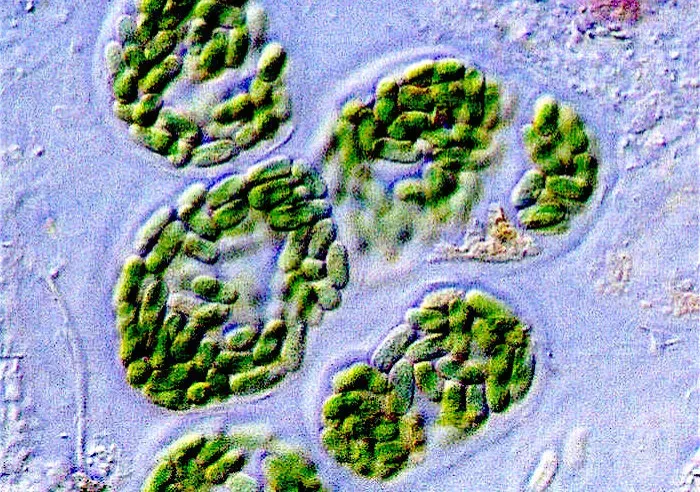
Long before trees, flowers, or animals existed, tiny cyanobacteria were floating in ancient oceans, quietly changing the planet forever. These photosynthetic bacteria are believed to have played a major role in the Great Oxygenation Event over two billion years ago, gradually flooding Earth’s atmosphere with oxygen. This slow but relentless shift allowed more complex life, including animals and eventually humans, to evolve. Without cyanobacteria, our modern oxygen-rich sky simply wouldn’t exist.
Today, cyanobacteria still play critical roles in freshwater and marine ecosystems, pulling carbon dioxide out of the air and even helping fix nitrogen into forms other organisms can use. However, just like phytoplankton, they can cause trouble when conditions are thrown off balance. Nutrient pollution from agriculture and wastewater can trigger thick cyanobacterial blooms in lakes and rivers, some of which release toxins that make water unsafe for drinking or swimming. They’re a perfect example of how a microscopic hero can become a public health headache when we ignore environmental limits.
4. Diatoms: Glass-Walled Architects of the Oceans
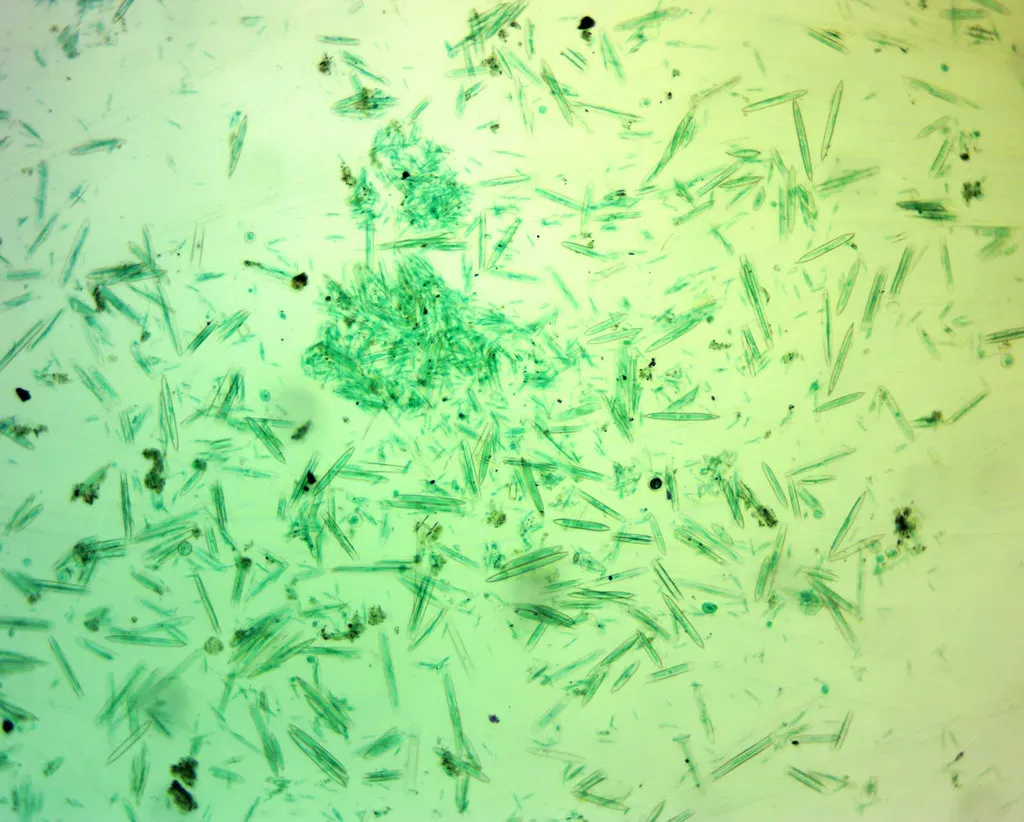
Diatoms are microscopic algae that build themselves intricate glass-like shells out of silica, the same basic material found in sand and glass. Under a microscope, they look like tiny sculptures or snowflakes, with patterns so beautiful they almost seem designed by an artist. These organisms live in oceans, lakes, and even damp soil, using sunlight to power photosynthesis just like phytoplankton and plants. Collectively, they are responsible for a large share of the primary production in the oceans, turning sunlight into the organic matter that fuels entire ecosystems.
When diatoms die, their glass shells often sink to the seafloor, creating thick layers of sediment over millions of years. This “diatomaceous earth” has found its way into everyday life, used in filtration systems, mild abrasives, and even as a natural insect control in gardens. Beyond practical uses, diatom fossils help scientists reconstruct past climates, acting like tiny time capsules of environmental conditions. It’s strange to think that something so small can leave a geological footprint big enough to be mined and studied, but that’s the quiet power of diatoms.
5. Archaea: Extremophiles and Hidden Powerhouses
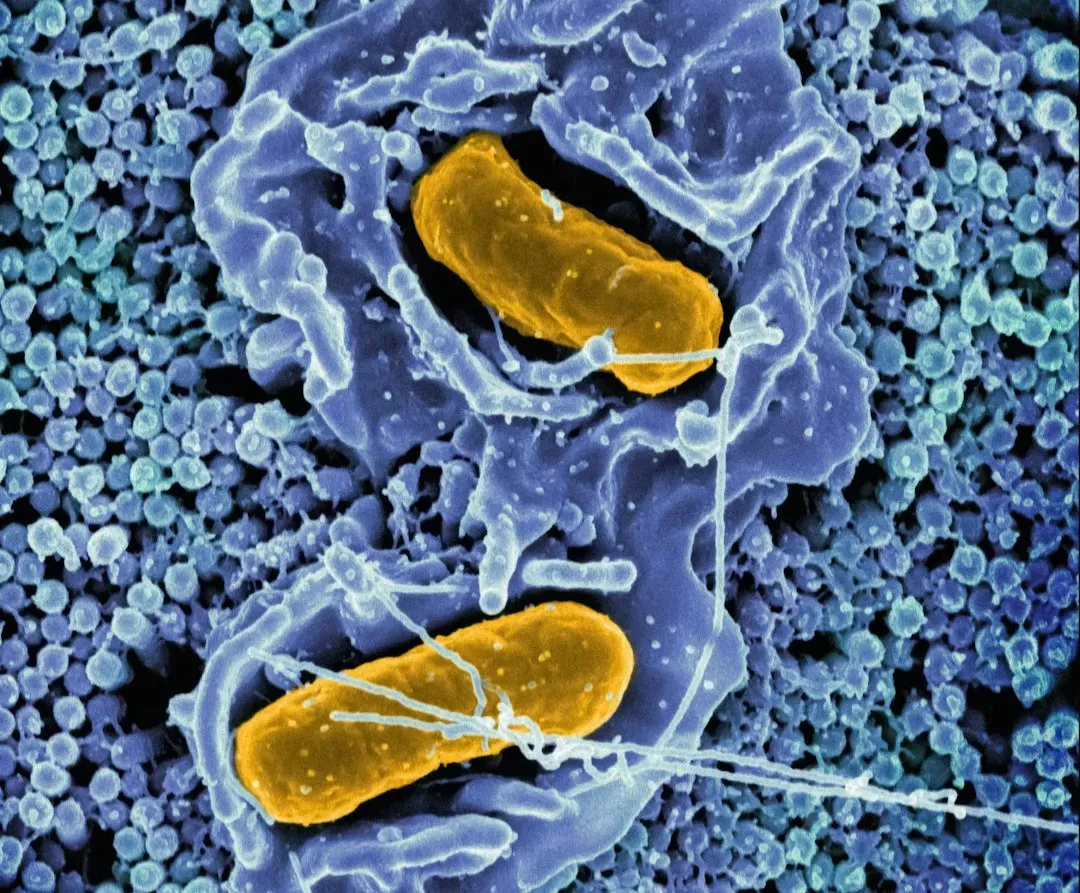
Archaea look a lot like bacteria under a microscope, but they’re a completely separate domain of life with their own biochemistry and evolutionary history. Many were first discovered in extreme environments that would kill most organisms: boiling hot springs, very salty lakes, deep-sea hydrothermal vents. They thrive where life seems impossible, showing just how flexible biology can be. Some archaea can even survive in environments with almost no oxygen, using unusual chemical reactions to harvest energy.
We now know archaea aren’t limited to extreme environments; they’re also in soils, oceans, and even in the human gut. Certain archaea, called methanogens, produce methane as a byproduct of their metabolism and live in places like wetlands and the digestive systems of cows and other ruminants. This methane production has real consequences for climate change, since methane is a potent greenhouse gas. At the same time, understanding archaea better could help us design new biotechnologies, from methane capture systems to enzymes that work under harsh industrial conditions.
6. Fungi and Mycorrhizae: The Underground Internet of Plants
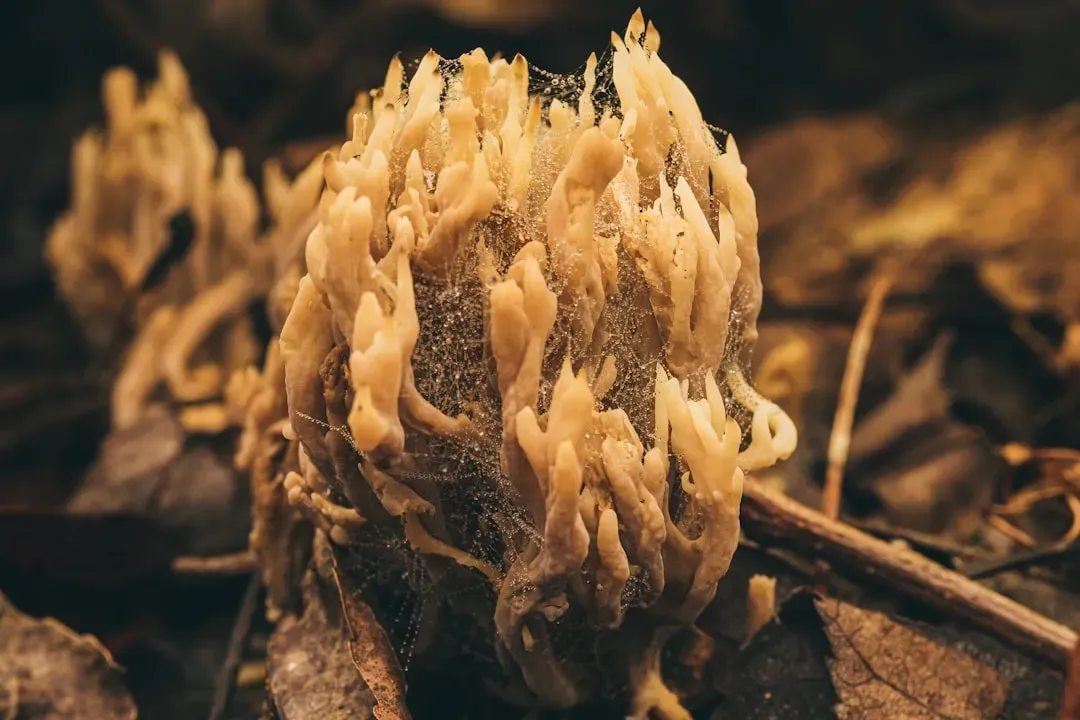
Most people think of fungi and picture mushrooms, but the real action is in the microscopic threads called hyphae that stretch through soil like invisible roots. Many plants form partnerships with these fungal networks, known as mycorrhizae, which wrap around or even penetrate plant roots. The fungi help plants absorb water and nutrients like phosphorus and nitrogen far more efficiently than roots alone. In return, the plant shares the sugars it makes through photosynthesis, paying the fungi in energy.
These fungal networks can connect multiple plants, including trees of different species, forming a tangled underground web sometimes nicknamed the “wood-wide web.” Through this network, resources can move from one plant to another, and some studies suggest that stressed or older trees may share sugars with younger ones. Healthy mycorrhizal communities improve soil structure, enhance resilience to drought, and even influence how quickly carbon is stored in the ground. Every time you walk through a forest, you’re stepping above a vast, living infrastructure that quietly keeps the whole system running.
7. Viruses: Tiny Parasites With Outsize Influence
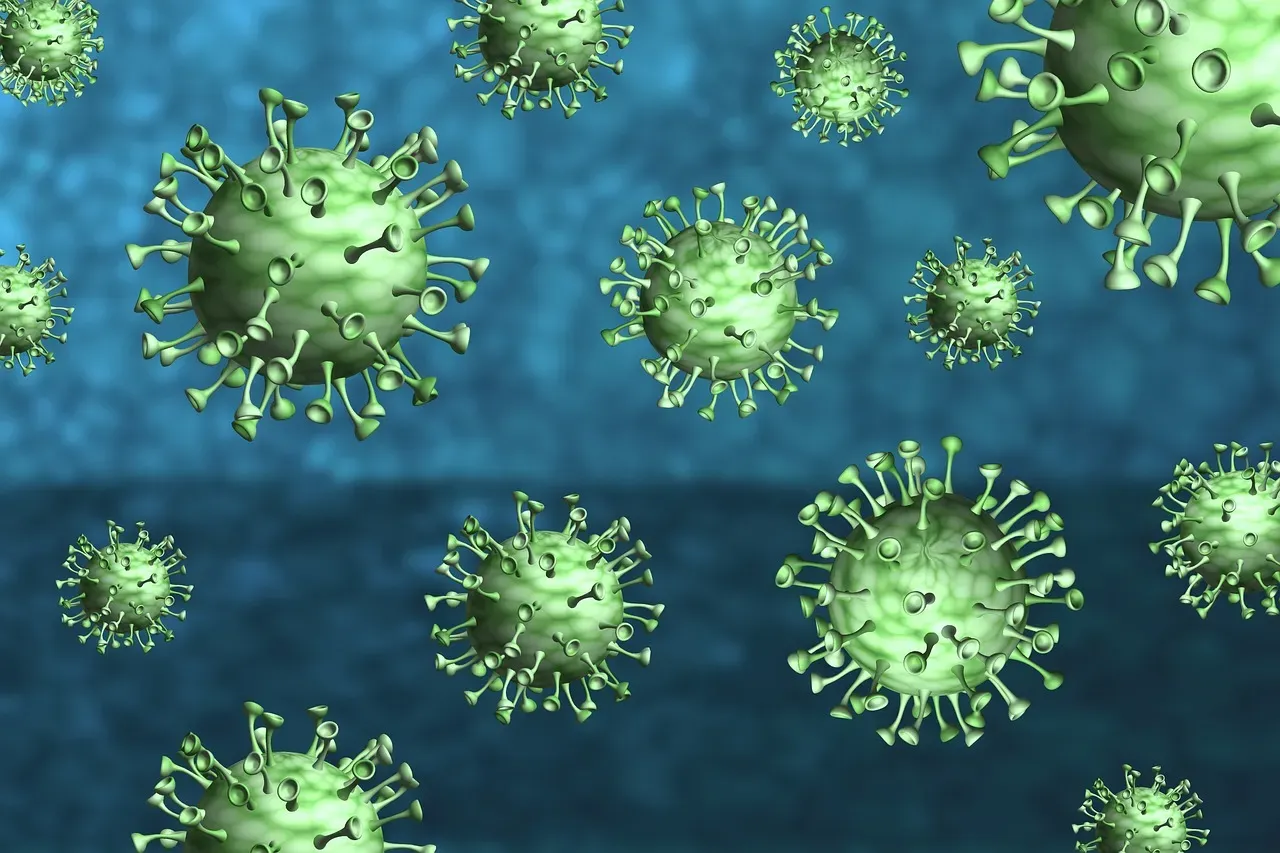
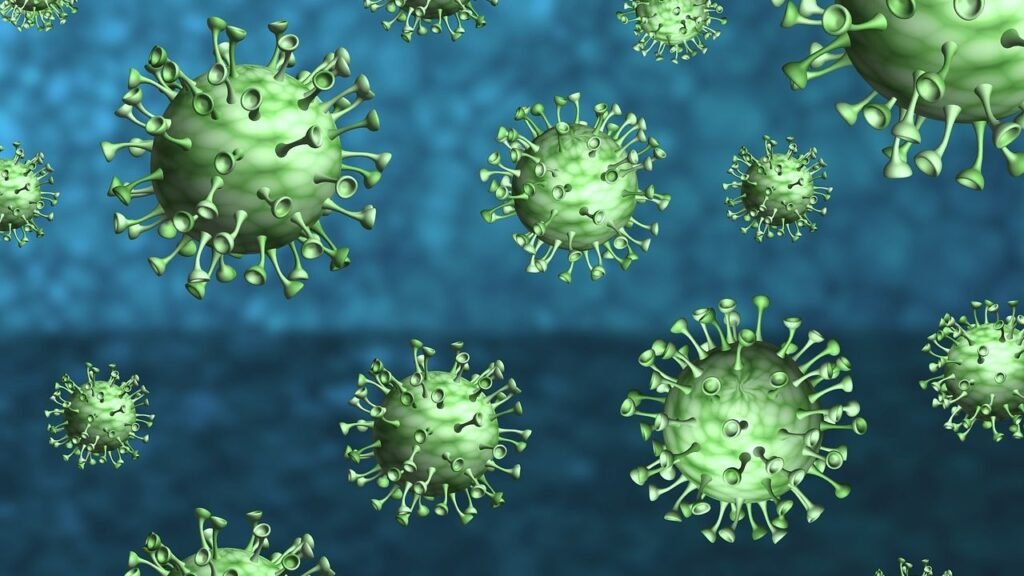
Viruses sit on the edge of what we even call “life,” unable to reproduce on their own and completely dependent on the cells they infect. They invade hosts ranging from bacteria to humans, hijacking cellular machinery to make more copies of themselves. We usually hear about viruses only when they cause disease outbreaks, and that’s understandable, because the impacts can be devastating. But in the broader picture of Earth’s ecosystems, viruses also play surprisingly important regulatory roles.
In the oceans, viruses constantly infect and break apart bacteria and plankton, recycling nutrients back into the water and shaping which species dominate. This process affects everything from local food webs to global carbon cycles, since it influences how much carbon sinks to the deep ocean. Viral genes have also slipped into the genomes of many organisms over evolutionary time, including humans, sometimes giving rise to new traits. It’s unsettling to realize that part of what makes us human includes ancient viral leftovers, but it also shows how deeply entangled life and viruses have always been.
Seeing the Unseen World That Sustains Us
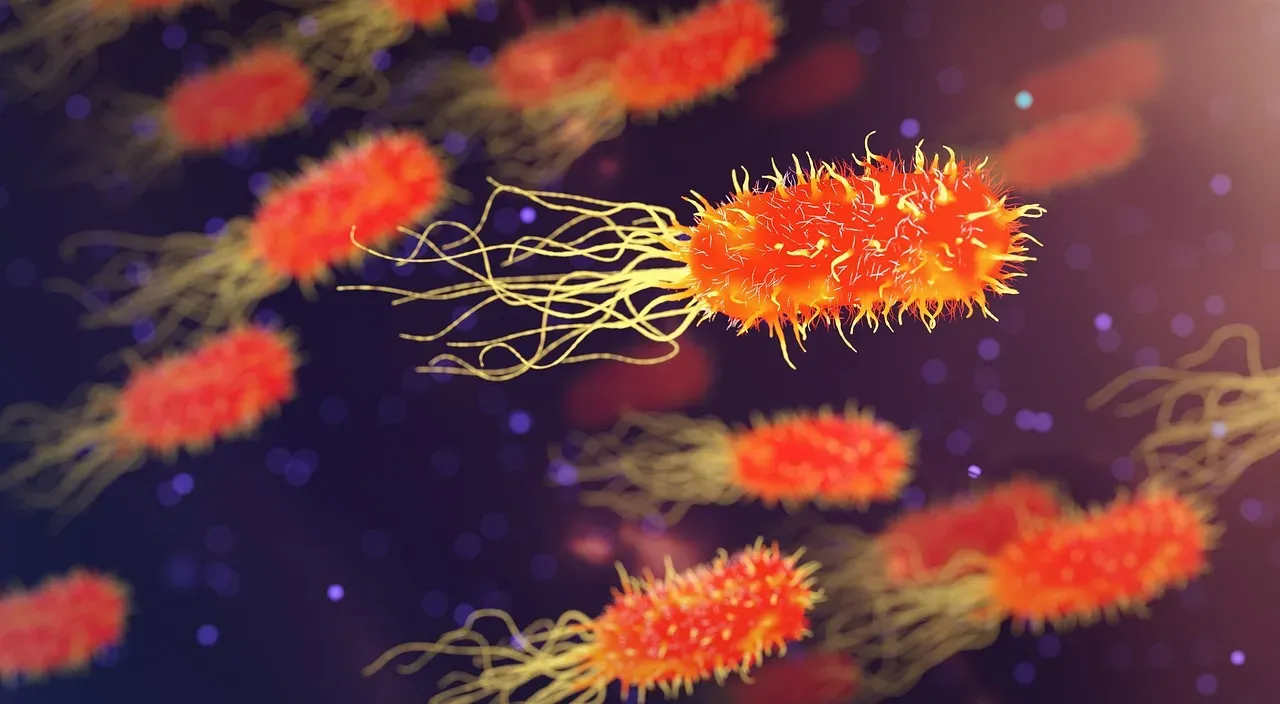
Microscopic organisms might feel distant because we can’t see them, but they’re woven into almost every part of our daily lives. They make the oxygen we breathe, recycle the waste we produce, grow our crops more efficiently, and even shape our moods and health from the inside out. If they stopped working, it wouldn’t just be a glitch in the system; the entire system would collapse. The more we learn about them, the more it feels like we’ve been living in a house for centuries without realizing how the plumbing and wiring actually function.
Paying attention to these invisible wonders changes how we think about everything from what we eat to how we handle pollution and climate change. Protecting oceans, soils, and clean water isn’t just about saving big, charismatic animals; it’s about defending the microscopic engines that make the whole show possible. Next time you take a deep breath or bite into a piece of fruit, it’s worth remembering how many unseen partners made that moment happen. Which of these tiny neighbors surprised you the most?