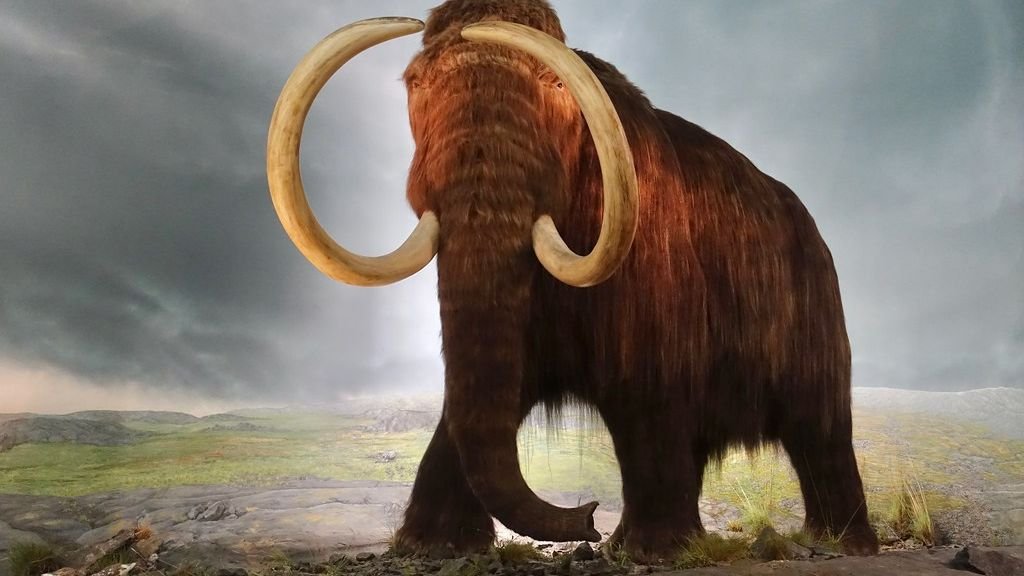

You can still stand in front of a frozen mammoth today, stare into its glassy eye, and feel a strange kind of grief for a creature you never knew. These giant, shaggy icons of the Ice Age roamed the planet for hundreds of thousands of years, surviving brutal winters, predators, and shifting landscapes. And then, within what amounts to a blink of an eye in geological time, they were gone.
What actually happened to them is one of those questions that keeps scientists arguing late into the night. Was it us? Was it the climate? Was it bad luck, disease, or a combination of blows that hit too fast and too hard? The story of the mammoths’ disappearance is not just ancient history – it’s a warning about how fragile even the mightiest creatures can be when the world around them changes faster than they can adapt.
The World Mammoths Inherited: A Planet of Ice and Giants
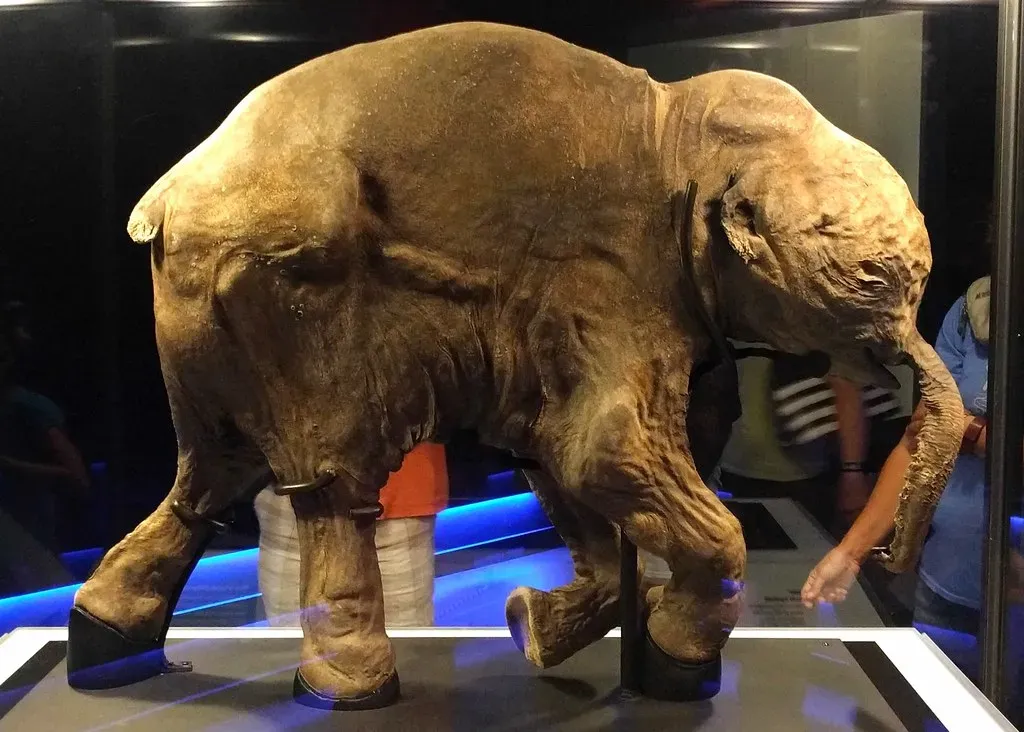
Imagine a world where huge sheets of ice covered vast continents, sea levels were dramatically lower, and herds of mammoths thundered across open plains like living bulldozers. Mammoths, especially the famous woolly mammoth, were perfectly tuned to this frozen stage: thick fur, layers of fat, small ears to reduce heat loss, and long tusks that could sweep snow aside to reach buried grasses. They weren’t oddities; they were exactly what that harsh Ice Age world needed to keep ecosystems moving.
Alongside them lived other megafauna – giant ground sloths, saber-toothed cats, massive bison, and more. These animals shaped their environment, trampling vegetation, spreading nutrients, and carving paths through snow and soil. For hundreds of thousands of years, this system worked. Mammoths didn’t just survive the cold; they thrived in it, expanding across North America, Europe, and Asia. The real mystery isn’t how they lived in such brutal conditions, but why, after enduring so much for so long, they vanished so quickly when the ice began to retreat.
Climate on Fast-Forward: How a Warming World Reshaped Their Home
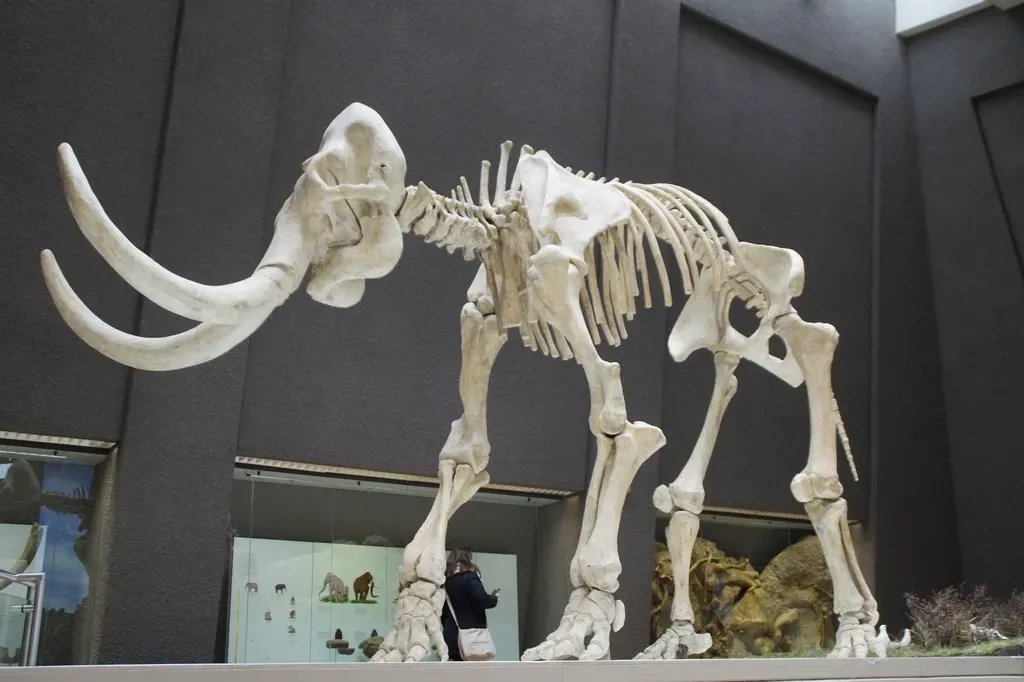
As the last Ice Age ended roughly about twelve thousand years ago, temperatures rose, glaciers retreated, and the landscapes mammoths relied on began to unravel. The open, dry, grassy steppe they loved – sometimes called the mammoth steppe – started giving way to forests, wetlands, and more diverse plant communities. What had been a huge, continuous buffet of cold-adapted grasses and herbs became patchy and fragmented, like someone slowly erasing sections of their map of suitable habitat.
Climate didn’t just change the scenery; it sped up the pace of change itself. Shifts in rainfall, melting ice, and rising sea levels pushed ecosystems into new configurations. For mammoths, this likely meant traveling farther to find food, competing more intensely, and facing new diseases or parasites they hadn’t previously encountered. They had survived fluctuations before, but this time, the warming was faster and more extreme than many earlier swings. Their world was shrinking, and the safe spaces they depended on were disappearing one by one.
Humans Enter the Story: Hunters, Tools, and a Deadly New Pressure
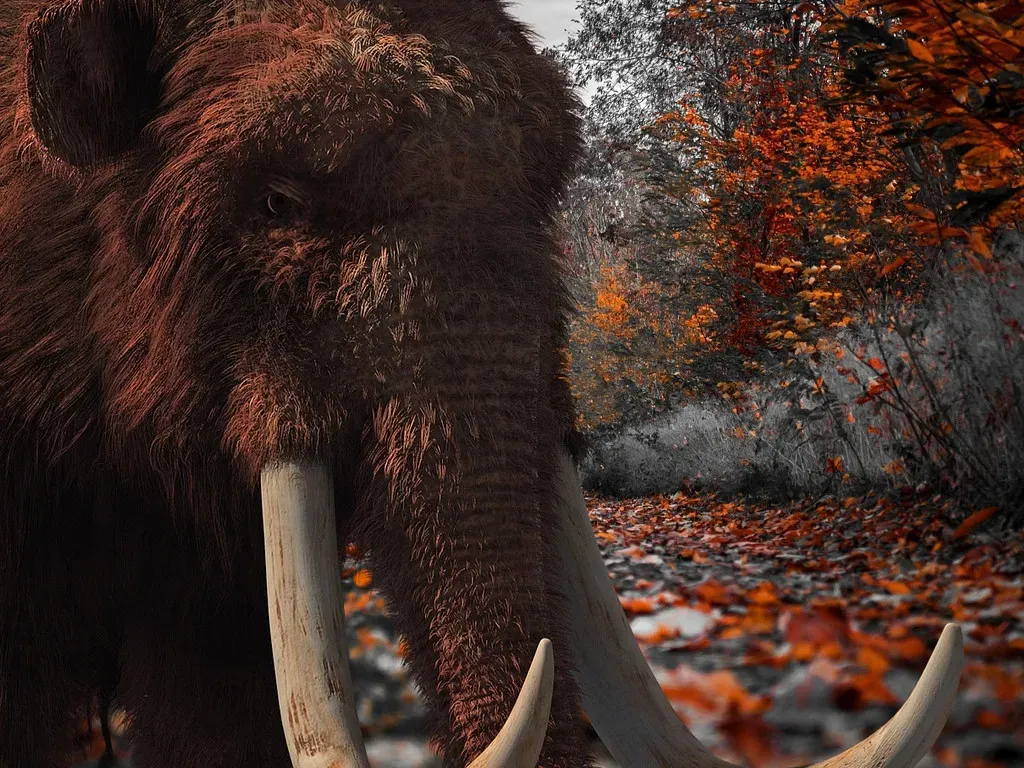
Right around the time mammoths started struggling with rapid climate shifts, another factor appeared – us. As modern humans spread into Eurasia and then into the Americas, they brought sophisticated tools, cooperative hunting strategies, and the ability to adapt quickly to new environments. Archaeological sites across parts of Europe, Siberia, and North America show mammoth bones with cut marks, butchered skeletons, and sometimes entire kill sites where multiple individuals were processed.
Were humans solely responsible for wiping mammoths out? Most researchers now think the answer is more complicated than a simple yes or no. Still, it’s hard to ignore the timing: in many regions, mammoths disappear not long after large, organized human populations arrive. Even if people didn’t drive them to extinction in one sudden wave, consistent hunting, disturbance of herds, and competition for space could have tipped already stressed populations over the edge. When a species is already weakened, it doesn’t take much extra pressure to push it past the point of no return.
The Overkill Hypothesis: Did We Really Hunt Them to Extinction?

The so-called overkill hypothesis argues that humans were the main executioners, not just a minor annoyance. According to this idea, highly skilled hunters targeted mammoths and other large animals because one successful kill meant enormous returns in meat, fat, bone, and hide. In a world where survival was a daily challenge, passing on such a resource would have been almost unthinkable. If human hunting was efficient enough, even taking only a small fraction of the population each year could have outpaced mammoths’ ability to replace themselves.
Critics point out that direct evidence of widespread slaughter is still relatively limited and patchy. In some regions, mammoths vanish where there’s little sign of intense hunting, and in others, they persist for thousands of years after humans show up. The overkill theory is powerful because it offers a simple, striking explanation: humans arrived, mammoths died. But nature rarely works in straight lines. Increasingly, the debate has shifted toward the idea that people were a major part of the problem, but not the only piece of the puzzle.
Beyond Hunting: Climate, Habitat Loss, and a Slow, Staggered Decline
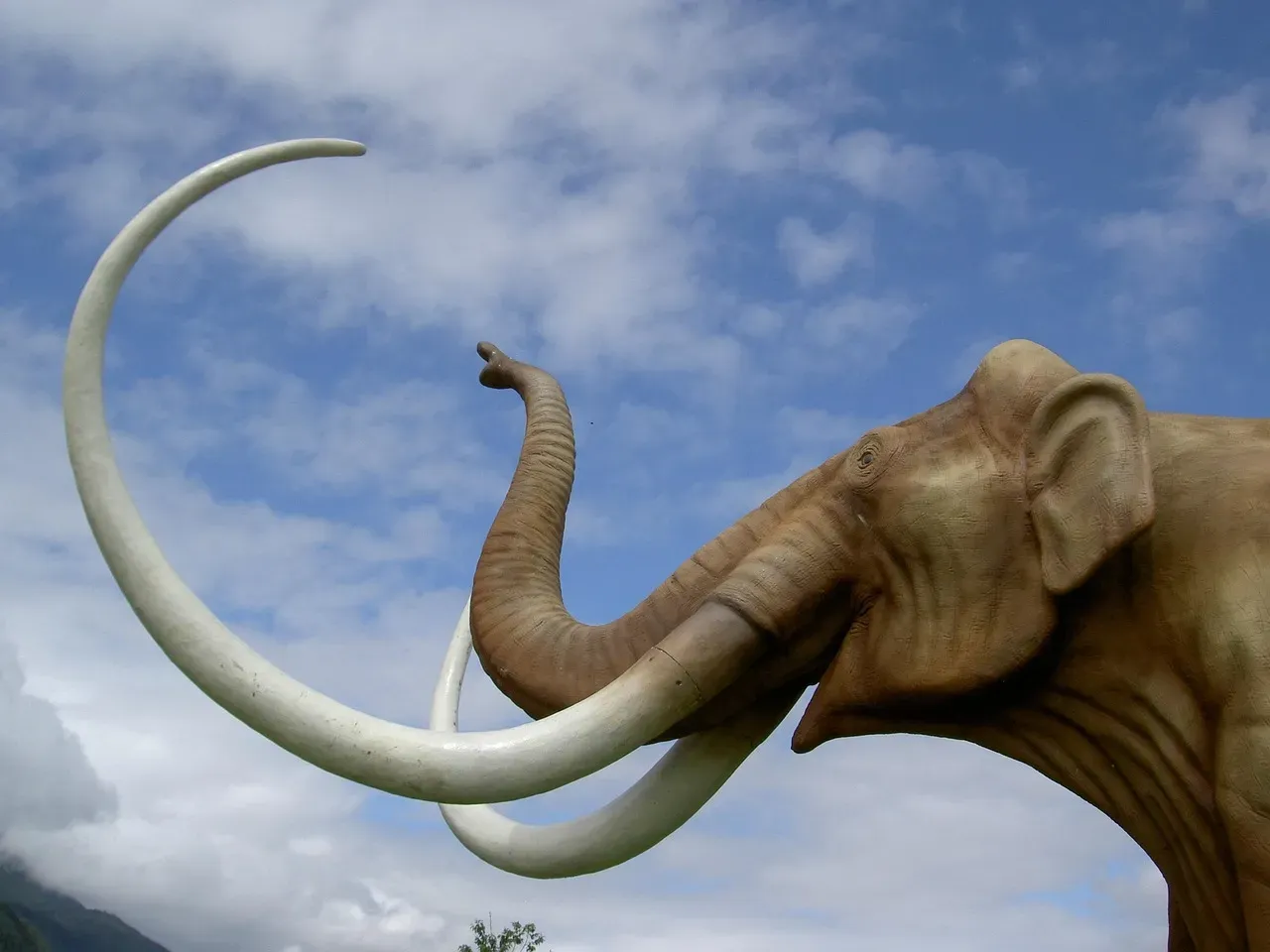
Instead of one dramatic event, the extinction of mammoths may look more like a long, uneven fade-out. In some places, fossils suggest that populations dwindled slowly over thousands of years, with local extinctions happening at different times. As the climate warmed, the mammoth steppe broke up into islands of suitable habitat, separated by forests, wetlands, and human settlements. These isolated pockets likely held smaller, more vulnerable herds, making them easier to wipe out by storms, disease, bad winters, or a few years of heavy hunting.
Small, fragmented populations are also more prone to inbreeding and genetic problems, which can quietly weaken a species from the inside. A bad year might kill off a large proportion of calves, or an unusually warm season could reduce critical winter forage. On their own, these events might have been survivable. But stacked together – climate stress, habitat loss, hunting, and genetic decline – they form a slow, grinding pressure. extinction in this view looks less like a sudden catastrophe and more like death by a thousand cuts.
The Last Holdouts: Island Mammoths and the Final Chapters
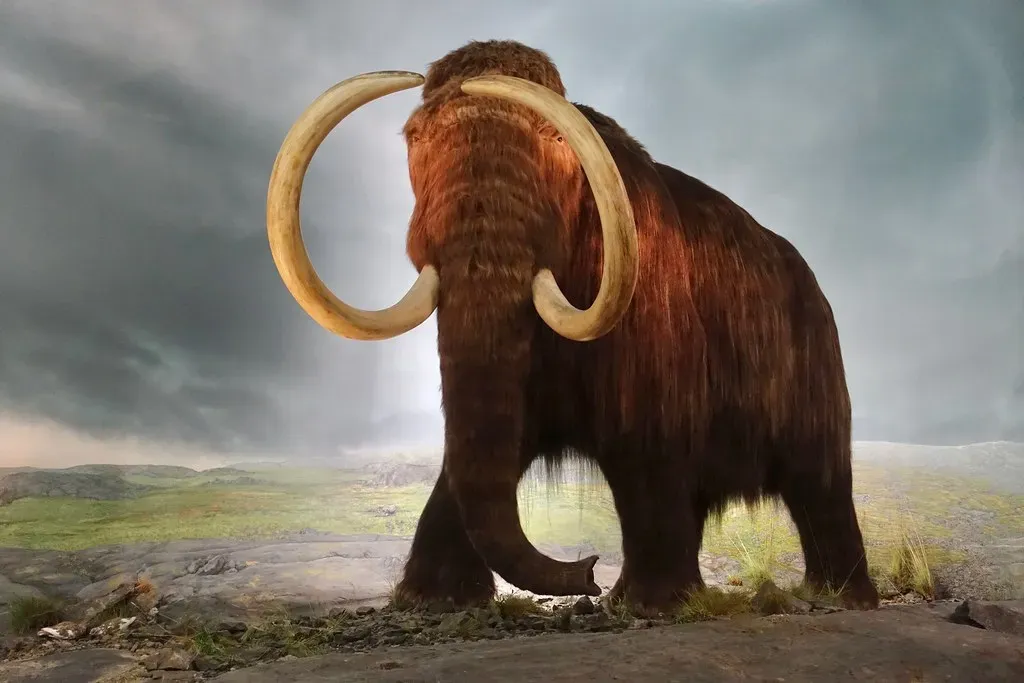
Even after mammoths vanished from most of their range, a few isolated groups hung on in surprising places. On Wrangel Island in the Arctic Ocean, a small population of woolly mammoths survived until only about four thousand years ago, at a time when Egypt already had complex societies and stone monuments. Genetic studies of their remains suggest these last mammoths were living in a kind of precarious bubble, with low genetic diversity and signs of harmful mutations building up over generations. They were survivors, but they were also fragile.
Other islands, such as Saint Paul Island in the Bering Sea, also hosted late-surviving mammoths that persisted long after continental populations had disappeared. These island groups probably benefited initially from being cut off from human hunters and sudden environmental changes. But isolation is a double-edged sword. Once conditions on those islands shifted – whether through changing sea levels, freshwater shortages, vegetation changes, or eventual human contact – the last refuges collapsed. In a way, these final populations are like the faint echo at the end of a long song, a reminder that extinction often plays out region by region, not all at once.
Resurrection Talk: Should We Bring Mammoths Back?
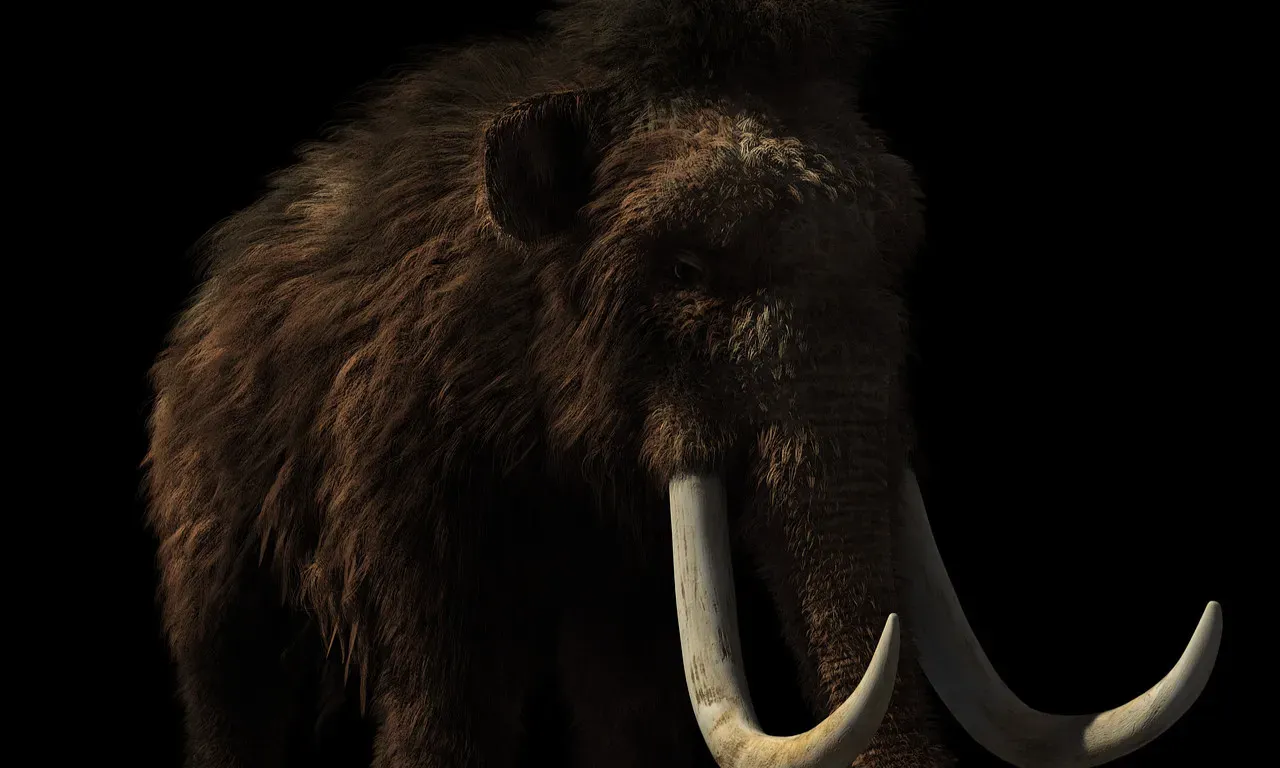
In the last decade, advances in genetics have turned mammoths from distant fossils into candidates, at least theoretically, for de-extinction. Scientists have sequenced mammoth DNA from frozen remains and compared it to modern elephants, their closest living relatives. Some research groups are trying to insert mammoth-like genes into elephant cells, with the idea of eventually creating cold-tolerant hybrids that could fill a similar ecological role in Arctic regions. The concept sounds like science fiction, but it’s being taken seriously enough to attract real funding and heated ethical debates.
Even if it becomes technically possible, the bigger question is whether we should do it. There’s a tempting emotional logic: humans probably played a significant role in mammoths’ extinction, so maybe we owe them a kind of restitution. But resurrecting a form of mammoth into a world that has changed dramatically raises hard questions about habitat, welfare, and unintended consequences. Would these animals be wild or essentially captive experiments? Would they help restore damaged ecosystems or simply distract us from protecting the species that are still here? The urge to bring them back says a lot about our guilt and our hope, but it doesn’t erase the fact that we once let them slip away.
What Mammoths Still Teach Us About Extinction Today
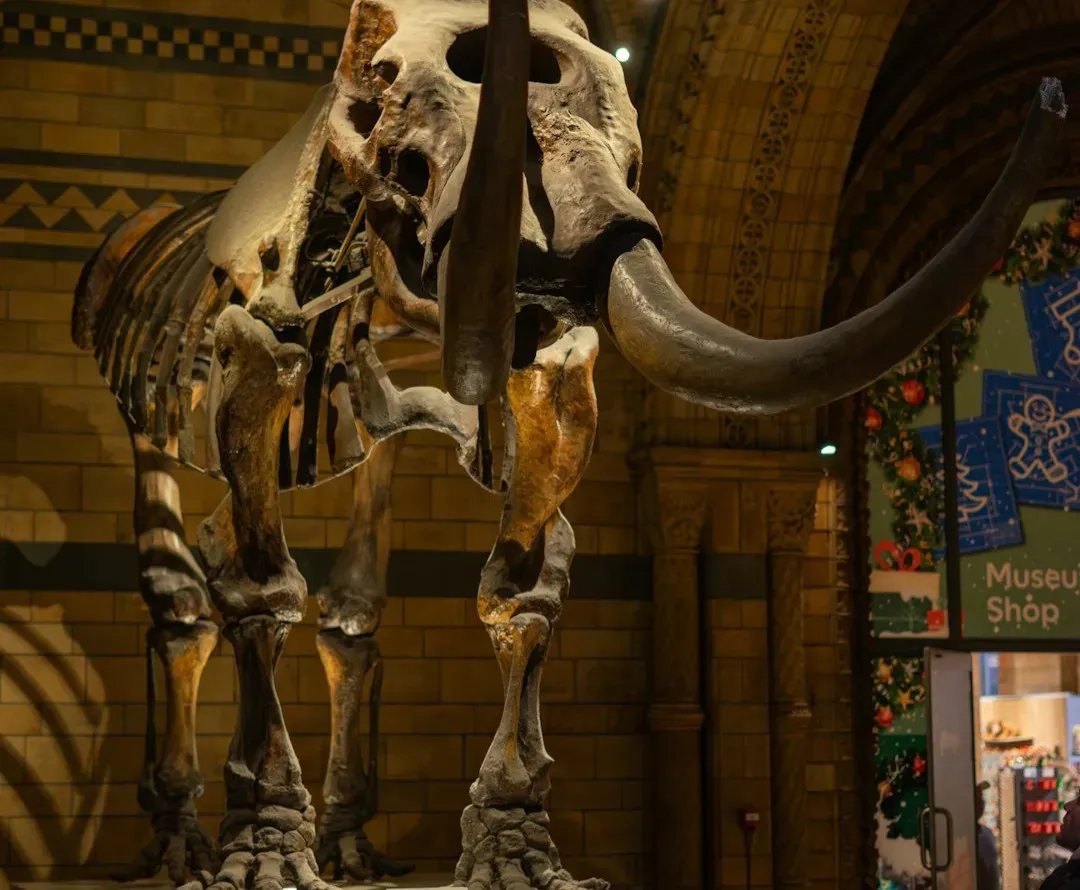
The story of the mammoths is not some distant, irrelevant tragedy; it feels eerily close to what we see now with elephants, rhinos, large predators, and other big animals. Once again, climate is changing rapidly, habitats are being fragmented, and humans are pushing into almost every corner of the planet. The combination of environmental stress, hunting or poaching, and shrinking wild spaces looks uncomfortably familiar. Mammoths show us how a species can be tough, adaptable, and widespread – and still fall when too many pressures pile up at once.
On a more personal level, there’s something haunting about knowing that, if you rewound time just a few thousand years, humans and mammoths shared the same landscapes. They were not mythical beasts; they were as real as the cows in a field or the elephants in a wildlife reserve. Their disappearance forces us to face an unsettling truth: our species can alter the fate of others on a planetary scale, sometimes without fully understanding what we’re doing until it’s too late. In a world where many species are now on the edge, the question hanging over us is simple but uncomfortable – will we repeat the same pattern, or finally learn from what happened to the mammoths?