
If you grew up hearing that plants are passive, silent background props, the truth might feel a bit shocking: they are constantly sensing, reacting, and “talking” to the world around them. Not with words, of course, but with chemicals, electrical signals, colors, and even tiny vibrations that other organisms can pick up on. Once you start seeing plants as active players instead of scenery, a walk through a park suddenly feels a lot more like stepping into a crowded conversation.
Scientists over the past few decades have been uncovering layer after layer of hidden plant behavior, and each discovery seems stranger and more fascinating than the last. Plants warn each other of danger, recruit bodyguards, tweak the behavior of insects, and adjust their own growth with almost eerie precision. When I first learned about some of these mechanisms, it completely changed how I looked at the weeds growing between sidewalk cracks. Let’s dig into eight of the most world.
Chemical Alarm Signals Through the Air

Imagine being able to smell fear – plants more or less can. When a leaf is chewed by an insect, many plants release invisible clouds of volatile chemicals into the air. These airborne compounds can move to neighboring plants of the same species and sometimes even to different species nearby, acting like an alarm siren carried on the breeze. The neighbors that “smell” these warning scents can respond by boosting their own defenses before the attacker reaches them.
This kind of chemical early warning system has been documented in several familiar plants, including certain trees, crop plants, and wild grasses. It’s as if one plant is yelling to the others: “Heads up, something’s eating me – get ready!” I still remember reading about this the first time and picturing an invisible group chat going on in a forest every time a caterpillar takes a bite. While it doesn’t mean plants are conscious in a human sense, it does show they are wired to share threat information instead of suffering in silence.
Root Conversations Through Underground Fungi
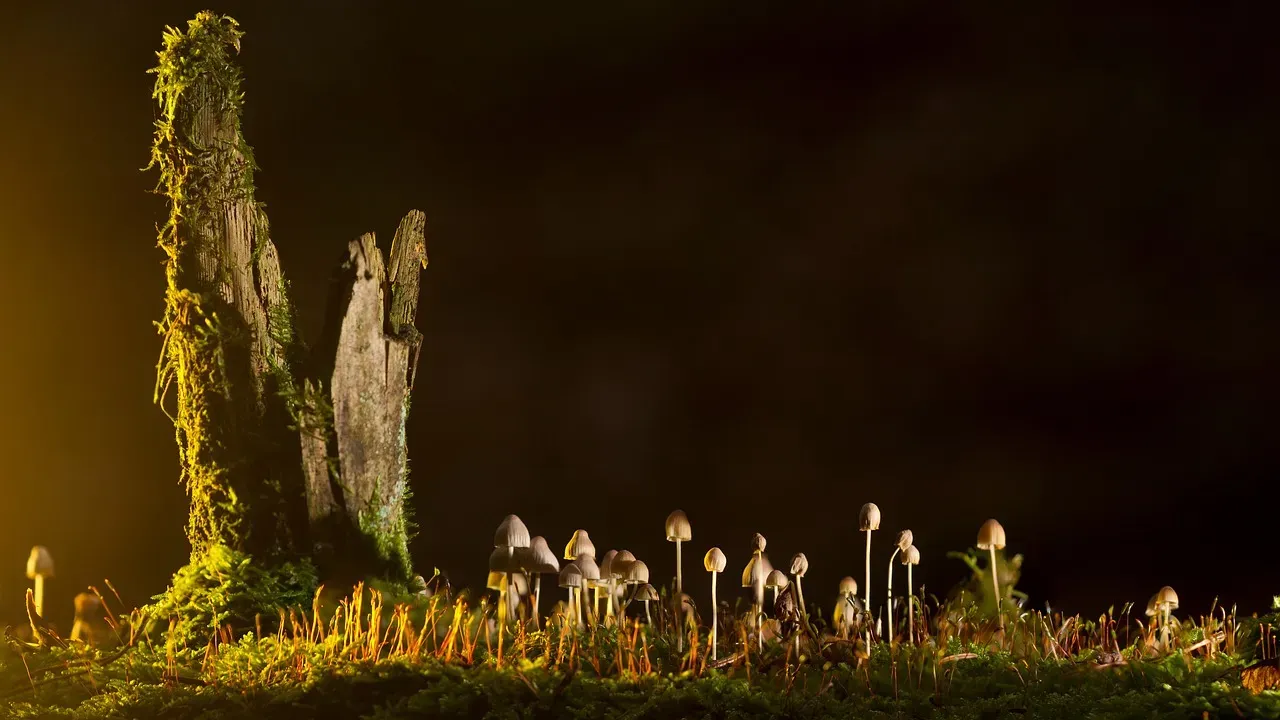
Below the soil, an entirely different kind of plant communication network is operating, often compared to an underground internet. Many plants form partnerships with special fungi that wrap around or even grow into their roots. These fungal threads can connect multiple plants together, allowing nutrients and chemical signals to pass from one plant to another through the shared network. Some researchers have called this a kind of “wood wide web,” and while that phrase is catchy, the basic idea is serious science.
Through this fungal network, older trees have been shown to send resources to younger, shaded seedlings, and stressed plants can send out signals that alter how others allocate nutrients or ramp up defenses. It’s not a peaceful utopia, though; some plants appear to use the network to disadvantage competitors by leaking substances that slow their growth. When I think about a forest now, I don’t just see trunks and leaves – I imagine a dense web of invisible connections beneath my feet, quietly routing information and resources like a very slow, very organic data cable.
Recruiting Bodyguards With Perfumed SOS Signals
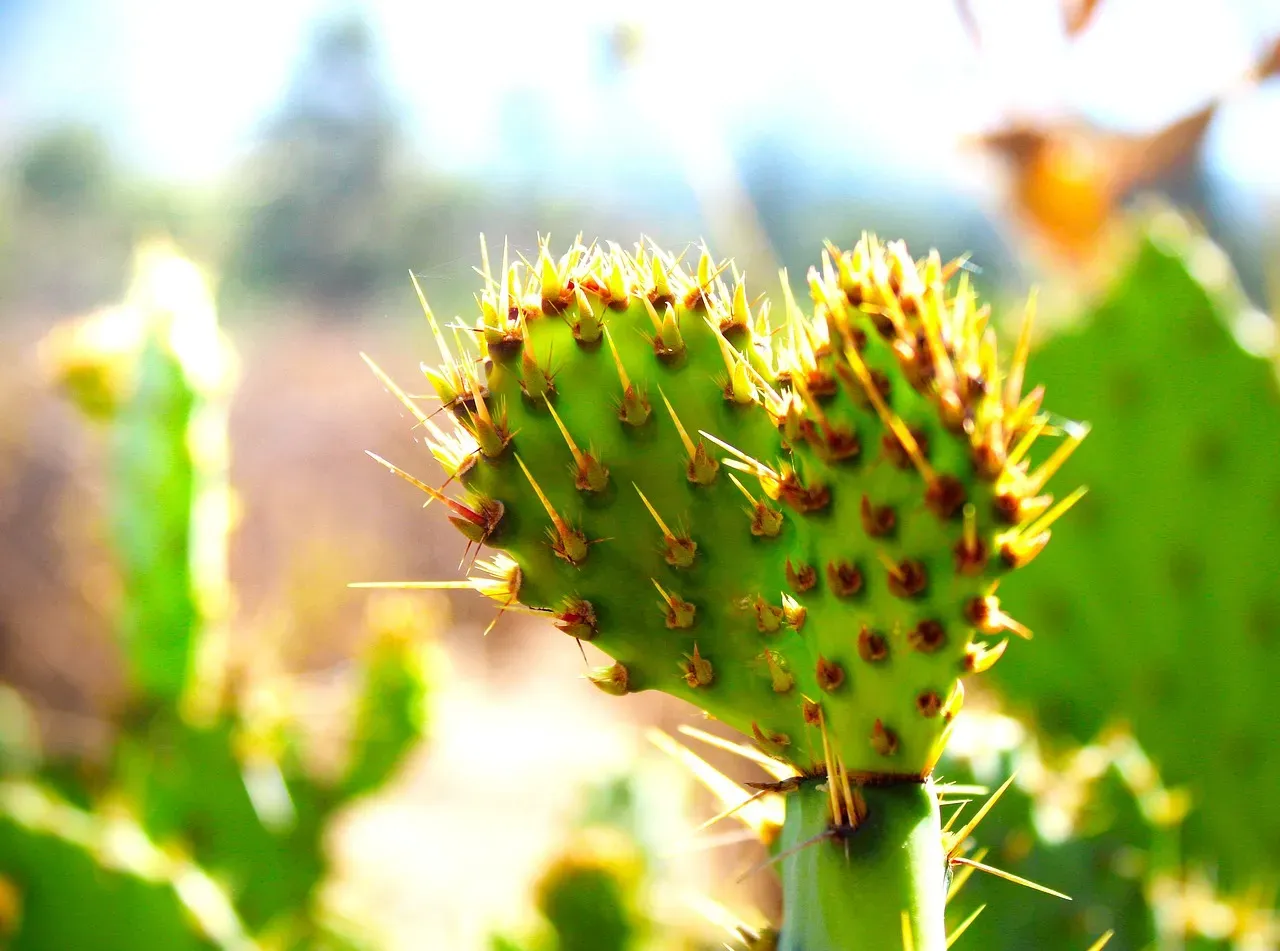
Plants cannot run away from hungry insects, so they do the next best thing: they call for backup. When certain plants are attacked by herbivores, they release very specific blends of scent molecules that attract the natural enemies of those herbivores. For example, if a caterpillar is munching on leaves, the plant may emit chemicals that lure parasitic wasps that lay their eggs in those caterpillars. It’s a ruthless strategy, but incredibly effective.
These SOS perfumes can be so finely tuned that they differ depending on which insect is attacking, almost like using different ringtones for different callers. Farmers and researchers have been studying how to use this built‑in plant behavior to reduce reliance on synthetic pesticides, by encouraging or enhancing the plants’ own ability to summon allies. To me, this flips the script about plants being helpless; they’re more like clever tacticians outsourcing their defense work to the local predators and letting the food chain handle the problem.
Color Changes to Send Messages Above Ground

Plants also talk with color, using their leaves, flowers, and even stems as billboards. Flower colors and patterns are not just pretty – they’re targeted signals to pollinators, guiding bees, butterflies, and birds to the exact spot where nectar and pollen are stored. Some flowers even display ultraviolet markings that humans can’t see but many insects can, acting like glowing runway lights leading to the reward. These visual cues help pollinators work more efficiently, and in return the plant gets its pollen delivered to other flowers.
Color can also signal when a plant has already been visited or when its resources are low. Certain flowers shift shade as they age or after pollination, essentially telling pollinators not to waste their time. Even the deep reds and oranges of autumn leaves can carry messages, with some scientists suggesting they might deter particular insects by advertising strong chemical defenses. It’s easy to dismiss color as decoration, but in the plant world, it often functions more like signage and traffic signals than simple ornament.
Electrical Signals and Plant “Nervous” Systems

Plants do not have nerves or brains like animals, but they do use electrical signals to sense and respond to their environment. When a leaf is touched, cut, or suddenly shaded, tiny electrical pulses can travel through the plant’s tissues. In some species, such as the famous sensitive plant that folds its leaves when touched, these electrical messages trigger rapid movement. In others, the signals may instead adjust growth patterns or activate chemical defenses over a longer time scale.
Researchers have recorded these plant electrical signals using equipment similar to what is used for studying animal nerves, and the patterns can be surprisingly complex. Some studies suggest that plants can distinguish between different types of stimuli based on the shape or frequency of the electrical pulses. To me, this is one of the most mind‑bending findings, because it challenges the idea that sophisticated signaling requires a brain. Plants seem to operate a distributed system, where each part can receive and interpret signals, more like a well‑coordinated crowd than a single central controller.
Touch, Vibration, and Sound-Like Sensitivity
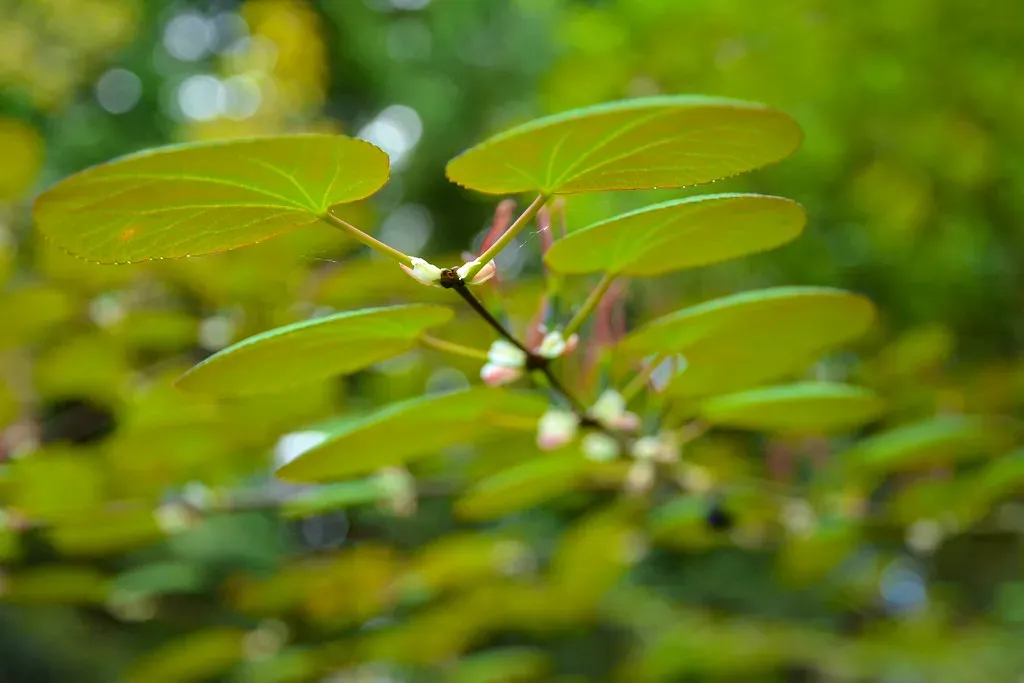
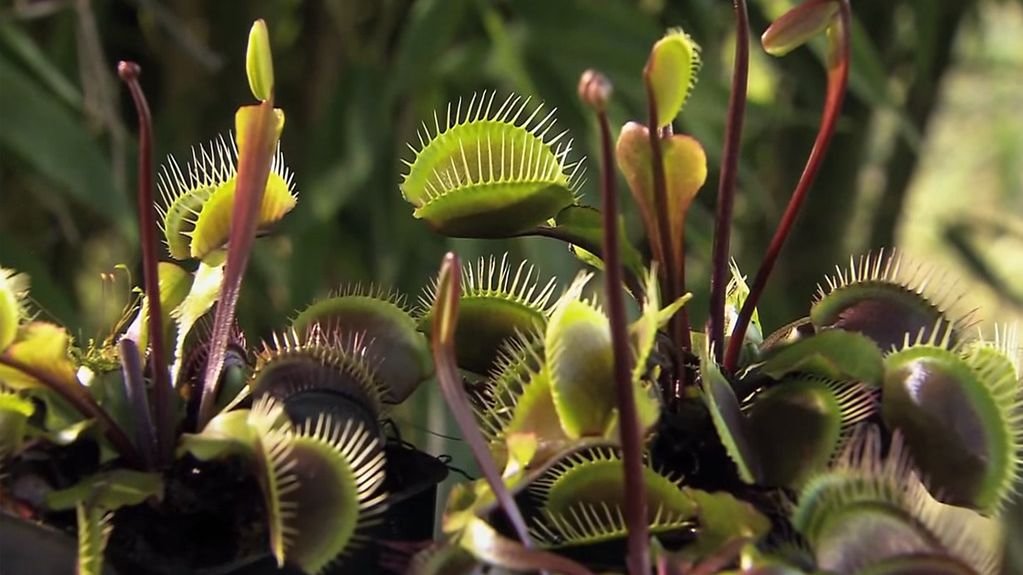
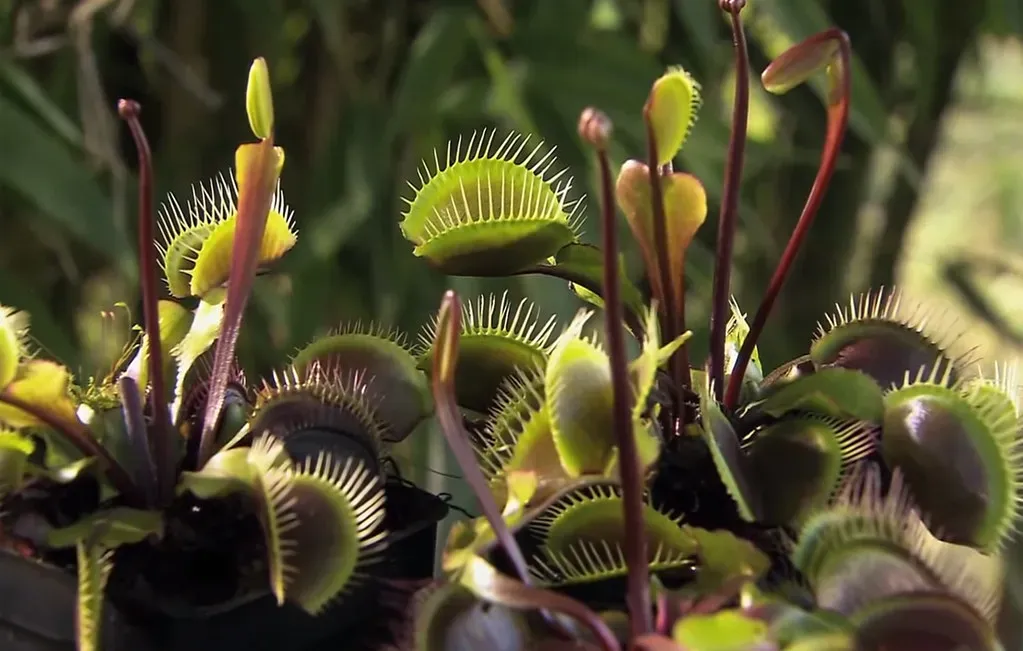
Many plants are exquisitely sensitive to touch and vibration, even though they lack ears or muscles. Climbing vines, for example, can detect when they bump into a support and then twist around it in slow motion, adjusting their direction toward whatever they can grab onto. Some carnivorous plants close their traps only after detecting repeated touches, which helps distinguish between raindrops and actual prey. This ability to discriminate different kinds of mechanical signals gives plants a surprisingly sophisticated sense of their physical surroundings.
There is growing evidence that certain plants can respond to specific vibration patterns, such as those produced by chewing insects or even some low‑frequency sounds. In controlled experiments, some plants adjusted growth or defensive chemistry when exposed to particular vibration cues, even without direct damage. It’s still an evolving field, and there’s a lot we don’t know, but the idea of plants “hearing” the world through vibrations makes wind, footsteps, and insect buzzes feel like part of a continuous sensory landscape. Every rustle might be information they can use.
Smart Timing: Responding to Light and Day Length
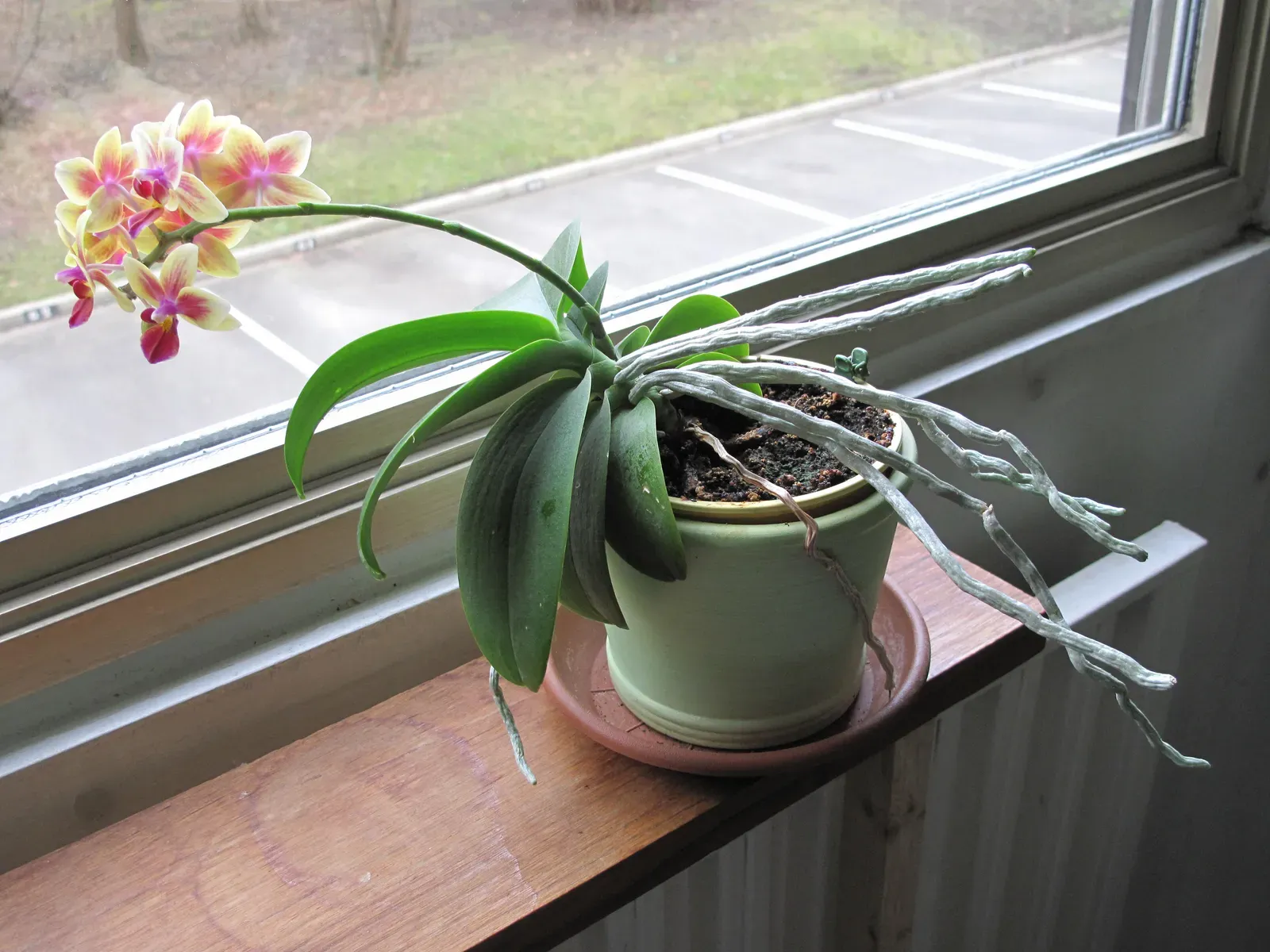
Plants are constantly reading light, using it as a kind of clock and calendar to guide their behavior. Specialized pigments allow them to track not just brightness, but also the color of light and the length of day versus night. With this information, they decide when to sprout, when to flower, and when to prepare for winter. Many crops rely on very specific day‑length cues, which is why the same variety might thrive in one latitude and fail in another, even if the temperature is similar.
On a smaller scale, plants use light cues to coordinate daily rhythms, such as when to open or close flowers and when to raise or lower leaves. If you’ve ever kept a houseplant in a dim corner and watched it slowly lean toward a window, you’ve seen this light‑based communication in action. The plant is effectively “reading” the direction and quality of light and physically responding to it, like a person turning toward a warm campfire. For me, this is one of the most relatable plant behaviors, because you can see it change over days without any fancy equipment.
Shaping the Soil With Chemical Messages
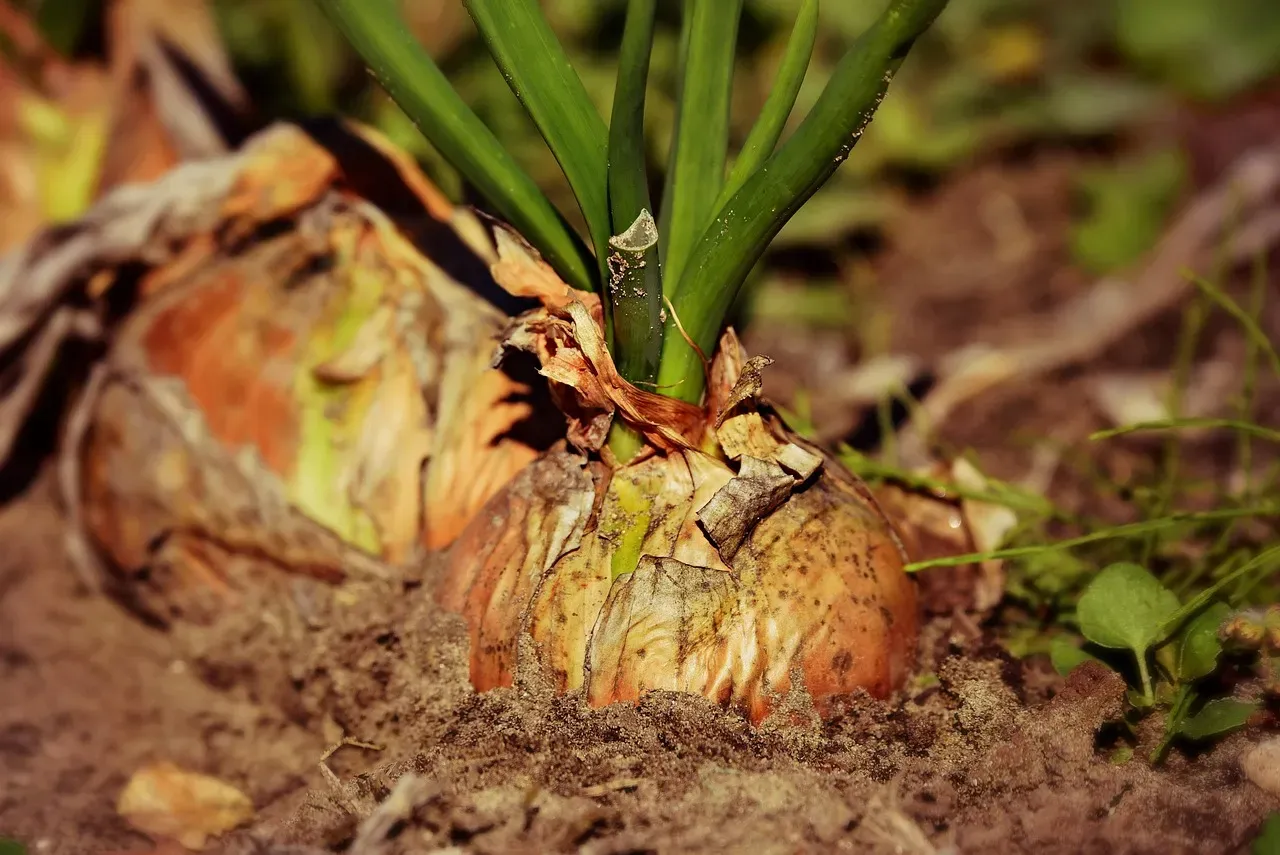
Plants do not just passively grow in whatever soil they find; they actively modify it with chemicals released from their roots. These exuded compounds can encourage friendly microbes, suppress harmful ones, and even change how nutrients become available. In some cases, plants use these root chemicals to make the soil more favorable to themselves or to future generations of the same species. It’s a bit like secretly rearranging the furniture in a shared room so it suits you better.
Some plants go even further and use chemicals in the soil to reduce competition, releasing substances that slow the growth of neighboring species. This strategy, known as allelopathy, helps them capture more light, water, and nutrients for themselves. From a human perspective, it can be frustrating, because certain allelopathic plants make it hard to grow crops or garden plants nearby. But from the plant’s point of view, it’s a powerful way of interacting with the environment, turning the soil into both a message board and a battlefield.
Seeing Plants as Active Participants
Once you realize how many ways plants send and receive information – through scents, colors, electric pulses, touch, and underground networks – it becomes hard to see them as simple, silent life forms. They are constantly negotiating with insects, microbes, neighboring plants, and the physical environment, making adjustments that help them survive and reproduce. The forest, the field, and even the potted herb on a windowsill are full of slow, intricate conversations we rarely notice.
For me, that shift in perspective is the most powerful part of all this research: realizing that a garden is not just a collection of decorations, but a living community engaged in a thousand subtle interactions. Paying attention to those signals – watching how leaves turn, flowers change, and roots reshape the soil – can turn everyday plants into something closer to characters you get to know over time. The next time you walk past a patch of greenery, it might be worth asking yourself: what kind of conversation is happening there right now that you just can’t see?