For most of modern history, marine biology textbooks painted the deep ocean as a dark, mostly barren desert with a few strange creatures drifting through the cold. Over the past couple of decades, that picture has been ripped up and rewritten so many times that even scientists admit they’re still scrambling to keep up. The more we look, the weirder, louder, brighter, and more crowded the oceans turn out to be.
From gigantic “phantom” sharks and shapeshifting octopuses to entire reefs hiding in the dark, the discoveries coming from submarines, deep-sea robots, and genetic tools are forcing researchers to rethink what life in the sea can be. Some of these findings are so unexpected that they’ve overturned long‑held assumptions in a single stroke, opening up new questions about evolution, climate, and even how life began on Earth. Let’s dive into seven of the most astonishing discoveries that have truly shaken up marine biology.
1. Hydrothermal Vent Ecosystems Without Sunlight
Imagine an alien world at the bottom of the ocean: towering chimneys spewing black, hot fluid, surrounded by dense swarms of giant tube worms, crabs, snails, and ghostly fish. When scientists first stumbled on hydrothermal vents in the late 1970s, it broke one of biology’s core “rules” – that sunlight was the ultimate power source for complex ecosystems. Here was a whole community fueled not by photosynthesis, but by chemosynthesis, with microbes using chemicals like hydrogen sulfide from the vents as an energy source.
What shocked biologists even more was how lush these deep communities were compared with the empty seafloor around them. Some vents support thick carpets of life in a place where sunlight never reaches and temperatures can swing from near freezing to levels hot enough to kill most surface organisms. These discoveries changed our understanding of where life can survive and inspired new ideas about how life might exist on icy moons like Europa and Enceladus. They also forced scientists to admit that Earth’s “habitable zone” is much larger and stranger than anyone expected.
2. The Twilight Zone’s Hidden Biomass and Vertical Migrations
If you’ve ever pictured the midwater ocean – the dim, blue “twilight zone” hundreds of meters down – as a quiet, empty space, that image is now badly outdated. Over the last decade especially, new sonar, camera systems, and autonomous vehicles have revealed that this region is packed with life: small fish, gelatinous creatures, squids, and crustaceans in staggering numbers. Some estimates suggest that the total biomass in this zone may rival, or even exceed, that of all coastal fisheries combined, which is a humbling thought.
Even more mind‑bending is what these animals do every single day. Vast swarms of them perform a vertical commute, rising toward the surface at night to feed and sinking back down by day to avoid predators. This daily movement is often called the largest animal migration on Earth, by sheer number of individuals and distance traveled, and it happens mostly unnoticed below the waves. By shuttling carbon from the surface to deeper waters, these migrations play a huge role in the global carbon cycle and climate regulation, a role that was massively underestimated until recently.
3. Massive Deep-Sea Coral Reefs in the Dark
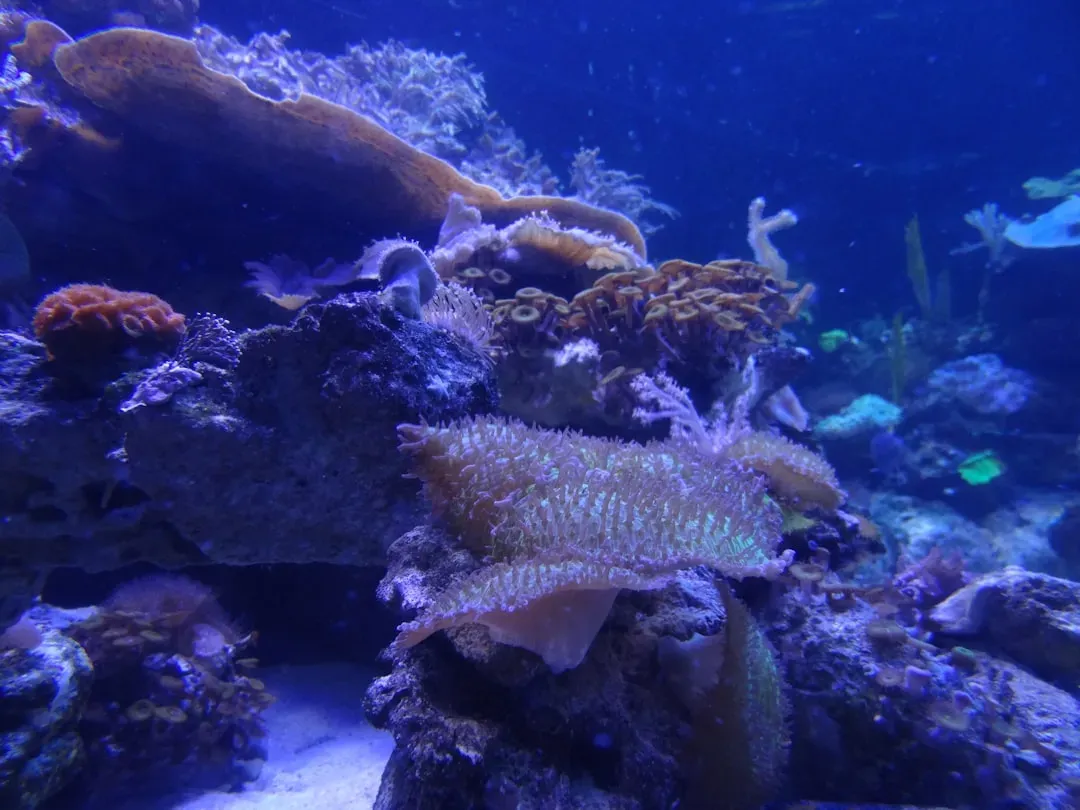
For years, coral reefs were mostly associated with sunlit tropical shallows – bright, colorful, and teeming with life. Then deep‑sea surveys started turning up coral gardens and even vast reef structures in cold, dark waters hundreds or even thousands of meters down. Some of these deep reefs stretch for hundreds of kilometers along continental margins, supporting an entire hidden world of fish, invertebrates, and microbes that had simply never been seen before. They don’t rely on sunlight, but instead capture food drifting in the currents.
What really challenged marine biology wasn’t just that corals can thrive without light, but that many of these reefs are ancient, having grown slowly over thousands of years. That makes them incredibly important archives of past ocean conditions and climate history. At the same time, they’re frighteningly vulnerable to bottom trawling, mining, and warming waters. Discovering such elaborate ecosystems so recently, yet already finding them damaged in some areas, has been a wake‑up call about how little we know – and how quickly we’re changing what we’ve only just found.
4. The Goblin Shark and Other Deep “Living Fossils”
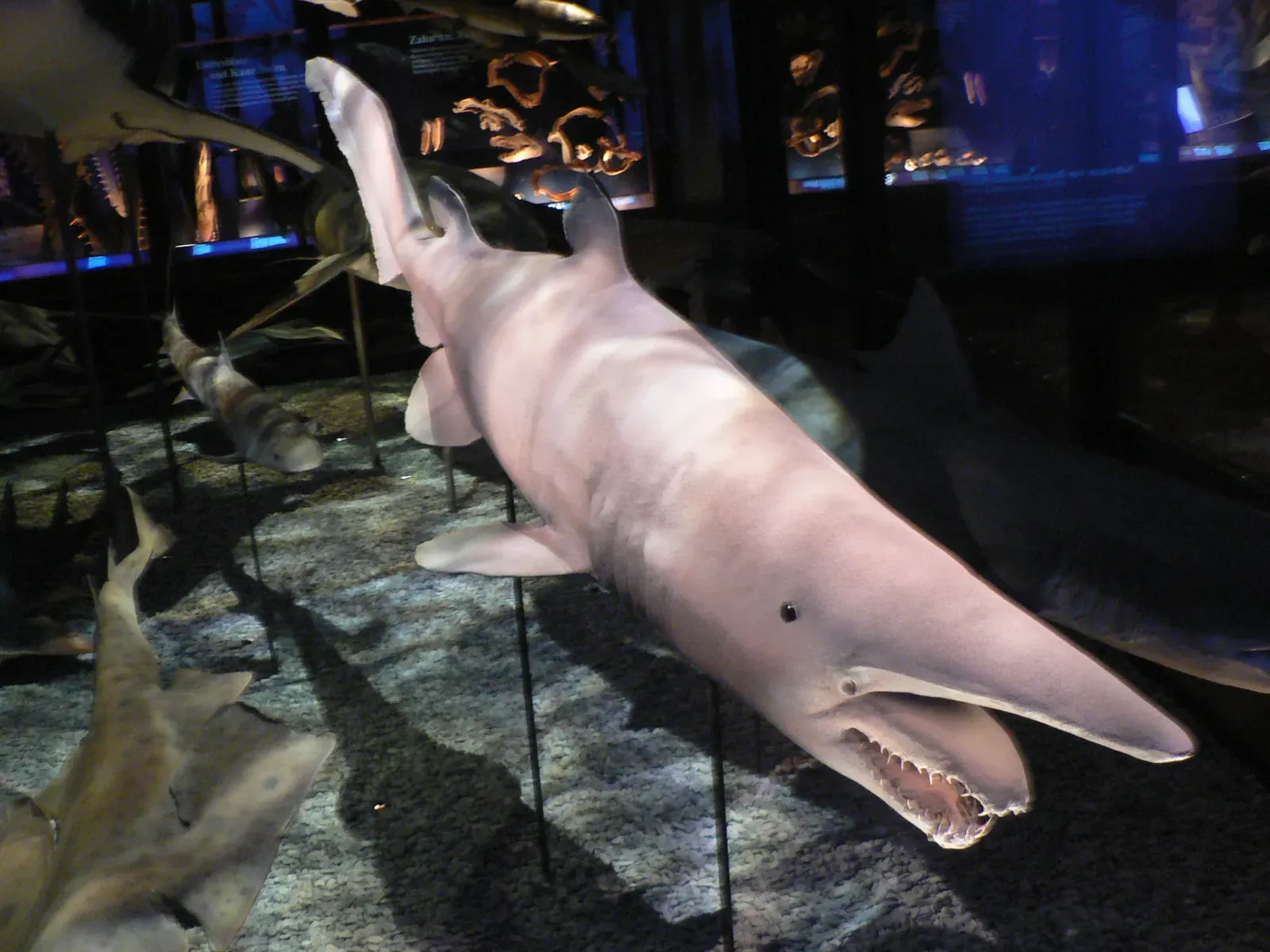
Every now and then, the ocean coughs up a creature that looks like it swam straight out of prehistory. The goblin shark is a perfect example: with its long, flattened snout and a jaw that shoots forward like a spring‑loaded trap, it seems almost too bizarre to be real. Genetic and fossil evidence suggest that this species’ lineage has changed relatively little for tens of millions of years, which is why it’s often called a living fossil. It’s not alone; other deep‑sea sharks, coelacanths, and bizarre fishes tell similar stories of slow evolutionary change in the depths.
For marine biologists, animals like the goblin shark raise uncomfortable questions about why some lineages remain so stable while others explode into new forms. The deep ocean, with its cold, dark, and relatively stable conditions, appears to act as a kind of refuge where ancient designs can persist. Yet these “unchanged” species are now facing rapid human‑driven changes in temperature, oxygen levels, and fishing pressure that their slow, conservative evolution may not handle well. There’s a haunting irony in finally finding these survivors of ancient oceans just as their environment starts to shift beneath them.
5. Octopus Cities and Surprisingly Complex Behavior
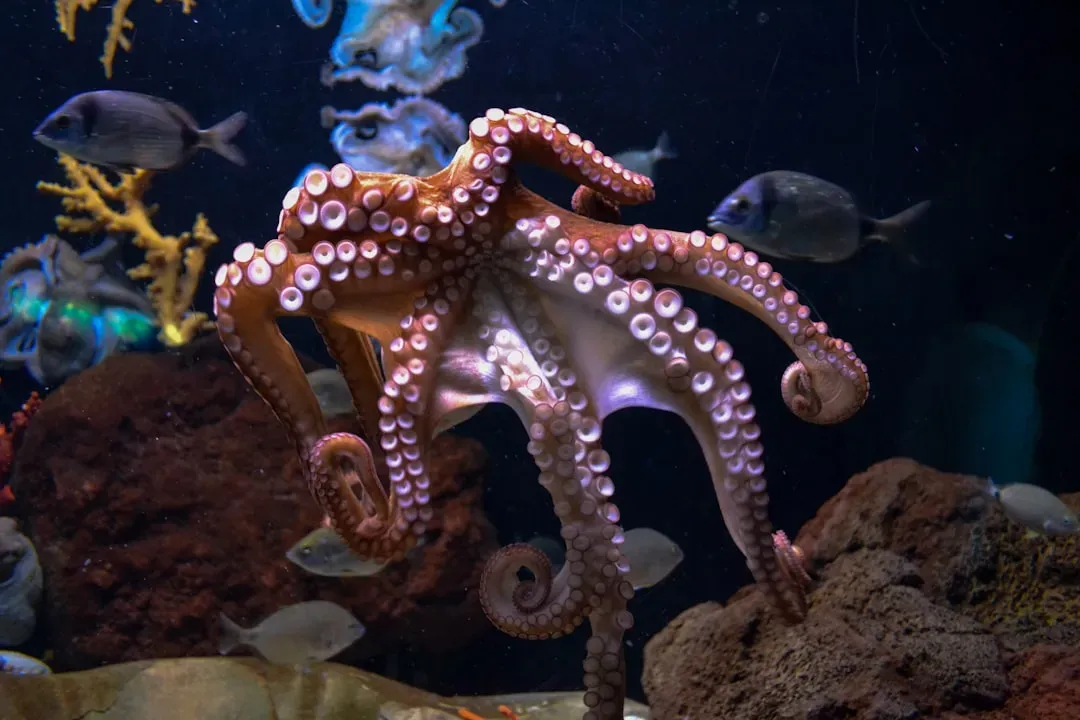
For a long time, octopuses were seen as solitary escape artists – clever, but mostly loners hiding in dens and coming out to hunt. Then researchers began documenting what looked very much like octopus neighborhoods on the seafloor, with multiple individuals living in close proximity, arranging shells and rocks, and interacting in ways that seemed more social than expected. Some sites even showed what looked like shared “infrastructure,” such as piles of shells that many octopuses used for shelter and construction, almost like a scrapyard village.
These findings have pushed scientists to rethink octopus behavior and intelligence, not as a quirky one‑off but as part of a more flexible, context‑dependent lifestyle. In some environments, being social might offer advantages, even if the species is not social everywhere. Combined with other discoveries – like octopuses using tools, solving puzzles, and showing individual personalities – these underwater “cities” hint at a mind that evolved along a very different path from ours, yet converged on some surprisingly complex solutions. It challenges the comforting idea that vertebrates always sit at the top of the intelligence ladder.
6. The Great Pacific Garbage Patch and Plastic-Evolved Communities
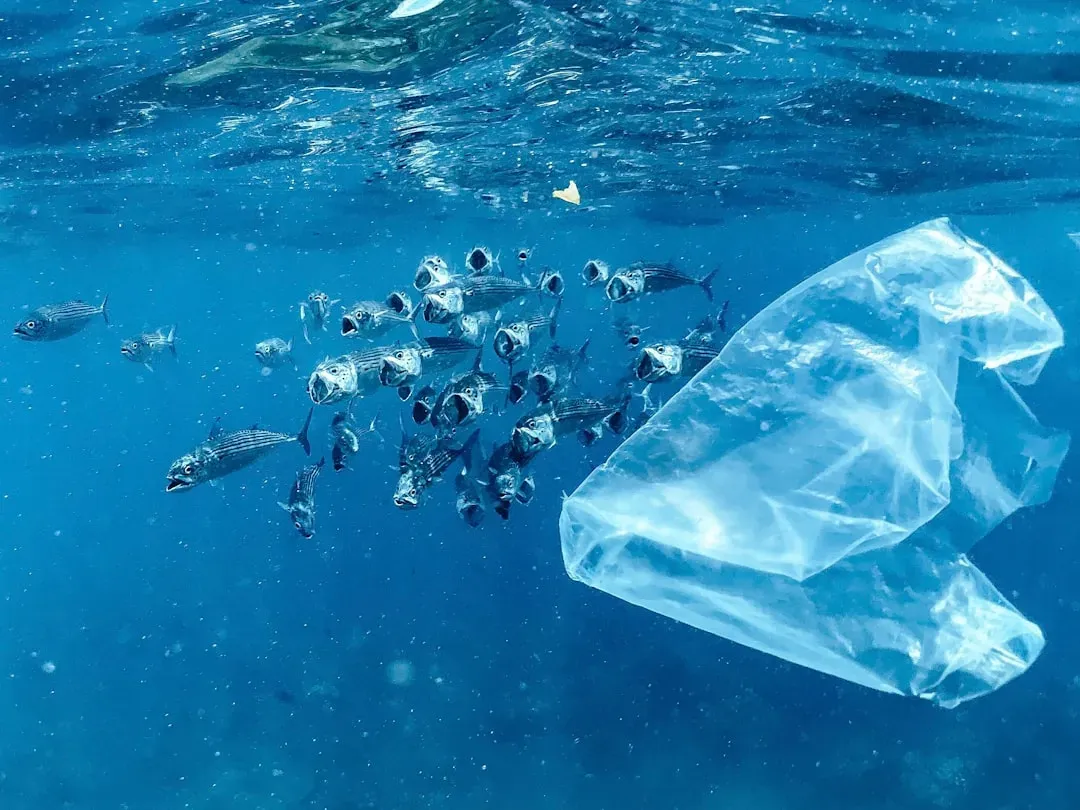
The discovery of enormous accumulations of floating plastic in the open ocean shocked the public, but it also shook marine biology in a different way. In places like the Great Pacific Garbage Patch, researchers found not just a swirling soup of plastic fragments, but an entirely new kind of habitat. Rafts of plastic were covered in algae, barnacles, crabs, and tiny invertebrates, some of which usually live only on coastlines. Suddenly, organisms that once depended on rocks or driftwood near shore now had long‑lasting artificial platforms to colonize thousands of kilometers offshore.
This “plastisphere” has forced scientists to confront how quickly life adapts to human‑made materials and how that might scramble long‑standing patterns of species distribution. Coastal species can now hitch permanent rides across ocean basins, potentially turning plastic into a global invasion highway. Microbial communities growing on these surfaces can alter local chemistry and may even evolve unique metabolisms to break down certain compounds. It’s a disturbing realization: in just a few decades, our trash has become a major architect of new ocean ecosystems, rewiring ecological connections in ways we barely understand.
7. Marine Viruses and the Invisible Drivers of the Ocean
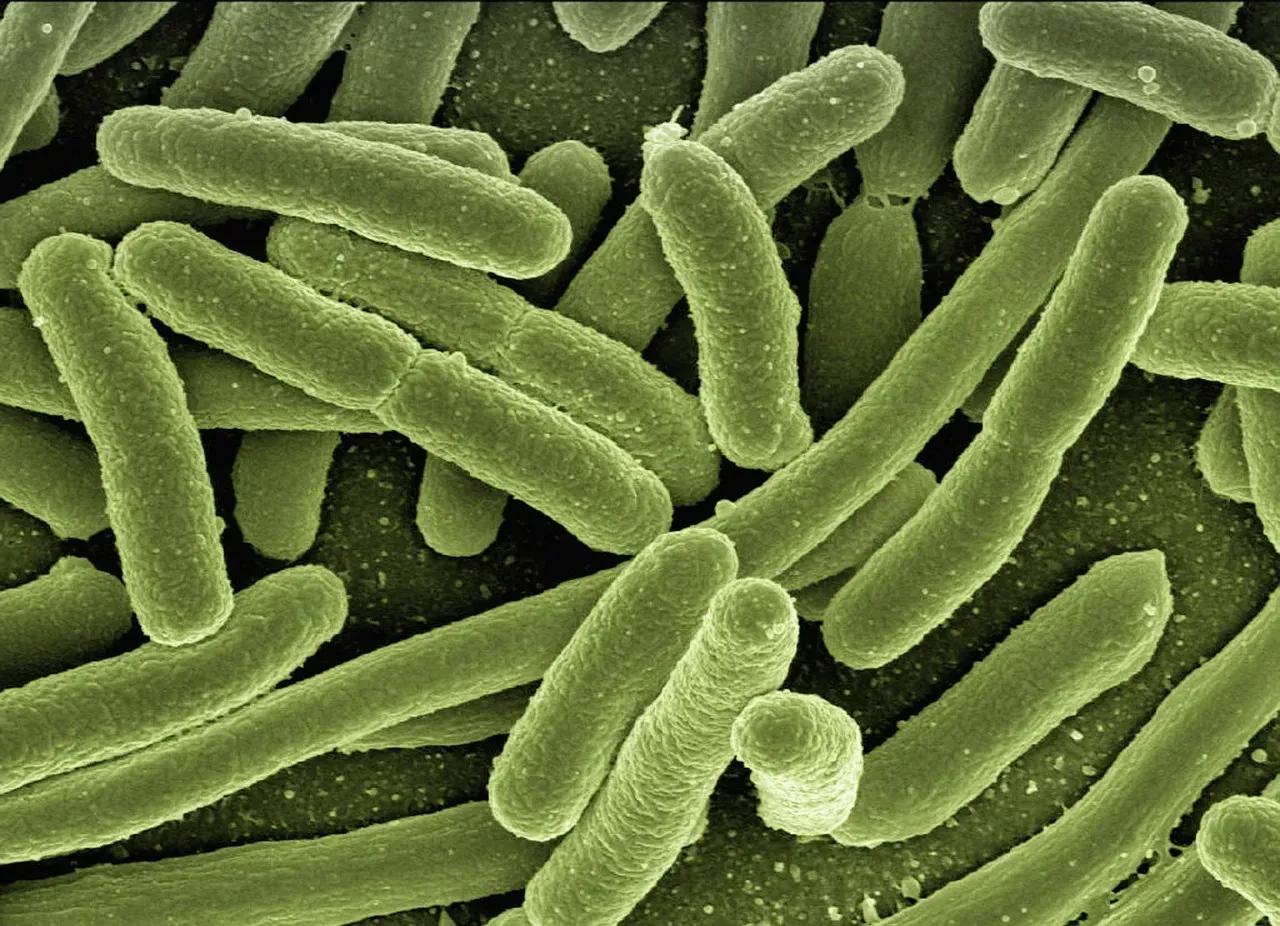
When people think of ocean life, they imagine whales, turtles, reefs, maybe schools of fish. Almost no one jumps to viruses, yet they are by far the most abundant biological entities in the sea. Modern genetic surveys have shown that a single liter of seawater can contain billions of viral particles and an extraordinary diversity of types, many infecting bacteria and microscopic plankton. These viruses burst their hosts open, recycling nutrients back into the water and reshaping who thrives and who fades in microbial communities.
This invisible slaughterhouse turns out to be a central engine for ocean chemistry and climate. By killing vast numbers of microbes every day, marine viruses directly influence how much carbon sinks into the deep sea versus staying near the surface. They also drive rapid evolution, shuffling genes between organisms and pushing microbes to constantly adapt. For marine biology, this has been a humbling discovery: some of the most powerful players in the ocean food web are not whales or sharks, but tiny, unseen packets of genetic material changing the rules from the shadows.
A Planet Still Full of Ocean Surprises
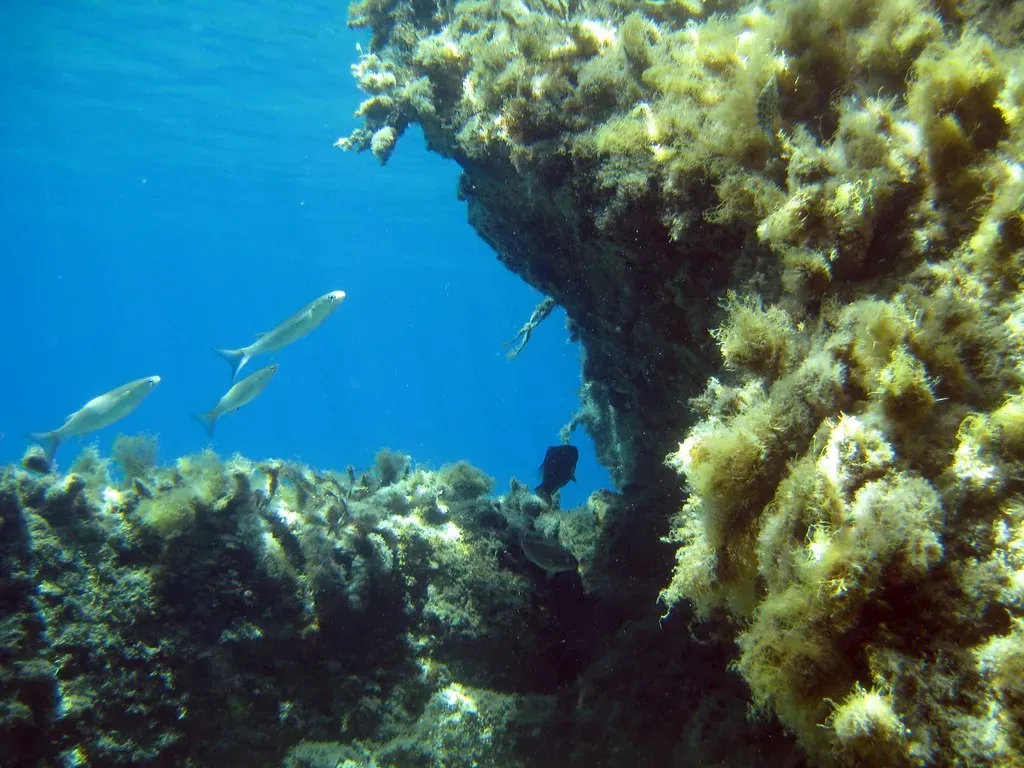
All of these discoveries share a common thread: they reveal how little we truly knew about the oceans, even after decades of research and exploration. Ecosystems powered by chemicals instead of sunlight, massive migrations hidden in the dark, ancient reefs in cold depths, and plastic‑based communities turning our waste into new habitats – each finding has forced a rewrite of some chapter of marine biology. They show that the ocean isn’t just a backdrop for familiar stories about fish and whales, but a restless, inventive system full of experiments in how to live.
In a way, the most unsettling and inspiring lesson is that we keep being wrong in bigger and more interesting ways than we expected. That means our choices about fishing, pollution, climate, and conservation are being made while we still only see a small slice of the picture. Yet it also means that every new expedition, sensor, or sample has the potential to change what we think is possible under the waves. With so much still hidden, what astounding ocean discovery do you think might be next?