If you think humans are tough, wait until you meet the animals that call the planet’s harshest places home. From creatures that literally survive being frozen solid to birds that casually cruise at heights where jetliners fly, life has evolved some jaw‑dropping tricks to push the limits of what seems possible.
We like to imagine Earth’s extremes as places where nothing could live, but the truth is almost the opposite: deserts, deep oceans, icy tundras, boiling vents, and oxygen‑starved mountaintops are full of specialists. These animals don’t just scrape by; they exploit conditions that would kill almost everything else. Let’s dive into ten of the most astonishing adaptations that turn “uninhabitable” into “perfect home.”
Antifreeze in the Blood: Surviving Subzero Seas
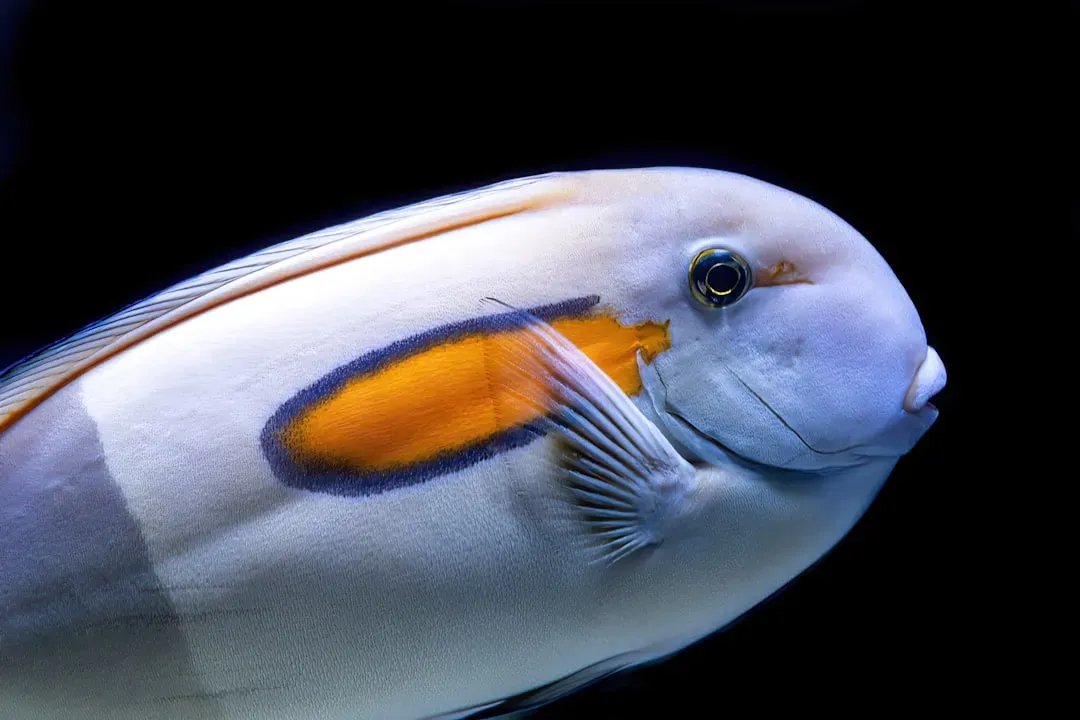
Imagine swimming in water so cold it can literally freeze your blood. For Antarctic notothenioid fishes, that’s just a Tuesday. These fish produce special antifreeze proteins that stop ice crystals from growing inside their bodies, keeping their blood and tissues flowing even when seawater drops below the normal freezing point of freshwater.
Instead of trying to avoid the cold, they lean into it, owning waters where many competitors simply can’t function. Their blood is often pale or nearly clear, because hemoglobin isn’t as critical in hyper‑cold, oxygen‑rich water, which is already surprising on its own. It’s a bit like having built‑in winter tires and heated seats while everyone else is stuck spinning their wheels on ice.
Freeze and Revive: Animals That Turn to Ice and Come Back
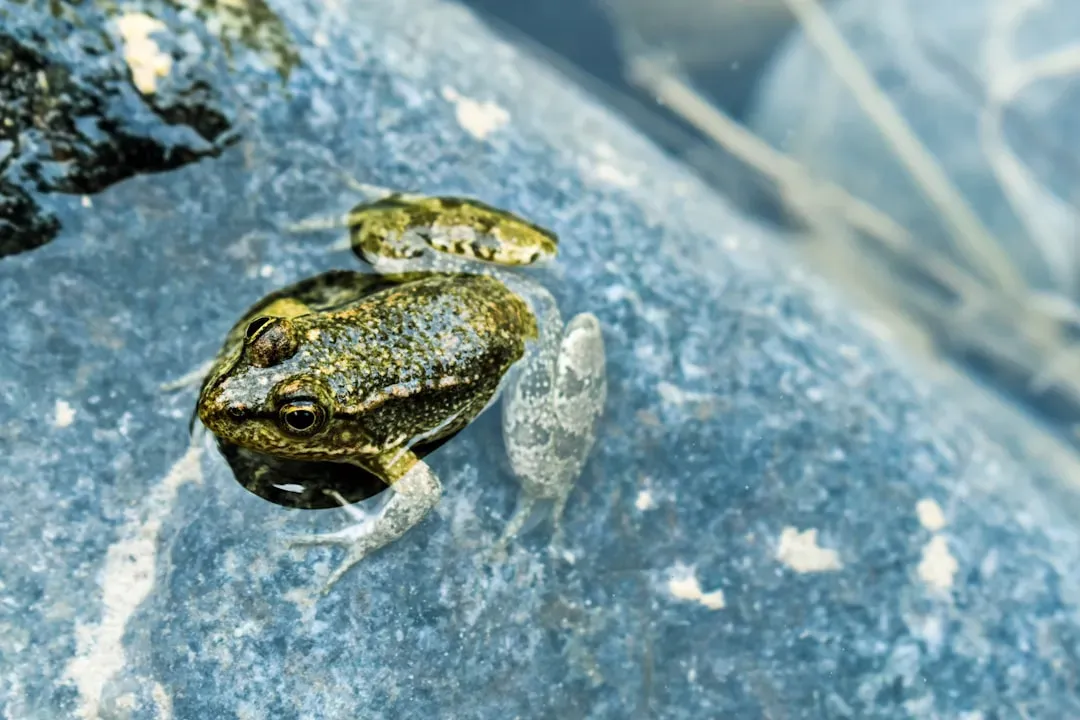
Some animals don’t just resist freezing; they actually endure it. Wood frogs in North America can survive having a large portion of their body water turn to ice during winter. Their hearts stop beating, they stop breathing, and yet, when spring warms them up, they thaw, reboot, and hop away as if nothing happened.
They pull this off by flooding their bodies with glucose and other cryoprotectants, which act like natural antifreeze and protect cells from damage. Certain insects and tiny invertebrates like tardigrades use similar strategies, slipping into a sort of suspended animation when temperatures plunge. It’s as if they hit a cosmic pause button on life, waiting calmly for the play button of warmer weather.
High‑Altitude Super Lungs: Thriving Where Oxygen Is Scarce
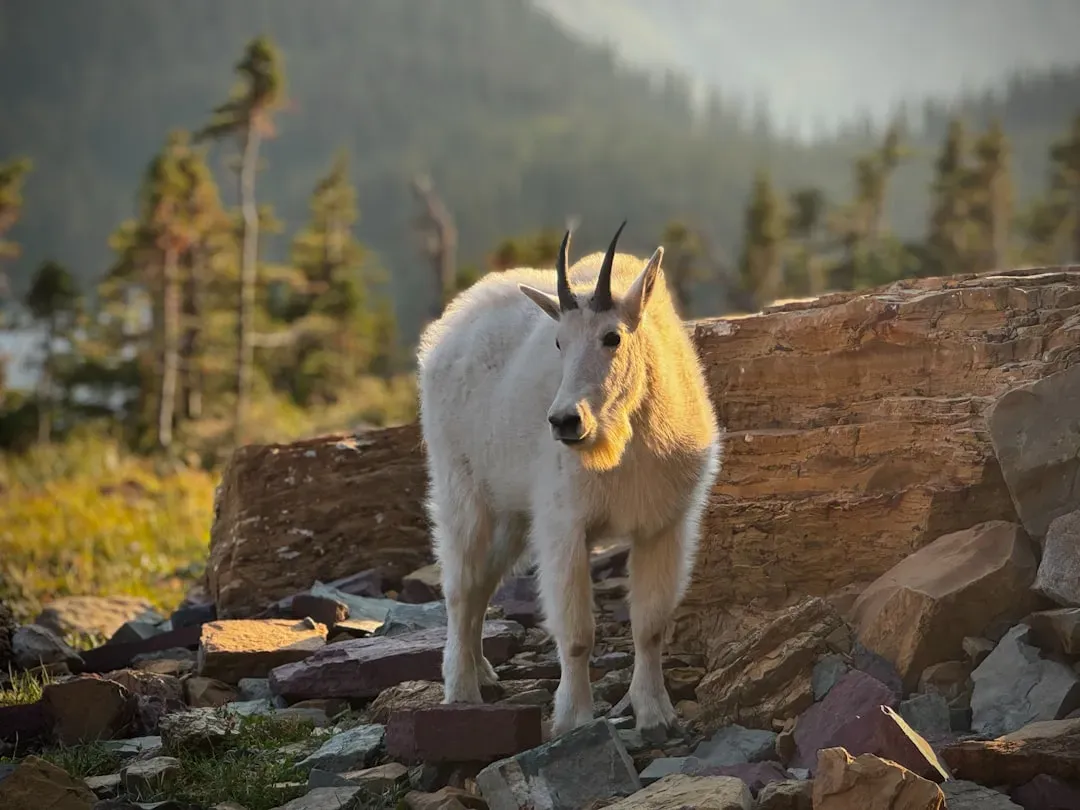
At the peaks of the Himalayas, Andes, and Ethiopian Highlands, the air is thin enough to leave most of us gasping within minutes. Yet animals like bar‑headed geese, yaks, and Andean camelids, such as llamas and vicuñas, move through that world as if it were sea level. Their secret lies in super‑charged oxygen transport systems built over countless generations.
These animals have adaptations such as larger lungs, increased capillary networks, and hemoglobin that clings more tightly to oxygen. Bar‑headed geese are especially striking; they migrate over the Himalayas, sometimes reaching altitudes comparable to cruising commercial aircraft. While a regular person might feel like their chest is full of wet cement up there, these birds are basically on a high‑altitude highway.
Heat Mastery in the Desert: Camels and Beyond
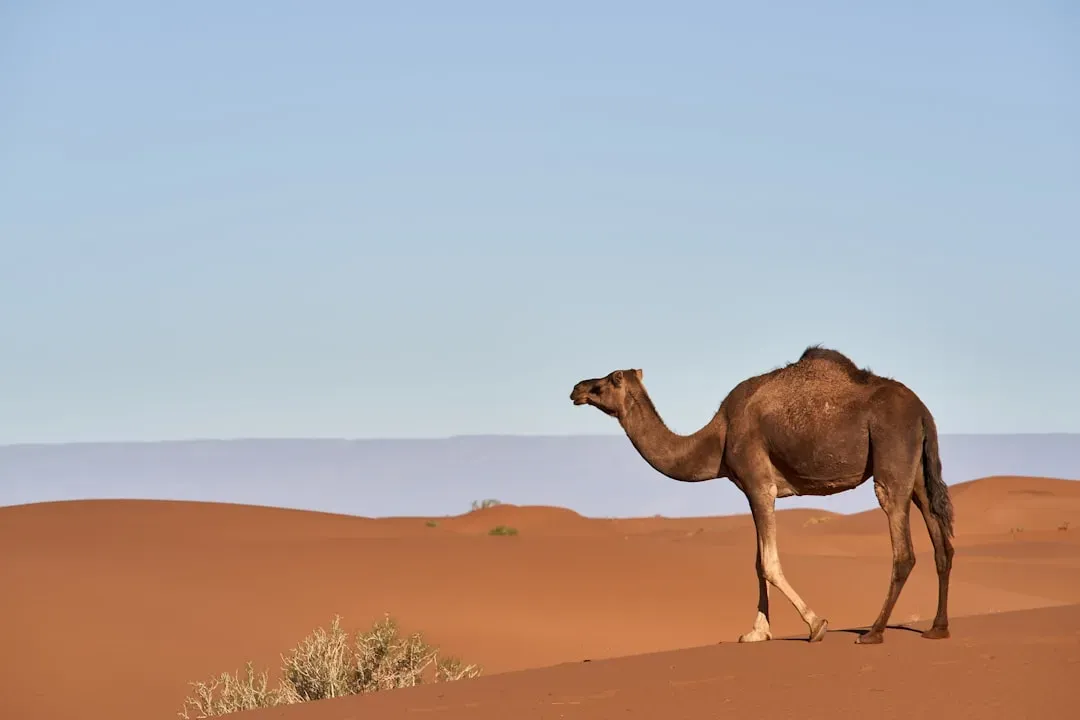
Deserts might look empty, but they’re full of survival geniuses. Take the camel: it can lose a big chunk of its body weight in water before being in real danger, something that would be catastrophic for most mammals. Its red blood cells are uniquely shaped and flexible, allowing them to keep flowing even as blood thickens during dehydration.
Camels also let their body temperature swing over a wider range than we can tolerate, which means they don’t sweat as much and conserve precious water. Other desert dwellers like kangaroo rats avoid drinking outright by extracting water from their food and producing extremely concentrated urine. It’s like their bodies run on a strict “no waste” policy in a place where every drop counts.
Life in Boiling Water: Hot Spring and Hydrothermal Vent Specialists
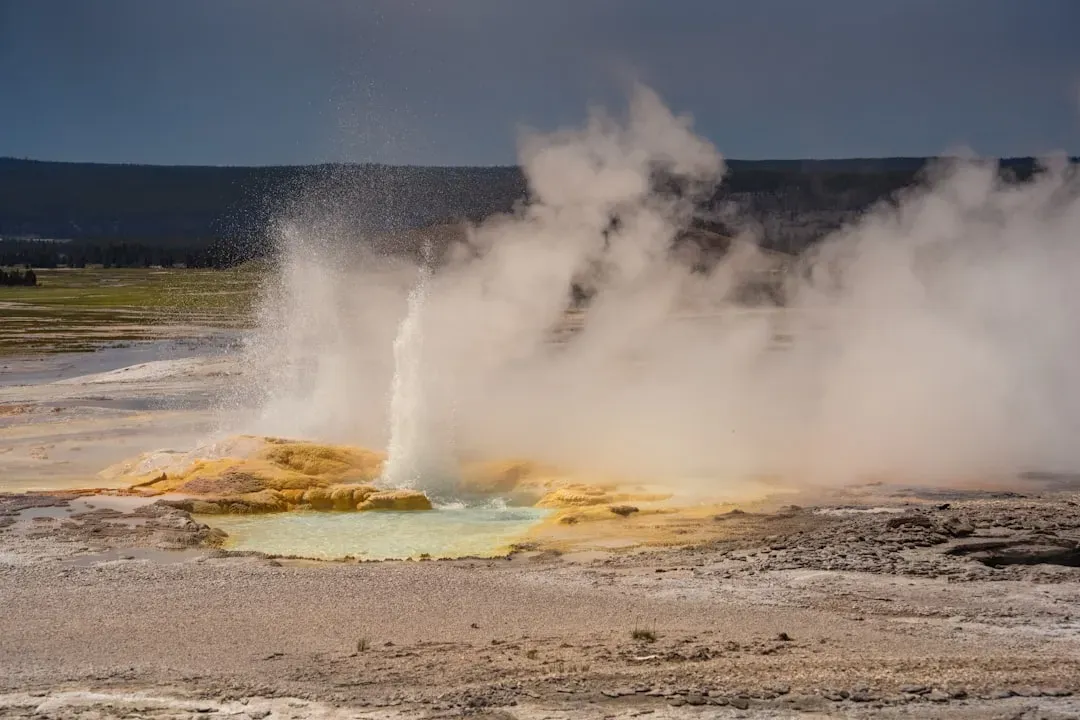
At deep‑sea hydrothermal vents and scalding hot springs, the water can be hot enough to cook most animals in seconds. Yet tube worms, some crustaceans, and certain fish have turned these scorching neighborhoods into thriving communities. Instead of relying on sunlight, many of these animals depend on bacteria that use chemicals like hydrogen sulfide for energy.
Some vent animals have toughened proteins and membranes that can handle constant high temperatures without falling apart. Their bodies often include specialized tissues for hosting symbiotic bacteria, effectively turning their insides into miniature chemical power plants. Where we see a toxic, black‑smoking hellscape, they see an all‑you‑can‑eat buffet fueled by the Earth’s internal heat.
Pressure‑Proof Bodies: Surviving the Crushing Deep Sea
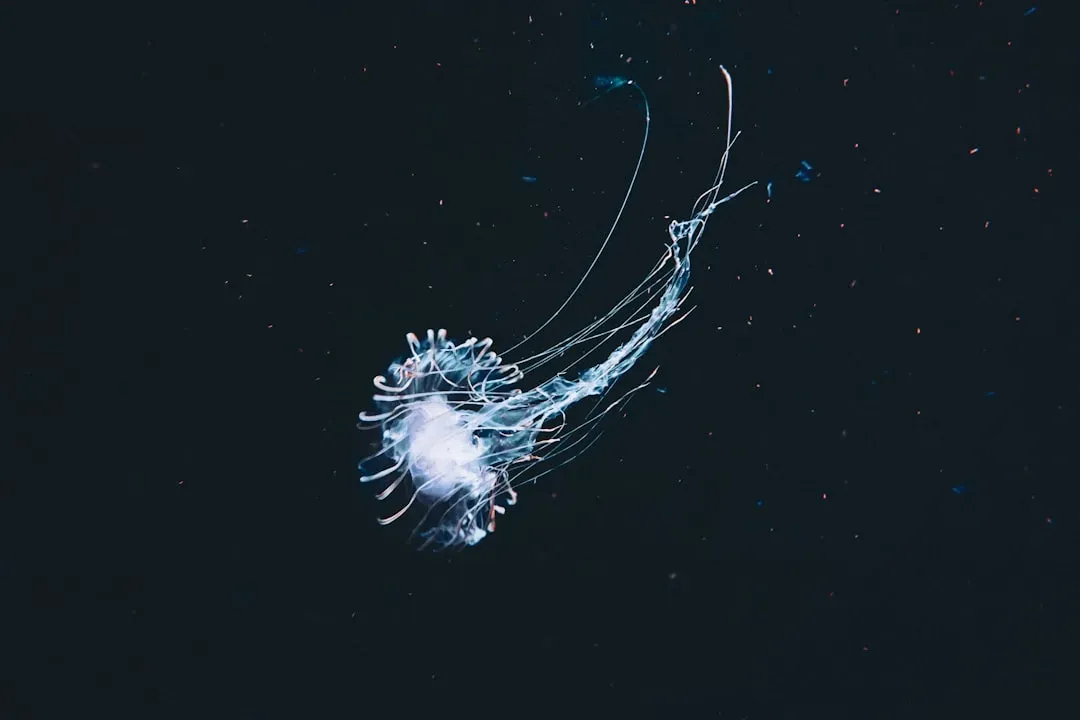
In the deep ocean, the pressure is so intense it would crush a human‑operated submarine if it wasn’t carefully reinforced. Yet animals like snailfish, certain octopuses, and deep‑sea crustaceans live there as comfortably as we walk down the street. Their secret is not resisting the pressure, but matching it. Their bodies are soft, gelatinous, and often almost boneless, allowing them to deform without breaking.
Instead of rigid structures, they rely on flexible tissues and special molecules that keep their proteins functioning under immense compression. Some deep‑sea fish even lack gas‑filled swim bladders, which would collapse at depth, and instead use fat and other low‑density tissues for buoyancy. It’s like swapping a fragile glass bottle for a sturdy, squishable rubber pouch that never shatters no matter how hard you squeeze it.
Radiation Resistance: Tardigrades and Other Tiny Tanks
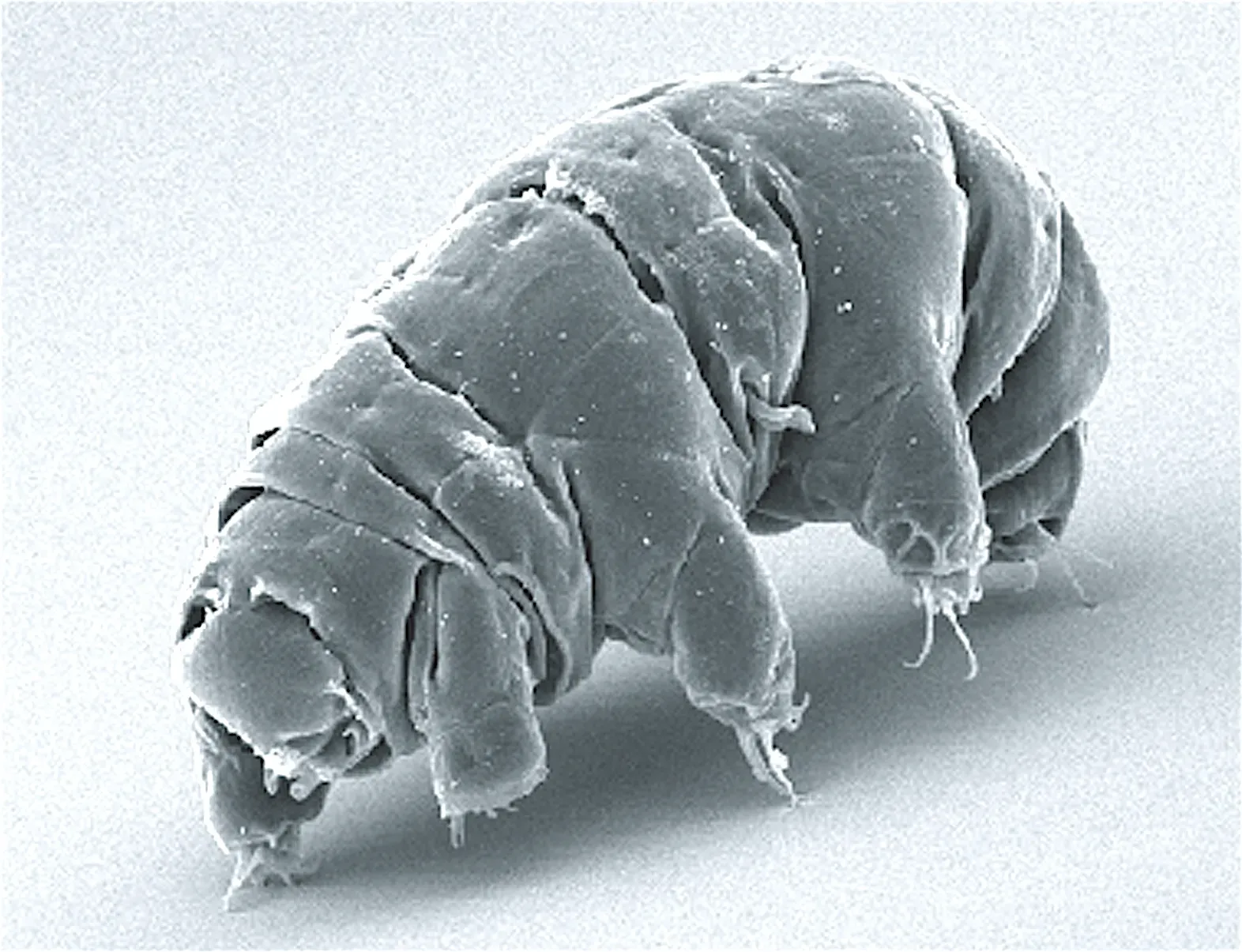
Radiation is usually bad news for living cells, shredding DNA and causing lethal damage. But tardigrades, the tiny “water bears” that have become internet legends, can survive doses of radiation many times higher than what would kill other animals. They achieve this by entering a desiccated, dormant state where their metabolism nearly stops.
During this phase, they produce protective molecules and proteins that shield their DNA and cellular structures. Some species can even repair extensive genetic damage once conditions improve. While they’re not invincible, their resilience to radiation, vacuum, and extreme dryness makes them feel like nature’s version of an armored tank in microscopic form.
Salt and Sun: Life in Hyper‑Salty, Blazing Environments
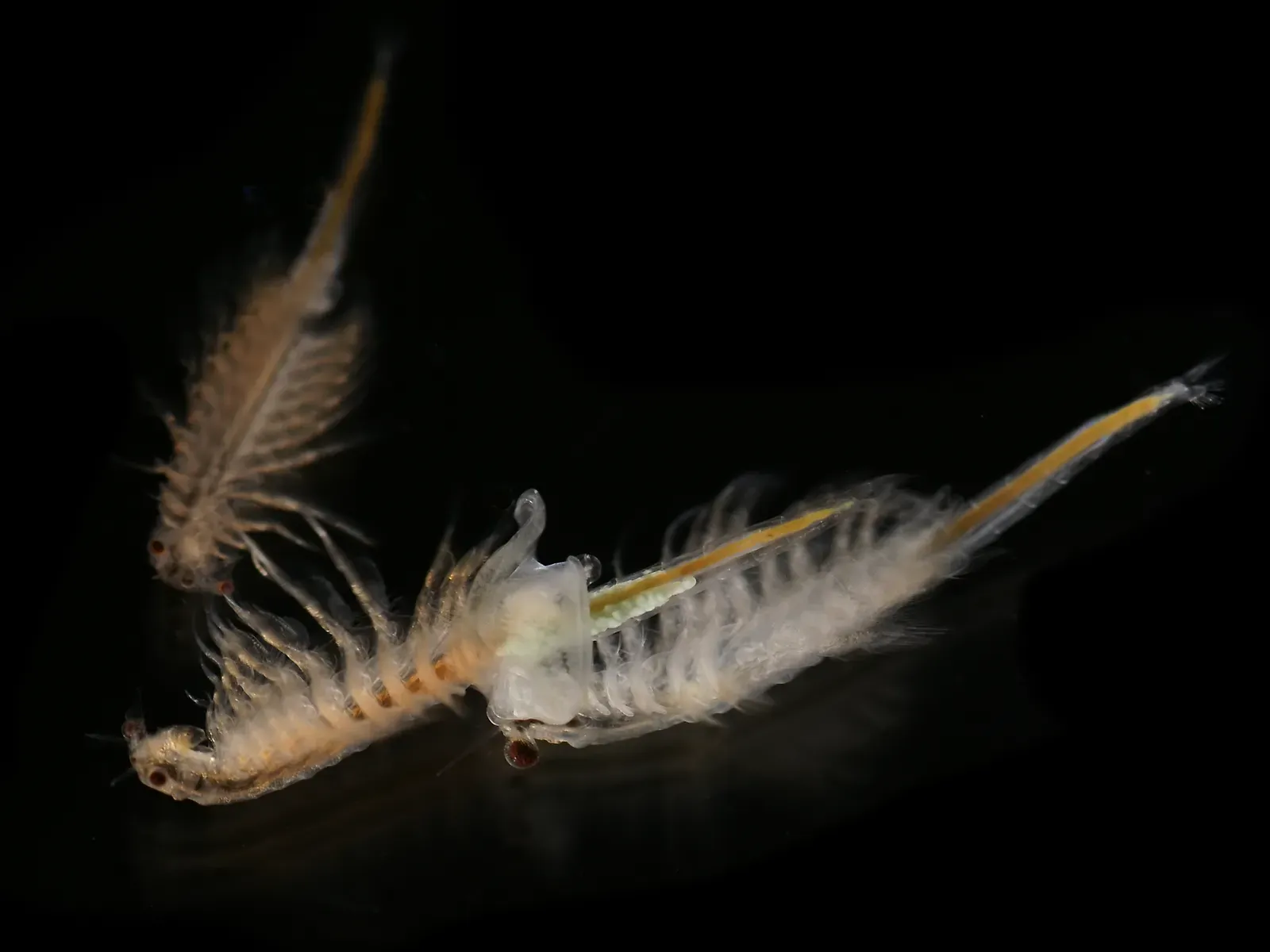
Salt flats, coastal lagoons, and hyper‑salty lakes might sound like biological dead zones, but some animals have practically made them home turf. Brine shrimp and certain insects, for example, have evolved ways to keep their internal salt levels under control even when the water around them is loaded with salt. They do this through efficient ion pumps in their cells and specialized gills or excretory organs.
Many of these animals also have pigmented bodies or reflective surfaces that help protect them from brutal sunlight in open, shadeless environments. Flamingos, which feed on brine shrimp and other salty‑water organisms, can handle conditions that would wreck the feet and skin of most birds. What looks like a glittering, lifeless mirror of salt can actually be a crowded marketplace of tiny, remarkably tough creatures.
No Water, No Problem: Extreme Dehydration Survival
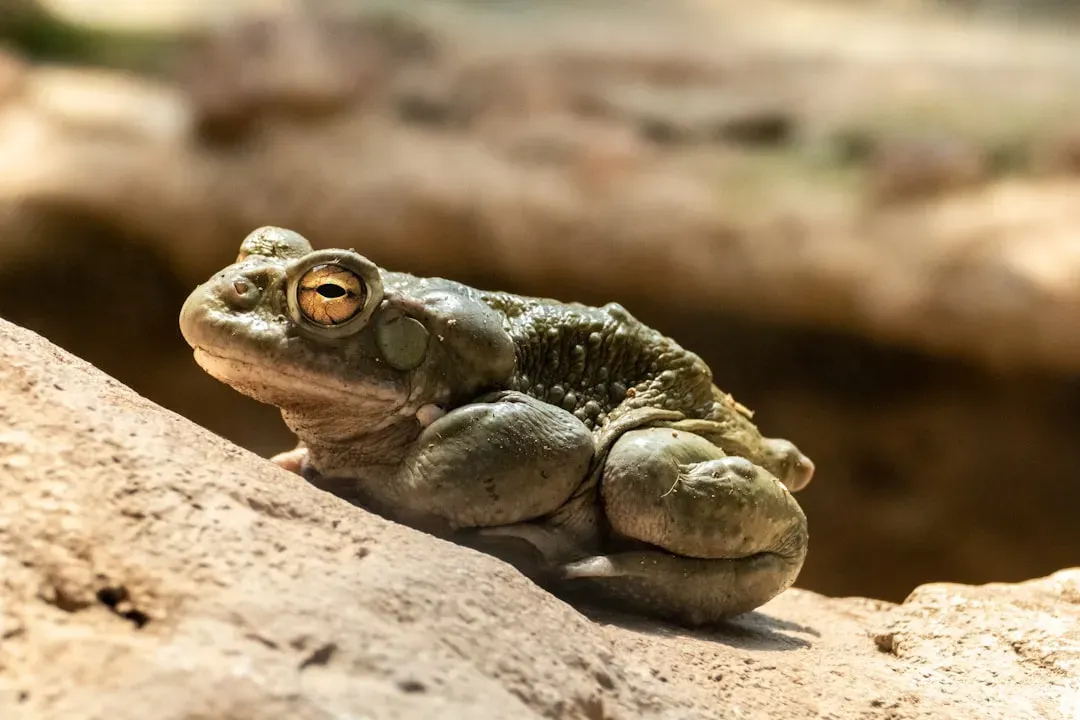
Some animals don’t just cope with a little thirst; they endure almost total dehydration. African lungfish, certain desert frogs, and again, tardigrades are masters at drying out nearly completely and then coming back to life when water returns. They replace much of their internal water with sugar molecules that protect structures inside their cells.
While dried out, their metabolism slows to a crawl, sometimes so much that they can stay in this state for years if conditions are harsh enough. When moisture finally arrives, they rehydrate and resume normal life, as if someone had simply hit the play button after a long pause. It’s a strategy that turns unpredictable, brutal climates into survivable, if not exactly comfortable, homes.
Lightless Hunters: Adaptations for Eternal Darkness
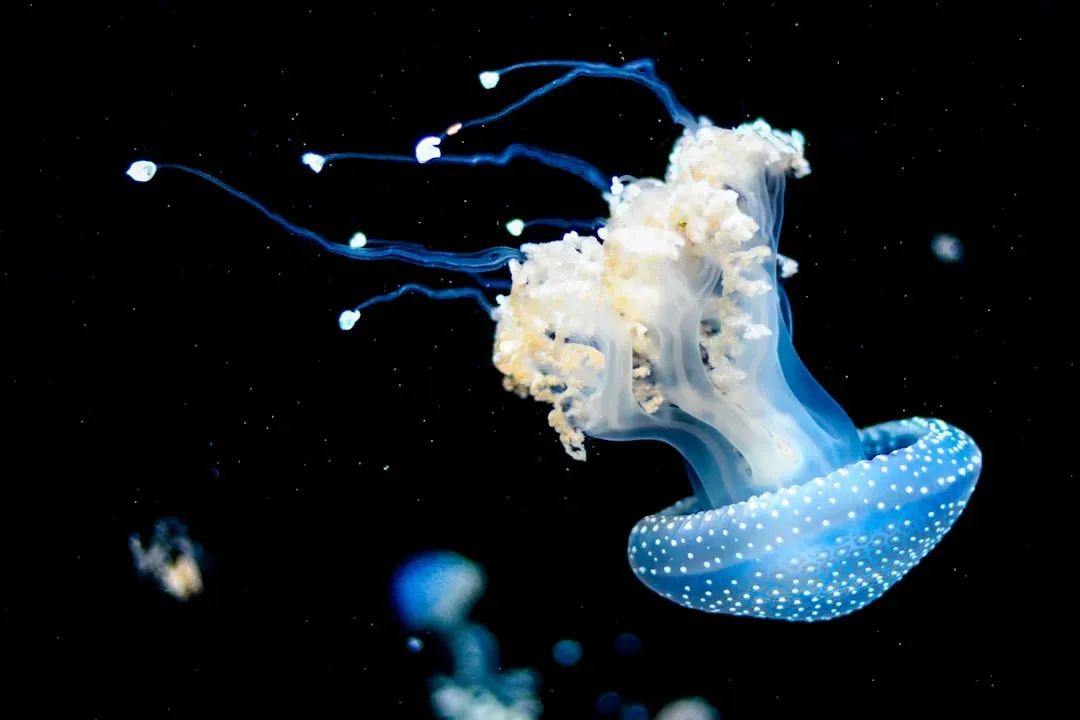
In deep caves and the midnight zones of the ocean, sunlight never arrives. Yet many animals have gone all‑in on life without light. Cave fish, for instance, often lose their eyes entirely, while their other senses become razor sharp. They depend on touch, vibration, and chemical cues to navigate and find food, trading vision for a different kind of sensory superpower.
Deep‑sea predators like anglerfish use bioluminescent lures to attract prey in the blackness. Others have enormous eyes tuned to pick up the faintest specks of light from passing organisms. In a way, these animals rewrite the rules of perception, thriving in a world where our most relied‑upon sense becomes totally useless.
Extreme Places, Extraordinary Solutions
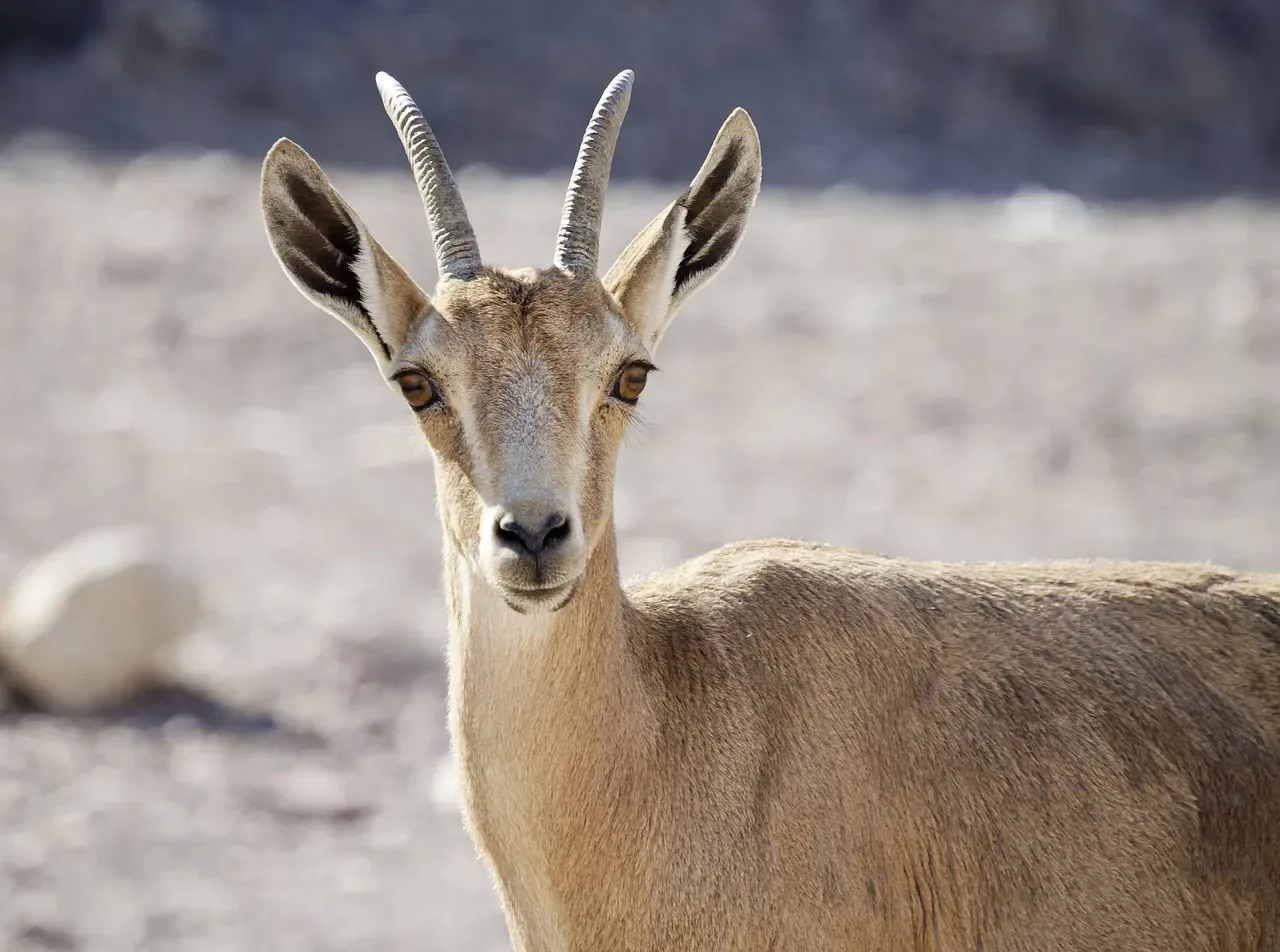
From antifreeze blood and resurrection after freezing to pressure‑proof bodies and radiation resistance, animals have evolved a staggering range of solutions to survive where almost nothing else can. Each adaptation is like a custom tool forged by evolution to crack a very specific problem: too cold, too hot, too dry, too salty, too deep, too dark.
These creatures don’t just endure extremes; they turn them into advantages, carving out niches where competition is thin and opportunity is wide open. It’s a humbling reminder that “impossible” in nature is often just “not yet understood.” When you look at a harsh landscape now, will you still see emptiness – or imagine the hidden experts quietly owning it?