
You’ve probably heard the phrase that history has a way of repeating itself. Here’s the thing though. Sometimes history simply vanishes without a trace, leaving behind only whispers of what once was. Throughout our planet’s long timeline, entire civilizations have risen to breathtaking heights, only to disappear into the mist of time. These societies left behind tantalizing clues in the form of monuments, artifacts, and ruins that continue to baffle even the most seasoned archaeologists and historians.
What makes these lost worlds so captivating is the mystery itself. We’re drawn to the unanswered questions, the pieces of the puzzle that don’t quite fit. From colossal stone heads in ancient jungles to undeciphered scripts that guard their secrets jealously, these civilizations challenge everything we thought we knew about human history. Let’s dive in and explore eight ancient societies that refuse to give up their secrets easily.
The Indus Valley Civilization and Its Unreadable Script
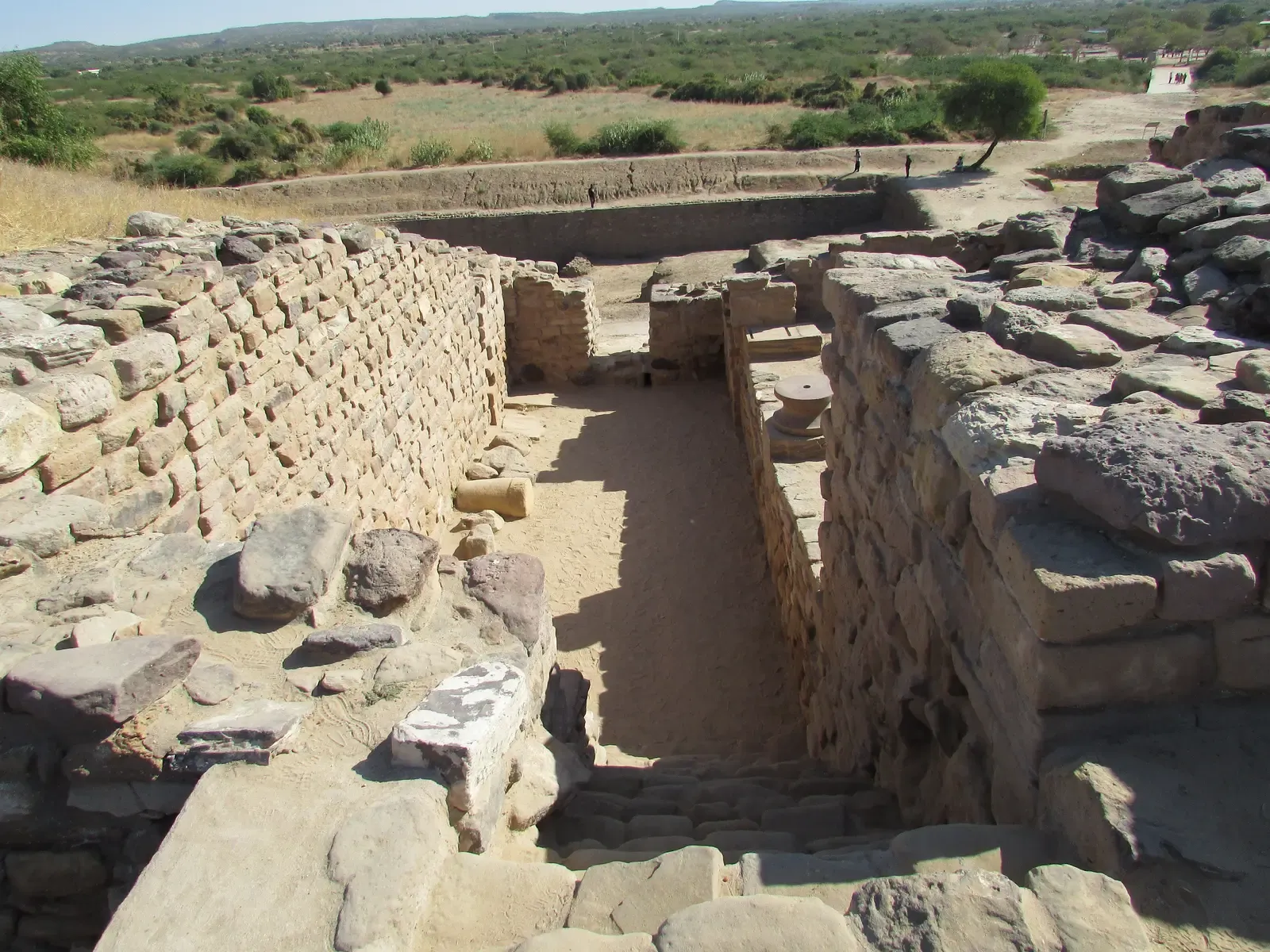
The Indus Valley Civilization thrived between roughly 5,000 and 3,500 years ago along the Indus River in what is now Pakistan and northwest India, known for its planned cities, extensive infrastructure, and innovative water management systems. Picture cities with advanced drainage systems, standardized brick sizes, and sophisticated urban planning that rivaled anything their contemporaries in Egypt or Mesopotamia could produce. Yet the Indus Script, with almost 400 different symbols, remains completely unsolvable to this day.
The challenge has become so compelling that last month, the chief minister of one Indian state offered a million dollar prize to anyone who can decode the script. It’s hard to say for sure what makes this particular puzzle so stubborn. Some researchers believe the symbols might not even represent a full language, while others argue they hold the key to understanding an entire civilization’s identity. Recent climate simulations reveal that repeated century-long droughts reshaped where Indus Valley people lived and strained their water systems, likely driving the civilization’s gradual decline rather than a sudden collapse.
The Olmecs and Their Mysterious Origins
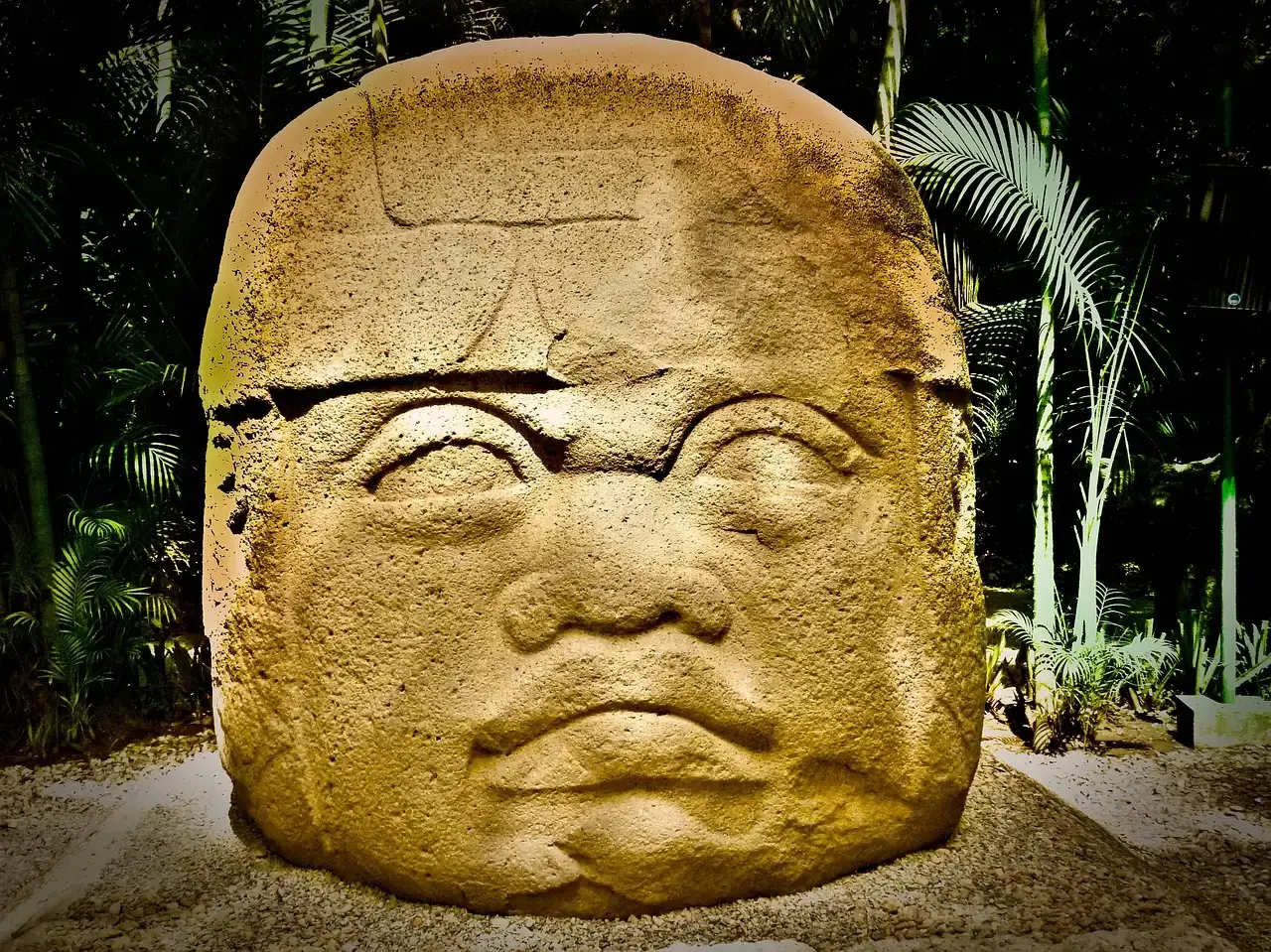
The Olmec civilization presents something of a mystery; we do not even know what they called themselves, as Olmec was their Aztec name and meant ‘rubber people’. Flourishing in ancient Mexico from around 1200 BCE to 400 BCE, they created massive stone sculptures that continue to perplex researchers. The most striking legacy must be the colossal stone heads they produced, carved in basalt, some nearly three meters high and weighing eight tons, with stone transported in some cases 80 kilometers or more.
These heads are striking because each one appears to be a unique portrait, suggesting they depicted actual rulers or important figures. One of the enduring mysteries is how they managed to transport these colossal heads, some weighing over 50 tons, across challenging terrain, with basalt quarried up to 90 kilometers away from their final locations. Let’s be real, even with modern equipment, moving such massive objects would be quite the engineering challenge. Around 300 B.C., their civilization vanished, and no one knows why.
Göbekli Tepe: The Site That Shouldn’t Exist
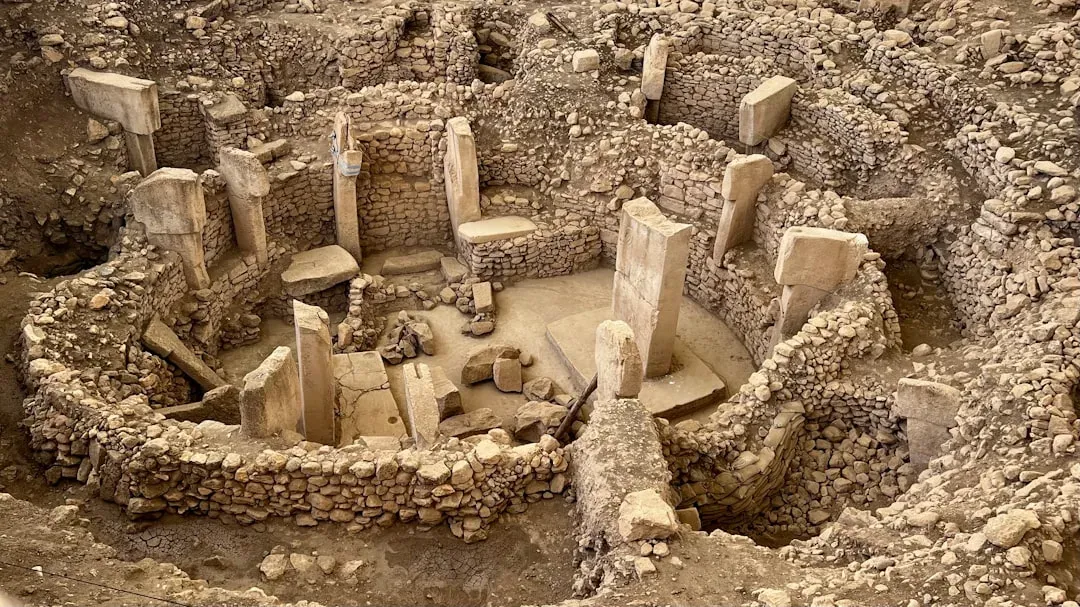
Here’s where things get truly mind-bending. Through radiocarbon dating, scientists have established that Göbekli Tepe was built between 9600 B.C.E. and 8200 B.C.E., but they still don’t know exactly why. This Turkish site predates Stonehenge by about 6,000 years and was constructed by hunter-gatherers who supposedly didn’t have the technology or social organization for such projects.
It features huge, carved T-shaped pillars arranged in circular enclosures, decorated with mysterious animal reliefs and symbols, built by hunter-gatherers who didn’t have the technology or social structure to create such sophisticated monuments. Think about that for a second. These were nomadic people who hadn’t developed agriculture yet, but somehow they coordinated massive construction projects. Research revealed that workers relied heavily on geometry to construct the monolithic structures, leading researchers to conclude that the site was built as a single complex, with builders possibly stretching a piece of rope to the desired shape before constructing the columns.
The Minoans and Linear A
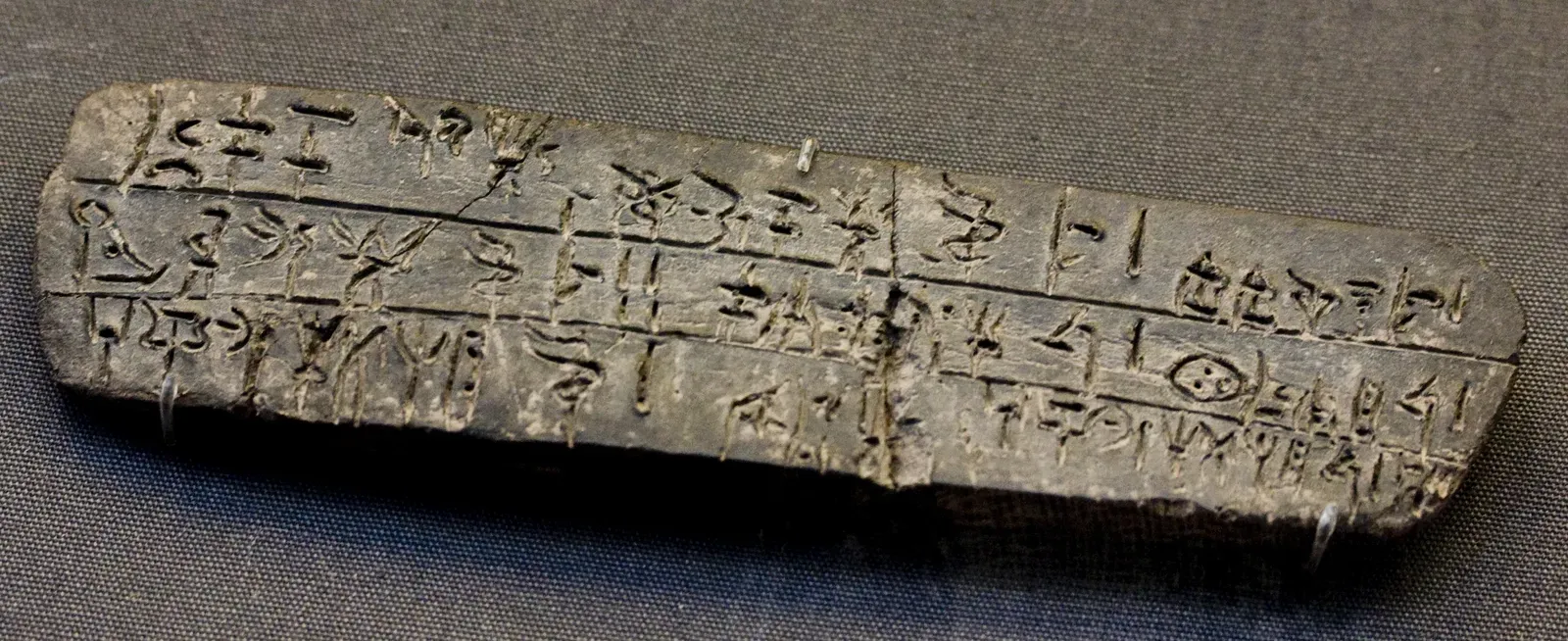
The Minoan civilization was a Bronze Age culture centered on the island of Crete, often regarded as the first civilization in Europe. They built spectacular palaces, created vibrant frescoes, and established extensive trade networks throughout the Mediterranean. Everything about them screamed sophistication and advancement.
The Minoans developed two enigmatic scripts: Linear A, still undeciphered, and Linear B, later adapted by the Mycenaeans to record early Greek; while Linear B revealed details of palace inventories and administrative tasks, Linear A’s true meaning remains one of archaeology’s greatest mysteries. Honestly, it’s fascinating that we can read Linear B but remain completely stumped by Linear A. Their civilization disappeared almost as quickly as it appeared, with many cities destroyed in a series of floods, earthquakes, and tsunamis, leaving behind only Linear A which could open the door to a better understanding of the Minoan people and their untimely fate.
Easter Island’s Walking Statues
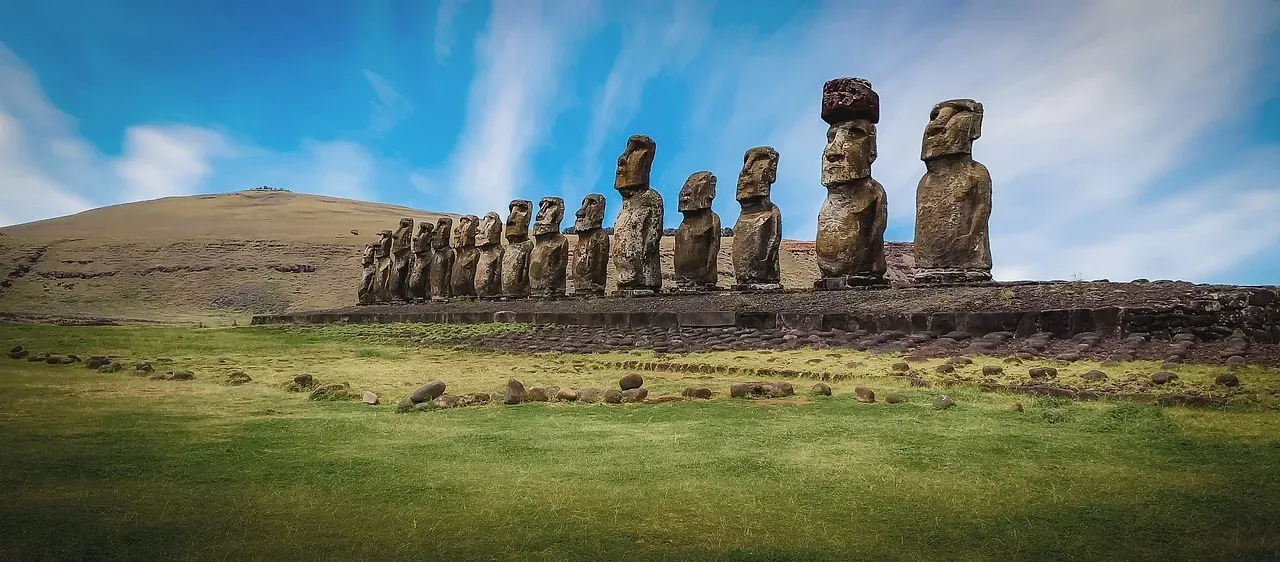
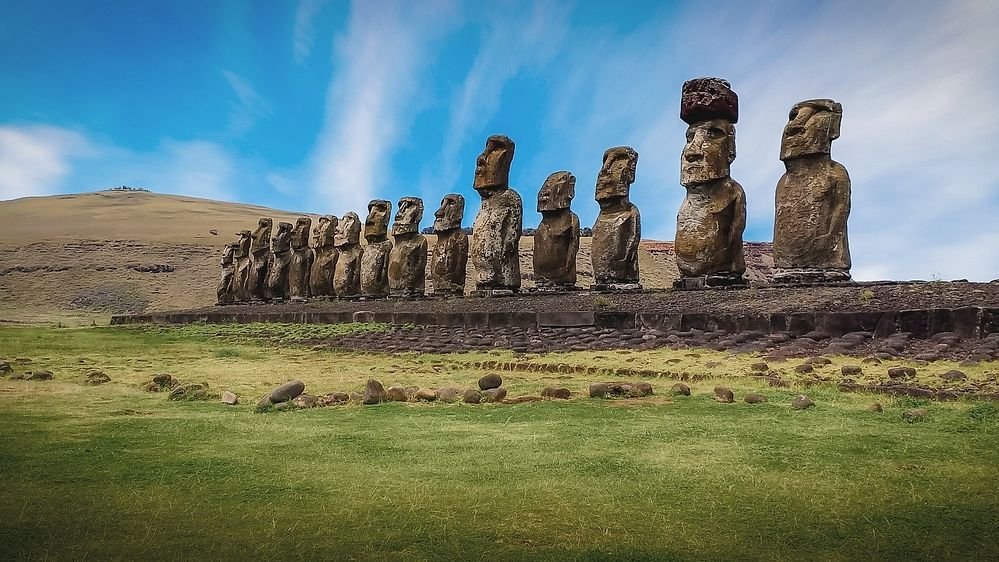
Easter Island, known as Rapa Nui in the language of its people, is one of the most isolated populated spots on Earth, where more than a thousand years ago inhabitants raised hundreds of multiton monoliths known as moai. For generations, locals claimed these massive stone figures “walked” to their positions. Most scholars dismissed this as folklore.
Turns out, the islanders might have been right all along. Recently, archaeologists have shown that the Easter Islanders might have had it right: the statues walked, with a couple dozen people using ropes able to rock a moai from side to side on its curved base and “walk” it forward. The purpose of these monuments remains debated. They may have been symbols of power between warring groups, or they may have had a peaceful religious purpose. By the time Europeans arrived, many moai were toppled, and their original meaning had been lost to memory.
The Khmer Empire’s Angkor Mystery
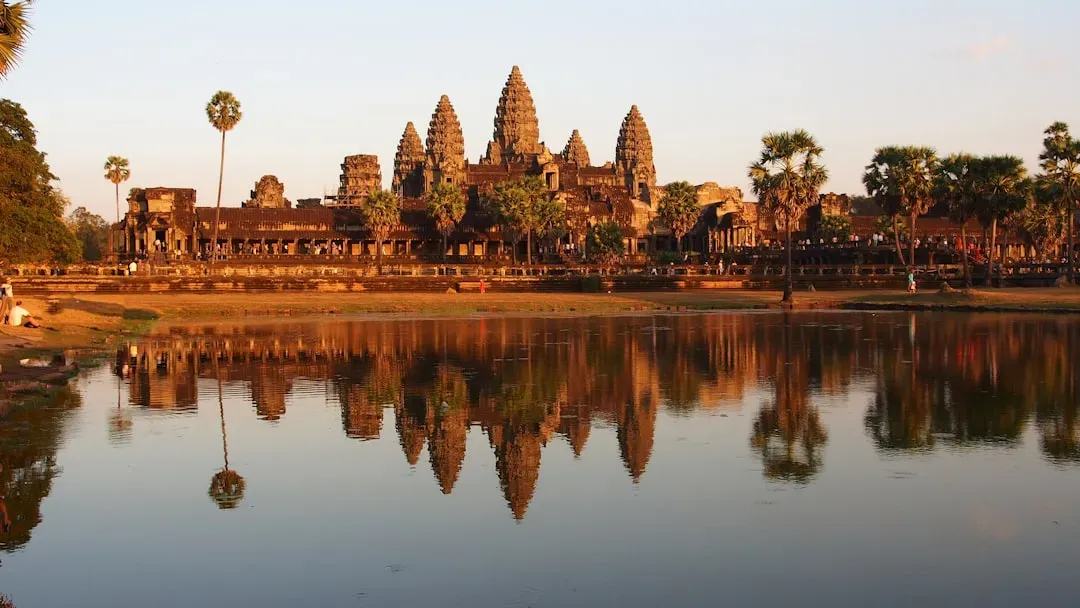
Angkor was one of the civilization’s largest cities, with an extensive system of roads and canals and an estimated population of as many as one million people, with the Khmer empire at its height between 1000 and 1200 CE. Imagine a city of that size thriving in the jungle centuries before modern urban planning even existed. The temples and infrastructure they left behind are nothing short of extraordinary.
Experts are unsure what caused the civilization to disappear, leaving its cities at the mercy of the relentless jungle, with theories ranging from war to environmental catastrophe. The jungle has slowly reclaimed most of what the Khmer built, swallowing monuments and roads alike. What drove such a powerful empire to abandon its magnificent capital remains one of archaeology’s enduring questions. Climate studies and ongoing excavations continue to search for definitive answers, but the Khmer’s fate reminds us how even the mightiest civilizations can vanish.
The Mississippian Mound Builders
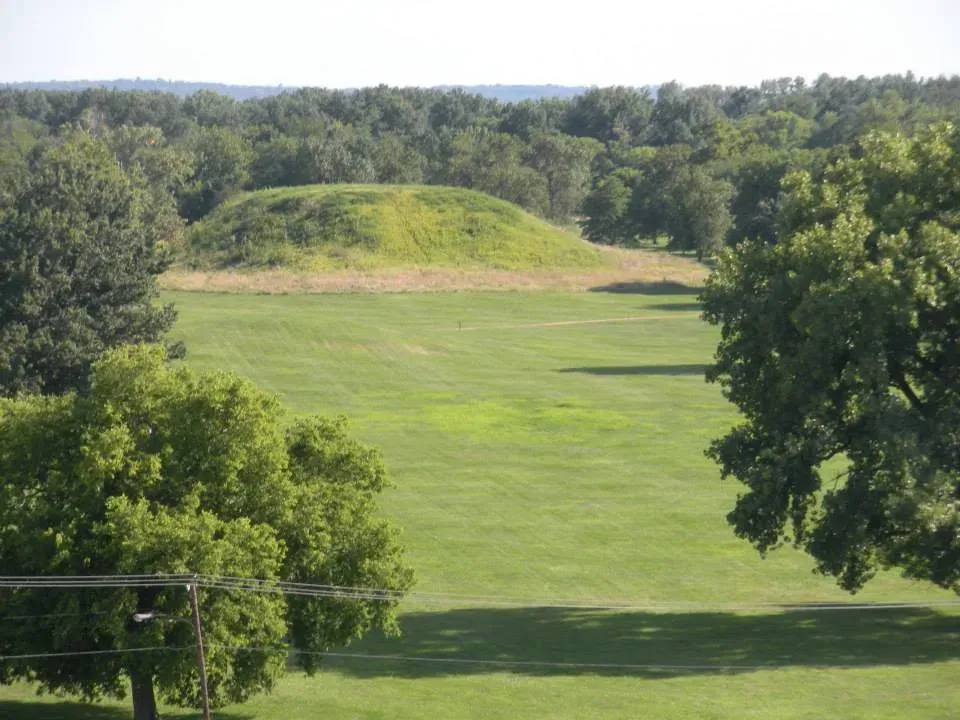
Not all lost civilizations are found in distant, exotic locations. One of their largest cities, Cahokia, located near modern-day Collinsville, Illinois, was estimated at six square miles and featured a massive central plaza, large earthen pyramids, and wood structures similar in shape to Stonehenge that were used to track the stars, with some estimating the population at 40,000. This was happening right in North America, yet most people have never heard of it.
The Mississippian culture flourished from roughly 700 CE until European contact. Experts don’t know with certainty what led to the gradual demise of the Mississippians, with popular theories suggesting that the decline was the result of environmental degradation or famine and disease resulting from poor sanitation. What’s truly remarkable is that this sophisticated society existed in what would become the American heartland, building monuments and astronomical observatories that demonstrated advanced knowledge of engineering and celestial movements.
Çatalhöyük: The Hive City
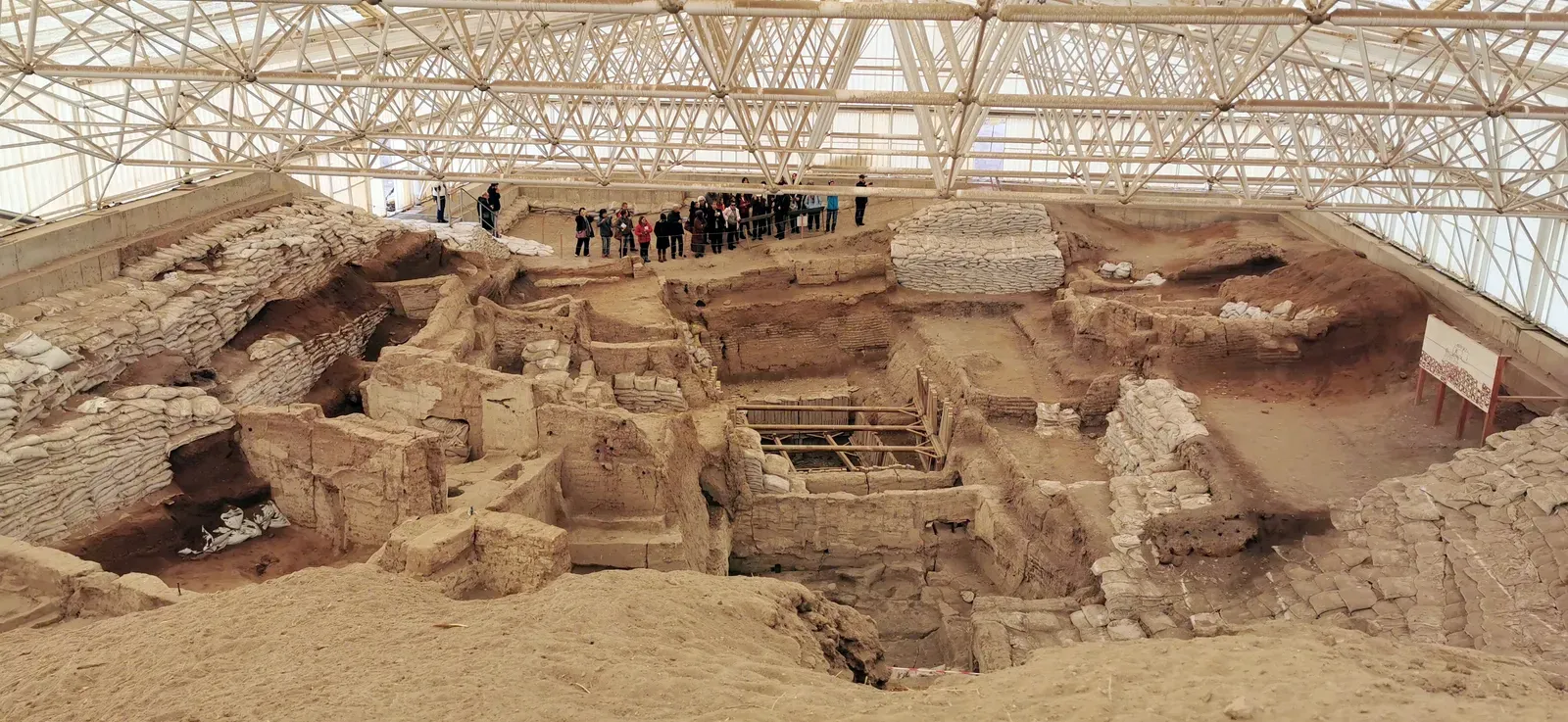
Modern-day south-central Turkey was once home to one of the world’s oldest cities, Çatalhöyük, part of an extensive civilization that flourished between 9,000 and 7,000 years ago and then suddenly disappeared. This place was unlike anything you might imagine when thinking of ancient cities. The architecture alone sets it apart from virtually every other settlement of its time.
What made Çatalhöyük unique was its hivelike structure where houses were constructed next to each other and entered through holes in the roof, accessed via ladders and aerial walkways. Can you picture living in a city where you climbed onto your roof every time you wanted to go home? Though the people are long gone, they left behind a wealth of items detailing their lives and rituals. The artifacts paint a picture of daily life, religious practices, and social organization that was remarkably complex for such an early period in human history.
Conclusion: The Puzzle Pieces We’re Still Finding
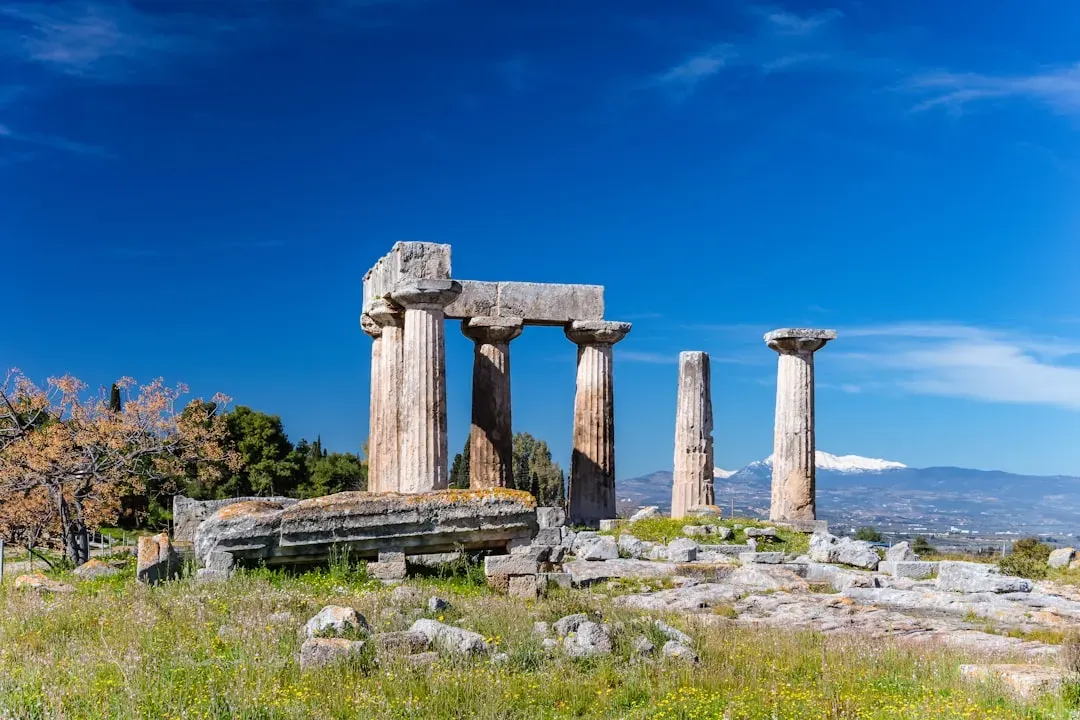
Despite unprecedented progress made, much of Antiquity remains shrouded in mystery, with experts sitting on hills of information but still facing mountains of missing clues and pieces to the puzzle. These eight civilizations represent just a fraction of the ancient worlds waiting to be understood. Each new discovery brings us closer to solving these mysteries, yet somehow simultaneously reveals just how much we still don’t know.
As technology improves and more information is deciphered, humans will begin to learn more about our ancient past, with plenty of examples throughout history once considered unsolvable mysteries only to be cracked wide open decades later aided by technological breakthroughs or new archaeological discoveries. From AI attempting to decode ancient scripts to advanced climate modeling revealing environmental catastrophes, modern science continues to unlock secrets that have remained hidden for millennia. What did you find most surprising about these lost civilizations? Which mystery do you think will be solved first?