

Think about the items you use every day. Your morning coffee stirred with a stainless steel spoon, leftovers reheated in the microwave, maybe a quick note scribbled on a sticky pad. What if I told you that not a single one of these things was supposed to exist? These aren’t the products of careful planning or years of meticulous research. No, these are accidents. Beautiful, profitable accidents.
Science is often portrayed as this rigid, methodical discipline where breakthroughs only come from careful experimentation. That’s partly true, of course. Yet some of the most revolutionary inventions we rely on today came from mistakes, messes, and moments of sheer “whoops.” Sometimes a scientist forgets to clean up their workspace. Sometimes they grab the wrong ingredient. Other times, they’re just standing in the wrong place at the wrong time with a chocolate bar in their pocket.
These stories remind us that innovation isn’t always about precision. Sometimes it’s about noticing something odd, following your curiosity, and asking the right question when everyone else would just throw the ruined experiment in the trash. So let’s dive in and explore these accidental wonders that changed everything.
Penicillin: The Messy Lab That Saved Millions
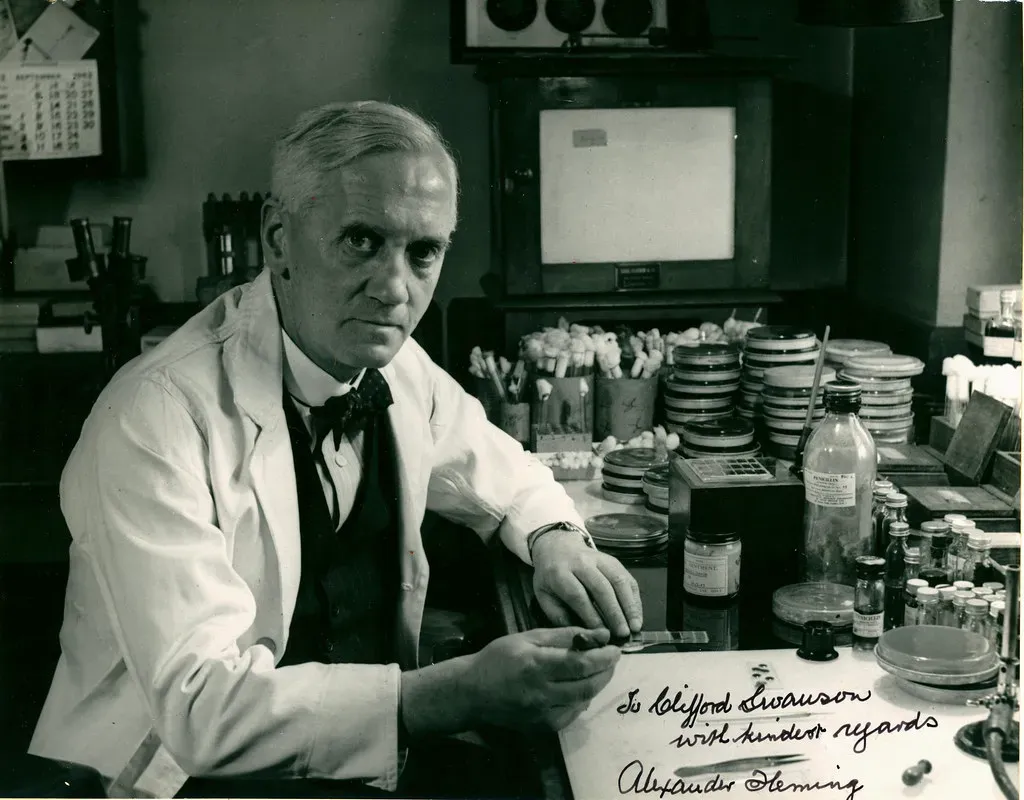
In 1928, Alexander Fleming returned from vacation to find a petri dish of bacteria had been contaminated by mold. Most people would’ve tossed it out without a second thought. Fleming didn’t. He noticed the area around the mold was free of bacteria. That moldy mess turned out to be penicillin, the world’s first true antibiotic.
Fleming named this bacteria-killing mold juice penicillin after the species of fungus, Penicillium notatum. Here’s the thing though: Fleming couldn’t figure out how to purify or produce it in useful quantities. Scientists Howard Florey and Ernst Chain at Oxford University later took up the research to mass-produce it with support from World War II military projects. By the end of the war, penicillin had changed medicine forever, treating infections that would have once been death sentences.
The Microwave Oven: A Melted Candy Bar Moment

In 1945, engineer Percy Spencer was working on radar equipment when he noticed a candy bar in his pocket had melted. Most people would’ve cursed the ruined snack and moved on. Spencer got curious.
He started experimenting. He placed popcorn kernels near the radar tube and they popped, then he tried an egg, which exploded. Spencer realized the radar’s magnetron was emitting microwaves that could cook food from the inside out. That accidental discovery gave us the microwave oven, which eventually became a kitchen staple in nearly every household. Honestly, can you imagine life without the ability to reheat leftovers in two minutes?
Post-it Notes: The Glue That Wouldn’t Stick

In the 1960s, 3M scientist Spencer Silver was trying to create a super-strong adhesive but accidentally invented a weak, pressure-sensitive adhesive that didn’t stick well. This seemed like a total failure at first. Nobody knew what to do with glue that barely worked.
Years later, another 3M employee, Art Fry, had a problem: he sang in a church choir and kept losing bookmarks in his hymnal, so he remembered Silver’s glue and applied it to paper scraps. It worked perfectly. Today, over 50 billion Post-it Notes are sold annually. What started as a disappointment became one of the most indispensable office supplies worldwide.
Teflon: The Gas That Turned Into Powder
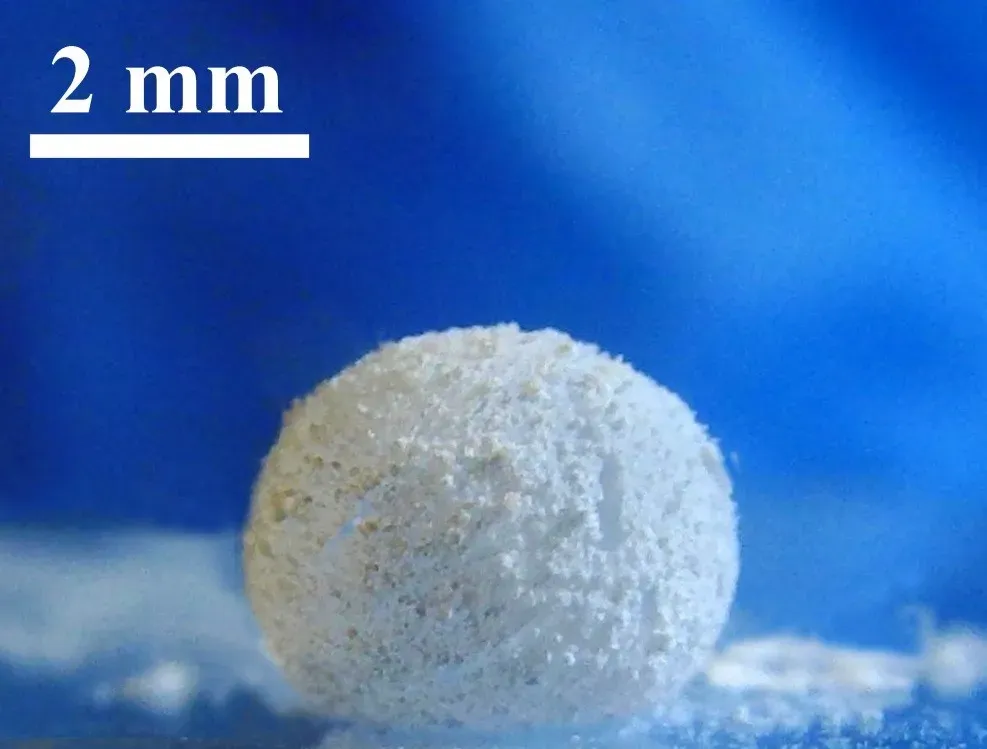
On April 6, 1938, chemists at DuPont opened a cylinder that was supposed to contain gas, but when they opened the valve, nothing came out, and inside they found a slippery white powder coating the interior. Roy Plunkett had been attempting to make a new refrigerant when the gas reacted and coated the canister’s insides with polytetrafluoroethylene, a waxy, water-repellent, non-stick substance.
This mysterious material resisted heat, acids, and pretty much everything else they threw at it. Scientists working on the first atomic bomb needed a material for gaskets that would resist corrosive gas, and DuPont molded Teflon for this purpose. Eventually, it made its way into our kitchens as non-stick cookware. Let’s be real, nobody misses scraping scrambled eggs off a regular pan.
Velcro: A Walk in the Woods
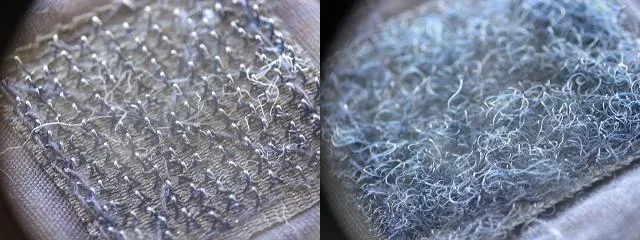
In 1941, Swiss engineer George de Mestral went hiking and noticed burrs clinging to his pants and dog’s fur, so he studied them under a microscope and saw tiny hooks grabbing onto the loops of fiber. Instead of being annoyed, de Mestral saw potential.
De Mestral created Velcro by replicating the burrs’ mechanism with fabric and nylon. Velcro is now used worldwide in everything from clothing to aerospace applications. It’s one of those inventions that seems so obvious in hindsight, yet it took someone with the right mindset to notice nature’s design and turn it into something revolutionary.
Stainless Steel: Rust-Free by Accident
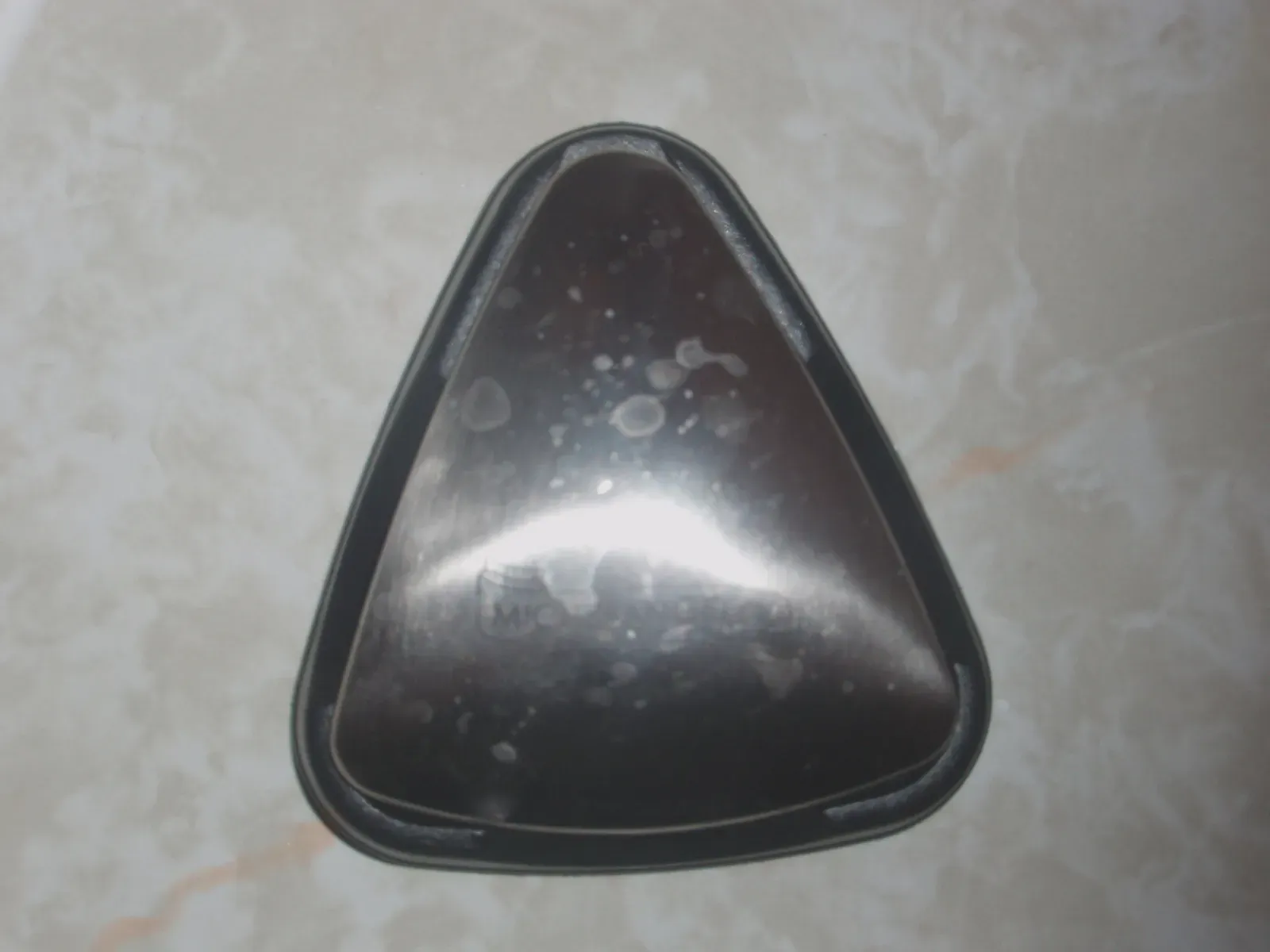
In 1913, Harry Brearley was trying to prevent gun barrels from rusting when he accidentally created a type of steel that didn’t corrode, and this “stainless” steel became a staple for kitchenware, construction, and medicine. Before this breakthrough, rust was the enemy of everything made from steel.
Brearley’s employer initially dismissed the invention as worthless. Brearley later wrote that “the people in authority saw nothing of commercial value and still less of scientific interest in it.” Talk about a missed opportunity. Today, stainless steel is everywhere, from surgical instruments to skyscrapers. Sometimes the people in charge just don’t get it.
Superglue: Too Sticky to Use
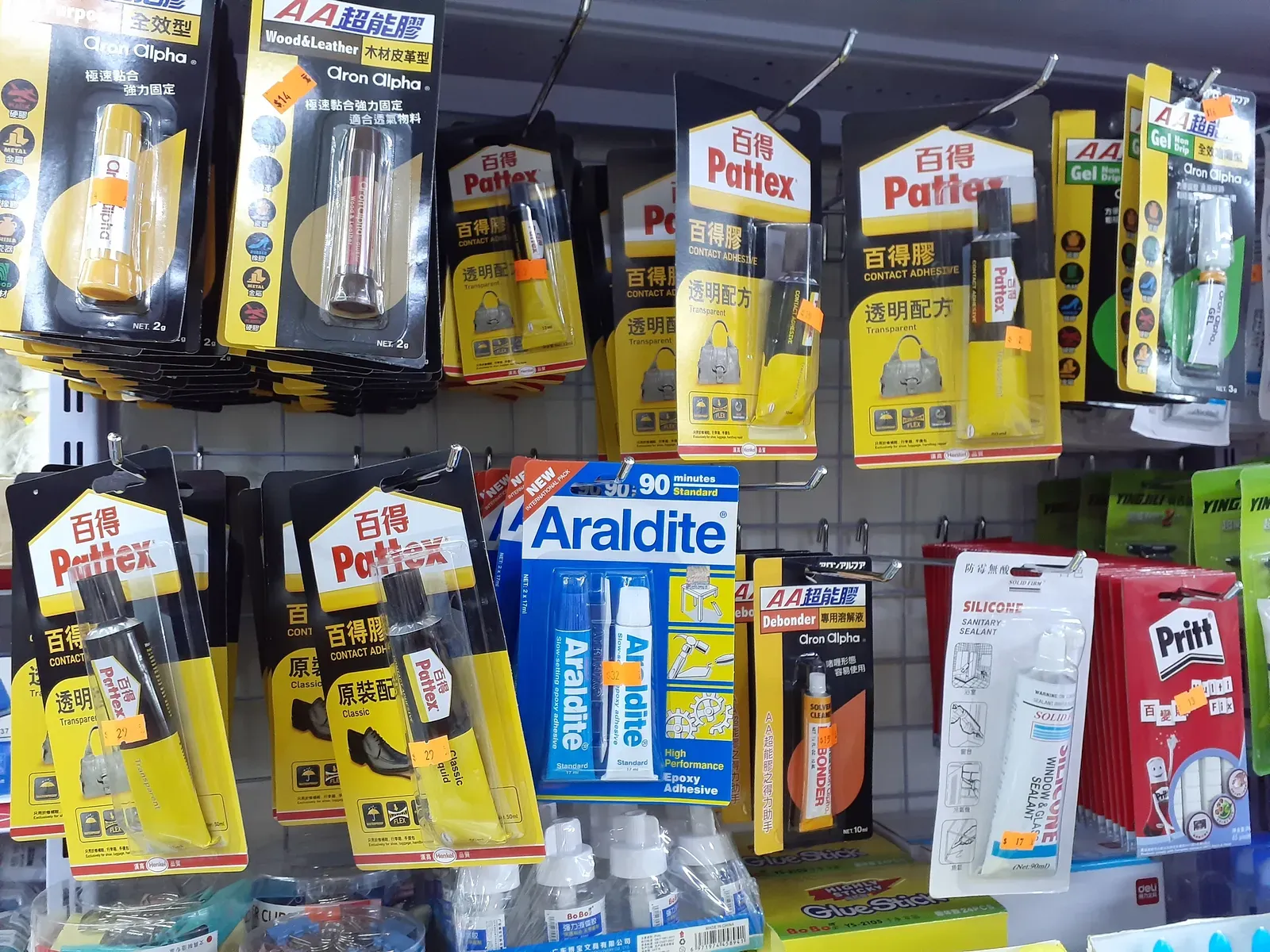
In 1942, chemist Harry Coover was working on creating clear plastic for gun sights during World War II when he accidentally created a sticky substance that bonded almost instantly and couldn’t be removed. It was initially discarded as a failed product because it stuck to everything, which wasn’t what they needed.
It was later repurposed as Superglue, becoming an essential adhesive in countless industries and everyday life. What seemed like a nuisance became one of the most useful inventions ever. It’s funny how something too effective for one purpose becomes perfect for another. I know it sounds crazy, but that’s exactly how innovation works sometimes.
Potato Chips: Revenge of the Annoyed Chef
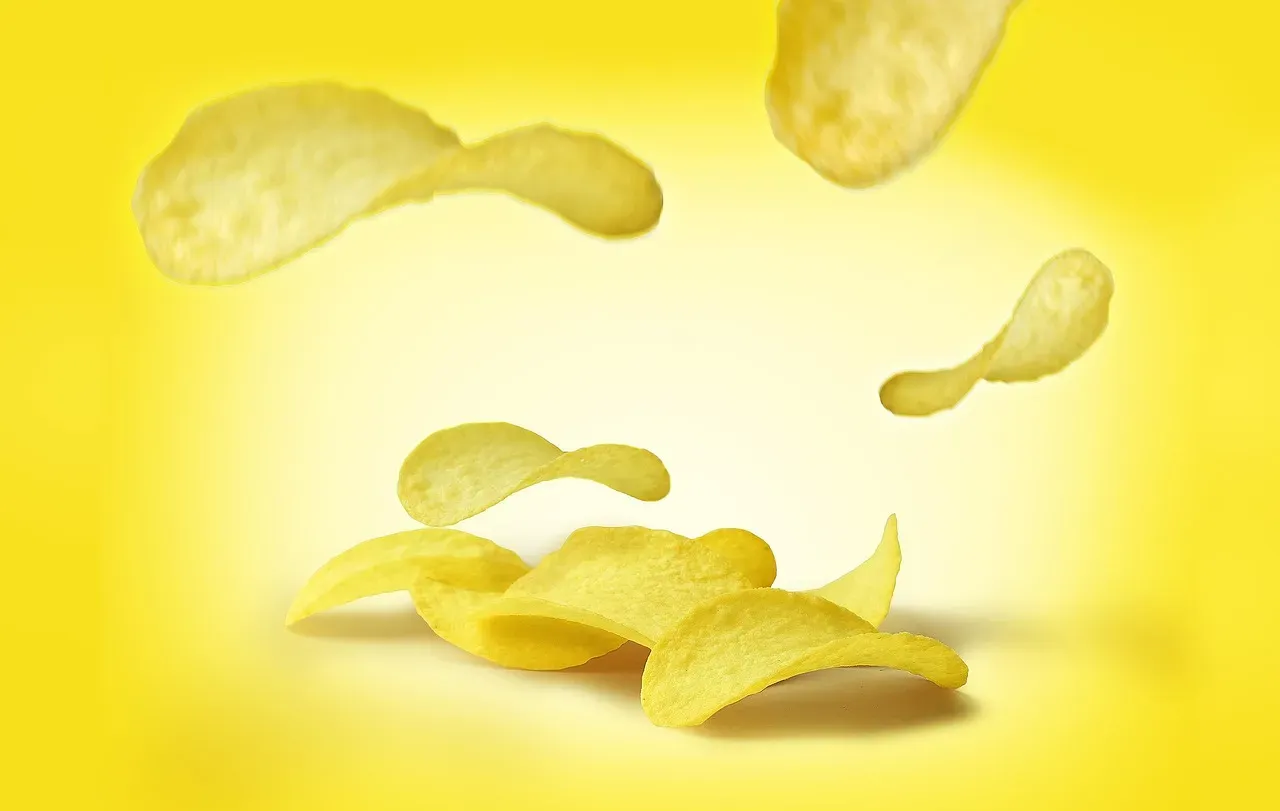
In 1853, chef George Crum was frustrated by a customer’s complaint about his fried potatoes being too thick, so in an attempt to annoy the customer, Crum sliced the potatoes paper-thin, fried them until crispy, and seasoned them heavily with salt. This was supposed to be a punishment, not a culinary breakthrough.
The result was a new snack sensation: the potato chip, and what started as punishment for picky customers quickly became a snack that changed the culinary world. Today, potato chips are one of the most popular snacks globally. Imagine if Crum had just ignored that complaining customer. We’d be living in a much sadder world.
Pacemaker: The Wrong Resistor
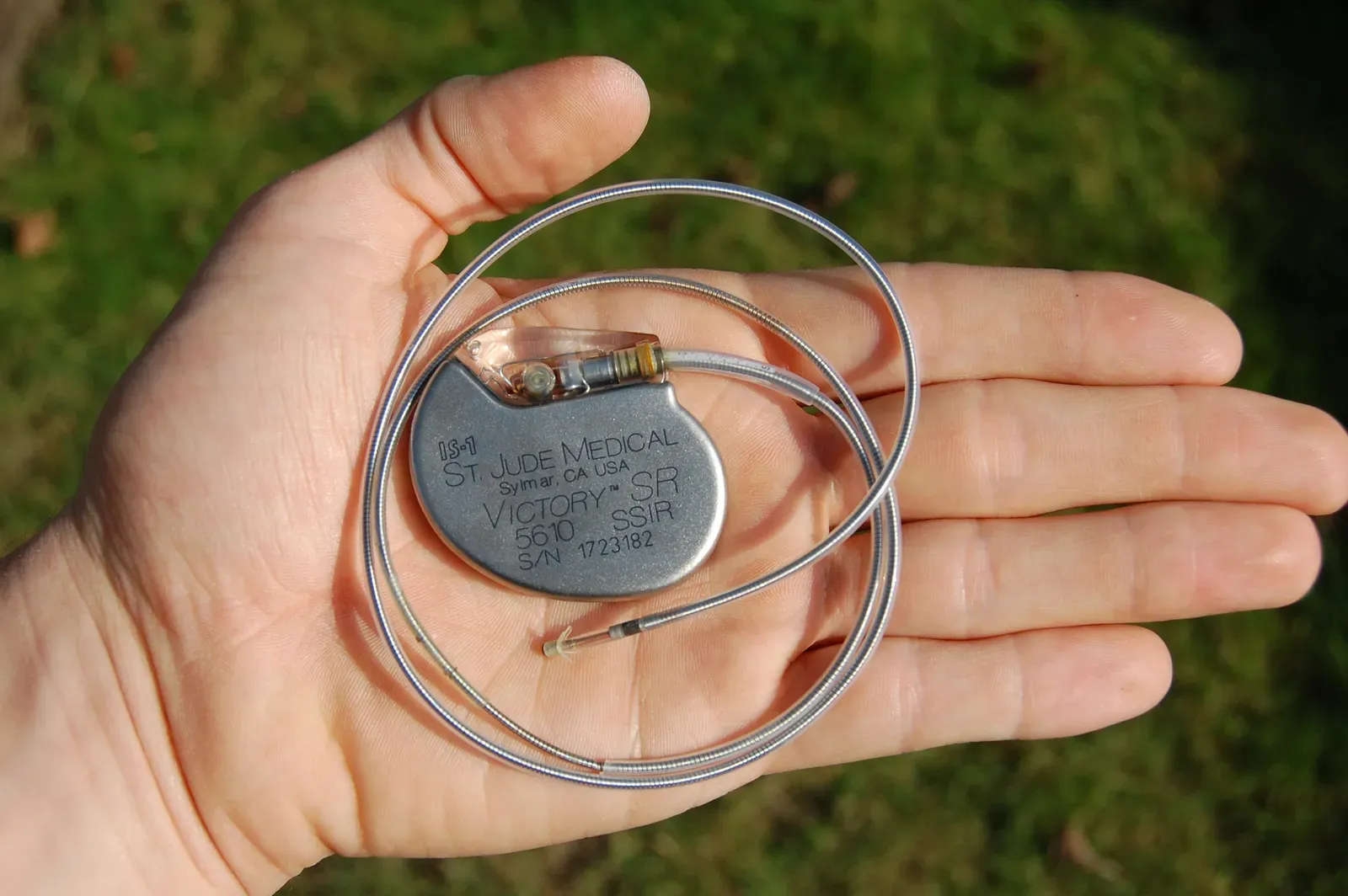
In 1956, engineer Wilson Greatbatch was attempting to build a heart rhythm recording device when he accidentally used the wrong resistor, which caused the circuit to emit electrical pulses that mimicked the function of a heart’s natural rhythm. This “mistake” was actually a lifesaver.
Greatbatch’s error led to the creation of the implantable pacemaker, a device that has kept millions of people’s hearts beating for decades. Together with surgeon William Chardack, they successfully controlled a dog’s heartbeat in 1958 and a human’s in 1960. It’s hard to say for sure, but this might be one of the most important accidents in medical history.
Safety Glass: The Flask That Wouldn’t Shatter
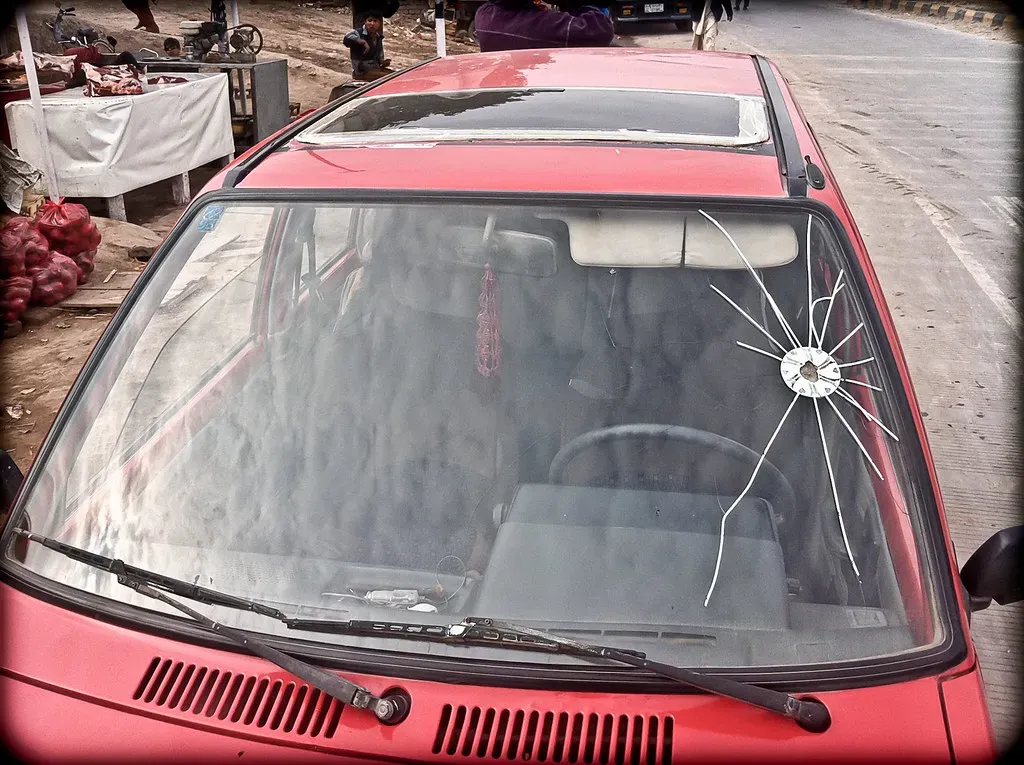
In 1903, French chemist Édouard Bénédictus accidentally dropped a glass flask that had been coated with a plastic film, and instead of shattering into pieces, the glass cracked but remained in one piece, leading to the invention of laminated safety glass. This discovery fundamentally changed how we think about glass safety.
Laminated safety glass is now used in car windshields, skylights, and more to prevent dangerous glass shattering. Before this accident, broken glass was far more dangerous in car crashes and other accidents. Sometimes a breakage really can lead to a breakthrough that keeps everyone safer.
Conclusion: When Mistakes Become Masterpieces

These ten accidental inventions prove that science isn’t always about following a strict plan or sticking to the hypothesis. Sometimes the biggest breakthroughs come from noticing what others would ignore, from being curious about a mess, or from making the “wrong” choice that turns out to be perfectly right.
What connects all these stories is observation and willingness to explore the unexpected. Fleming could’ve thrown away that moldy dish. Spencer could’ve just complained about his ruined candy bar. Crum could’ve simply apologized to that picky customer. Instead, they paid attention, asked questions, and changed the world.
The next time you make a mistake, don’t be too quick to dismiss it. Who knows? You might just stumble upon the next great invention that nobody saw coming. What do you think about these accidental discoveries? Did any of them surprise you?
Hi, I’m Andrew, and I come from India. Experienced content specialist with a passion for writing. My forte includes health and wellness, Travel, Animals, and Nature. A nature nomad, I am obsessed with mountains and love high-altitude trekking. I have been on several Himalayan treks in India including the Everest Base Camp in Nepal, a profound experience.