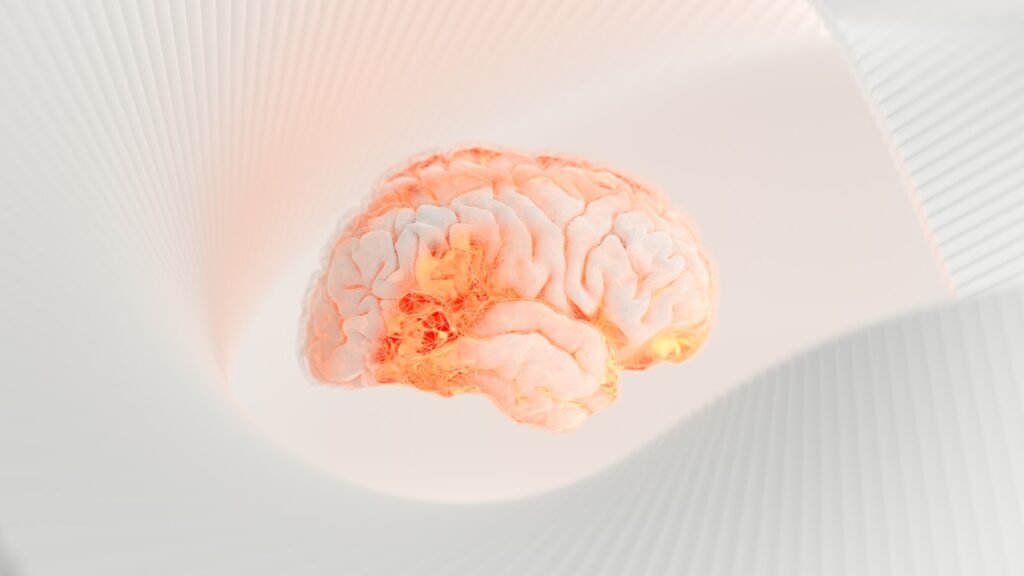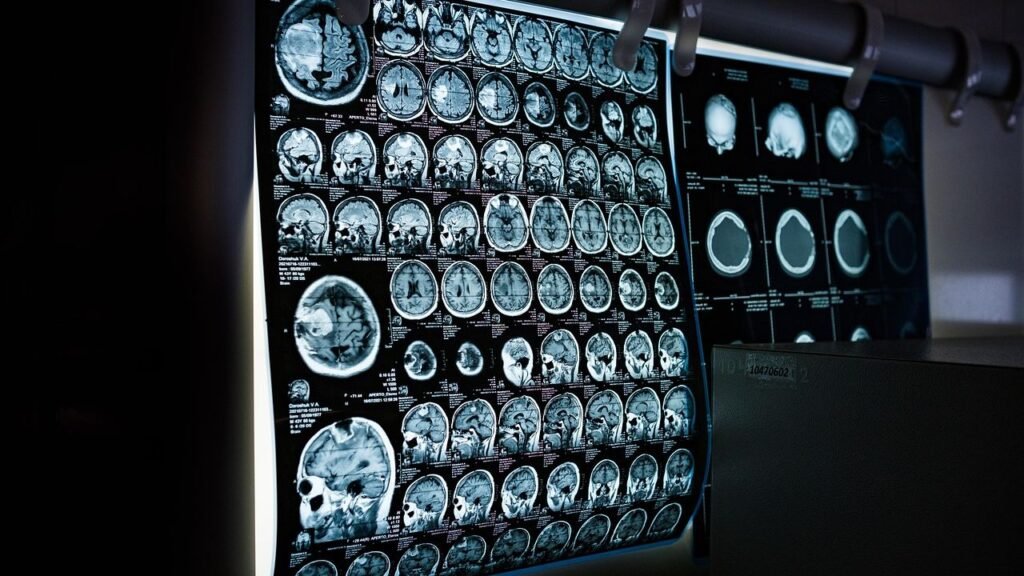

Not long ago, the brain felt almost like a black box: we knew it was important, we knew it was fragile, but how it really worked was mostly guesswork and grainy scans. Over the past few years, that’s changed at a dizzying pace. Today, scientists can watch thoughts ripple through neural networks, tweak brain cells with beams of light, and even map the tiny blood vessels that feed our memories and emotions.
What’s emerging is a picture that’s at once unsettling and hopeful: your brain is more flexible, more vulnerable, and far more intertwined with your body than we ever imagined. These seven breakthroughs are not just cool lab tricks; they’re forcing us to rethink what a mind is, how we treat mental illness, and where the line between brain and machine really lies.
The Brain Is Not Fixed: Adult Neurogenesis and Extreme Plasticity
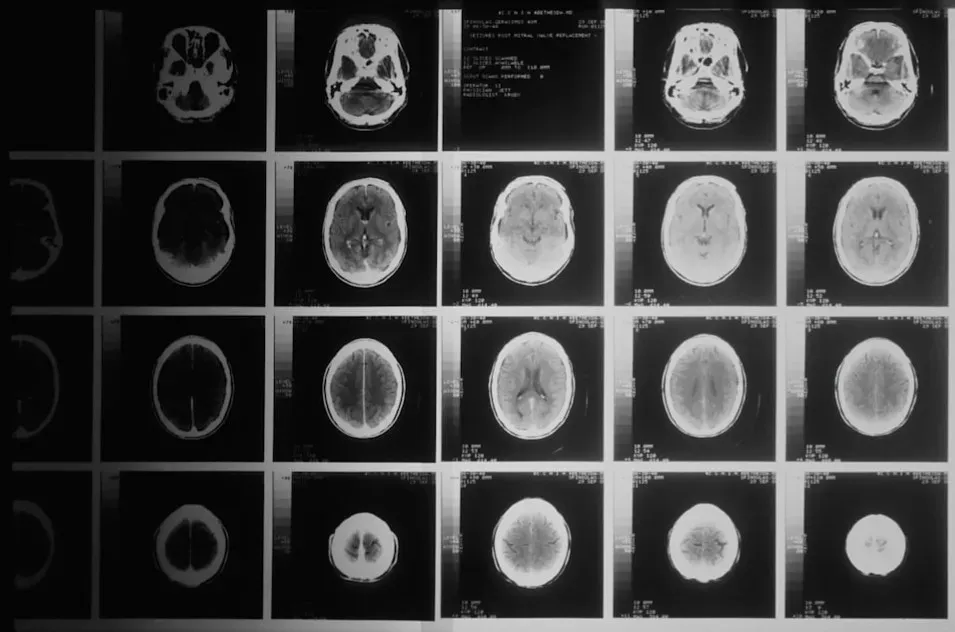
For decades, school textbooks quietly told a depressing story: you’re born with all the brain cells you’ll ever have, and from there it’s a slow, inevitable decline. Research starting in the late twentieth century and accelerating through the 2020s has demolished that idea. Scientists have shown that certain brain regions, like the hippocampus, can generate new neurons throughout adulthood, and that even older brains can rewire in response to learning, injury, and experience.
The past few years have pushed this even further, revealing that plasticity isn’t just a gentle background process; it can be dramatic and fast. Stroke patients relearning to move limbs, people recovering from trauma, and bilingual adults juggling multiple languages all show measurable structural changes in the brain’s wiring. To me, this is one of the most hopeful findings in modern science: it means habits are not fate, and that change is literally built into our biology.
Peering Into Thought: Ultra-High-Resolution Brain Imaging
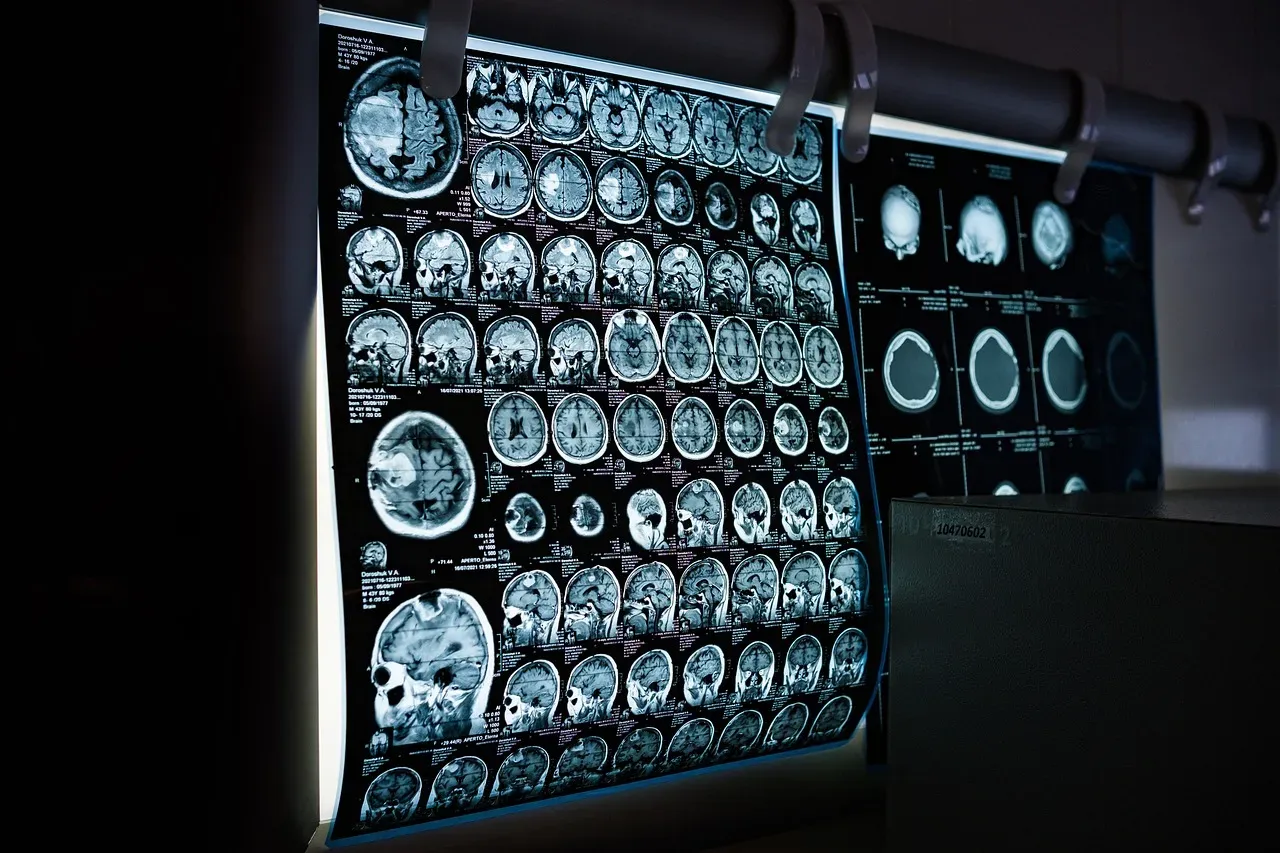
Not long ago, brain scans looked a bit like blurry weather maps: big colored blobs showing general areas of activity. Thanks to ultra-high-field MRI scanners and advanced analytical techniques, researchers can now zoom in to see activity patterns within tiny subregions and even track how signals travel through specific circuits over fractions of a second. Some labs are building detailed wiring diagrams, or connectomes, at scales that would have sounded like science fiction twenty years ago.
In the early 2020s, new imaging methods combining structural, functional, and molecular data began revealing that so-called “quiet” brain regions are anything but idle. Networks once thought of as background noise, such as the default mode network, have turned out to be closely tied to mind wandering, self-reflection, and disorders like depression. The more clearly we can see the brain, the less it looks like a collection of isolated modules and the more it looks like a constantly shifting city at rush hour, with traffic patterns that tell you who you are and how you feel.
Editing the Brain’s Code: CRISPR and Gene-Based Neuroscience
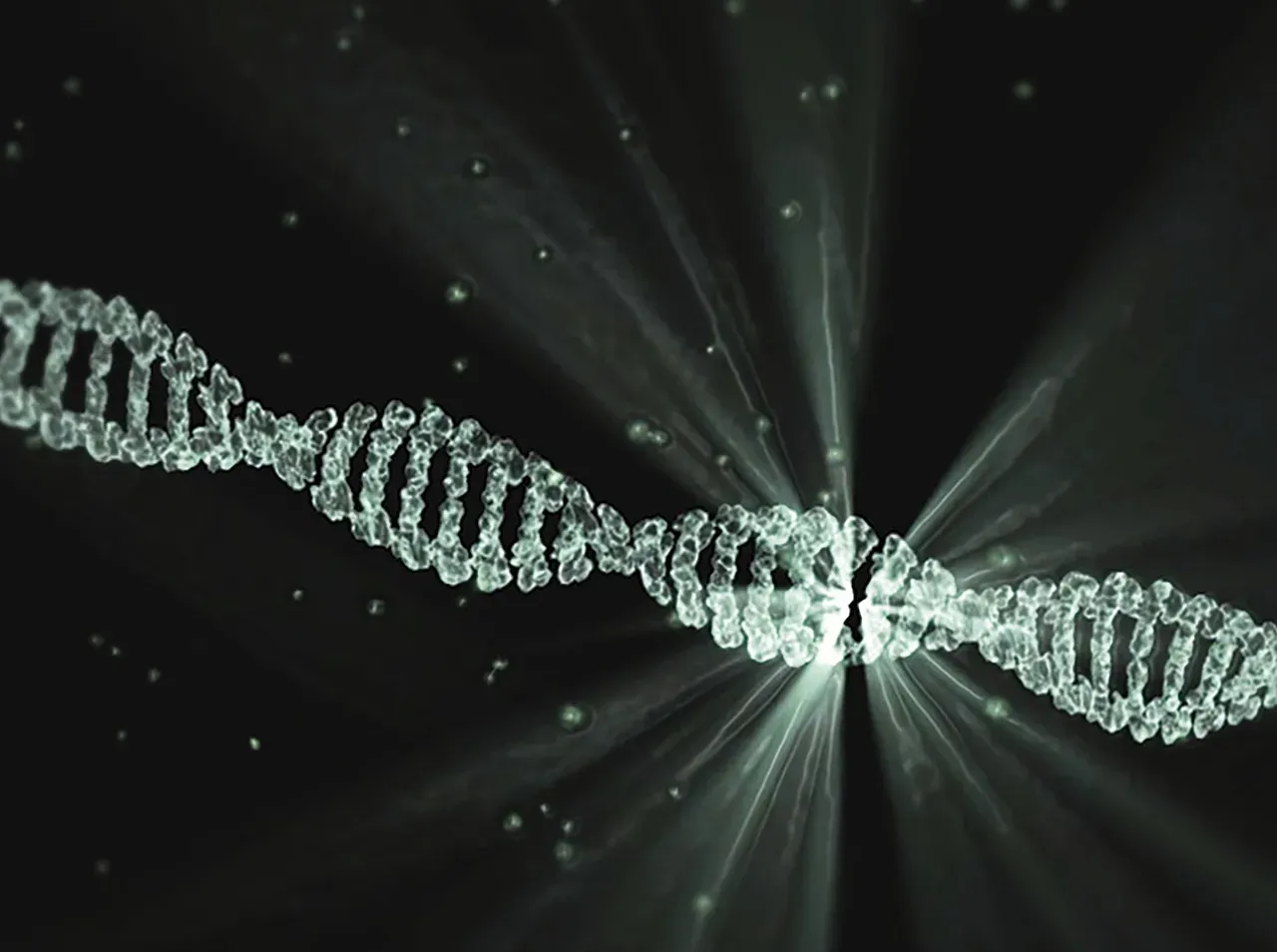
The idea of tweaking the brain by editing its genetic code used to be the territory of dystopian novels. With CRISPR and related gene-editing tools, neuroscientists can now modify single genes in specific brain cells in animals, and in highly controlled settings they’re cautiously moving toward treating certain human brain disorders at the genetic level. Conditions like rare epilepsies, Huntington’s disease, and some developmental syndromes are at the front of this line, because they’re directly tied to known mutations.
Over the past few years, studies have shown that altering particular genes can change how neurons grow, connect, or respond to neurotransmitters, reshaping behaviors like anxiety, memory, and social interaction in animal models. This kind of work is both thrilling and unnerving: it suggests that at least some aspects of personality and vulnerability to mental illness are deeply rooted in molecular switches. It doesn’t mean your destiny is written in your DNA, but it does mean the code matters more than we wanted to admit.
Controlling Neurons With Light: The Rise of Optogenetics
If you’ve ever wished you could flip a switch to turn off anxiety or dial down pain, optogenetics is the closest thing we’ve found so far in the lab. By engineering neurons to respond to specific wavelengths of light, scientists can activate or silence those cells in living brains with incredible precision. This lets them test cause and effect directly: turn this group of neurons on, a mouse freezes in fear; turn them off, the fear melts away.
In the 2020s, optogenetic techniques have expanded to more brain regions and more species, and are increasingly being paired with behavioral and imaging data to map entire emotional and cognitive circuits. While it’s not yet a routine clinical tool in humans, the insights it’s giving us about how particular circuits generate depression, addiction, and compulsive behaviors are already guiding new therapies. Instead of guessing which drug might help, researchers can now ask which circuit is malfunctioning, almost like a mechanic tracing a short in an electrical system.
AI Meets the Mind: Decoding Brain Activity and Rebuilding Speech
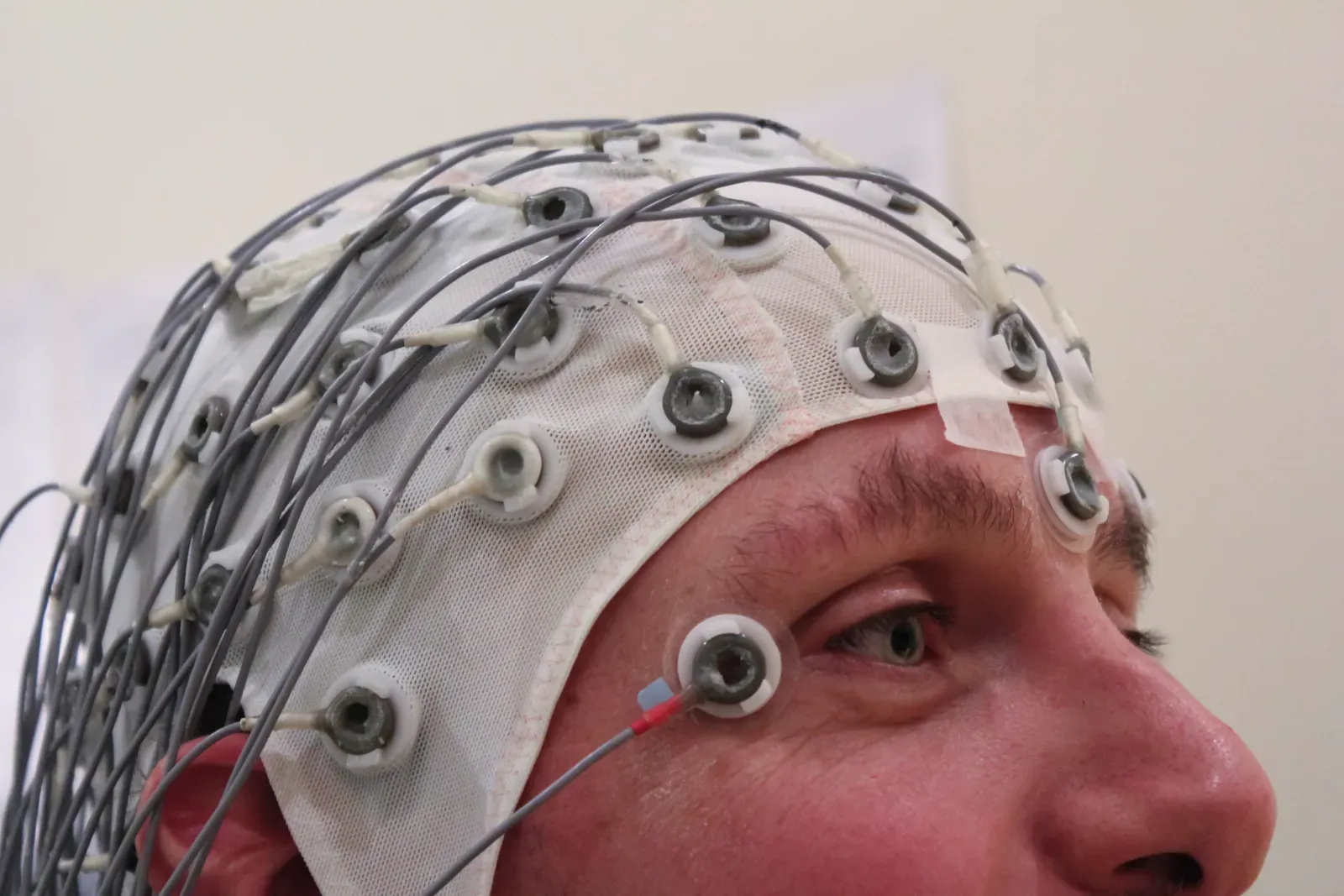
One of the most dramatic advances in recent years has come from combining brain signals with powerful artificial intelligence models. Brain-computer interface (BCI) research, which once struggled to move a cursor slowly across a screen, is now decoding complex patterns of neural activity to restore some abilities lost to paralysis and disease. In several studies, people who cannot speak due to conditions like ALS or brainstem stroke have been able to use implanted electrodes and AI algorithms to turn their attempted speech into text or synthesized voice.
These systems work by training machine-learning models on the user’s neural activity while they imagine speaking or moving, then predicting intended words or gestures in real time. It’s not mind reading in the science-fiction sense, but it’s close enough to feel almost eerie when you see it in action. At the same time, this research is forcing tough conversations about privacy and identity: if your brain signals can be decoded into words, what counts as a thought, and who should be allowed to access that data?
The Immune System’s Hidden Role: Inflammation, Microglia, and Mental Health
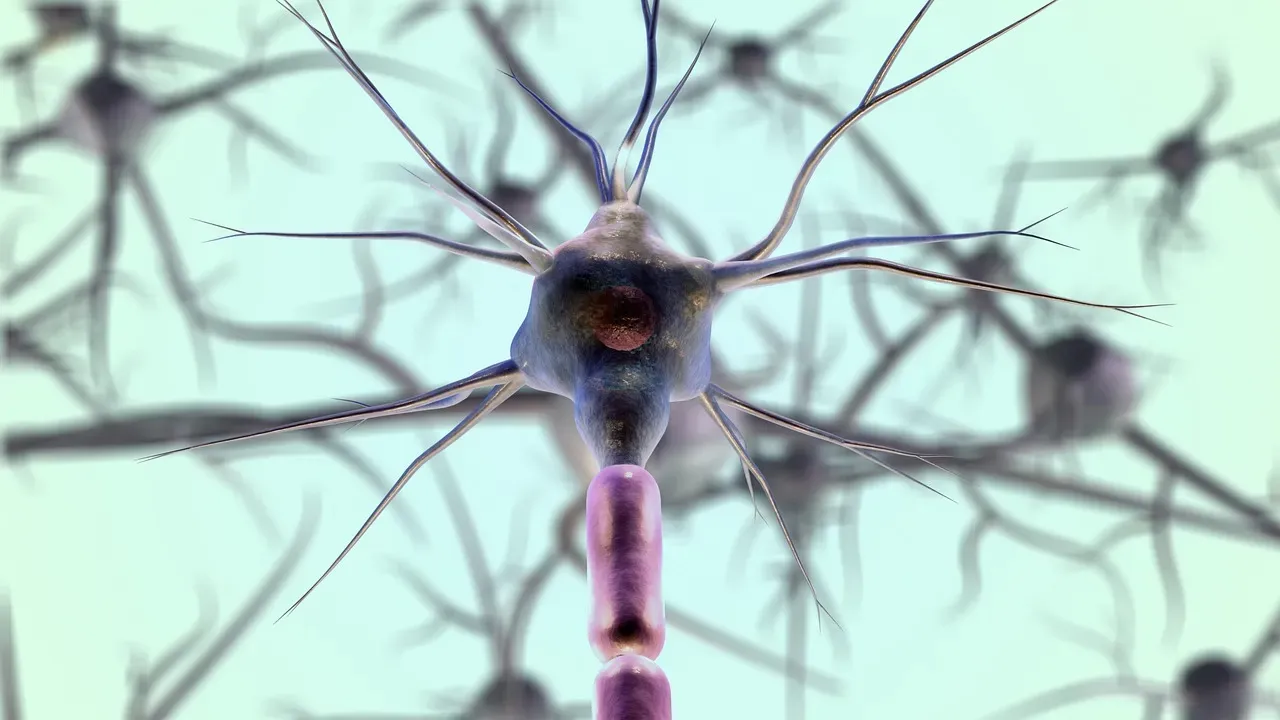
For a long time, brain and body were treated in medicine like two separate kingdoms: neurologists and psychiatrists on one side, immunologists and internists on the other. Recent work has shattered that illusion by showing the immune system is deeply involved in shaping brain health, mood, and cognition. Microglia, the brain’s resident immune cells, do far more than clean up debris; they prune synapses, fine-tune connections, and respond aggressively to chronic stress and infection.
Studies over the past several years have linked systemic inflammation to increased risk for depression, brain fog, and even neurodegenerative diseases like Alzheimer’s. This doesn’t mean every bad mood is an immune problem, but it does mean that your mental state and your physical health are more entangled than previously believed. The idea that treating inflammation or adjusting immune responses could improve some psychiatric symptoms is turning old treatment hierarchies upside down, and it makes lifestyle factors like sleep, diet, and stress management feel a lot less optional.
The Brain Never Sleeps: Glymphatic Cleaning and Nighttime Repair

Sleep used to be framed as a passive shutdown, like turning off a machine to let it cool down. Now we know the brain is surprisingly busy at night, and one of its main jobs is cleaning house. Researchers discovered a system called the glymphatic system, a network that clears waste products out of the brain’s tissue using cerebrospinal fluid, and it ramps up during deep sleep. This flushing process helps remove proteins associated with neurodegenerative diseases, among many other things.
In the 2020s, more precise imaging and fluid measurements have strengthened the link between poor sleep, impaired glymphatic clearance, and increased risk of conditions like dementia and chronic cognitive problems. It’s as if skipping deep sleep is like never taking out the trash in a tiny apartment: things might look fine for a while, but eventually the buildup starts to affect everything. Realizing that sleep is a form of active brain maintenance changes how we think about all-nighters, shift work, and the casual culture of “I’ll sleep when I’m dead.”
A Brain That’s Stranger – and More Hopeful – Than We Thought
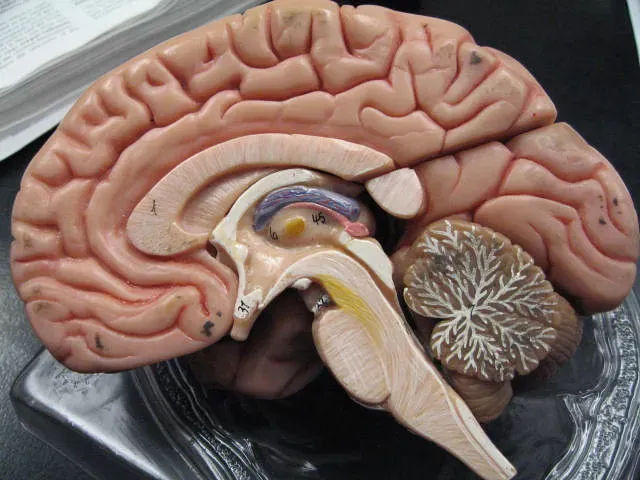
These breakthroughs add up to a picture of the brain that’s far from the static, isolated organ many of us grew up imagining. It’s genetically coded yet remarkably flexible, electrically and chemically alive, wired into our immune system, cleaned by sleep, and increasingly readable with advanced tools and AI. Instead of a mysterious black box, it looks more like a living ecosystem that can be mapped, nudged, repaired, and sometimes even rewired.
That doesn’t make the brain any less awe-inspiring; if anything, it makes it feel more fragile and more full of possibility at the same time. Knowing that your daily choices, your sleep, your stress, your social life, and even your immune health all feed back into this three-pound universe in your skull can be unsettling, but it’s also empowering. If our understanding has changed this much in just a couple of decades, what else about the mind are we still underestimating?