

Happiness used to sound like something soft and vague, the kind of thing you’d find in a self-help aisle or on a motivational poster. Today, it’s being scanned inside brain machines, measured with electrodes, and tracked through decades-long scientific studies. Researchers are literally watching joy, meaning, and contentment light up the brain in real time, and what they’re discovering is both surprising and oddly comforting.
The science of happiness doesn’t magically erase hardship, anxiety, or grief. But it does give us a clearer map of what actually helps our minds feel better, and what just looks good on social media. As someone who’s spent way too many late nights doomscrolling and then wondering why my brain feels like a drained battery, I’ve come to really appreciate that this research isn’t abstract. It lands in everyday choices: how we connect, how we rest, what we pay attention to, and what we chase.
The Brain’s Happiness Network: More Than a “Feel-Good” Button

One of the most shocking things brain research has shown is that there isn’t a single “happiness center” in the brain. Instead, happiness looks more like a symphony, with several regions firing together in complicated and beautiful ways. The prefrontal cortex, which sits just behind your forehead, helps with planning, decision making, and emotional regulation, and it’s heavily involved in how we experience positive emotions. When people report feeling content, calm, or joyful, this region often shows strong and stable activity.
Deeper in the brain, the reward system – areas like the ventral striatum and nucleus accumbens – responds to things that feel rewarding or meaningful, from a hug to a favorite meal to hitting a personal milestone. But here’s the twist: these reward circuits can’t tell the difference between what is good for us and what just feels good in the moment. That’s why the same pathways light up for junk food, social media likes, or addictive substances. Happiness research is making it clear that a healthy life isn’t about constantly triggering reward circuits, but about teaching the brain to savor slower, more sustainable forms of satisfaction.
Dopamine, Serotonin, and the Myth of the “Happy Chemical”
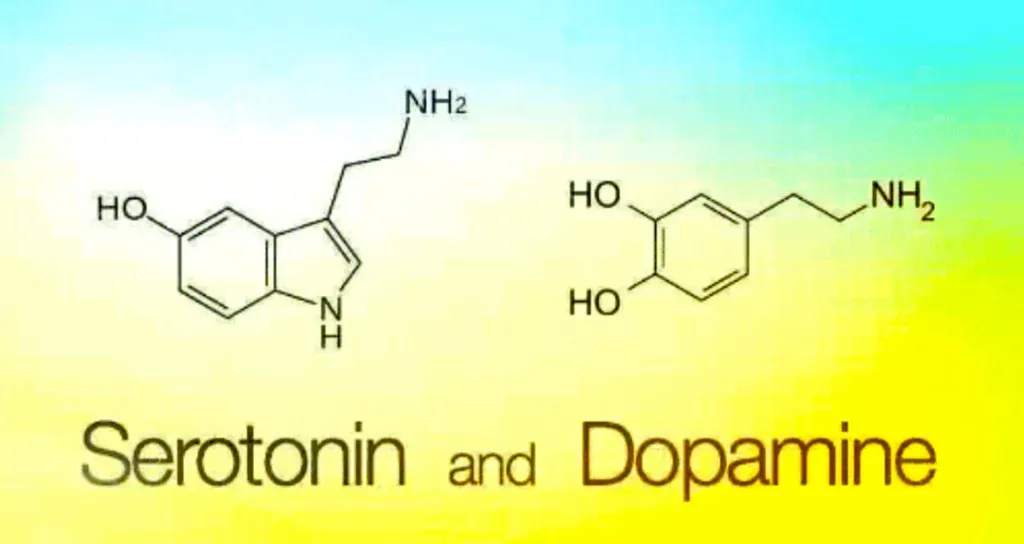
It’s tempting to think of happiness as a simple chemical equation: more dopamine, more happiness; more serotonin, less depression. But the brain is messier and more interesting than that. Dopamine is often called the motivation or anticipation chemical because it spikes when we expect something rewarding, not just when we get it. That dreamy rush when you’re about to open a package or see someone you love after a long time – that’s dopamine acting like a tiny inner hype-person.
Serotonin, on the other hand, is more about mood balance, safety, and overall stability. It helps regulate sleep, appetite, and emotional tone, which is why many antidepressant medications target serotonin systems. Brain research over the past decade has shown that both chemicals work as part of wider networks, not as on–off switches. When we chase constant dopamine hits – through scrolling, snacking, or quick thrills – we can overload and exhaust the system, leaving us strangely empty. Sustainable well-being looks more like a gentle ocean tide of brain chemistry than like fireworks every night.
The Role of Attention: Why What You Focus On Shapes How You Feel

One of the most powerful, and slightly uncomfortable, findings in happiness science is that where your attention goes, your emotional life tends to follow. The brain’s default mode network, which kicks in when your mind wanders, is heavily involved in rumination and self-talk. When this network constantly replays regrets, fears, and imaginary disasters, it can drag mood down and keep anxiety on a loop. Many people don’t realize how much of their inner suffering is fed by attention habits they never chose on purpose.
Studies using brain imaging show that practices like mindfulness and focused breathing change how attention circuits work over time. The prefrontal cortex becomes better at noticing when the mind has drifted into unhelpful territory and gently steering it back. It’s like installing a wiser driver in a car that used to be on autopilot. This doesn’t mean we should always “think positive,” which can become its own kind of denial. Instead, it means training the brain to notice reality more clearly and not let worst-case fantasies own the entire mental stage.
Connection and the Social Brain: Why Relationships Light Us Up

The more scientists scan the brain, the more one message keeps repeating: humans are wired for connection. When we feel truly understood or supported, areas linked to reward, safety, and emotional regulation light up together. Oxytocin, sometimes called the bonding hormone, increases during warm social interaction and helps lower stress responses in regions like the amygdala. This is one reason a genuine hug can feel like a full-body exhale after a rough day.
Brain research also shows that chronic loneliness isn’t just emotionally painful; it acts almost like a long-term health risk. Isolation ramps up the body’s stress systems and can make the brain more sensitive to social threats, leading to misreading neutral interactions as negative. On the flip side, stable relationships help buffer against depression and anxiety, and they seem to support healthier aging of both brain and body. It turns out that answering a friend’s text, having a real conversation instead of just reacting to a post, or making time for family dinners is not just “nice to have” – it’s neurobiological self-care.
Stress, Threat, and the Hijacked Brain

Our brains are built to keep us alive first and happy second, and this design shows up clearly in how we handle stress. The amygdala scans for threats all the time, even when we think we’re just casually scrolling or working. When it senses danger – social rejection, financial fear, health worries – it can send the body into a stress response, flooding us with stress hormones and narrowing our focus. In short bursts, this system is lifesaving, but when it runs nonstop, it becomes toxic to both brain and body.
Chronic stress has been linked to reduced volume in areas like the hippocampus, which is important for memory and learning, and to disrupted activity in the prefrontal cortex. That’s why under heavy stress, it’s harder to plan, think clearly, or feel hopeful. Interestingly, happiness research is increasingly focused not just on avoiding stress but on something called stress resilience. Brains that interpret challenges as manageable and meaningful – rather than as endless doom – show healthier patterns of activation. It’s a bit like the difference between lifting weights that make you stronger and carrying a heavy bag you can never put down.
Habits That Rewire Happiness: Neuroplasticity in Action

One of the most encouraging discoveries in modern neuroscience is that the adult brain is far more changeable than scientists used to think. Neuroplasticity, the brain’s ability to reorganize itself by forming new connections, doesn’t vanish in childhood. It continues throughout life, shaped by what we repeatedly do, feel, and focus on. When we practice certain habits – like gratitude, exercise, or reflection – we’re not just “being good,” we’re training neural circuits the way you’d train a muscle over time.
Regular physical activity, for example, boosts blood flow to the brain and increases levels of brain-derived neurotrophic factor, a kind of brain fertilizer that supports neuron growth and resilience. Practices like writing down a few things you’re genuinely grateful for, or intentionally savoring small pleasures instead of rushing past them, have been linked to measurable shifts in brain activity in regions linked to positive emotion and self-regulation. These changes are gradual and subtle, more like carving a new path through a forest than flipping a light switch, but over months and years they can dramatically reshape our baseline mood.
Meaning, Purpose, and the Deeper Layers of Well-being

Happiness research has increasingly moved beyond just measuring momentary pleasure and into deeper territory: meaning, purpose, and psychological richness. Brain scans show that when people engage in activities they find deeply meaningful – helping others, creating something, working toward a long-term goal – there is strong engagement not only in reward circuits but also in regions associated with self-reflection and value-based decision making. These experiences might not always feel light or easy in the moment, but they often leave a lasting sense of satisfaction and coherence.
Interestingly, tasks that align with a person’s core values can calm some of the brain’s threat systems, even when the tasks themselves are difficult or stressful. For example, caring for a sick relative or working on a demanding project that matters can still leave people feeling emotionally fulfilled. This helps explain why chasing constant comfort or entertainment can lead to a strangely flat emotional life, while doing something challenging but meaningful can feel deeply right. The brain seems to recognize when life has direction, and it rewards that with a quieter, steadier form of well-being.
The Limits of Brain Science: Why Happiness Is Not a Simple Formula

As powerful as brain research is, it doesn’t give us a one-size-fits-all recipe for happiness. There are huge individual differences in genetics, early experiences, culture, and personality that shape how our brains respond to the world. Two people can go through the same event and have completely different emotional reactions, and their brain scans will reflect that. On top of that, mental health conditions like depression, bipolar disorder, or anxiety disorders involve complex interactions between biology, environment, and life history, not just “bad thoughts” or weak willpower.
It’s also important to remember that life satisfaction isn’t only a matter of neurons firing; it’s anchored in real-world conditions like safety, income, discrimination, and access to healthcare. Brain science can illuminate how we experience these realities, but it doesn’t erase them. Still, what this research does offer is both humbling and empowering: while we can’t fully control our brains or our circumstances, we can influence them more than we might think through our habits, relationships, and choices. In the end, happiness looks less like a destination and more like an ongoing conversation between the brain, the body, and the life we’re building day by day.